
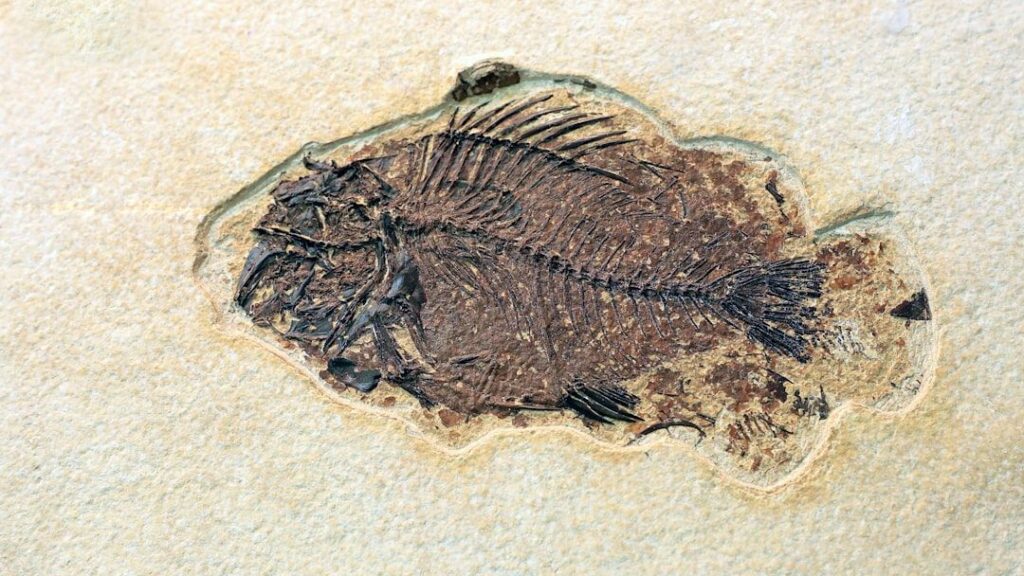
There’s something almost overwhelming about holding a piece of ancient rock and realizing you’re touching the remains of a creature that lived tens of millions of years before a single human ever drew breath. Fossils are, honestly, one of the most extraordinary things on this planet. They are nature’s own time capsules, buried quietly in sediment, waiting centuries or millennia to be found and understood.
What makes certain fossils even more jaw-dropping is their role as transitional forms, creatures that capture life mid-change, frozen in the act of becoming something else entirely. The most convincing evidence of evolution comes from transitional fossils, which link groups of organisms that today seem very different from one another. You might be surprised just how many of these remarkable specimens exist. Let’s dive in.
1. Archaeopteryx: The Feathered Bridge Between Dinosaurs and Birds
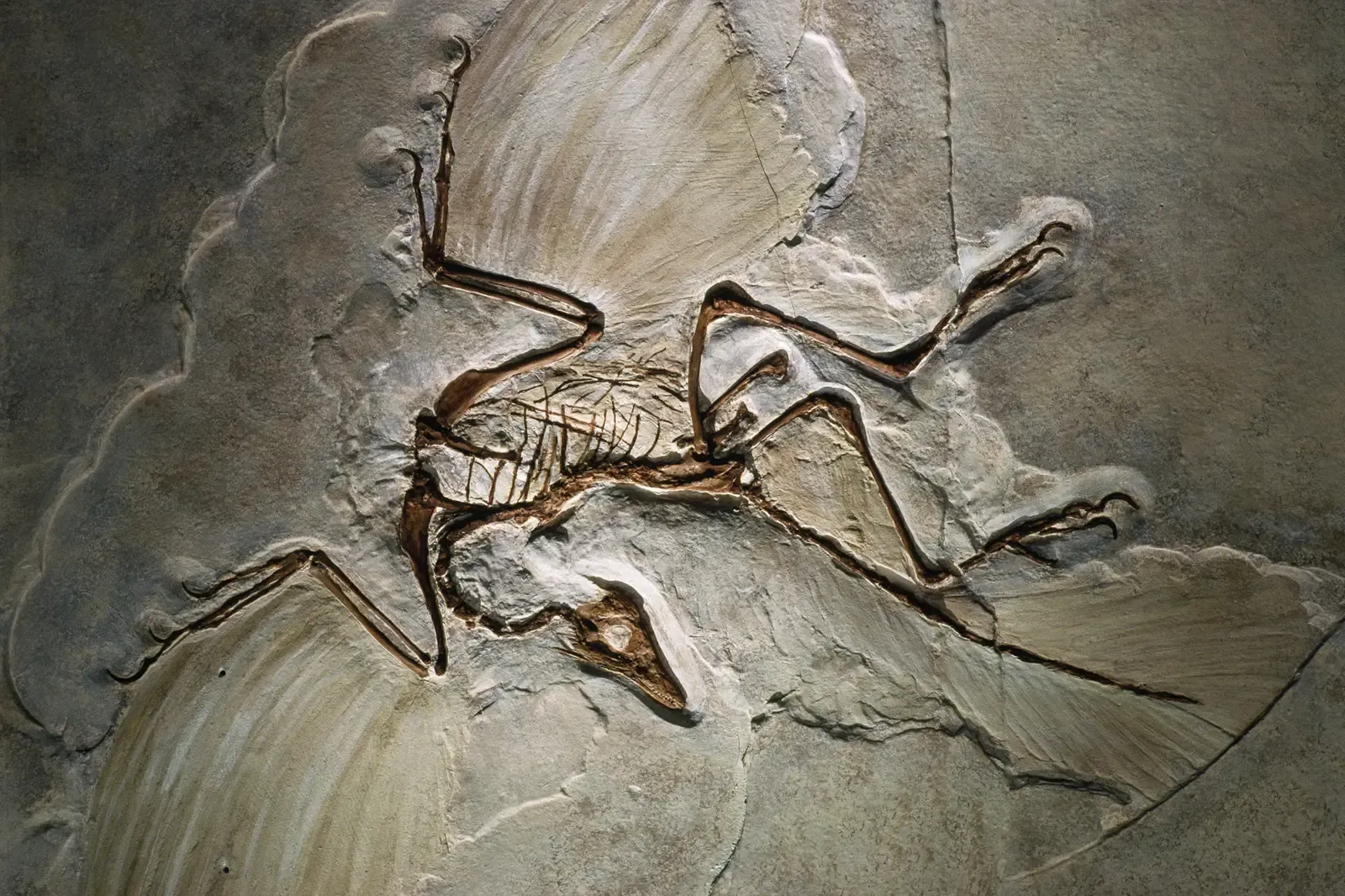
Few fossils have captured the public imagination quite like Archaeopteryx. Discovered just two years after Darwin published his landmark work, its timing felt almost theatrical. Living roughly 150 million years ago, Archaeopteryx is one of the most famous transitional fossils. Despite its bird-like feathers, it possessed features of small dinosaurs, including teeth, a flat breastbone, and a long, bony tail. Think of it as a creature stuck between two worlds, halfway through one of the most dramatic makeovers in evolutionary history.
What makes Archaeopteryx truly remarkable is the sheer number of shared traits it carries from both groups. It shares features with deinonychosaurs including jaws with sharp teeth, three fingers with claws, a long bony tail, and feathers, and these features make Archaeopteryx a clear candidate for a transitional fossil between dinosaurs and birds. The first complete specimen was announced in 1861, and ten more Archaeopteryx fossils have been found since then, with most of the eleven known fossils including impressions of feathers – among the oldest direct evidence of such structures. That is an incredible amount of evidence locked inside a single species.
2. Tiktaalik: The Fish That Tried to Walk on Land
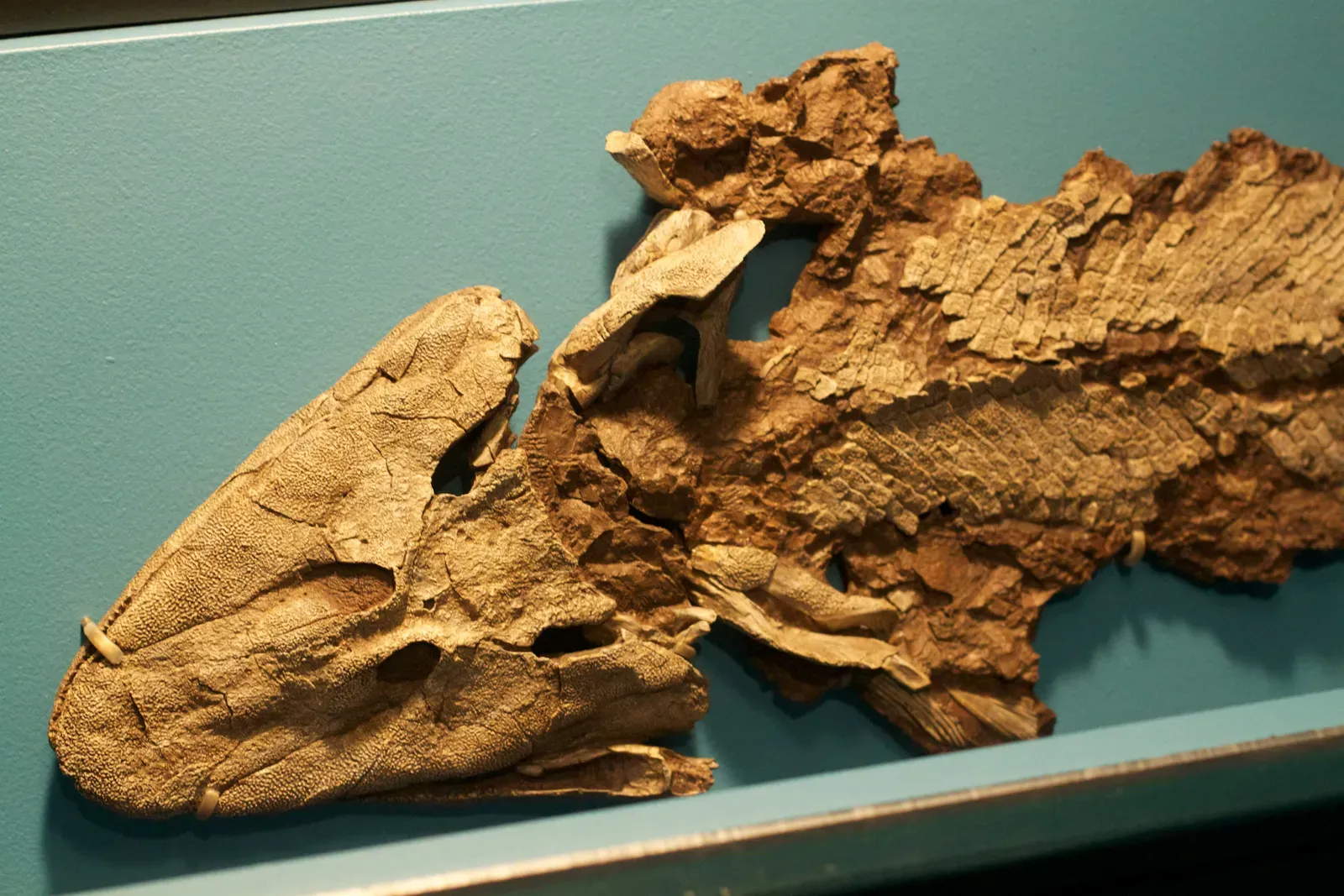
Uploaded by FunkMonk, CC BY-SA 2.0)
Here’s the thing – Tiktaalik wasn’t just discovered by accident. Scientists actually predicted its existence before finding it. The discovery demonstrates the predictive capacity of paleontology, as the Nunavut field project had the express aim of finding an intermediate between Panderichthys and tetrapods, by searching in sediments from the most probable environment and time period. That’s not luck. That’s science working exactly as it should.
Discovered in 2004, Tiktaalik is an ancient fish from 375 million years ago that blurred the line between aquatic and land animals. It had fish-like gills, scales, and fins, but its front fins had a bone structure similar to a wrist, allowing it to prop itself up in shallow water. This “fishapod” is considered a key ancestor to all four-legged land animals, including amphibians, reptiles, and mammals. Imagine a fish doing a slow, determined push-up out of the water. That is roughly what Tiktaalik was doing, every single day, for millions of years. Evolution, right there.
3. Pakicetus and Ambulocetus: Land Mammals Becoming Whales
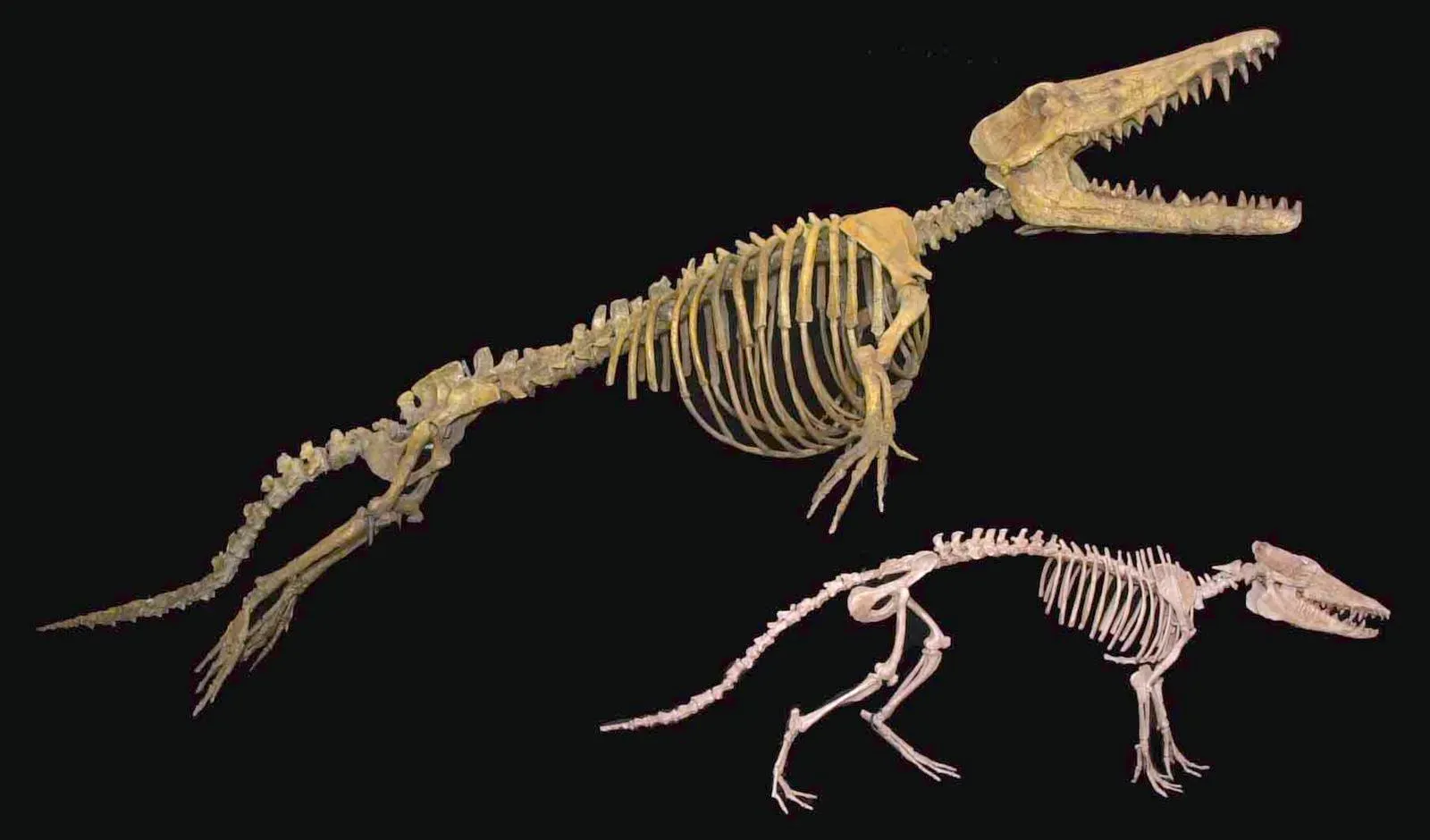
If you want a story that sounds completely impossible until you see the evidence, look no further than whale evolution. Pakicetus is a prehistoric mammal that lived approximately 53 million years ago and is considered one of the earliest ancestors of modern whales. Named after Pakistan, where its first fossilized remains were discovered, Pakicetus was a four-footed animal, roughly the size and shape of a large dog or small wolf. A dog-sized creature that eventually gave rise to blue whales. I know it sounds crazy, but the fossil evidence is undeniable.
The vast majority of paleontologists regard Pakicetus as the most basal whale, representing a transitional stage between land mammals and whales. Then, moving further along the timeline, you encounter Ambulocetus. In the same area where Pakicetus was found but in sediments about 120 meters higher, Ambulocetus natans, “the walking whale that swims,” was discovered. Dating from about 50 million years ago, Ambulocetus is a truly amazing fossil – clearly a cetacean, but it also had functional legs and a skeleton that still allowed some degree of terrestrial walking. From wolf-sized land mammal to ocean giant – evolution did not hold back on this one.
4. Eohippus: The Tiny Ancestor of the Modern Horse
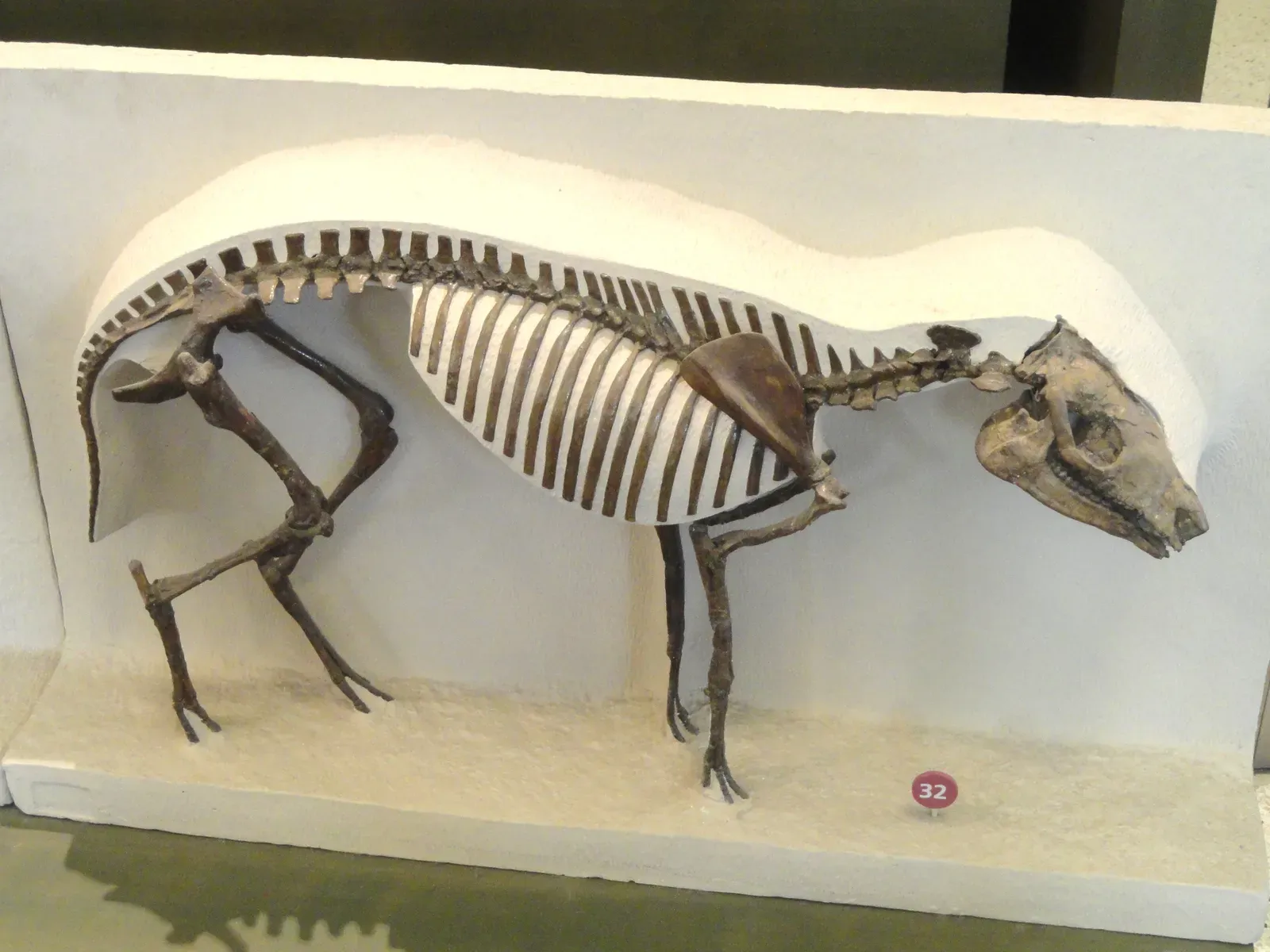
You’ve probably seen a horse. Powerful, elegant, single-hoofed. Now picture something closer to a small dog trotting through prehistoric forests with four toes on each foot. That is where your modern horse actually came from. One of the most famous examples of fossil evidence for evolution is the horse. Fossil records show how horses evolved from small, dog-sized animals with multiple toes to the large, single-hoofed animals we know today. The transformation is staggering when you see it laid out across geologic time.
Modern horses, members of the genus Equus, have just one toe – the hoof. However, the ancestors of modern horses, which lived more than 50 million years ago, had four toes. We know this from fossils of the earliest horses, like those of Eohippus, also known as Hyracotherium. If modern horses arose from a four-toed ancestor, you’d expect the lineage to have passed through intermediate forms with an intermediate number of toes. In fact, the fossil record contains many examples of these, represented by three-toed Archaeohippus and Parahippus. It’s evolution drawn out like a slow-motion film, frame by frame, toe by toe.
5. Lucy (Australopithecus afarensis): The Ancestor Who Walked Upright
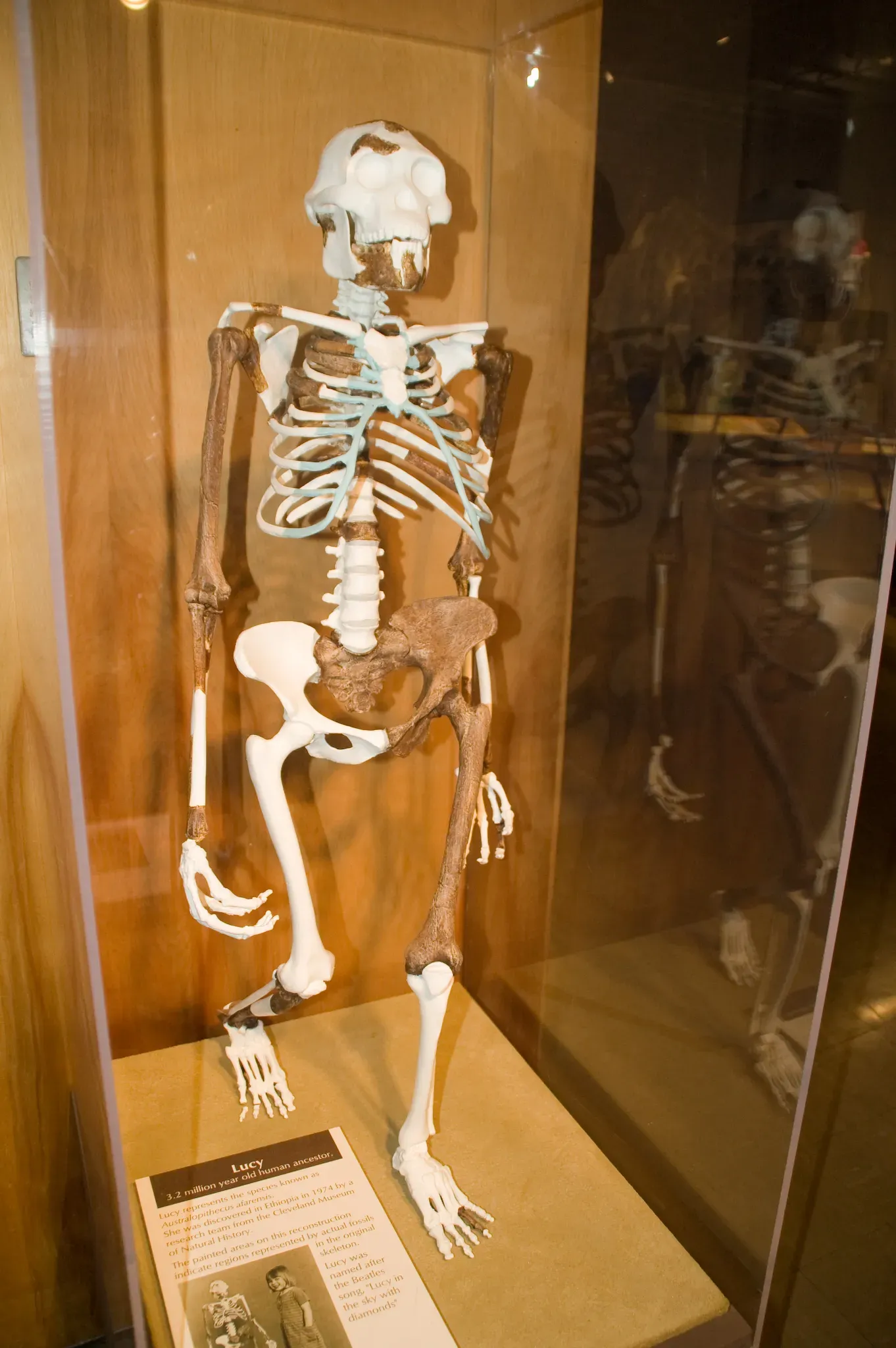
November 24, 1974. A team of scientists in Ethiopia made a discovery that would shake the entire field of paleoanthropology. Lucy was discovered in 1974 in Ethiopia, at Hadar, a site in the Awash Valley of the Afar Triangle, by Donald Johanson, a paleoanthropologist of the Cleveland Museum of Natural History. Lucy is an early australopithecine and is dated to about 3.2 million years ago. At the time, she was among the oldest and most complete human relatives ever unearthed.
What Lucy revealed about human evolution was genuinely revolutionary. The skeleton presents a small skull akin to that of non-hominin apes, plus evidence of a walking-gait that was bipedal and upright, akin to that of humans, and this combination supports the view of human evolution that bipedalism preceded increase in brain size. The ability to walk upright may have offered survival benefits, such as the ability to spot dangerous predators earlier and, perhaps crucially, it left the hands free to do other tasks, such as carry food and use tools. Walking before big brains. That changed everything scientists thought they knew about our own origins.
6. Tiktaalik’s Cousin – The Laetoli Footprints: Evolution’s Own Signature in Stone
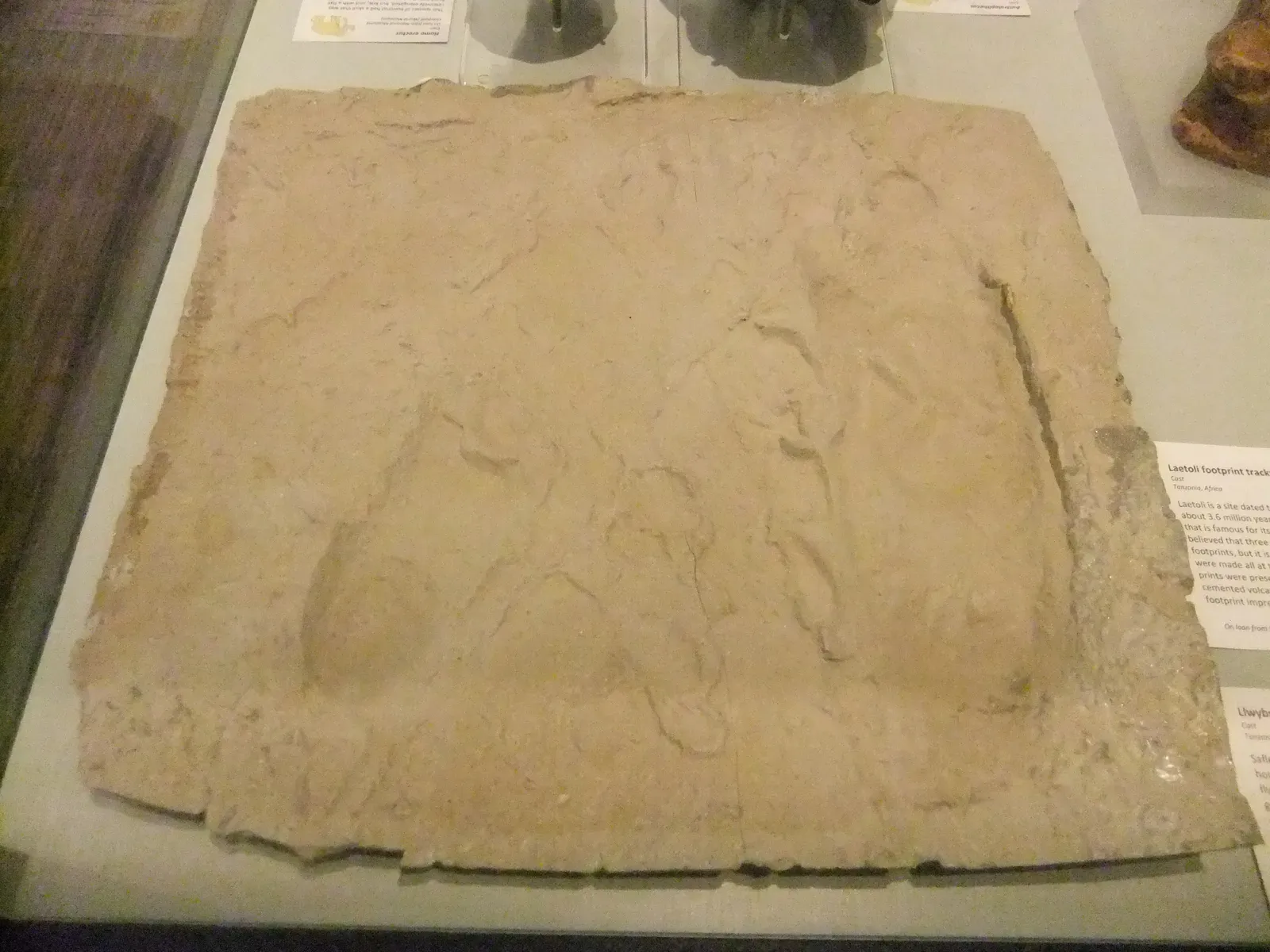
Some evolutionary evidence doesn’t come in the form of bones at all. Sometimes, it comes as footprints pressed into volcanic ash roughly 3.6 million years ago in what is now Tanzania. The footprints are of major significance as they are the first direct evidence that our ancestors were walking upright by 3.6 million years ago. The fossil footprints are very similar to our own footprints, showing that the heel was the first part of the foot to strike the ground, and that the big toe was aligned with the other toes.
These prints were left behind by Australopithecus afarensis, the same species as Lucy, and they tell an almost emotional story. Two individuals, perhaps three, walked side by side across a landscape dusted in volcanic ash that happened to harden like concrete. The feet also had central arches to help launch the body into each step. Australopithecus afarensis is one of the longest-lived and best-known early human species, with remains uncovered from more than 300 individuals found between 3.85 and 2.95 million years ago in Eastern Africa. Those footprints are a quiet, powerful moment of connection across millions of years.
7. Homo habilis: Where Stone Tools and Bigger Brains Began
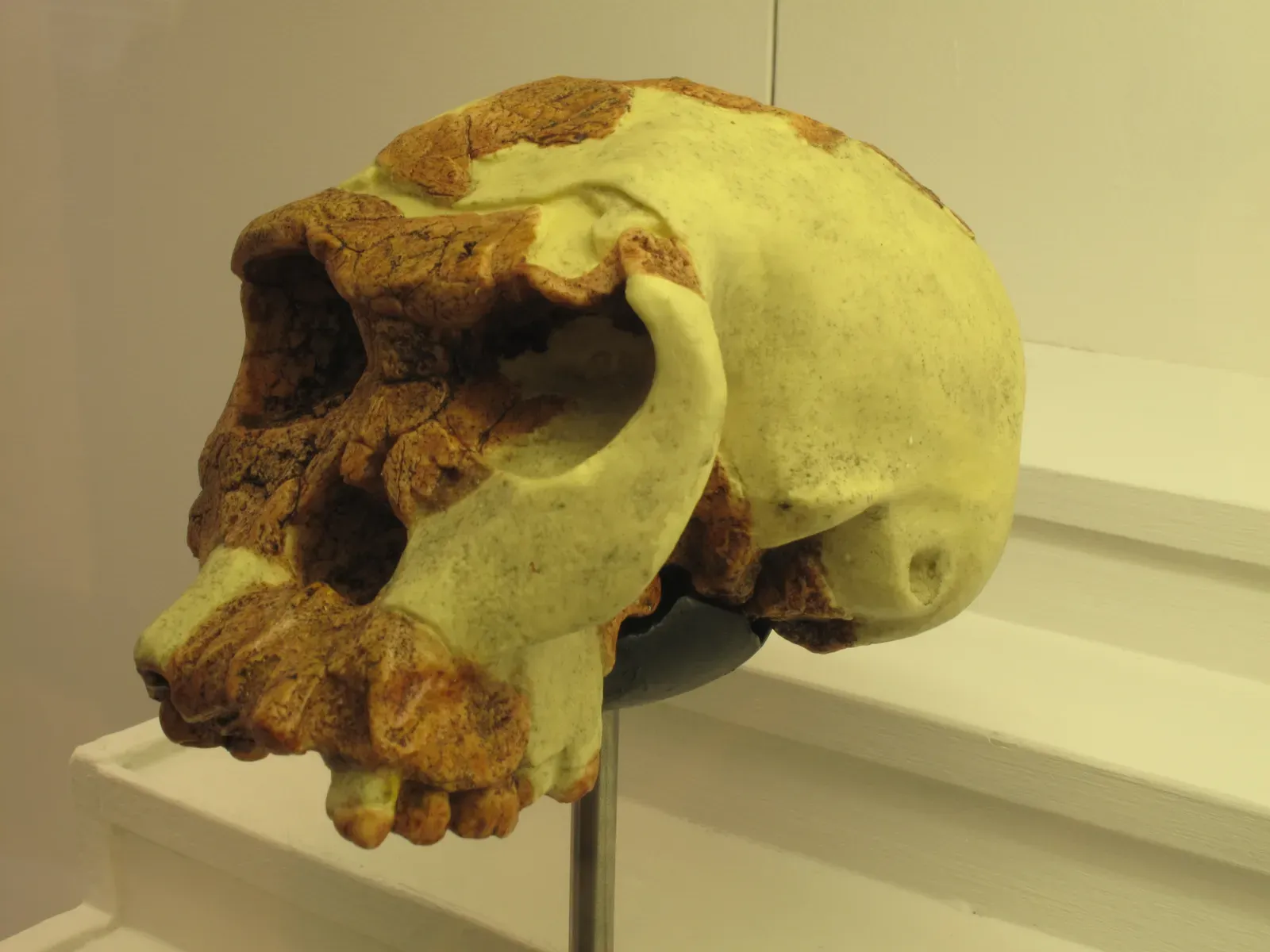
Somewhere between 1.5 and 2 million years ago, something changed in the human story. A species emerged with a noticeably larger brain than its predecessors, and along with that brain came a new capability: the deliberate making of tools. Along with increased cranial capacity, other human characteristics have been found in Homo habilis, which lived about 1.5 million to 2 million years ago in Africa and had a cranial capacity of more than 600 cc. That might not sound like a huge number, but compared to what came before, it was a dramatic leap.
Thousands of human fossils enable researchers and students to study the changes that occurred in brain and body size, locomotion, diet, and other aspects regarding the way of life of early human species over the past 6 million years. Homo habilis sits at a fascinating crossroads, retaining some ape-like body proportions while simultaneously demonstrating the beginnings of what would eventually become human ingenuity. It’s hard not to feel something when you look at a 1.8-million-year-old skull and recognize just a hint of yourself inside it.
8. The Ediacaran Fossils: Life’s First Experiments on Earth
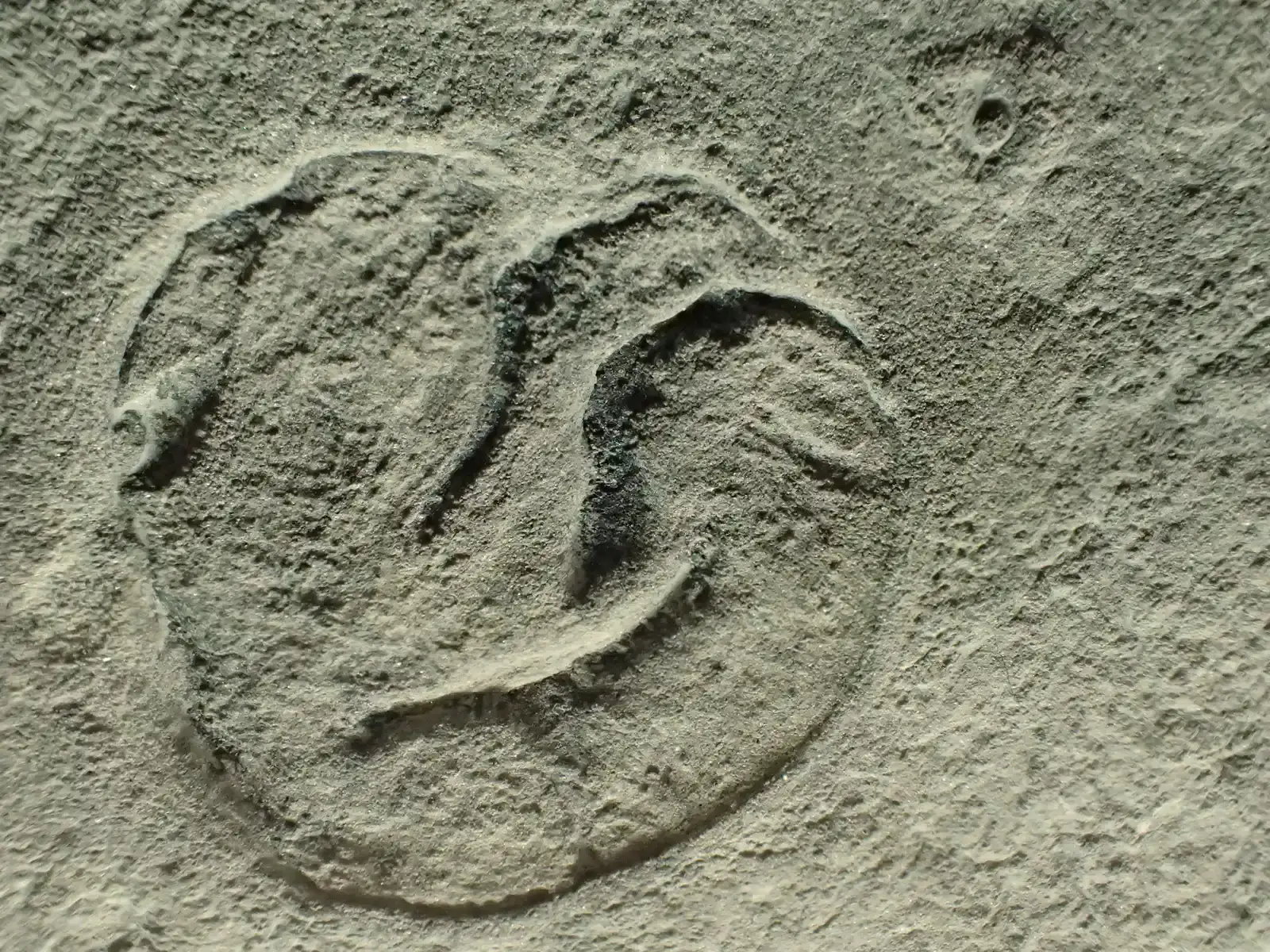
All the dramatic transitional forms we’ve explored so far had ancestors too – going back, further and further, to something almost unrecognizable as life at all. The oldest known animal fossils, about 700 million years old, come from the so-called Ediacara fauna, small wormlike creatures with soft bodies. These strange, frond-like organisms represent life in its most experimental stage, evolution literally trying out shapes and forms with no blueprint.
Numerous fossils belonging to many living phyla and exhibiting mineralized skeletons appear in rocks about 540 million years old. These organisms are different from organisms living now and from those living at intervening times. Some are so radically different that paleontologists have created new phyla in order to classify them. The fossil record shows a clear pattern: simple life forms appear first in the rocks, with more complex forms appearing later, supporting the idea that life has evolved from simple to more complex forms over billions of years. From soft-bodied Ediacaran organisms to you, reading this article in 2026, the thread of life never once stopped moving forward.
Conclusion: The Stone Pages of an Infinite Story
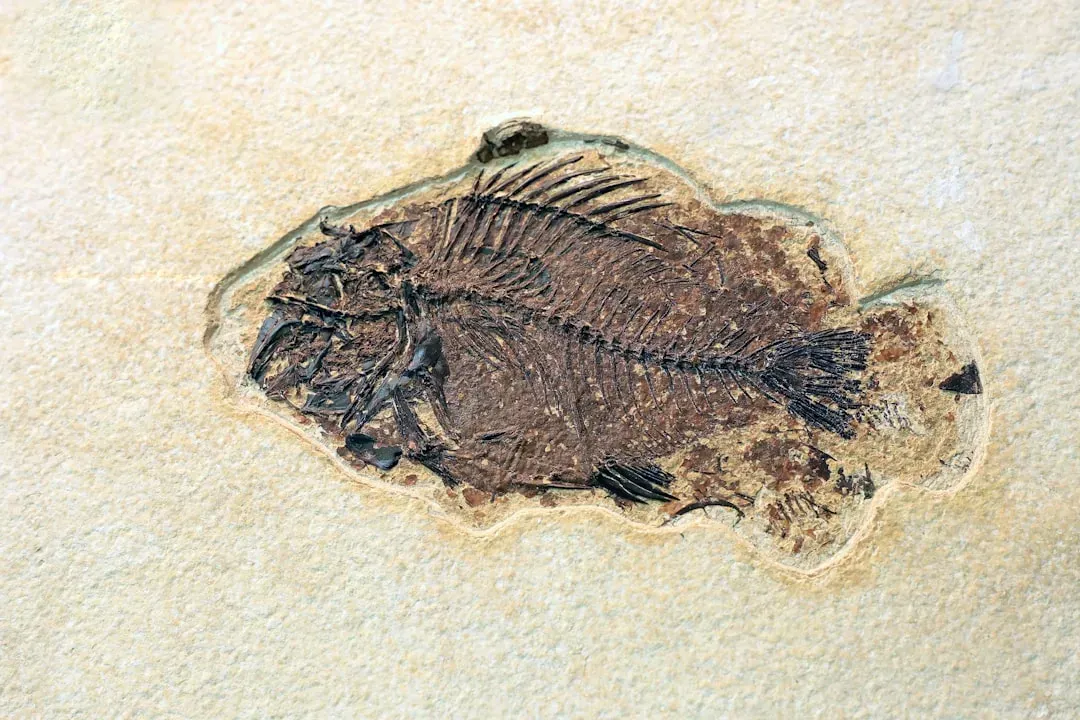
Each of these eight fossils is essentially a bookmark in the longest story ever told. The fossil record provides snapshots of the past which, when assembled, illustrate a panorama of evolutionary change over the past 3.5 billion years. The picture may be smudged in places and has bits missing, but fossil evidence clearly shows that life is very, very old and has changed over time through evolution.
What strikes me most is not just the science, but the sheer relentlessness of the process. Life never paused. It never waited for conditions to be perfect. It just kept adapting, transforming, reaching. From a wormlike creature in a shallow Ediacaran sea to Lucy walking upright across volcanic ash, to the first fish nudging itself out of the water on proto-wrists – every single moment of change is written in stone, quite literally.
Transitional fossils provide invaluable insights into the evolutionary history of life on Earth. While the term “missing link” is often used, it is crucial to remember that evolution is not a linear process but a branching one. The next time you see a bird outside your window, a horse in a field, or even catch a glimpse of your own reflection, remember – you are looking at evolution’s most recent work in progress. Which of these eight fossils surprised you the most? Share your thoughts in the comments below.