In the lush rainforests of British Guiana – now Guyana – early 20th-century explorers uncovered ecosystems driven by creatures far smaller than the charismatic megafauna often celebrated. William Beebe, a visionary curator at the New York Zoological Society, led expeditions that shifted focus from elusive birds to the dominant insects shaping jungle life. Recent digitization efforts at the Wildlife Conservation Society Archives now bring these long-buried details into sharp, modern focus, highlighting the enduring relevance of such observations for biodiversity understanding.
A Bold Quest in Uncharted Wilds
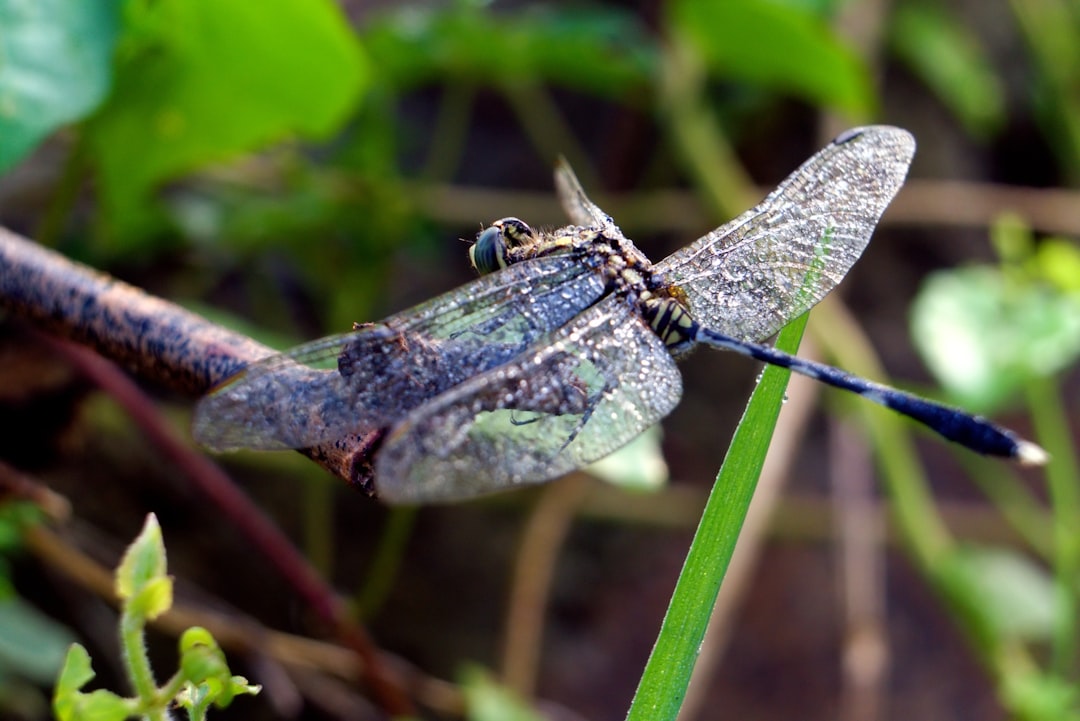
A Bold Quest in Uncharted Wilds (Image Credits: Unsplash)
William Beebe arrived in British Guiana in 1916 with grand ambitions. As Curator of Ornithology, he established laboratories at Kalacoon and Kartabo to study the hoatzin, a primitive bird he hoped to display at the Bronx Zoo. Efforts to transport live specimens repeatedly failed, forcing researchers to adapt their approach amid the rainforest’s challenges.
The Department of Tropical Research team, including entomologist Alfred E. Emerson, expanded their scope. They documented life across forest layers, from canopy to understory. This period marked foundational work in American entomology, with observations contributing to broader knowledge of insect societies. Beebe’s writings captured the jungle’s relentless rhythms, drawing parallels between natural battles and human conflicts he witnessed during World War I volunteering.
Insects Emerge as Ecosystem Architects
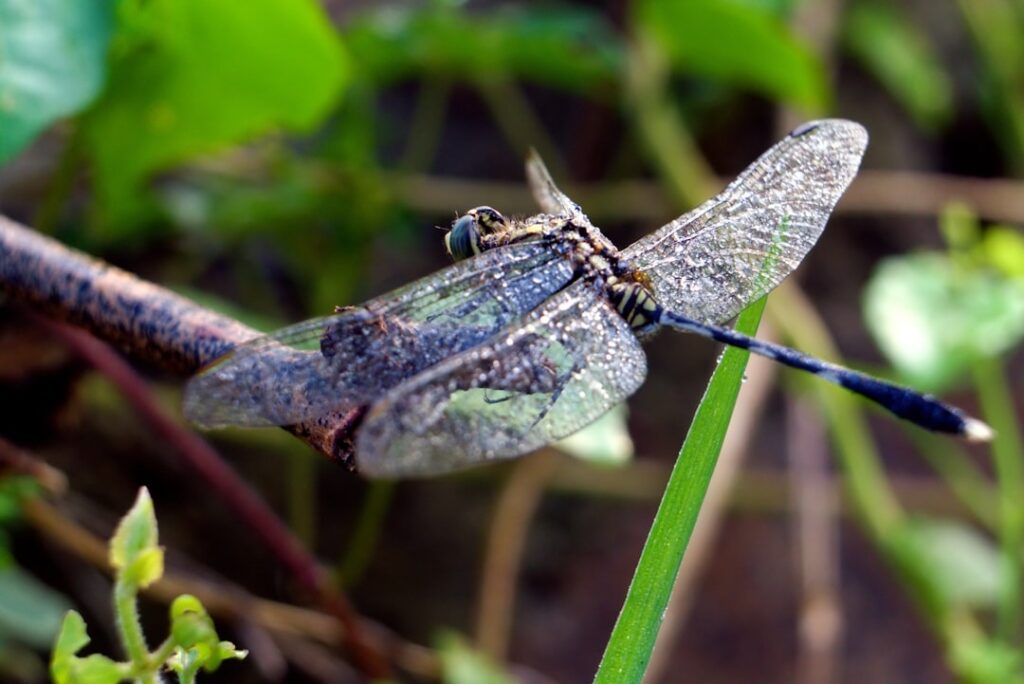
Researchers found insects dominating the narrative. Ants appeared as builders and fighters, termites displayed complex caste systems, and grasshoppers revealed intricate anatomy. These creatures formed the backbone of the rainforest, influencing everything from soil health to predator-prey dynamics. Beebe emphasized their role beyond mere backdrop to larger animals.
Over eight years, the team cataloged specimens and behaviors at field stations. They discovered patterns in army ant raids and fungal infections on ants. Such details underscored insects’ outsized impact, a theme echoed in Beebe’s books like Jungle Peace and Edge of the Jungle. Emerson’s termite photography added precision to these accounts.
Army Ants: The Relentless Raiders
One episode stood out in Pit Number 5 at Kalacoon. Army ants swarmed the trap, overwhelming trapped insects, frogs, and toads in a coordinated assault. Beebe described the scene as a “massacre,” with ants advancing like “Huns of the jungle” in disciplined waves. Few prey escaped this strategic onslaught.
Elsewhere, Beebe witnessed an ant mill – a disoriented circle march leading to exhaustion and death. This phenomenon turned the ants into victims of their own instincts. Observations like these revealed the fragility and ferocity within insect colonies. The team’s close-up studies provided rare glimpses into these micro-wars.
- Army ants’ pit invasion at Kalacoon in 1919 demonstrated collective hunting prowess.
- Syntermes dirus termite castes highlighted social complexity in 1919.
- Fungus growth on ants at Kartabo in 1924 showed parasitic threats.
- Grasshopper head details from Kartabo in 1924 captured morphological precision.
- Marching army ants in 1920 illustrated migratory patterns.
From Dusty Negatives to Digital Treasures
Sabrina Moore, a recent WCS Archives Technician, scanned 1,000 glass negatives as part of a digitization project funded by the Metropolitan New York Library Council. Insects and arachnids comprised 16 percent, or 163 images, cleaned, rehoused, and metadata-tagged for accessibility. This effort preserves over a century of fieldwork from 1916 to 1924.
Separate collections, like over 2,200 expedition illustrations, complement these photos. They depict insects alongside other taxa from British Guiana and beyond. By May 2026, the public will access these resources, aiding contemporary research. The archives reveal how early ecology laid groundwork for today’s conservation strategies.
Key Takeaways:
- Insects drove rainforest dynamics, outshining initial bird-focused goals.
- DTR work advanced entomology, discovering hundreds of species.
- Digitization ensures these insights inform modern biodiversity efforts.
Beebe’s expeditions proved that rainforests thrive on their smallest residents, a lesson vital amid current habitat losses. These digitized records remind us of insects’ pivotal role in ecosystem stability. What insights do these historical views offer for Guyana’s conservation today? Share your thoughts in the comments.