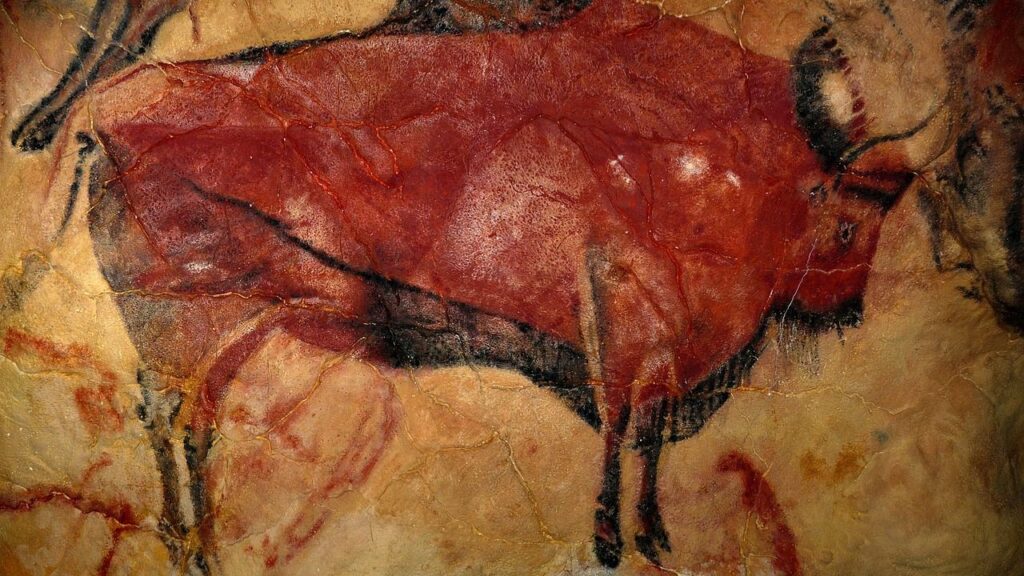
Imagine standing in a pitch-black cave some 40,000 years ago, holding nothing but a flickering oil lamp, and choosing to spend your time and energy drawing a mammoth in extraordinary detail on a cold limestone wall. No Instagram. No audience. No preservation society. Just you, the darkness, and this overwhelming need to capture a giant creature in pigment and memory. That alone should stop you in your tracks.
Prehistoric artworks have been discovered on numerous cave walls around the world, and they tell us about the minds and lives of ancient humans as well as their relationship with the now-extinct megafauna that surrounded them. What these images reveal goes far deeper than simple pictures of animals. They open a window into the emotional, spiritual, and cognitive world of people who lived in an age almost beyond our imagination. Get ready to be genuinely astonished by what these ancient walls still have to say.
A World Painted in Ochre and Charcoal: Where It All Began
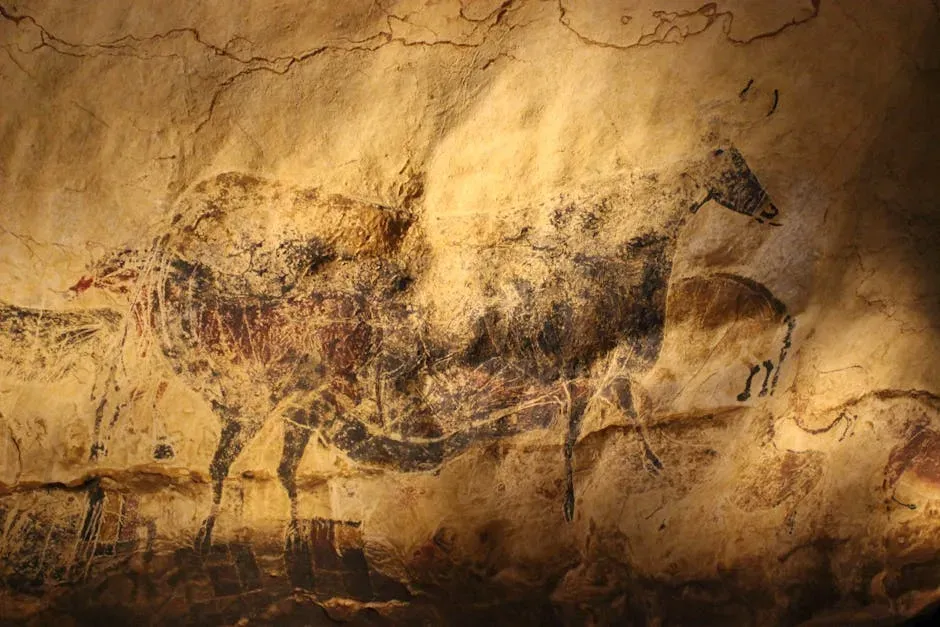
You might think of cave art as something confined to one corner of the world, maybe France or Spain, but the reality is far more global and far more ancient. Decorated caves have been found on every continent except Antarctica, at least 350 of them in Europe alone, thanks to the cave-rich Pyrenees, with the most recent discoveries in Borneo and Croatia. That is not the work of one culture or one era. That is a universal human impulse.
The oldest known cave painting is from Liang Metanduno on Muna Island, dated at least 67,800 years old, predating the previously recognized oldest cave painting found in Maltravieso cave, which was made by a Neanderthal. Think about that for a moment. When you trace the history of human art, you are not just touching the edge of civilization. You are reaching back into a time when our species was still figuring out what it even meant to be human.
The Animals That Dominated the Walls
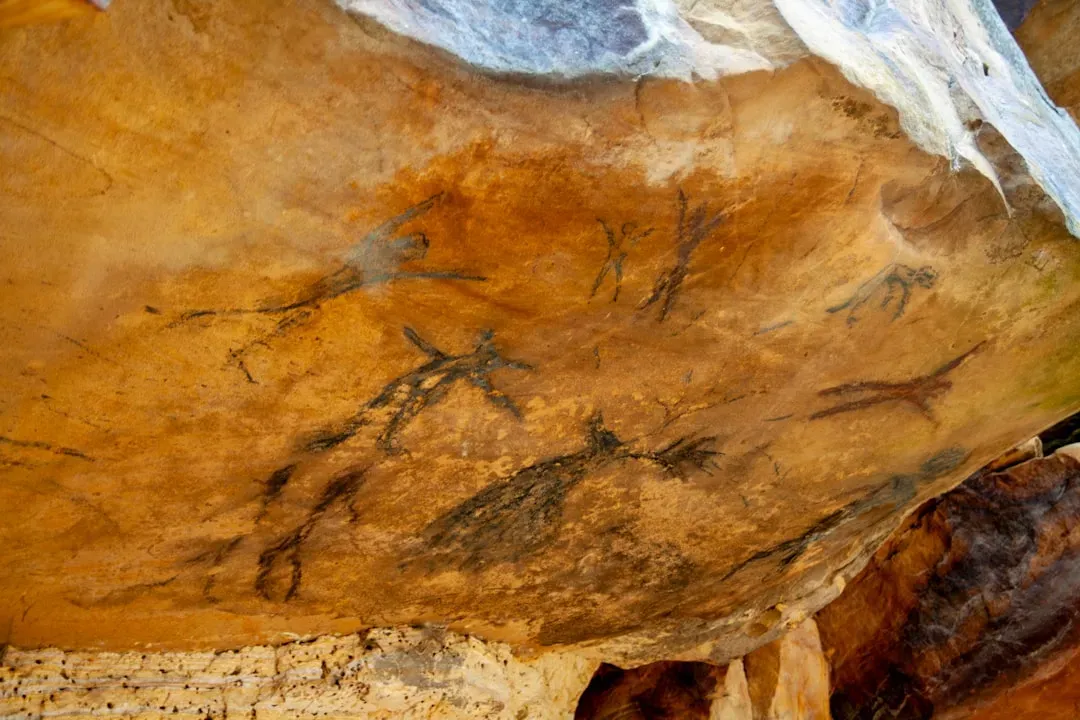
The most striking feature of Paleolithic cave art is the overwhelming focus on animals, depicted with remarkable naturalism and detail. Artists rendered species like bison, horses, aurochs, mammoths, and deer with an acute sense of anatomy and movement, reflecting a profound observational skill. Honestly, when you stand in front of these images in photographs alone, the quality of the work is almost unsettling. These are not crude scribbles.
During the earliest millennia when cave art was first being made, the species most often represented were the most formidable ones, now long extinct, including cave lions, mammoths, woolly rhinoceroses, and cave bears. Later on, horses, bison, aurochs, cervids, and ibex became prevalent. This shift tells us something profound. Early humans were not just painting what they ate. They were painting what awed them, what terrified them, what they could not stop thinking about.
The Woolly Mammoth: Icon of the Ice Age Imagination
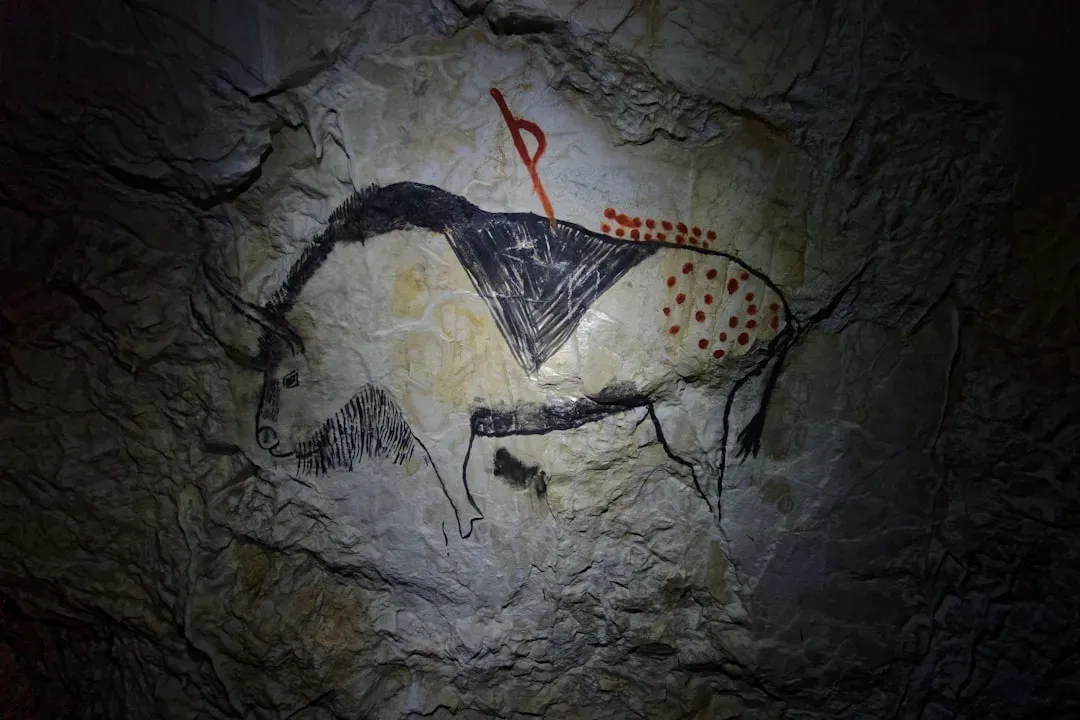
The woolly mammoth is the third-most depicted animal in ice age art, after horses and bison, and these images were produced between 35,000 and 11,500 years ago. That is a staggering creative legacy for one animal. Spanning tens of thousands of years of artistic tradition, the mammoth clearly occupied enormous space in the prehistoric human mind.
In France’s Rouffignac Cave, the fixation becomes almost obsessive. Mammoths represent over 60 percent of the figures in the cave, with bison, horses, ibex, and rhinos also present, providing a specific guide to the fauna of roughly 13,000 years ago. It is possible that these depictions in Rouffignac are related to the fluctuating presence of mammoths in the region. The images are estimated to be around 13,000 years old, meaning they were created during the last Ice Age. The thought that people were painting these animals precisely as they were disappearing gives the whole gallery a haunting, elegiac quality.
Hunting Magic or Something Far Deeper?
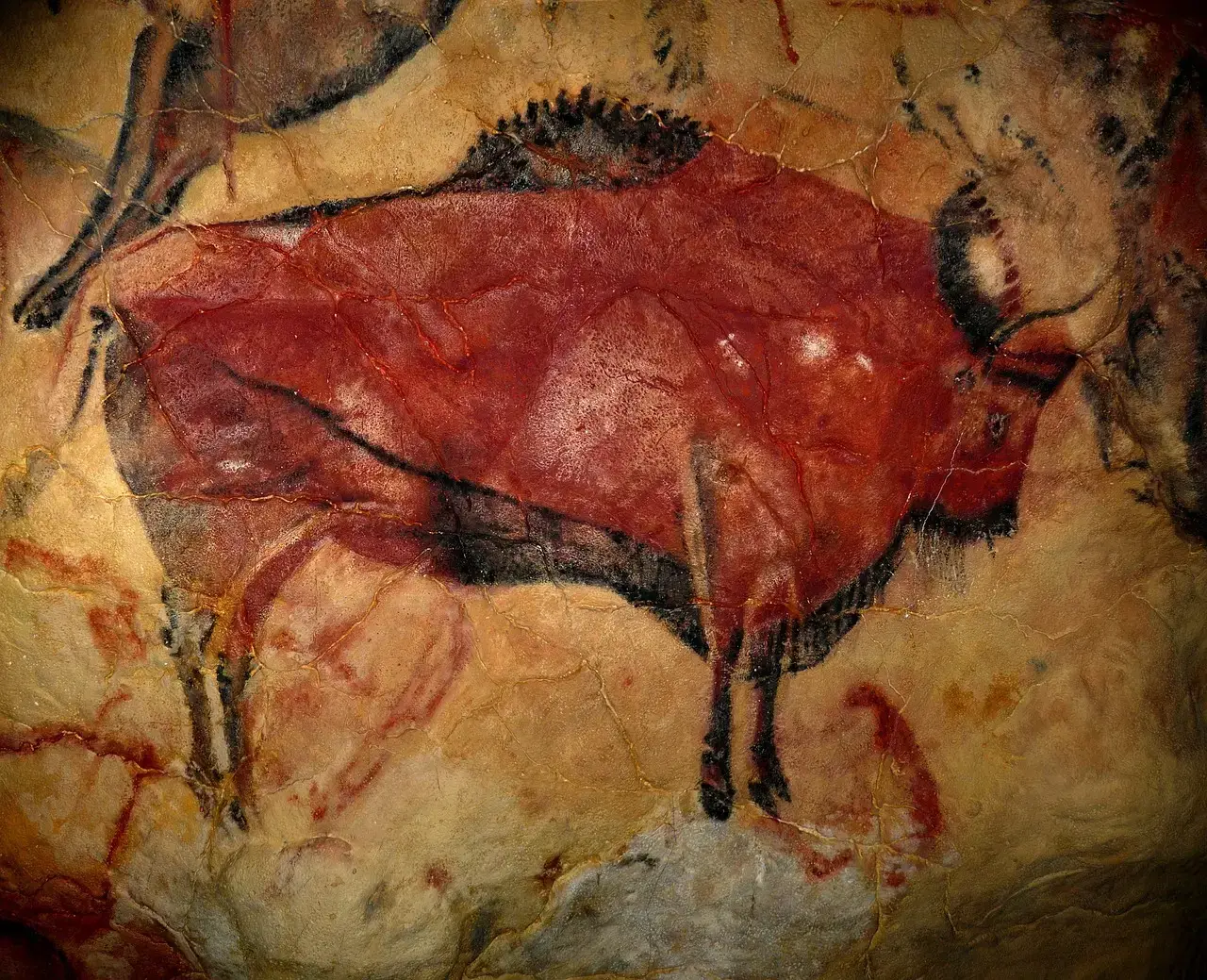
One of the earliest and most enduring interpretations of this animal-centric art is the theory of “Hunting Magic,” which focuses on the economic and practical necessity of the animals for survival. This theory suggests the paintings were a form of sympathetic magic intended to influence reality by depicting the desired outcome of the hunt. By painting an animal, the Paleolithic artist was believed to secure its capture or ensure the continued abundance of the species. Let’s be real, it is a compelling idea. But it gets complicated quickly.
The hunting magic theory is complicated by archaeological evidence showing that the depicted animals do not always correlate directly with the primary prey found in nearby habitation sites. For example, at Lascaux, reindeer bones are the most common faunal remains, yet horses and aurochs dominate the paintings. This discrepancy suggests that while the art may have been connected to the food source, its purpose extended beyond a simple tally or blessing of the species most frequently consumed. So the animals painted were not simply the ones being eaten. Something else was going on.
Shamanism, Ritual, and the Crisis of Extinction
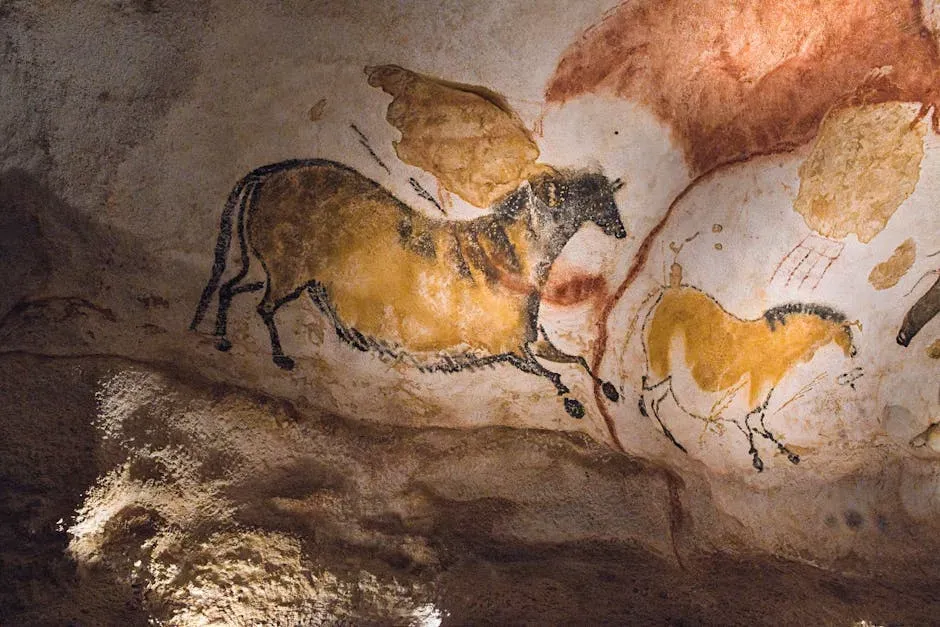
These artworks were created as part of shamanic rituals, performed deep within caves to communicate with supernatural entities about the crisis of disappearing megafauna. In Europe, shortly after modern humans arrived, they witnessed the extinction of crucial prey animals like woolly mammoths and woolly rhinoceroses. This crisis spawned the creation of cave art as a ritualistic response. This is one of the most emotionally resonant theories I have come across. Imagine watching the largest animals you have ever known vanish from the earth and channeling that grief into paint.
Cave painting is considered one of the first expressions of the human animal’s appreciation of beauty and a representation of a mystic or sacred side to life. Cave art is generally considered to have a symbolic or religious function, sometimes both. The exact meanings of the images remain unknown, but some experts think they may have been created within the framework of shamanic beliefs and practices. It is hard to say for sure which interpretation is correct. Perhaps it was all of them at once.
The Extraordinary Minds Behind the Brushstrokes
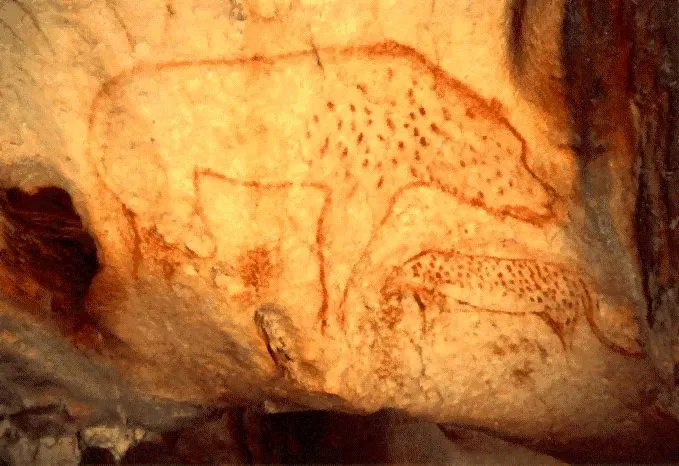
Here is something that should genuinely stop you cold. The normal brain function in modern humans rarely supports the creation of highly detailed paintings, particularly the convincing representation of animal movement, without extensive training and access to modern technology. Yet these ancient artists did exactly that, without cameras, without sketchbooks, relying entirely on raw perception and memory.
The ability to perceive, imagine, and retrieve the necessary visual information from previous episodes of viewing live animals is normally far beyond the capabilities of modern humans, except for some with savant talents. These ancient people did not have cameras and were unlikely to take notes without portable media such as paper. They relied solely on raw perception and memory. Cave art demonstrates an ability to perceive anatomical details and motion similar to how Savant Art shows savant perceptual ability and memory today. It almost makes you wonder what kind of minds were truly at work here.
What the Cave Walls Still Teach Us Today
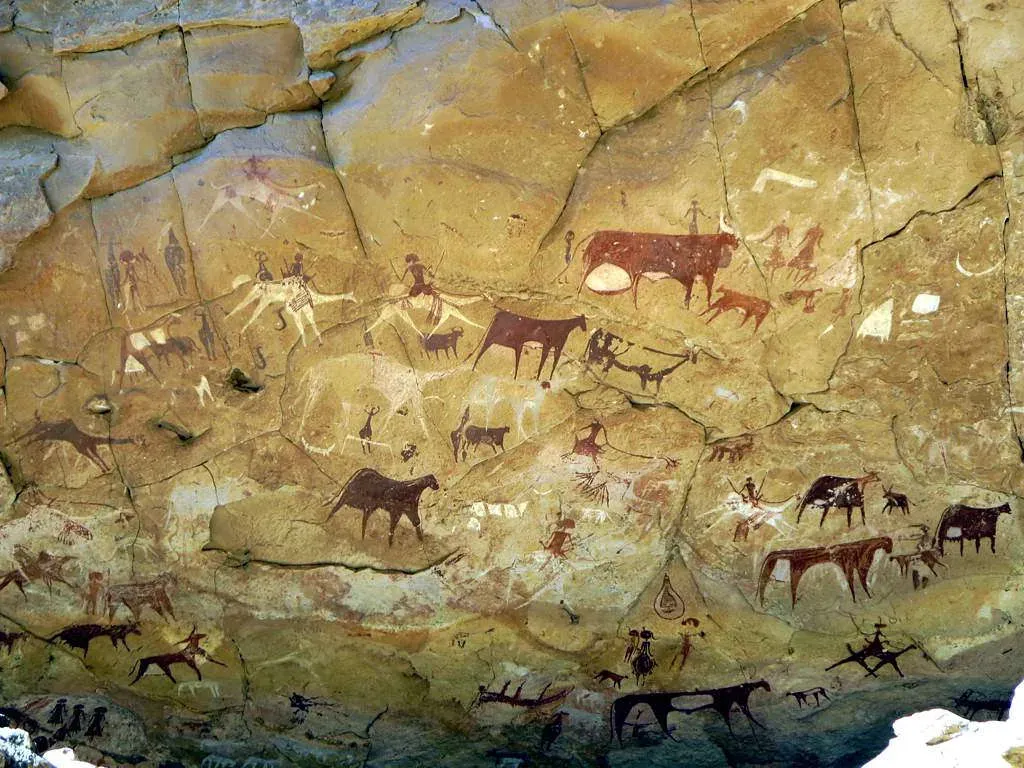
One of the most mysterious and striking features of prehistoric art is the presence of therianthropes, figures that combine human and animal characteristics. These hybrid beings, depicted in cave paintings and portable sculptures from the Upper Paleolithic period, challenge modern distinctions between myth, ritual, and representation. While their exact meaning remains uncertain, therianthropes likely held deep symbolic, spiritual, or shamanic significance for the people who created them. The animals were not just outside of the people. In some profound sense, they were inside them too.
Recent research has proposed that some cave paintings may incorporate prehistoric star charts, reflecting a sophisticated understanding of astronomy among Paleolithic humans. One of the most compelling pieces of evidence is the “Shaft Scene” in the Lascaux cave, which features a bison and a human figure adorned with a bird-headed staff. Above these figures are clusters of dots and lines that some researchers interpret as representations of the night sky. Notably, these patterns have been associated with the Pleiades star cluster, the Hyades, and the Orion Belt, suggesting the artists may have been mapping constellations. So cave art was not just about the animals roaming the earth. It may have been about the stars above them too. That is a civilization of the mind, not just of the hand.
Conclusion
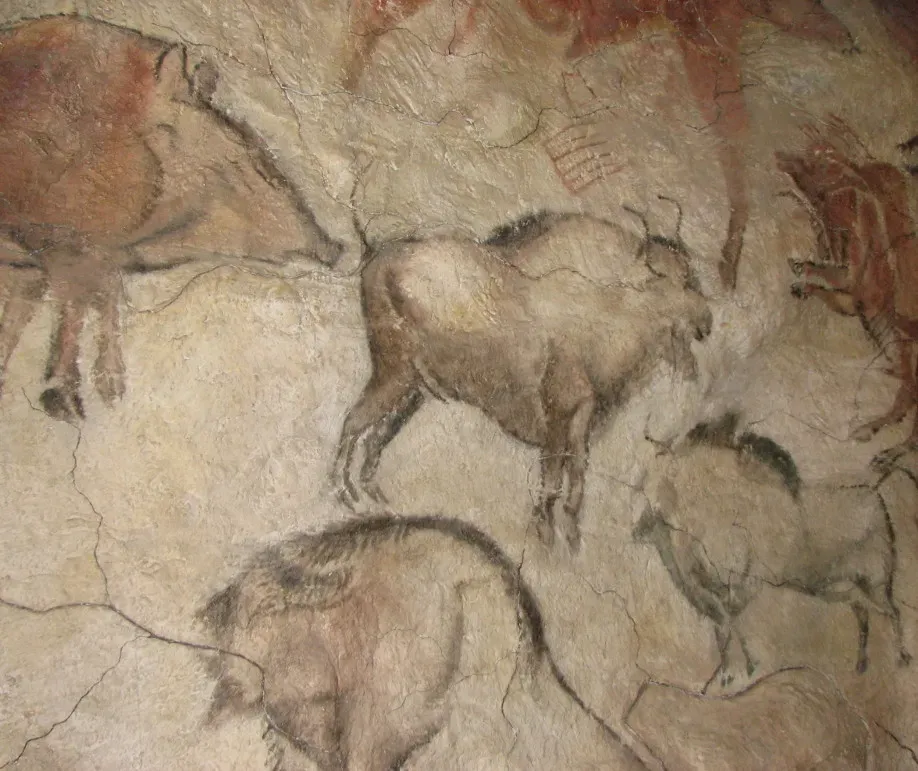
Ancient cave art is not a relic of primitive minds. If anything, it is proof of just how deeply sophisticated early humans were in their perception of the natural world. They saw megafauna not merely as food, but as cosmic companions, spiritual forces, and subjects worthy of extraordinary artistic devotion. The care, the detail, the ritual, the sheer effort of painting a mammoth deep in a dark cave by lamplight, all of it points to a consciousness recognizably close to our own.
What makes these paintings so enduring is that they refuse to be fully explained. Scholars can theorize, date layers of pigment, and map the stars above a painted bison. Yet the original feeling that moved a human hand to press red ochre against cold stone remains just out of reach. Maybe that is exactly the point. Art has always lived in the space between what we know and what we can only feel.
The next time you look at a photograph of Lascaux or Chauvet, try to feel the weight of 40,000 years pressing back at you. These were not simple people in a simple world. They were observers, dreamers, and storytellers of the highest order. What would you have painted on those walls? Tell us in the comments.