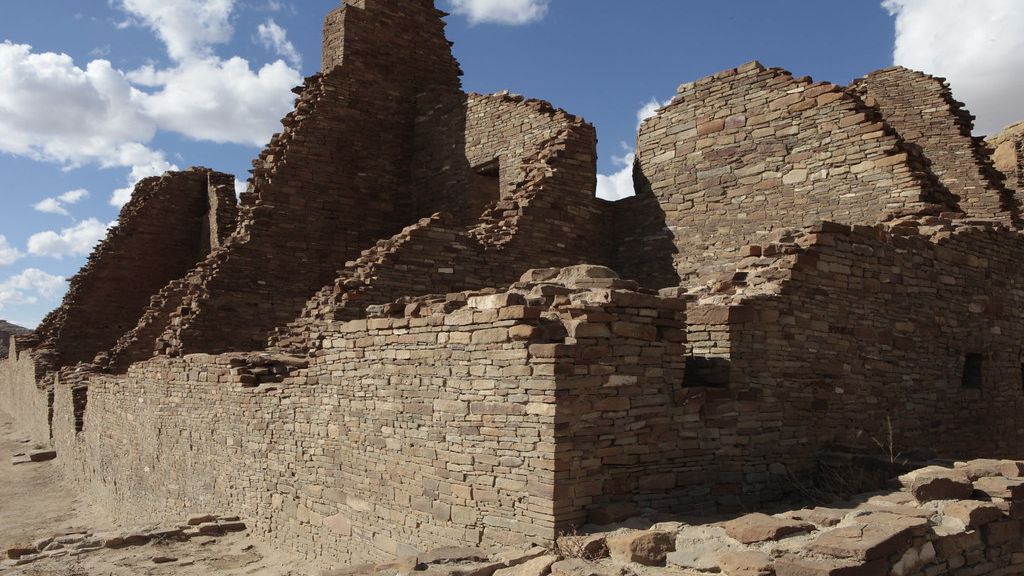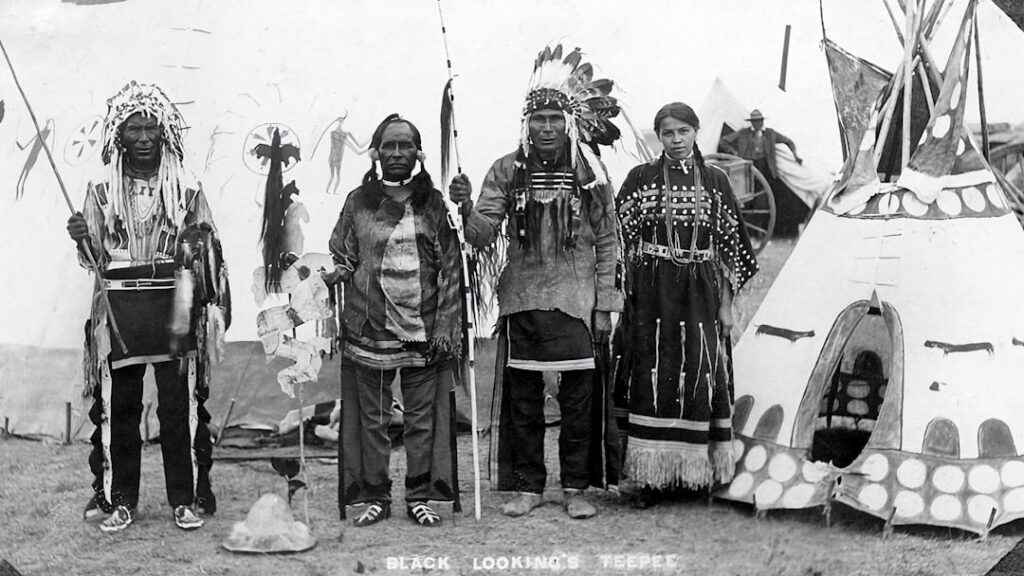
There is a story hiding in plain sight beneath the soil of North America. It is told not in books, but in ancient canal systems running hundreds of miles through desert sand, in charcoal layers buried deep in valley meadows, and in the precise alignment of stone structures with solstice sunrises. You might think of prehistoric peoples as stumbling in the dark, surviving day to day on instinct alone. That assumption, honestly, could not be further from the truth.
Indigenous peoples in the Americas have been innovative and successful managers of their lands and resources for tens of thousands of years, and their innovation is anchored in a deep understanding of how tools and technologies are best suited to the environment. What you are about to discover will completely reshape how you think about “primitive” civilizations. Let’s dive in.
They Knew the Land Better Than Anyone Has Imagined
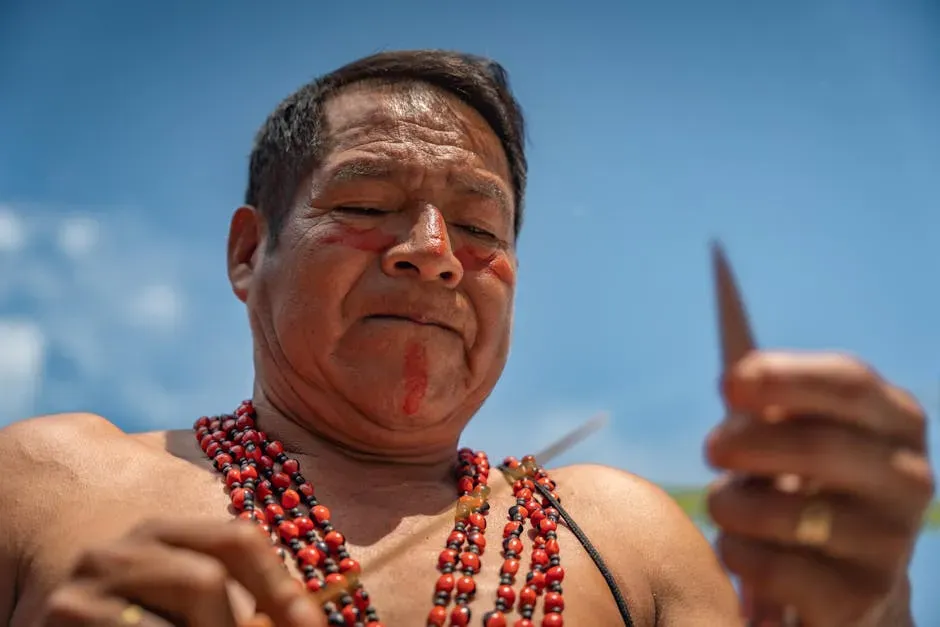
Here’s the thing – for a long time, the popular narrative painted ancient American peoples as passive occupants of the land, simply taking what nature offered. Today, many scholars disagree that the original inhabitants of the Americas had little impact on the environment, calling this the myth of the “ecologically invisible” American Indian, and arguing instead that Native Americans actively altered the land to better suit their needs. That changes everything about how you should picture their daily lives.
According to a leading archaeologist, no one has ever found a plant native to the Americas with food or medicinal value that was not familiar to the pre-Columbian natives. Think about that for a second. Every single useful plant across two entire continents. These people were not guessing. They were scientists, in every meaningful sense of the word, working across countless generations with accumulated precision.
Reading the Stars Was as Natural as Breathing
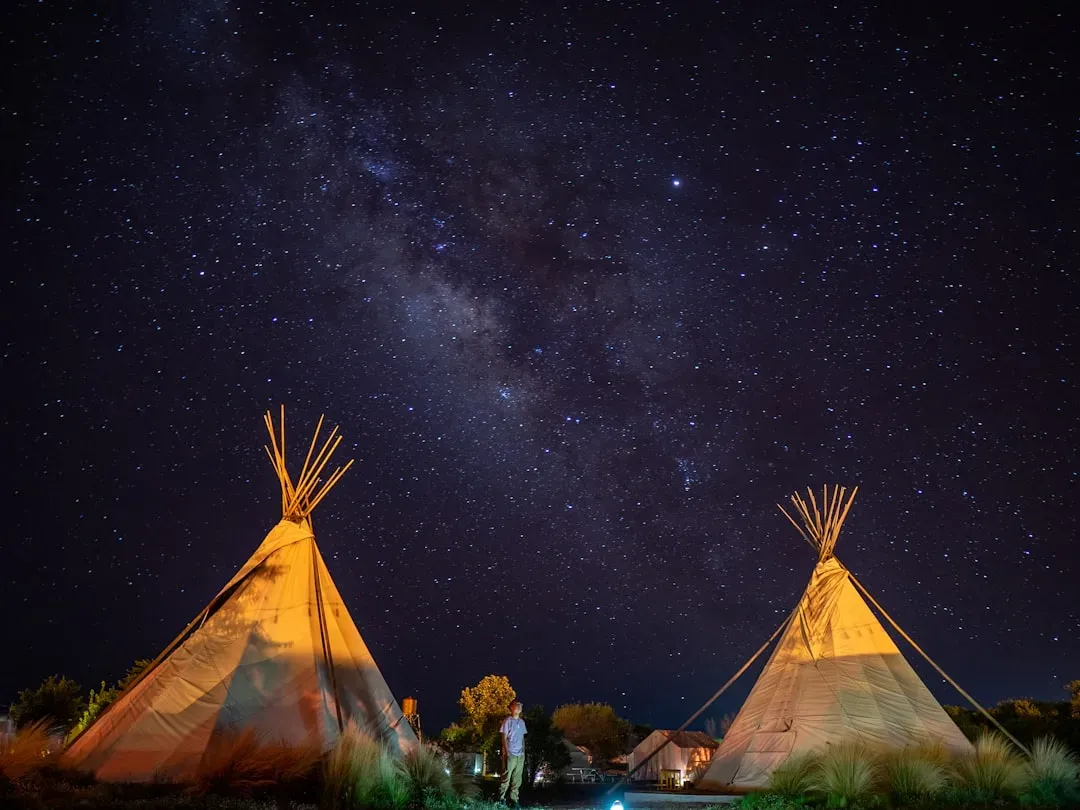
Astronomy was practised by indigenous groups to create astronomical calendars which informed on weather, navigation, migration, agriculture, and ecology. You might imagine this as primitive stargazing, but that would be selling it short. This was a deeply systematic science, refined over many centuries, woven into the very structure of daily life and community governance.
Many Native American cultures had a deep understanding of astronomy, with some tribes able to track the movements of celestial bodies and predict astronomical events. For example, the Pawnee people of the Great Plains had a sophisticated understanding of astronomy, with a complex system for tracking the movements of stars and planets. One of the most impressive astronomical discoveries was their knowledge of the cycles of Venus, and many tribes created calendars based on the movements of this planet, which allowed them to predict astronomical events such as eclipses with great accuracy.
Their Celestial Calendars Governed Farming, Seasons, and Survival

The celestial sphere was not simply a backdrop for ancient tribes. It was an integral part of their daily lives, informing agricultural practices, ceremonial rituals, and social structures. For instance, the precise timing of planting and harvesting often depended on the cyclical appearances of certain stars or constellations. Think of it like the most elaborate, sky-sized farmer’s almanac ever constructed.
Native American cultures did not rely solely on solar calendars. Many also incorporated lunar and stellar cycles into their timekeeping systems, and tracking the phases of the moon and the movements of specific stars allowed them to precisely coordinate agricultural activities and religious events. The Hopi tribe used a calendar consisting of twelve months named after different animals to designate specific seasonal tasks and rituals, while the Pueblo tribes used a lunar calendar that accounted for the thirteen full moons in a year to align with their agricultural cycle.
The Hohokam Built Engineering Marvels in the Desert
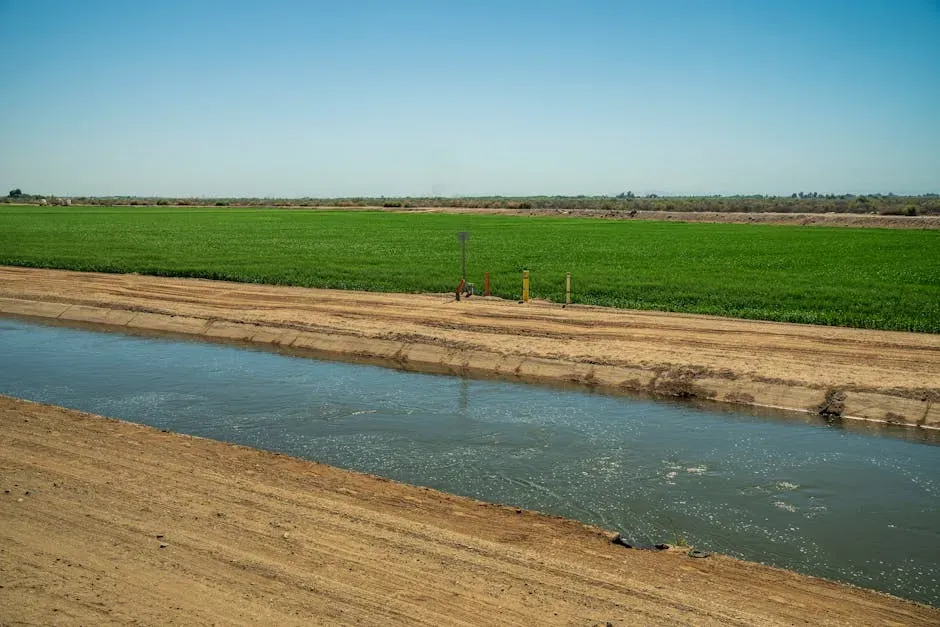
If you want a genuine jaw-drop moment, look at what the Hohokam people built in the blazing heat of the Sonoran Desert. The Hohokam had the largest and most complex irrigation systems of any culture in the New World north of Peru. Not even the complex societies in Mesoamerica had such extensive irrigation canals. Let that sink in. They out-engineered empires that most people have actually heard of.
From 800 to 1400 CE, their irrigation networks rivaled the complexity of those of ancient Near East, Egypt, and China. They were constructed using relatively simple tools and engineering technology, yet achieved drops of a few feet per mile, balancing erosion and siltation. Using digging sticks, the Native Americans excavated twelve-foot-deep canals fanning into a larger network of smaller canals, and because of their extensive excavation abilities, the Hohokam were considered engineering geniuses, with the ability to push water effectively for several hundred miles over a flat desert landscape while evading hills and valleys.
Fire Was Not Destruction – It Was Medicine for the Land
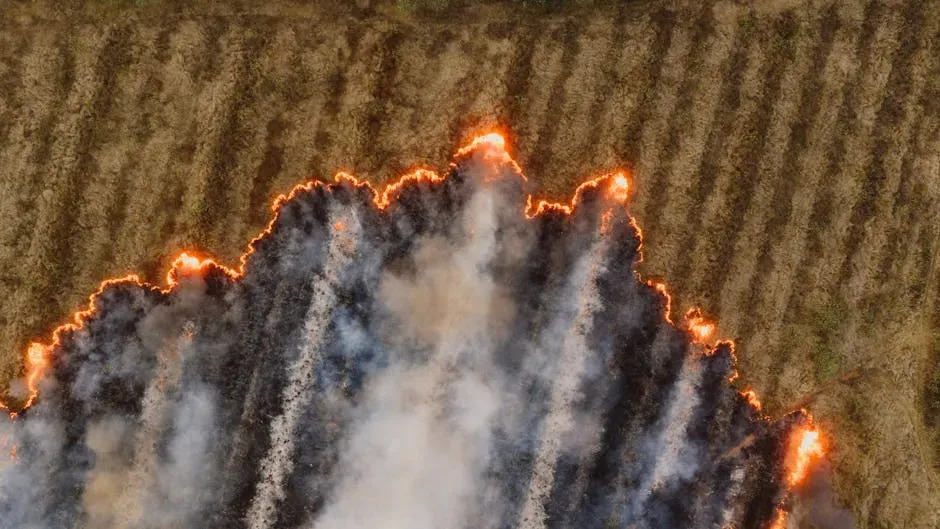
Many tribes across North America in a variety of ecosystems adapted to living with fire over millennia. Fire was, and remains, a form of “socio-ecological medicine,” and tribal communities developed what is known as Traditional Fire Knowledge by using fire for many reasons, including subsistence and ceremonial purposes. This long-term human relationship with wildland fire led to the development of cultural fire regimes, which are landscape-level fire processes influenced both intentionally by humans and by natural ignitions.
Native Americans, Alaska Natives, and Native Hawaiians used fire to clear areas for crops and travel, to manage the land for specific species of both plants and animals, to hunt game, and for many other important uses. Fire was a tool that promoted ecological diversity and reduced the risk of catastrophic wildfires. Cultural burns passed down through generations benefited both land and people by improving soil quality and spurring growth of certain plant species, creating a healthy and resilient landscape. What modern land managers are still trying to figure out, these tribes had already mastered thousands of years ago.
Their Botanical Knowledge Was a Living Pharmacopeia

Besides curating tremendous knowledge about the use of native medicinal herbs, American Indians worked out sustained yield practices attuned to the reproductive biology of the plants and developed management practices that maintained their habitats. Both harvest and management were based on an ethical system founded on restraint, a long-term time perspective, and a body of ecological knowledge derived from close empirical observation. That level of ecological sophistication is nothing short of remarkable.
In the first U.S. Pharmacopeia issued in 1820, almost half of the substances were native plants used by American Indians, such as American senna and Canada fleabane. Let that number sink in. Roughly half of the medicines in the young nation’s first official medical handbook came directly from Indigenous knowledge systems. Unlike the Western scientific method, native thinking did not isolate an object or phenomenon to understand it, but perceived it in terms of relationship. An understanding of the relationships that bind together natural forces and all forms of life was fundamental to the ability of indigenous peoples to live for millennia in spiritual and physical harmony with the land.
Ancient Settlements Were Built Around Environmental Intelligence
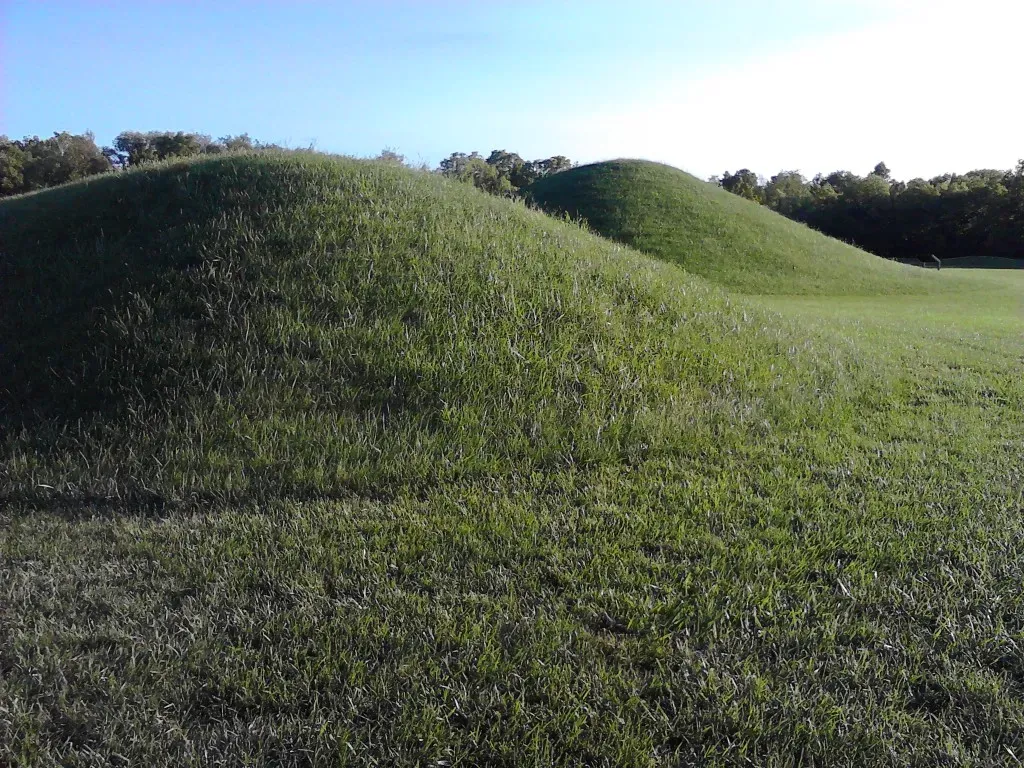
By about 6000 BCE some groups had begun to experiment with food production as well as foraging, and Archaic peoples often returned to the same location on a seasonal basis, as a result beginning to build small settlements. This was not random wandering. It reflected a carefully observed understanding of seasonal resource cycles that would make modern ecologists envious. You could call it the world’s first land-use planning.
Various forms of evidence indicate that humans were influencing the growth patterns and reproduction of plants through practices such as the setting of controlled fires to clear forest. The Adena culture and the ensuing Hopewell tradition built monumental earthwork architecture and established continent-spanning trade and exchange networks. This period is considered one of continuous development in stone and bone tools, leatherworking, textile manufacture, tool production, cultivation, and shelter construction. These were not random developments – they were the product of a civilization deeply attuned to its world.
Their Legacy Is Now Informing Modern Science
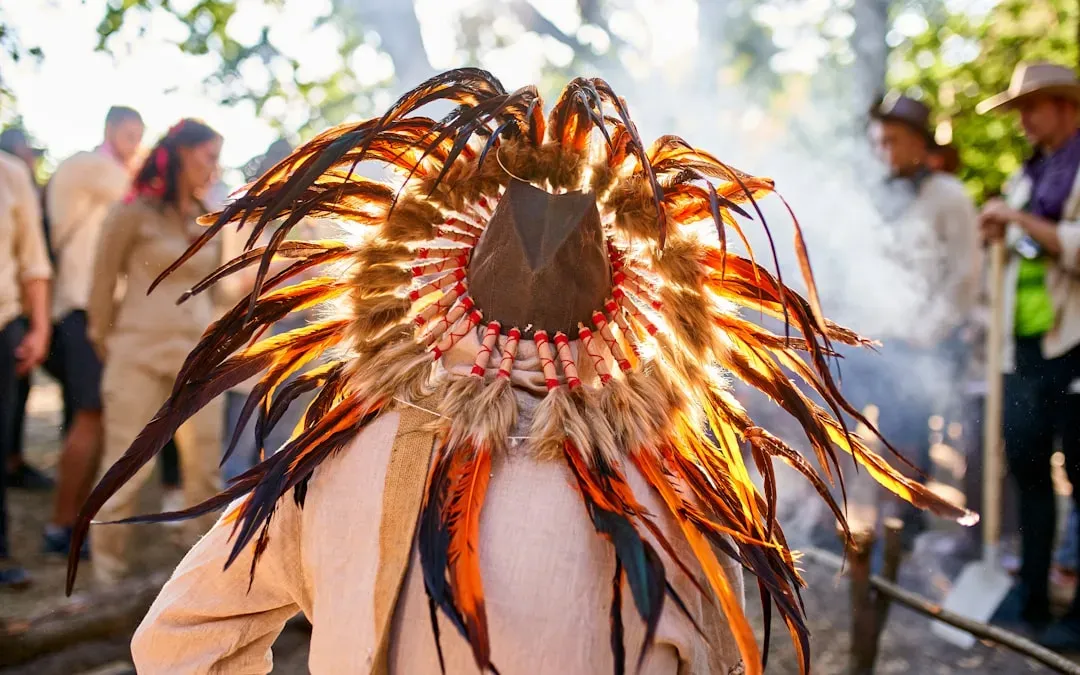
There is now a better understanding that Indigenous peoples’ tradition of human-ignited burns is a valuable way to reduce out-of-control wildfires, and Traditional Ecological Knowledge is being incorporated more and more into modern management. It is quietly humbling, really. After spending the better part of two centuries dismissing Indigenous wisdom as superstition, modern science is increasingly turning back to these ancient systems for answers to today’s most urgent environmental crises.
Indigenous peoples of the Americas have always been accomplished scientists and innovators in ways that value balance and unity with the environment. American Indian knowledge and related innovations, goods, and technologies have had enormous global impact, and medicine, engineering, astronomy, and math are as Indigenous to the Americas as the Native peoples who practice them. It is clear that the first peoples offer perspectives that can help us work toward solutions at this time of global environmental crisis. The ancient knowledge was never lost. It was simply waiting for the rest of us to catch up.
Conclusion: The Wisdom Was Always There
It is easy, from the comfort of 2026, to look back at prehistoric America and assume that time equals progress. The more you examine the evidence, the clearer it becomes that these ancient tribes were not primitive at all. They were operating complex systems of ecological management, celestial observation, hydraulic engineering, and botanical science centuries before those same disciplines were “invented” elsewhere.
The real surprise is not that they knew so much. The real surprise is how long it took the rest of the world to notice. Their knowledge of fire ecology is now saving forests. Their farming methods are influencing sustainable agriculture. Their astronomical systems are being formally studied and preserved. Every layer of discovery reveals a civilization that lived in profound, deliberate harmony with its environment. Maybe the question we should be asking ourselves is this: what else do we still have to learn from them?