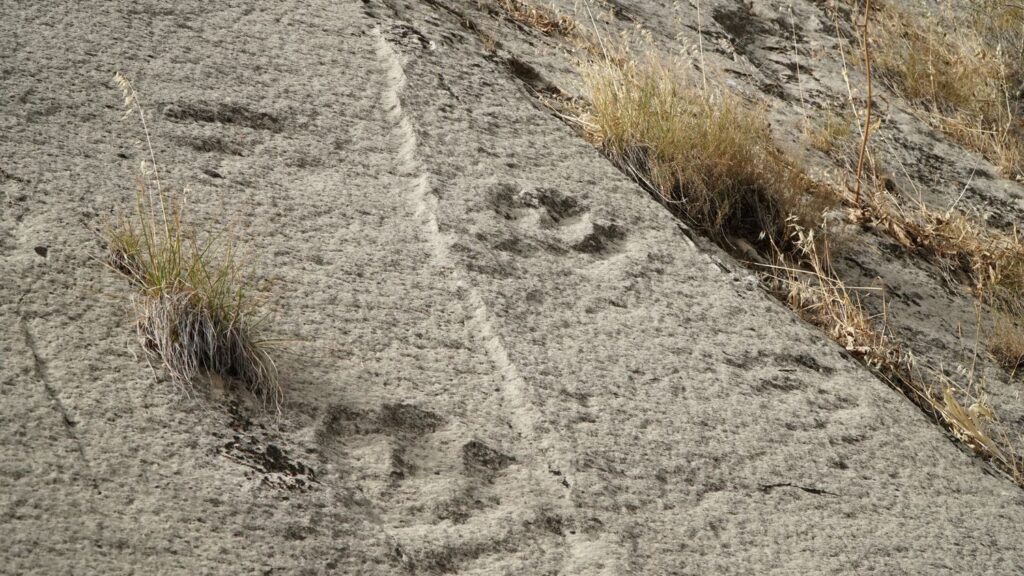
Picture this: you’re hiking along a rocky trail in the Italian Alps, and beneath your boots, embedded in the stone itself, are the footsteps of creatures that walked this planet nearly 300 million years ago. That’s not science fiction. That actually happened. Fossilized footprints have a way of collapsing time in a manner that no bone or tooth ever could. They are, in the most literal sense, frozen moments of action.
What makes these ancient tracks so extraordinary is not just their age, but what they reveal. You get movement, behavior, social interaction, and even hints of emotion from a single patch of hardened mud. If you’ve ever wondered how scientists truly understand the daily rhythms of prehistoric life, the answer might surprise you. Let’s dive in.
The Science Behind the Footprint: What Ichnology Actually Is
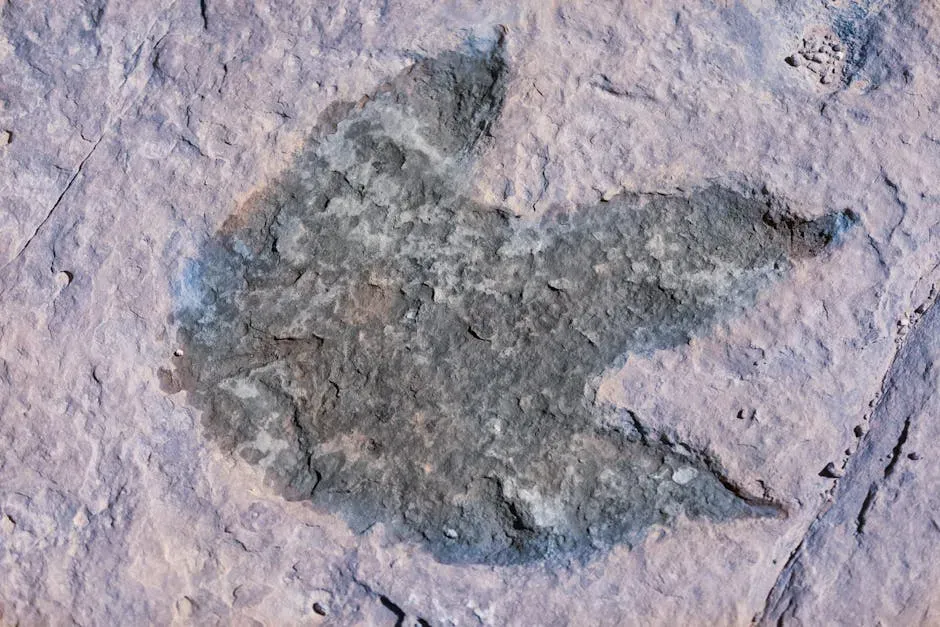
Most people know about fossils as bones, shells, or teeth. But there’s an entire branch of science dedicated to something far more personal: the traces animals left behind while they were actually alive. A trace fossil, also known as an ichnofossil, is a fossil record of biological activity by lifeforms, but not the preserved remains of the organism itself. Think of it as the difference between a photograph of a person and a photograph of everything they did on a Tuesday afternoon.
Trace fossils may consist of physical impressions made on or in the substrate by an organism, including burrows, borings, footprints, feeding marks, and root cavities. While the fossil remains of animals tell us about their post-mortem state, tracks show us their living behavior. That distinction is everything. You’re not studying a corpse. You’re studying a life in motion.
How Footprints Actually Survive Millions of Years
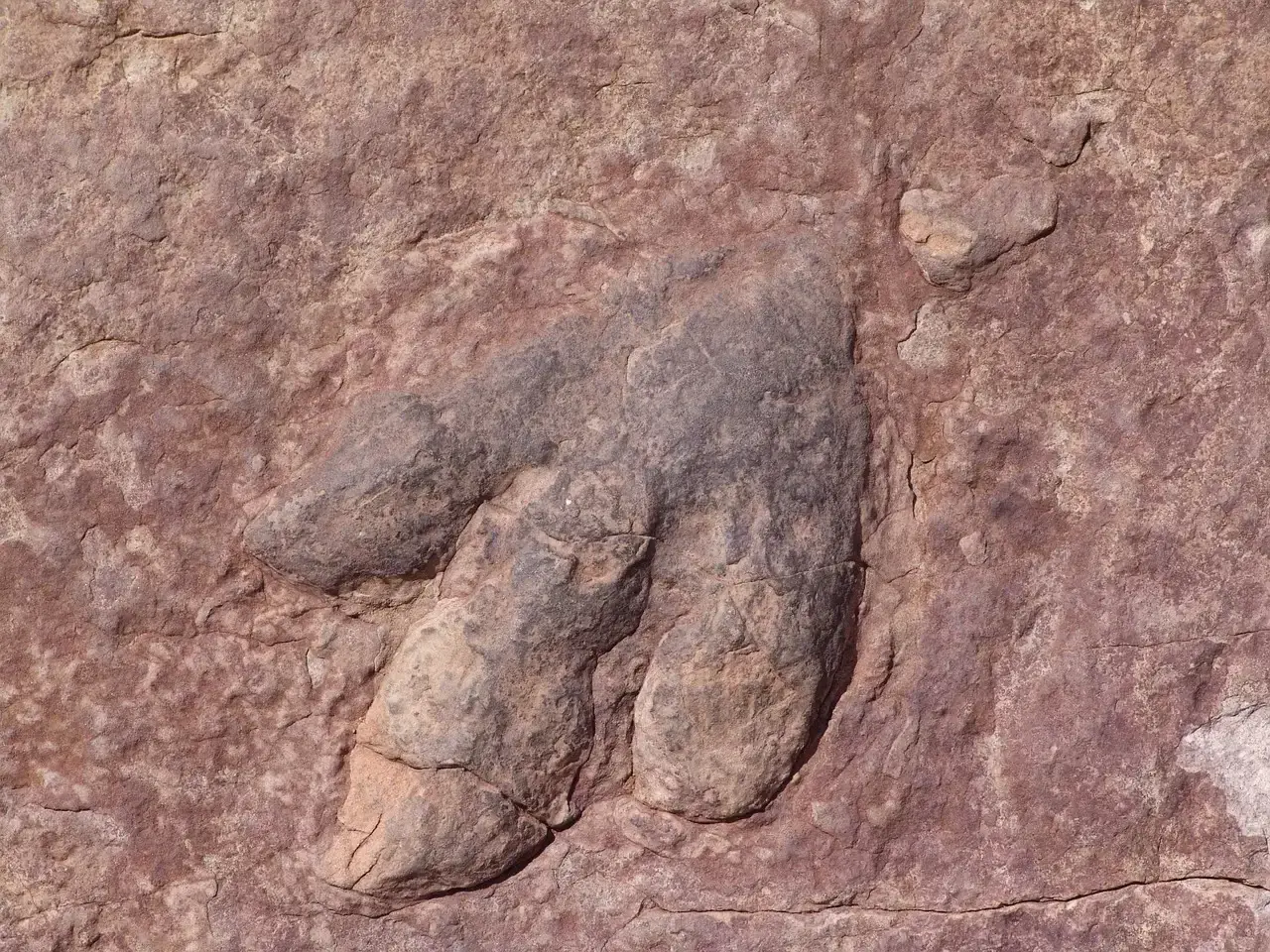
You might be wondering how something as fragile as a footprint in the mud manages to survive longer than entire mountain ranges. It sounds impossible, and honestly, the conditions needed are remarkably specific. The substrate that the animal is walking on plays an important role in preservation. The moisture levels and the depositional environment affect whether the footprint enters into the fossil record. If the substrate is compressible and has the right amount of moisture to hold its shape, then a footprint will more likely be preserved. If the substrate is too dry or too wet, it’s unlikely that the shape will be retained.
Unlike bones, which needed to be covered quickly once a dinosaur died, tracks first needed to be baked hard by the Sun. This would have taken anywhere from days to months depending on the conditions. Only then would a layer of mud, ash, or similar material help to preserve the tracks. It’s almost like a two-step recipe. Get the timing wrong at any stage, and millions of years of potential evidence just washes away.
Reading Speed, Gait, and Movement From Ancient Tracks
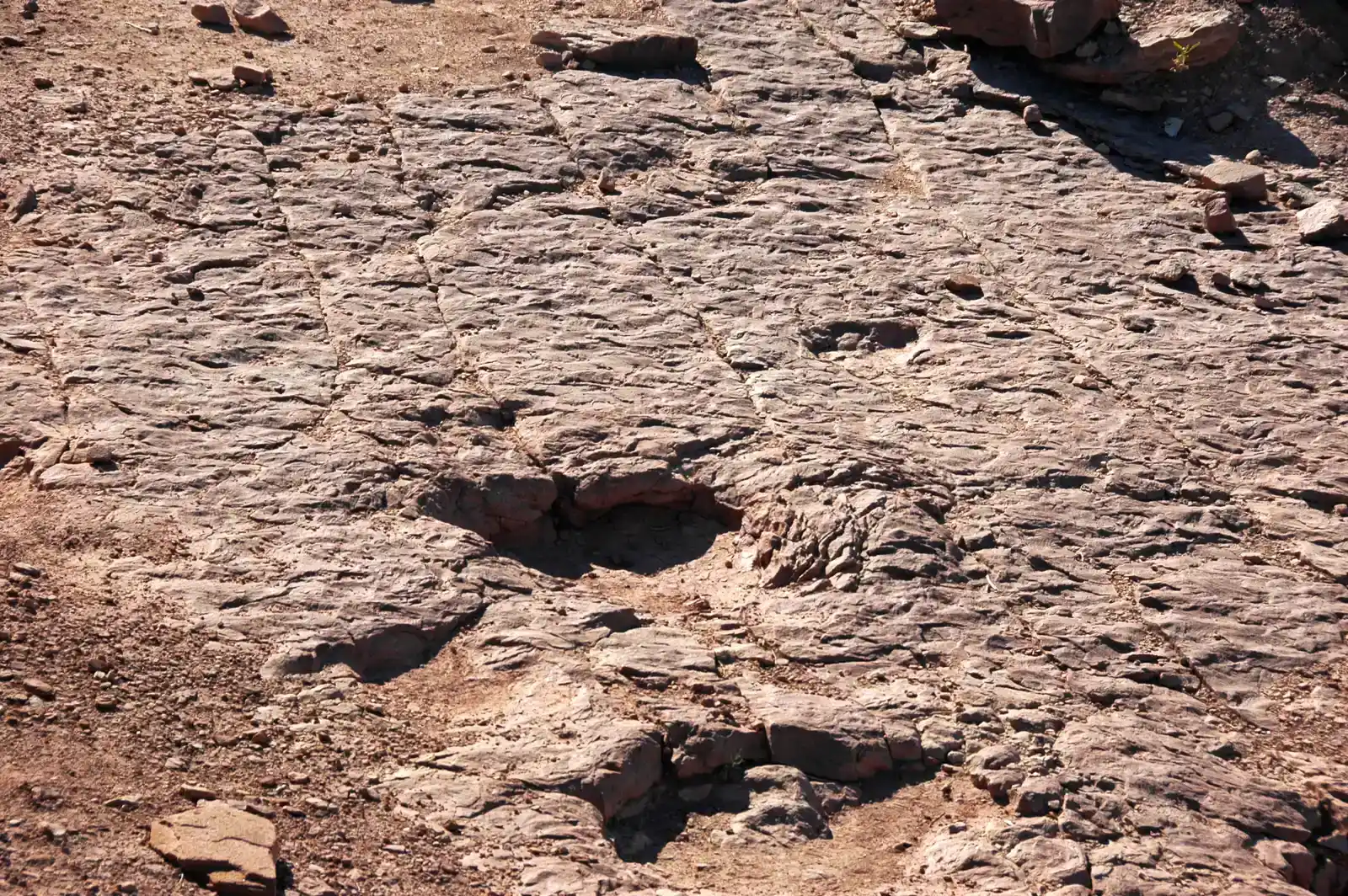
Here’s the thing that blows most people’s minds: you can actually tell how fast a creature was moving just by looking at its footprints. By calculating the distance between footprints and the size of the animal, paleontologists can estimate its pace. This information is crucial for understanding the hunting and escape strategies of these ancient creatures. It’s a bit like using GPS data, except the data is millions of years old and carved in stone.
Gait and speed can be read from track spacing and depth, which can reveal whether an animal was walking, running, or suddenly accelerating. Recent discoveries in China show dinosaur trackways where the animal changed its speed, possibly to pursue prey or avoid danger. The dinosaur ichnological record allows researchers to gain information about functional adaptations, stance, and the gaits with which dinosaurs moved. Imagine being able to reconstruct a prehistoric chase scene from a patch of rock. Scientists are doing exactly that.
What Footprints Reveal About Social Behavior and Herds
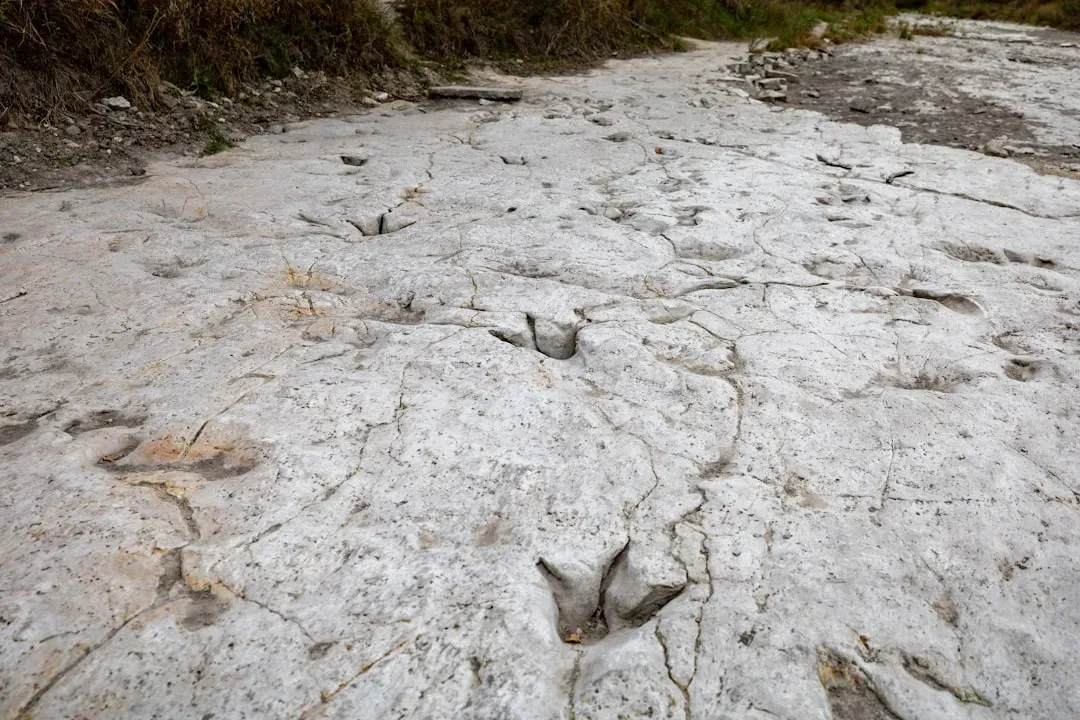
In some fossil beds, multiple sets of tracks are found parallel to each other, hinting at herding behavior. These discoveries have transformed our understanding of dinosaurs from solitary giants to animals that may have lived in complex social structures. That’s a pretty dramatic rewrite of the prehistoric story. For a long time, the image of the lone, territorial dinosaur dominated popular culture. Footprints changed that.
Some fossil footprints reveal the presence of juveniles alongside adults, suggesting parental care, an ancient behavior mirrored in modern species. The presence of multiple species’ tracks in the same area also reveals predator-prey dynamics and niche partitioning, echoing the complex ecological webs found today. Footprints also provide evidence about the abilities that dinosaurs had to swim, run, or live with certain pathologies, and they allowed researchers to infer how they moved in herds or even made courtship rituals. Courtship rituals! From footprints. I know it sounds unbelievable, but the science is real.
The Laetoli and Kenya Discoveries: When Two Species Crossed Paths
Some of the most emotionally striking fossil footprint discoveries involve our own ancestors. Some of the earliest trackways for human ancestors have been discovered in Tanzania. The Laetoli trackway is famous for the hominin footprints preserved in volcanic ash. After the footprints were made in powdery ash, soft rain cemented the ash layer into tuff, preserving the prints. You can almost feel the weight of those ancient steps when you consider what was happening the day those prints were made.
Even more astonishing is a more recent discovery in Kenya. More than 1.5 million years ago, two different species of ancient human crossed paths on a lakeshore. These early forerunners of Homo sapiens wandered in a landscape teeming with wildlife, including giant maribou storks that stood 2 meters tall. A stunning discovery of fossilized footprints pressed into soft mud preserved this unexpected and extraordinary moment, suggesting that the two distinct types of hominin were able to live as neighbors sharing a habitat, rather than as competitors. The fossils provide the first physical confirmation that Homo erectus and Paranthropus boisei lived alongside each other.
White Sands and the Rewriting of Human History in North America
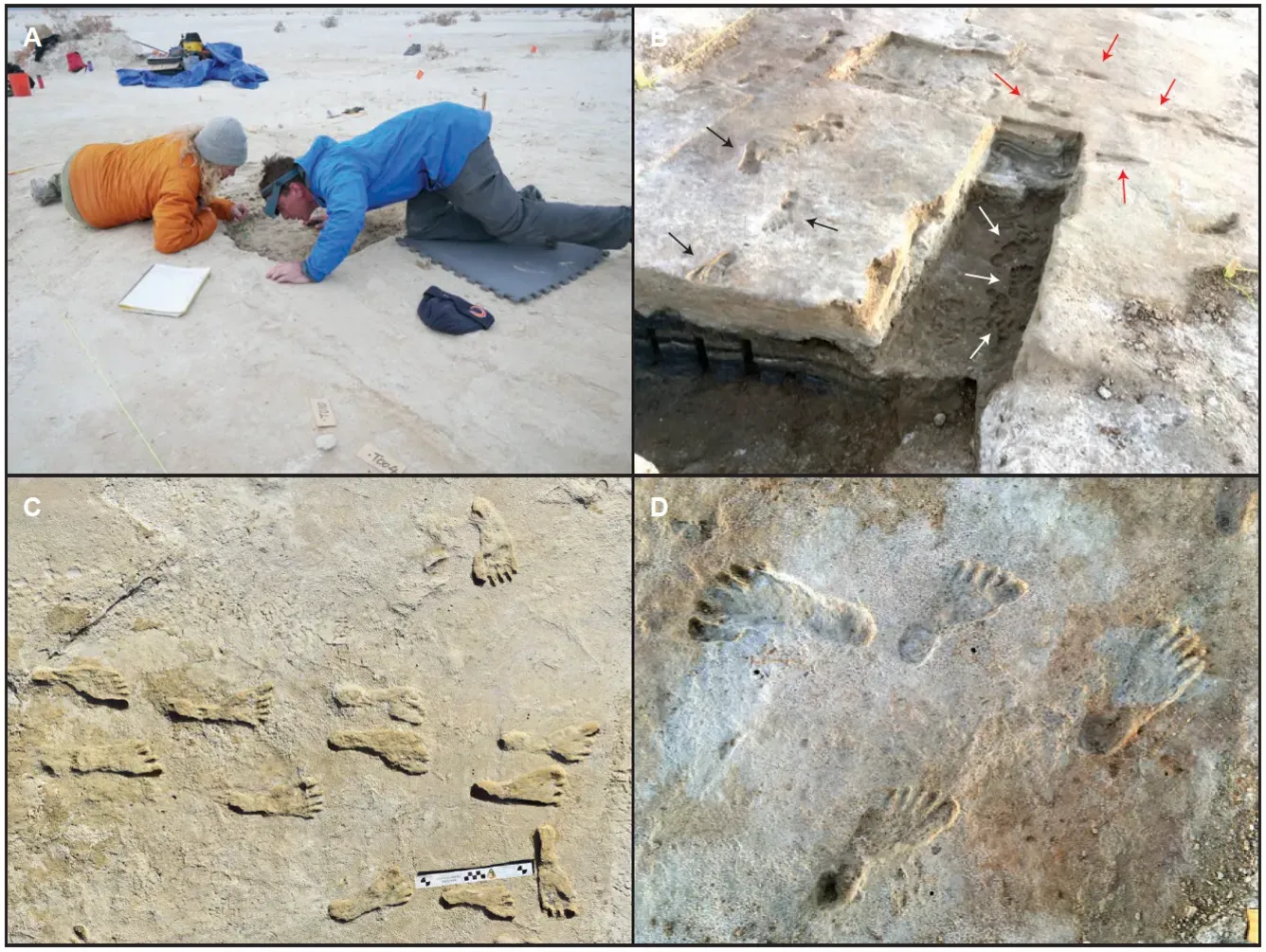
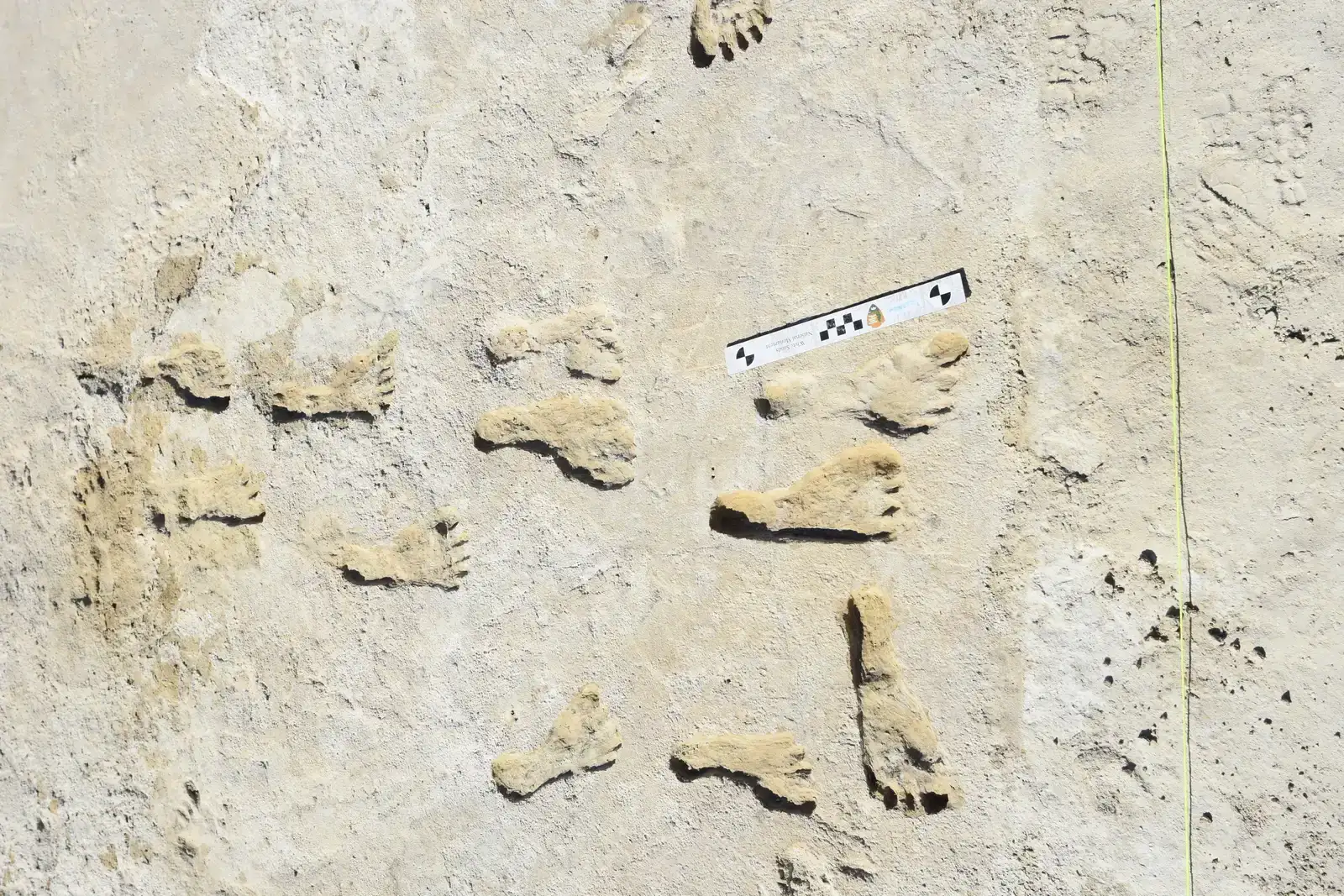
If you thought the American Southwest was just desert, the fossilized footprints found at White Sands National Park in New Mexico have something remarkable to say. In September 2021, U.S. Geological Survey researchers and an international team of scientists announced that ancient human footprints discovered in White Sands National Park were between 21,000 and 23,000 years old. This discovery pushed the known date of human presence in North America back by thousands of years and implied that early inhabitants and megafauna co-existed for several millennia before the terminal Pleistocene extinction event.
Other tracks at the site include those of extinct megafauna, such as Columbian mammoths and ground sloths, as well as those of predators such as the American lion and dire wolves. The prints provide several insights into the lives of the peoples who made them. One set of prints appears to show human hunters tracking a giant sloth. Variations in the tracks left by the sloth show that it stood on its hind legs and spun around, possibly showing fear, but there is no evidence that the hunt was successful. A moment of prehistoric suspense, frozen in gypsum-rich mud forever.
Technology Is Unlocking Details We Never Thought Possible
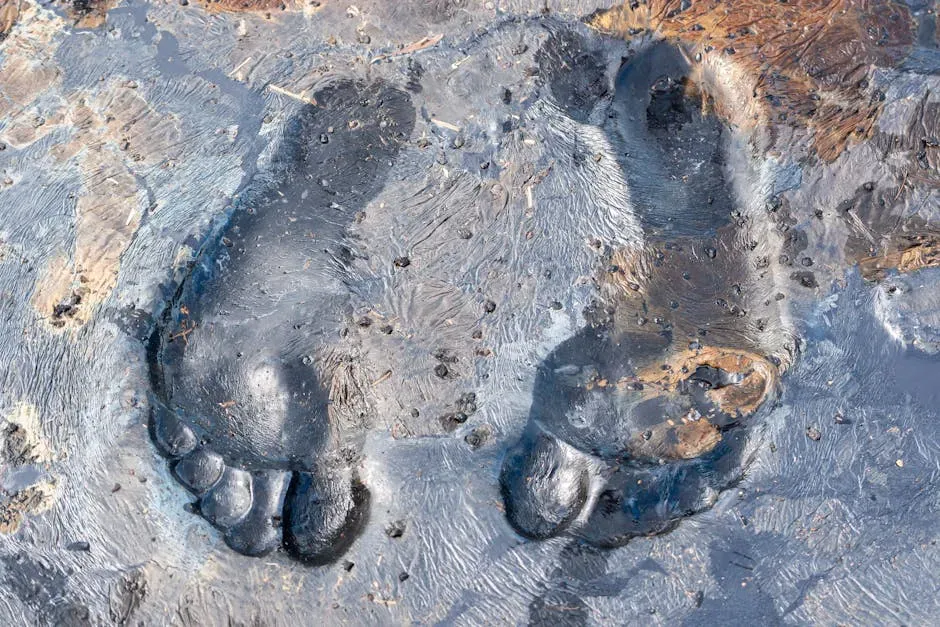
The real game changer in the study of fossil footprints isn’t just where scientists are looking. It’s how they’re looking. Using advanced 3D imaging techniques, a team of scientists identified and analyzed four sets of vertebrate trace fossils, including impressions left behind by prehistoric birds, mammals, lizards, and invertebrates. What once required careful and destructive physical examination can now be done digitally, in extraordinary detail, without touching the original fossil.
Advances in 3D imaging technology are allowing researchers to study the shape of fossil footprints in more detail than ever before, providing more clues as to who made them. Paleontologists use laser scanning and 3D photogrammetry to make digital models of footprints without damaging them. The models show small changes in pressure. These changes help researchers see how an animal’s weight was distributed, which in turn helps estimate the animal’s mass or the way it walked. It’s incredible, really. A single muddy step from 50 million years ago, reconstructed in breathtaking three-dimensional clarity on a modern computer screen.
Conclusion: The Ground Beneath Our Feet Has Always Been a Story
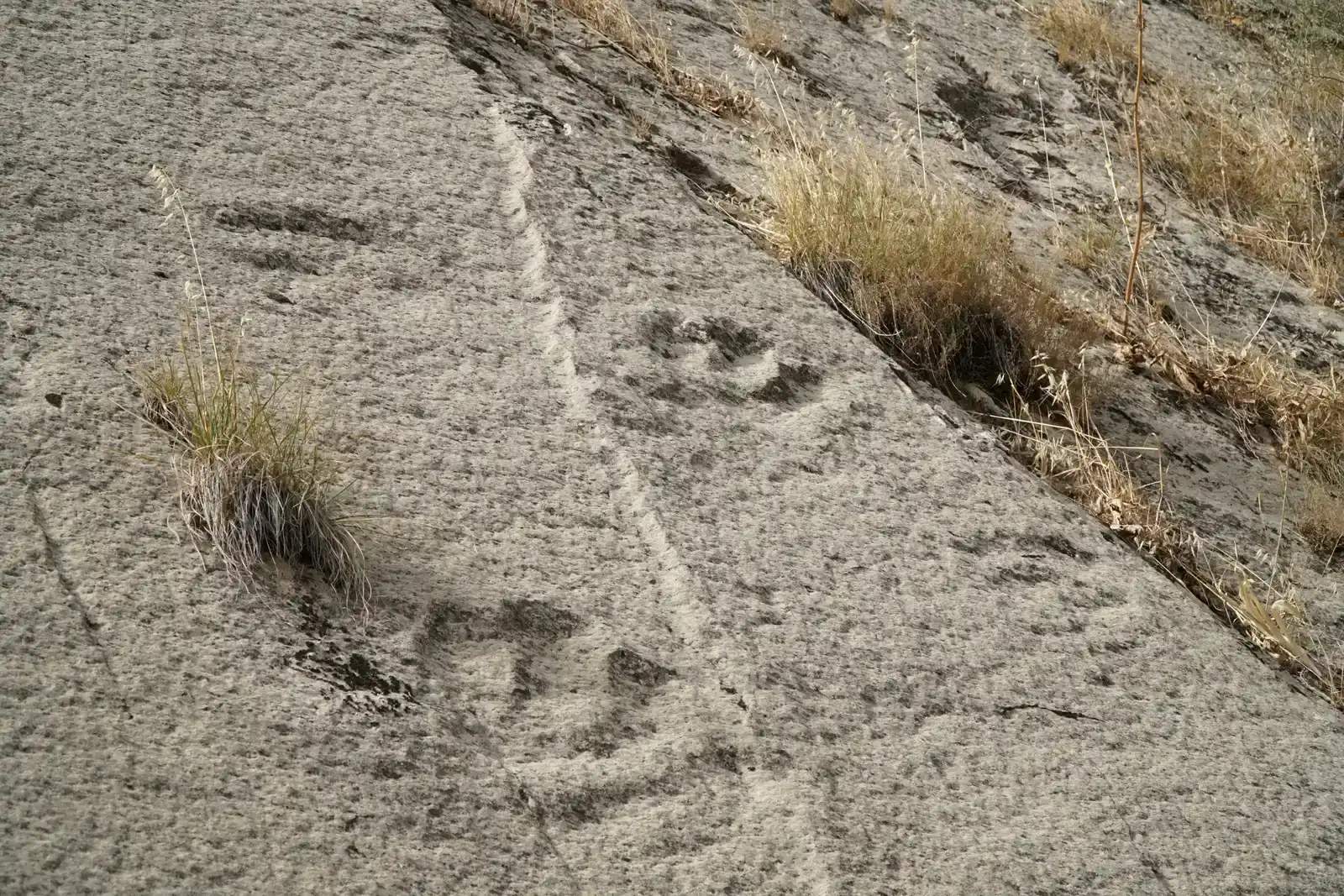
Fossilized footprints are more than scientific curiosities. They are intimate records of lives lived, of creatures running and hunting, of ancient humans possibly locking eyes across a lakeshore in Kenya, of a giant sloth spinning in fear on a patch of prehistoric mud. Every single track is a heartbeat of time, pressed into the earth and somehow kept.
What makes this field so endlessly exciting is that discoveries are still happening. Glaciers are melting and revealing prints in the Alps. New technology is unlocking details in museum drawers that have sat untouched since the 1980s. The ground is still speaking, and scientists are finally getting better at listening.
Perhaps the most humbling thought is this: every time you walk across wet sand or soft mud and look back at the impressions you leave, you’re participating in the same process that gave scientists a window into life millions of years ago. Your footprints and those of a three-toed theropod are not so different in their making. What stories will yours tell? What do you think – does it change how you see the ground beneath your feet? Share your thoughts in the comments.