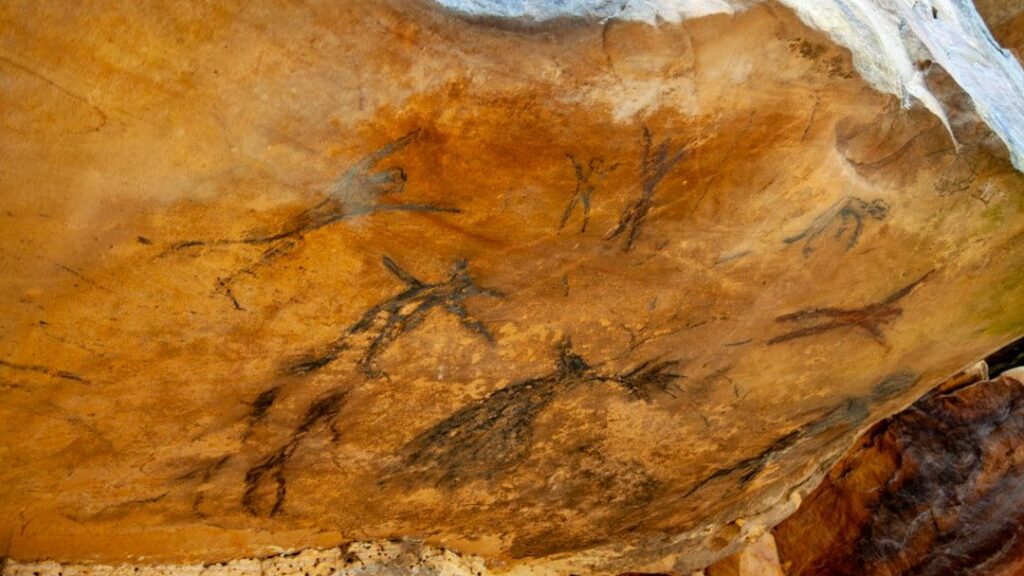
Imagine stepping into a pitch-black cave, no phone, no flashlight, just the flickering glow of a burning torch. You move deeper, further from the entrance, until you reach a chamber where the walls come alive with painted mammoths, charging bison, and giant cave lions frozen mid-stride across the stone. You are not looking at idle doodles. You are staring at a window into one of the most profound spiritual traditions humanity has ever produced.
These ancient images, some of them more than forty thousand years old, have baffled scientists, archaeologists, and curious minds for generations. What drove our prehistoric ancestors deep into the earth to paint creatures of terrifying power on dark, cold walls? The answers are more layered and more astonishing than you might ever expect. Let’s dive in.
More Than Just Pretty Pictures: The Symbolic World of Cave Art
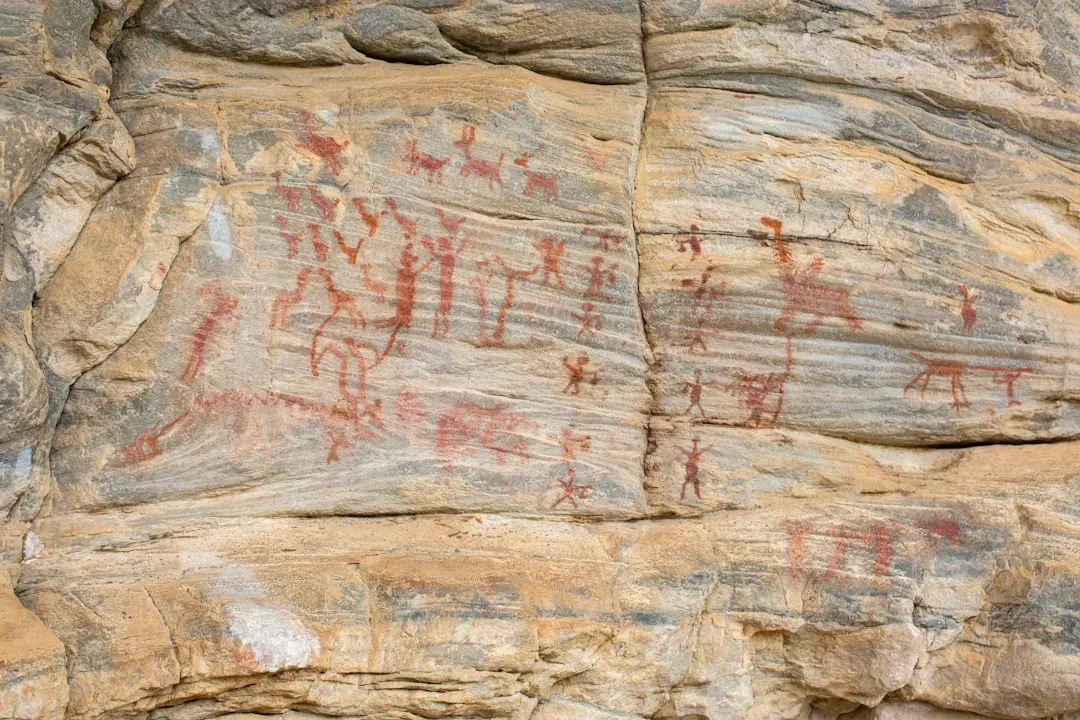
You might assume that early humans painted on cave walls simply to record what they saw. Honestly, that assumption sells them short by about forty thousand years. Depictions of animals in cave paintings were not merely decoration or representational depictions of life, but instead reflected a religious iconography and a deep conception of the world. These were intentional, deliberate acts of meaning-making.
Cave art is generally considered to have a symbolic or religious function, sometimes both, and some experts think the images may have been created within the framework of shamanic beliefs and practices. Think of it less like a photograph and more like a cathedral painting. Every brushstroke meant something.
Discussion around prehistoric art is important in understanding the history of Homo sapiens and how human beings came to have unique abstract thoughts, and some point to these prehistoric paintings as possible examples of creativity, spirituality, and sentimental thinking in prehistoric humans. This was the birth of the human mind as you know it today.
The Beasts That Dominated Their World and Their Walls
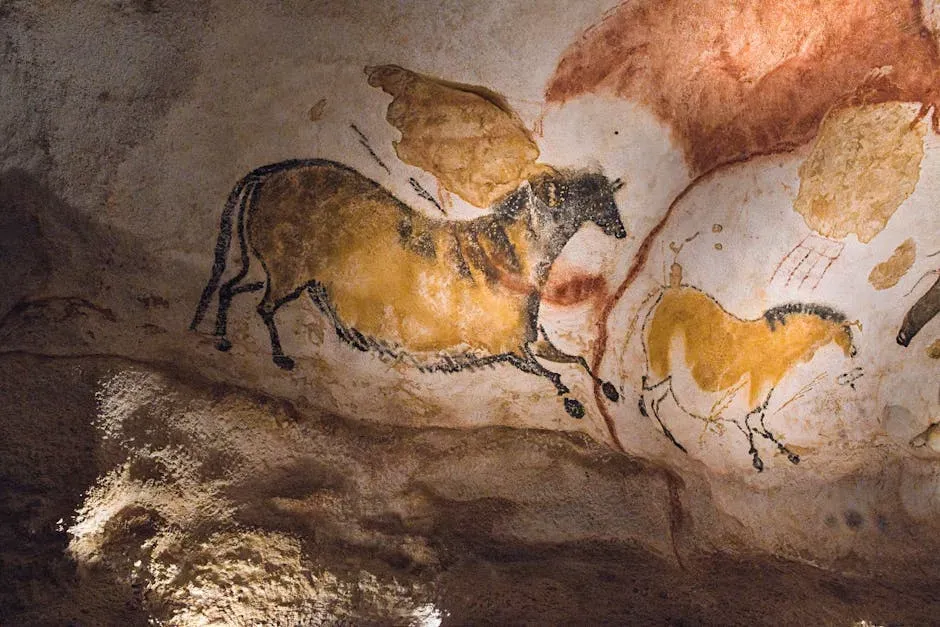
Here is something that will genuinely stop you in your tracks. When prehistoric humans painted animals, they were not painting their dinner. During the earliest millennia when cave art was first being made, the species most often represented, as in the Chauvet-Pont-d’Arc cave in France, were the most formidable ones, now long extinct, including cave lions, mammoths, woolly rhinoceroses, and cave bears.
Both Neolithic and Paleolithic art depicted large, powerful animals such as bison or aurochs that humans of the time were loath to hunt due to the inherent danger in the task. These were not animals they casually chased for sport. They were titans of the ancient world, commanding fear and awe in equal measure.
The species found most often were suitable for hunting by humans, but were not necessarily the actual typical prey found in associated deposits of bones. For example, the painters of Lascaux mainly left reindeer bones, but this species does not appear at all in the cave paintings, where equine species are the most common. That discrepancy alone tells you these paintings were about something far deeper than meals on legs.
Shamans in the Dark: Rituals Beneath the Earth
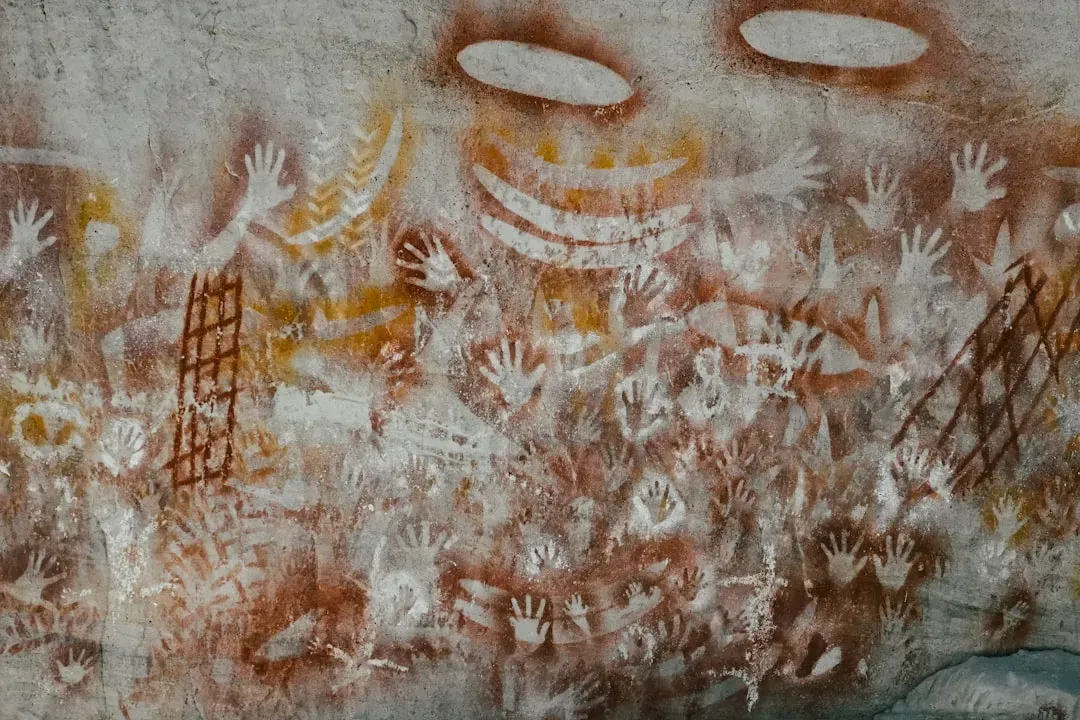
Let’s be real. Dragging yourself into the pitch-black depths of a cave with a burning torch, squeezing through narrow passages to reach a remote chamber, is not casual behavior. Shamans used caves as sanctuaries where they could communicate with spirits and gods. Underground caves are very atmospheric environments, devoid of all light, with dripping water the only sound, and a visitor experiences total silence, total blackness, serious disorientation, and possibly lack of oxygen and claustrophobia.
The shaman would retreat into the darkness of the caves, enter into a trance state, then paint images of their visions, perhaps with some notion of drawing out power from the cave walls themselves. It is almost overwhelming to consider. These beings were not just making art. They were performing the earliest known acts of spiritual communion.
Based on research of shamanic rituals from more recent times, we may speculate that the shamanic visionaries of the Paleolithic period would have induced their trance by enduring intense self-inflicted pain, such as self-mutilation, cold, hunger, and isolation. The Paleolithic shamanic rites may well have included frenetic, ecstatic dancing to the rhythm of clapping and chanting of mythic words, all the known elements which eventually bring about an altered state of consciousness.
The Sorcerer and the Shape-Shifters: Half-Human, Half-Beast
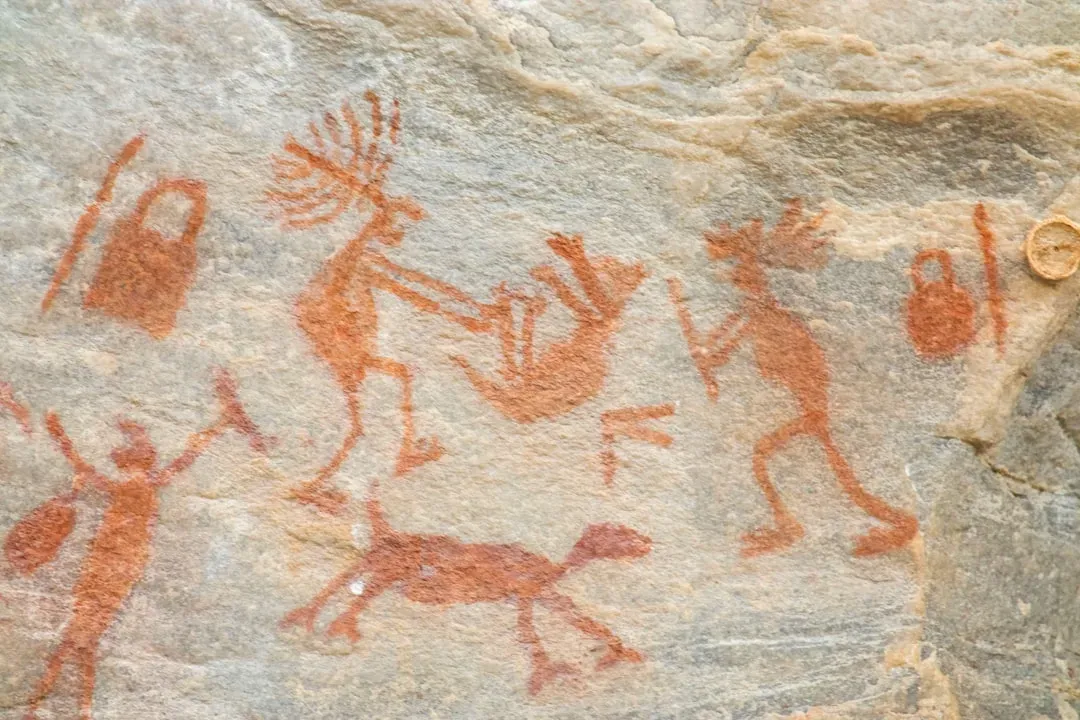
Among the most astonishing discoveries in prehistoric cave art are the therianthropes. These are figures that are part human and part animal, and they appear across continents in a way that feels too consistent to be coincidental. One of the most well-known examples is the complex of cave paintings at Trois Frères in south-west France, where you find perhaps the most famous therianthropic cave painting, “The Sorcerer,” an amalgamation of various animals including an owl, a wolf, a stag, and a human.
Therianthropic figures found in cave art could represent shamans in a transformed state or spirit beings from other realms. Not all archaeologists accept the shamanic interpretation, but the recurring presence of these hybrid figures across wide geographic areas is striking. That recurring pattern across thousands of miles and thousands of years is hard to dismiss.
The “Lion Man” of Hohlenstein-Stadel, Germany, dated to around 40,000 BCE, is a carved ivory figurine standing about 31 cm tall, blending a human body with a lion’s head. As one of the oldest known figurative sculptures, it demonstrates that early humans were already capable of imagining and representing beings that combined different categories of existence. These were not monsters. They were gods.
Hunting Magic and the Power of the Image
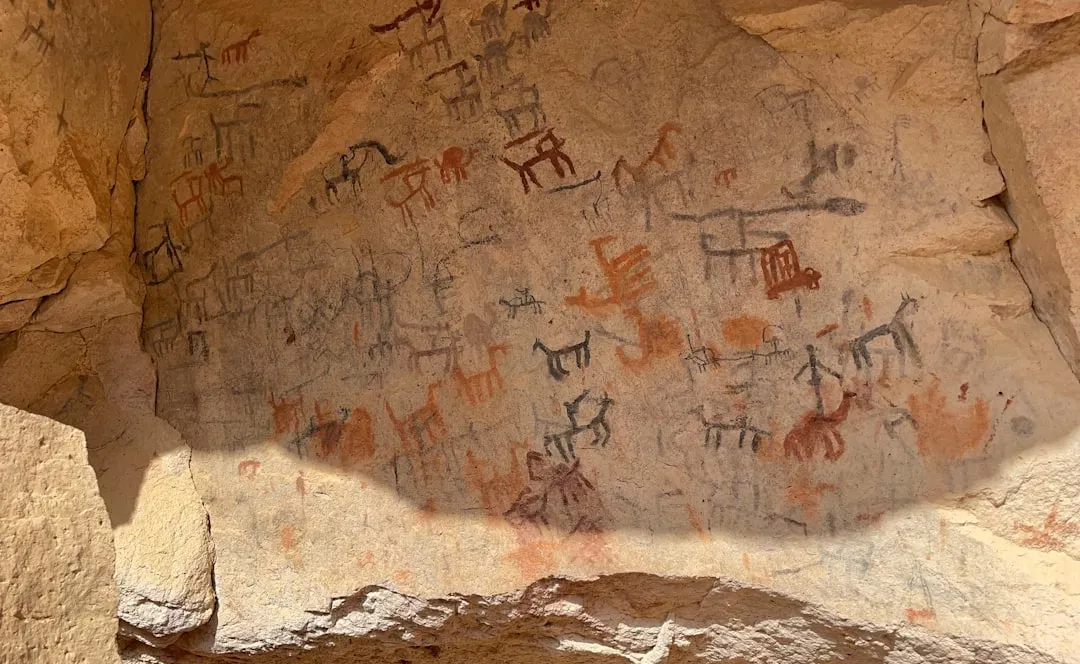
One of the oldest theories about why your prehistoric ancestors painted animals on cave walls is the idea of hunting magic. The logic goes something like this: if you can paint the beast, you can control it. Some ethnographers have theorized that many paintings represent some kind of “hunting magic” and that the shamanistic act of painting animals on walls summons them and provides spiritual support for a successful hunt.
One commonly held belief is that these paintings served a magico-religious function, and early humans may have believed that creating or possessing an image of an animal would grant them power over the subject, leading to a more successful hunt. In some cases, spears were even thrown at these images, as gouge marks on cave walls indicate. That is not just art. That is a form of prayer.
However, it’s hard to say for sure whether this was the primary motivation, since the theory has its critics. The correlation between animal species pierced by arrows and archaeological excavations is tenuous. The representations of these animals symbolized with arrows piercing them, besides being few in number in all of European parietal art, has little correspondence to the archaeological remains found, and the hypothesis of sympathetic magic has since been largely abandoned. So the story, as always, is more complicated than it first appeared.
The Cave as Sacred Space: Where Ritual Architecture Begins
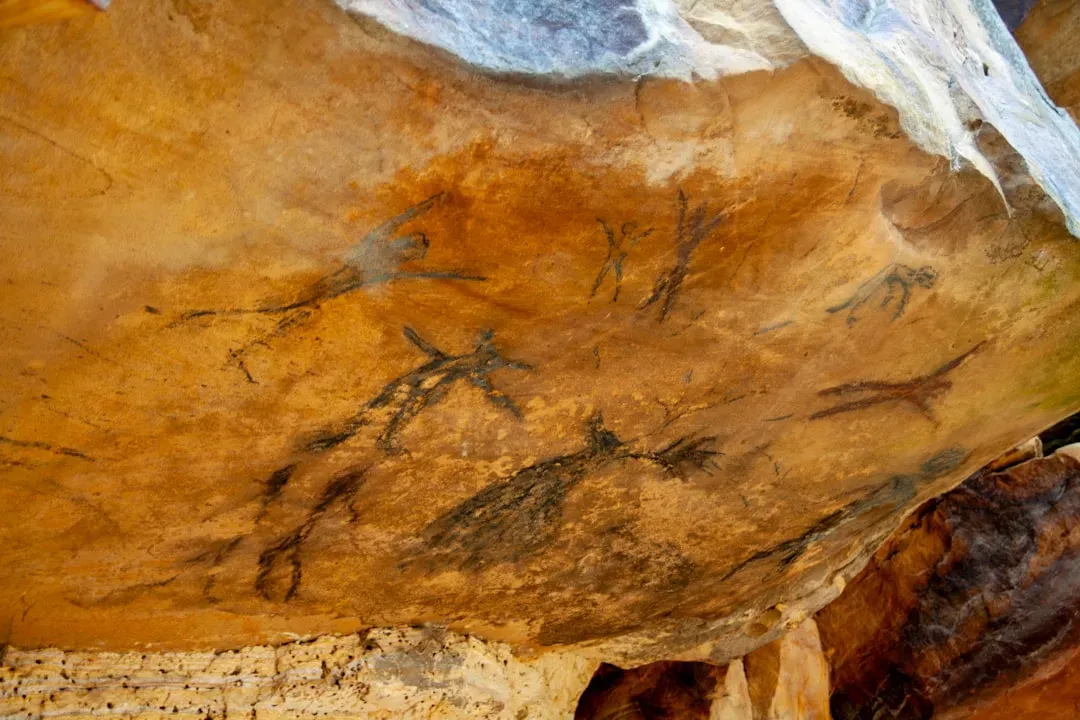
You know how churches and temples are designed to make you feel small and awestruck? The deep caves of the Paleolithic served exactly the same psychological purpose. A significant amount of cave art is found in remote chambers, far from the entrance, and some paintings and petroglyphs are found in small holes and corners that can accommodate only one person at a time. In other words, this prehistoric art was not made for cave residents or for the general public. Instead, archaeologists believe the decorations were connected to the function of the caves themselves.
Upper Paleolithic cave paintings in France and Spain, including Lascaux and Altamira, are found deep inside caves, far from living areas. The animal depictions and human-like figures suggest connections to hunting magic or shamanic practices, and the difficulty of reaching these painted chambers hints that the journey itself may have been part of the ritual. Getting there was the ceremony.
Initiation rites and rites of passage marked important life transitions. Rock art sites may have served as locations for initiation ceremonies, with the imagery acting as a visual narrative or memory aid for teaching initiates about their community’s traditions. The cave was not just a canvas. It was a classroom, a temple, and a portal all at once.
The Spiritual Legacy: How Prehistoric Beliefs Shaped Human Religion
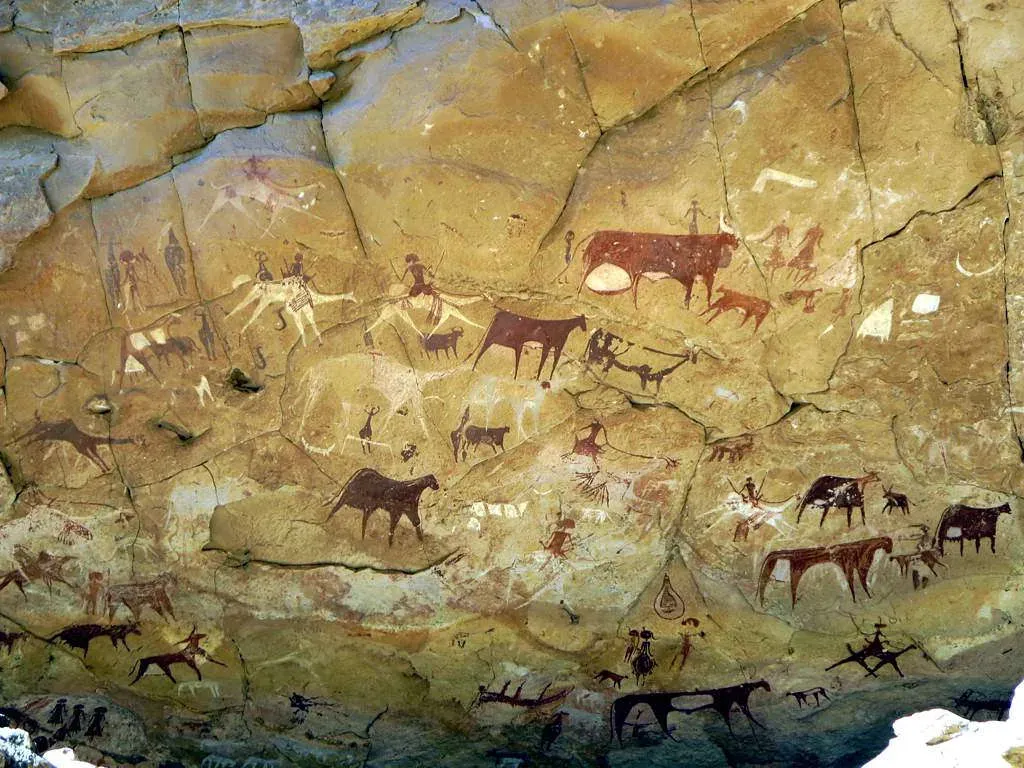
Here is where things get truly mind-bending. The spiritual worldview embedded in these cave paintings did not simply vanish when the Ice Age ended. When taken together, the cave paintings and archaeological artifacts from later eras show a slow, evolutionary development of the conception of gods that reveals evidence of influence from the changing relationships between humans and animals and between humans and their ancestors. These paintings planted seeds that grew into every major religion you know today.
Art and shamanism are often represented as timeless, universal features of human experience. Shamanism is frequently held to represent the origin of religion, and shamans are characterized as the first artists, leaving their mark in the cave art of Upper Paleolithic Europe. That is a staggering lineage. Every altar, every icon, every sacred image in human history arguably traces its roots back to a shaman painting a cave lion by torchlight.
The eminent prehistorian Jean Clottes championed the theory that in Europe, where art was hidden deep inside dark chambers, the main function of cave paintings was to communicate with the spirit world. Rock art scholar Benjamin Smith is likewise convinced that in Africa, spiritual beliefs drove the very first art. Two continents, two separate researchers, one strikingly unified conclusion.
Conclusion: Walls That Still Speak
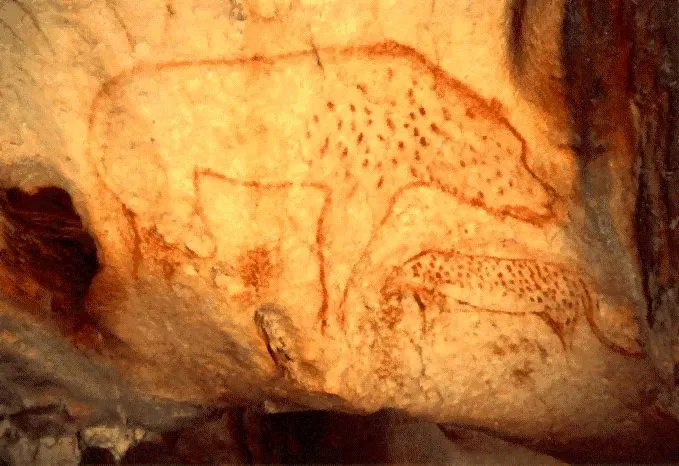
What you see when you look at ancient cave art is not primitive scribbling. You are looking at the earliest evidence of a full inner life, of belief systems so sophisticated they helped shape the spiritual frameworks humanity still operates within today. These prehistoric people looked at the most fearsome creatures on earth and chose not just to fear them, but to revere them, paint them, and build entire cosmologies around them.
The beasts on those walls were not just animals. They were divine. They were totems, spirit guides, embodiments of forces that prehistoric humans genuinely believed controlled life and death. And honestly, given how little we still truly understand about consciousness, the spirit world, and the origins of religion, can you really say they were wrong?
The next time you see an image of a Lascaux horse or a Chauvet cave lion, pause for a moment. Someone crawled through utter darkness to put that there. They wanted you, or someone like you, to feel something. What do you think they were trying to tell you?