Most people think the story of life’s most terrifying killers begins with the T. rex or the Velociraptor. Honestly, that couldn’t be further from the truth. Long before a single dinosaur set foot on Earth, nature had already run several wild experiments in apex predation, producing creatures so bizarre, so powerful, and so ruthlessly effective that they make even the most fearsome dinosaurs look like latecomers to a party that was already in full swing.
You might be surprised to learn just how rich and violent the world was hundreds of millions of years before the Mesozoic. From toothless armored fish with jaw-snapping power that could rival modern steel to saber-fanged proto-mammals stalking ancient deserts, the pre-dinosaur world was anything but dull. Let’s dive in.
Anomalocaris: The World’s Very First Apex Predator

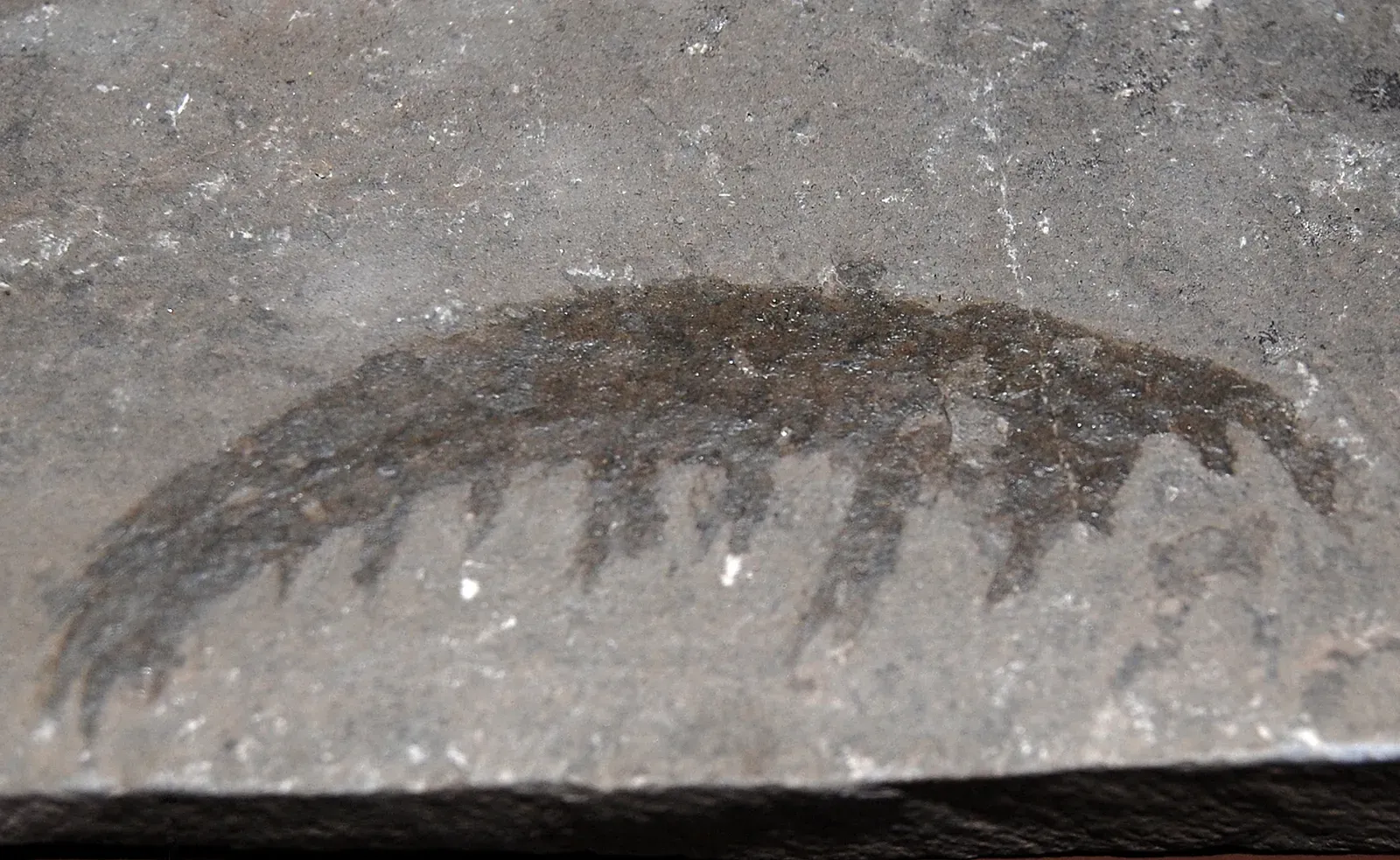
Picture a world with no land animals, no trees, barely anything you would recognize at all. Into those ancient Cambrian seas, more than half a billion years ago, swam something that truly had no equal. This bizarre-looking animal was Anomalocaris, or “unusual shrimp,” and is widely regarded as the world’s first apex predator, the killer whale of its day.
Anomalocaris was the largest hunter of the Cambrian period, measuring up to a metre in length from its grasping frontal appendages to the tips of its tail fans. What made it so remarkable was less its size and more its complete dominance over everything around it. It’s now believed Anomalocaris was a hunter that relied on speed, agility, and superior sight rather than strength. For its era, that combination was essentially unbeatable.
Dunkleosteus: The Armored Fish With a Bite That Could Crush Steel
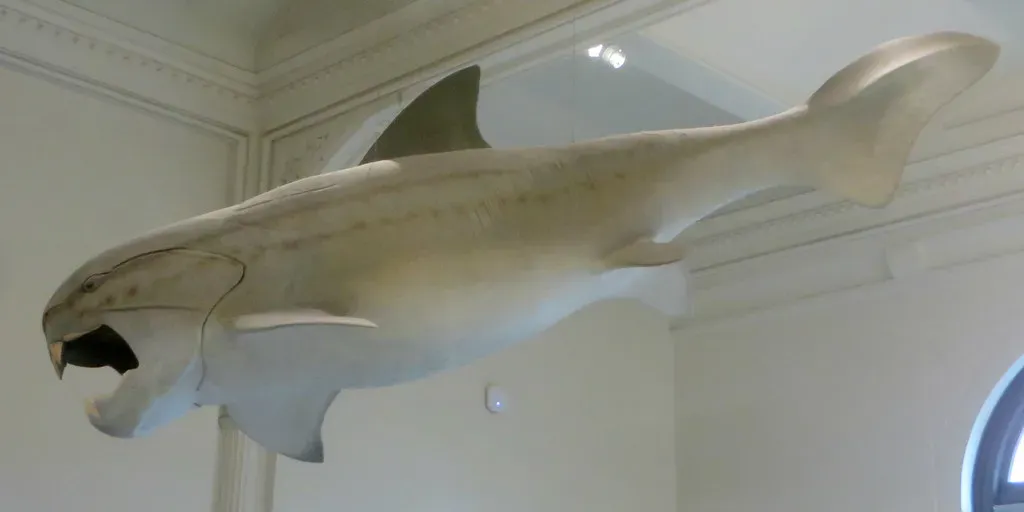
Here’s the thing about Dunkleosteus, it sounds almost made up. It’s hard to imagine that an animal affectionately known as “The Dunk” was ever a fearsome predator, but Dunkleosteus was exactly that. For nearly 30 million years it ruled the northern hemisphere’s oceans. That’s an astonishing reign by any measure.
Dunkleosteus lacked proper teeth; instead it had two pairs of long bony blades that protruded from its upper and lower jaws, creating a cutting apparatus that crudely resembled a guillotine. At the tip of these blades, Dunkleosteus was capable of biting down at a force comparable to that of a large alligator and prehistory’s most infamous chomper, the T. rex. If you think that’s shocking, consider that fossil evidence even suggests cannibalistic tendencies, with bite marks matching Dunkleosteus’ jaws found on the bones of its own kind.
Dimetrodon: The Sail-Backed Predator That Was Closer to You Than to Any Dinosaur
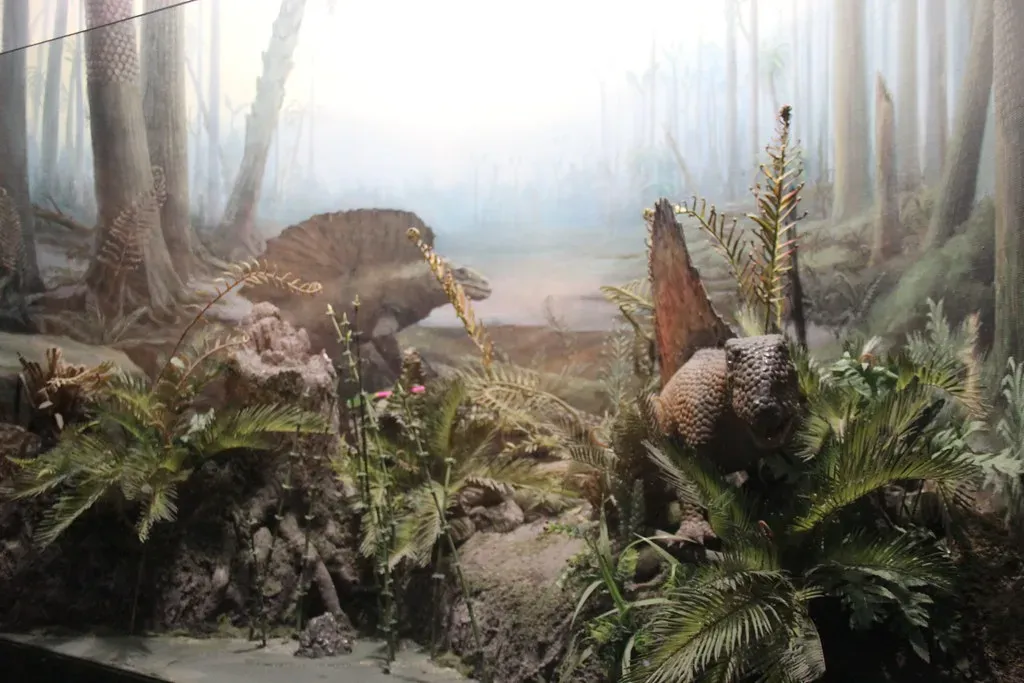
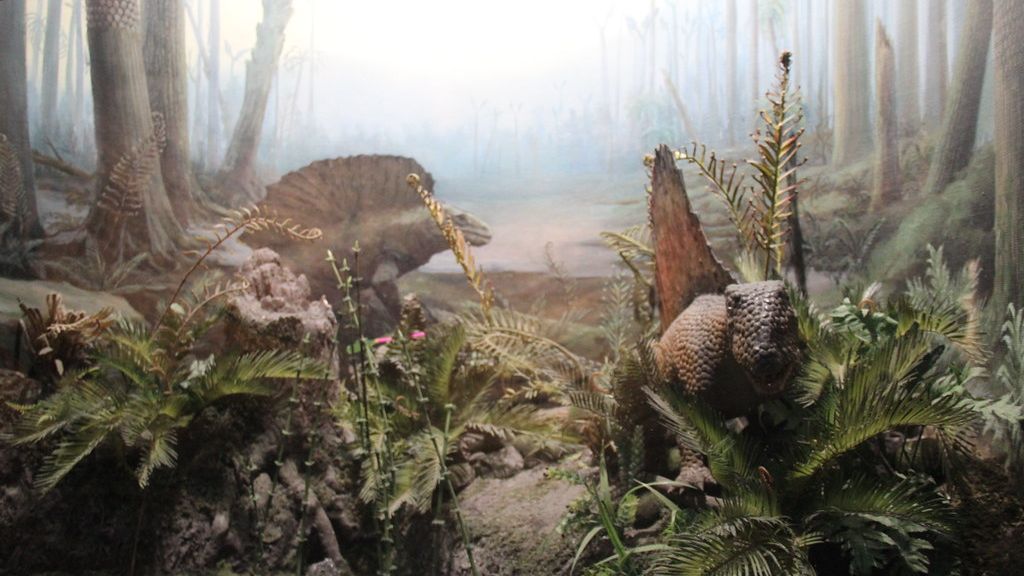
Almost every childhood dinosaur toy set includes a Dimetrodon. Almost every childhood dinosaur toy set is wrong to do so. Though often mistaken for a dinosaur, this sail-backed predator lived over 30 million years before the first dinosaurs and was actually an ancient relative of mammals. That’s right, you share more ancestry with this spiky-backed Permian killer than any T. rex ever did.
The larger species of Dimetrodon were among the largest predators of the Early Permian, with D. grandis measuring over 10 feet and weighing some 250 kilograms. Its most iconic feature, that dramatic sail along its back, remains the subject of ongoing scientific debate. The sail may have been used to stabilize its spine or to regulate body temperature, though more recent studies suggest the sail would have been ineffective at removing heat, essentially ruling out heat regulation as its main purpose. It was most likely used in courtship display, including threatening rivals or attracting mates.
Gorgonops: The Saber-Toothed Terror of the Late Permian
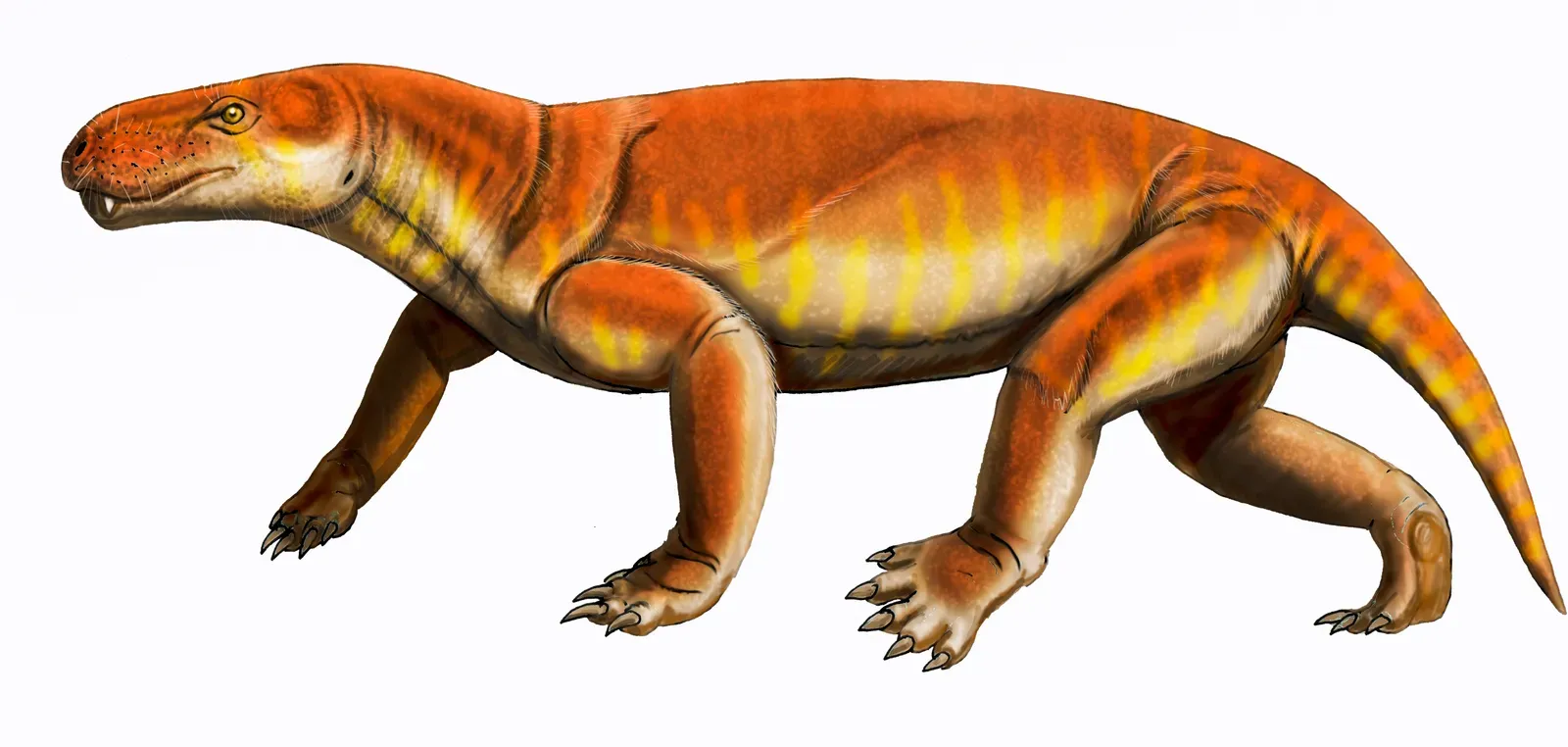
Gorgonopsians rose to become apex predators of their environments following the Capitanian mass extinction event, which killed off the dinocephalians and some large therocephalians after the Middle Permian. Think of them as nature hitting the reset button and then immediately producing something even more frightening. Named after the Greek mythological beast, Gorgonopsids are an extinct group of saber-toothed mammals from the Middle-Upper Permian Era.
Earlier gorgonopsids in the Middle Permian were quite small, but some later genera attained massive, bear-like sizes, with the largest being Inostrancevia, up to 3.5 metres in length and 300 kilograms in body mass. One of the most characteristic traits of Gorgonops and other gorgonopsids were its sabre teeth, the first sabre teeth on the planet. Unlike the jaws of the later sabre-tooths, the jaws of Gorgonops were relatively long, but they had only two types of teeth: the killing sabre-like canines and the shorter incisors.
Inostrancevia: The Proto-Mammal Built Like a Polar Bear With Sabers
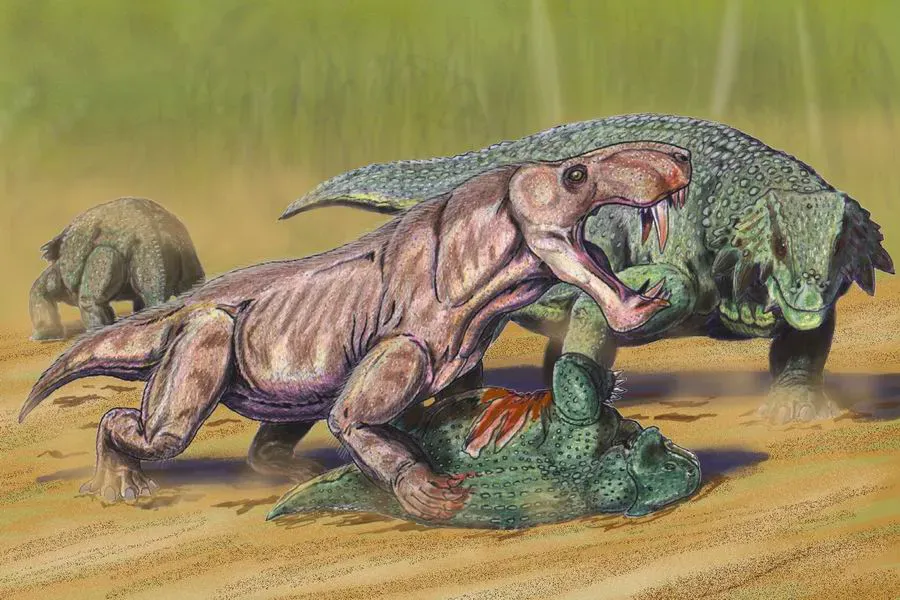
If you want a creature that sounds like it was designed in a nightmare, meet Inostrancevia. Cross a polar bear with a sabre-tooth cat and you’d get something resembling Inostrancevia. It was a protomammal, an ancient ancestor of today’s modern mammals, but looked very different, less like a reptile and more like a big cat. It is honestly one of the most visually striking predators of any era.
It also had longer legs than Dimetrodon, which suggests it was a runner, and a fast one at that. Inostrancevia had sabre-shaped canines that could land killer blows on the necks of megaherbivores such as Scutosaurus. Instead of chewing, Inostrancevia used a “puncture-pull” strategy, tearing away huge chunks of meat. That feeding style sounds brutal because it was.
Meganeura: The Giant Dragonfly That Ruled the Carboniferous Skies
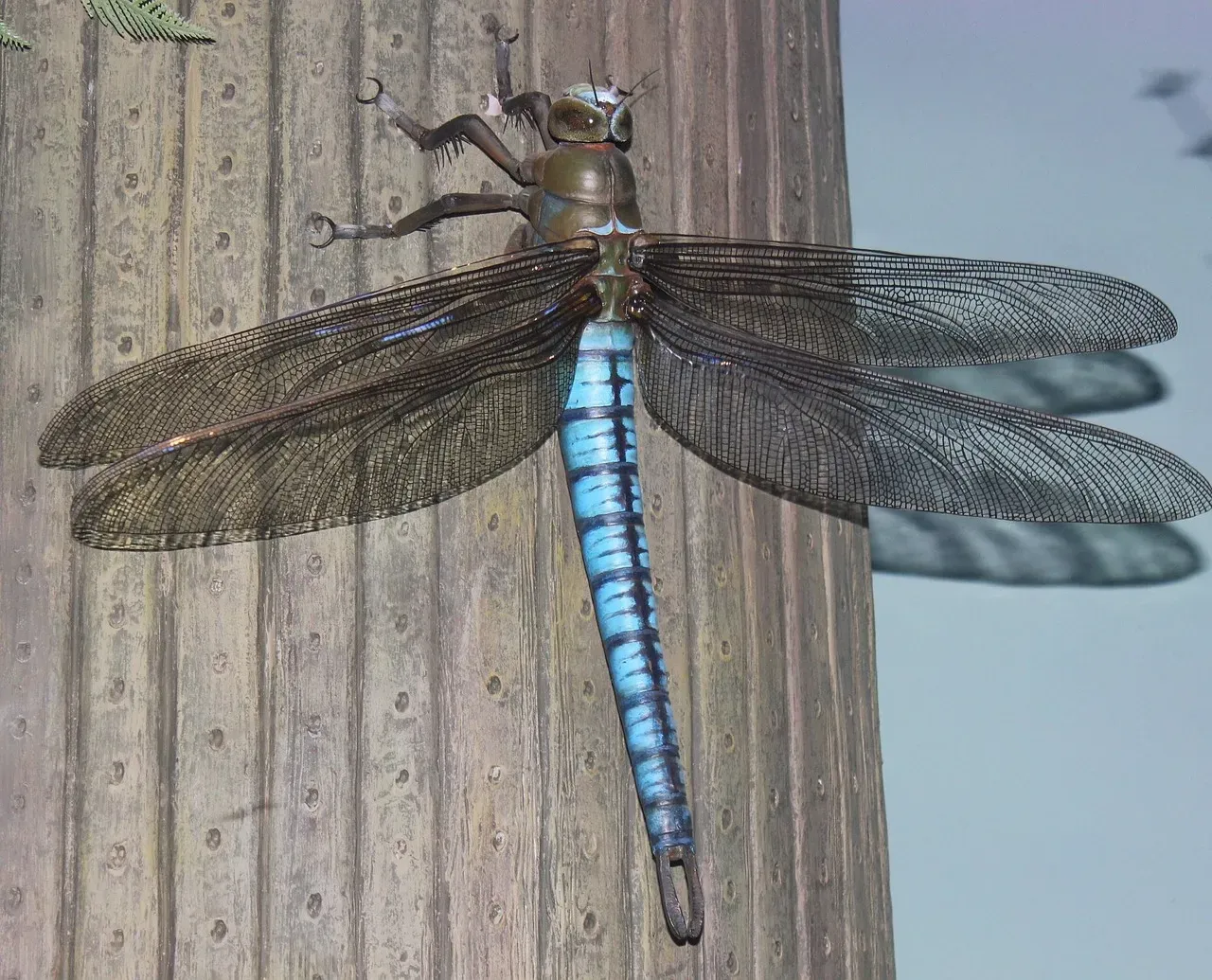
Not every apex predator before the dinosaurs was a land giant or a sea monster. Some of them flew. The Meganeura was the largest flying insect in existence, resembling a modern-day dragonfly but much more considerable. It inhabited the Carboniferous forests and was predatory, mainly consuming other insects. Its existence is only possible because of one strange geological quirk.
Like Arthropleura, Meganeura is thought to have benefitted from a lack of competition from vertebrates and heightened levels of oxygen during the Carboniferous. It was likely the apex predator in forest clearings, using the spines on its legs as a “flying trap” to ensnare prey ranging from other flying insects to amphibians and even lizard-like vertebrates. Meganeura is one of the largest known flying insect species, with a wingspan of up to 25.6 to more than 28 inches. I know it sounds crazy, but a dragonfly the size of a hawk was once a top predator.
Jaekelopterus: The Eight-Foot Giant Sea Scorpion
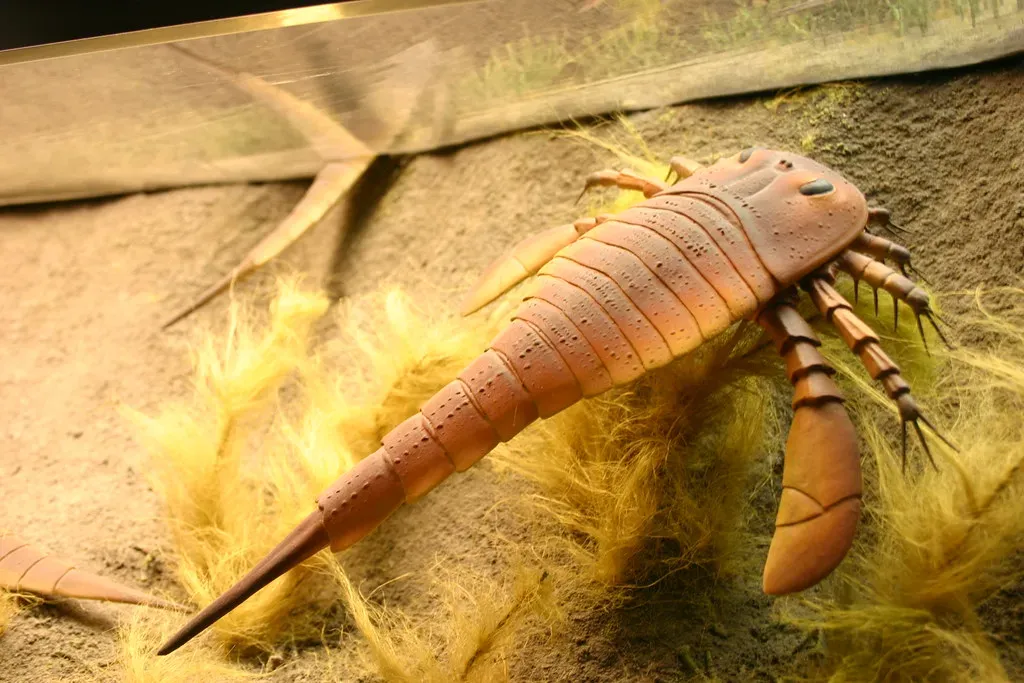
Giant sea scorpions are the kind of thing that make you feel vaguely grateful to be alive in the modern era. The Jaekelopterus was a giant scorpion living during the Devonian Period, around 390 million years ago. It was the biggest arthropod ever to inhabit the Earth and the largest of its species, growing over eight feet long. For scale, that’s roughly the length of a small car.
Instead of swimming in the ocean, this scorpion developed in freshwater systems like river beds. That detail alone is enough to change how you think about going for a swim. Instead of a stinger, it had enormous claws and would wait in ambush for its prey using its visual acuity, then grasp and puncture them with its pincer-like appendages. Patience and raw power, a combination that worked terrifyingly well long before dinosaurs even existed.
The Carboniferous Amphibian Giants: The First Apex Predators on Land
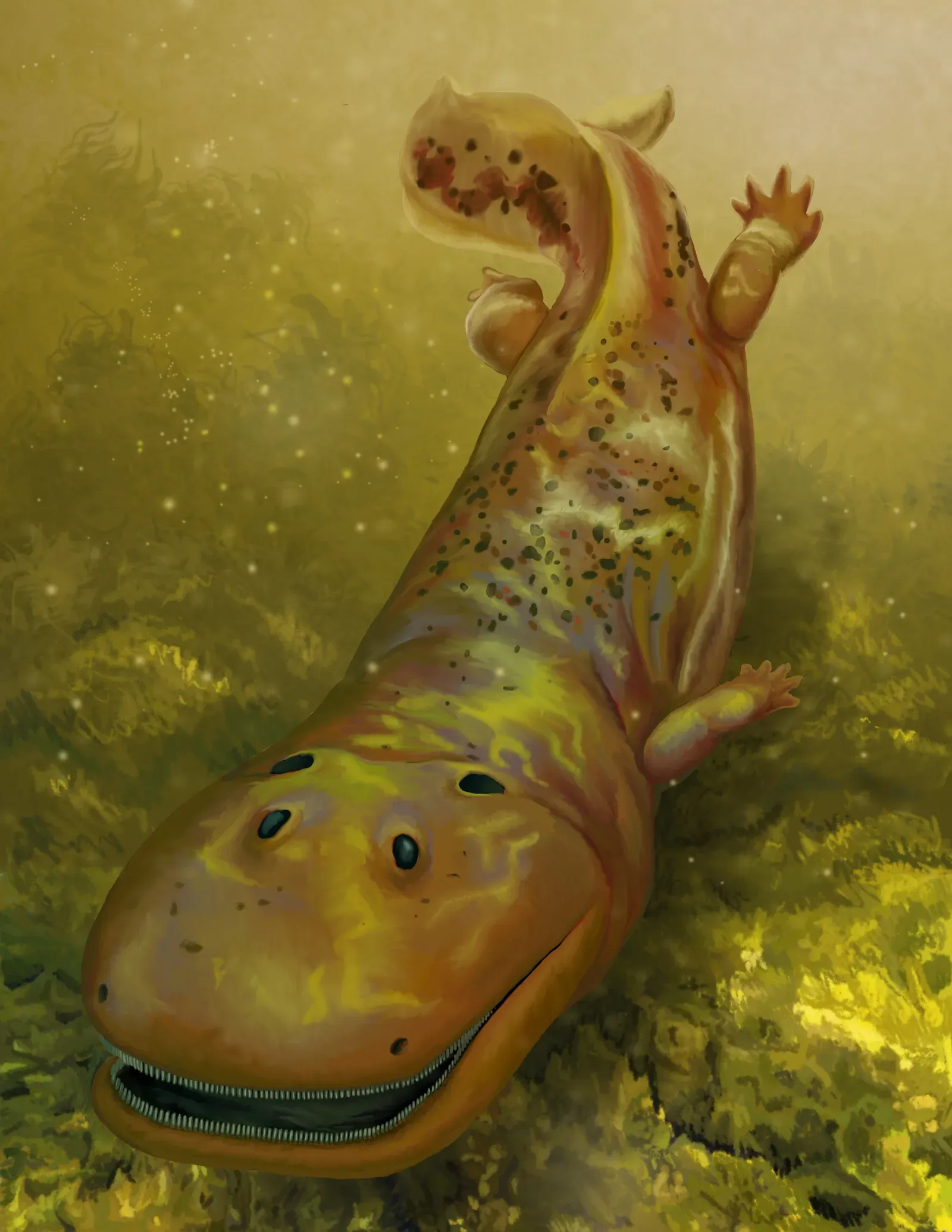
Large amphibians and early reptiles were the apex predators during the Carboniferous period. This is easy to underestimate until you realize just how large “large” actually was. Scientists believe Stenokranio grew to nearly five feet long and weighed more than 150 pounds, making it a formidable lurking killer in the tropical wetlands of its time.
Long before the emergence of crocodiles, Stenokranio lived as a lurking predator in and on the edge of tropical waters. In terms of body shape and lifestyle, the animal occupied the ecological niche of the later crocodiles, preying on fish and other small animals. Stenokranio had three pairs of large, backward-curved fangs and hundreds of tiny teeth on its palate, which were used to hold on to slippery prey. Nature, it turns out, invented the crocodile body plan long before crocodiles ever showed up.
The Synapsid Legacy: How These Predators Gave You Your Teeth
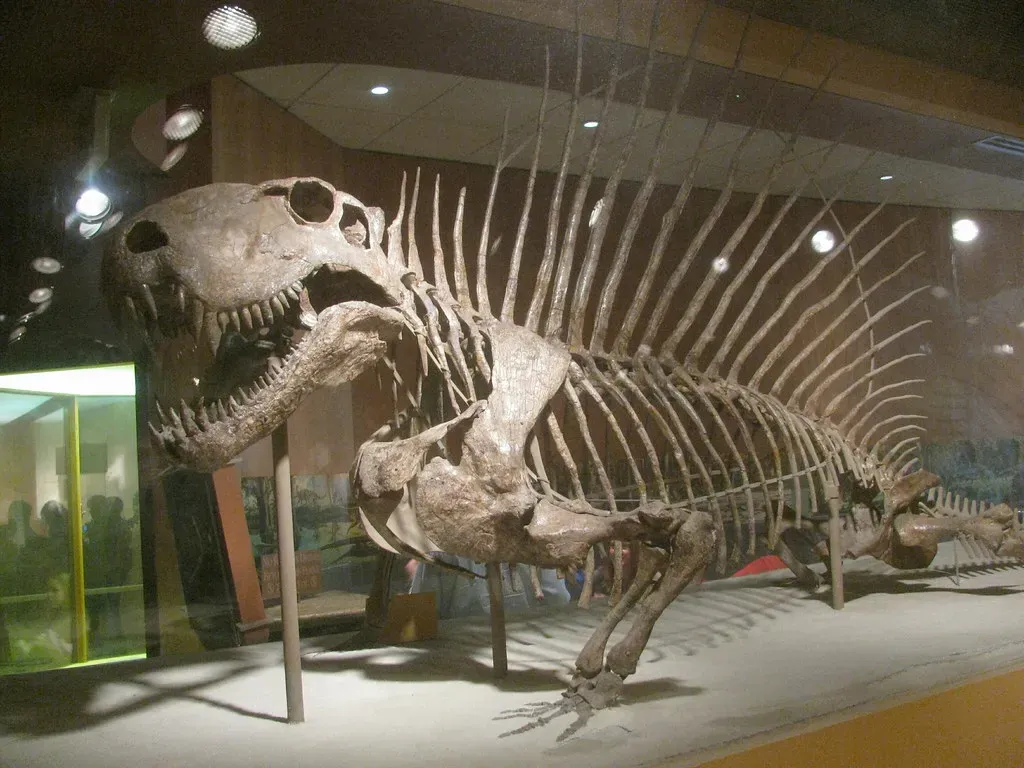
Here’s a fact that genuinely stops people in their tracks. You have these ancient predators to thank, at least in part, for the teeth in your mouth. Smilodon and Dimetrodon developed especially strong enamel for their teeth to hold up while tearing through and chewing meat, and this was eventually passed down to other mammals, including us. There is a direct biological thread connecting you to the apex killers of the Permian.
The meat-ripping teeth of gorgonopsians were believed to be exclusive to dinosaurs until it was found that they evolved way before dinosaurs ever did. The late Permian rocks capture the synapsids at the height of their reign. For more than 60 million years they were Earth’s dominant land vertebrates, occupying the same ecological niches as their successors, the dinosaurs. Every lion, wolf, and even human jaw carries an echo of that ancient dominance.
The Great Dying: How the World’s Greatest Extinction Ended Their Reign
No story about these pre-dinosaur apex predators is complete without the ending, and it’s a dramatic one. The Permian–Triassic extinction event, colloquially known as the Great Dying, occurred approximately 251.9 million years ago. It is Earth’s most severe known extinction event, with the extinction of 57% of biological families, 81% of marine species, and 70% of terrestrial vertebrate species. Everything that had ruled before was swept away with stunning speed.
It resulted in the loss of around 90% of marine species and 70% of terrestrial vertebrate species due to a combination of volcanic eruptions, climate changes, and oceanic anoxia. The volcanic activity, particularly from the Siberian Traps, released large amounts of carbon dioxide and sulfur dioxide, leading to severe environmental shifts including a greenhouse effect that caused global temperatures to rise dramatically. The large predatory niches once occupied by gorgonopsians would be taken over by the archosaurs, namely crocodilians and dinosaurs, in the Mesozoic. In other words, the dinosaurs didn’t rise because they were better. They rose because almost everything else was gone.
Conclusion
The world before dinosaurs was not some quiet, primitive warmup act. It was a full-scale arena of evolutionary brilliance, packed with predators that rivaled anything the Mesozoic would later produce. From Anomalocaris slicing through Cambrian seas to Inostrancevia running down armored prey across Permian deserts, these animals were every bit as fascinating and fearsome as the creatures that followed them.
What makes their story even more compelling is how much of it lives on. In your teeth, in the body plans of modern sharks and crocodiles, in the very structure of mammalian predators today, you can still find traces of these ancient rulers. They were erased by catastrophe, not by failure. The next time you see a Dimetrodon in a museum or toy store, remember, that creature is more your relative than any dinosaur ever was. Does that change the way you see yourself in the great story of life on Earth?