Somewhere between hard science and the oral whispers of our ancestors lives a body of knowledge that most of us have never been taught. Ancient tribes across the globe did not simply tell stories around campfires for entertainment. They were doing something far more profound. They were making sense of giant bones, massive footprints, and the ruins of a world that existed long before their own.
You might be tempted to dismiss it all as mythology. But honestly, when you look at the details, the accuracy, and the sheer geographical specificity of these stories, it becomes very hard to write them off. From the thunderous skies of the Lakota plains to the gold fields of ancient Central Asia, these eight tribes will challenge everything you thought you knew about the line between legend and paleontology. Let’s dive in.
The Lakota Sioux and the Thunder Beast of the Skies
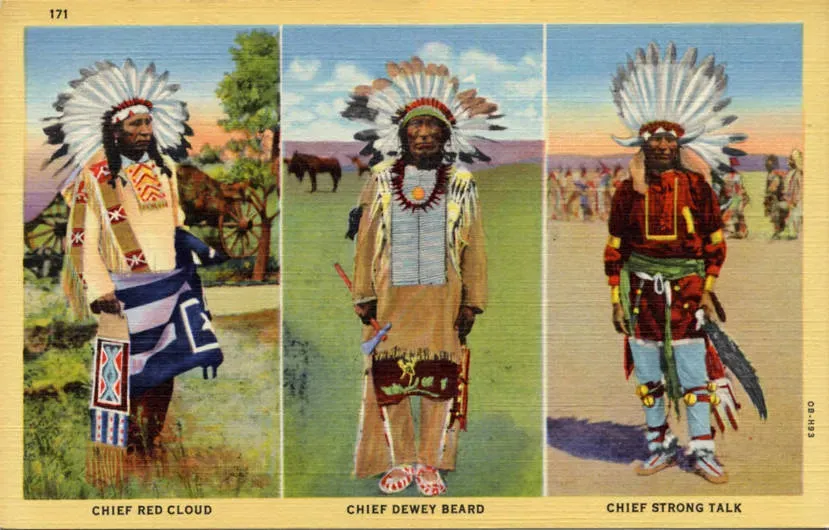
Few indigenous traditions carry the weight and grandeur of the Lakota Sioux’s relationship with their most powerful sky spirit. The Lakota refer to the Thunderbird as “wakinyan” and believe that it protects the pure of heart and honest people from the destructive forces of life. This was no casual metaphor. The wakinyan was an active force in the Lakota world, described in detail across generations of oral tradition.
Wakinyan takes the form of a giant bird, with wings that make the sound of thunder and eyes that shoot lightning, and stands as the mortal enemy of the horned serpent Unktehi. What makes this genuinely jaw-dropping is the fact that some modern scholars and historians have suggested that indigenous Thunderbird stories may have origins in the discovery of pterosaur fossils by Native Americans. The Black Hills region, so central to Lakota identity, is geologically dense with pterosaur remains, a connection that is hard to ignore.
The Crow Tribe and Their Extraordinary Dinosaur Lore
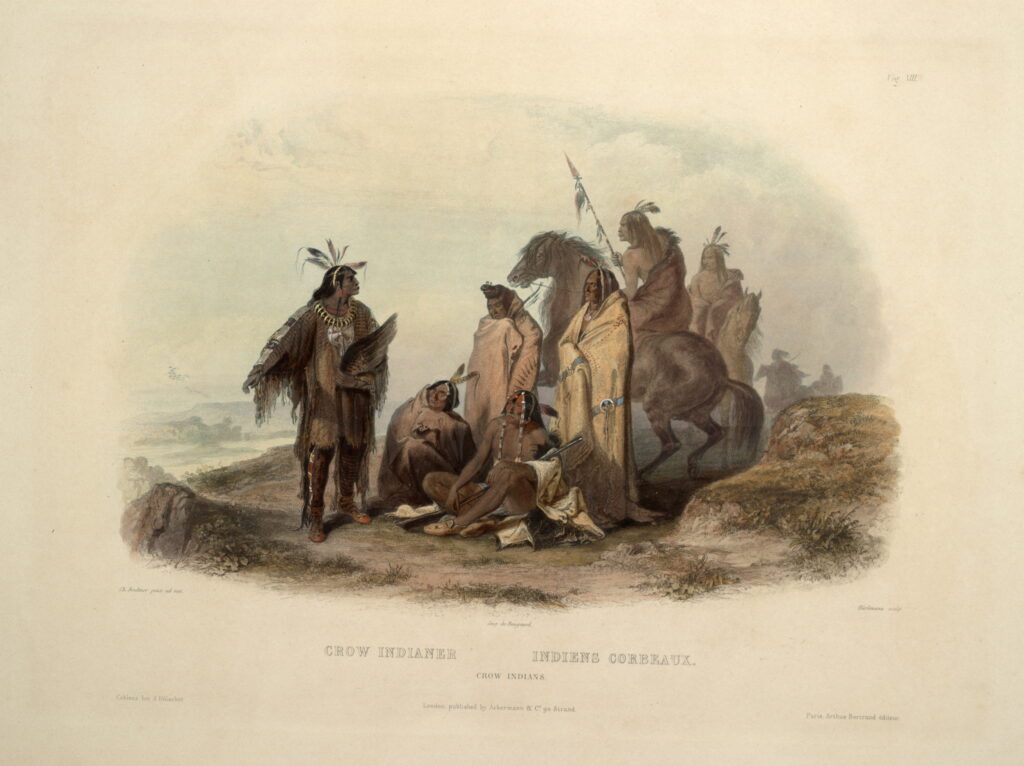
If you think ancient peoples had no framework for understanding dinosaurs, the Crow tribe of Montana will stop you dead in your tracks. Crow dinosaur lore includes not only dinosaur lullabies but also such useful information as how to kill dinosaurs and where the Crow killed the last dinosaur, in what is now Yellowstone National Park. That is not the vague symbolism of a people disconnected from their natural world. That is specific, geographic, and startlingly matter-of-fact.
Wolves play a prominent role in many native creation stories, and some tribes like the Apsalooke (Crow) and Duka Dika (Mountain Shoshoni) even domesticated wolves as draft and pack animals. The Crow’s relationship with the animal world was clearly not passive. They observed, they categorized, and they integrated what they saw, including massive prehistoric bones, into an active and living cultural tradition that persists to this day.
The Scythians and the Griffin Born from Bone
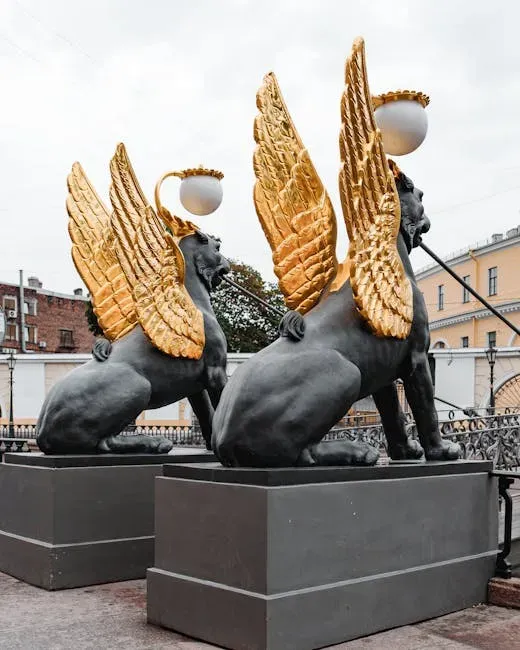
Here’s the thing about the Scythians: they were nomadic goldminers who roamed vast stretches of Central Asia, and somewhere along their journeys, they came across something genuinely astonishing. The Scythians were a nomadic people who ruled much of west and central Asia and part of eastern Europe up to about 300 BCE. They were skilled in metalworking and loved gold, and even though they didn’t have a system of writing, we have some of their metal artifacts found by archaeologists. The Scythians were so important to the ancient world that we know a lot about them from other cultures, especially the ancient Greeks, Persians, and Assyrians.
Classical folklorist Adrienne Mayor speculates that the way the Greeks imagined griffins from the seventh century BC onwards may have been influenced in part by the fossilized remains of beaked dinosaurs such as Protoceratops and Psittacosaurus that ancient Scythian nomadic prospectors saw on the way to gold deposits. It is a fascinating idea. Though an evaluation of the Protoceratops-griffin link finds it uncompelling to some researchers, the sheer cultural weight of the debate reveals just how seriously scholars take the possibility of a fossil-to-mythology pipeline. The griffin remains one of antiquity’s most enduring creatures, and its origin story is still very much unresolved.
The Cherokee and the Black Bear as Prehistoric Protector
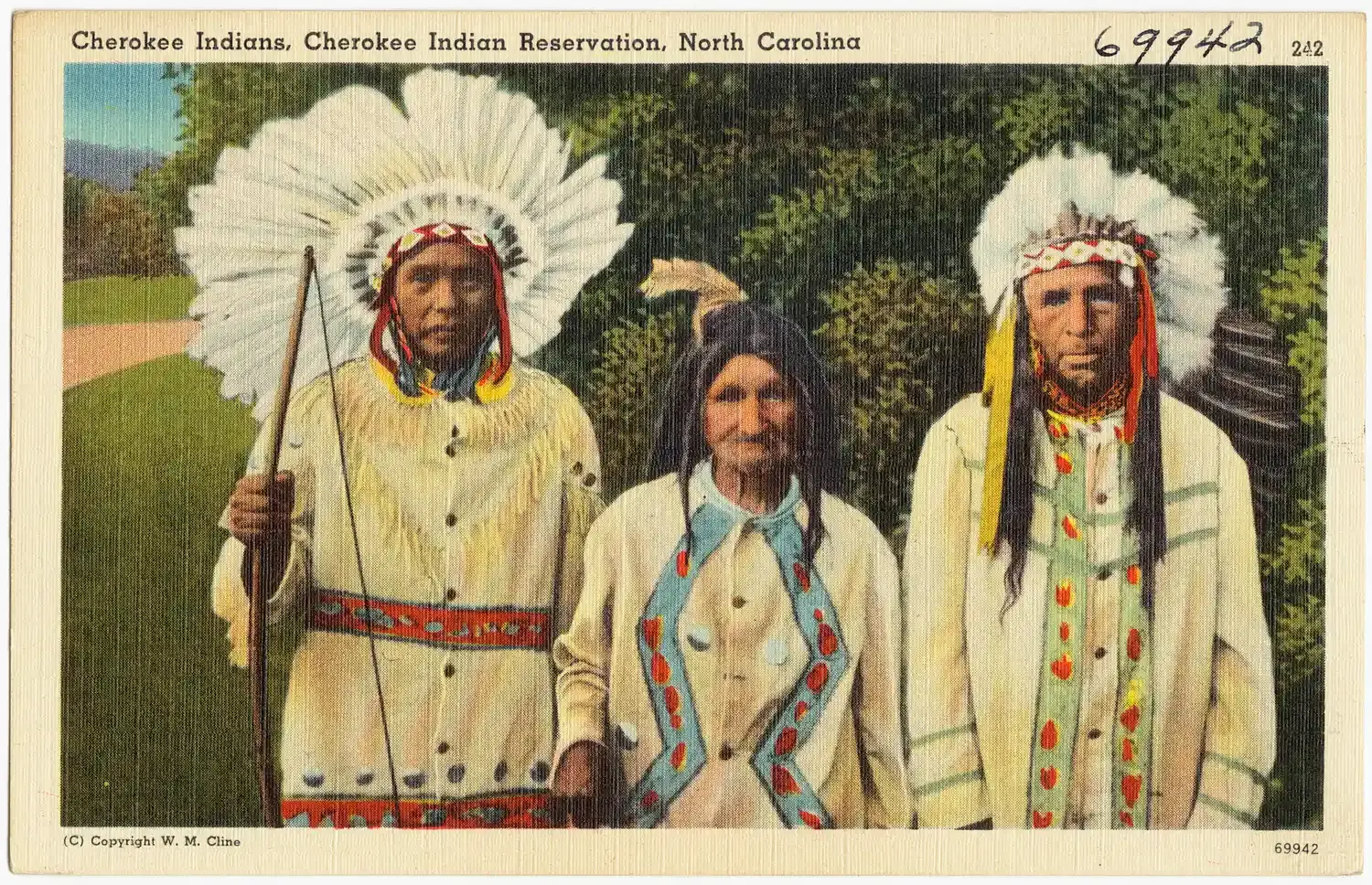
To the Cherokee, the black bear was never just an animal. It was a neighbor, a teacher, and something like a spiritual elder. The Cherokee people have quite frequently seen the black bear of the “Smoking” Blue Mountains as a spirit guide, an ally, and an elder to the people who live in the clans. Tales are spoken that reveal the intimate relation with these bears in the physical and spiritual world. That kind of reverence does not develop overnight. It takes thousands of years of shared landscape and careful observation.
The Cherokee respected the black bear as a personal totem, but it was also a great source for bedding, food, clothing, oil and grease, tools made from bones, and even special jewelry adornments. What is particularly fascinating is that the Cherokee bear mythology echoes something scholars have noticed about ancient tribes worldwide: the bond formed between humans and animals led to a relationship that goes beyond mere utilitarian use, taking on a symbolic nature, and since prehistoric times, humans have turned animals into cultural objects. The Cherokee simply did this with extraordinary depth.
The Ainu People of Japan and the Ancient Bear Cult
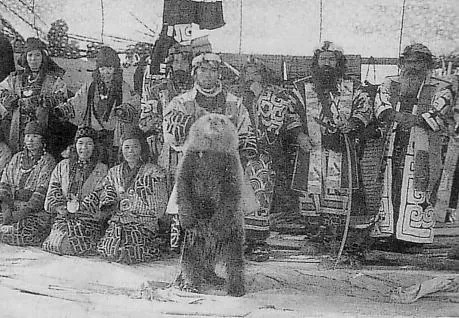
Travel far east and you arrive at one of the world’s most remarkable indigenous cultures, the Ainu of Hokkaido, Japan. Their beliefs are deeply intertwined with nature, and they hold a profound respect for the environment and the animals that inhabit it. In Ainu mythology, animals are seen not merely as creatures to be hunted or feared, but as spiritual beings that embody various aspects of life and the cosmos. The Ainu view themselves as part of a larger ecological system, where every living entity has a role to play and a spirit that must be honored.
Among the many animals revered in Ainu culture, the bear holds a particularly esteemed place. The bear is considered a powerful spiritual being, often referred to as “kamuy,” which translates to “god” or “spirit.” The Ainu performed the Iyomante ceremony, a profound ritual connected to this belief. After the bear is killed, its spirit is believed to be released, allowing it to journey to the afterlife, and the Iyomante is not merely a hunting ritual but a profound expression of the Ainu’s belief in the interconnectedness of life and death, and the cycle of nature. Honestly, there is something deeply moving about that.
The Algonquian Tribes and the Thunder-Water Monster Battle
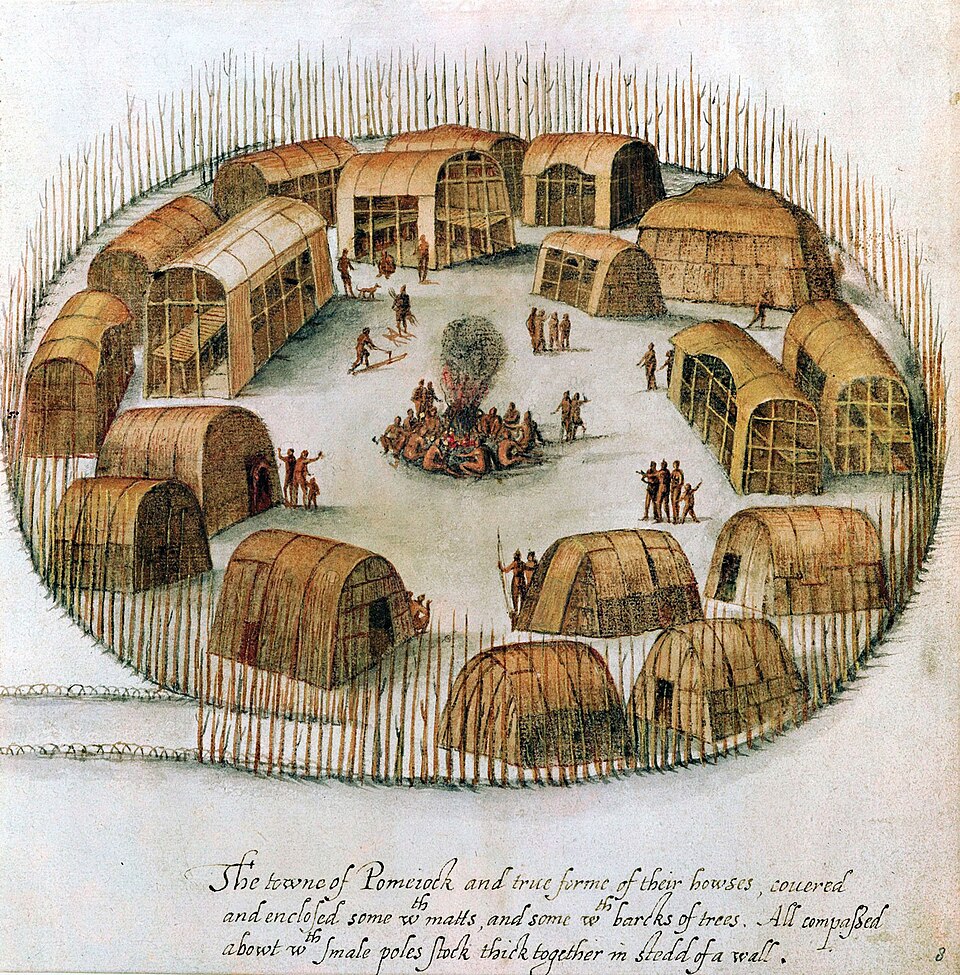
Across dozens of Algonquian-speaking tribes, one epic conflict appears over and over again with striking consistency. Algonquian mythology places the Thunderbird as a powerful figure that governs the upper world, in a constant battle with the underworld, in the form of the water panther or Great Horned Serpent, which controls it. To protect humans from the underworld creatures, the Thunderbird casts down lightning bolts at them, constantly at war, with humans situated right in the middle. Think about that cosmic image for a moment. Humans, caught between sky and water, between ancient forces too massive to fully comprehend.
There is no single mythology of the Native Americans, but numerous different canons of traditional narratives associated with religion, ethics and beliefs. Such stories are deeply based in Nature and are rich with the symbolism of seasons, weather, plants, animals, earth, water, fire, sky, and the heavenly bodies. Yet the Thunderbird versus Water Monster narrative cuts across tribal lines with a persistence that suggests something more than shared storytelling. One Dakota Sioux cultural teacher referred to the Unktehi monsters as “dinosaur-like reptiles,” and the petroglyphs in the region may have represented the three-toed dinosaur footprints observed further west in the Lakota Formation near the Black Hills, the dwelling place of Thunder Birds. The land itself was speaking to these peoples in fossil form.
Southeastern Native American Tribes and the Stiff-Legged Bear Mystery
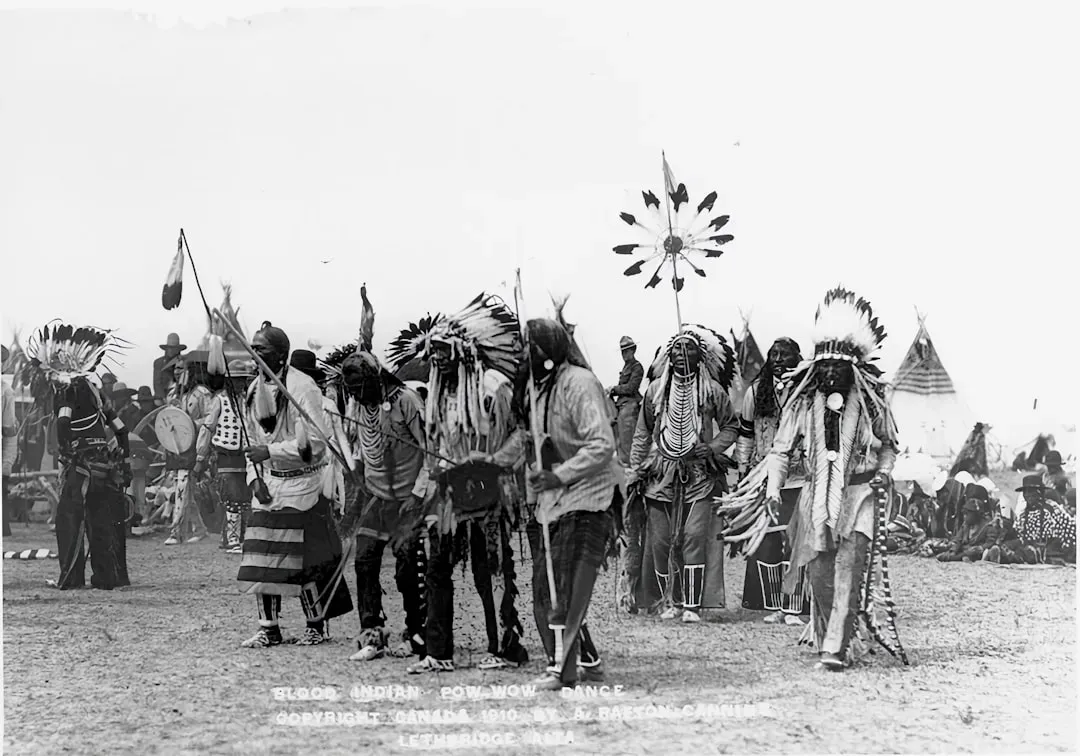
Let’s be real, this one is among the strangest and most compelling links between ancient tribal lore and prehistoric animals. Across multiple southeastern tribes, there exists a creature called the Stiff-Legged Bear, a gigantic monster that was feared above almost all others. Some people believe that the Stiff-Legged Bear or Big Man-Eater figures are a representation of mastodons or woolly mammoths, still preserved in Native American stories thousands of years after they became extinct. That would mean oral memory potentially spanning ten thousand years or more.
Some southeastern Native American people used their native word for Big Man-Eater when they first saw African elephants. Elephants have a peculiarly stiff-legged gait, with their legs positioned vertically directly underneath their body, different from other animals such as bears. Elephants also have proportionately very large heads compared with animals like bears. These are observable anatomical details that you simply cannot arrive at by coincidence. Mastodons have sharp teeth, and 18th-century scientists thought they might have been carnivorous for that reason, so Native Americans who came across mastodon fossils might have made the same conclusion. The storytelling trail from fossil to legend, it seems, runs deeper than anyone expected.
Plains Indians and the Ancient Memory of the Great Horse
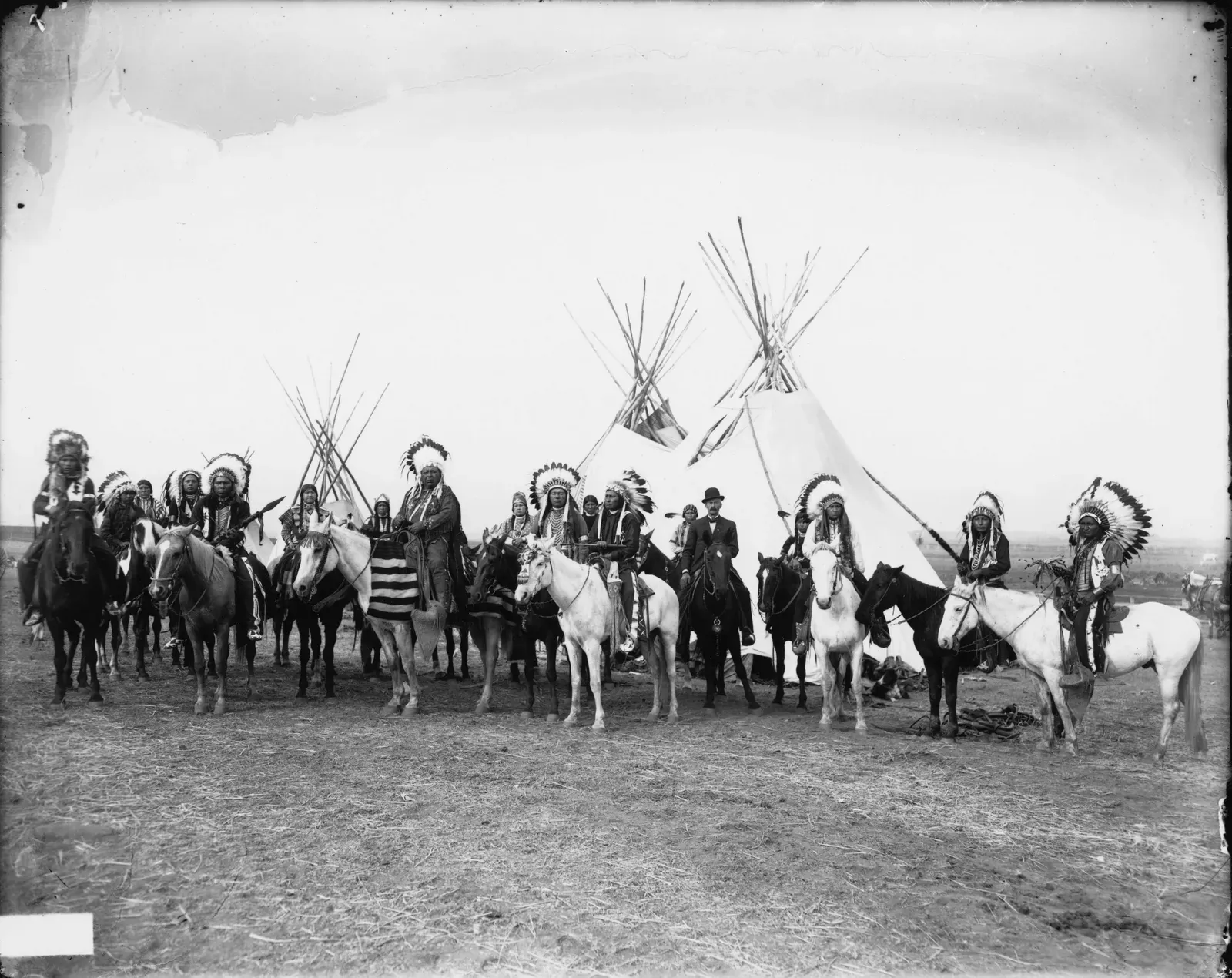
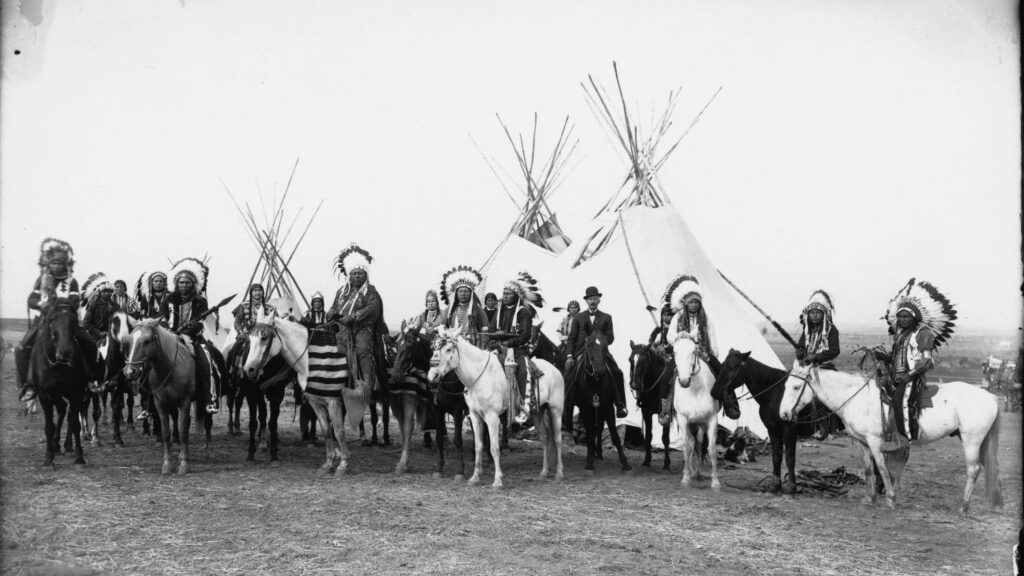
It is hard to say for sure where oral tradition ends and biological memory begins, but the story of the Plains Indians and prehistoric horses pushes that question to its absolute limit. DNA recovered from soil in the Arctic suggests horses might have survived until at least five thousand years ago in parts of North America, where people hunted them and fashioned their bones into tools. That is a relationship far older than anyone previously imagined between North American peoples and the horse.
Perhaps the memory of that early relationship survived for millennia and is preserved in the oral tradition of the Lakota and other groups, who then reestablished a connection with domesticated horses in the past few centuries. Think of it like muscle memory in cultural form. Horses evolved millions of years ago in North America and, after spreading to Eurasia and Africa, went extinct in their homeland at the end of the last ice age. Spanish and British colonizers then brought them back. Yet the tribes’ almost immediate and extraordinary bond with returning horses suggests that something ancient and unspoken stirred in their collective memory when hooves touched the plains again. That might be the most poetic connection of them all.
A Final Thought Worth Sitting With
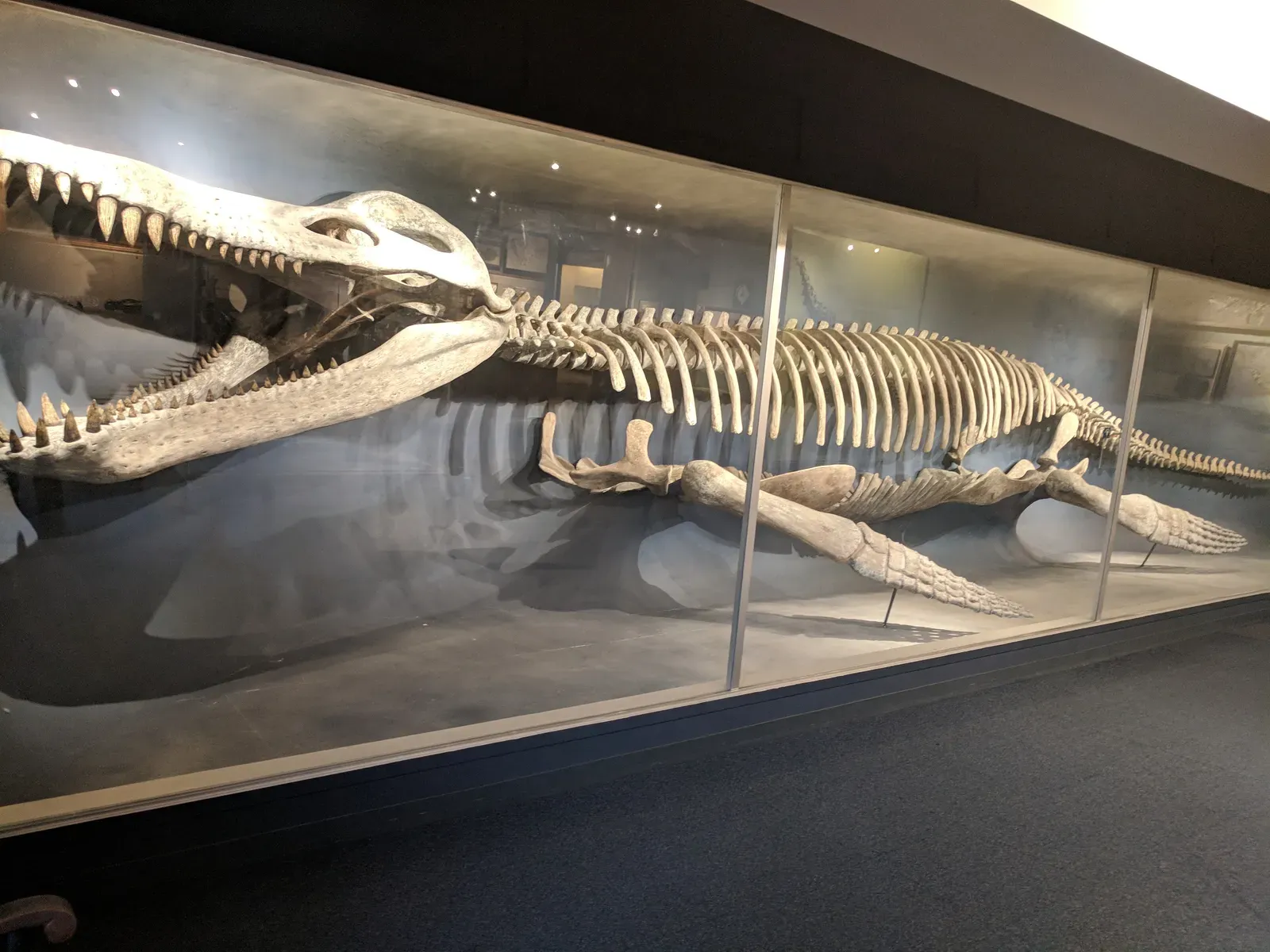
What you have encountered in these eight tribes is not primitive superstition dressed up in storytelling. You are looking at something far more sophisticated: a kind of distributed, oral paleontology. Ancient cultures were very attuned to the natural world around them and made careful observations of the fossils in their environment. Based on their understanding of how the world works, they came up with imaginative explanations for the histories they saw in the bones and rocks they found. These were not guesses. They were conclusions drawn from evidence.
Folk memory refers to past events that have been passed orally from generation to generation. The events described by these memories may date back hundreds, thousands, or even tens of thousands of years and often have a local significance. They may explain physical features in the local environment, provide reasons for cultural traditions, or give etymologies for the names of local places. The difference between mythology and memory, it turns out, may simply be the number of years between the event and the telling.
These ancient tribes did not need modern science to recognize that the world held mysteries far older than themselves. They built entire belief systems around what they found in the earth, and in doing so, they preserved knowledge that took academia centuries to rediscover. So next time you hear someone call an ancient legend just a story, remember: the bones were always there. The people just remembered them first. What do you think is still waiting to be decoded in the oral traditions we haven’t studied yet? Share your thoughts in the comments below.