Beneath the surface of America’s most dramatic landscapes, something extraordinary is buried. Ancient bones. Frozen insects. Petrified forests. Creatures that haven’t walked the Earth in tens of millions of years, yet somehow, they are still here. You just need to know where to look.
The United States is home to some of the most jaw-dropping fossil sites on the entire planet. These are places where geology and deep time collide, where the ground beneath your feet holds secrets that scientists are still unraveling today. Whether you’re a curious traveler, a budding naturalist, or simply someone who finds the sheer scale of prehistoric time utterly mind-bending, these seven sites will leave you speechless. Let’s dive in.
1. Dinosaur National Monument, Utah and Colorado – The Wall of Bones That Started It All
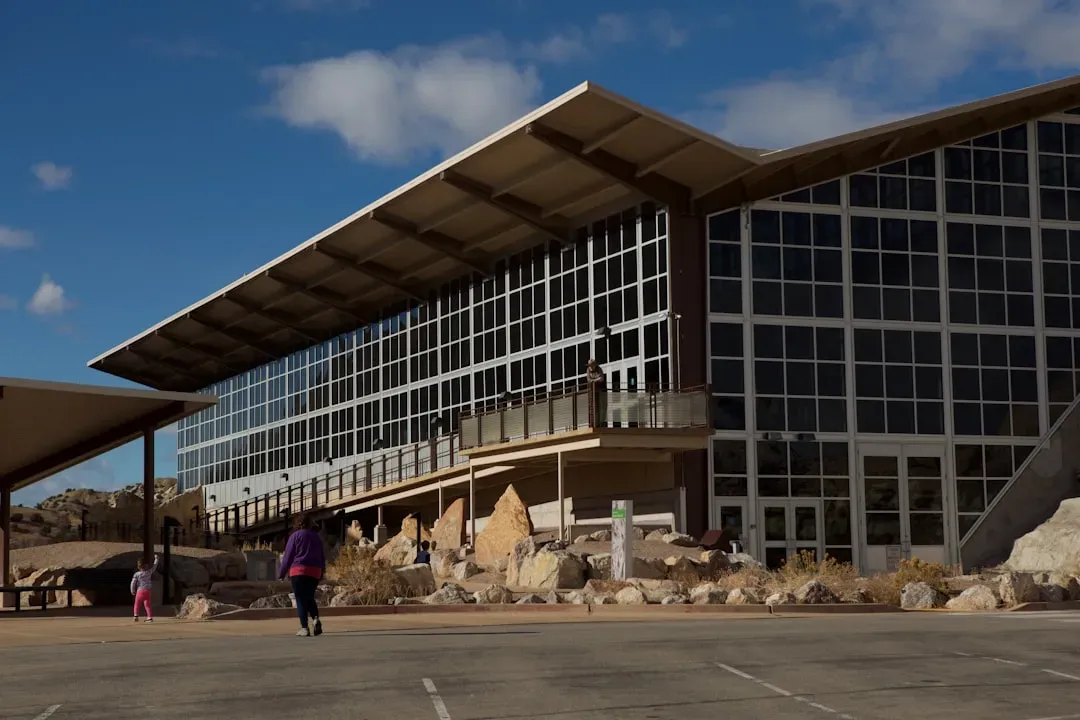
If you ever wanted to feel genuinely small, standing in front of the famous Wall of Bones at Dinosaur National Monument will do it. The monument sits on the southeast flank of the Uinta Mountains, right on the border between Colorado and Utah at the confluence of the Green and Yampa rivers. It is, put simply, one of the most legendary fossil sites anywhere on Earth. The sheer scale of what has been pulled out of this land is hard to wrap your head around.
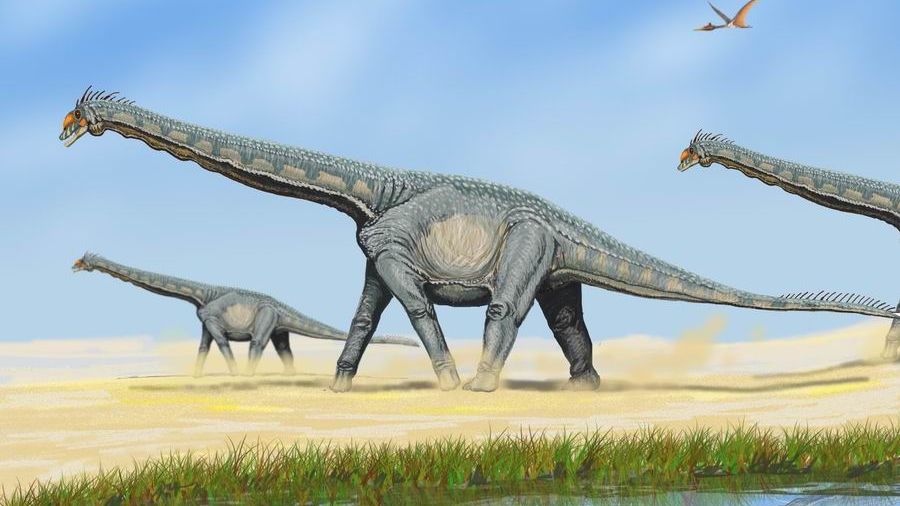
Paleontologist Earl Douglass of the Carnegie Museum discovered eight vertebrae of an Apatosaurus on August 17, 1909, which became the first dinosaur skeleton discovered and excavated at what became known as the Carnegie Quarry. Excavations between 1909 and 1923, under Douglass’s direction, removed a staggering 350 tons of dinosaur bones from the quarry – a collection that included 23 mountable skeletons. Today, when you visit the Quarry Exhibit Hall, you can view over 1,500 fossils still in place in an exposed sandstone wall of the Morrison Formation.
The rock layer enclosing the fossils is a sandstone and conglomerate bed of alluvial or river bed origin known as the Morrison Formation from the Jurassic Period, some 150 million years old. The park contains over 800 paleontological sites and has fossils of dinosaurs including Allosaurus, Deinonychus, Abydosaurus, and various sauropods. Honestly, few places in the world let you look at this much ancient life all in one single glance.
2. John Day Fossil Beds National Monument, Oregon – 45 Million Years of Evolution on Display
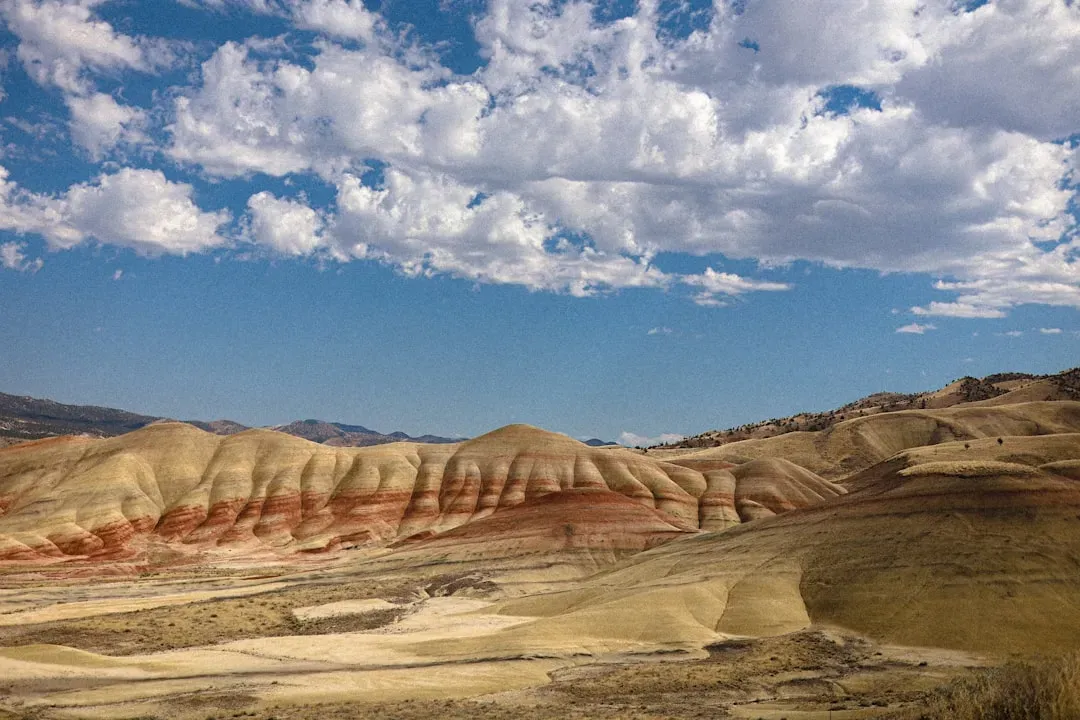
Here’s the thing about John Day Fossil Beds in Oregon. Most people have never heard of it, yet scientists have been obsessing over this place for more than 160 years. Located within the John Day River basin and managed by the National Park Service, the park is known for its well-preserved layers of fossil plants and mammals that lived in the region between the late Eocene, about 45 million years ago, and the late Miocene, about 5 million years ago. That kind of continuous evolutionary record is almost unheard of.
The John Day Fossil Beds reveal the distinct layers of life during the Cenozoic Era, and the area is home to seven assemblages, or groups of fossils, spanning from 44 million years ago to 7 million years ago. Tiny four-toed horses, huge rhino-like brontotheres, crocodilians, and meat-eating creodonts once roamed the ancient jungles that existed at this time. Almost forty million years later, aridification had turned Central Oregon into a desert – the most recent assemblage recalls a time when fierce predators, such as sabre-tooth cats, roamed the area. You’re essentially reading a 45-million-year diary when you visit this place.
The monument consists of three geographically separate units: Sheep Rock, Painted Hills, and Clarno. The most famous unit is the Painted Hills Unit, which features stunning color-banded hills and is spectacular at sunrise or sunset. New discoveries are still being made here by National Park Service paleontologists and their colleagues – meaning this is a living, breathing scientific laboratory, not just a tourist attraction.
3. Florissant Fossil Beds National Monument, Colorado – Insects, Redwoods, and 34 Million Years of Silence
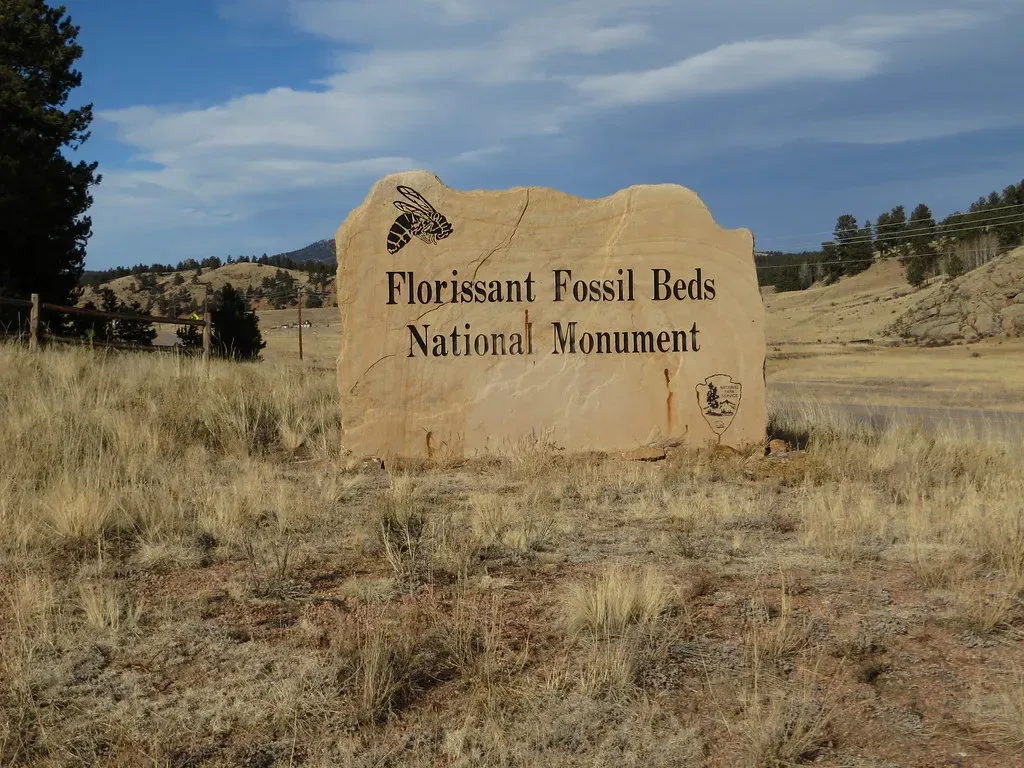
I think one of the most surprising fossil sites in the US has to be Florissant. You’d never know it looking at the gentle, pine-covered Colorado valley. The layers of rock beneath this valley contain one of the richest fossil deposits in the world, holding clues of unexpected environments and life that existed here during a time called the late Eocene. This was a period when the dinosaurs were long gone, and mammals were beginning to take over the planet.
Centered around the site of an ancient lake, the monument captures the ecosystem of central Colorado circa 34 million years ago and is considered one of the best and most diverse paleontological resources on Earth. Petrified redwood tree stumps, other plants, fish and mollusks have been preserved here from a time when this was a temperate-to-subtropical environment, and as many as 1,500 different kinds of fossil insects and spiders have been unearthed in the monument’s fossil beds. Think about that for a moment. Fifteen hundred species of insects, preserved in stone, millions of years later.
The monument includes massive petrified sequoia stumps up to 14 feet wide, some of the largest petrified trees on Earth. Among the hallmarks of the monument are the remains of the massive petrified redwood trees that once dominated the Florissant forest, and the famous “Redwood Trio” at Florissant is the only known fossil occurrence of a redwood “family circle.” Nowhere else on Earth can you stand next to a fossilized family of trees. It’s haunting in the best possible way.
4. Badlands National Park, South Dakota – The Birthplace of Vertebrate Paleontology
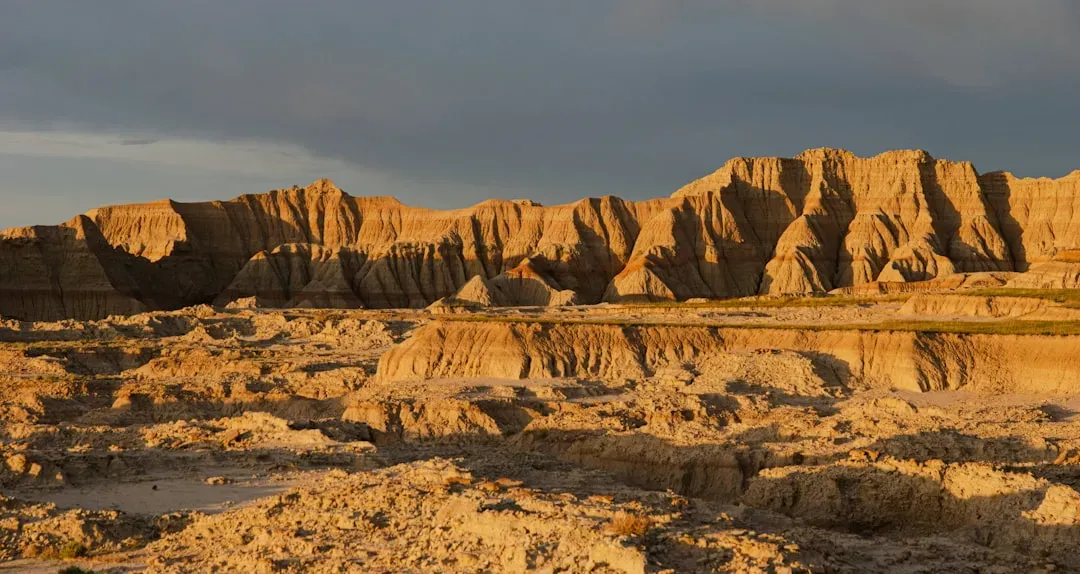
The Badlands of South Dakota look like something from another planet. Jagged spires, plunging canyons, and a landscape that seems almost designed by a fever dream. The White River Badlands of South Dakota are considered to be the birthplace of the science of vertebrate paleontology. That is not a small claim. Badlands National Park is home to one of the world’s richest fossil mammal beds from the late Eocene and early Oligocene epochs.
The park boasts one of the world’s richest fossil beds from the Oligocene epoch, often referred to as the “Titanothere Beds” or “Oreodont Beds.” Scientists have unearthed an incredible variety of fossils here, including ancient rhinoceros-like creatures, saber-toothed cats, ancestral horses, camels, rodents, and the abundant oreodonts. The Brule formation tells a particularly dramatic climatic story – a cooler and drier climate caused swamps to dry up, crocodiles to leave the area, and brontotheres to become extinct. The rock itself is practically a climate diary, written over tens of millions of years.
The Big Pig Dig was one of the longest paleontology digs in Badlands National Park, recovering almost 20,000 fossils. Following the discovery of a significant saber-tooth cat-like skull in 2012, the Badlands Fossil Preparation Lab opened to the visiting public to showcase fossil preparation work, and it proved so popular with park visitors that the lab has been open every summer since, continuing to grow in popularity. You can actually watch scientists work in real time. That alone is worth the trip.
5. Fossil Butte National Monument, Wyoming – The Ancient Lake That Swallowed Thousands of Creatures
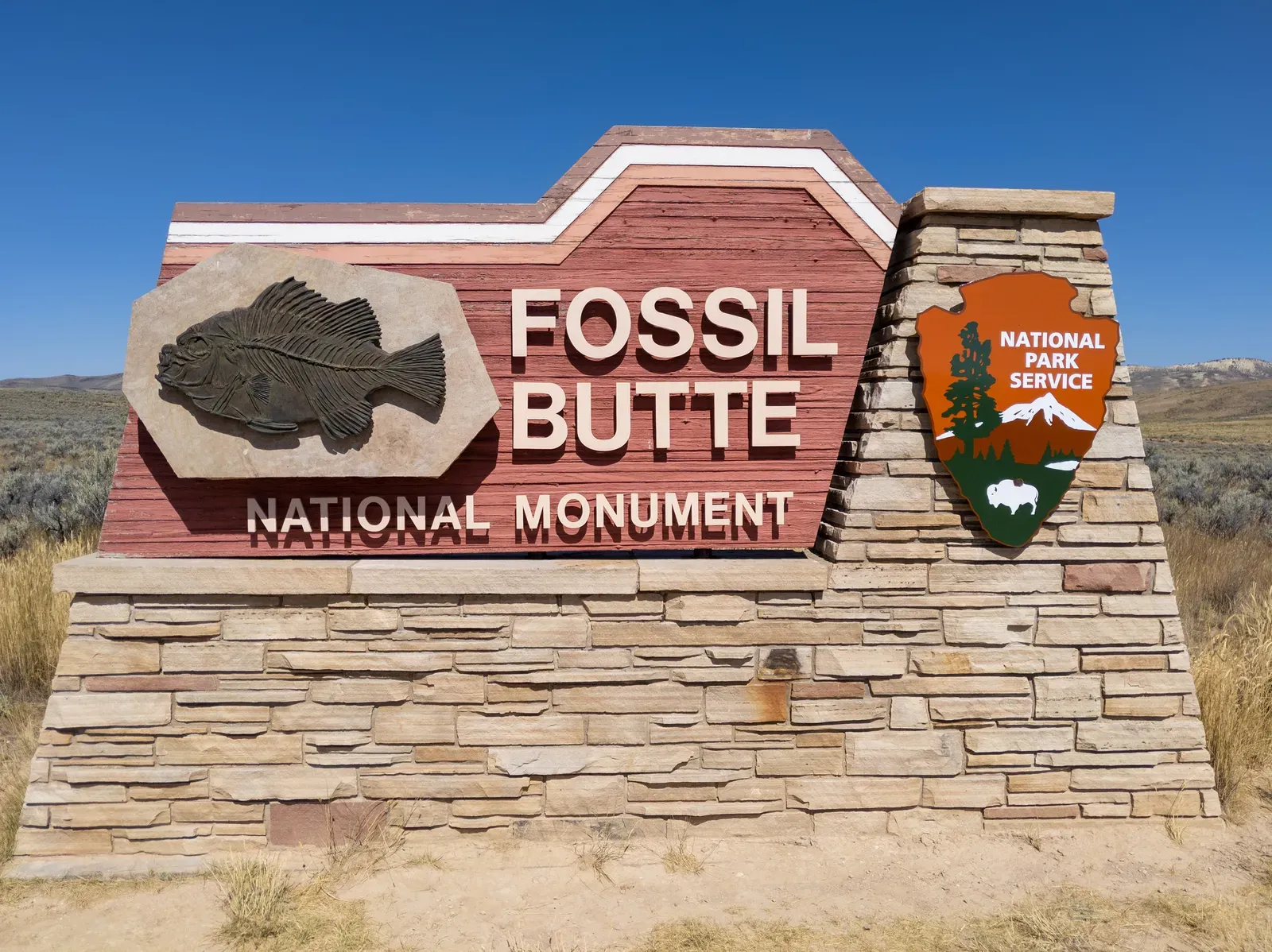
Roughly 50 million years ago, a vast lake stretched across portions of what is now Wyoming, Colorado, and Utah. When it eventually dried up, it left behind one of the most remarkable aquatic fossil graveyards ever discovered. The national monument preserves a small part of Fossil Lake, the smallest of three vast lakes that once covered large parts of modern-day Wyoming, Colorado and Utah, and its Green River Formation, which represents the ancient lake bed, contains North America’s greatest collection of aquatic fossils from the Cenozoic.
The monument was established over 40 years ago, protecting the largest deposit of freshwater fish fossils in the world, but major fossil discoveries were documented as early as the 1860s, when Union Pacific railroad workers uncovered delicate fish skeletons. Animals found here include turtles, more than two dozen fish species, bats, alligators, snakes and several insects, and its plant record is equally impressive. It’s hard to say for sure, but this may be the single most visually stunning collection of aquatic fossils you’ll ever see outside a top-tier natural history museum.
6. Hagerman Fossil Beds National Monument, Idaho – Where Modern Animals Were Born
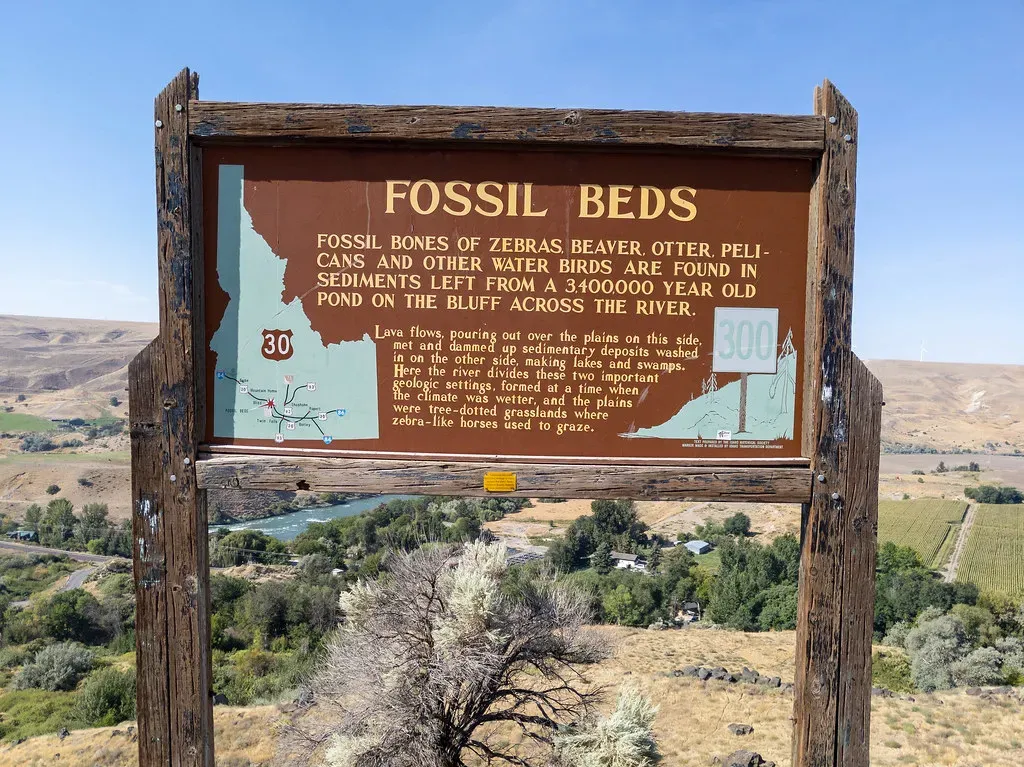
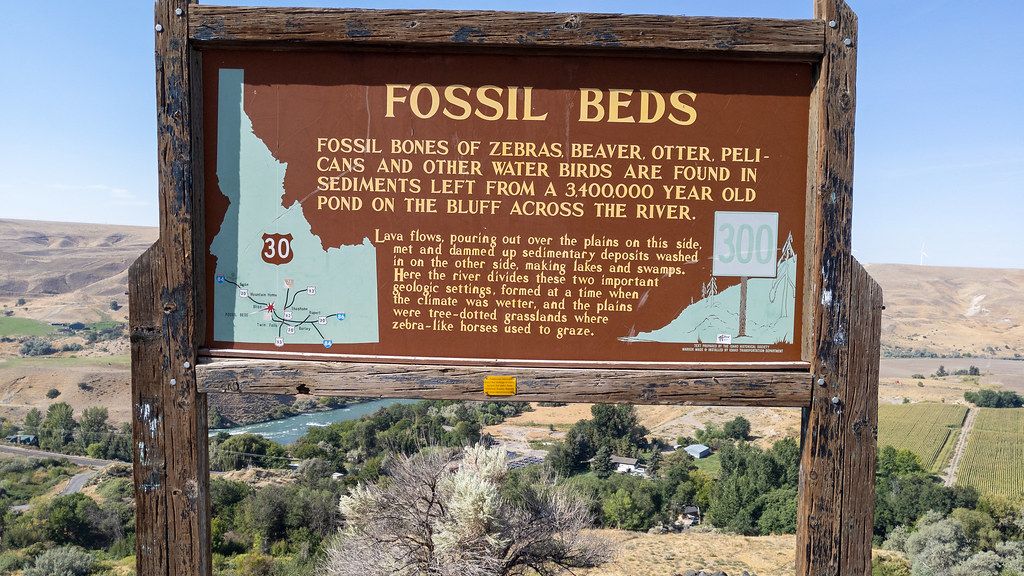
Southern Idaho might not be the first place you think of for world-class fossil beds. Yet Hagerman holds a distinction that very few sites on the planet can claim. An internationally significant paleontological site, Hagerman Fossil Beds National Monument in southern Idaho preserves the world’s richest late-Pliocene Epoch fossil deposits in quantity, quality and diversity, contained in an extraordinarily continuous and undisturbed stratigraphic record spanning over 500,000 years. That is a staggering window into the past.
Hagerman Fossil Beds National Monument features the world’s richest known deposit of the Hagerman Horse, Equus simplicidens, thought to be the link between prehistoric and modern horses, and paleontologists consider Hagerman one of the most important sites in the world for the fossil history of horses. Excavated in the 1930s by the Smithsonian Institution, the Hagerman horse fossil skeletons offer an important insight into the evolution of horses – these were the very first true one-toed horses on Earth, the ancestors of modern-day horses. Besides fossils of ancient horses, the rock layers of Hagerman Fossil Beds have also yielded fossils from more than 200 other species. That’s genuinely remarkable for a site that doesn’t get nearly enough attention.
7. Tule Springs Fossil Beds National Monument, Nevada – An Ice Age Graveyard Next to Las Vegas
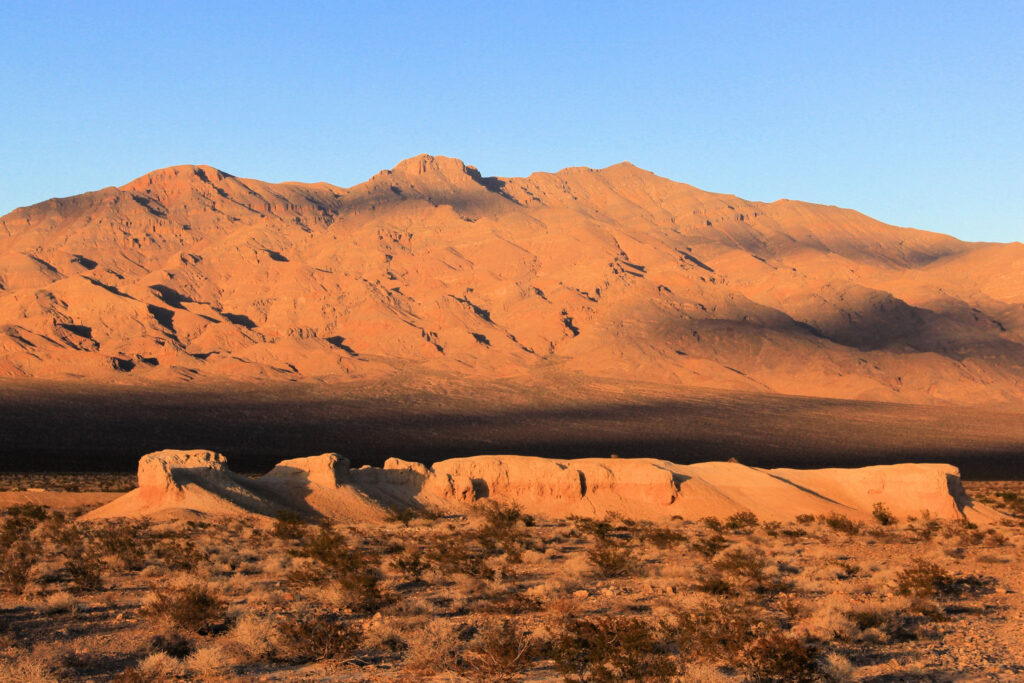
You’d never guess it, but just north of the neon spectacle of Las Vegas lies one of the most significant Ice Age fossil sites in all of North America. Just north of Las Vegas, Nevada, Tule Springs Fossil Beds National Monument captures a prehistoric time in rock with fossils of extinct mammoths, lions, camels, horses, bison, dire wolves, and several other creatures that roamed what once were wetlands of the area. The contrast between the glittering Strip and this ancient graveyard is almost absurd.
Tule Springs Fossil Beds is the first National Park Service monument to be specifically dedicated to the preservation, public education, and scientific study of Ice Age fossils. The area represents a period that ranges from 200,000 to 3,000 years ago, and was once so abundant with mammoths that it has been referred to as “mammoth central” – today, fossils of these extinct giants fuel research about paleontology, geology, and prehistoric climate change. Over the last roughly 570,000 years, water has transformed the Upper Las Vegas Valley, and Tule Springs Fossil Beds National Monument is an urban park that preserves the unique story of this ever-changing environment. It’s a reminder that extinction is not some distant abstract concept. These animals were here, recent by geological standards, and then they were gone.
Conclusion: The Ground Beneath Your Feet Has Stories to Tell
What strikes me most about all seven of these sites is that they weren’t built, designed, or arranged by human hands. They are simply places where time and geology conspired to preserve what would otherwise be lost forever. Each fossil bed is a chapter in a book that took hundreds of millions of years to write.
You don’t need to be a scientist to feel the weight of what these places represent. Standing beside a petrified redwood stump in Colorado, watching a paleontologist brush ancient bone from Badlands rock, or staring at a wall of Jurassic dinosaur remains in Utah – these are the kinds of experiences that quietly shift the way you see the world. The history of life on Earth isn’t locked away in textbooks. It’s in the ground, waiting.
Which of these seven fossil beds surprised you the most? Let us know in the comments below.