Every time you think you have humanity’s story figured out, the ground gives something up that flips the whole script. A stone flake here, a shaped bone there – and suddenly the textbooks need rewriting. The story of early human tool use is not a tidy, linear march from primitive to sophisticated. It is messier, more surprising, and honestly far more exciting than most of us were ever taught.
What archaeologists keep discovering is that our ancestors were sharper, more inventive, and more cognitively capable than previously assumed. These finds are not just academic curiosities locked away in museum vaults. They reshape your understanding of what it means to be human. So let’s dive in.
The Oldest Tools on Earth: A Timeline That Keeps Shifting

Here is a number that might stop you mid-coffee: 3.3 million years. That is how far back the oldest confirmed stone tools have been dated. The earliest stone artifacts, dating to 3.3 million years ago, were found at a site named Lomekwi 3 on the western shore of Lake Turkana in northern Kenya. Before that discovery, most researchers believed toolmaking was the exclusive achievement of the genus Homo. They were wrong.
Artifacts excavated from Lomekwi date back to 3.3 million years ago, extending the history of human ancestral use and toolmaking about 500,000 years further than previously known. Think about what that means for you personally – your family tree reaches back to a creature that deliberately picked up a rock and shaped it into something useful, long before anyone would recognize them as “human” by today’s standards. The Stone Age was the prehistoric cultural stage characterized by the creation and use of stone tools, and it began some 3.3 million years ago.
The Oldowan Toolkit: Humanity’s First Swiss Army Knife
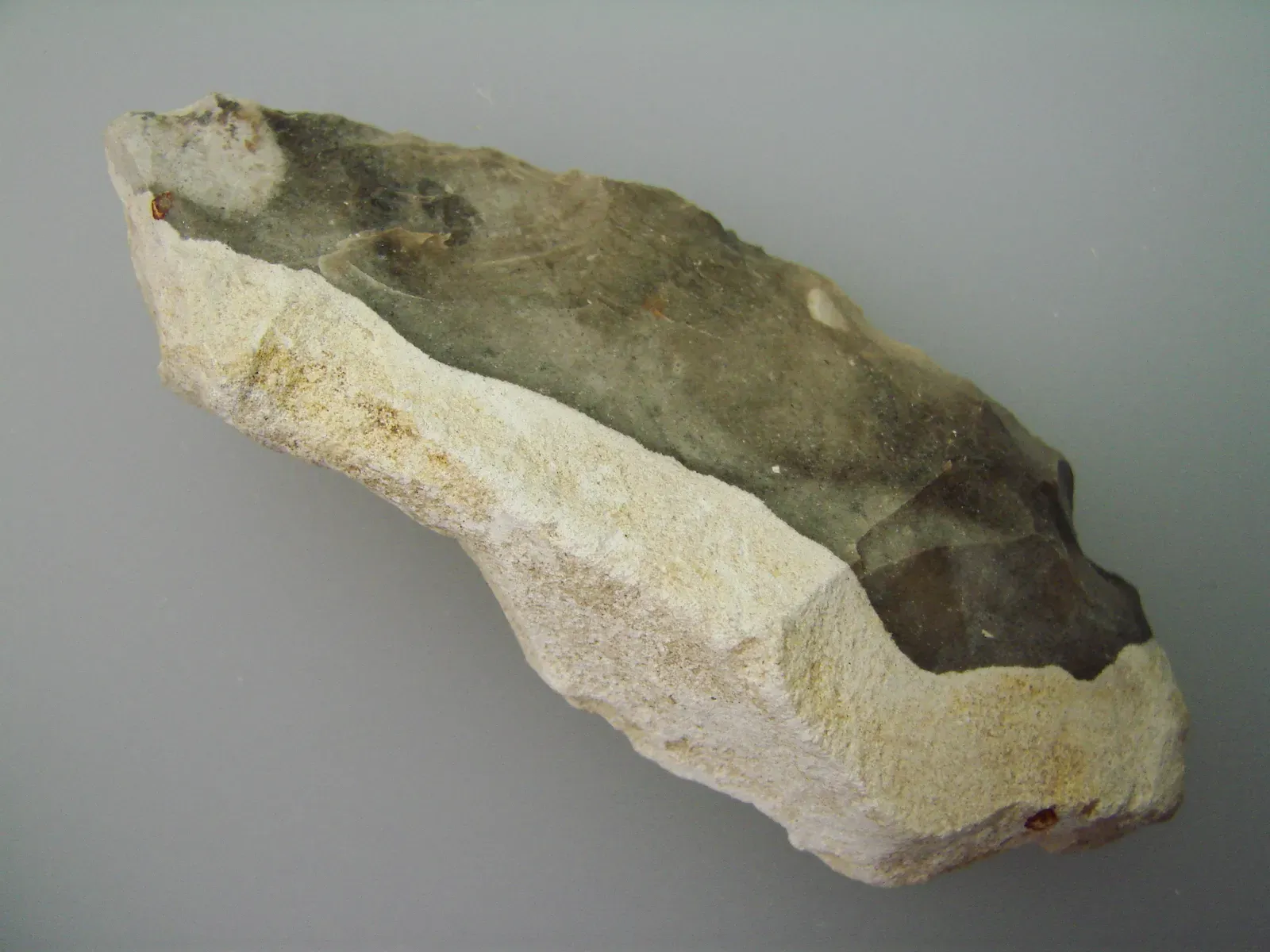
The Oldowan is the oldest-known stone tool industry. Dating as far back as 2.5 million years ago, these tools are a major milestone in human evolutionary history, representing the earliest evidence of cultural behavior. You might picture these as crude and accidental-looking, but do not be fooled. Even the simplest Oldowan chopper required deliberate planning, a specific grip, and controlled force – skills your average chimpanzee simply cannot replicate at scale.
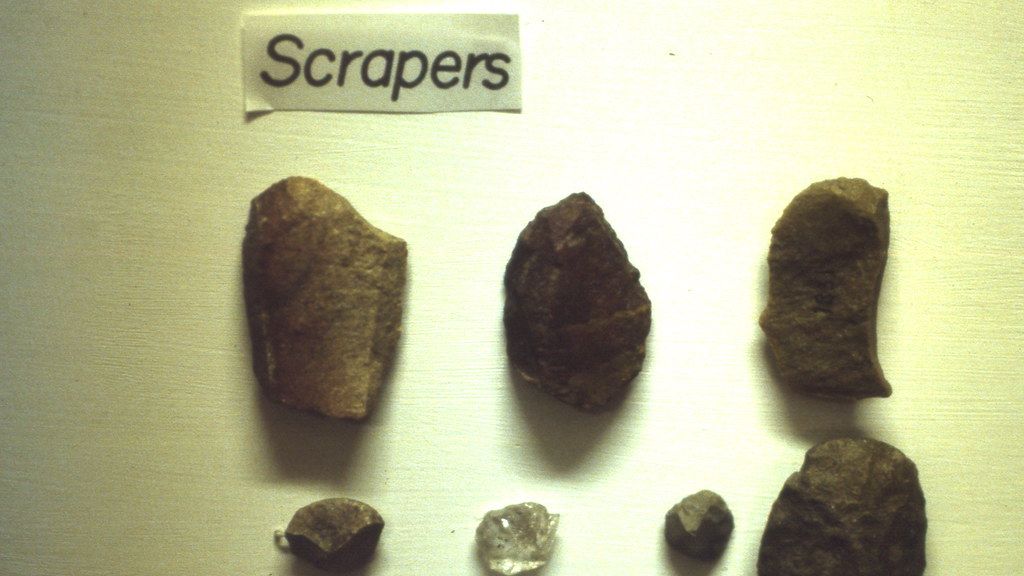
Oldowan technology is typified by what are known as “choppers.” Choppers are stone cores with flakes removed from part of the surface, creating a sharpened edge used for cutting, chopping, and scraping. Microscopic surface analysis of the flakes struck from cores has shown that some of these flakes were also used as tools for cutting plants and butchering animals. What makes these tools fascinating is the consistency behind them. In Kenya’s Turkana Basin, scientists have unearthed one of the oldest known collections of early Oldowan tools, revealing an astonishing 300,000-year streak of technological consistency, where early humans shaped stone tools with precision even as they faced constant wildfires, severe droughts, and dramatic shifts in their environment.
The Acheulean Revolution: When Early Humans Leveled Up
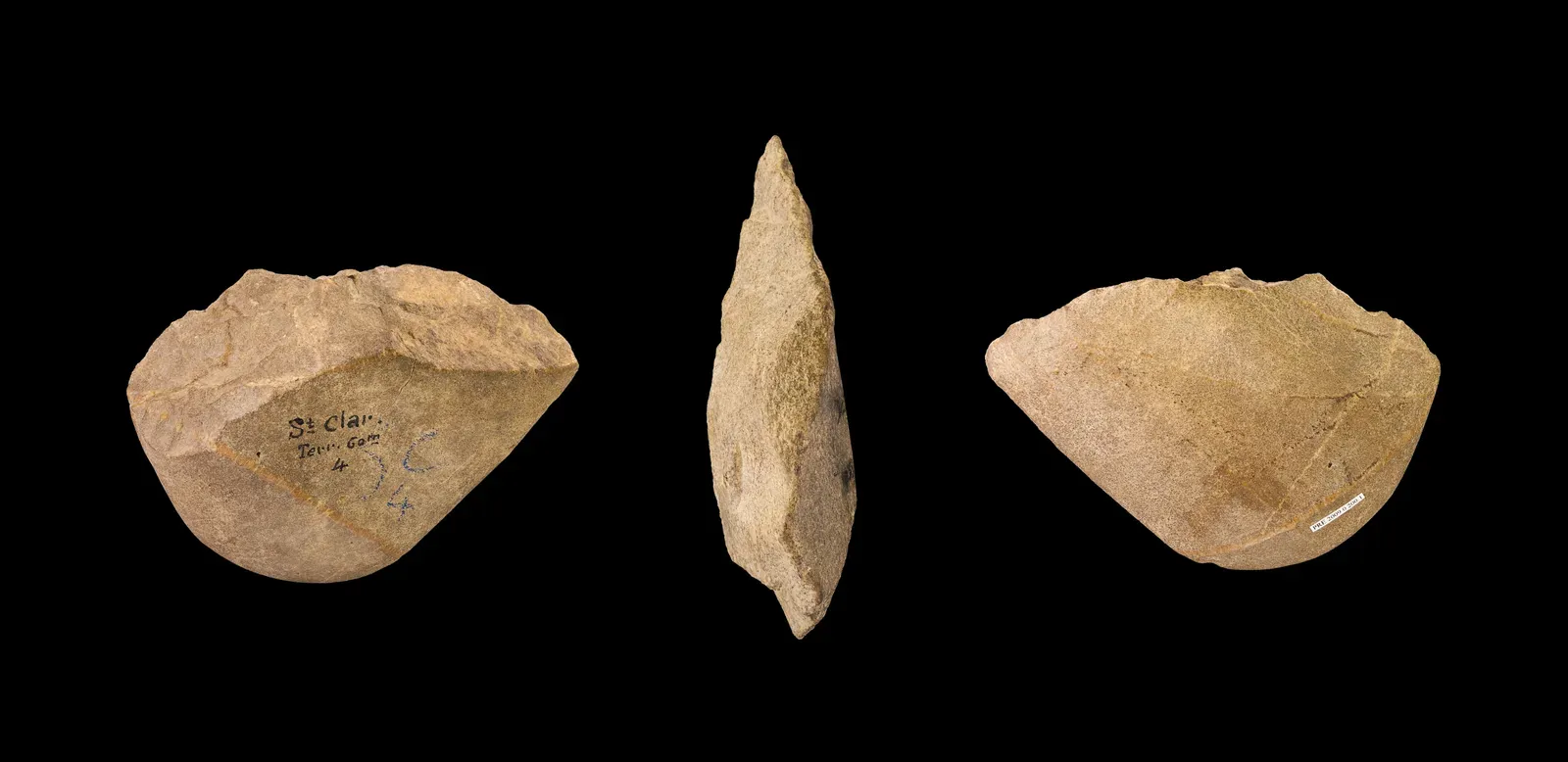
If the Oldowan toolkit was the smartphone, the Acheulean handaxe was the upgrade nobody expected to come so soon. By about 1.76 million years ago, early humans began to make Acheulean handaxes and other large cutting tools. These were not rough lumps of rock. They were carefully symmetrical, shaped with intention, and required a mental image of the final product before a single flake was struck – something that points directly to abstract thinking.
The Acheulean tradition constituted a veritable revolution in stone-age technology. Acheulean stone tools – named after the site of St. Acheul on the Somme River in France where artifacts from this tradition were first discovered in 1847 – have been found over an immense area of the Old World. Reports of handaxe discoveries span an area extending from southern Africa to northern Europe and from western Europe to the Indian subcontinent. That global spread alone should give you pause. This was not one isolated group of clever hominins. This was a widespread, shared technological tradition that lasted, staggeringly, for over a million years.
The Bone Tool Factory That Rewrote the Cognitive Timeline
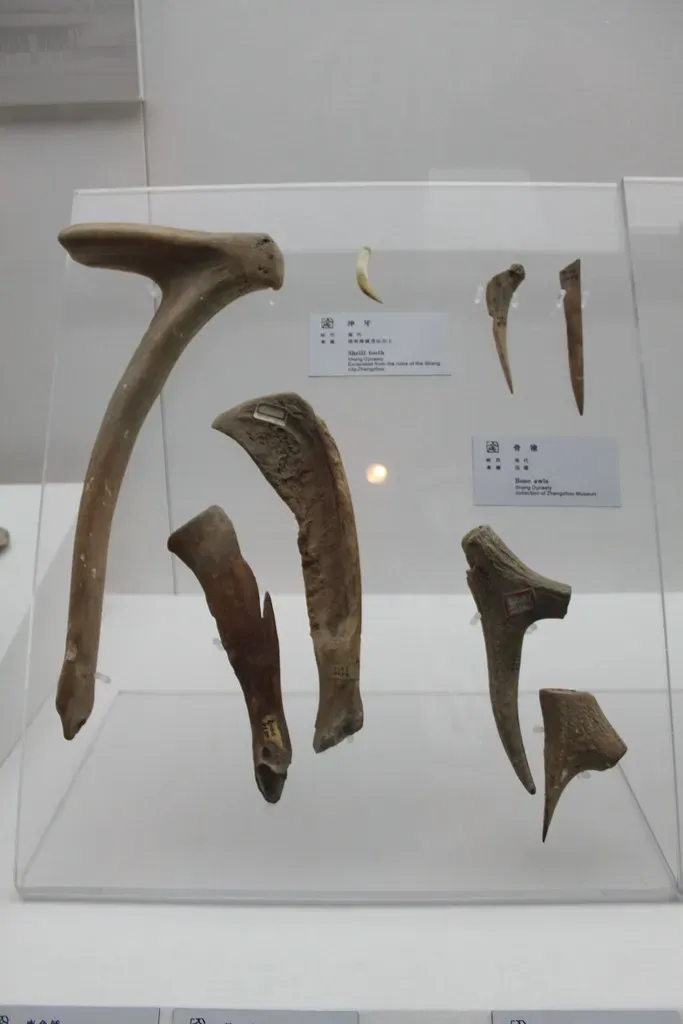
This is where things get truly jaw-dropping. In early 2025, researchers published a study in Nature that sent shockwaves through the archaeological community. A collection of 27 fossilized bones had been shaped into hand tools 1.5 million years ago by human ancestors, making it the earliest substantial collection of tools made from bone ever found and revealing that they were being systematically produced one million years earlier than archaeologists once thought. One million years earlier. Let that sink in.
This transfer of techniques from one medium to another shows that the hominins who made the bone tools had an advanced understanding of toolmaking, and that they could adapt their techniques to different materials, a significant intellectual leap. It could indicate that human ancestors at that time possessed a greater level of cognitive skills and brain development than scientists thought. The tools were made from the limb bones of elephants and hippos, the densest and strongest available. Researchers believe the tools are evidence that hominins long ago were capable of abstract reasoning, or the ability to think critically by identifying patterns and making connections. Honestly, that is not so different from what you do every time you solve a problem by applying something you learned in a completely different context.
Seafaring Tools and the Myth of the “Primitive” Islander

Perhaps one of the most surprising recent chapters in prehistoric tool research comes not from Africa, but from the islands of Southeast Asia. Recent findings from archaeological sites across the Philippines, Indonesia, and Timor-Leste suggest that Paleolithic humans in Island Southeast Asia may have developed complex seafaring technologies – including rope-making, fishing, and possibly boatbuilding – as early as 40,000 years ago. Rope-making. Boatbuilding. Forty thousand years ago. You read that correctly.
The stone tools, uncovered at sites including Ilin Island in the Philippines and Lene Hara Cave in Timor-Leste, show microscopic wear consistent with fiber extraction, a key process in making ropes, nets, and bindings. Those microscopic grooves are the smoking gun. These findings challenge the long-dominant assumption that technological sophistication flowed out of Africa and Europe, instead suggesting parallel and possibly independent innovation in Southeast Asia. Moreover, they highlight the biases in the archaeological record – where the absence of material evidence, due to poor preservation conditions, has been too easily equated with the absence of technological development. It is a humbling reminder that absence of evidence is not evidence of absence.
A 9,000-Year-Old Hammer and What It Tells You About Patience

Not every revelatory find is millions of years old. Sometimes a single, beautifully crafted artifact from a few thousand years ago speaks just as loudly about the sophistication of early peoples. During excavations in Horten, eastern Norway, archaeologists uncovered a rare 9,000-year-old shaft-hole hammer, with the hammer head featuring a meticulously drilled hole created from both sides using a hollow deer or moose bone combined with sand and water. Stop and visualize that process for a moment. No power tools. No templates. Just patience, knowledge, and extraordinary skill.
The discovery was among over 5,000 artifacts from what appears to have been a thriving settlement, providing crucial evidence of the cultural shift when hunter-gatherers began transitioning to more settled communities. What you are looking at in that single hammer is not just a tool – it is a window into an entire community reorganizing its way of life. During the Later Stone Age, people experimented with diverse raw materials including bone, ivory, and antler, as well as stone, the level of craftsmanship increased, and different groups sought their own distinct cultural identity and adopted their own ways of making things. That last point is particularly striking – cultural identity expressed through the tools you make. Sound familiar?
How Modern Technology Is Transforming What You Know About Ancient Tools
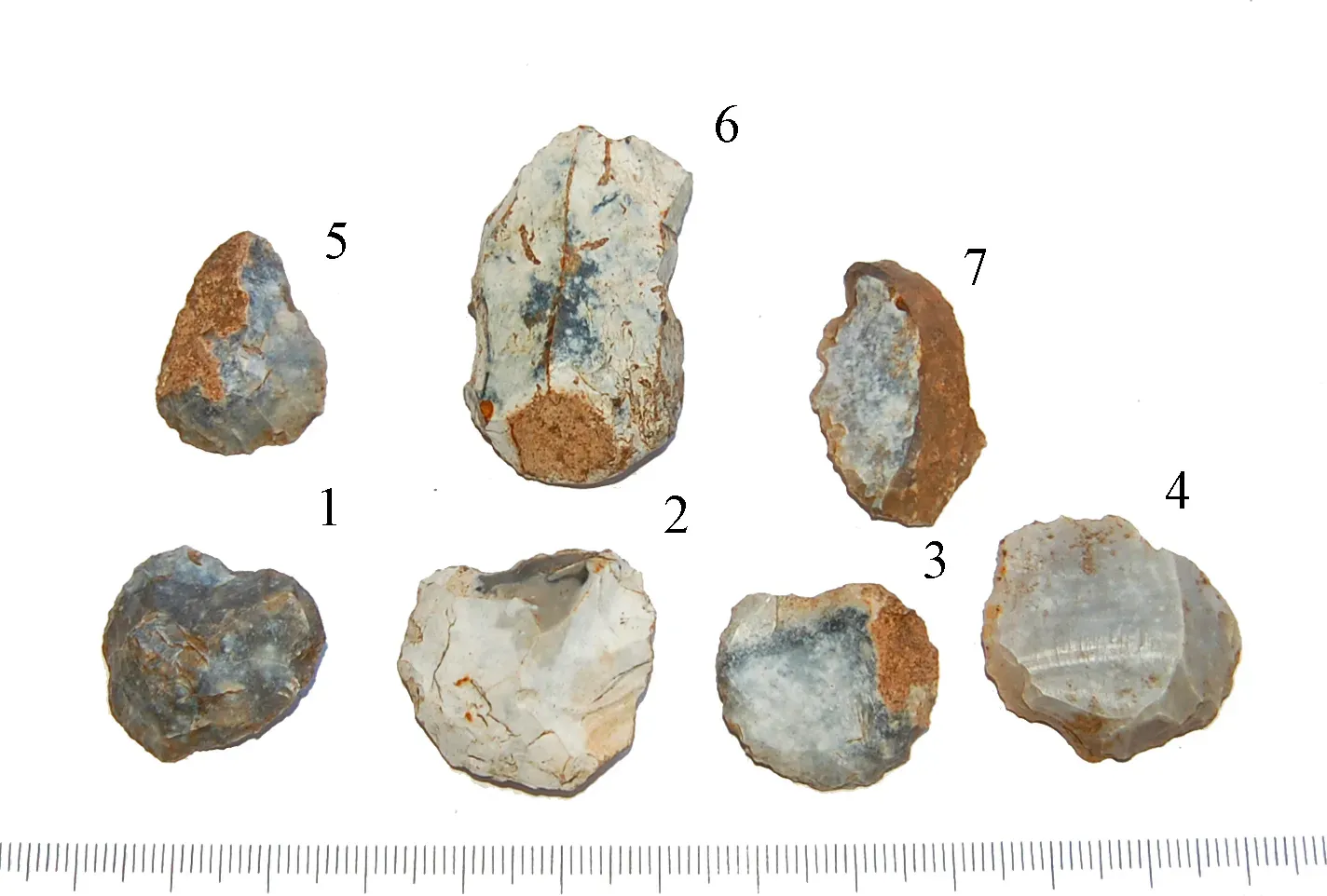
Here is something worth pausing on. The archaeological discoveries reshaping humanity’s story today are not only the result of better digging. They are the result of radically better seeing. From drone photogrammetry to AI-assisted artifact reconstruction, modern tools are rewriting archaeology in real time. Tiny microscopic grooves that would have been invisible to the naked eye, or even to a magnifying glass two decades ago, are now legible stories about how a tool was used, what material it was used on, and how long it lasted.
Stone tools and other artifacts offer evidence about how early humans made things, how they lived, interacted with their surroundings, and evolved over time. Spanning the past 2.6 million years, many thousands of archaeological sites have been excavated, studied, and dated, and these sites often consist of the accumulated debris from making and using stone tools. Every new analytical method unlocks more from those ancient debris piles. Because some of the newest discoveries, like the bone tool collection from Tanzania, were so unexpected, researchers now hope their findings will prompt archaeologists to re-examine bone discoveries around the world in case other evidence of bone tools has been missed. In other words, the next revolutionary find might already be sitting in a museum storage room, just waiting for the right technology to reveal its secrets to you.
Conclusion: The Ground Beneath Your Feet Is Still Talking
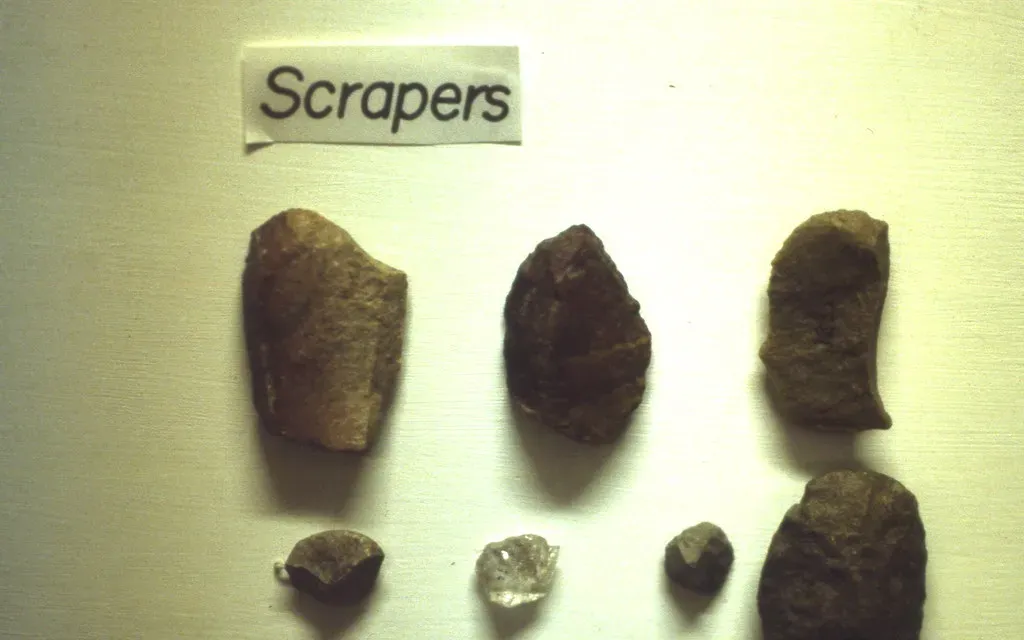
The sheer pace of discovery in early human tool research over recent years is, I think, one of the most underappreciated stories in all of science. Every few months, a new find pushes a date further back, reveals a skill set no one expected, or suggests that an entire region of the world was a center of innovation that history had ignored. The tools our ancestors left behind are not relics of limitation – they are evidence of astonishing ingenuity, adaptability, and cognitive reach.
What all these discoveries have in common is a single, recurring lesson: early humans were far smarter, more creative, and more culturally complex than the dominant narrative has long given them credit for. As technology advances, more forgotten tools and relics will be unearthed from the sands of time, and when they do, our understanding of civilization, intelligence, and humanity itself may change forever. The ground beneath your feet has been accumulating two million years of human story. Somewhere, right now, an archaeologist’s trowel is just inches away from the next revelation. What do you think they will find next?