Picture a world where you are walking through a forest at dusk, and somewhere beyond the treeline, a creature the size of a small car is quietly grazing. That is not science fiction. For tens of thousands of years, your ancient ancestors shared landscapes with some of the most staggering animals to ever roam the Earth: woolly mammoths, giant ground sloths, saber-toothed cats, and three-tonne wombat-like giants.
For a long time, science told us a very simple story. Humans arrived, hunted aggressively, and wiped everything out. A neat narrative. But new research is tearing that story apart, revealing something far more layered and, honestly, far more human. The relationship between our ancestors and the megafauna they shared the planet with appears to have been complex, occasionally cultural, sometimes spiritual, and almost never as straightforward as we assumed. So let’s dive in.
The Long Overlap That Science Keeps Underestimating
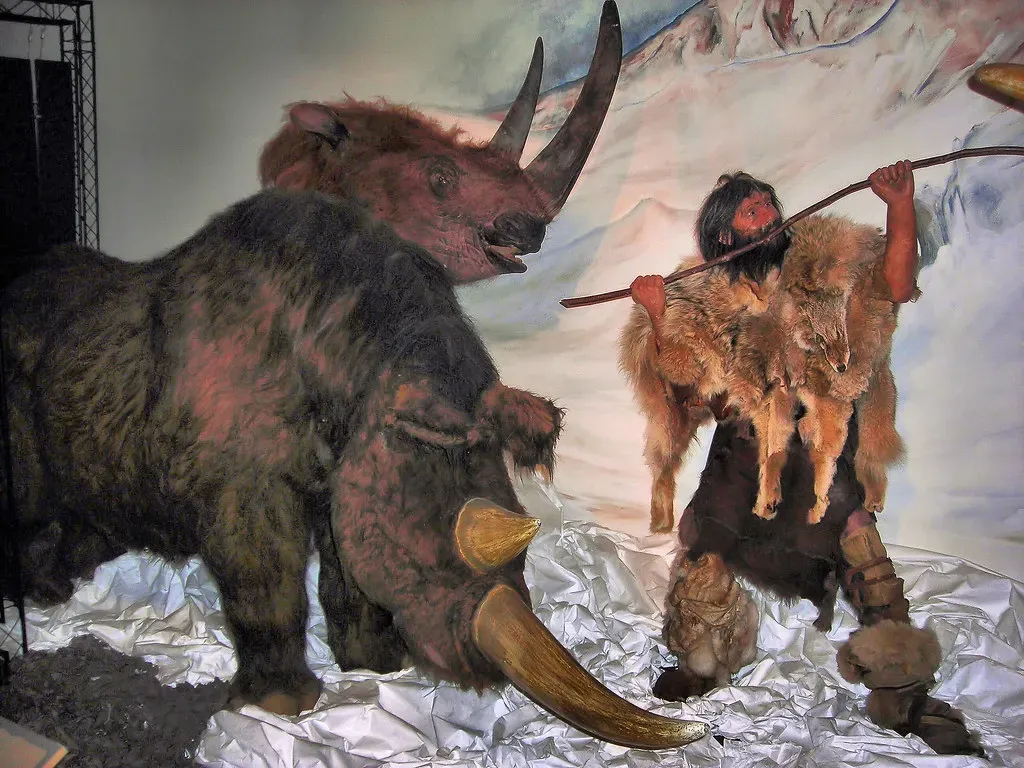
Here is the thing that surprises most people when they first encounter it: ancient humans and megafauna did not just briefly cross paths. Research has revealed that humans and megafauna, such as gigantic three-tonne wombat-like creatures, a ferocious marsupial “lion,” and the world’s all-time biggest lizard, may have coexisted for around 15,000 years. That is not a brief encounter. That is fifteen millennia of shared habitat, and that changes everything about how you might think about the relationship.
Some Australian megafauna, including the largest animals, persisted until around 30,000 years ago, coexisting with humans for at least 15,000 years. When you frame it that way, the old “humans arrived and immediately blasted everything out of existence” model starts to look embarrassingly incomplete. Think of it like moving into a neighborhood and not causing any trouble for decades. Something else was going on.
The Overkill Hypothesis: Powerful Theory, Complicated Evidence
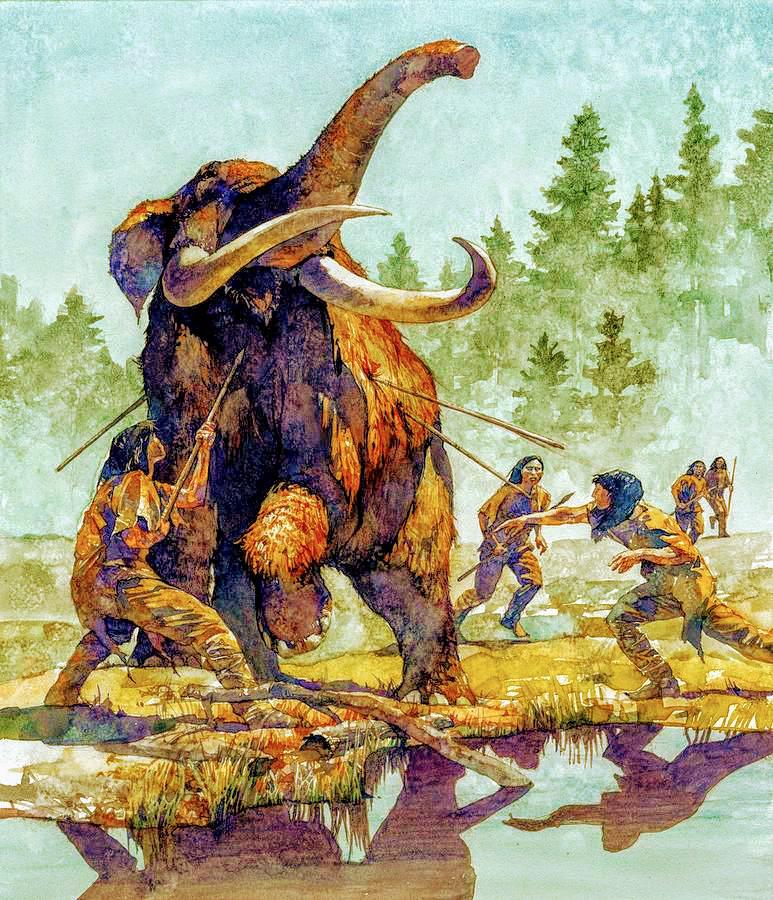
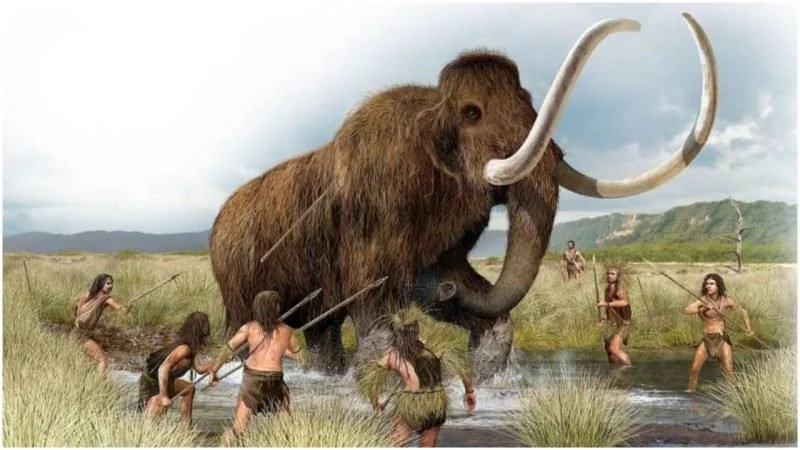
Extinction through human hunting has been supported by archaeological finds of mammoths with projectile points embedded in their skeletons, by observations of modern naive animals allowing hunters to approach easily, and by computer models. This is the “overkill hypothesis,” and for decades it dominated the conversation. It is visceral, compelling, and backed by real bone-in-the-ground evidence. I get the appeal. It is the kind of argument that sounds definitive.
Still, the picture gets murky quickly when you look at the full fossil record. There is no archaeological evidence that in North America, megafauna other than mammoths, mastodons, gomphotheres and bison were hunted, despite the fact that, for example, camels and horses are very frequently reported in fossil history. You would expect more widespread kill sites if overkill were truly the blanket explanation. The silence in the record is hard to ignore.
Africa: Where Humans and Megafauna Found a Strange Equilibrium
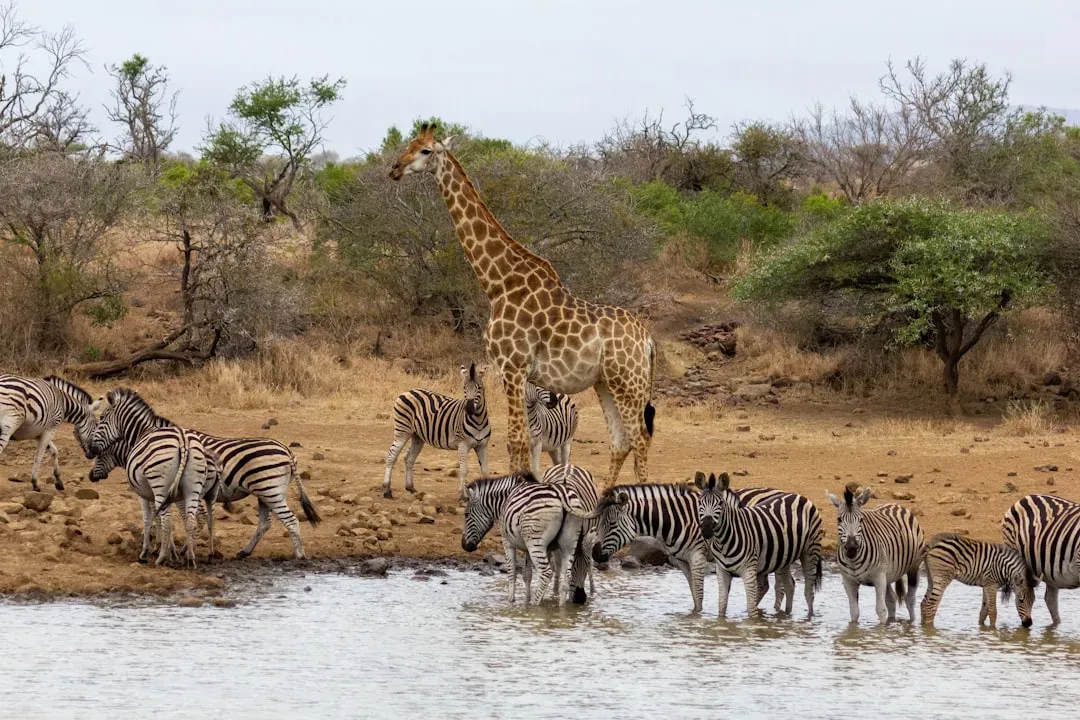
Africa was the least hard-hit, losing only about one fifth of its megafauna. Humans evolved in Africa, and hominins had already interacted with mammals for a long time. This is a crucial detail. The longer two species share a landscape, the more they adapt to each other. Think of it like two neighbors learning each other’s rhythms over generations. The dynamic becomes less explosive, more balanced.
Researchers turned to the case of Syncerus antiquus, also called the Giant African buffalo, a large grazing ungulate whose horns could reach nearly ten feet from tip to tip. The species coexisted with humans for several hundred thousand years in Africa before going extinct between 12,000 and 10,000 years ago. That is a profoundly long coexistence. It suggests that proximity alone does not equal destruction, and that something about the African context allowed for a kind of tension-filled but real equilibrium.
Not Hunters but Collectors: A Stunning Rewrite of the Australian Story
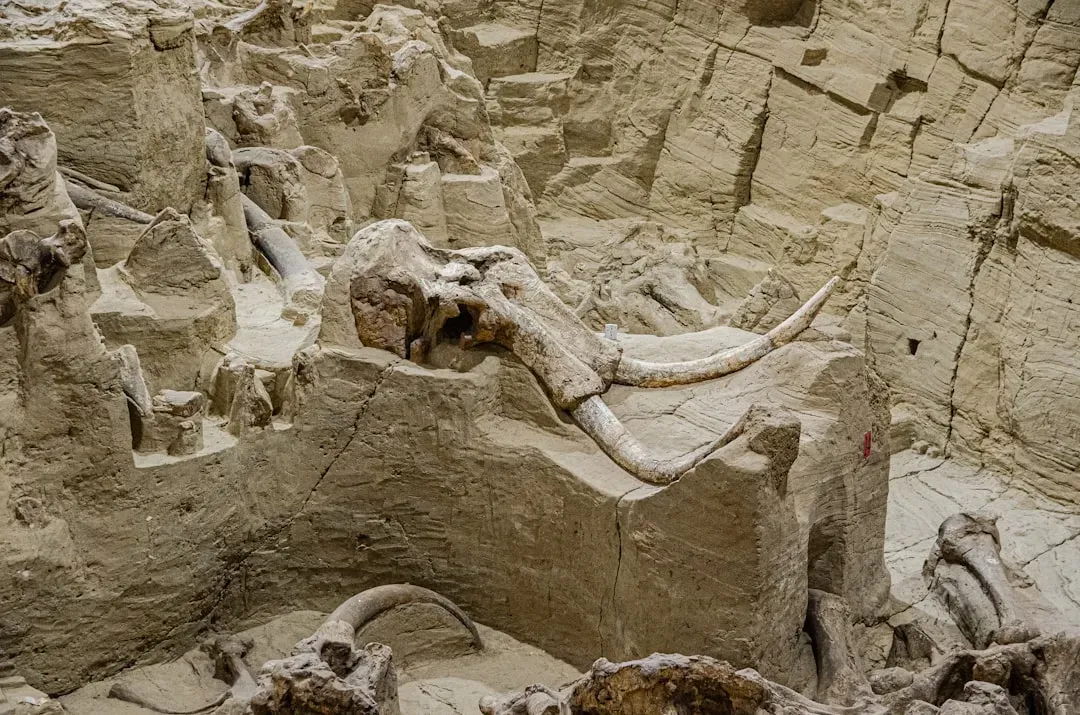
New research led by UNSW Sydney paleontologists challenges the idea that Indigenous Australians hunted Australia’s megafauna to extinction, suggesting instead they were fossil collectors. The research, published in the journal Royal Society Open Science, focuses on the fossilized tibia of a now-extinct, giant sthenurine kangaroo. That is not a minor revision. That is a complete pivot, and it forced researchers to reconsider what they thought was a locked-down case.
The tooth’s presence in the Kimberley, far from its likely origin in Mammoth Cave, suggests it may have been carried by humans or traded across vast distances. This implies a cultural appreciation or symbolic use of fossils long before European science did. Read that again slowly. Ancient people were collecting fossils and trading them across hundreds of miles as objects of cultural significance. That is not the behavior of a species purely interested in slaughter. That is curiosity. That is reverence.
Megafauna in Art: A Spiritual Bond Painted on Stone
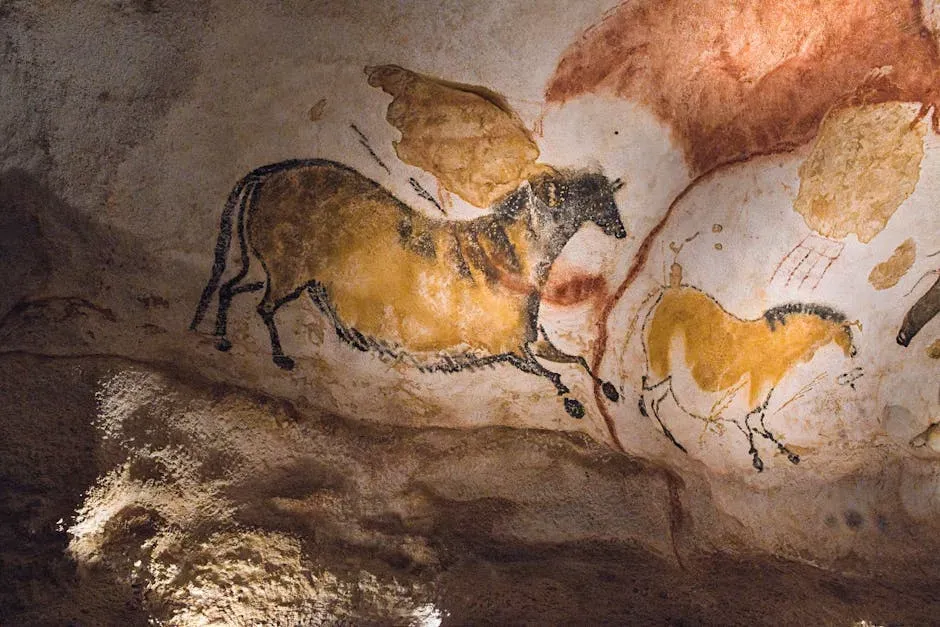
Megafauna paintings have accompanied the earliest archaeological contexts across the continents, revealing a fundamental inter-relationship between early humans and megafauna during the global human expansion as unfamiliar landscapes were humanized and identities built into new territories. When your ancestors painted a giant sloth on a canyon wall, they were not just making a shopping list. They were recording something that mattered to them deeply. That is a relationship, not just a food source.
The rock paintings depict what appear to be extinct Ice Age megafauna. They include images that appear to resemble giant sloth, mastodon, camelids, horses, and three-toed ungulates with trunks. The transformational scenes between humans and animals suggest spiritual systems in which ritual specialists were negotiating with supernatural forces. This complexity suggests that early Amazonian societies had sophisticated cultural frameworks beyond mere survival. These people were not just hunters. They were storytellers, spiritual practitioners, and observers of the natural world.
What This Means for How We Understand Human Impact Then and Now
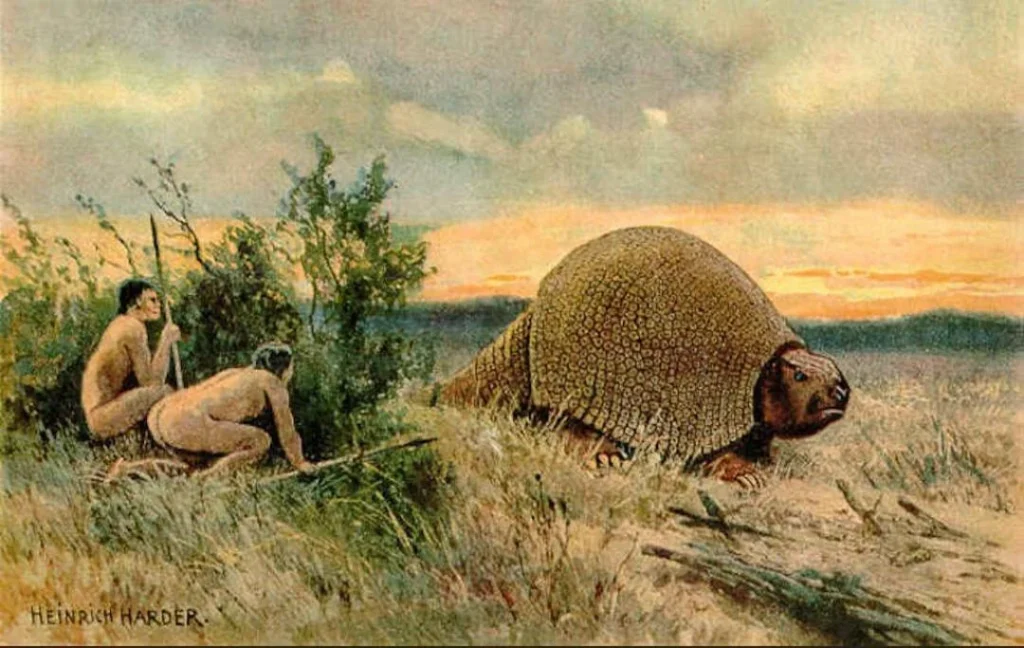
The results of population-level research suggest that the causes for extinctions varied across taxa and by region. In some cases, extinctions appear linked to hunting, while in others they are consistent with the ecological effects of climate change, and in at least one case, both hunting and climate change appear responsible. This is the honest, complicated answer. There was no single villain. No single moment. The reality is always messier than the headline.
If we accept the increasing evidence for a strong human role in these early extinctions, it forces a look inwards and recognition of the deep prehistoric entanglement between humans and environmental change, a realization that some of the most dramatic human-induced changes to the nature of life on Earth and the functioning of the biosphere may have occurred even before the dawn of agriculture. That is a thought worth sitting with. The story of human environmental impact did not begin with factories or deforestation. It began with a spear, a campfire, and a world full of giants.
Conclusion: The Giants Are Gone, But the Questions Remain
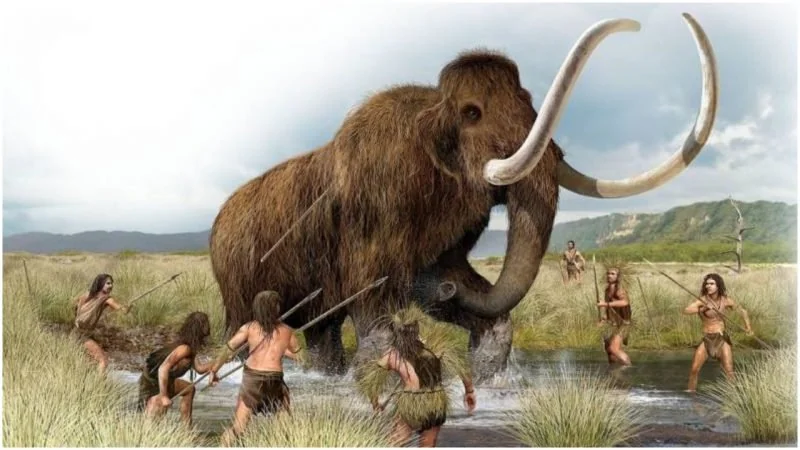
What these new theories collectively reveal is that you should resist any single, tidy explanation for one of the most dramatic ecological transitions in Earth’s history. The coexistence of ancient humans and megafauna was not a brief, violent clash. It was a long, tangled, regionally varied entanglement involving hunting, cultural admiration, spiritual meaning, and ecological pressure playing out across thousands of years and dozens of continents.
The ancient people who painted mammoths by firelight, who carried fossil teeth across hundreds of miles of continent as treasured objects, and who lived alongside three-tonne marsupials for generations were not mindless destroyers. They were complex beings navigating a world full of giants in ways that science is only now beginning to truly understand. Perhaps the most humbling takeaway is this: the story of how we shaped the natural world is far older, and far more nuanced, than any of us once imagined.
What would you have assumed about your ancestors’ relationship with these giants if nobody had ever told you the old story?