
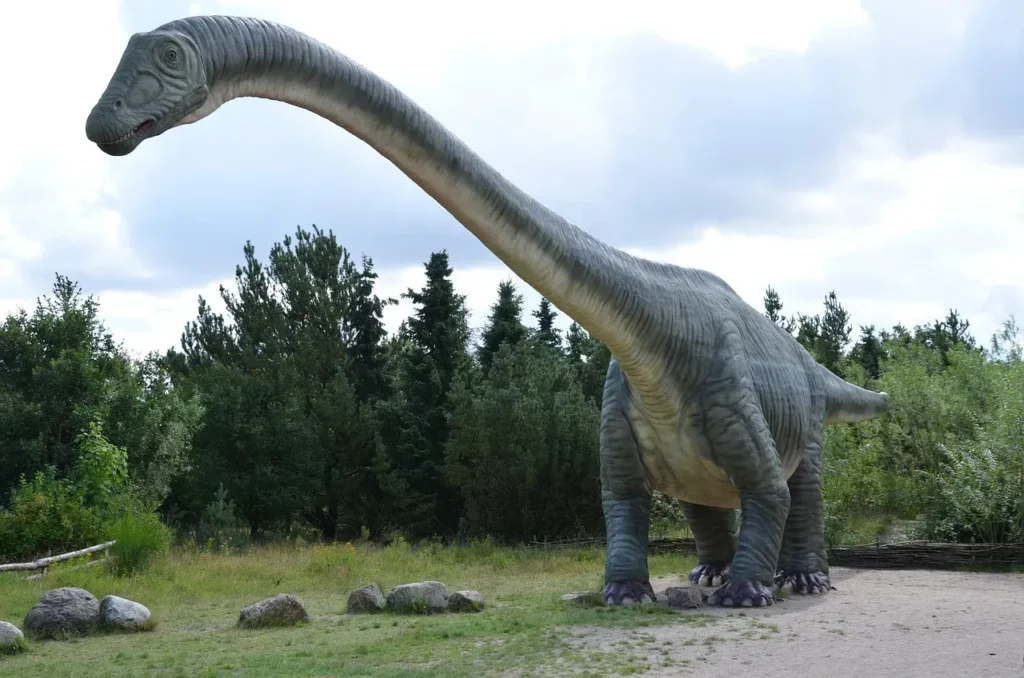
Few questions in science feel as thrilling, or as stubbornly unanswered, as this one: why did some dinosaurs grow to sizes that still defy our imagination today? We’re talking about animals that made today’s elephants look like household pets. Creatures so massive, so jaw-dropping in scale, that even our best scientific models still struggle to fully explain how they walked, breathed, and survived under their own immense weight.
You might think the answer is simple – good food, warm weather, and a lot of time. But paleontologists will tell you it’s anything but. The true story involves air sacs, evolutionary arms races, revolutionary bone structures, and some of the most extreme biological engineering nature has ever attempted. Every new fossil seems to add another layer to a mystery that is, honestly, nowhere near solved. So let’s dive in and explore the ten most fascinating theories behind one of Earth’s greatest biological puzzles.
1. The Upright Posture Advantage: Walking Tall to Grow Big
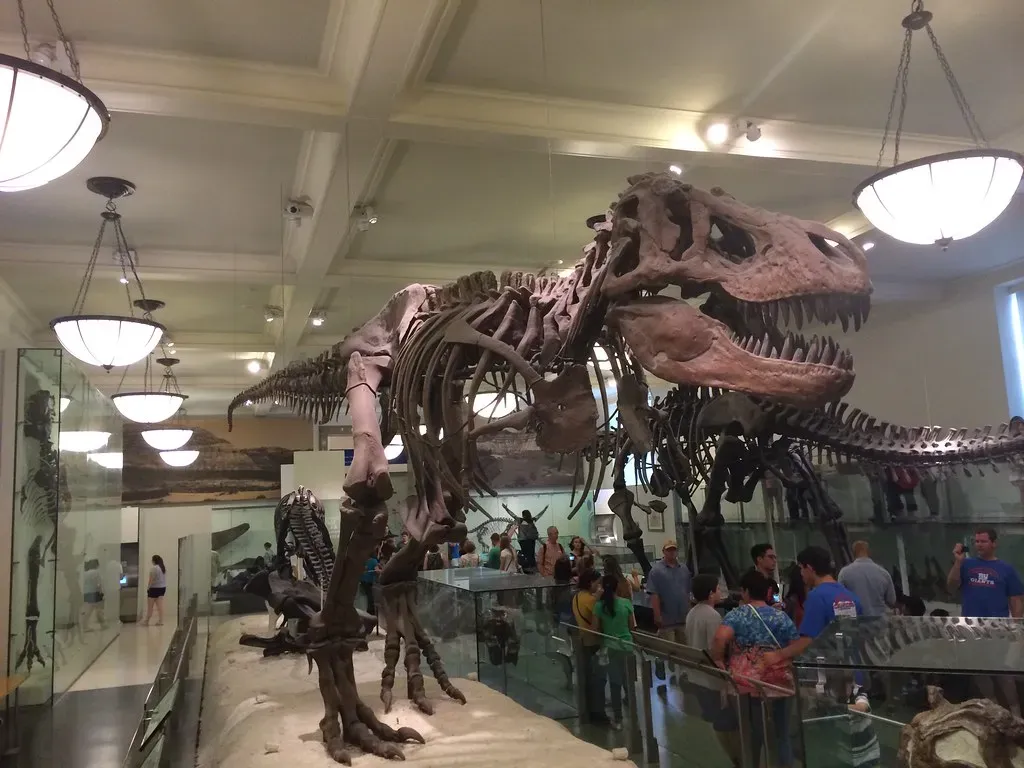
Here’s something that doesn’t get enough credit in casual conversations about dinosaurs: the way they stood may have been just as important as anything else. All dinosaurs had an upright, pillar-like stance, which could support a large body far better than the sprawling posture of other reptiles such as lizards and crocodiles. Think about a push-up position versus standing straight. The difference in sustainable load is enormous.
This upright posture allowed dinosaurs to use less energy to move, and while reptiles’ sprawling skeletons placed heavy stress on their hip joints, the dinosaur stance was well-suited to supporting a heavy body. It’s like comparing a cheap folding table to a well-engineered steel-beam structure – one has clear limits, the other can keep scaling up. The earliest dinosaurs had already developed the ability to run at high speeds, which meant they could also withstand heavy loads, giving them the foundational conditions to eventually evolve into massive herbivores.
2. The Bird-Like Breathing System: Lungs That Never Stopped Working
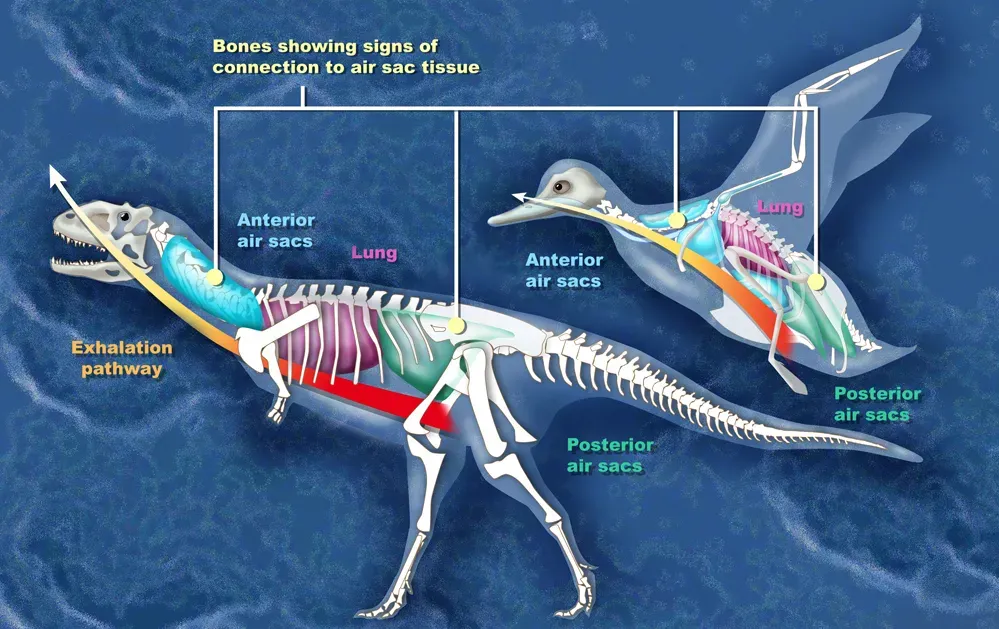
I think this is honestly one of the most underrated theories on this entire list. Dinosaurs’ lighter bones were connected to a bird-like breathing system. The air sacs in sauropods and theropods worked alongside their lungs to make breathing exceptionally efficient, and unlike humans or other mammals who only receive oxygen when they breathe in, dinosaurs were supplied with oxygen even as they breathed out. That’s a remarkable biological advantage.
It’s this same efficient breathing system that lets bar-headed geese fly over the Himalayan mountains where oxygen levels are extremely low, and without this ability to absorb oxygen continuously, sauropods would not have been able to grow so big or develop such long necks. Imagine trying to power a skyscraper with a flashlight battery versus a fully-loaded power plant. Unlike mammals, who breathe in and out using the same pathway, dinosaurs with this system likely employed a unidirectional flow of air through their lungs, extracting oxygen both during inhalation and exhalation – a respiratory innovation estimated to be two to three times more efficient than mammalian breathing.
3. Hollow, Pneumatized Bones: Lightweight Architecture for Giant Bodies
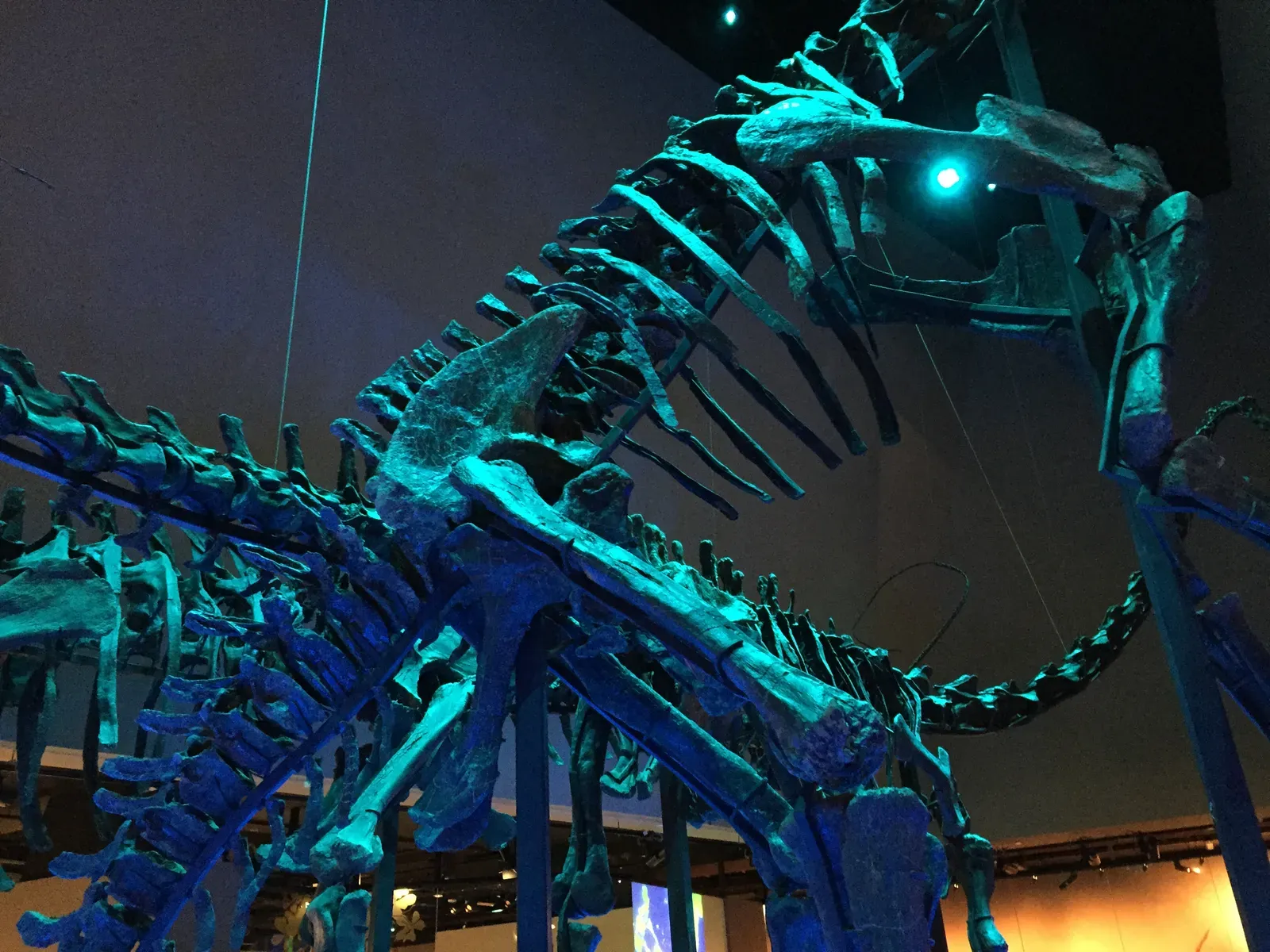
You might expect the world’s largest land animals to have the world’s densest, heaviest bones. Surprisingly, the opposite is true. Some sauropod bones were filled with air sacs, which made even larger body sizes mechanically possible – an adaptive anatomical feature found in many birds, dinosaurs’ closest living relatives, which helps reduce body weight. It’s the biological equivalent of aerospace engineering: strong, but shockingly light.
Perhaps the most obvious benefit of hollow bones was significant weight reduction, which proved especially crucial for the largest dinosaurs. For sauropods like Brachiosaurus and Diplodocus, which could weigh up to around 80 tons, having solid bones throughout their massive bodies would have been biomechanically challenging, if not outright impossible. Computer modeling has demonstrated that without pneumatic bones, many of the largest dinosaurs would have required drastically different body proportions or been entirely unable to support their own weight on land, highlighting how this adaptation was not merely beneficial but essential for gigantism. Nature, it turns out, was building things lighter long before human engineers figured out why that mattered.
4. A World Overflowing With Food: The Mesozoic Buffet Theory
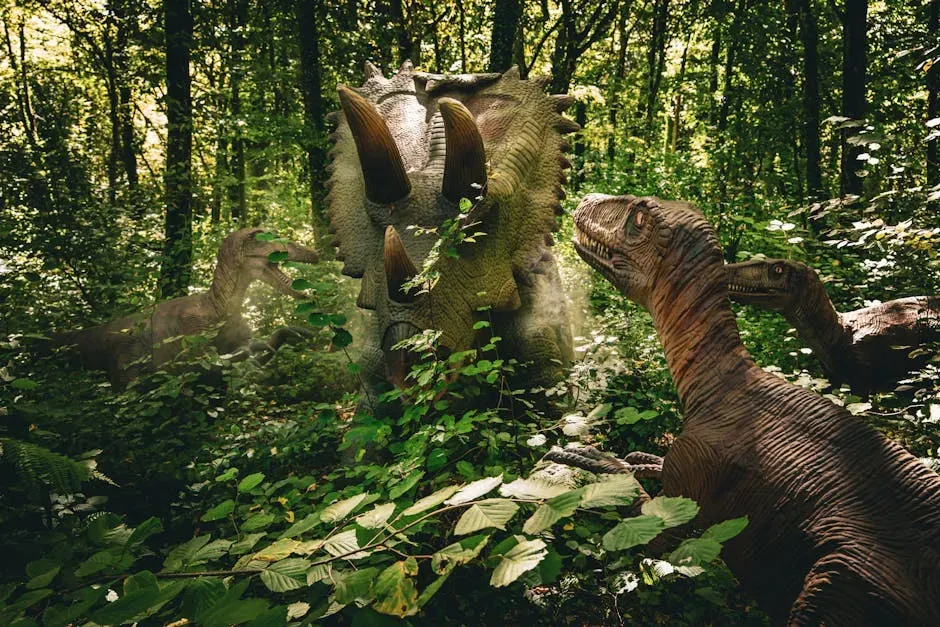
Let’s be real – you can’t grow to the size of a building without eating an extraordinary amount. Atmospheric CO2 levels during the Mesozoic Era were considerably higher than today, peaking dramatically in the mid-Cretaceous. This CO2-rich atmosphere, combined with a warm and stable global climate, supported extensive plant growth, and the warm, humid conditions meant dense forests thrived even near the poles, providing abundant food for herbivorous dinosaurs and sustaining a food chain for large animals.
The prehistoric world was much warmer than our own and full of vegetation, and the climate was perfect for tons of foliage, which served as a food source for the biggest dinosaurs, with little competition allowing some of the largest species to keep growing and evolving over time. Think of it as the most generous ecological runway in Earth’s history. Experiments growing plants of Mesozoic varieties under Mesozoic-style atmospheric conditions suggest their productivity could rise two to three times modern-day conditions, meaning there would have been far more food available per unit area for herbivores, and from there, upward through the entire energy pyramid.
5. The Evolutionary Arms Race: Growing Big to Stay Alive
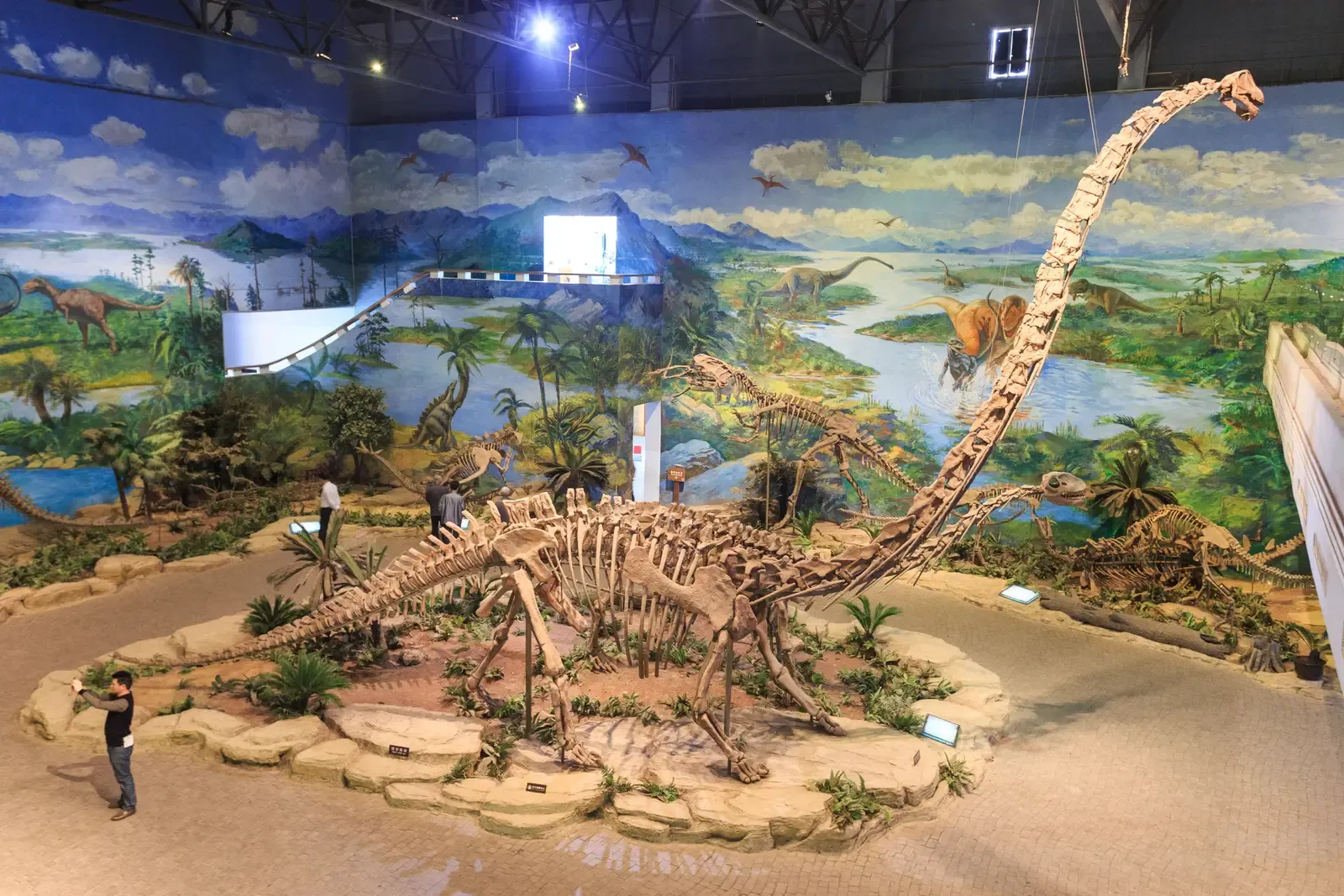
Here’s the thing about size in a world of predators – it becomes a survival tool fast. Herbivores gained mass to avoid being preyed upon, and carnivores gained mass to make it easier to prey on the large herbivores, pushing both sides toward upper extremes in size in a true evolutionary arms race. Think of it like an ancient cold war played out in flesh and bone over millions of years.
Computational analysis has predicted that the largest T. rex could have been close to 15,000 kg, capable of preying on even sauropods, and this predation pressure in turn would have prompted sauropods to grow even larger. As one researcher put it, there is “almost like an arms race going on,” suggesting that evolutionary pressure meaningfully contributed to sauropod gigantism. Herbivores grew larger to protect themselves from predators, and ironically, this also led to the gigantism of the very carnivorous dinosaurs that preyed on them. It’s a cycle of competitive escalation that once set in motion, had nowhere to go but up.
6. Cope’s Rule: Evolution’s Tendency to Go Bigger Over Time
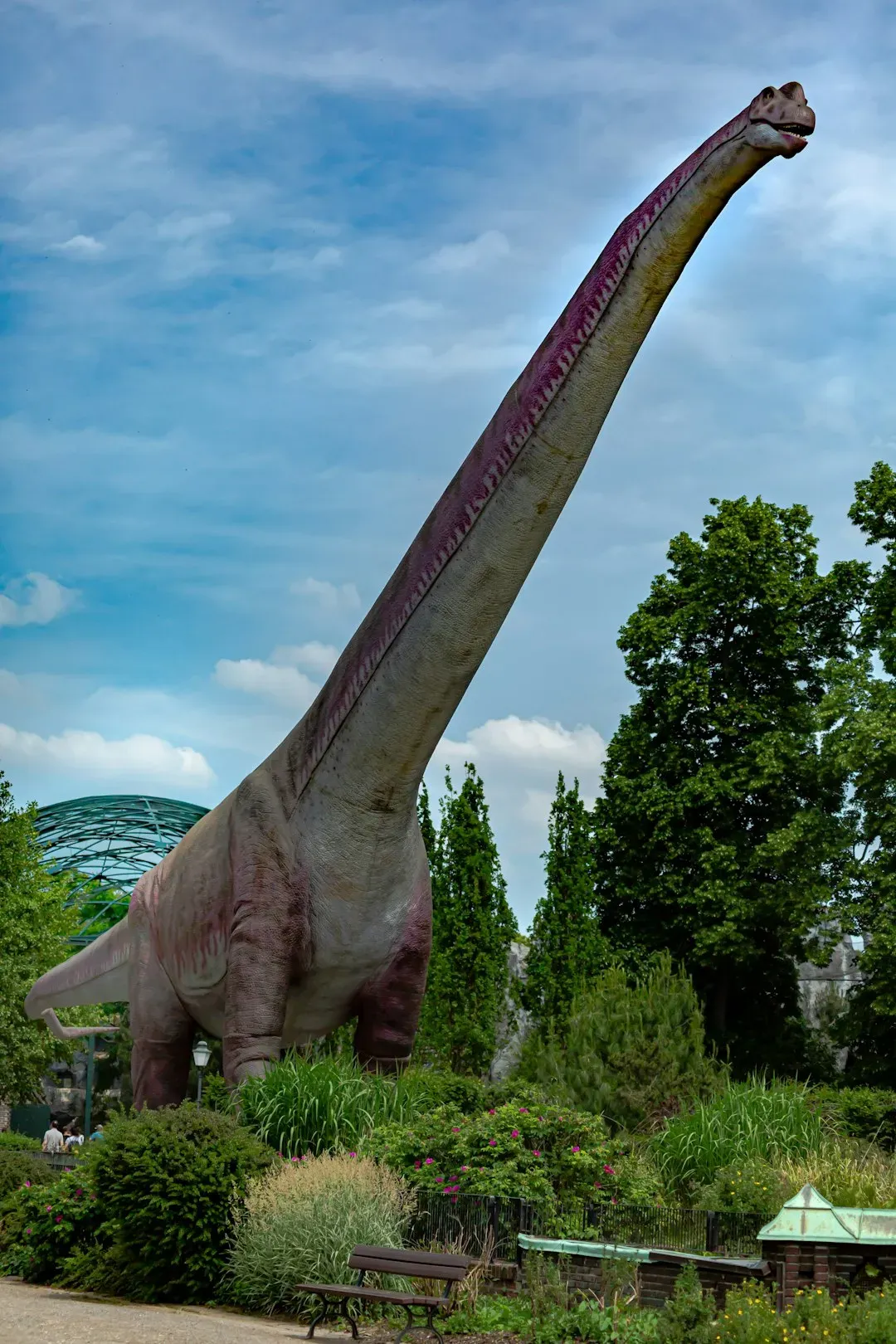
There’s a fascinating principle in evolutionary science that feels almost like a law of nature. According to Cope’s Rule, larger body sizes confer selective advantages in competition and predation avoidance, potentially facilitating population stability. In other words, over generations, species that can afford to grow bigger often do – because bigger frequently means safer, more dominant, and more reproductively successful.
Research exploring how consistently this trend applies within dinosaurs found that some groups, or clades, including the long-necked sauropods, do grow larger over time as Cope’s Rule suggests, while others, like theropods which include T. rex, did not follow the same pattern. So it’s not a universal rule – it’s more of a recurring theme, like a melody that different evolutionary lineages occasionally picked up and ran with. Studies suggest that dinosaur evolution was constrained by attraction to discrete body size targets that underwent rare but abrupt evolutionary shifts, explaining both the rarity of sustained directional trends and the occurrence of sudden size jumps during the origins of groups like giant sauropods.
7. Egg-Laying and Reproduction: The Surprising Path to Gigantism
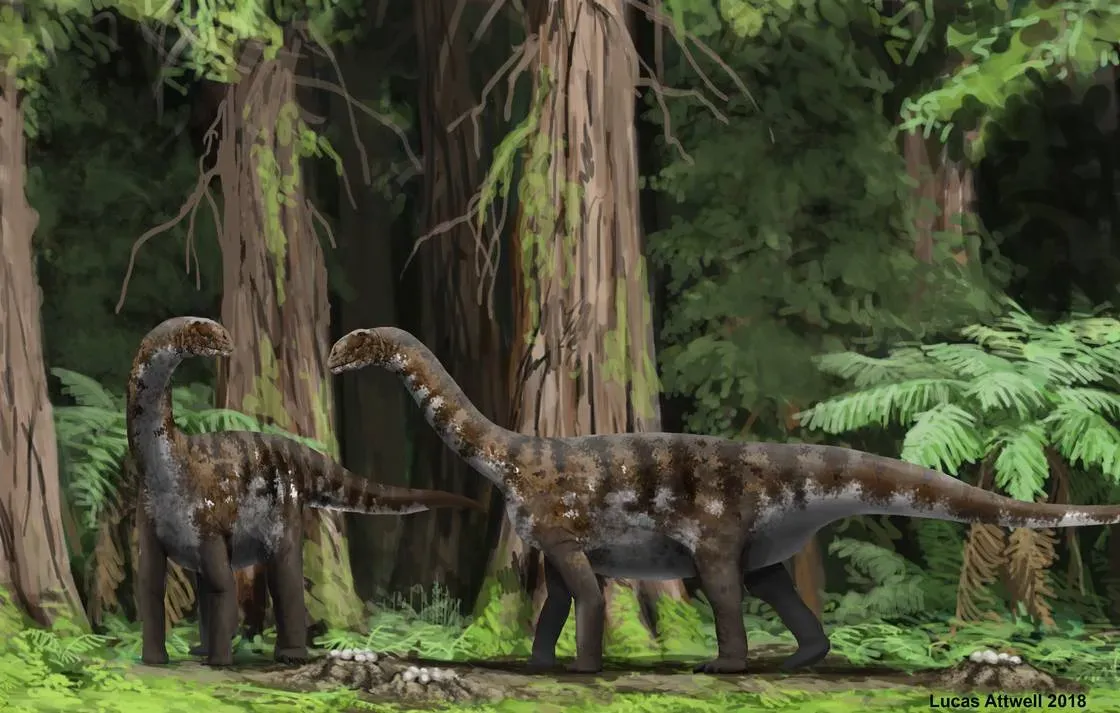
It sounds counterintuitive, but one of the most compelling reasons dinosaurs grew so huge may come down to how they reproduced. The reason sauropods could attain such massive sizes has just as much to do with reproduction as skeletal architecture and specialized soft tissues. The biggest dinosaurs started off very, very small – sauropod mothers laid clutches of around ten eggs at a time in small nests, with embryonic dinosaurs developing in eggs roughly the size of a large grapefruit. Once they hatched, these little dinosaurs grew at a spectacular rate.
Mammals give live birth and must nurse their young. An elephant can only produce a large calf every few years, then must spend years raising it before it can survive alone – requiring so many adults to be supported by a fixed food supply that this limits how large those adults can become. Sauropods, on the other hand, laid dozens of eggs each year and the juveniles could survive on their own. A small population of adults could therefore produce enough eggs to sustain a large population, which meant adult sauropods could be far larger than any slow-breeding mammal could ever achieve. It’s a reproductive strategy so efficient it essentially removed the biological ceiling on body size.
8. Atmospheric Oxygen Fluctuations: Did the Air Itself Fuel Gigantism?
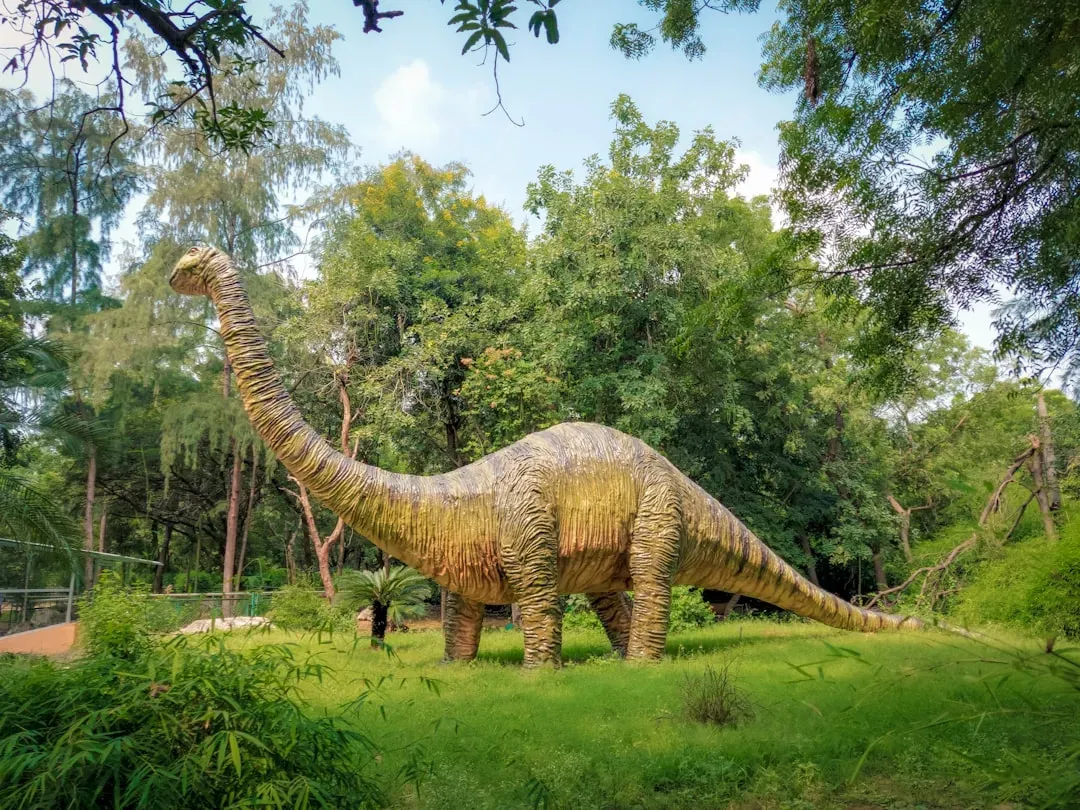
This theory is one of the most debated in all of paleontology – and it’s genuinely fascinating precisely because the evidence keeps pulling in different directions. Some research links the appearance of the largest dinosaur species to a rise in atmospheric oxygen that culminated during the Cretaceous period, suggesting that higher oxygen concentrations would have made it easier to supply the vast metabolic demands of massive bodies like those of long-necked sauropods. More oxygen in every breath would be like upgrading a car engine’s fuel injection system.
However, it’s hard to say for sure, because the science is genuinely contested. For a long time, researchers theorized that high oxygen content in the atmosphere could have allowed dinosaurs to grow to larger sizes, much like arthropods did during the Carboniferous period, but recent analyses of amber spanning the age of dinosaurs suggest that oxygen concentrations were likely lower than those of the present day, which undermines this theory. What may be more relevant is that dinosaurs possessed a highly efficient, avian-like respiratory system with air sacs that enabled a unidirectional flow of air through the lungs – meaning they were better equipped than many other animals to thrive even when oxygen levels were at their lowest. Their bodies, in a sense, solved the oxygen problem from the inside.
9. Thermoregulation and Gigantothermy: Staying Warm by Being Enormous
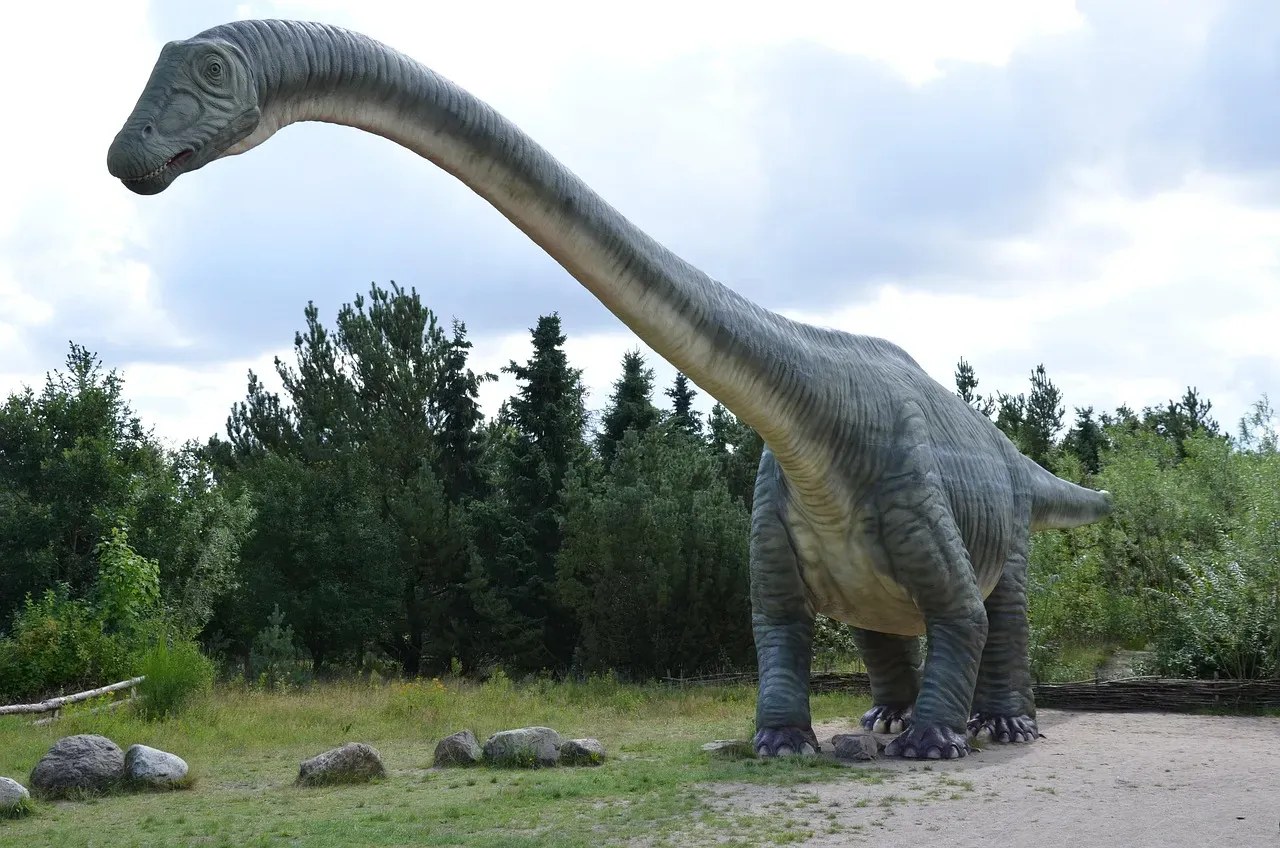
Imagine a body so large that the sheer mass of it keeps you warm without any extra effort. That’s essentially what gigantothermy describes, and it’s a genuinely elegant theory. Gigantothermy is in theory advantageous to large animals because they spend far less energy actively maintaining a stable body temperature, and by having so much more internal mass relative to the surface area exposed to cooler air, an animal like a large dinosaur could maintain its internal body temperature for a much longer period of time.
Research models predict that dinosaur body temperature increased with body mass, and that the largest dinosaurs had body temperatures similar to those of modern birds and mammals, while smaller dinosaurs’ temperatures were more like contemporary reptiles – suggesting that the biggest dinosaurs maintained relatively constant body temperatures through thermal inertia alone. Many large dinosaurs, especially sauropods, may have grown larger precisely to help regulate their body temperature in the warm Mesozoic climate, since more surface area gave them more room to dissipate heat. It’s almost poetic – they became their own climate control systems.
10. Slow Metabolism and Efficient Digestion: Eating Less, Growing More
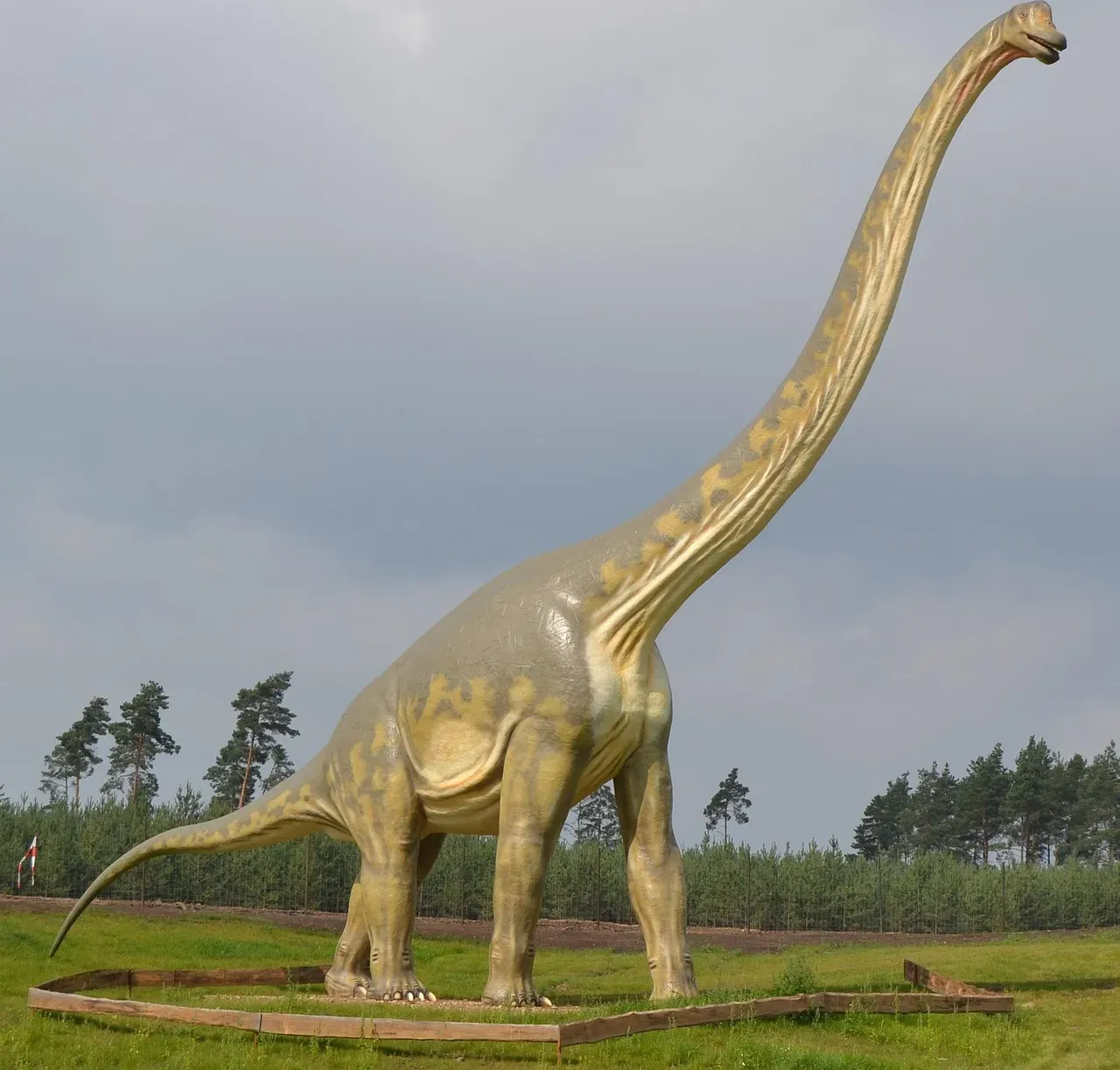
This one genuinely surprised me when I first came across it. You might assume the largest animals needed to eat constantly, burning through fuel like enormous engines. Although sauropods grew very quickly when young, their metabolism actually slowed and became more efficient as they aged, meaning they needed less food for their size than mammals. Sauropods had very large stomachs, and food took longer to pass through them, giving the dinosaurs more time to extract nutrients.
Scientists have found evidence that sauropods had a comparatively slower metabolism relative to today’s large mammals, suggesting they likely did not have to eat as much, and when they did eat, they likely swallowed most of their food whole, since their teeth showed very little wear unlike those of other herbivorous species. These larger dinosaurs also lost less energy as heat because they had less surface area relative to their body volume – a beautiful example of thermodynamic efficiency at biological scale. Essentially, growing bigger made the whole operation cheaper to run, which in turn made growing even bigger a viable evolutionary strategy. It’s a self-reinforcing loop that nature, it seems, was happy to let run for tens of millions of years.
Conclusion: A Mystery That Still Humbles Us
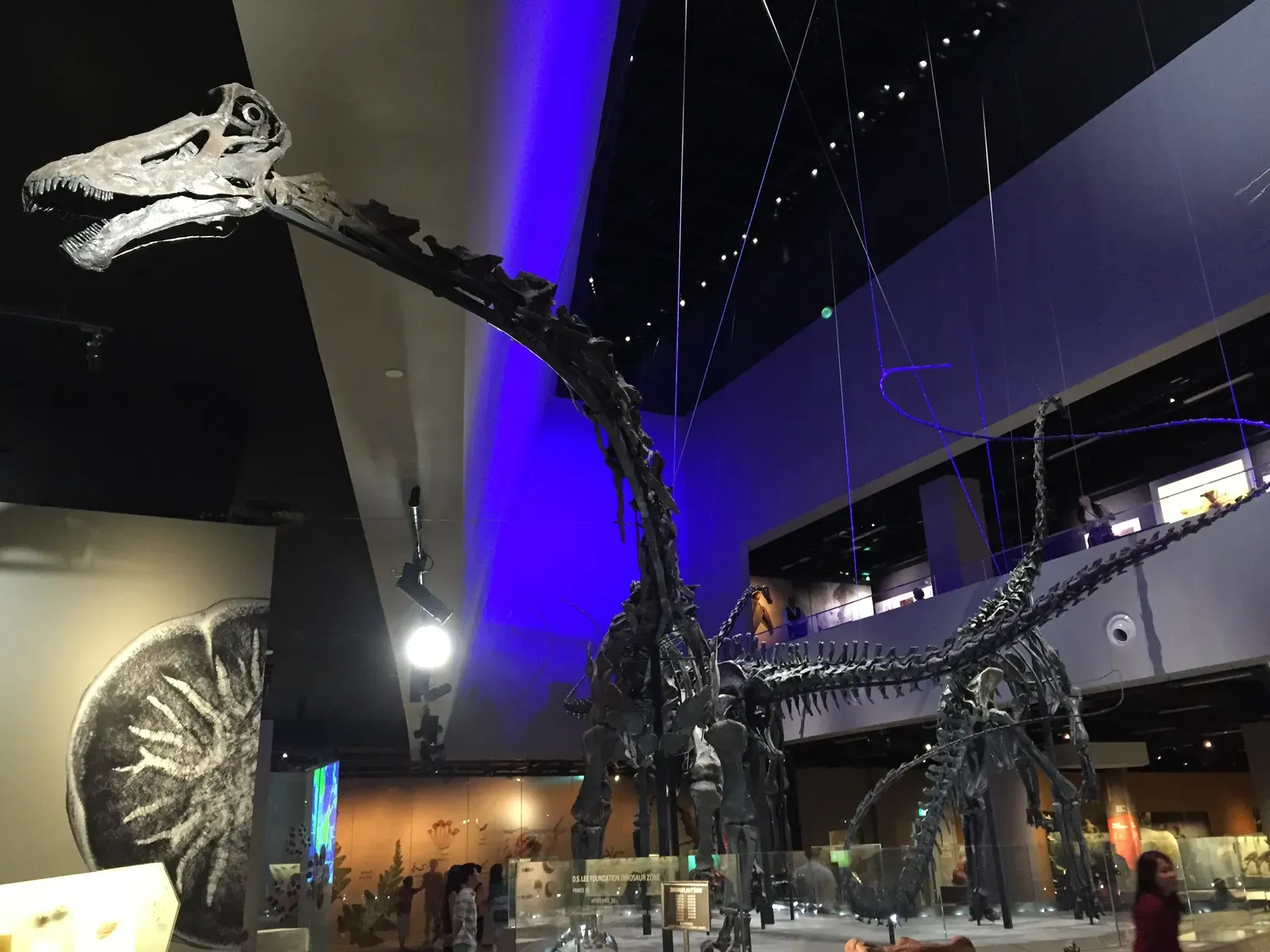
What’s most striking after exploring all ten of these theories is that none of them alone tells the whole story. Scientists now believe the reason dinosaurs were able to grow to such extraordinary sizes was down to a combination of characteristics – biological, environmental, evolutionary, and anatomical – all working in concert across vast stretches of time. It’s less like a single discovery and more like a perfect storm.
Researchers broadly agree that the jury is still out on exactly why dinosaurs became so large, with multiple explanations that ongoing research continues to shed light on while raising yet further questions. And honestly? That’s what makes it so thrilling. Every new fossil, every new isotope analysis, every new computer model chips away a little more at the mystery. We are living in a golden age of paleontology, and the giants of the Mesozoic still have plenty of secrets left to give up.
The real wonder isn’t just that dinosaurs grew so big. It’s that they grew so big on a planet with the same gravity we live under today, breathing air not so different from ours, walking on the same ground beneath our feet. So next time you look at a sauropod skeleton towering over you in a museum, ask yourself – what combination of cosmic luck, biological brilliance, and evolutionary pressure made that possible? What do you think is the most surprising theory on this list? We’d love to hear your thoughts in the comments.