Federal leaders convened a secretive panel last week to override key safeguards under the Endangered Species Act. The decision freed oil and gas operations across the Gulf of Mexico from restrictions designed to protect vulnerable marine life. Louisiana’s coastal waters, rich in biodiversity and economic activity, now face heightened risks as drilling expands without those checks.
A Last-Resort Power Born from Controversy
A Last-Resort Power Born from Controversy (Image Credits: Flickr)
Congress established the Endangered Species Committee in 1978, amending the Endangered Species Act that President Nixon signed five years earlier. Lawmakers crafted this group, often called the “God Squad” for its extraordinary authority, as a narrow escape valve. The panel could exempt federal projects from ESA rules only in extreme cases where no alternatives existed and the nation’s interests demanded it.
Over nearly five decades, the committee met just three or four times before this year. Exemptions proved even rarer, approved only once or twice in history. Past cases involved specific dams or logging sites, not sweeping industries. The process typically demanded months of review, public input, and expert testimony to ensure transparency.
The Swift Gulf Oil Verdict
The committee gathered on March 31, 2026, for a closed-door session that lasted about 32 minutes. Chaired by Interior Secretary Doug Burgum, the six members voted unanimously to lift ESA requirements for all Gulf oil and gas activities. Defense Secretary Pete Hegseth urged the action, citing national security amid tensions with Iran and disruptions in global oil supplies.
Officials argued that litigation and restrictions threatened domestic energy production, vital for military readiness and economic stability. The Gulf supplies nearly 15 percent of U.S. crude oil, around two million barrels daily. This marked the first use of national security as justification, diverging from prior precedents.
Marine Species Hanging in the Balance
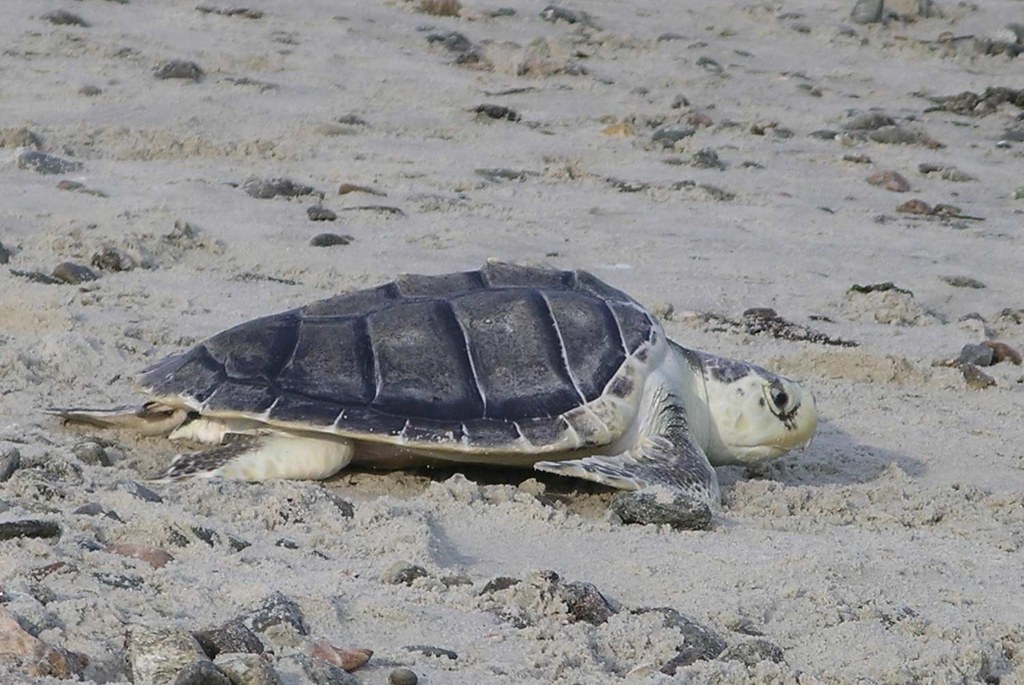
Rice’s whales, with fewer than 51 individuals left worldwide, inhabit only Gulf waters. The 2010 Deepwater Horizon spill killed up to 22 percent of their population, and vessel strikes pose ongoing dangers. Kemp’s ridley sea turtles, the world’s most endangered, nest on Louisiana’s Chandeleur Islands and feed in these shallows.
Other threatened species include sperm whales, West Indian manatees, Gulf sturgeon, and multiple sea turtles. The exemption removes mandates like vessel slowdowns near whales or limits on seismic noise from exploration. Conservationists warned that even one lost breeding whale could doom Rice’s population.
- Rice’s whale: Gulf-endemic, critically low numbers, vulnerable to ships and spills.
- Kemp’s ridley sea turtle: Key nesting in Louisiana, threatened by bycatch and strikes.
- Sperm whales and sea turtles: Face noise pollution and habitat disruption.
- Manatees and sturgeon: Risk oil exposure and vessel collisions.
Weighing Louisiana’s Economic Boost Against Ecological Costs
The state reaps substantial revenues from Gulf leasing, including $203.7 million disbursed on the vote’s day. Offshore platforms sustain jobs and fund coastal restoration amid rising seas and storms. Proponents viewed the exemption as streamlining permits long stalled by lawsuits.
Yet environmental advocates decried the rushed process and broad scope. The Natural Resources Defense Council called it a “warrant for extinction,” noting profitable oil firms gained while species suffered. Groups like the Center for Biological Diversity sued over inadequate notice, arguing viable mitigations existed.
| Stakeholder | Position |
|---|---|
| Oil Industry | Supports exemption for energy security and reduced litigation. |
| Environmental Groups | Opposes as unlawful bypass harming irreplaceable species. |
| Louisiana Officials | Balances development with habitat needs. |
Paths Forward Amid Uncertainty
Lawsuits challenge the decision’s legality, potentially halting its effects. Future committee meetings loom under a January 2025 executive order mandating quarterly reviews. Louisiana’s Wildlife Federation urged transparency and limited use of the provision.
Monitoring will intensify as drilling ramps up. Agencies must still address spills and other hazards, though ESA’s core jeopardy standard weakens.
Key Takeaways
- The “God Squad” exemption covers all Gulf oil/gas, first broad industry waiver.
- Rice’s whales and Kemp’s ridleys face immediate higher risks without mitigations.
- National security claim breaks precedent, sparking legal battles.
This ruling tests the Endangered Species Act’s resilience against energy demands. Louisiana’s Gulf ecosystems hang in delicate balance. What do you think about the trade-offs? Tell us in the comments.