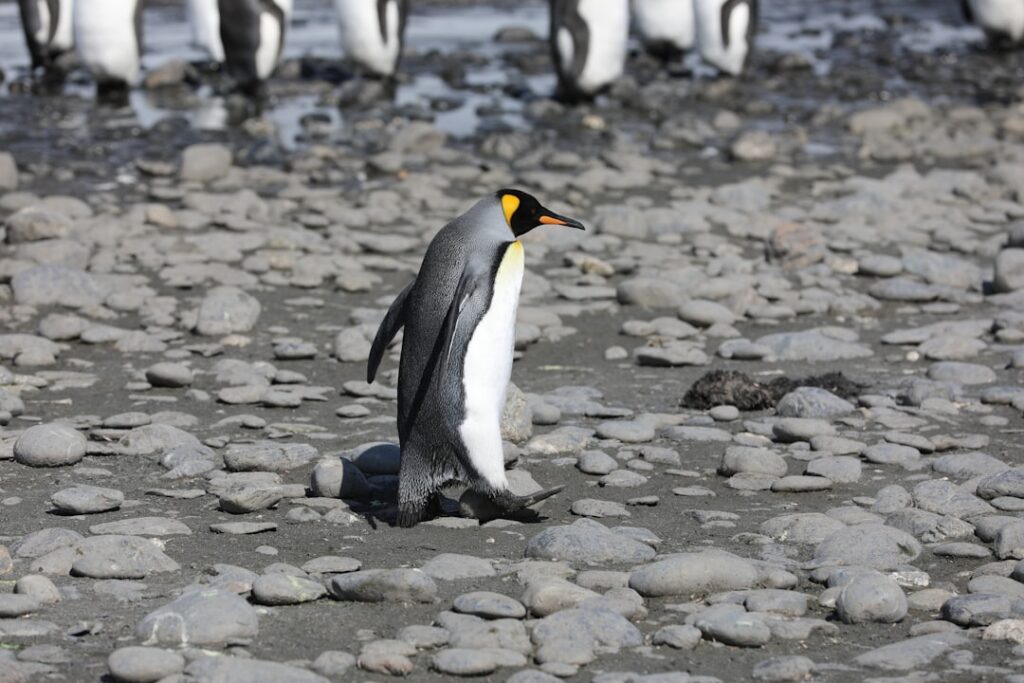
Antarctica – The emperor penguin, the largest of all penguin species and a symbol of the continent’s harsh beauty, faced a grim reassessment this week. The International Union for Conservation of Nature (IUCN) updated its Red List of Threatened Species to classify the birds as endangered, up from near threatened. This shift reflects dramatic habitat changes from record-low sea ice over the past decade, primarily driven by human-induced climate change. Researchers highlighted how these conditions threaten breeding success and survival across the species’ range.
Satellite Data Reveals Sharp Declines
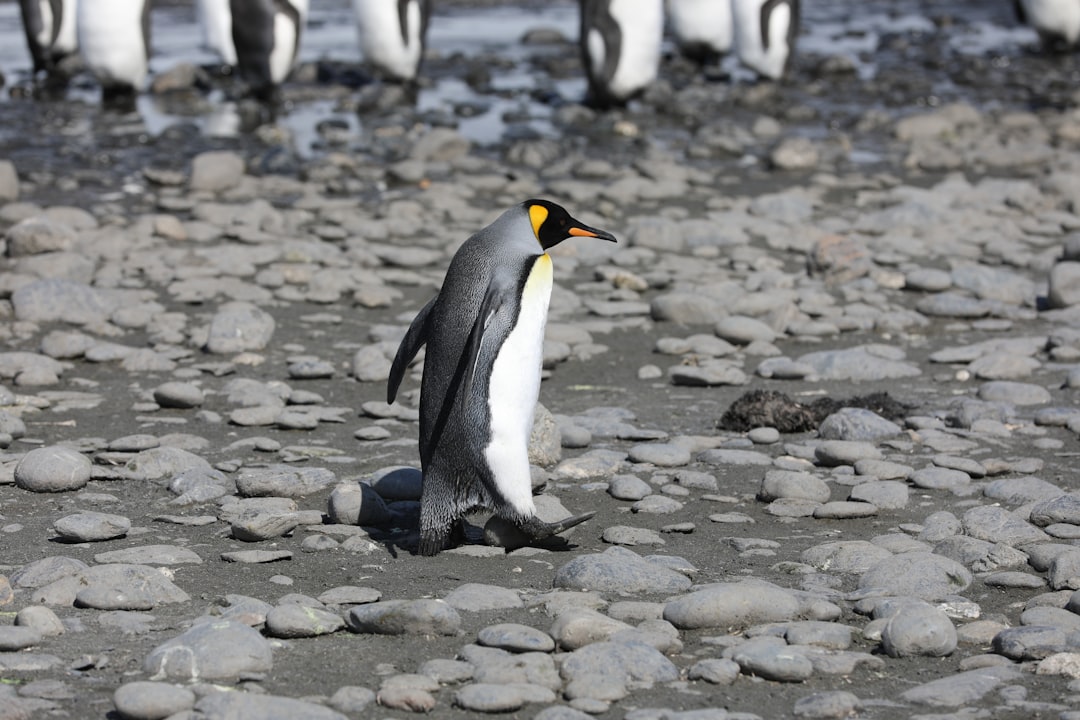
Satellite Data Reveals Sharp Declines (Image Credits: Unsplash)
Satellite imagery captured a stark reality: emperor penguin populations dropped by about 10 percent between 2009 and 2018. That decline equated to more than 20,000 adult birds lost. Scientists identified 66 known breeding colonies scattered around Antarctica, with nearly half experiencing increased or total breeding failures since 2016 due to unstable ice.
These observations stemmed from advanced satellite analyses combined with ground surveys. In one region, the Bellingshausen Sea, four out of five colonies suffered complete reproductive collapse in 2022. Such events underscored the vulnerability of colonies reliant on fast ice – the stable platform attached to coastlines or icebergs essential for raising chicks.
Sea Ice: The Lifeline Under Threat
Emperor penguins depend on sea ice for every life stage. They breed on fast ice during the brutal Antarctic winter, huddling in colonies to incubate eggs on their feet. Chicks remain there until they fledge and gain waterproof feathers, a process that demands stable platforms lasting into summer.
Adults also molt on ice floes, fasting while replacing feathers to become waterproof again. Early ice breakup flings unfledged chicks into frigid waters, where they drown or starve. Since 2016, Antarctic sea ice has hit record lows, with erratic persistence disrupting foraging in polynyas – open water areas amid the ice. Climate models linked these shifts directly to rising global temperatures.
Projections Foretell a Halved Future
Without sharp cuts in greenhouse gas emissions, models predict emperor penguin numbers will halve by the 2080s. Population assessments incorporated diverse climate scenarios, all pointing to rapid declines this century. Current estimates place adult populations around 595,000, already down 10 to 22 percent since 2009 in some analyses.
Regional hotspots amplified the risk. A study in the Ross Sea documented a 32 percent drop across seven colonies from 2020 to 2024. These trends positioned the species as a sentinel for broader Antarctic ecosystem changes, where ice loss ripples through food webs and other wildlife.
Experts Sound the Alarm
Dr. Philip Trathan, a member of the IUCN Species Survival Commission Penguin Specialist Group, emphasized the core threat. “Human-induced climate change poses the most significant threat to emperor penguins. Early sea-ice break-up in spring is already affecting colonies around the Antarctic,” he stated.
Martin Harper, CEO of BirdLife International, which coordinated the bird assessment, called for urgency. Penguins rank among Earth’s most imperiled birds, and this upgrade signals an accelerating extinction crisis. The IUCN’s Grethel Aguilar described the update as a wake-up call demanding action across society to combat climate change.
Key Takeaways
- 10% population loss (over 20,000 adults) from 2009-2018, per satellite data.
- Nearly half of 66 colonies faced breeding failures since 2016 sea ice lows.
- Projections: Halved numbers by 2080s without emission reductions.
Emperor penguins stand as harbingers of climate impacts in one of Earth’s last wild frontiers. Their plight demands global emission reductions to preserve Antarctica’s frozen realms. What steps do you believe are essential to protect these iconic birds? Share your thoughts in the comments.