There is something profoundly strange about standing in front of a cave wall painted by a human who lived tens of thousands of years before writing, agriculture, or cities. The image of a bison or a hand stencil stares back at you from the rock, and for a moment, the distance between you and that ancient artist collapses. These were not people fundamentally different from us. They felt something strong enough to compel them deep into dark, difficult spaces and mark what they saw, imagined, or feared.
Cave art discoveries can provide insight into the history of human migration, thought, language, and storytelling. The scale of what has survived is remarkable, and what it tells us reaches far beyond simple pictures of animals. From the pigments mixed by firelight to the hybrid creatures born in someone’s imagination, every brushstroke carries evidence of a mind capable of abstraction, planning, and meaning. Here is what the walls have been saying all along.
The Oldest Art in the World: A Record That Keeps Being Broken
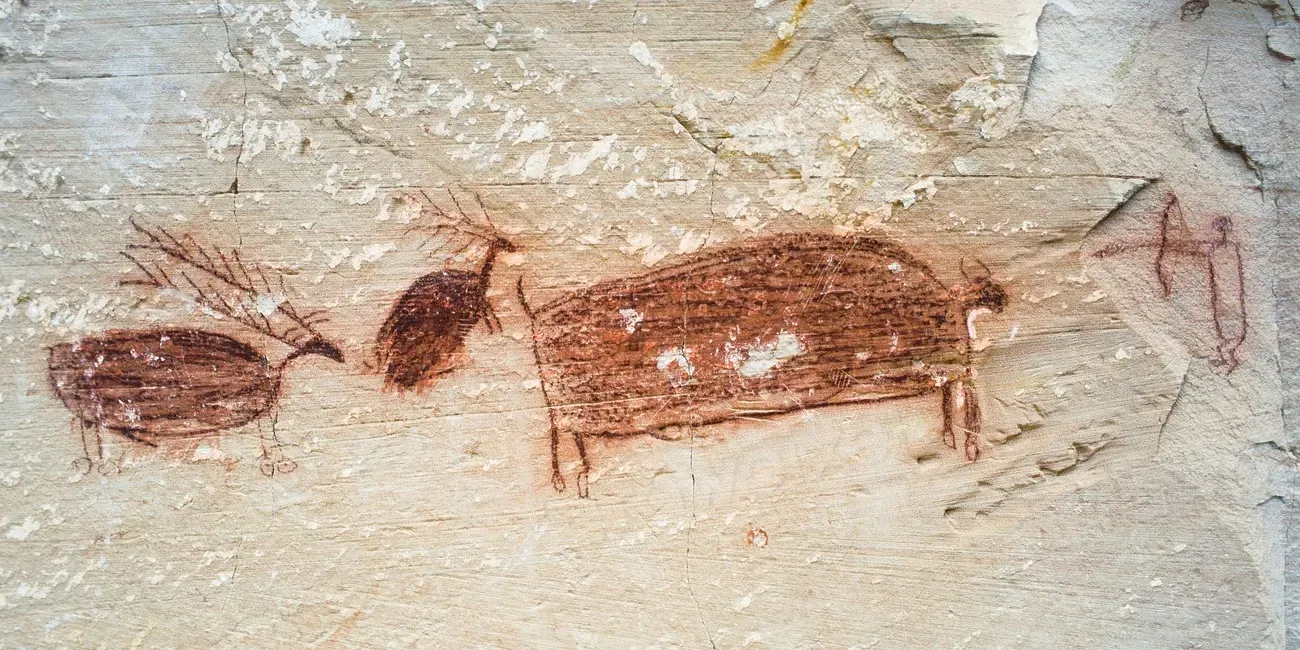
The story of prehistoric cave art keeps getting pushed back in time. Researchers have uncovered the world’s oldest known cave art, a 67,800-year-old hand stencil in Indonesia, and its unusual, claw-like design hints at early symbolic thinking and possibly spiritual beliefs. That discovery, announced in early 2026, is stunning not just for its age but for what it suggests about where and when human creativity first ignited.
In July 2024, the journal Nature published research findings indicating that cave paintings in Leang Karampuang, depicting anthropomorphic figures interacting with a pig, are approximately 51,200 years old. Then, in January 2026, an older hand stencil was discovered in Muna Island, dated to be at least 67,800 years old, making it the oldest known cave painting in the world. These Indonesian discoveries have fundamentally shifted assumptions that Europe was the cradle of human art.
The findings also show that people continued creating art in one cave for a remarkably long time, with artistic activity spanning at least 35,000 years, lasting until around 20,000 years ago. That kind of cultural continuity is almost impossible to fully grasp. It is longer than the entire span from ancient Egypt to the present day.
The Pigments and Tools: Ancient Chemistry in Action
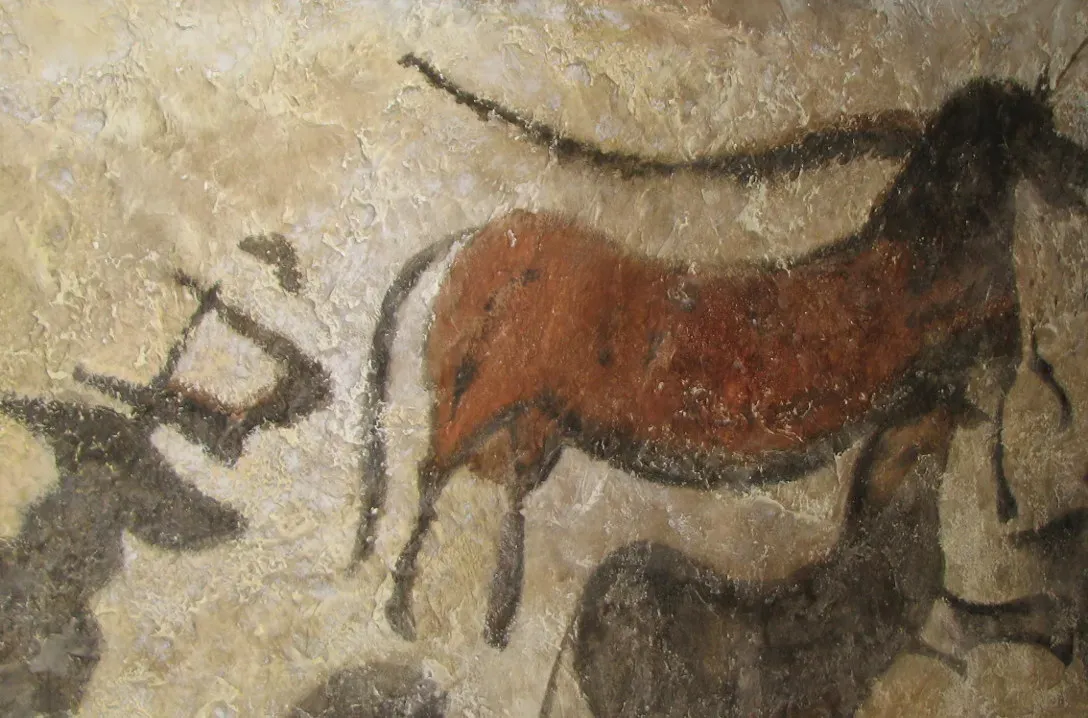
You might imagine early humans slapping mud onto rock walls. The reality is far more considered. Most cave art consists of paintings made with either red or black pigment, with the reds made from iron oxides such as hematite, and manganese dioxide and charcoal used for the blacks. These were not random choices. These materials were selected specifically because they lasted.
Cave paintings were created using natural materials such as charcoal, ochre, hematite, and other earth pigments, with artists applying them using brushes made from animal hair, sticks, or even their fingers, and sometimes animal fat or saliva to bind the pigments. The level of preparation involved is significant. These people were not just picking up a rock and scratching the nearest surface.
It is believed that early humans traveled far and wide to maintain a steady supply of earth pigments. In every locality where prehistoric sites have been discovered, trails lead to near and distant hematite deposits where people mined, and cave painters in the Lascaux area may have traveled as far as 25 miles to obtain the iron earth pigments they needed. That kind of deliberate effort speaks directly to how much this activity meant to them.
Animals Everywhere: What the Subjects Reveal About Early Life
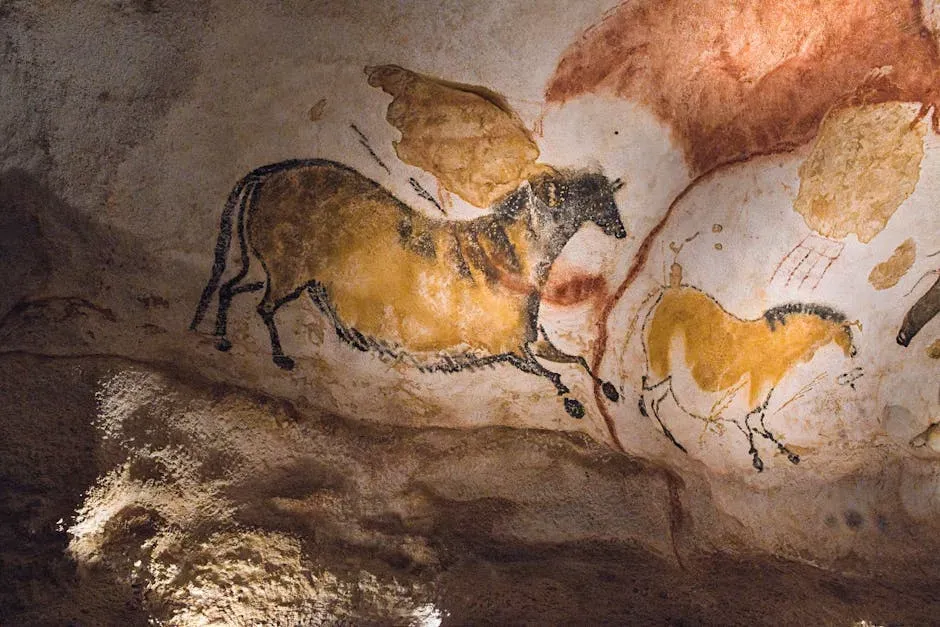
Animal figures always constitute the majority of images in caves from all periods. During the earliest millennia when cave art was first being made, the species most often represented were the most formidable ones, now long extinct, including cave lions, mammoths, woolly rhinoceroses, and cave bears. Later on, horses, bison, aurochs, and ibex became prevalent. The shift in subject matter over thousands of years is itself a kind of historical record.
Because the cave art found in Indonesia shared similarities with the cave art in western Europe, namely that early people seemed to have a fascination with animals and a propensity for painting abstractions of those animals in caves, many scientists now believe these impressive works are evidence of the way the human brain was developing in various and distant parts of the world around the same time. The same visual instincts appear to have surfaced independently across continents, which is genuinely remarkable.
Symbols and Proto-Writing: The First Information System
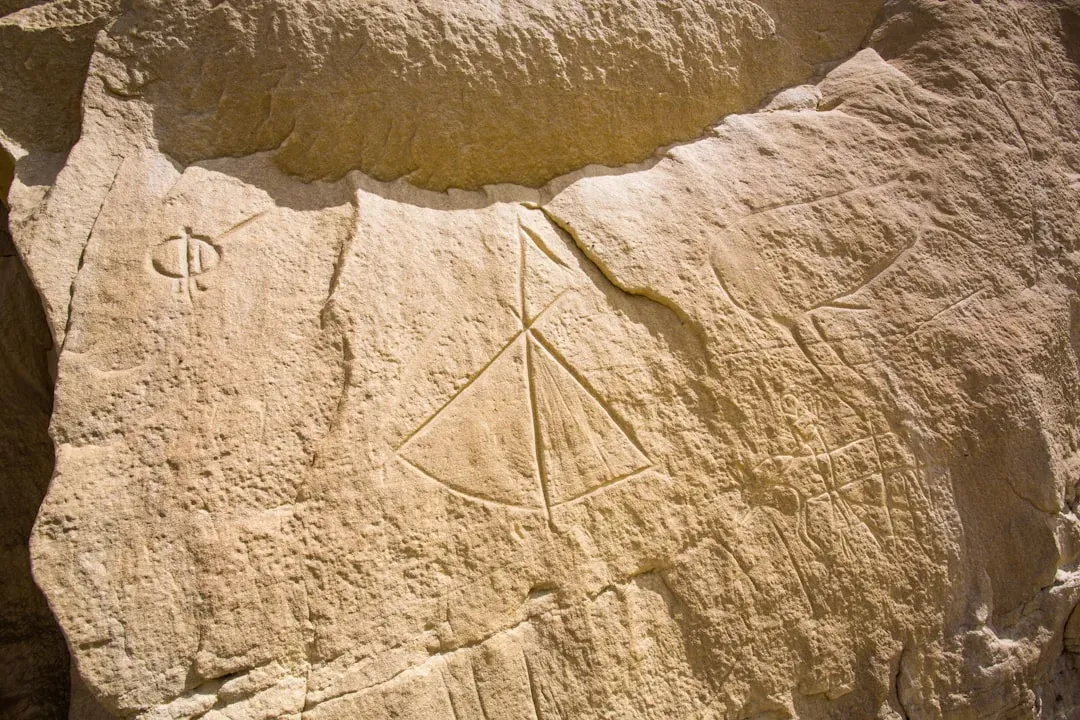
Some of the most overlooked elements in cave art are not the dramatic animal scenes but the recurring geometric marks. Across 30,000 years and the entire continent of Europe, a mere 32 signs repeated themselves over and over. That really small number tells you that they must have been meaningful to the people who were using them, because they were replicating them. This consistency is hard to explain as coincidence.
Research challenges conventional wisdom by revealing that two-thirds of the signs were already in use when humans arrived in Europe, suggesting the symbols are a continuation of an existing tradition rather than the start of something new. This radically moves back the plausible timeline for when humanity began creating and using symbols, and some of these signs could potentially be part of a larger system that people brought with them when they left Africa.
Analysis in 2022 suggested that lines and dots on upper Palaeolithic cave paintings correlated with the mating cycle of animals in a lunar calendar, potentially making them the earliest known evidence of a proto-writing system. If that interpretation holds, early humans were tracking time and animal cycles with a sophistication we’re only beginning to appreciate.
Storytelling in Stone: Narrative Thinking Before Language Was Written
Research findings published in the journal Nature suggest that humans have been using art to tell stories for much longer than previously believed. The artwork found in the limestone cave of Leang Karampuang, initially dated at 43,900 years old, was revealed by new research to be at least 51,200 years old, making it the oldest known narrative art in the world. What makes this painting exceptional is not just its age, but what it depicts.
The painting shows three human-like figures, known as therianthropes, interacting with a wild pig, and therianthropes, which are part-human, part-animal figures, are significant because they suggest an ability to imagine supernatural beings, a trait not observed in other archaic species. Imagining something that cannot exist in the physical world is a very specific cognitive leap. It is, in a sense, the beginning of fiction.
It is clear from the way that some paintings in certain caves are grouped that the artists were telling a story or narrative. Even if archaeologists cannot tell what an early artist was saying, they can see that the artist was using images purposefully to create a narrative for themselves or others. The intention to communicate is written right into the composition.
Spirituality and Ritual: Art as Connection to the Unseen
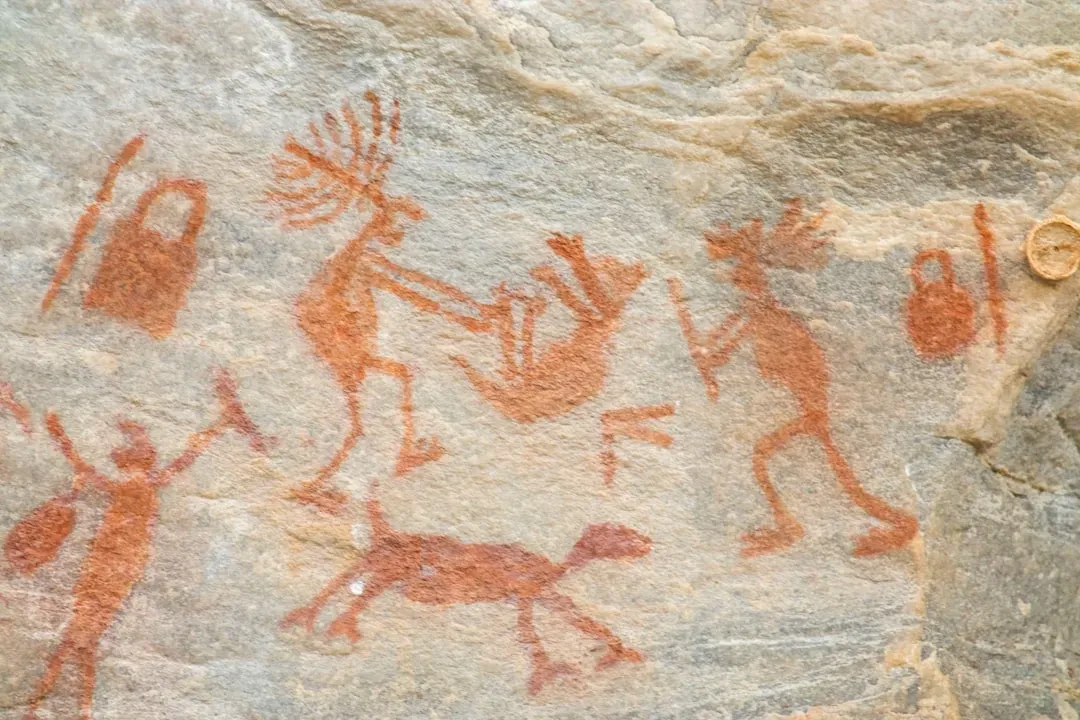
Cave art is generally considered to have a symbolic or religious function, sometimes both. The exact meanings of the images remain unknown, but some experts think they may have been created within the framework of shamanic beliefs and practices. The fact that many paintings were placed in deep, difficult-to-reach sections of caves reinforces this idea considerably.
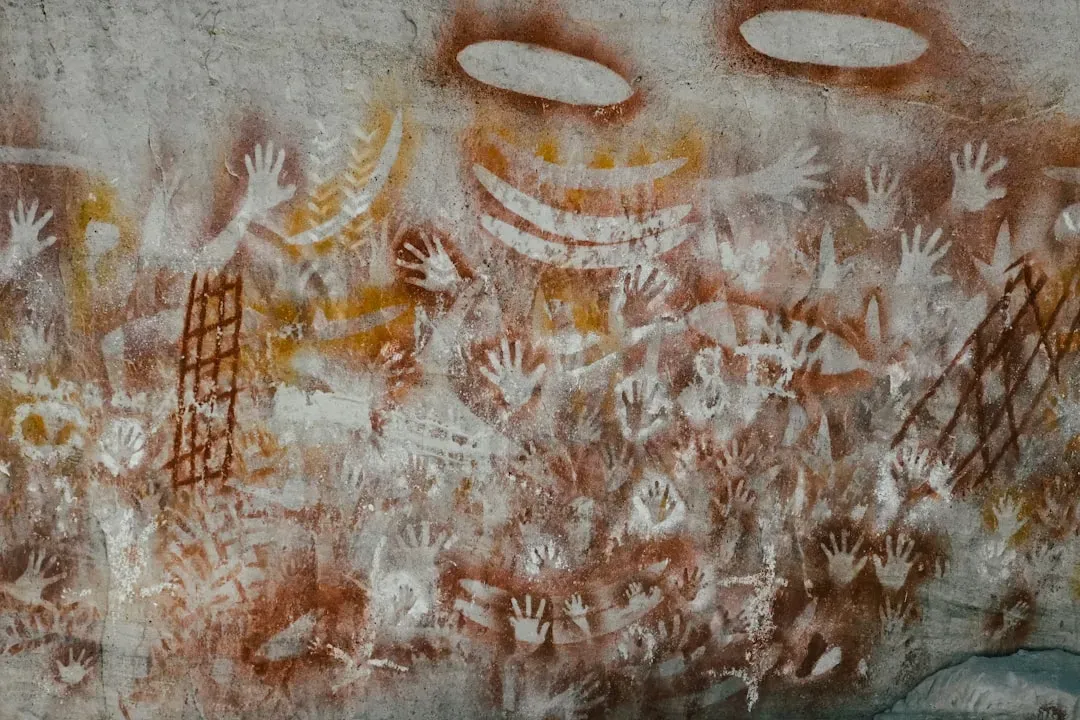
Many of the hand stencils appear in small recesses of the cave that are hard to reach, suggesting the person who made them had to prepare pigment and light before venturing into the cave to find the desired spot. The markings themselves are also interesting because they demonstrate symbolic thinking. This was not opportunistic scrawling. It was planned, intentional, and almost certainly meaningful.
Cave paintings such as those found in Lascaux and Altamira may have been part of shamanistic rituals or attempts to influence the success of future hunts by symbolically capturing the essence of the prey. Figurines like the Venus of Willendorf suggest a focus on fertility, motherhood, or deities, reflecting early humans’ deep connection to their environment and their attempts to understand and influence the world around them. Spirituality, it turns out, is a very old human habit.
Neanderthals as Artists: Rethinking Who Made Art
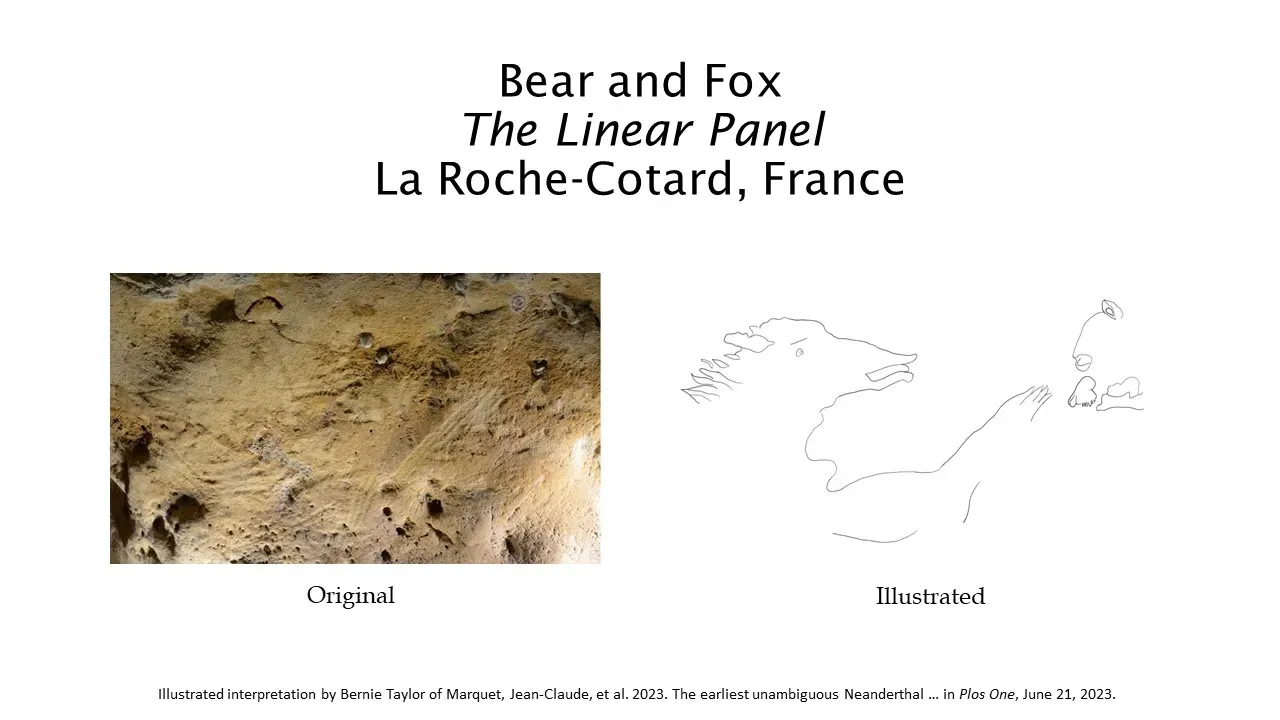
For a long time, the story of cave art was assumed to be a story about modern humans. That assumption has fractured considerably in recent years. In 2018, researchers announced the discovery of the oldest known cave paintings made by Neanderthals at least 64,000 years ago, in the Spanish caves of La Pasiega, Maltravieso, and Ardales. These were not crude marks. They were intentional, structured, and symbolic.
Several groups of scientists suggest that the oldest of such paintings were created not by Homo sapiens but by Denisovans and Neanderthals. Discussion around prehistoric art is important in understanding how human beings have come to have unique abstract thoughts, and some point to these prehistoric paintings as possible examples of creativity, spirituality, and sentimental thinking in prehistoric humans.
Research presents Neanderthals as cognitively close to modern humans and able to use symbolic elements to successfully interact with their environment. The line between “us” and our closest archaic relatives has been blurring steadily with each new discovery, and cave art is one of the places where that boundary dissolves most visibly.
Conclusion

Cave paintings are not relics of a simpler time. They are evidence of minds that were already fully capable of imagination, planning, symbolic communication, and spiritual thought. Art is not just something that is marginal to our culture, but central to the formation of our cognitive abilities. That insight, drawn from the study of the earliest marks humans ever made, reframes what these paintings actually are.
Early humans created cave paintings as a profound form of artistic expression that reflected their creativity, cultural identity, and burgeoning self-awareness. These artworks were not merely decorative but served as a means for individuals and communities to communicate their experiences, beliefs, and values. Every new site uncovered, every painting re-dated with better technology, adds another layer to a portrait of our ancestors that grows richer and more complex with time.
What the cave walls ultimately tell you is this: the urge to make meaning, to leave a mark, to say “I was here, and I saw something worth recording,” is not modern. It may be the oldest thing about us.