Every person alive today carries within their DNA a kind of silent travelogue. It records crossings over ancient land bridges, shelters found along coastlines that have since sunk beneath rising seas, and encounters with other human species that happened tens of thousands of years before anyone thought to write anything down. The story of how our ancestors spread across the globe is both remarkably well-documented and frustratingly incomplete.
What we do know is extraordinary. The journey began in Africa and ended, eventually, on every habitable continent on Earth. Along the way, your ancestors navigated climate shifts, competed for resources, and sometimes interbred with other hominin species whose bones we have barely found. This is that story.
Africa: Where the Journey Began
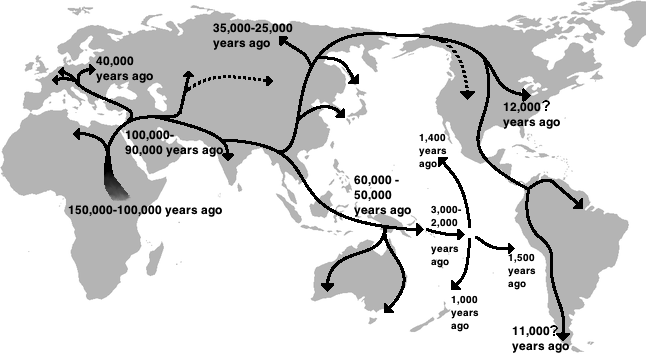
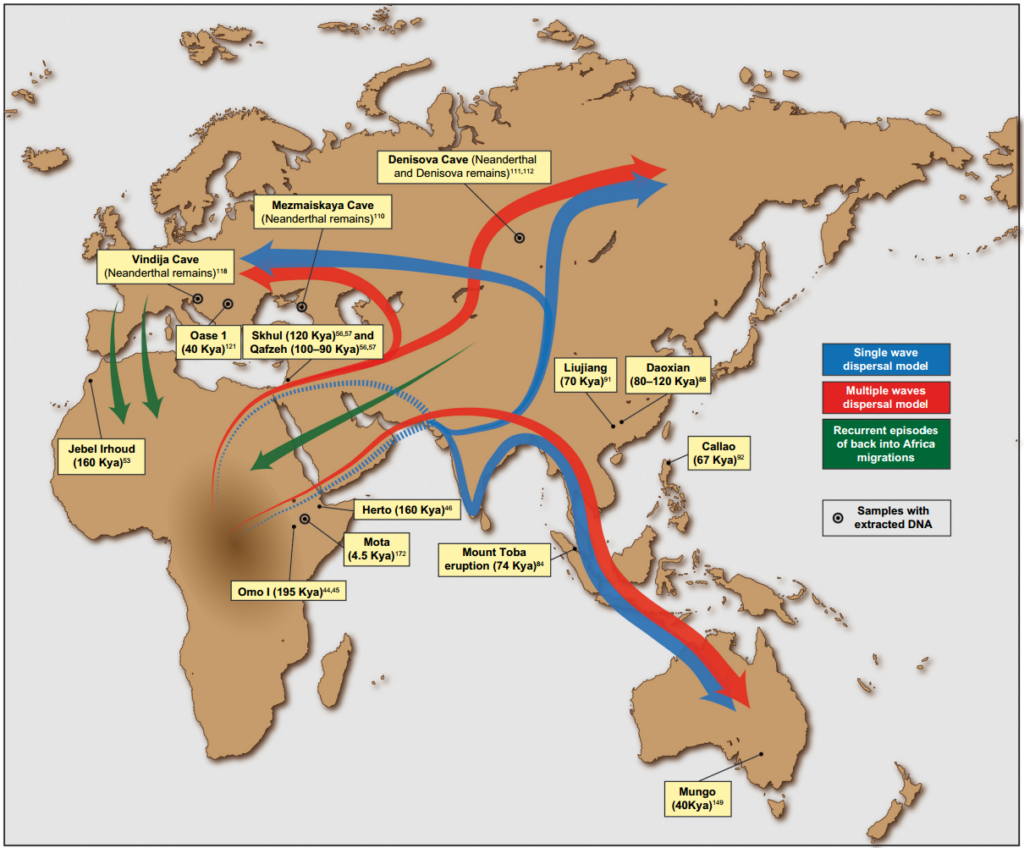
Modern humans evolved in Africa between roughly 300 and 200 thousand years ago and dispersed out of the continent in several stages. You might imagine a single dramatic exodus, a whole population deciding to leave at once. The reality was slower and far messier, more like a series of experiments in expansion than one grand departure.
Although the African origin of anatomically modern humans is now largely accepted, debate has continued over whether the modern form first arose in East, South, or North Africa. Support for an East African origin is provided by the discovery of the oldest unequivocally modern human fossils to date in Ethiopia, including the Herto fossils dated to between 160 and 154 thousand years ago. These fossils, found at a site called Herto Bouri, give researchers something concrete to anchor the story.
Today, all non-Africans are known to have descended from a small group of people that ventured into Eurasia after around 50 thousand years ago. However, fossil evidence shows that there were numerous failed dispersals before this time that left no detectable traces in living people. What made those earlier attempts fail is a question researchers have only recently begun to answer in detail.
Research shows that humans greatly increased the breadth of habitats they were able to exploit within Africa before the expansion out of the continent. This increase in the human niche may have been a result of greater contact and cultural exchange, allowing larger ranges and the breakdown of geographic barriers. In other words, you had to learn to survive almost anywhere in Africa before you could survive anywhere else.
The Great Exit: Crossing into Eurasia
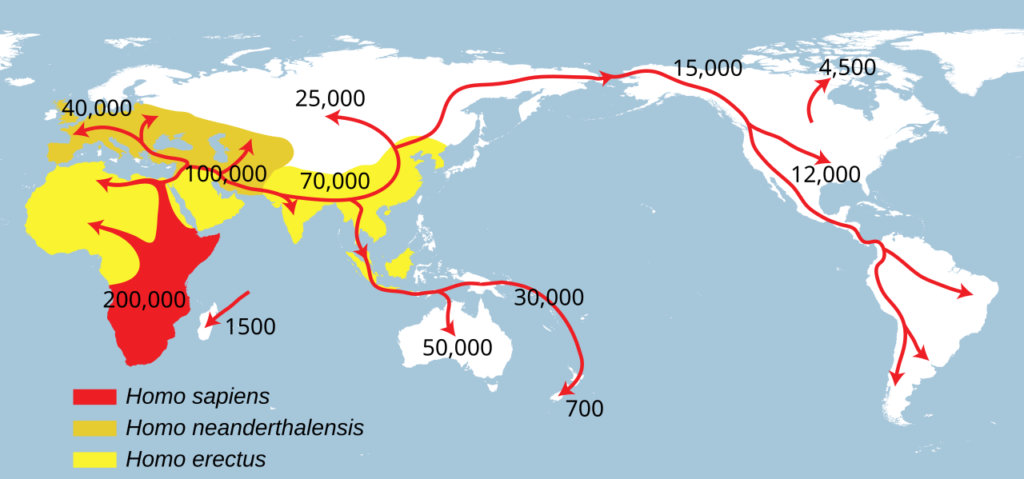
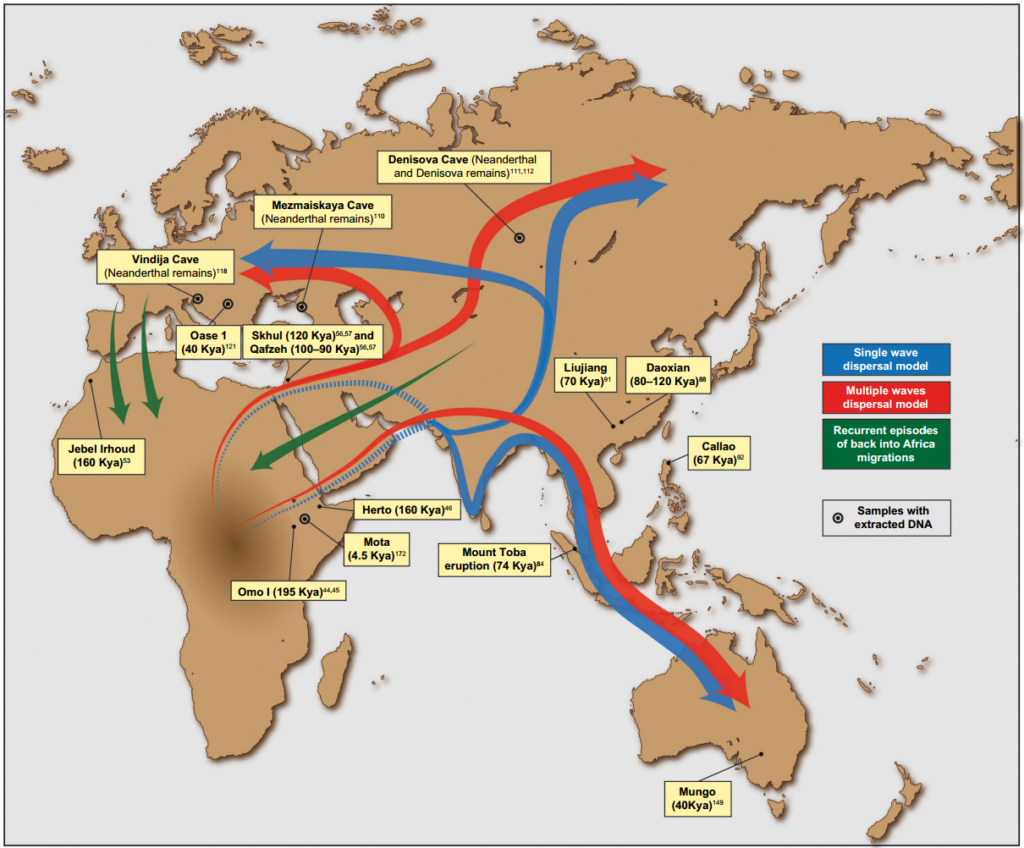
Whilst an African origin of modern humans is well established, the timings and routes of their expansions into Eurasia are the subject of heated debate, due to the scarcity of fossils and the lack of suitably old ancient DNA. Pinning down exactly where and when early humans crossed is one of archaeology’s most contested puzzles.
The oldest known Homo sapiens fossils outside of Africa come from caves in Israel, including Misliya, dated to about 180,000 years old, Skhul at about 90,000 years old, and Qafzeh at about 120,000 years old. These finds tell you that humans were testing the doors of Africa long before the major expansion that gave rise to all non-African populations today.
A study combining genetic, palaeoecological, and archaeological evidence has unveiled the Persian Plateau as a pivotal geographic location serving as a hub for Homo sapiens during the early stages of their migration out of Africa. Think of it as a waystation, a place where populations gathered, grew, and then fanned out in multiple directions across the ancient world.
A multidisciplinary analysis demonstrates that while the relative importance of environmental factors varies across regions, your ancestors traveled primarily through warm and humid areas containing a mix of forest and grasslands near rivers. It wasn’t random wandering. They followed the food, the water, and the terrain that kept them alive.
Reaching Asia: 60,000 Years of Footprints
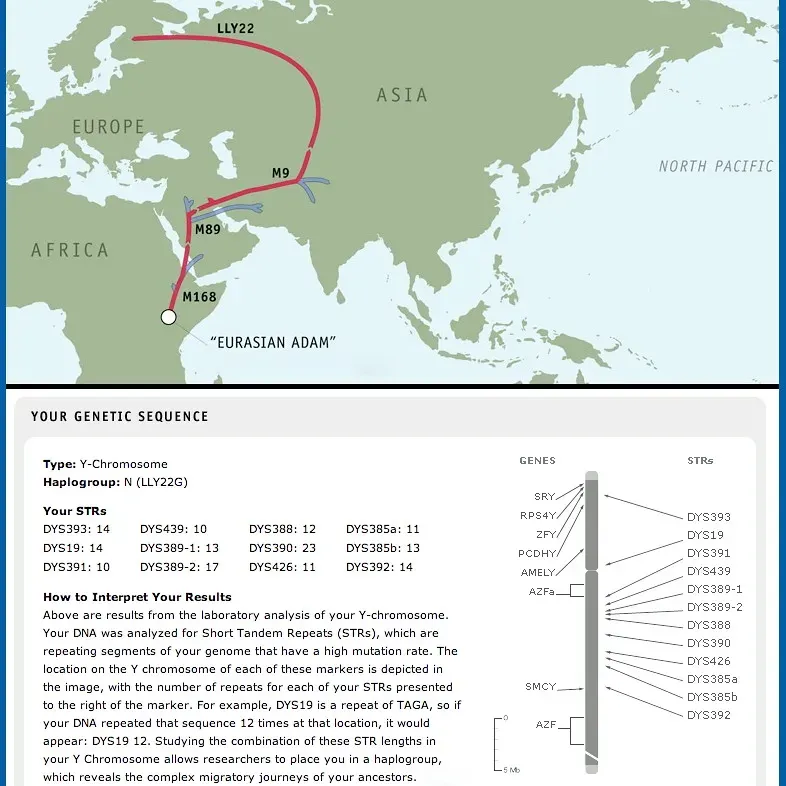
In broad outline, scientists believe that from their beginnings in Africa, modern humans went first to Asia between 80,000 and 60,000 years ago. By 45,000 years ago, or possibly earlier, they had settled Indonesia, Papua New Guinea, and Australia. The speed of that spread, when you think about it on a human scale, is almost impossible to visualize. Generation after generation, small bands kept moving.
A report in BMC Biology indicates that modern humans first arrived in southern East Asia 60,000 years ago and settled the rest of East Asia from there. This early date and migration route has significant implications for our understanding of the origins of present-day human populations. What is particularly striking is that this southward route into Asia appears to have been the primary corridor, preceding the later spread into northern and central Asia by many thousands of years.
The migration route to East Asia must have passed through the Indian subcontinent. Genetic diversity in present-day India is second only to that in Africa and implies settlement soon after humans left Africa. When you look at a genetic map of South Asia, you’re looking at one of the oldest human populations outside the African continent.
In northern Asia, migration routes followed major rivers to cope with harsher climates before reaching Beringia, a currently submerged land bridge between Siberia and Alaska, approximately 34,700 years ago. Rivers weren’t just sources of water. They were ancient highways through landscapes that would otherwise have been impossible to cross.
Into Europe: Encounters with Neanderthals
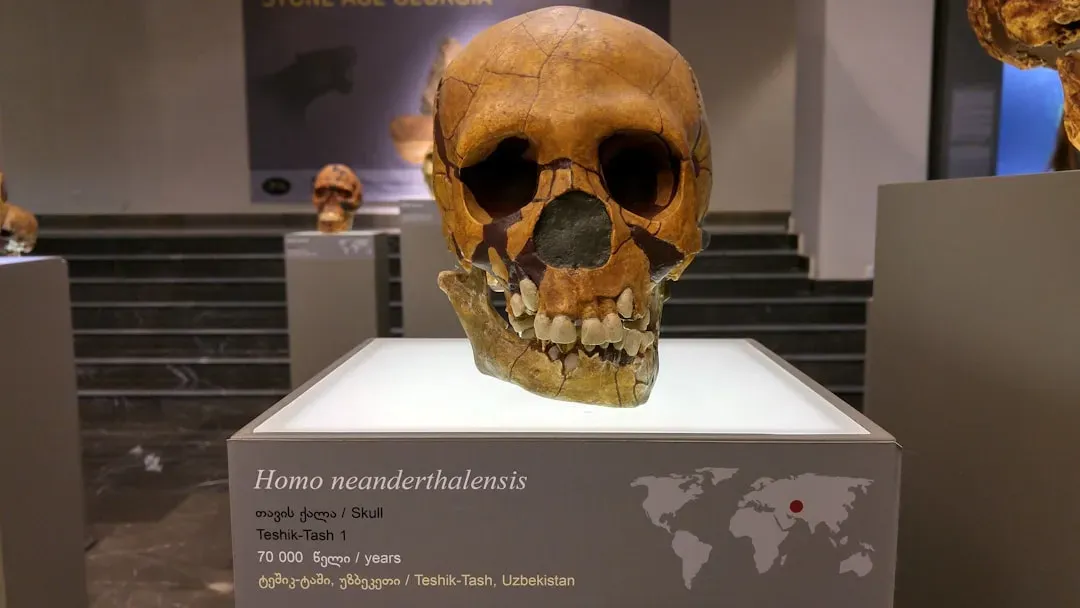
The recent expansion of anatomically modern humans reached Europe around 40,000 years ago from Central Asia and the Middle East, as a result of cultural adaptation to big game hunting of sub-glacial steppe fauna. Europe was not an empty continent waiting to be discovered. It already had inhabitants, and what happened next between the two groups is one of the most debated chapters in human prehistory.
In Europe, humans likely first spread from the Fertile Crescent through the Caucasus Mountains into Scandinavia approximately 48,300 years ago and into Western Europe around 44,100 years ago, following warmer and wetter conditions. Climate shaped the routes. Warmer, wetter corridors made the journey survivable, while harsher regions blocked passage for thousands of years at a time.
Interbreeding between archaic humans such as Neanderthals and anatomically modern humans took place during the Middle Paleolithic and early Upper Paleolithic. It has been revealed via genomic sequencing that all modern human populations outside of Africa today carry approximately one to four percent Neanderthal DNA, which is a result of genetic admixture that occurred after modern humans migrated out of Africa. That small percentage is still present in your genome if your ancestry traces outside of Africa.
Sequencing ancient DNA from fossils found in central Germany has revealed that the two species mixed during a single sustained period between 45,000 and 50,000 years ago. It wasn’t a one-time meeting. It was an extended period of contact, cohabitation, and, occasionally, interbreeding across several generations of overlapping populations.
The Denisovan Enigma: A Hidden Chapter in Human DNA
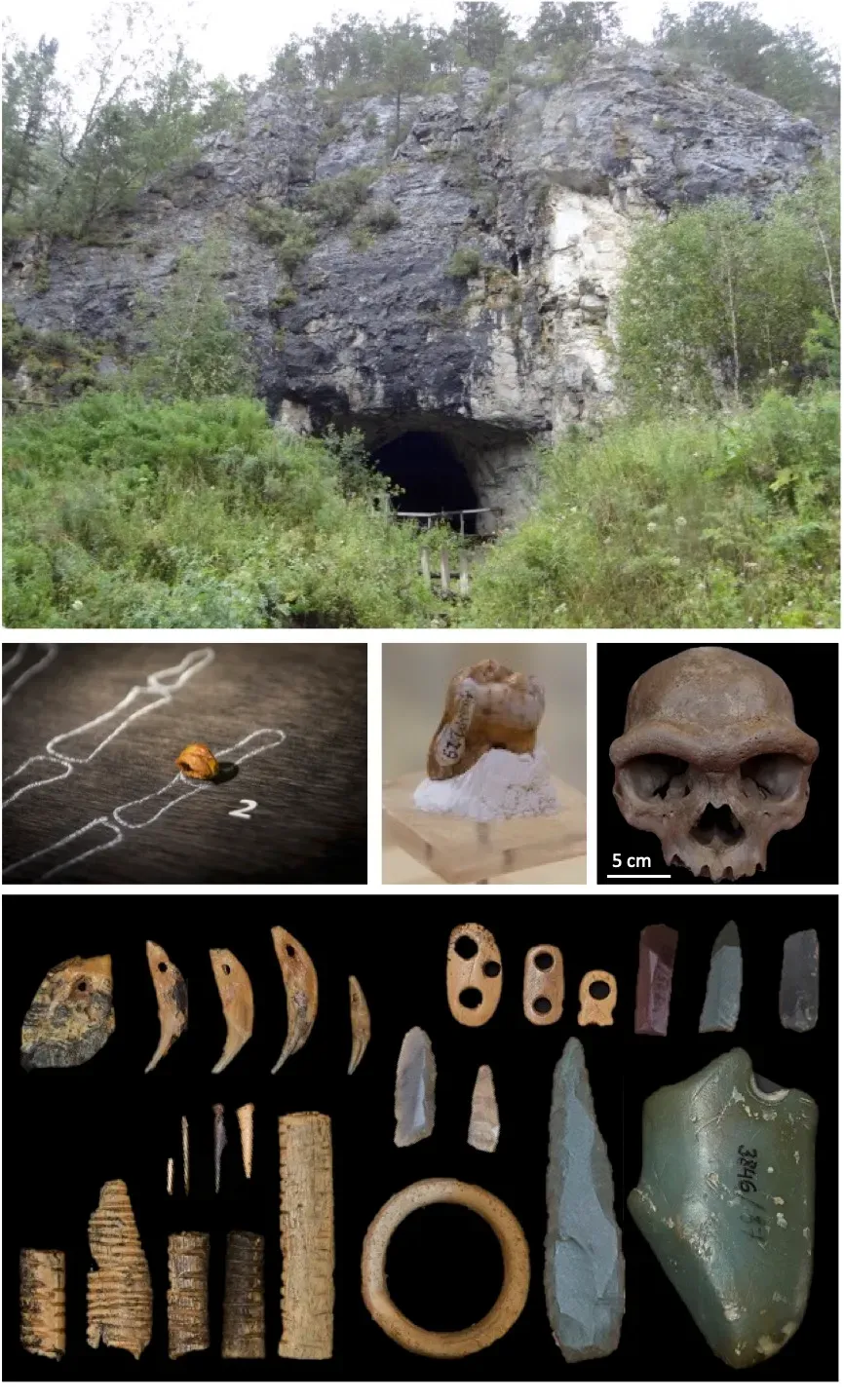
Genetic analysis of a finger bone found in Denisova Cave in the Altai Mountains of Siberia revealed it came from a previously unknown hominin group. This group, now known as the Denisovans, also interbred with modern humans. The discovery was made with almost nothing to go on physically. A single finger bone changed everything scientists thought they understood about the human family tree.
Multiple interbreeding events with distinct Denisovan populations helped shape traits like high-altitude survival in Tibetans, cold-weather adaptation in Inuits, and enhanced immunity. Their influence spanned from Siberia to South America, and scientists are now uncovering how these genetic gifts transformed human evolution, even with such limited physical remains. You might carry some of that genetic inheritance yourself, depending on where your family line comes from.
Comparison of the Denisovan genome to various modern human populations shows up to four to six percent contribution from Denisovans in non-African modern human populations. This concentration is highest in people from Papua New Guinea and Oceania. It makes sense that interbreeding would appear in these Southeast Asian and Pacific Island communities, as their ancestors migrated from mainland Asia where Denisovan fossils have been found.
Evidence suggests that several Denisovan populations, who likely had an extensive geographical range from Siberia to Southeast Asia and from Oceania to South America, were adapted to distinct environments. Researchers have further outlined a number of genes of Denisovan origin that gave modern day humans advantages in their different environments. These weren’t random genetic accidents. They were adaptations that helped your ancestors survive places that would otherwise have been uninhabitable.
Crossing into the Americas: The Last Great Frontier
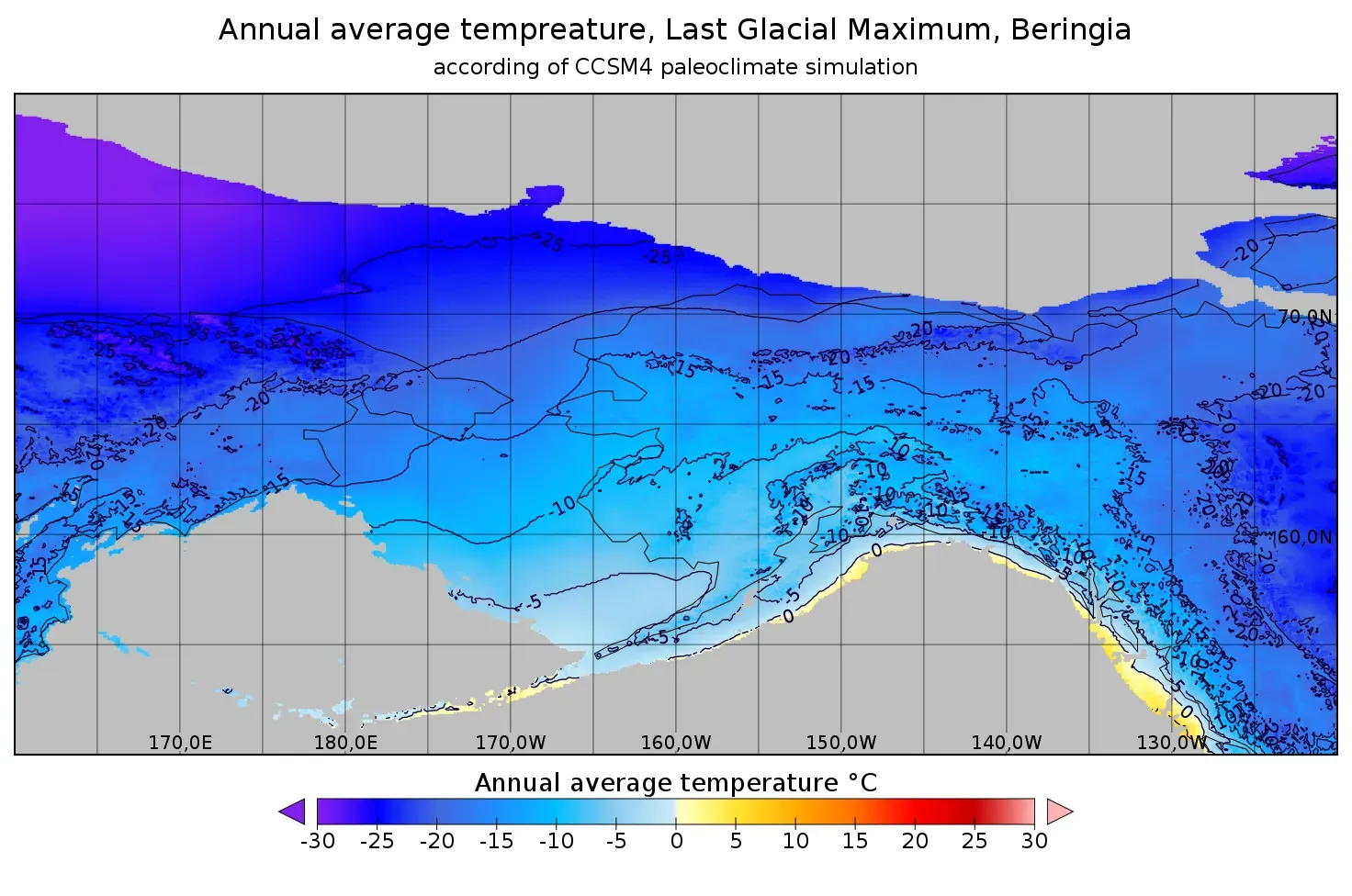
Paleo-Indians originated from Central Asia, crossing the Beringia land bridge between eastern Siberia and present-day Alaska. This was the final continental frontier. By the time humans reached the Americas, they had already spent tens of thousands of years adapting to nearly every other environment on Earth, from African savannahs to Siberian tundra.
Conventional estimates have it that humans reached North America at some point between 15,000 and 20,000 years ago. The traditional theory is that these early migrants moved when sea levels were significantly lowered due to the Quaternary glaciation, following herds of now-extinct Pleistocene megafauna along ice-free corridors that stretched between the Laurentide and Cordilleran ice sheets. Think of it as following your food supply across the roof of the world.
The route, often referred to as the “kelp highway,” is found along the Pacific coast from Japan to Mexico. Archaeological and genomic data are also consistent with the concept that the Americas were colonized between 24,000 and 15,000 years ago by humans who followed this North Pacific coastal corridor from Northeast Asia to the Americas. Two routes, one inland and one coastal, both leading toward the same destination.
In North America, humans initially migrated along the Pacific coast around 16,000 years ago, and then approximately 3,000 years later, moved inland through the ice-free corridor by the Mackenzie River. In South America, migration followed wetter grasslands bordering the Amazon, leveraging connectivity provided by major rivers by 14,800 years ago. Within a few thousand years of entering the continent, your ancestors had reached the southern tip of South America, an extraordinary feat by any measure.
Reading the Journey Through DNA
Ancient DNA has emerged as a powerful tool for studying human migration through the detection of admixture signatures. What bones and tools can only hint at, genetics can sometimes spell out with remarkable precision. The field has transformed what researchers thought was knowable about the deep past.
Geneticists have even been able to use haplogroups to trace all living maternal lines back to one ancient ancestor, known as Mitochondrial Eve. While she wasn’t the first woman, she was the only one of her contemporaries whose maternal line survived to the present day. You can follow the motherline of every single living human today back to Mitochondrial Eve. Based on current evidence, she likely lived in Africa somewhere between 100,000 and 230,000 years ago.
Today, the oldest mitochondrial DNA haplogroups are found in Africa. The first haplogroups were L1, L2, and L3, and they gave rise to other macro-haplogroups and branches of the global phylogenetic tree during the migration waves from Africa all over the world. Every branch of that tree corresponds to a population that took a different path across the ancient landscape.
Ancient DNA makes clear that prehistoric ancestors were not nearly as homebound as once thought. As one researcher explains, there was a longstanding view that migration is a very rare process in human evolution. The ancient DNA tells a very different story. The assumption that present-day people are directly descended from people who always lived in the same area is wrong almost everywhere. Migration, it turns out, was not the exception in human prehistory. It was the rule.
Conclusion
What the evidence reveals, taken as a whole, is not a single tidy march across the map but rather a restless, adaptive, and deeply human tendency to keep moving. Your ancestors crossed deserts and mountain ranges, sailed stretches of open ocean, survived ice ages, and occasionally encountered and mixed with other species of humans who have since vanished from the earth entirely.
The most striking detail is perhaps the simplest one. Every person alive today is the descendant of survivors, of those who made it through bottlenecks, droughts, and journeys no map could have prepared them for. That resilience isn’t just history. The amount of genetic diversity in present-day populations is a useful variable for inferring geographic origins and migration routes, with Africa pinpointed as the homeland of Homo sapiens because of the higher genetic diversity among Africans compared with populations elsewhere in the world, while the last geographic regions to be settled show the lowest genetic diversity. The journey wrote itself into the very structure of who you are.