
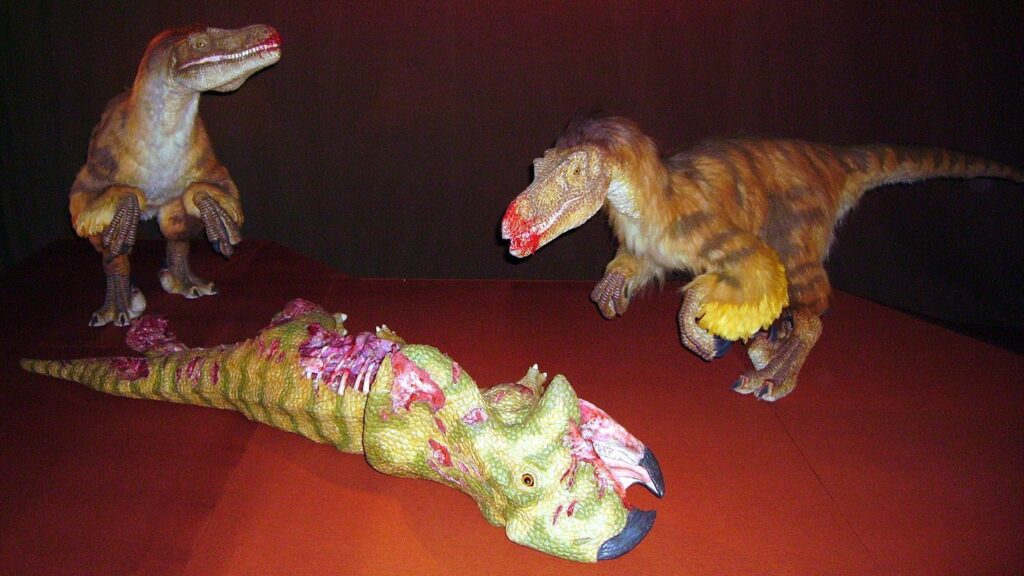
You probably picture a Tyrannosaurus rex tearing into a Triceratops, or a long-necked Brachiosaurus grazing peacefully among ferns. Those images aren’t entirely wrong, but they’re incomplete. The reality of what dinosaurs ate is far messier, more nuanced, and more fascinating than any Hollywood scene has managed to capture.
Over recent years, new fossils, reanalyses of famous specimens, and the use of increasingly sophisticated tools have continued to upend what we thought we knew about how these animals lived, moved, fed, and evolved. Paleontology keeps rewriting the menu. The more scientists dig, the stranger and more complex the story becomes.
How Scientists Figure Out What Dinosaurs Ate
Reconstructing a diet from bones alone takes real detective work. Knowledge about dinosaurs is derived from a variety of fossil and non-fossil records, including fossilized bones, feces, trackways, gastroliths, feathers, impressions of skin, internal organs, and other soft tissues. Each of these evidence types tells a slightly different part of the story.
Researchers have used an advanced X-ray technique known as synchrotron radiation to scan the interior of fossil feces, allowing them to create extremely detailed virtual three-dimensional models where they could observe plant fragments and animal remains that the dinosaurs had consumed. When you combine that kind of evidence with tooth shape, bite marks on bones, and preserved stomach contents, you start to build something genuinely reliable.
The First Dinosaurs Weren’t Picky Eaters
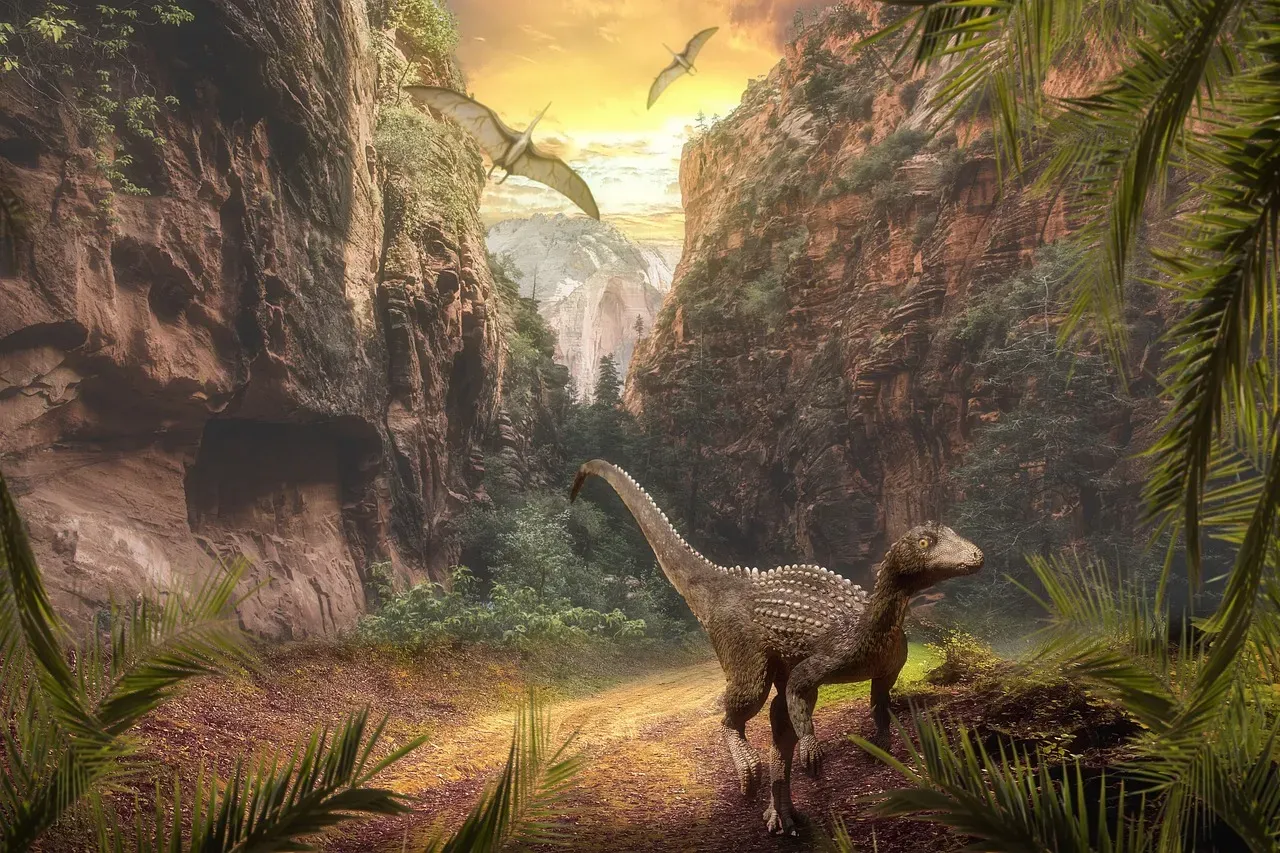
Carnivory is the most plausible ancestral diet of dinosaurs, though omnivory is equally likely under certain evolutionary scenarios. This early dietary diversity was fundamental in the rise of dinosaurs to ecological dominance, with early dinosaurs evolving diverse tooth shapes and mechanics as adaptations to different diets, ensuring their success. That’s a striking starting point: the lineage that would eventually include gentle giants like Diplodocus began, in all likelihood, eating meat.
Research findings show that many groups of plant-eating dinosaurs were ancestrally omnivorous, and that the ancestors of famous long-necked herbivores such as Diplodocus ate meat. Obligate herbivory was a late evolutionary innovation in both major dinosaur clades. The shift to plant-eating, it turns out, was something that had to be earned over millions of years of evolution.
The Plant Eaters: Giants Built on Greens
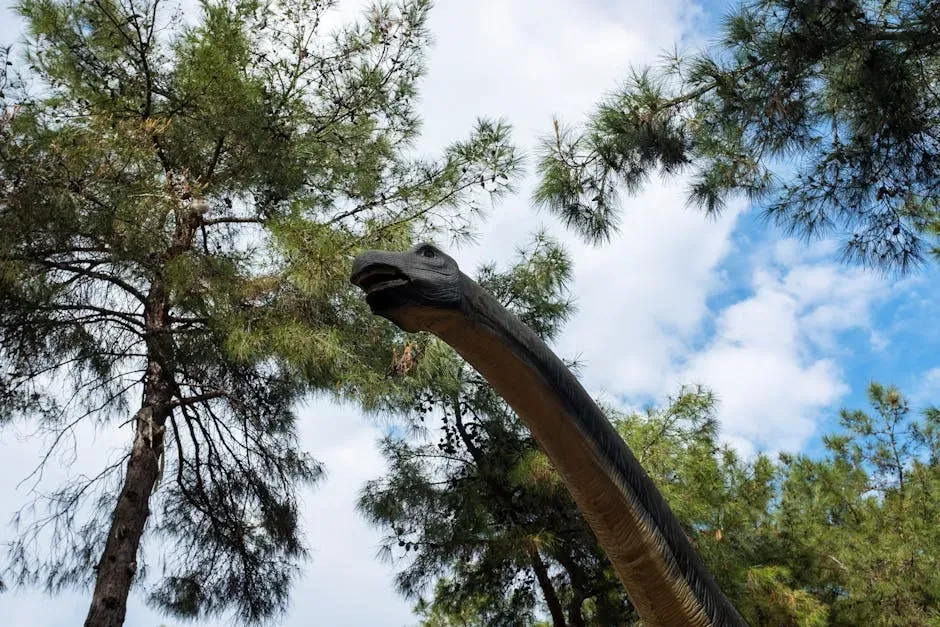
Gigantic, four-legged, long-necked plant-eating sauropod dinosaurs of the Jurassic and Cretaceous periods, such as Brachiosaurus, were the largest animals to ever walk the Earth, weighing up to 70 metric tons, equivalent to about 12 African elephants. Sustaining that kind of body mass on vegetation alone required some remarkable biological engineering. Many sauropods had long necks that allowed them to reach into the treetops to feed on leaves and branches, while others such as hadrosaurs had batteries of teeth that could be continuously replaced to handle the constant chewing of hard plant material.
Many plants we see today were eaten by herbivorous dinosaurs. Soft and spongy moss, spindly and fragrant pine trees, and Ginkgo biloba, one of the oldest living tree species in the world, made it onto their plates. Dinosaurs like Stegosaurus, Triceratops, Ankylosaurus, and hadrosaurs dined on plants. The sheer variety of vegetation on offer shaped which dinosaurs thrived where, and understanding that plant menu tells us a great deal about prehistoric ecosystems as a whole.
Inside Judy’s Stomach: A 95-Million-Year-Old Last Meal
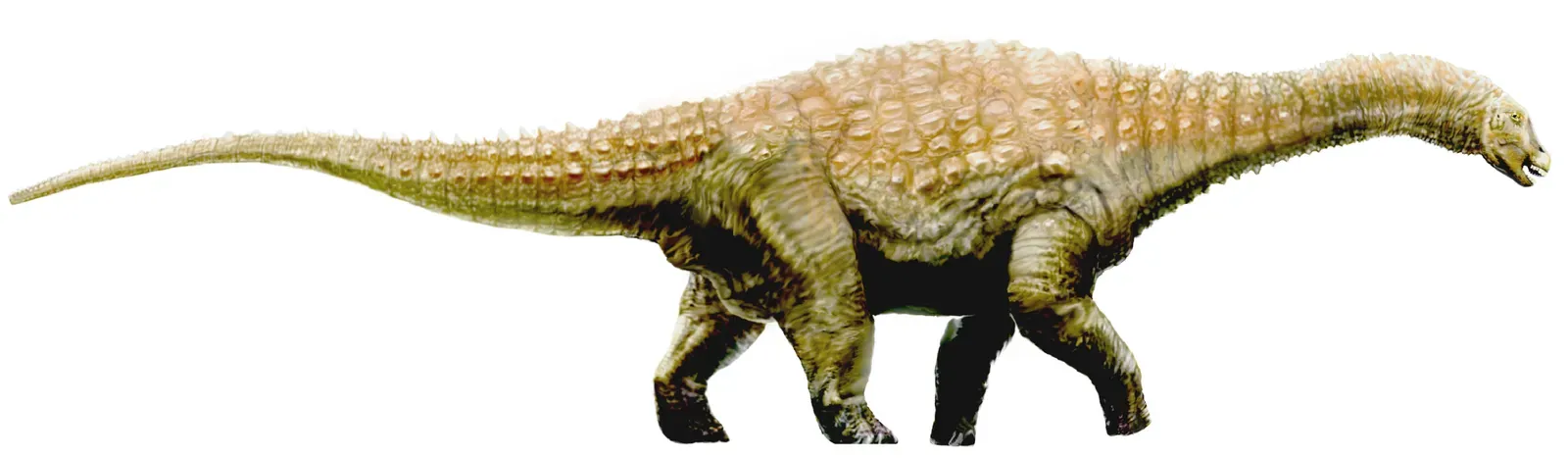
For the first time, scientists pieced together the diverse diet of a sauropod species, using advanced technology to assess fossilized stomach contents that make up the dinosaur’s last meal, which took place around 95 million years ago. Researchers from Curtin University used micro-computed tomography, synchrotron scanning, neutron tomography, geochemical and mineral analyses, and X-ray diffraction to determine what the young Australian sauropod Diamantinasaurus matildae, known as Judy, had eaten before death. It was a scientific first, and the results were illuminating.
Within Judy’s stomach contents, the research team found pinnules and bracts from tall conifer trees, along with leaves and fruiting bodies from smaller seed ferns and flowering plants. Sauropods were confirmed as bulk-feeders, a method still used by herbivorous reptiles and birds today, meaning they would not have chewed their food but instead swallowed it whole and let their digestive system do the rest of the work. A meal could linger in their digestive tract for up to two weeks before waste was excreted.
Carnivores: Teeth, Tactics, and Territory
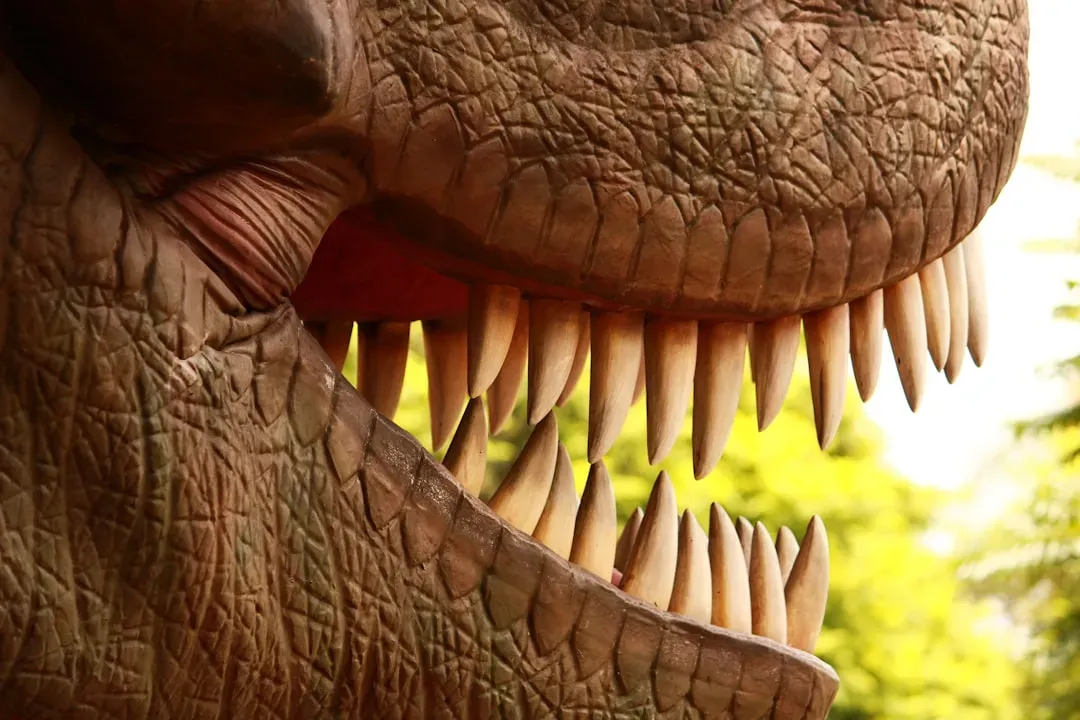
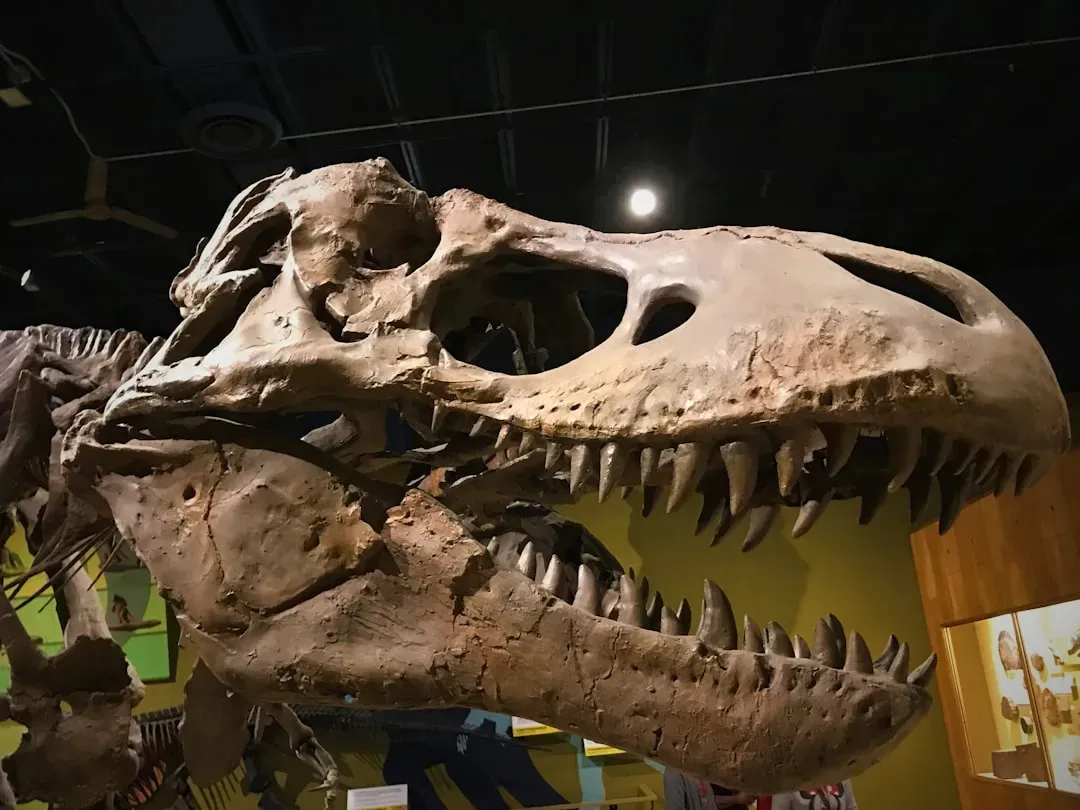
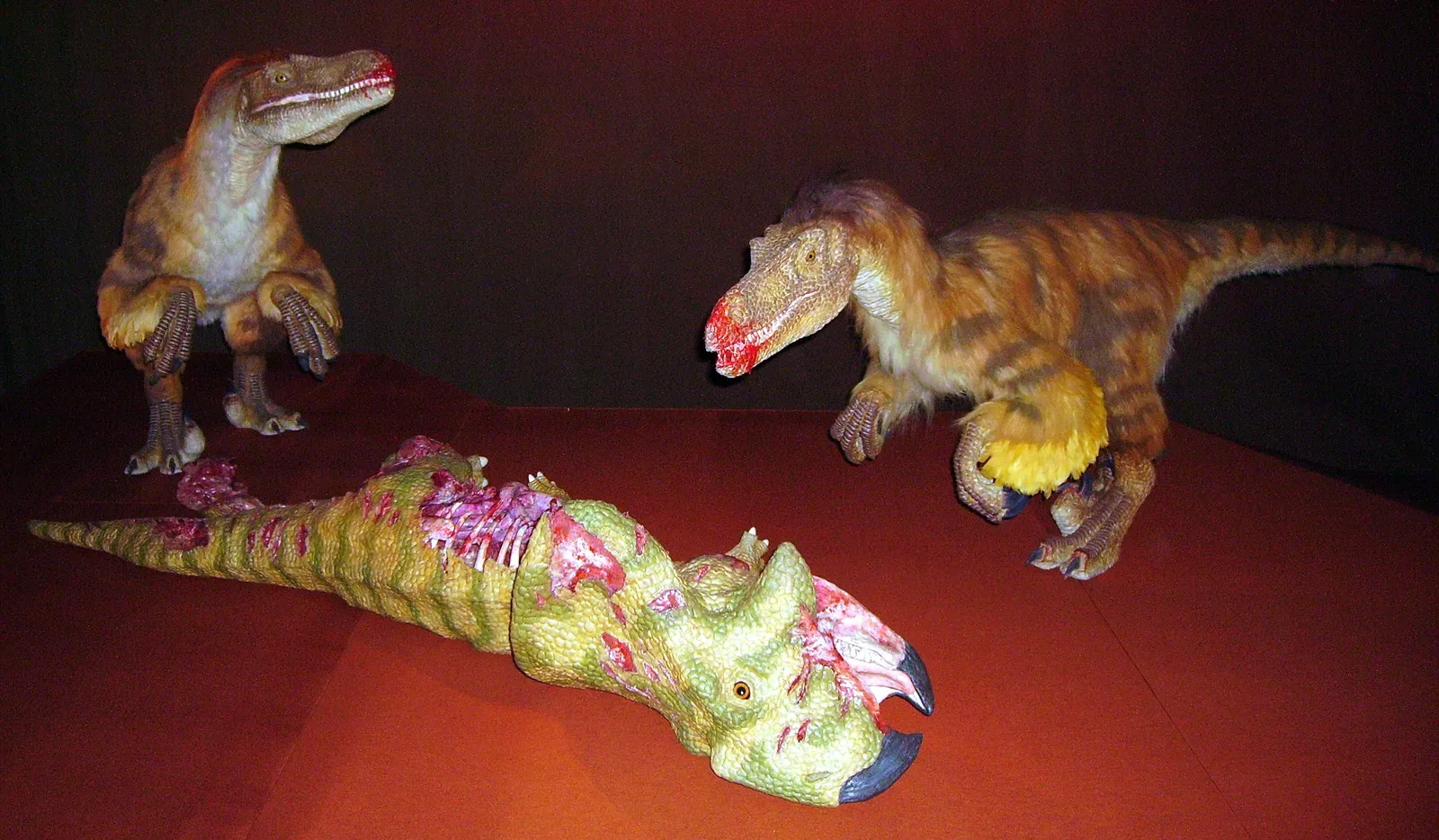
While herbivorous dinosaurs typically had flat teeth for stripping and grinding plants, most carnivorous dinosaurs had sharp teeth that made it easier to cut to the meat of their prey. Meat was considerably easier to digest. Some carnivorous dinosaurs feasted on lizards, turtles, early mammals, and dead animals, while others like Tyrannosaurus rex also went after living herbivorous and carnivorous dinosaurs.
Carnivores like Allosaurus and Eutretauranosuchus showed an overlap in calcium isotope values in their tooth enamel, which could mean that they ate some of the same things. However, the results also suggested that Eutretauranosuchus was more likely to have eaten fish, while Allosaurus primarily ate herbivorous dinosaurs. Even among apex predators, individual species carved out surprisingly specific feeding niches within the same ecosystem.
Was T. rex a Hunter or a Scavenger?
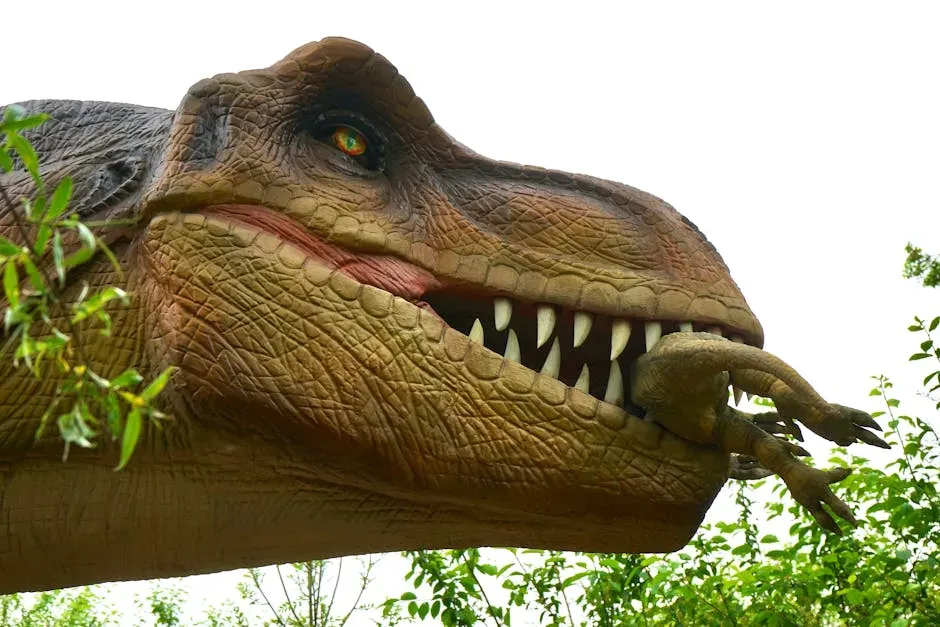
Few questions in paleontology have stirred as much public debate. The predator-versus-scavenger dichotomy turns out to be too simple. T. rex was both a hunter and a scavenger, as most large carnivores are. It is extremely unlikely that an adult T. rex could have used scavenging as a long-term sustainable foraging strategy. Tyrannosaurus was the biggest meat-eating dinosaur within its ecosystem and certainly would have dominated any carcass it came across, but the likelihood of reaching a carcass before its destruction at the jaws of smaller, faster dinosaurs was low.
Physical evidence of dental penetration and extensive infection of fused vertebral bones, along with healing, documented an unsuccessful attack by a large predator. A tooth crown discovered within the wound permitted identification of the predator as T. rex, providing unambiguous evidence that T. rex was an active predator. The question, in other words, was never really whether it hunted. The evidence is simply too clear to deny it.
The Surprising World of Omnivorous and Flexible Feeders
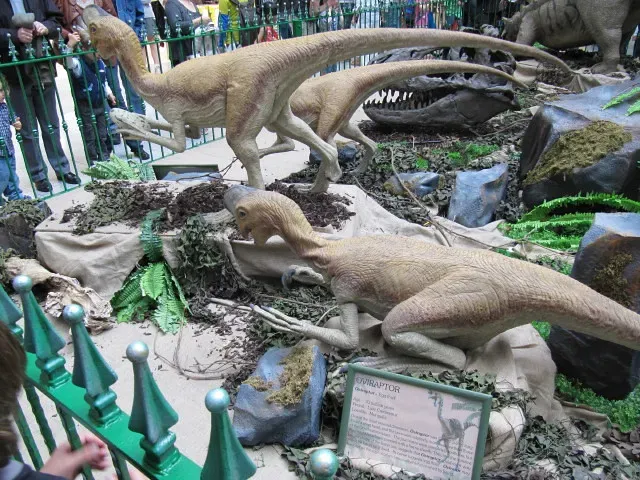
Omnivorous dinosaurs had a varied diet that included both plants and meat. This flexibility allowed them to adapt to different environments and survive in conditions where food resources could be limited. Some dinosaurs even ate insects, fish, and crustaceans, including certain herbivorous dinosaurs, indicating that even the plant-eaters mixed things up. The line between herbivore and omnivore was often thinner than the fossil record first suggested.
The results of coprolite research show that dinosaur evolution was not a linear process but rather a series of successive adaptations to an ever-changing environment. From small predators to the giants we know today, their evolutionary success was tied to their ability to diversify their diets and adapt to new environmental conditions. Sauropod tooth scratches reveal that some dinosaurs migrated seasonally, others ate a wide variety of plants, and climate strongly shaped their diets. Feeding behavior and geography were deeply connected.
Conclusion: A Menu Still Being Written
You might think that after nearly two centuries of dinosaur science, the basic question of what they ate would be settled. It isn’t, and that’s genuinely exciting. Dinosaurs may be long extinct, but 2025 made it abundantly clear that they’re anything but settled science. New fossils, reanalyses of famous specimens, and the use of increasingly sophisticated tools have continued to upend what we thought we knew about how these animals lived, moved, fed, and evolved.
For an ancient ecosystem to have supported so many enormous dinosaurs with such specific dietary preferences helps paint a picture of the vegetation and plant productivity of the time. Every new fossil, every scanned coprolite, every worn tooth enamel sample adds another brushstroke to that picture.
The dino diet isn’t just a curiosity. It’s a window into how life organizes itself, how ecosystems balance predator and prey, and how even the most formidable creatures on Earth were ultimately shaped by what they could find to eat. That story, written in stone and bone, is still very much unfolding.