Consider what you’re dealing with when you look at the oldest fossils on Earth: objects that hold evidence of life from a time when there were no animals, no plants, no oxygen worth breathing, and no continents as you know them today. The planet was alien in almost every sense. Yet something was alive, quietly building and replicating in warm, mineral-rich seas under a pale, young sun.
The search for signs of Earth’s earliest life isn’t quite like looking for dinosaur bones protruding out of desert outcrops. The oldest species on our planet were microscopic, nothing more than tiny specks. Fossils of the earliest life forms provide critical insights into the origins and evolution of life on Earth, dating back billions of years. What you’ll find in these twelve remarkable specimens is a story that rewrites assumptions, challenges definitions, and stretches the imagination far beyond anything a textbook summary could adequately capture.
1. The Dresser Formation Stromatolites, Western Australia
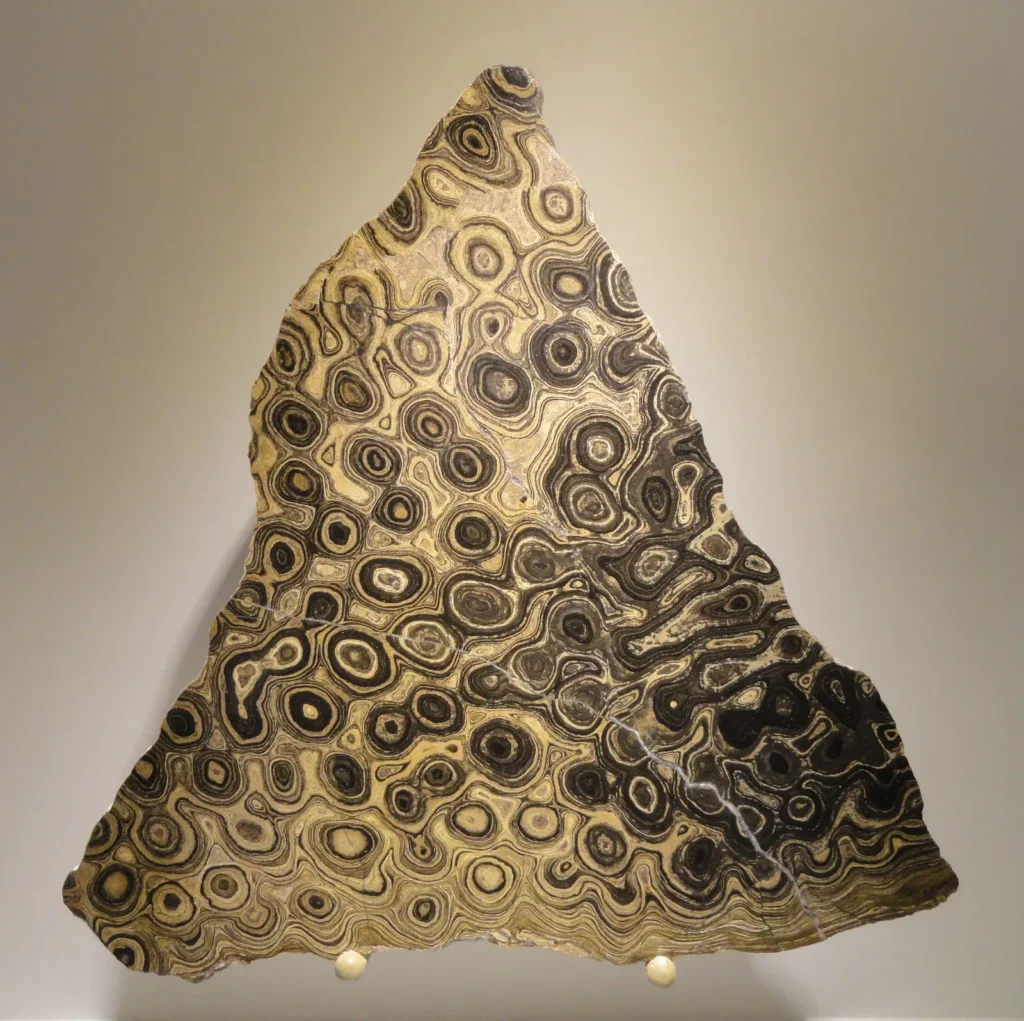
If you want to find the most direct, widely accepted evidence of ancient life on Earth, you start in Western Australia. The earliest direct known life on Earth are stromatolite fossils which have been found in 3.48-billion-year-old geyserite uncovered in the Dresser Formation of the Pilbara Craton of Western Australia. That number alone is almost incomprehensible – these structures were already ancient before complex animals had any reason to exist.
The earliest direct evidence of life are stromatolites found in 3.48-billion-year-old chert in the Dresser Formation of the Pilbara Craton. Several features in these fossils are difficult to explain with abiotic processes, for example, the thickening of laminae over flexure crests that is expected from more sunlight. Sulfur isotopes from barite veins in the stromatolites also favor a biologic origin. However, while most scientists accept their biogenicity, abiotic explanations for these fossils cannot be fully discarded due to their hydrothermal depositional environment and debated geochemical evidence.
2. The Apex Chert Microfossils, Pilbara, Western Australia
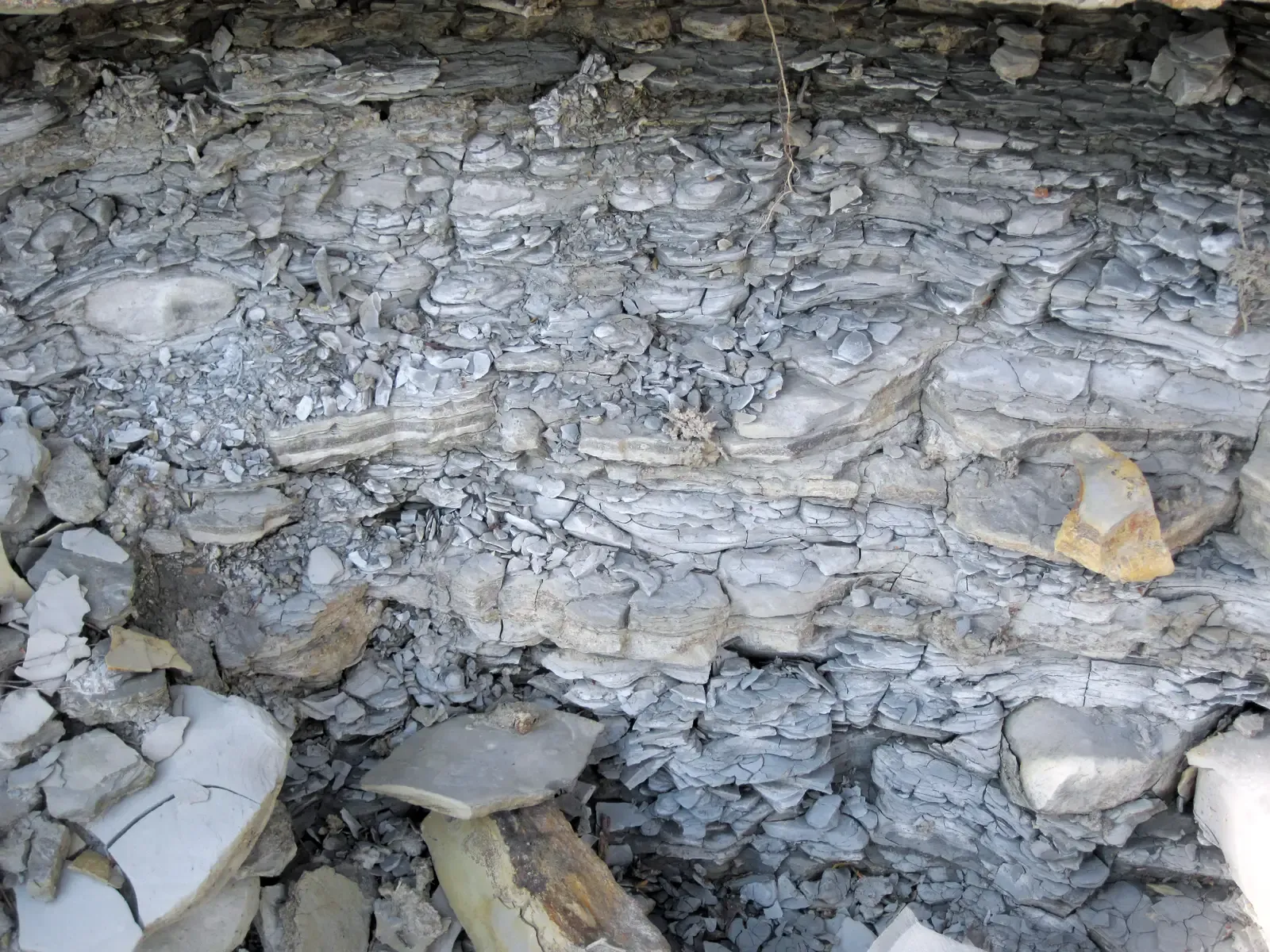
Researchers at UCLA and the University of Wisconsin-Madison have confirmed that microscopic fossils discovered in a nearly 3.5-billion-year-old piece of rock in Western Australia are the oldest fossils ever found and indeed the earliest direct evidence of life on Earth. The Apex Chert formation has been the center of one of paleontology’s most fascinating scientific debates – are these tiny filament-like structures genuinely biological, or are they mineral formations that mimic life?
The team identified a complex group of microbes: phototrophic bacteria that would have relied on the sun to produce energy, Archaea that produced methane, and gammaproteobacteria that consumed methane, a gas believed to be an important constituent of Earth’s early atmosphere before oxygen was present. Because several different types of microbes were already present by 3.5 billion years ago, it tells us that life had to have begun substantially earlier, and confirms it is not difficult for primitive life to form and to evolve into more advanced microorganisms.
3. The Nuvvuagittuq Belt Microfossils, Quebec, Canada
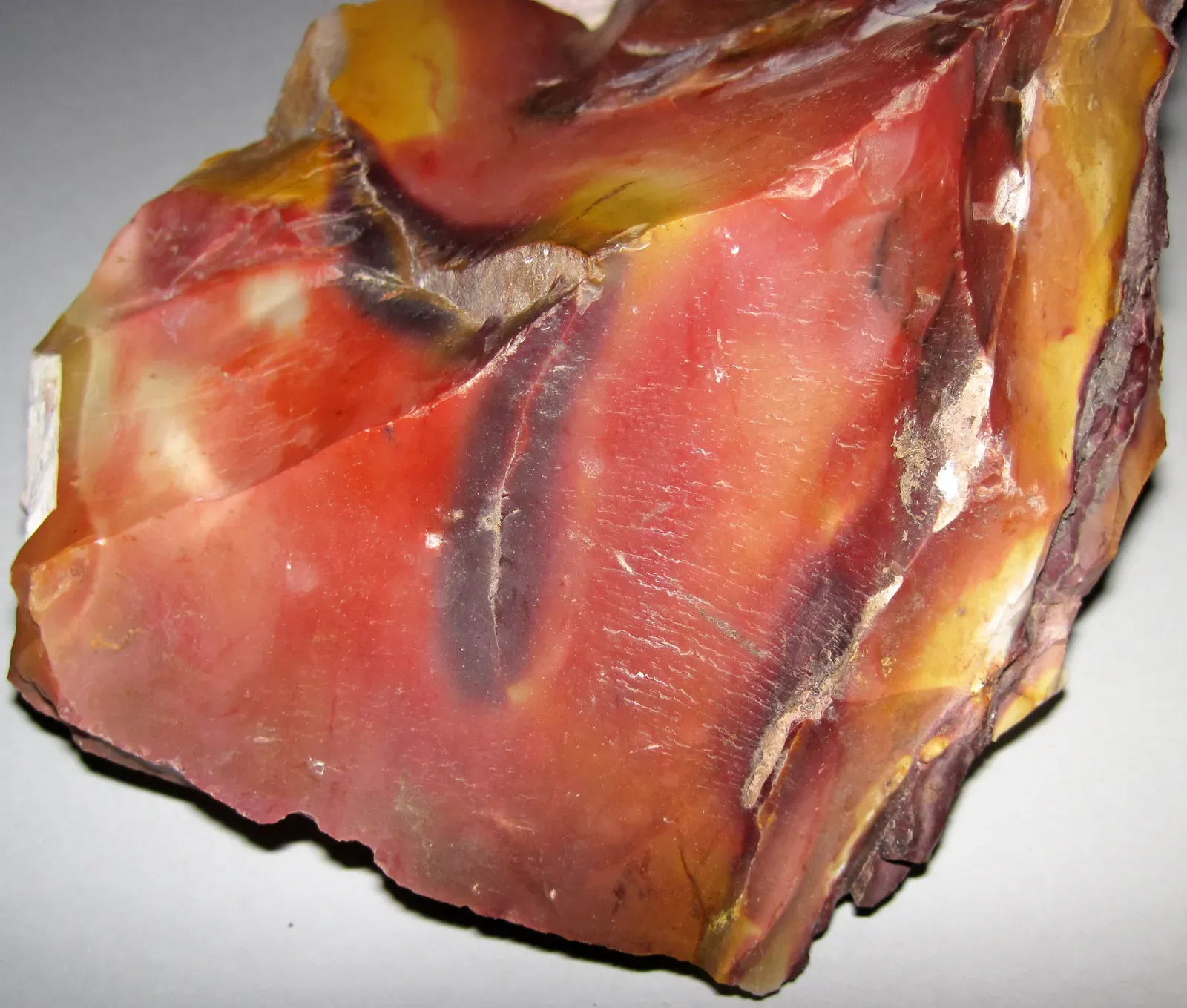
Claims of the earliest life using fossilized microorganisms come from hydrothermal vent precipitates from an ancient sea-bed in the Nuvvuagittuq Belt of Quebec, Canada. These may be as old as 4.28 billion years, which would make it the oldest evidence of life on Earth, suggesting an almost instantaneous emergence of life after ocean formation 4.41 billion years ago. If verified, this discovery would push the origin of life back to a time very close to when Earth itself became capable of sustaining liquid water.
The tiny hematite tubes are as much as 4.28 billion years old according to the scientists announcing the find, and they are strikingly similar to structures produced by microbes living around undersea hydrothermal vents. Discovered in slices of rock recovered from northern Quebec, the microscopic metallic detritus, plus chemical signatures associated with ancient metabolisms, could push back the date at which life arose on Earth. The fossils are controversial, though. Some scientists doubt they are the remains of microbes at all.
4. The Isua Graphite, Greenland
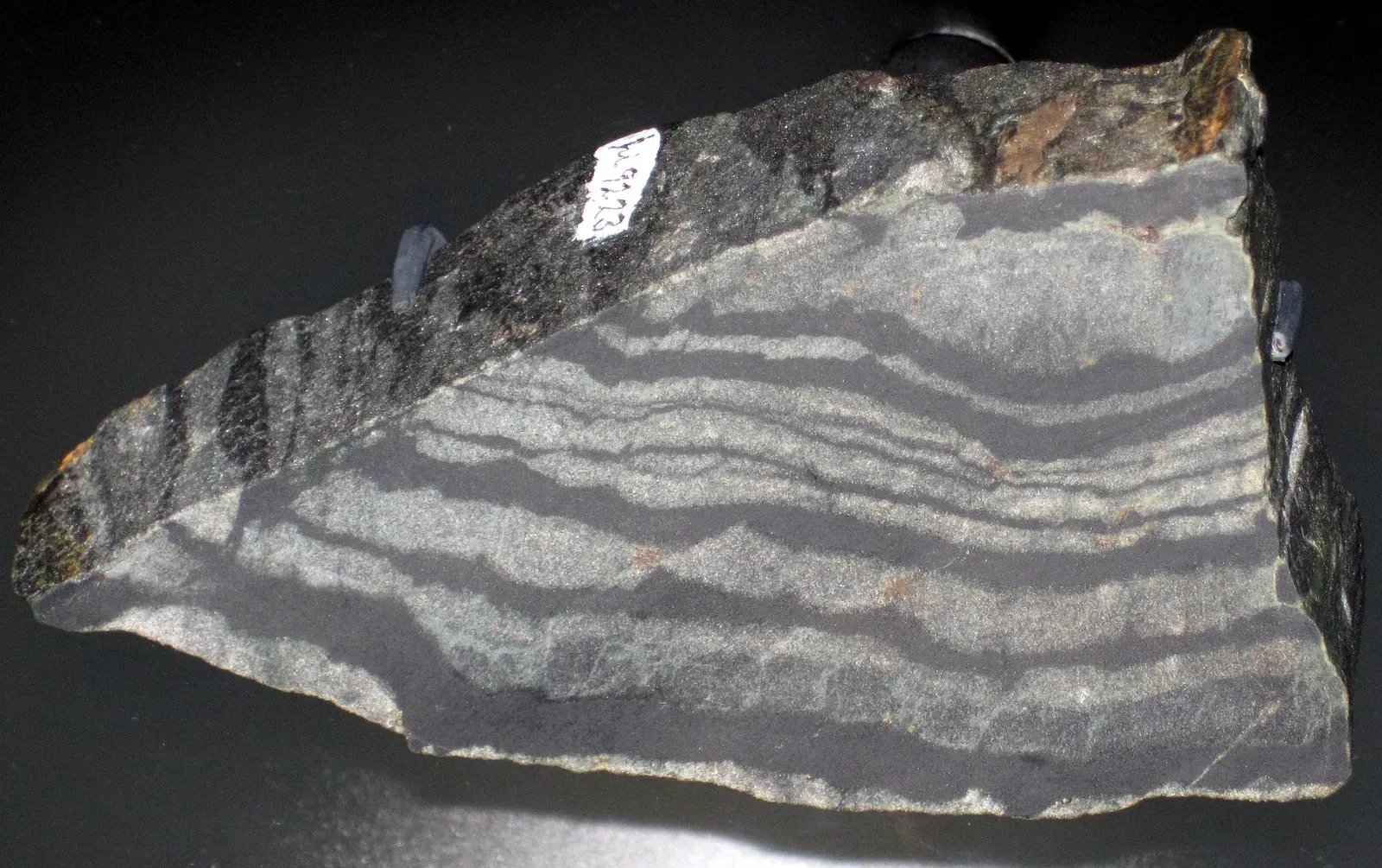
The earliest evidence of life found in a stratigraphic unit, not just a single mineral grain, is the 3.7-billion-year-old metasedimentary rocks containing graphite from the Isua Supracrustal Belt in Greenland. This graphite doesn’t look like a fossil in any conventional sense. You won’t see shapes or structures. What you’ll find instead is a chemical fingerprint – carbon arranged in ways that strongly suggest a biological origin.
Much attention has centered on a set of rocks from Greenland known as the Isua deposits, dated 3.8 billion years before the present. Unlike the North Pole fossils, these rocks have undergone extensive deformation as a result of the extreme temperatures and pressures to which they have been subjected throughout geologic time. While fossils may once have existed, their presence is difficult to establish because of the lack of pristine evidence. The Isua formation is, in a sense, a reminder that geology often erases precisely what scientists most want to read.
5. The Gunflint Chert Microfossils, Ontario, Canada
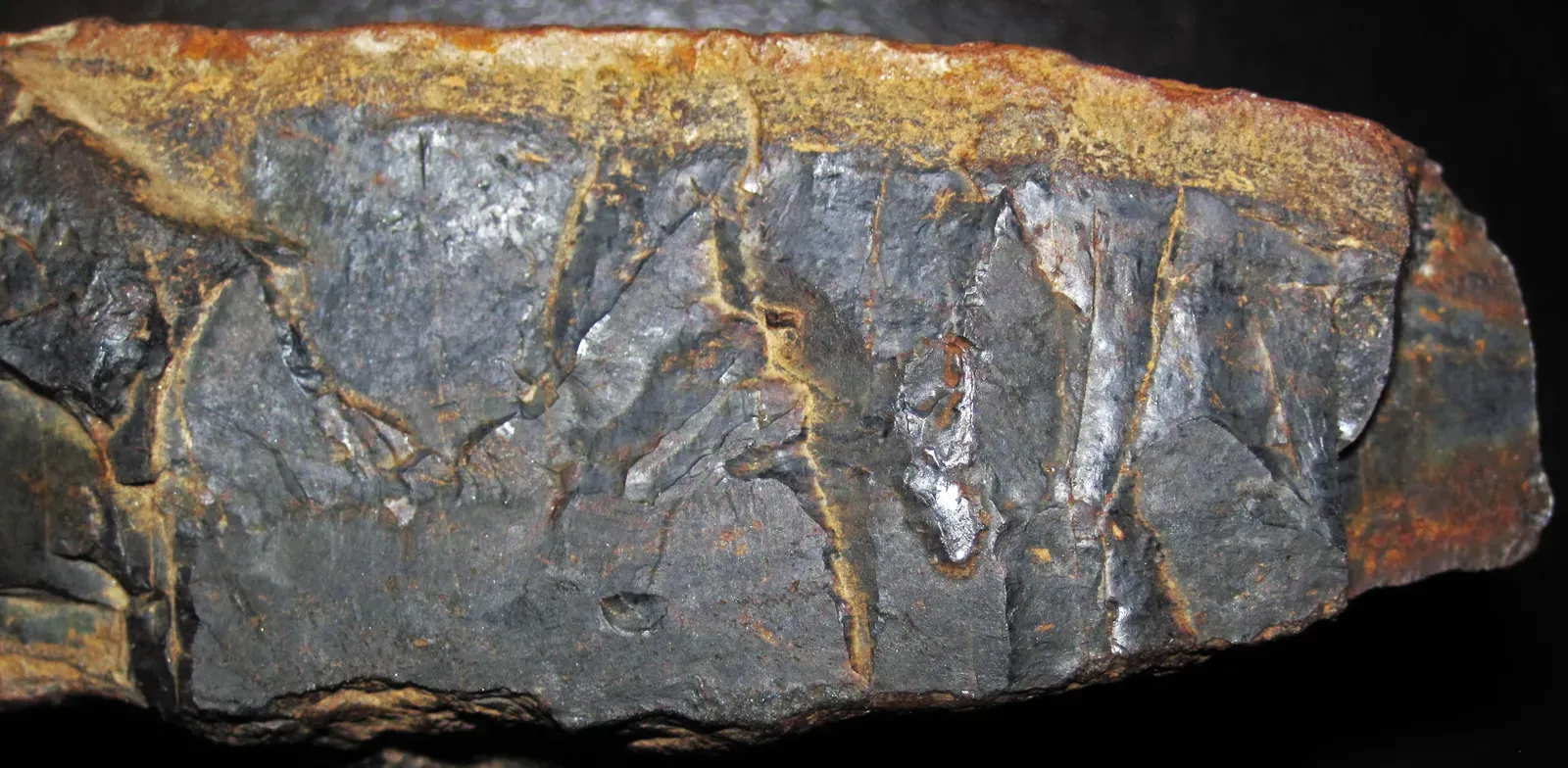
Research has predominantly focused on microscopic, single-celled organisms, with significant discoveries such as the bacteria-like fossils found in Canada’s Gunflint iron formation, which are nearly two billion years old. The Gunflint Chert changed everything when it was first studied seriously in the 1960s. Before that discovery, most scientists had assumed that nothing resembling complex microbial life existed before the Cambrian – a view that suddenly collapsed under the weight of evidence from a lakeside outcrop in Ontario.
The Gunflint rocks are composed of chert, a form of quartz that is especially resistant to compression and thus helps to preserve the fossils. The stromatolites that were studied by Barghoorn and Tyler revealed the presence of six distinct organisms, indicating a highly diversified biological community from two billion years ago. In particular, fossils in the 1.88-billion-year-old Gunflint Chert from northwestern Ontario, Canada, continue to fascinate researchers studying ancient microbial diversity.
6. The Pilbara Stromatolites at Strelley Pool, Western Australia
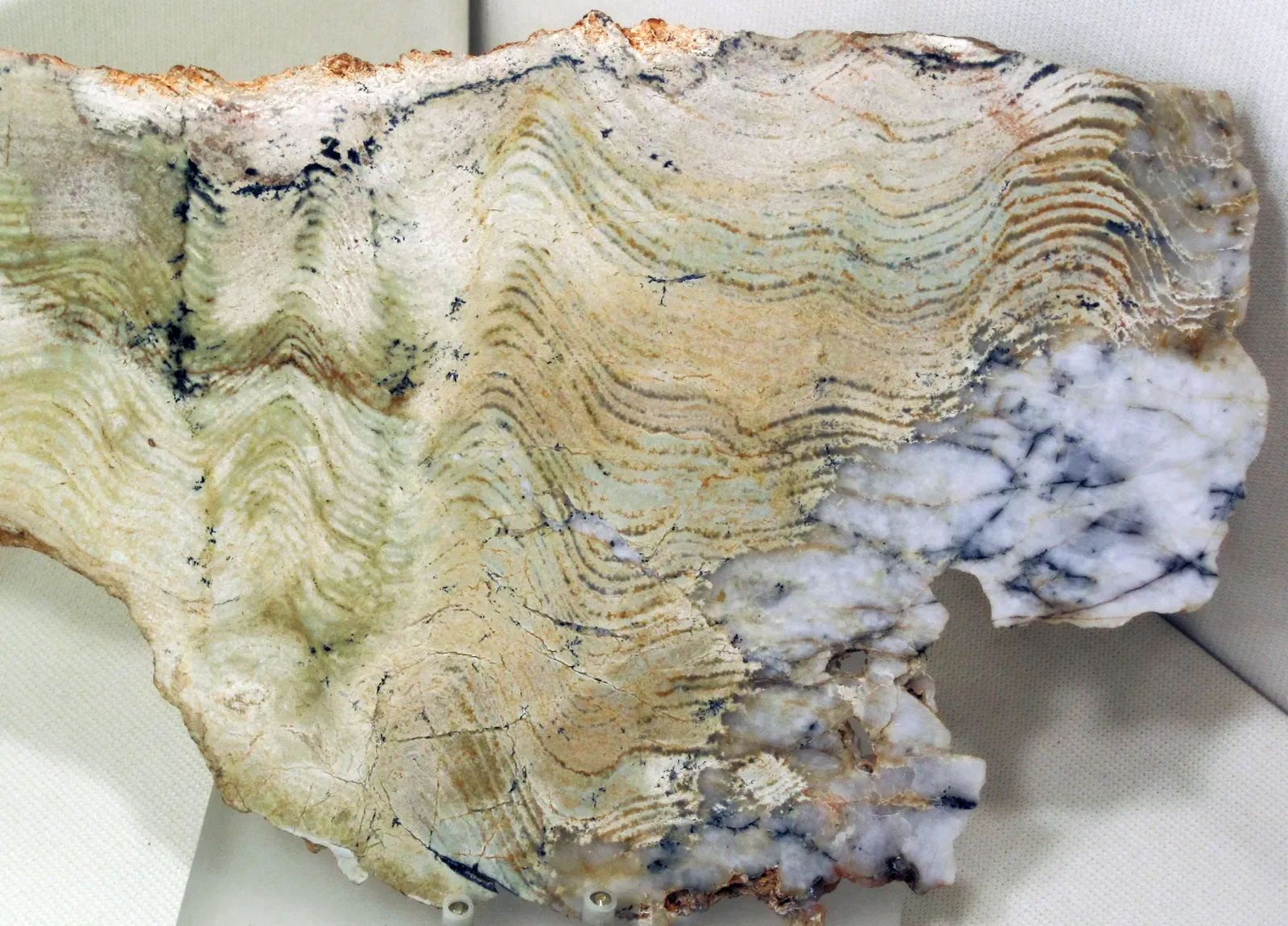
A study published relatively recently put forth stronger evidence, including geochemical analysis, that suggests some 3.5-billion-year-old stromatolites found at the Strelley Pool site in Australia do record and contain evidence of some of Earth’s oldest microbes. Strelley Pool is one of the best-preserved Archaean rock formations on Earth, and the stromatolites found there represent a rare case where both physical structure and chemical signatures are relatively well retained.
Stromatolites are layered, biochemical, accretionary structures formed in shallow water by the trapping, binding, and cementation of sedimentary grains in biofilms, through the action of certain microbial lifeforms, especially cyanobacteria. The abundance of ancient stromatolites might be explained by the fact that animals, which limit the growth of microbes in modern ecosystems by feeding on them, had not yet evolved billions of years ago. The prevalence of stromatolites declined sharply in the lead up to the Cambrian when the evolution of progressively more complex animals resulted in a drop in the environments in which stromatolites could safely grow.
7. The Doushantuo Formation Fossils, South China
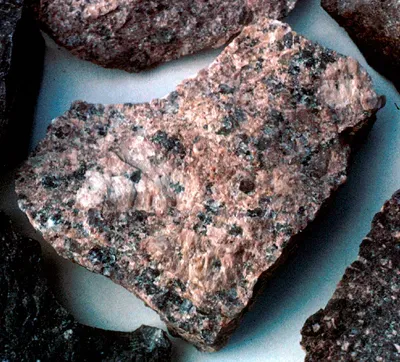
Phylogenetically diverse microfossils have been continually recovered from the chert nodules of the Ediacaran Doushantuo Formation in South China, including putative metazoan embryos, cyanobacteria, sulfur bacteria, multicellular algae, and acanthomorphic acritarchs. These microfossils greatly contribute to unveiling the life history of early multicellular eukaryotes and illuminating the evolutionary prelude to the Phanerozoic biosphere. Dating to somewhere between 635 and 551 million years ago, the Doushantuo formation is one of the richest windows into early complex life that you can find anywhere on the planet.
Recent discoveries of Precambrian multicellular life have been dominated by reports of embryos, particularly from the Doushantuo Formation in China. Some finds generated intense media excitement, though some have claimed they are instead inorganic structures formed by the precipitation of minerals. Nevertheless, the Doushantuo fossils remain as convincing embryos in the view of many researchers, making them scientifically remarkable regardless of the ongoing interpretive debates.
8. Dickinsonia, Australia and Russia
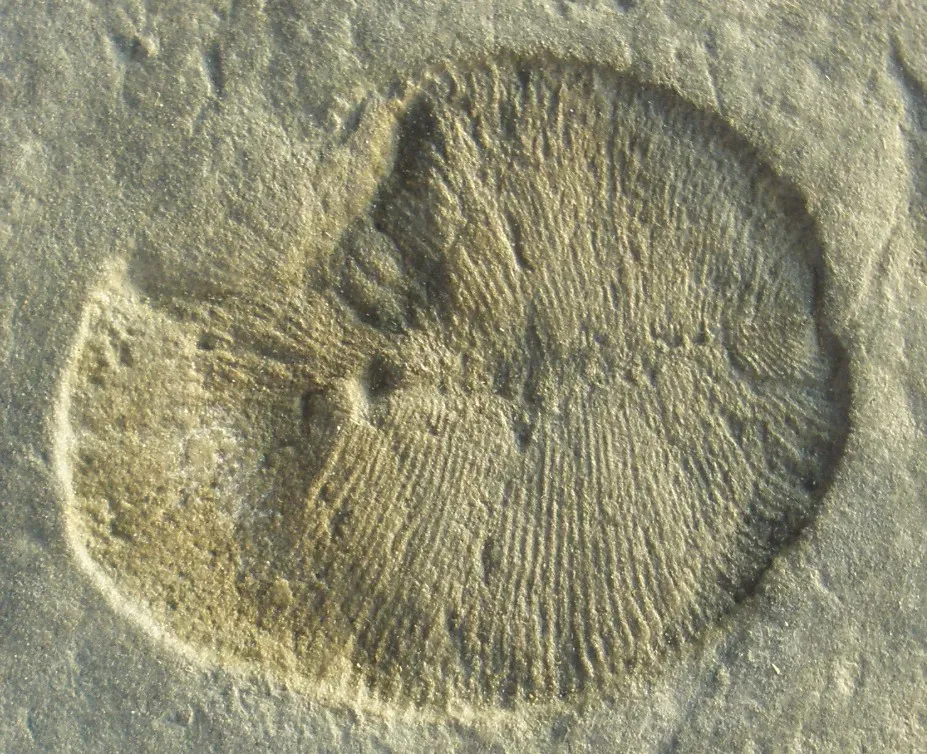
Dickinsonia is one of the most fascinating prehistoric organisms, dating back more than 550 million years to the Ediacaran period. These soft-bodied creatures are considered among the earliest known multicellular animals, offering scientists critical insights into the origins of complex life. With its unique body structure and mysterious lifestyle, Dickinsonia continues to puzzle and inspire paleontologists worldwide. It’s hard to look at this creature without wondering whether you’re seeing the very first draft of an animal body plan.
Lipid biomarkers extracted from organically preserved Ediacaran macrofossils unambiguously clarify their phylogeny. Dickinsonia and its relatives solely produced cholesteroids, a hallmark of animals. These results make these iconic members of the Ediacara biota the oldest confirmed macroscopic animals in the rock record, indicating that the appearance of the Ediacara biota was indeed a prelude to the Cambrian explosion of animal life.
9. The Ediacara Hills Biota, South Australia
![9. The Ediacara Hills Biota, South Australia (The History Trust of South Australian, South Australian Government Photo [1] Object record [2], CC0)](https://nvmwebsites-budwg5g9avh3epea.z03.azurefd.net/dinoworld/83f4160a103fcc0f2e67c76640fb0fbb.webp)
The Ediacaran Period is named after the Ediacara Hills of South Australia, where trace fossils of a diverse community of previously unrecognized lifeforms were first discovered by geologist Reg Sprigg in 1946. What Sprigg found in those hills was not immediately understood. The fossils looked like nothing anyone had seen before, and their discovery forced a complete rethinking of the timeline of complex life on Earth.
These were enigmatic tubular and frond-shaped, mostly sessile organisms. Trace fossils of these organisms have been found worldwide and represent the earliest known complex multicellular organisms. More than fifty types of Ediacarans are now known, and they have been found on every continent except Antarctica. The sheer geographic spread of these creatures tells you they once occupied a very different, but globally consistent, shallow-sea world.
10. The Burgess Shale, British Columbia, Canada
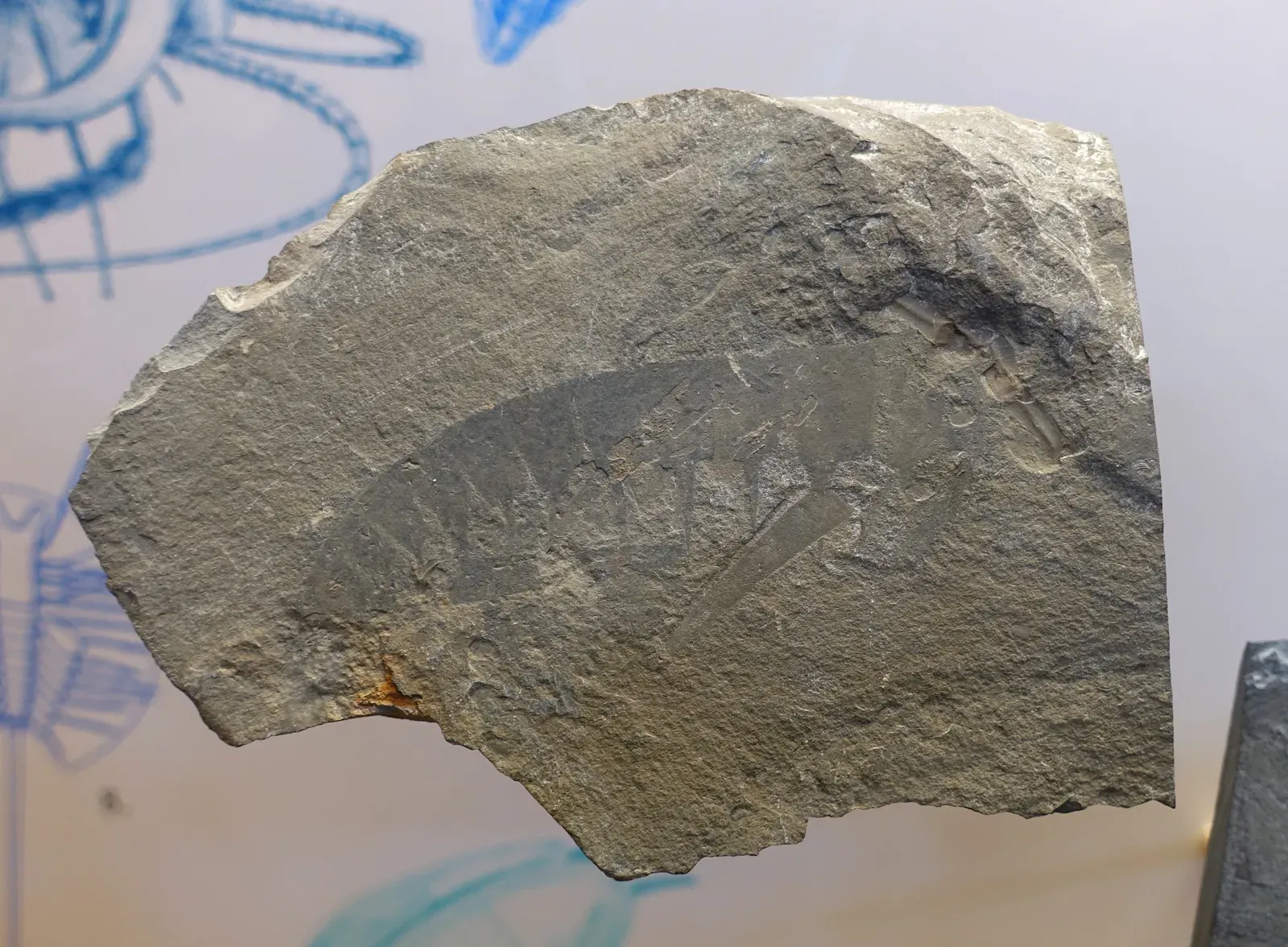
In 1909, the Smithsonian’s fourth Secretary, Charles Doolittle Walcott, discovered the Burgess Shale fossils that revealed the unprecedented biodiversity of Cambrian life. The Burgess Shale isn’t quite as ancient as many of the other fossils on this list, dating to around 508 million years ago. Still, it is among the most scientifically significant fossil beds ever discovered, preserving an astonishing record of soft-bodied life from the earliest chapters of animal evolution.
What characterizes the Burgess Shale is that soft parts are preserved. Not only that, but in rocks of this age, animals developed the ability to produce minerals such as hard shells or spines, something that the Ediacaran animals never did. Hard parts increase the chance of fossilization. Surprisingly, however, there are also many deposits of this age where soft tissue is preserved. The Burgess Shale gives you both – hard and soft, simple and complex, all locked in fine-grained shale on a Canadian mountainside.
11. The Bitter Springs Formation, Northern Territory, Australia
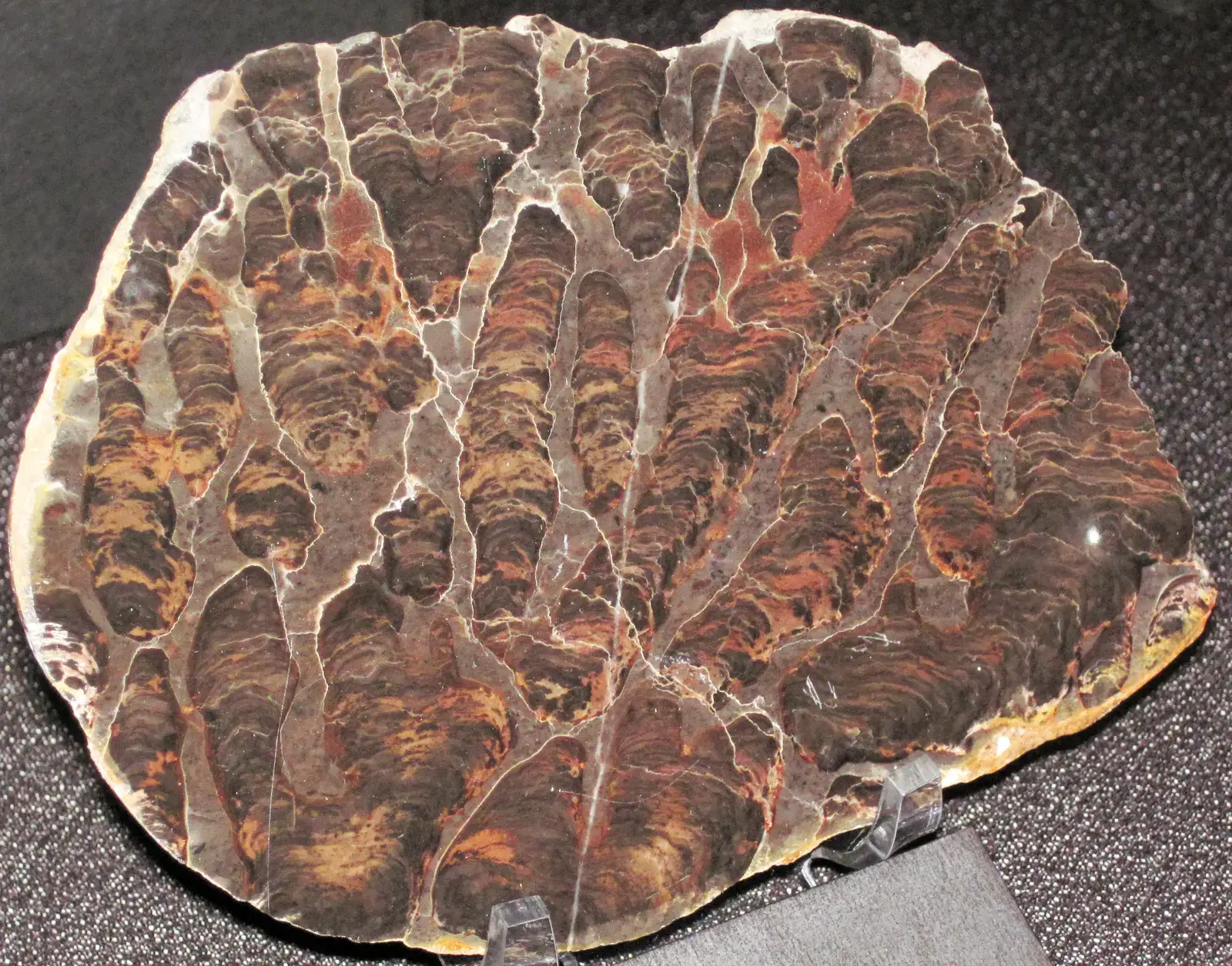
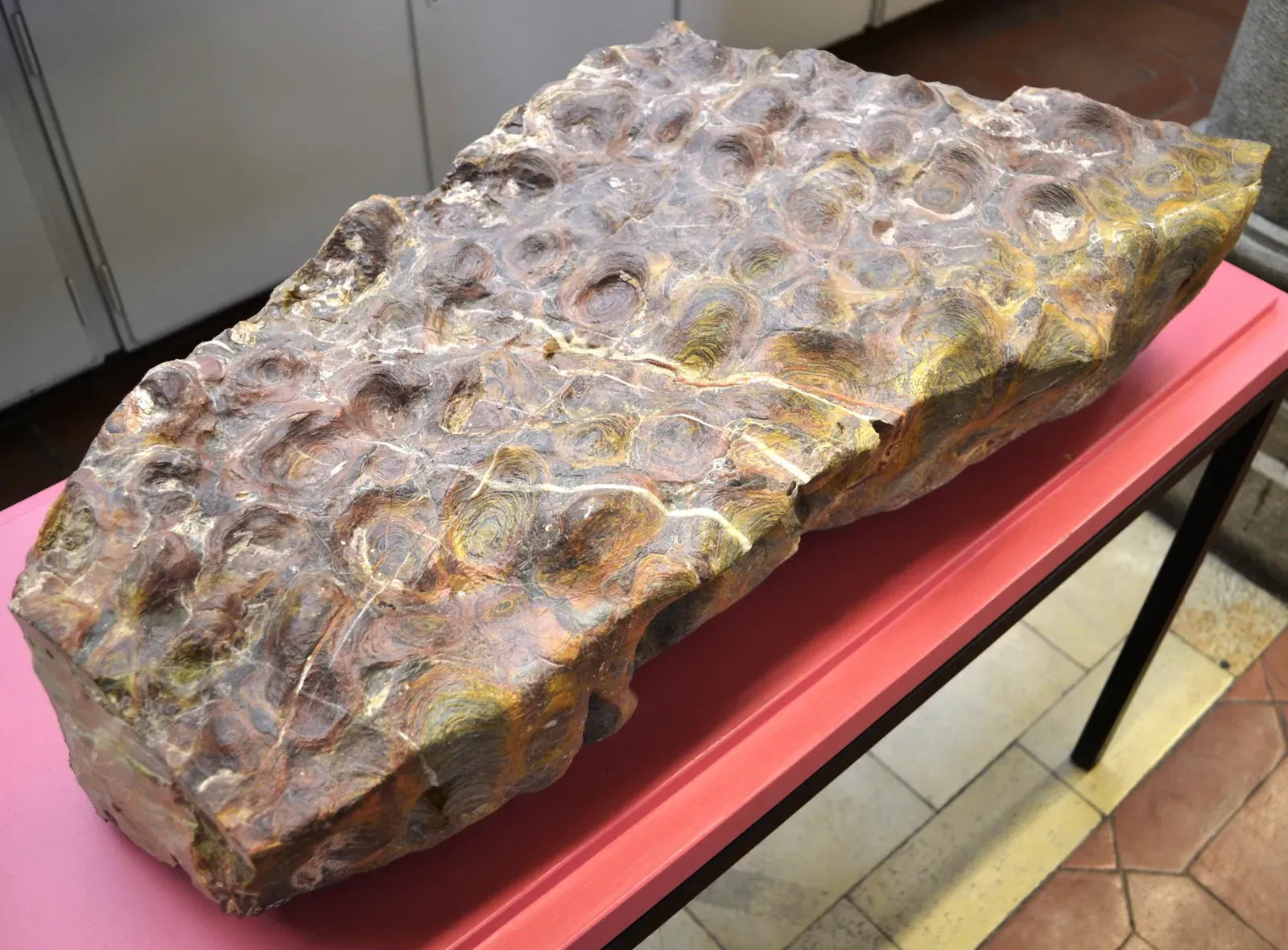
The Bitter Springs Formation, roughly 850 million years old, offers one of the best-preserved records of early eukaryotic microbial life you’ll find anywhere. A sample of stromatolites from the Bitter Springs Formation in Australia is where a number of ancient fossils of living organisms were discovered, starting in the mid-1960s. What makes this formation particularly useful to science is the exceptional quality of its preservation, which allows researchers to study cellular structure in detail that most ancient rocks simply do not permit.
These early fossils, often preserved in stromatolites, reveal complex microbial communities and suggest that life existed long before the Cambrian period, which saw a dramatic increase in organism complexity. The Bitter Springs microfossils include early algae-like organisms that hint at how life was already experimenting with greater cellular complexity hundreds of millions of years before the first animals ever appeared. They occupy a critical gap in the fossil record, sitting between the oldest known microbes and the multicellular life of the Ediacaran.
12. The Banded Iron Formations and Cyanobacterial Fossils
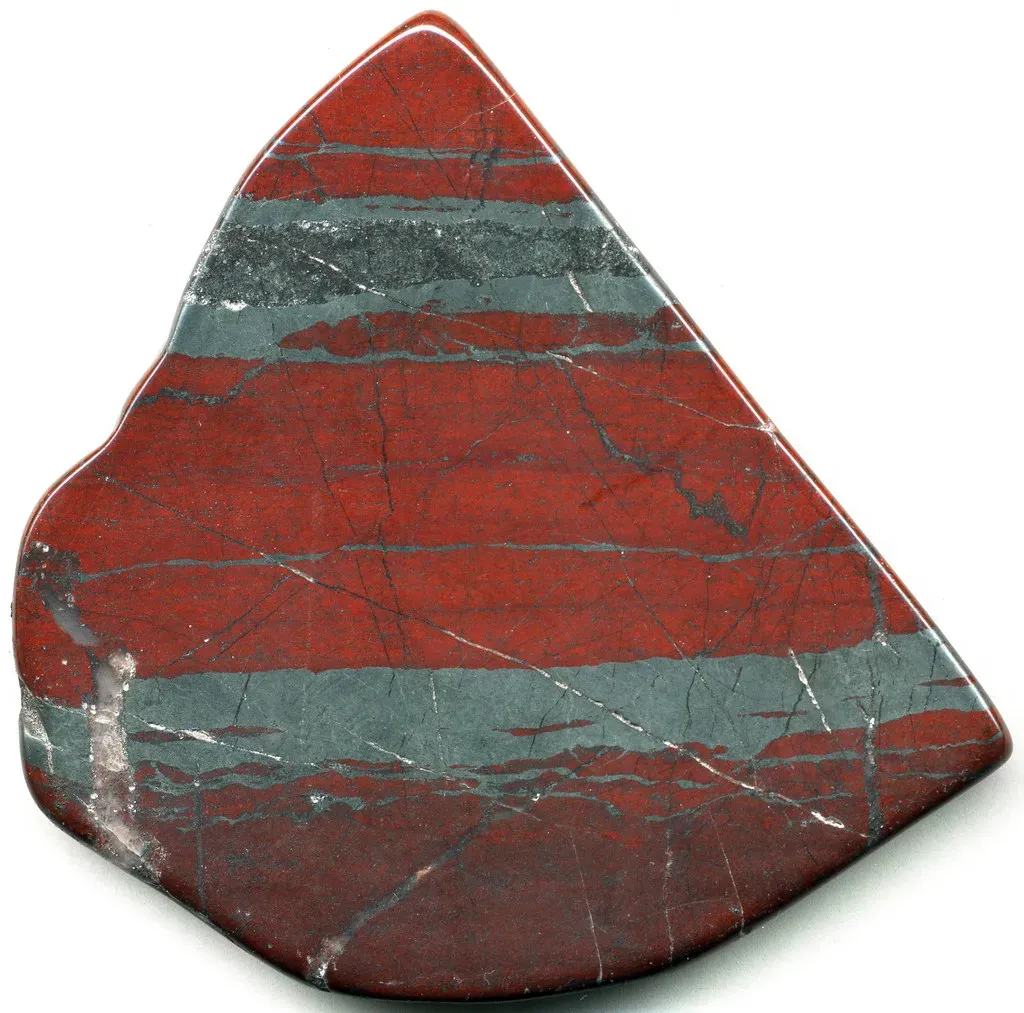
When cyanobacteria evolved at least 2.4 billion years ago, they set the stage for a remarkable transformation. They became Earth’s first photosynthesizers, making food using water and the sun’s energy, and releasing oxygen as a result. This catalyzed a sudden, dramatic rise in oxygen, making the environment less hospitable for other microbes that could not tolerate oxygen. This event, known as the Great Oxygenation Event, essentially reshaped the entire planet.
Evidence for this Great Oxidation Event is recorded in changes in seafloor rocks called Banded Iron Formations, or BIFs. Stromatolites are thought to be largely responsible for increasing the amount of oxygen in the primeval Earth’s atmosphere through their continuing photosynthesis. When you look at a Banded Iron Formation, you’re effectively reading a chemical diary written by microscopic organisms that had no awareness of what they were doing – yet permanently altered every living thing that came after them, including you.
Conclusion: What These Fossils Tell You About Life Itself
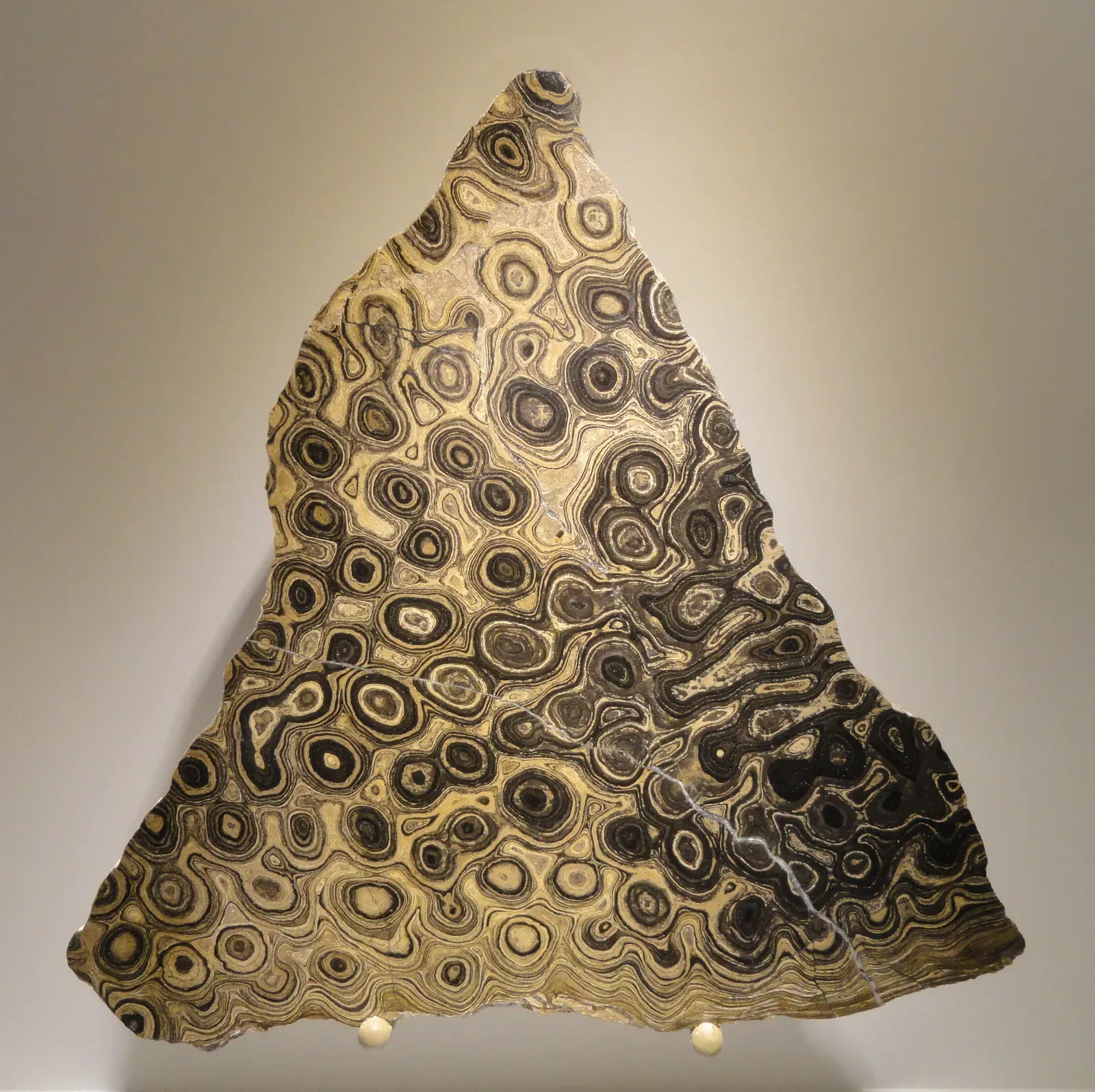
Looking at these twelve fossils together, you start to understand that life on Earth wasn’t a single sudden event. The identification and study of the earliest fossils have expanded the time frame during which life is known to have existed on Earth, revealing information that has important implications for the origins of life and thus for human evolutionary ancestry. Each discovery pushed the boundary a little further back, and each one added a new layer of complexity to a story that scientists are still actively piecing together.
Identification and study of the earliest fossils have expanded the time frame during which life is known to have existed on Earth, revealing information that has important implications for the origins of life. Studies conducted on ancient rocks, particularly in Africa and Australia, have unearthed fossils dating as far back as 3.5 billion years, challenging previous assumptions about when life first emerged. The oldest fossils don’t just tell you where life has been – they tell you something about how persistent, adaptable, and surprisingly early it was.
There’s something quietly humbling about the fact that the most ancient living things on Earth left no bones, no teeth, no shells. Just layers, chemicals, and carbon. Yet from those nearly invisible traces, science has assembled a story that stretches across billions of years. That story is still being written, and with every new rock formation studied, every new technique applied, the picture grows a little sharper.