The question of whether dinosaurs possessed venom capabilities has intrigued paleontologists and dinosaur enthusiasts for decades. While we often picture venomous abilities in modern snakes, spiders, and certain mammals like the platypus, the possibility that some dinosaurs might have delivered toxic substances to their prey or predators opens fascinating evolutionary questions. Recent scientific discoveries have begun to challenge our traditional understanding of dinosaur predation methods, suggesting that toxic delivery systems may have existed in certain dinosaur lineages. This article explores the evidence, theories, and implications of potentially venomous dinosaurs, offering insights into this captivating aspect of prehistoric life that continues to evolve as new fossils and analytical techniques emerge.
The Science of Venom in Modern Animals

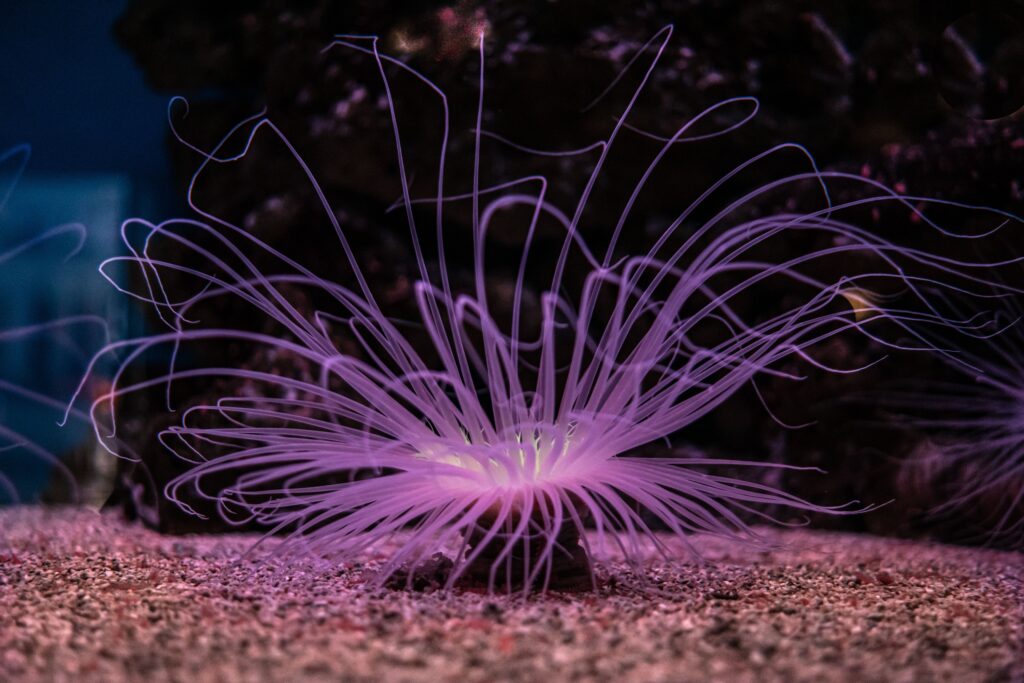
Venom systems in today’s animals involve specialized glands that produce toxic chemicals and delivery mechanisms such as fangs, stingers, or spurs. These sophisticated biological weapons evolved independently in numerous animal lineages, from cnidarians like jellyfish to mammals like shrews. Modern venomous creatures use their toxins primarily for predation or defense, with venoms containing complex cocktails of proteins and enzymes that target specific physiological systems in victims. Scientists have identified over 200,000 venomous species alive today, suggesting that venom evolution is a surprisingly common adaptation. Understanding these contemporary venom systems provides crucial context for evaluating whether similar adaptations might have existed in dinosaurs, as the basic biological building blocks for venom production have ancient evolutionary origins.
Sinornithosaurus: The First Venomous Dinosaur Candidate
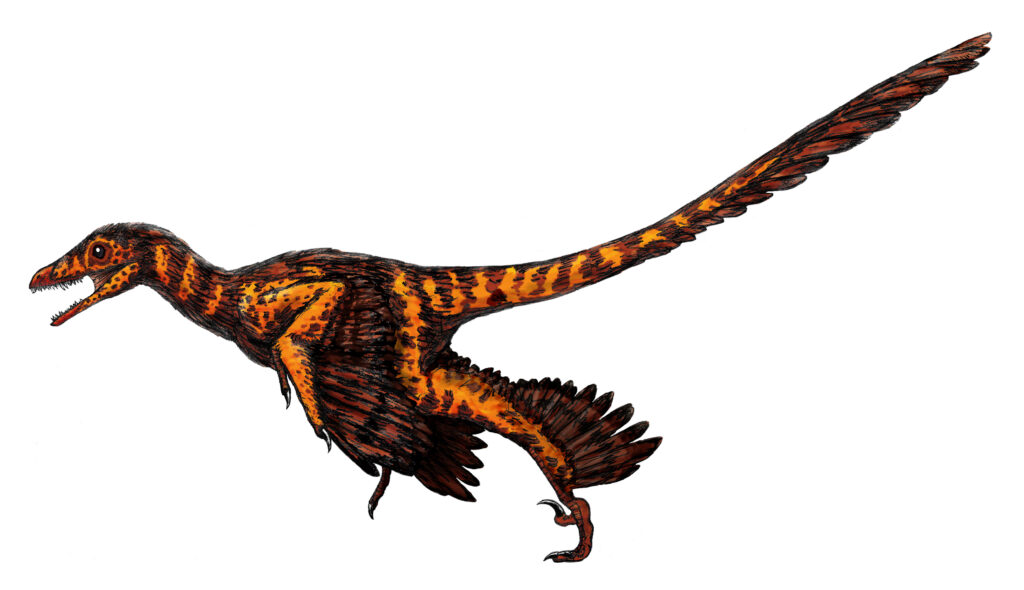
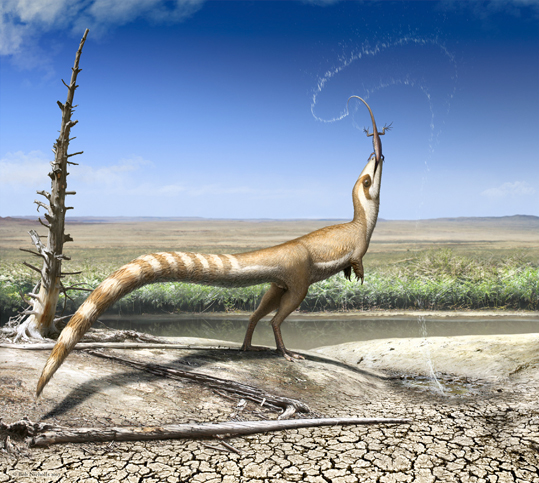
The first serious scientific proposal for a venomous dinosaur came in 2009 when researchers studying Sinornithosaurus, a feathered dromaeosaur from Early Cretaceous China, identified features they interpreted as a venom delivery system. They noted unusually long, grooved teeth in the upper jaw that resembled those of rear-fanged venomous snakes, along with depressions in the skull they interpreted as possible venom glands. The researchers hypothesized that Sinornithosaurus might have used a mild venom to subdue avian prey, immobilizing birds before consumption. However, this interpretation proved highly controversial, with subsequent studies suggesting the “venom grooves” might be preservation artifacts and the depressions ordinary sinuses. While the Sinornithosaurus hypothesis has largely been rejected, it opened important discussions about the possibility of venomous dinosaurs and the evidence needed to confirm such capabilities.
Anatomical Clues: What Would a Venomous Dinosaur Need?
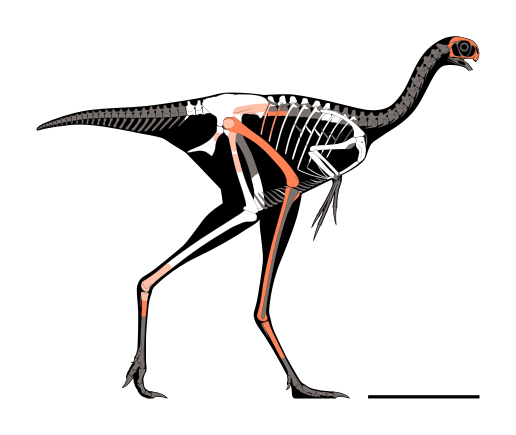
For a dinosaur to be functionally venomous, it would require several key anatomical features that could potentially be identified in fossils. First, it would need specialized venom-producing glands, which might leave distinctive cavities or depressions in the skull or jaw. Second, a delivery system would be necessary—typically modified teeth with grooves or channels to conduct venom from glands to wounds. Third, venomous dinosaurs might display specialized musculature for venom gland compression, potentially leaving muscle attachment scars on fossil bones. Paleontologists also look for distinctive tooth serration patterns that differ from typical carnivorous dinosaur dentition, as venom delivery often requires specialized tooth morphology. These anatomical signatures provide a framework for evaluating potential venomous adaptations in dinosaur fossils, though soft tissue preservation limitations make definitive identification challenging.
The Komodo Dragon Analogy: Venom vs. Bacteria
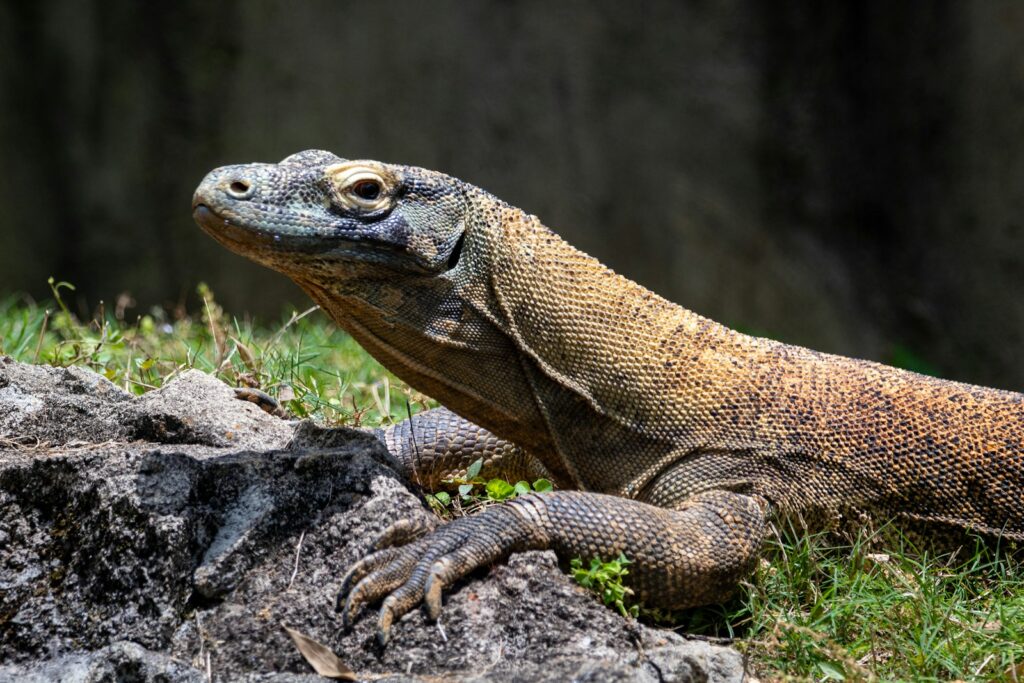
The Komodo dragon presents an instructive modern analog for considering dinosaur predation methods that blend mechanical damage with biochemical assistance. Until relatively recently, scientists believed Komodo dragons relied on bacteria-laden saliva to cause infection in wounds, but research in 2009 revealed they actually possess venom glands. Their venom causes rapid blood pressure drops, inhibits clotting, and induces shock in prey animals. This discovery demonstrates how even large predators can benefit from venom as a hunting strategy, suggesting similar benefits might have existed for certain dinosaur species. The Komodo dragon example also illustrates how difficult it can be to identify venomous capabilities even in living animals, highlighting the greater challenge of detecting such traits in fossilized remains. This case serves as an important reminder that predation strategies in large reptiles are often more complex than they initially appear, with potential parallels to dinosaur hunting methods.
Venom in Dinosaur Relatives: Evidence from Modern Birds
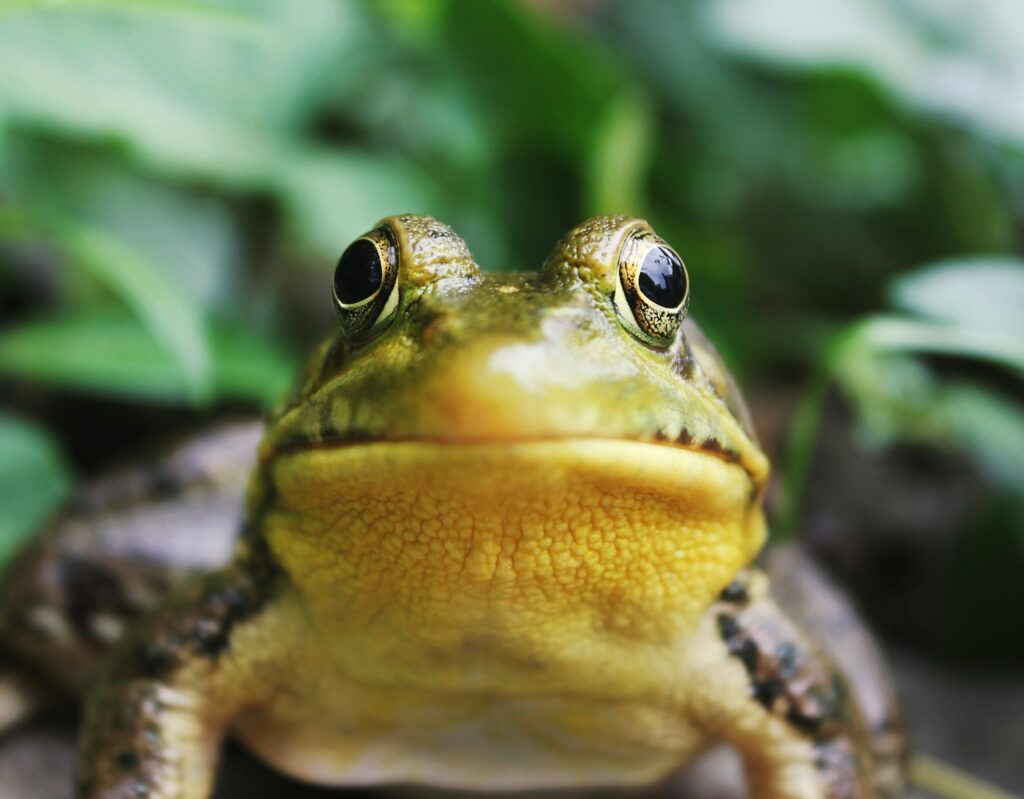
While no modern birds possess true venom systems, several species use toxic secretions in ways that might inform our understanding of dinosaur capabilities. The hooded pitohui of New Guinea harbors batrachotoxins in its skin and feathers—the same potent neurotoxins found in poison dart frogs. Several other bird species, including the blue-capped ifrit and some thrushes, similarly contain toxic compounds that deter predators. Though these toxins are defensive rather than offensive weapons, they demonstrate that avian dinosaur descendants evolved methods to produce and tolerate powerful toxins. Additionally, fossil evidence suggests that the prehistoric bird Archaeopteryx may have possessed venom glands based on skull morphology, though this remains speculative. Given that birds are directly descended from theropod dinosaurs, these examples suggest that the genetic foundation for toxin production existed in the dinosaur lineage.
Uatchitodon: Venom Grooves in Ancient Reptiles

Although not dinosaurs, the discovery of venomous capabilities in Uatchitodon, an ancient reptile from the Triassic period, provides compelling evidence that venom systems existed in the broader reptilian lineage during dinosaur times. Fossils of Uatchitodon reveal distinctive grooved teeth remarkably similar to those found in modern venomous snakes, strongly suggesting a venom delivery function. These findings are particularly significant because they demonstrate that venom evolution occurred in reptiles contemporary with early dinosaurs, making it plausible that similar adaptations could have emerged in dinosaur lineages. The Uatchitodon example shows that the biological framework for venom systems existed during the Mesozoic Era, the age of dinosaurs. Since venom has evolved independently dozens of times across the animal kingdom, its absence in dinosaurs would be more surprising than its presence in at least some species.
Specialized Teeth: Potential Delivery Systems
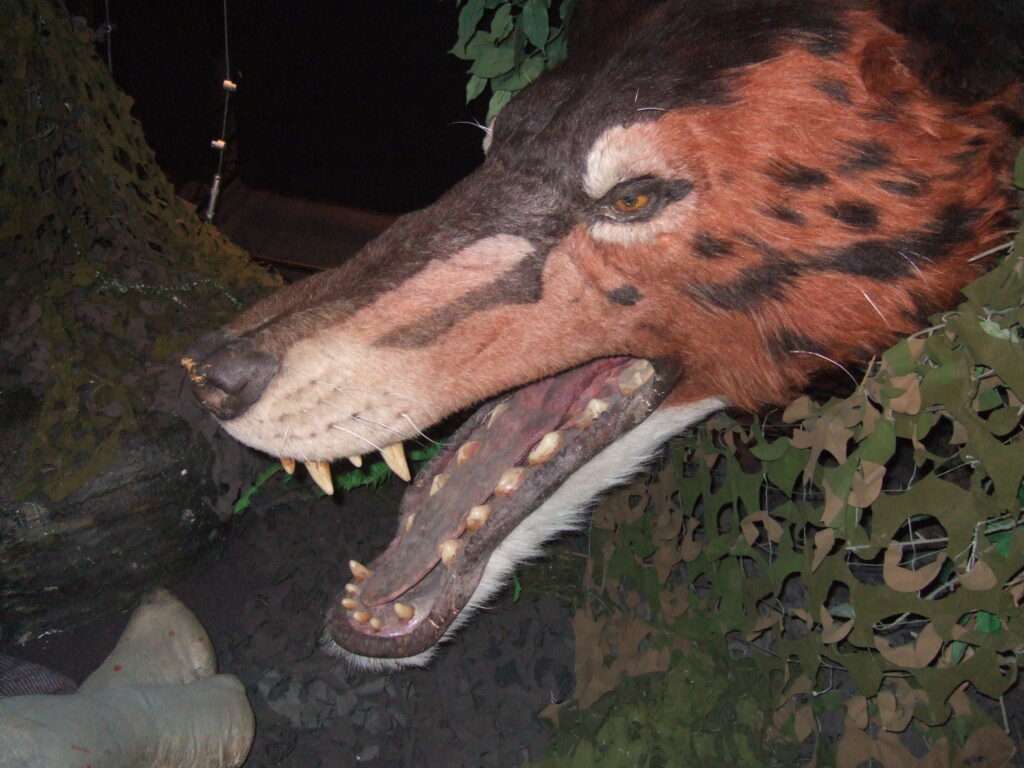
Certain dinosaur species possessed unusual dental adaptations that could potentially have facilitated venom delivery. The heterodontosaurid dinosaurs, for instance, had distinctive canine-like teeth that some researchers have suggested might have been associated with venom glands. Particularly interesting are dinosaurs with serrated, ziphodont teeth featuring unusual grooves or channels that superficially resemble the venom-conducting structures in modern venomous snakes. Some small theropods possessed remarkably specialized dentition with unusual wear patterns that remain inadequately explained by mechanical feeding alone. These dental peculiarities don’t prove venomous capabilities, but they do suggest that dinosaur feeding mechanisms were sometimes more complex than simple biting and tearing. Combined with the right cranial structures for housing venom glands, such specialized teeth could have formed effective venom delivery systems in certain dinosaur species.
The Evolutionary Advantage: Why Venom Might Make Sense

Venom systems, despite their metabolic costs to produce and maintain, offer several compelling evolutionary advantages that could have benefited certain dinosaur species. For smaller predatory dinosaurs, venom could have provided a crucial edge when hunting prey that was similar in size or larger, effectively extending their predatory range. Venom can also improve hunting efficiency by reducing pursuit time and energy expenditure, as prey immobilized by neurotoxins requires less chasing. From a defensive perspective, even mild venoms can create disproportionate deterrent effects against larger predators, potentially benefiting smaller dinosaur species. For dinosaurs with less powerful bite forces or more gracile builds, venom might have compensated for physical limitations in prey capture. These advantages have driven venom evolution repeatedly across the animal kingdom, making it plausible that at least some dinosaur lineages might have evolved similar adaptations in response to similar selective pressures.
Challenges in Detecting Venom in Fossils
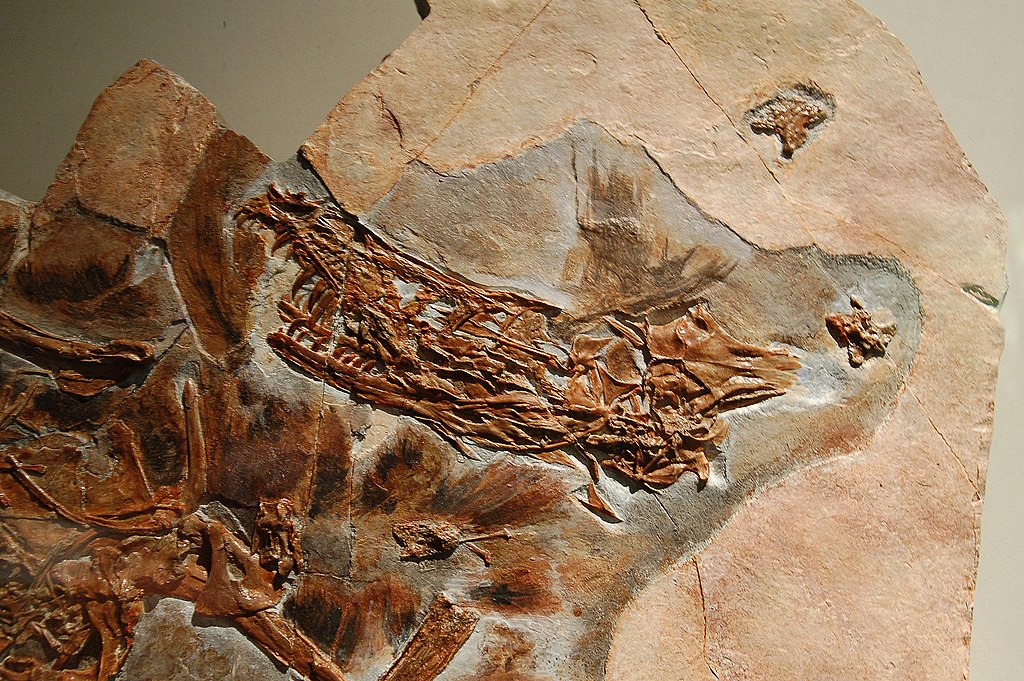
Identifying venomous capabilities in extinct species presents formidable scientific challenges that limit definitive conclusions. Venom glands, composed primarily of soft tissue, rarely fossilize, leaving paleontologists to rely on indirect osteological evidence like depressions in skull bones that might have housed such glands. The delivery apparatus, typically specialized teeth, preserves better but can be difficult to distinguish from teeth adapted for other functions, with taphonomic processes sometimes creating misleading grooves or channels. Molecular evidence of venom proteins almost never survives fossilization, eliminating direct chemical detection methods. Comparative approaches using modern venomous animals can suggest possible venom adaptations, but convergent evolution complicates these analogies. These limitations mean that claims of venomous dinosaurs must be treated with scientific caution, requiring multiple lines of evidence and careful elimination of alternative explanations before venomous capabilities can be confidently attributed to any dinosaur species.
Beyond the Theropods: Could Other Dinosaur Groups Have Been Venomous?
While discussions of potentially venomous dinosaurs typically focus on predatory theropods, other dinosaur lineages merit consideration as well. Among ornithischian dinosaurs, the heterodontosaurids possessed unusual canine-like teeth that some researchers have suggested could have delivered venom, though evidence remains circumstantial. Certain ceratopsians displayed specialized dental batteries and jaw mechanics that, while primarily adapted for plant processing, contained unusual morphological features that remain incompletely understood. Even among sauropods, the largest terrestrial animals ever, some species possessed unusual cranial features that have prompted speculation about defensive chemical secretions, though not true venom systems. The pachycephalosaurs, known for their thick skull domes, also had specialized dentition that continues to raise questions about feeding mechanisms. These possibilities remain highly speculative, but they remind us that dinosaur diversity encompassed a vast range of adaptations, potentially including venom systems in unexpected lineages.
Theoretical Ecology: How Venomous Dinosaurs Might Have Hunted

If venomous dinosaurs did exist, they likely employed hunting strategies distinct from their non-venomous counterparts, creating unique ecological niches. Small to medium-sized venomous theropods might have specialized in ambush predation, delivering a venomous bite before retreating to safety while the toxins immobilized their prey. Such dinosaurs could have hunted disproportionately large prey items that would otherwise be beyond their physical capabilities to subdue. Potential venomous dinosaurs might have employed pack hunting techniques where venom from multiple individuals cumulatively overwhelmed larger prey. Their hunting territories might have featured distinctive characteristics like dense vegetation offering concealment for ambush attacks. The presence of venomous predators would have driven specific defensive adaptations in contemporary prey species, potentially explaining certain armor developments or behavioral adaptations seen in the fossil record. These ecological scenarios remain speculative but provide testable hypotheses for future research as our understanding of dinosaur paleobiology continues to advance.
Microraptors and Other Small Predators: Prime Candidates

Small predatory dinosaurs like the microraptor family represent particularly compelling candidates for potential venom usage due to several converging factors. Their relatively diminutive size would have made subduing prey through physical force alone challenging, potentially creating selective pressure for chemical assistance in hunting. Many microraptor species possessed unusual dental specializations, including serrated teeth with features that could potentially have facilitated venom delivery. Their close evolutionary relationship to birds, some of which produce toxins, suggests the genetic foundation for toxin production might have been present. The feathered coverings of these dinosaurs could have concealed specialized gland structures that wouldn’t be preserved in fossils. Recent discoveries showing that these dinosaurs had remarkably diverse diets, including prey that would have been challenging to subdue physically, further supports the possibility of venom assistance. Among all dinosaur groups, these small dromaeosaurids and their relatives present the most plausible case for venomous capabilities based on current evidence.
Future Research: How We Might Confirm Venomous Dinosaurs

Advances in multiple scientific disciplines offer promising pathways for more definitively assessing venomous capabilities in dinosaurs. High-resolution CT scanning technology continues to improve, potentially revealing previously undetected cranial structures associated with venom production in well-preserved fossils. Comparative genomics between modern venomous animals and birds might identify genetic signatures of venom production capability that could have existed in their dinosaur ancestors. New fossil discoveries from exceptional preservation environments could potentially preserve soft tissue remnants of venom glands or delivery structures. Biomechanical modeling of unusual dinosaur dentition might demonstrate functionality consistent with venom delivery rather than mechanical feeding alone. Ancient protein recovery techniques, though still in their infancy, might eventually detect molecular remnants of venom proteins in exceptionally preserved specimens. These approaches, used in combination, hold the potential to provide more definitive evidence regarding the existence and nature of venomous dinosaurs, transforming this intriguing speculation into accepted paleontological understanding.
Conclusion: Rewriting Dinosaur Predation Stories
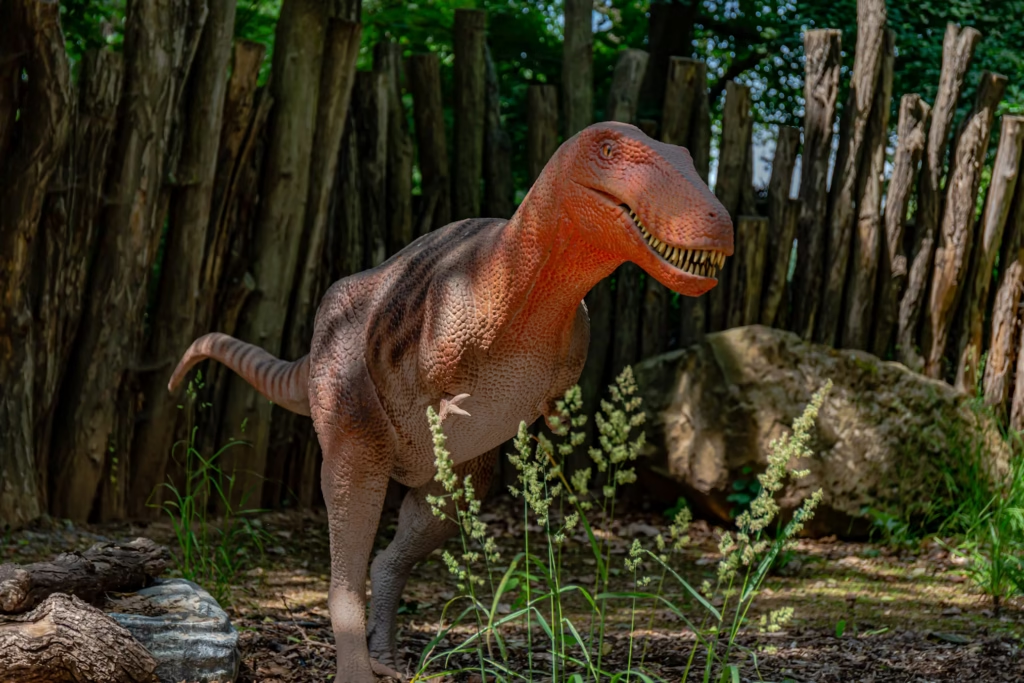
While definitive evidence for venomous dinosaurs remains elusive, the biological plausibility of such adaptations continues to intrigue paleontologists and dinosaur enthusiasts alike. The repeated evolution of venom across the animal kingdom, including in reptile lineages contemporary with dinosaurs, suggests that at least some dinosaur species might have developed similar capabilities. As our understanding of dinosaur diversity, behavior, and physiology becomes increasingly sophisticated, we may need to reconsider our traditional narratives about how these animals hunted and defended themselves. The possibility of venomous dinosaurs reminds us that prehistoric ecosystems were likely as complex and dynamic as modern ones, with predator-prey relationships involving chemical warfare alongside physical confrontation. Whether future discoveries confirm venomous dinosaurs or not, exploring this possibility enriches our understanding of evolutionary possibilities and reminds us that dinosaurs were not simply scaled-up versions of modern reptiles, but unique animals with potentially surprising adaptations that await discovery.