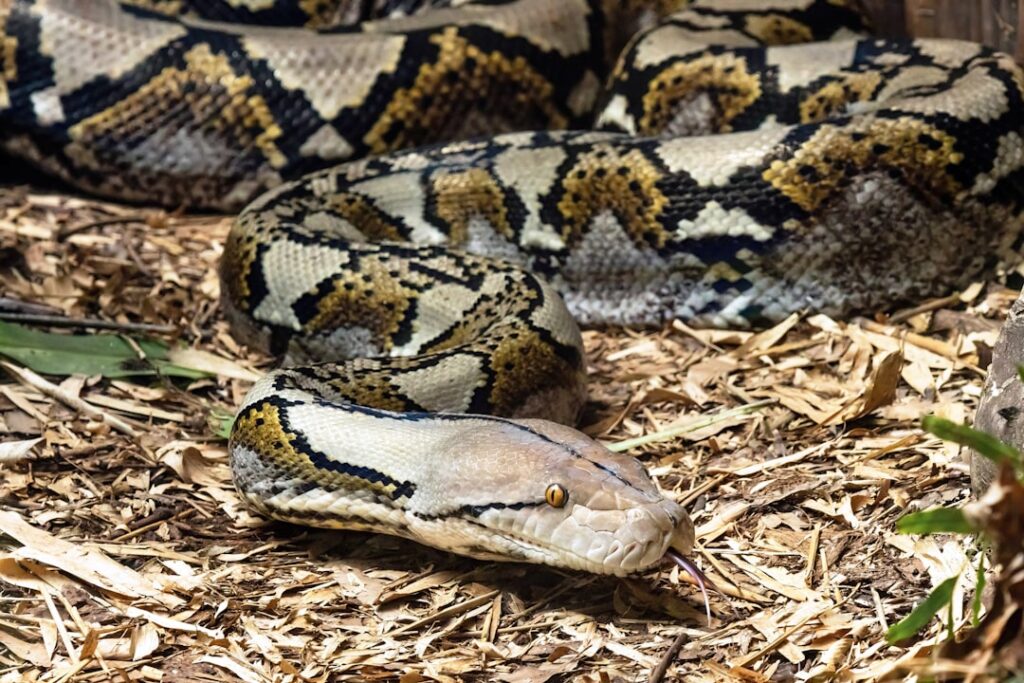
Tainan, Taiwan – A lone fossil vertebra unearthed from ancient sediments has unveiled evidence of a colossal python that once slithered through the island’s wetlands. Researchers at National Taiwan University identified the bone as belonging to a snake exceeding 13 feet in length, marking the first confirmed python fossil from Taiwan’s main island. This discovery, detailed in a recent study, sheds light on a vanished predator in a once-thriving ecosystem.
The Unexpected Find in Chiting Formation
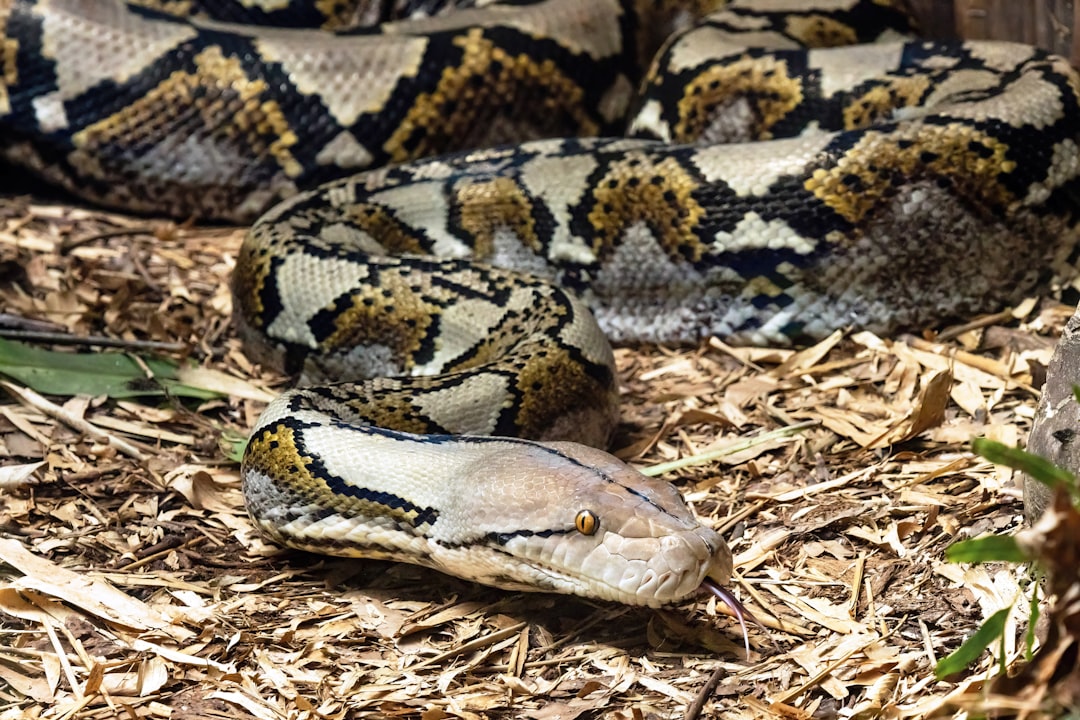
The Unexpected Find in Chiting Formation (Image Credits: Unsplash)
Paleontologists recovered the trunk vertebra from the Chiting Formation, a fossil-rich deposit in southwestern Taiwan near Tainan City. The specimen dates to the Middle Pleistocene epoch, roughly 400,000 to 800,000 years ago, when the region featured coastal mudflats and diverse wildlife. A private collector donated the bone for analysis at the university’s laboratory focused on fossil vertebrates.
Associate Professor Tsai Cheng-hsiu led the team, which included doctoral candidates Liao Yi-lu, Cho Yi-yang, and others. They published their findings in the journal Historical Biology under the title “An Unexpected Snake Fossil (Pythonidae, Python) from Taiwan.” The vertebra’s distinctive features, such as its wedge-shaped zygosphene, confirmed its python origins.
Measuring a Middle Pleistocene Monster
Using 3D modeling, scientists estimated the snake’s total body length at nearly 4 meters, or over 13 feet—far larger than any snake species living on Taiwan today. This made it the largest and most surprising snake fossil ever found on the island. Modern Taiwanese snakes, like the king rat snake and oriental rat snake, rarely exceed 3 meters.
The bone’s size and structure set it apart from other regional fossils. No living pythons inhabit Taiwan’s main island; the nearest relative, the Burmese python, appears only in the outlying Kinmen County. Researchers noted, “This fossil represents the largest and most unexpected fossil snake from Taiwan.”
A Snapshot of an Ancient Ecosystem
The Chiting Formation has yielded remains of formidable creatures, painting a picture of a complex prehistoric habitat. Saber-toothed cats prowled alongside giant crocodiles reaching 7 meters, while megaherbivores like mammoths, stegodons, and rhinoceroses grazed nearby. Pythons likely acted as top constrictors in this predator-rich environment.
- Saber-toothed cats: Apex hunters documented from the same formation.
- Giant crocodiles: Previously described by Tsai’s team, up to 7 meters long.
- Mammoths and rhinos: Indicating abundant vegetation and stable wetlands.
- Avian fossils: Taiwan’s first bird remains from the site.
This diversity suggests a well-established ecosystem before major changes altered the landscape.
Lessons from a Vanished Predator
The python’s absence today points to drastic faunal turnover during the Pleistocene. Glacial cycles cooled climates, shrank habitats, and triggered extinctions through trophic cascades. Tsai proposed that Taiwan’s modern lack of top predators stems from these events, leaving niches vacant.
“The vanished top predator, as shown by this large Python or previously published sabre-toothed cat and large crocodile, in the modern biodiversity of Taiwan, indicates a drastic faunal turnover,” the researchers concluded. They suggested island ecosystems worldwide faced similar local extinctions.
Key Takeaways
- First python fossil confirms genus Python on Taiwan’s main island.
- Estimated 4-meter length dwarfs current species.
- Highlights Pleistocene extinctions reshaping island biodiversity.
This single bone not only resurrects a forgotten giant but also prompts questions about recovery in isolated ecosystems. What do you think about Taiwan’s lost predators? Share your thoughts in the comments.