Wyoming – Last fall, an 11-year-old boy transformed a family rockhounding outing into a significant paleontological event by uncovering a nearly complete fossilized turtle shell on public lands. The discovery, made in the arid badlands of southwest Wyoming, highlighted the importance of public vigilance in protecting ancient relics exposed by erosion. Touren Pope’s find now resides in a museum, offering a window into prehistoric life.
A Serendipitous Spot in the Badlands
A Serendipitous Spot in the Badlands (Image Credits: Upload.wikimedia.org)
Touren Pope, visiting his grandparents Patti and Tom Patterson from Elko, Nevada, scanned the ground during a casual rockhunting trip in the Greater Green River Basin. He noticed fragile, shell-like fragments protruding from crumbly rock, initially mistaking them for clams. The site lay on Bureau of Land Management (BLM) property managed by the Rock Springs Field Office, where federal rules require reporting potential vertebrate fossils to prevent damage.
The family recognized the significance and contacted BLM staff promptly. Erosion had recently surfaced the specimen, but swift action averted rapid degradation from weathering. “We went searching for rocks and found a white, clam-like shell…and like they were broken, some were not…very fragile,” Touren recalled. This keen observation preserved what turned out to be a rare treasure from 48 million years ago.
Team Effort Brings the Fossil to Light
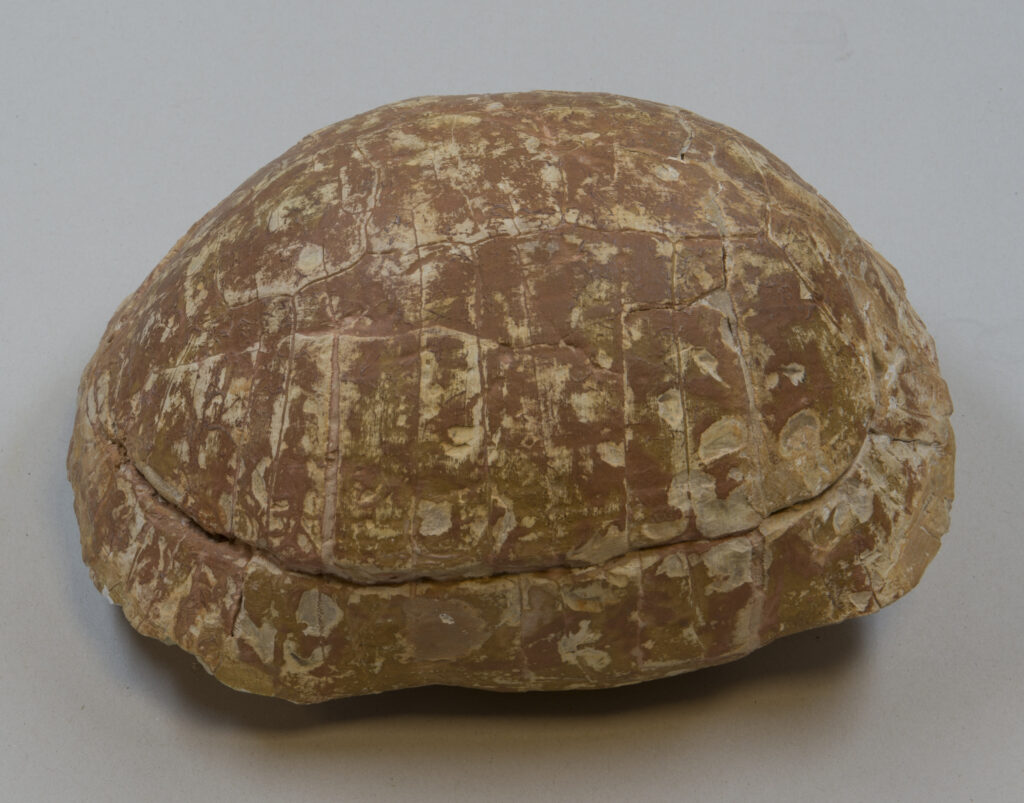
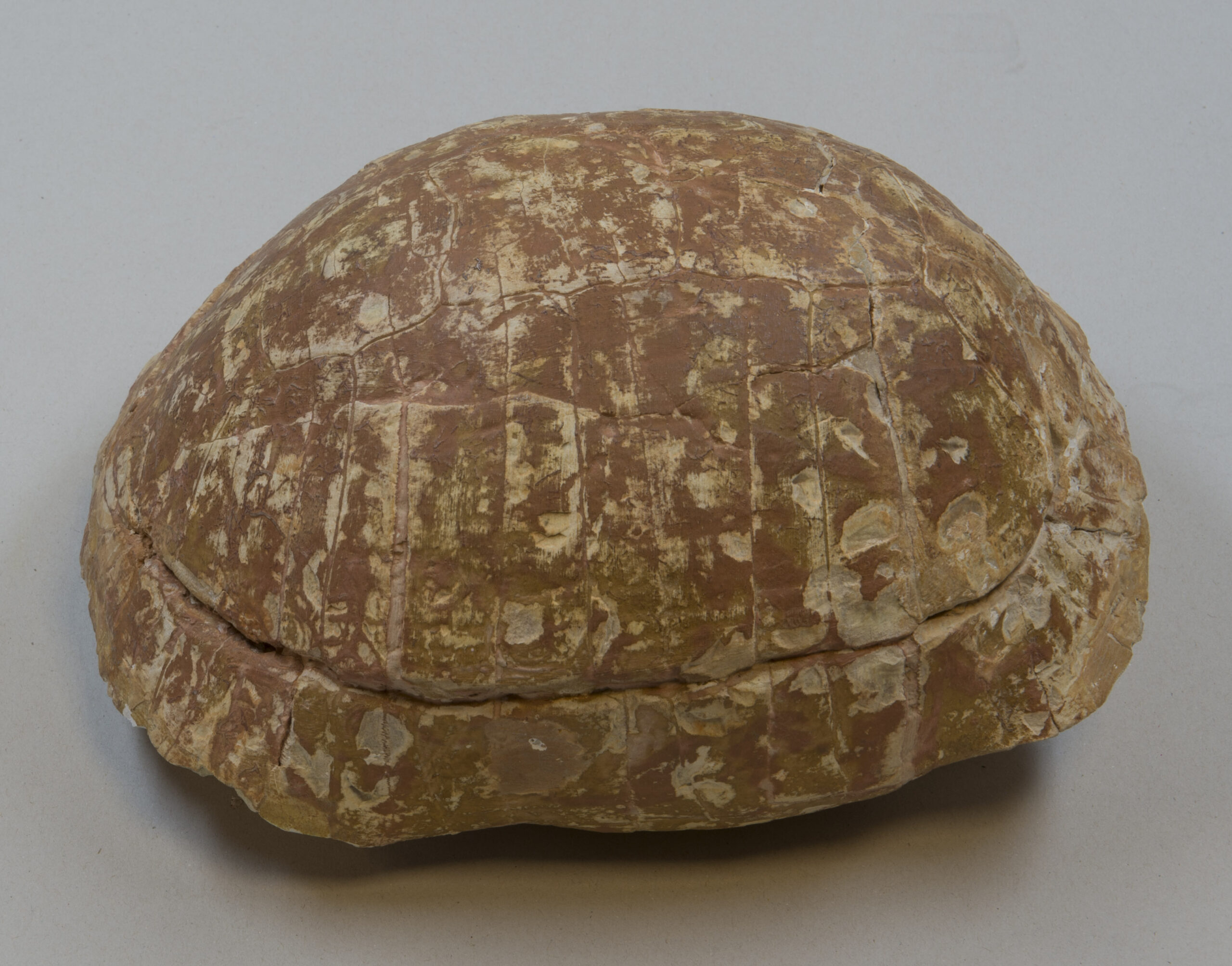
BLM paleontology coordinator Craig Thomas and Tate Geological Museum collections specialist J.P. Cavigelli responded to assess the site. They confirmed a nearly intact carapace from a soft-shelled turtle in the trionychid family, measuring about a foot long. In September 2025, a small team conducted the excavation, with Touren serving as the primary assistant.
Cavigelli’s crew isolated the fossil, applied plaster-soaked burlap to form a protective jacket, and carried it out on a stretcher with help from volunteers Steve Felto and Judith Johnston. The process took under two hours. “Within a few minutes, we could tell it was a pretty complete turtle shell and worth collecting,” Cavigelli noted. Touren’s enthusiasm earned him the honor of naming the specimen “Little Timmy.”
Window into Eocene Wyoming’s Lost World
The fossil originated from the Bridger Formation, layers deposited during the Eocene epoch in a warm, tropical floodplain surrounding ancient Lake Gosiute. Rivers and streams teemed with fish, crocodiles, early mammals, and plants in this post-dinosaur era habitat. Softshell turtles thrived there, their leathery shells adapted for aquatic life much like modern counterparts in Florida or Louisiana.
While turtle fossils occur in the region, complete softshell carapaces remain uncommon, making this find noteworthy for studying ancient ecosystems. Preparation at the Tate Geological Museum has revealed fine details, aiding paleontologists in reconstructing the era’s biodiversity. The specimen underscores how public lands safeguard such history for science.
From Field to Museum Showcase
Now at Casper College’s Tate Geological Museum, “Little Timmy” undergoes meticulous cleaning with fine tools, solvents, and consolidants to stabilize flaky edges.[4] Touren visited in February 2026 to assist further, missing school for the hands-on experience. Curators anticipate public display alongside other fossils, educating visitors on Wyoming’s prehistoric legacy.
- Report vertebrate fossils on BLM lands immediately to authorized staff.
- Avoid disturbing finds to preserve scientific context.
- Permitted experts handle collection for proper repository storage.
- Public involvement, like Touren’s, supports paleontological research.
- Exposed fossils degrade quickly; timely action saves them.
Cavigelli praised the process: “Finding a complete soft shell is pretty cool.”
Key Takeaways
- A simple family outing led to preserving a rare Eocene softshell turtle shell.
- BLM rules ensure fossils benefit science and the public, not private collections.
- Young explorers like Touren demonstrate anyone’s potential to contribute to history.
This discovery reminds us that ancient stories lie just beneath the surface, waiting for observant eyes. Touren’s adventure not only saved a piece of the past but inspired a new generation of fossil hunters. What do you think about such public land treasures? Tell us in the comments.