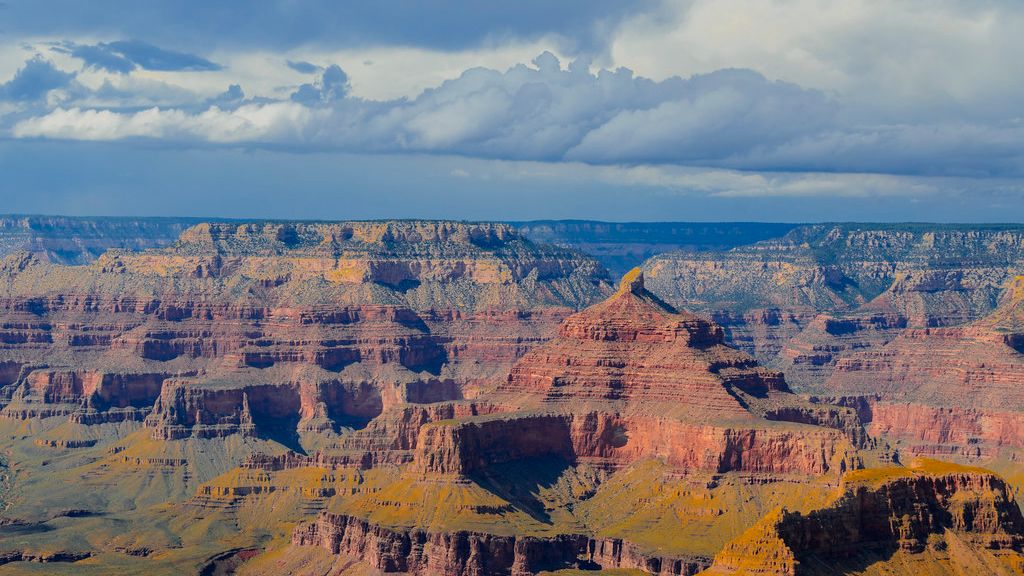
If you stand at the rim of the Grand Canyon and look down, you are staring into almost two billion years of Earth’s memory stacked beneath your feet. It is not just a pretty view; it is a time machine carved in stone, quietly holding stories of vanished oceans, colliding continents, and missing chapters that still puzzle scientists today.
When you start to see the canyon as a history book rather than a sightseeing stop, every color band, every jagged cliff, and every hidden gorge turns into a clue. Once that clicks, you do not just see a big hole in the ground anymore – you see proof that your planet has been busy for an unimaginably long time, reshaping itself over and over while life crawled, swam, walked, and eventually started asking questions about how it all began.
The Canyon as a Time Machine You Can Walk Through
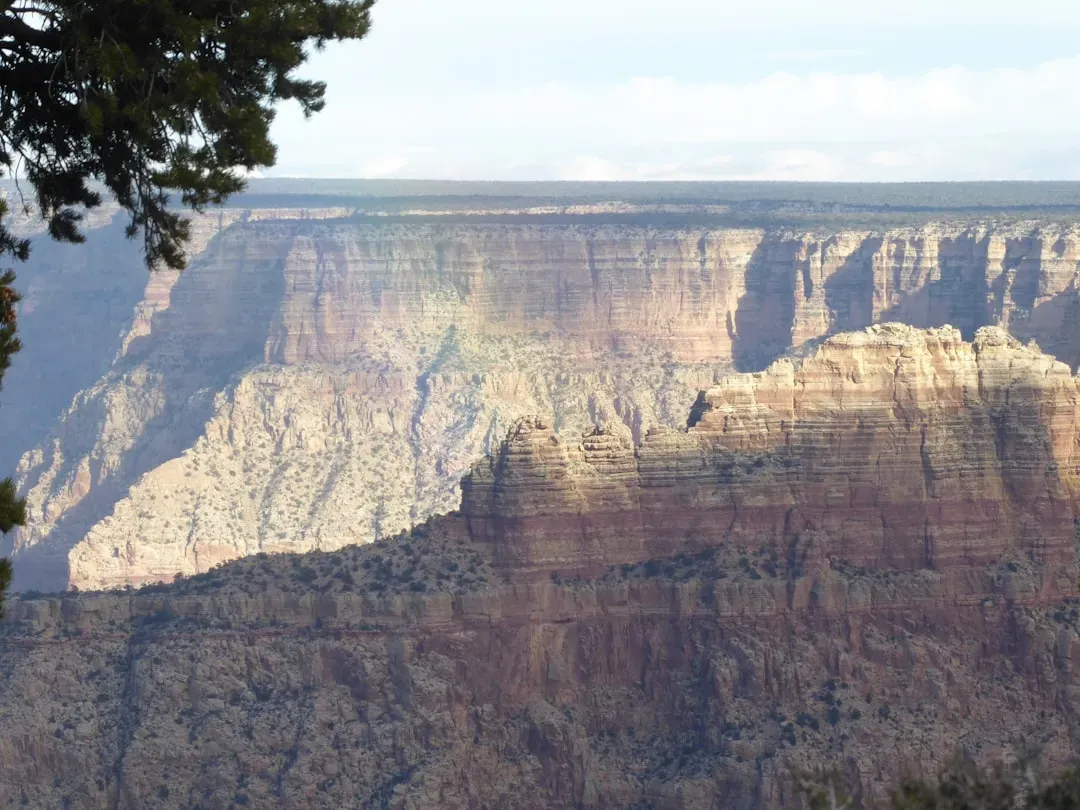
When you first hear that the Grand Canyon exposes almost two billion years of Earth’s past, it sounds like a poetic exaggeration – until you realize you can literally walk that timeline. Geologists often say that as you hike from rim to river, you are moving backward through time, with every layer beneath your boots older than the last. You are not just looking at history from a distance; you are physically descending into it, step by step.
Near the rim, you are surrounded by relatively “young” rocks in geologic terms, still hundreds of millions of years old. As you drop deeper toward the Colorado River, you pass through layer after layer until you finally hit the dark, hard rocks at the bottom that formed when Earth’s crust itself was still young. It is like flipping through a biography where the early chapters are not missing – they are right there in front of you, baked into the canyon walls.
Meeting the Oldest Rocks: Vishnu Basement and Friends
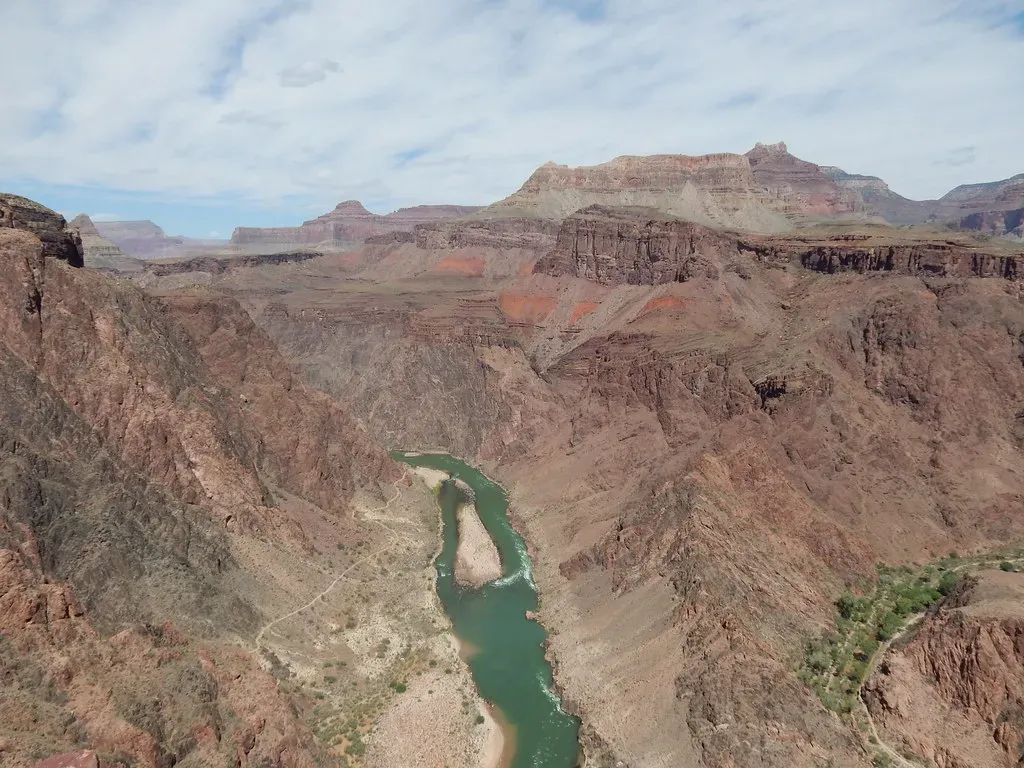
Down in the Inner Gorge, the canyon changes character: smooth, layered cliffs give way to dark, contorted rock that looks like it has been twisted and baked beyond recognition. Those are the so‑called basement rocks – mainly schists and gneisses with intrusions of granite – often grouped together as the Vishnu Basement Rocks. Some of the oldest known rocks in the canyon, such as the Elves Chasm Gneiss, clock in at around one point eight to nearly two billion years old, making them ancient even by Earth standards.
These rocks did not start out as the shiny crystalline slabs you see today. They began as sediments and volcanic materials laid down in a long‑gone ocean basin next to an early mountain belt. Over time, they were buried, squeezed, heated, and invaded by molten rock during continental collisions, turning into the folded, banded, and recrystallized rocks you see now. When you run your hand along a polished Vishnu schist wall, you are touching material that sat deep in the crust while early life on Earth was still microscopic and simple.
Continents on the Move: How Collision Built a Foundation
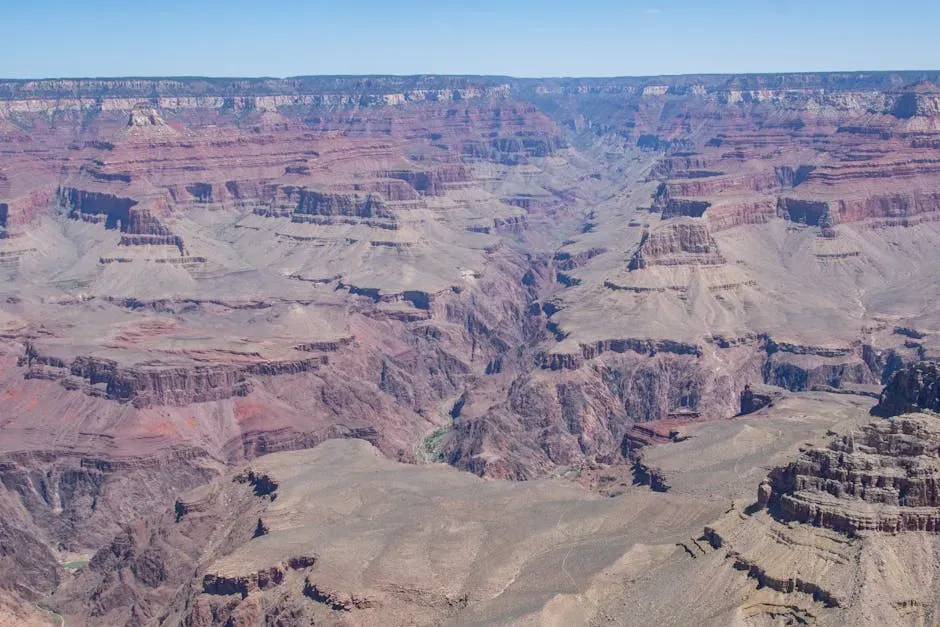
If you picture the early Earth as quiet and stable, the rocks of the Grand Canyon will quickly shatter that idea for you. Around one point seven billion years ago, volcanic island chains – something like a beefed‑up version of today’s western Pacific island arcs – were moving toward the edge of an early North American continent. When they collided, the intense pressure and heat welded those islands onto the continent and transformed their rocks into the metamorphic basement you see exposed in the canyon.
Geologists can read that violence in the rocks themselves: tight folds, aligned mineral grains, and injected veins of ancient granite all point to deep burial and intense deformation. The Zoroaster Granite, for instance, sliced up through older rocks as molten material during these collisions, later cooling into the pale, resistant bands that now streak through the darker schists. When you recognize that pattern, the canyon stops being random and starts feeling like a frozen snapshot from a continental car crash that happened long before complex life even existed.
From Quiet Seas to Tilted Layers: The Grand Canyon Supergroup
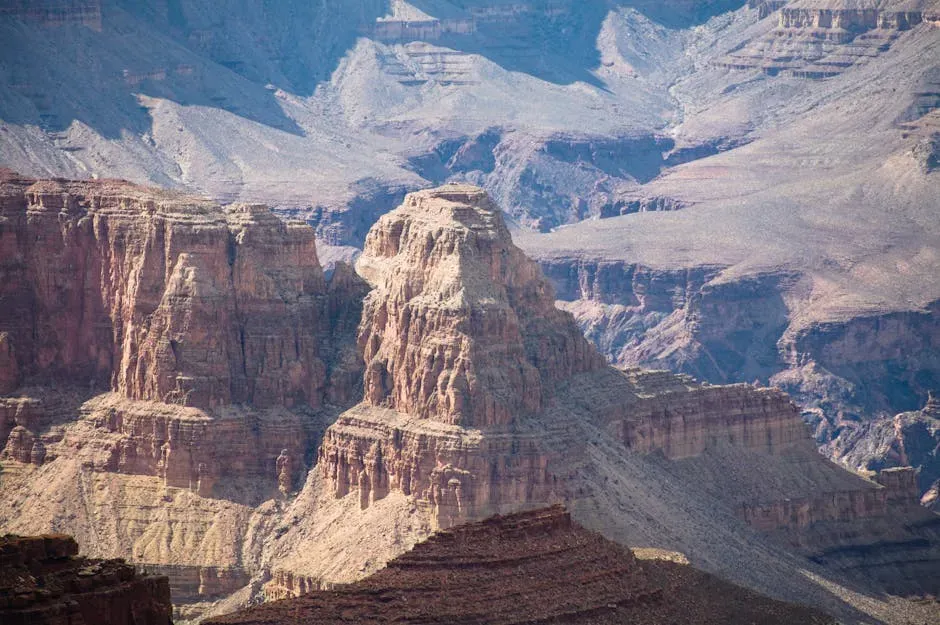
After those early collisions calmed down, the crust under what is now northern Arizona gradually stabilized and sagged into a low basin. Over hundreds of millions of years, rivers, shallow seas, and even early rifting zones filled that basin with thousands of feet of sedimentary and volcanic rock. You see the remains of that era today in the tilted layers called the Grand Canyon Supergroup, which sit between the ancient basement and the younger flat‑lying strata above in some parts of the canyon.
These Supergroup rocks record a changing world: river deposits, shallow marine sediments, and even evidence of early continental breakup as a supercontinent assembled and later began to tear apart. Eventually, around eight hundred million years ago, tectonic forces tilted and broke these layers, raising them into subtle mountain ranges. Over time, erosion shaved much of them away, leaving tilted remnants tucked into side canyons. When you spot those slanted layers sliced off by younger flat beds, you are literally seeing two very different chapters of Earth history stacked right on top of each other.
The Great Unconformity: A Missing Billion Years Under Your Feet
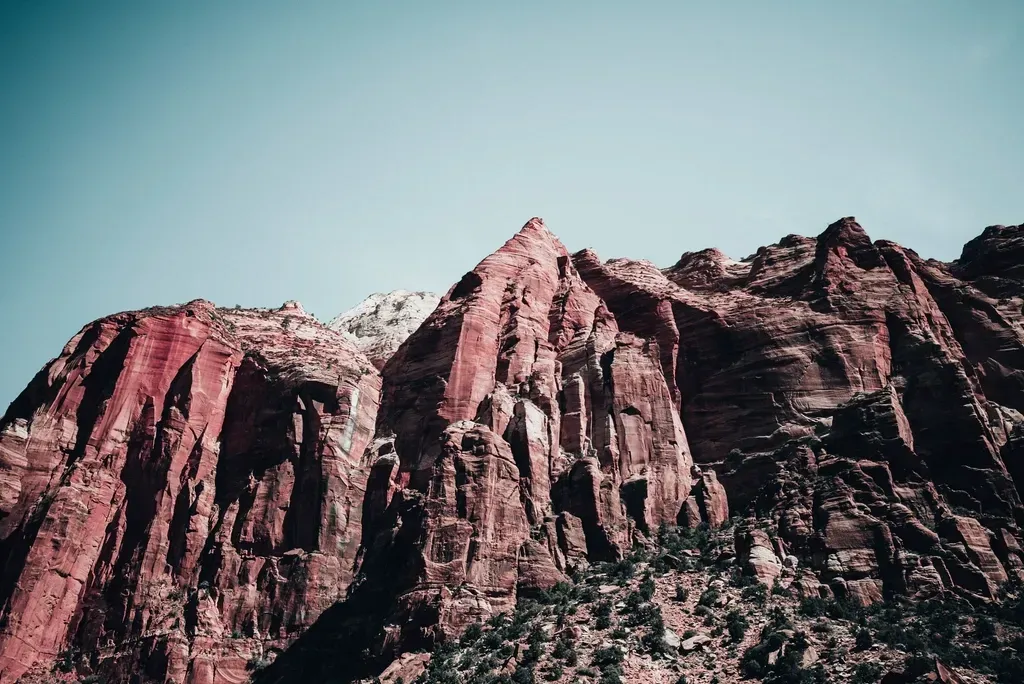
One of the strangest things you can stand on in the Grand Canyon is not a rock, but a boundary. In many places, you can put one foot on ancient basement or tilted Supergroup rocks and the other on much younger horizontal sandstone called the Tapeats. Between them is the Great Unconformity, a surface that represents roughly one quarter to one third of Earth’s entire history gone from the local rock record – about a billion years of missing pages.
That gap does not mean nothing happened during that time. It means either rocks that formed were later eroded away, or sediments were not being laid down here for long stretches, or some combination of both. Some researchers have proposed that intense global glaciations and later tectonic reshuffling helped scrape off huge sections of crust. Others argue for more complex, regional patterns of uplift and erosion. You are left with a humbling realization: even in a place famous for revealing time, enormous chapters can still be gone.
Reading the Paleozoic Story: Oceans, Beaches, and Ancient Life
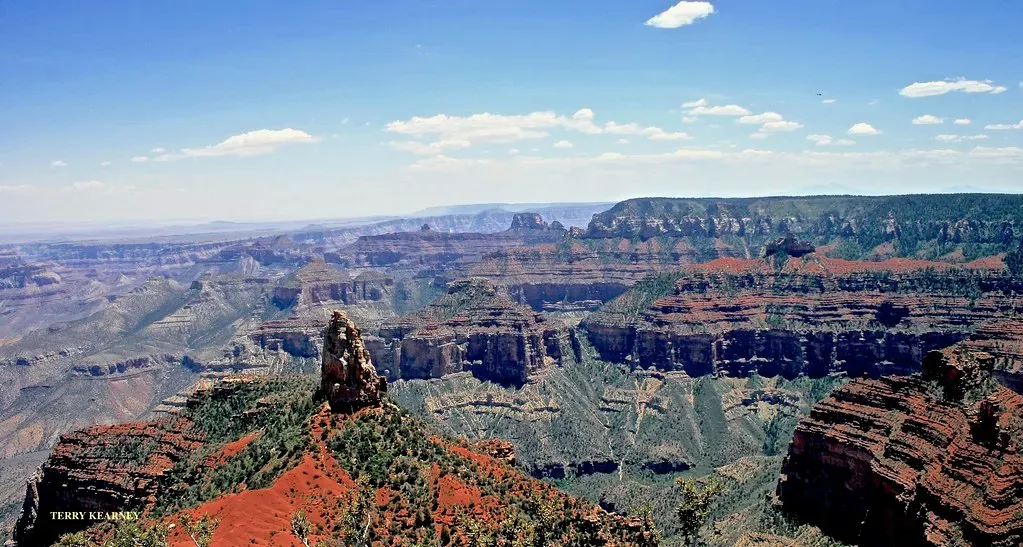
Above the Great Unconformity, the canyon’s walls become a stack of mostly flat, horizontal layers from the Paleozoic Era, roughly between about five hundred and a bit more than two hundred million years ago. These rocks tell a more familiar story: rising and falling seas, migrating shorelines, and the explosion of visible life. When you trace the progression from the coarse Tapeats Sandstone to finer marine limestones higher up, you are following an ancient coastline as it moved back and forth across the region.
You can read these layers like settings from different scenes: beaches and coastal plains, shallow tropical seas full of marine life, tidal flats, and even coastal dunes. Fossils in these rocks document a world where complex animals with shells, skeletons, and diverse body plans suddenly show up in the record. While the canyon does not hold every fossil group you have heard about, it does preserve a clear snapshot of how quickly life diversified after that huge missing interval below, giving you a before‑and‑after contrast separated by a billion‑year blank space.
The Colorado River’s Blade: Carving a Canyon into Ancient Stone
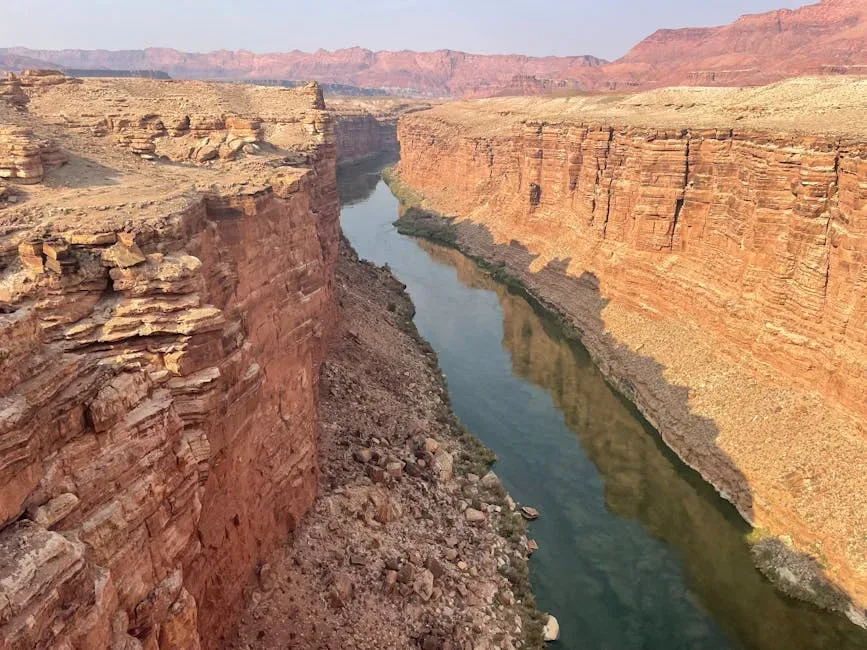
Even with nearly two billion years of rock stacked up, you would not have a canyon without a sculptor, and that sculptor is the Colorado River and its network of tributaries. Evidence suggests that the region started uplifting tens of millions of years ago as the Colorado Plateau rose high above sea level. Once the land was high, gravity and flowing water had the fuel they needed: steeper slopes mean faster, more powerful rivers, and more energy to cut down through solid rock.
Most studies point to the modern, deep Grand Canyon taking shape over the past five to six million years, although earlier ancestral canyons likely existed in different configurations before that. You can think of it as a complicated relay: older river systems carved some portions, later streams reoccupied and deepened those cuts, and the modern Colorado integrated everything into one continuous route to the ocean. Every bend, rapid, and side canyon you see is the result of water, gravity, and time patiently gnawing at uplifted rock.
Clues Locked in Minerals: How You Actually Date a Canyon
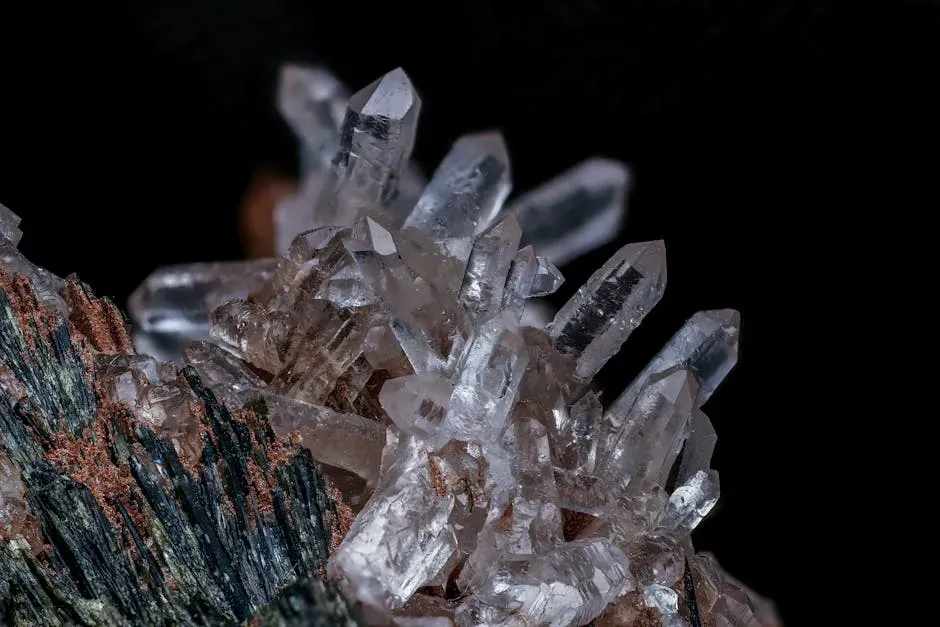
When you hear ages like one point eight billion or six million years, it is easy to treat them as abstract trivia. In reality, those numbers come from specific minerals and methods that you could, in theory, follow step by step. For the oldest rocks, scientists often use uranium‑lead dating in zircon crystals – tiny time capsules that start their clocks when they crystallize from molten rock and lock in a predictable decay pattern between uranium and lead atoms.
To untangle when the canyon itself was carved, researchers have turned to more sensitive techniques, including methods that track helium or other products trapped in minerals as rocks cool and rise toward the surface. By combining those thermochronologic tools with erosion models and the shapes of the canyon’s walls and terraces, they can estimate when different segments were cut and how fast the river was working. The picture that emerges is messy but fascinating: not a single magic moment when a canyon suddenly appeared, but a long, staggered excavation that varied from place to place.
What the Canyon Teaches You About Time, Change, and Uncertainty
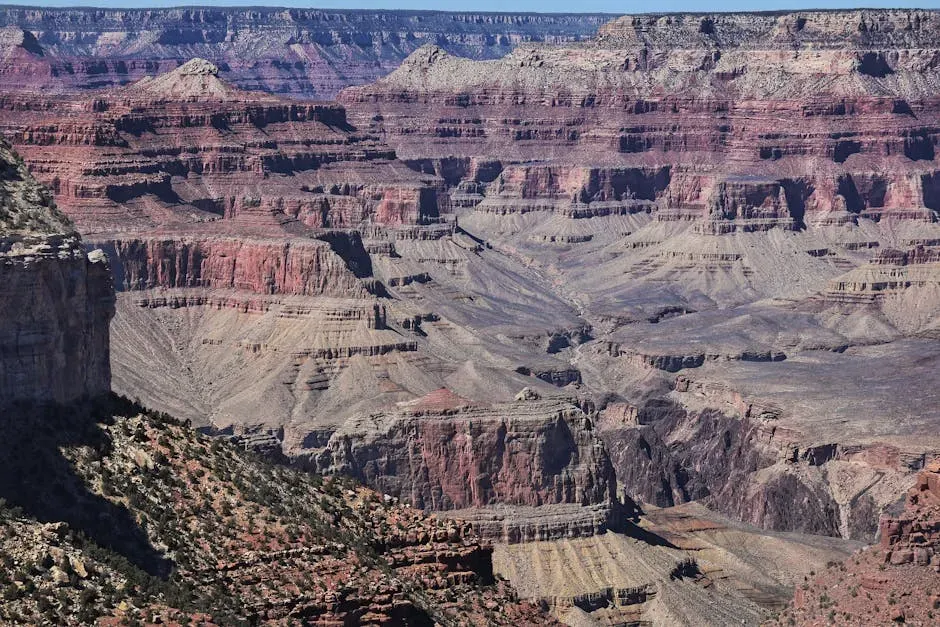
Spending real time with the Grand Canyon’s story changes how you think about time itself. You are used to measuring your life in years and decades; here, the unit of choice is millions and billions. The idea that a single unconformity can erase a billion years, or that early continental collisions still leave scars you can touch, forces you to expand your sense of scale. Suddenly, things that feel ancient in human history – pyramids, empires, languages – barely register against the canyon’s timeline.
At the same time, the canyon reminds you that even in geology, certainty has limits. Scientists still actively debate the exact timing of erosion, the details behind the Great Unconformity, and how older river systems connected before the modern Colorado carved its path. Instead of being a weakness, that uncertainty is part of what makes the canyon so gripping. You are not just visiting a finished story; you are visiting an active investigation, where new techniques and sharper tools keep rewriting chapters you thought were settled.
Walking Away with a Different Sense of the World
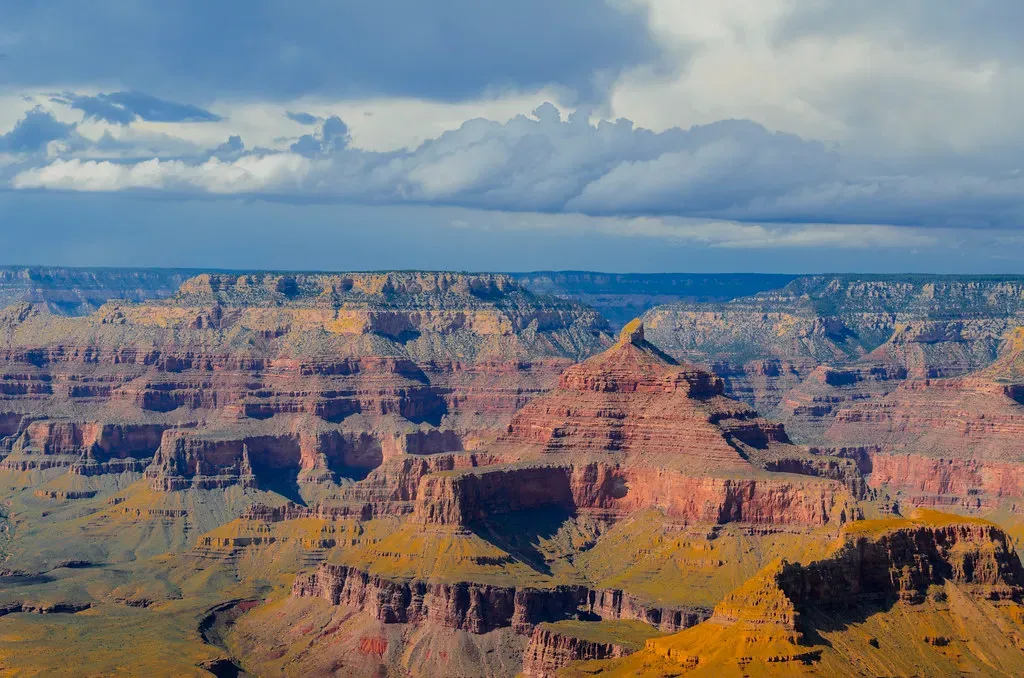
When you finally step back from the rim or climb out from the river, your legs may be tired, but your sense of reality has probably shifted a bit. You have just moved through a physical record that spans from early continental growth to modern ecosystems, with oceans, mountain building, global ice, and massive erosion all woven into a single landscape. The canyon stops being a postcard and becomes a living, open‑ended archive of how a restless planet works over very long spans of time.
If you let it, that experience can seep into how you see everything else. Your own worries and timelines feel smaller, but not in a depressing way – more like the way a clear night sky resets your sense of scale. You realize you live on a planet that is still changing, still carving, still writing new chapters on top of old ones. The next time you see a cliff, a river, or even a rock in your backyard, you may find yourself wondering: if the Grand Canyon can hold two billion years of history, what hidden stories are you walking past every day without noticing?