Lampung Province, Indonesia – Authorities in Indonesia proposed a major rezoning of Way Kambas National Park last year, aiming to shift the vast Sumatran reserve from financial burden to revenue generator through carbon trading and upscale ecotourism. The initiative targets degraded landscapes within the 125,621-hectare sanctuary, home to critically endangered Sumatran elephants, tigers, and rhinos. Critics, however, warn that slashing protected core areas could fragment vital habitats and exacerbate human-wildlife conflicts in one of Southeast Asia’s biodiversity hotspots.
Drastic Zone Changes at Stake
Drastic Zone Changes at Stake (Image Credits: Upload.wikimedia.org)
The Forestry Ministry outlined adjustments that would shrink the park’s core protected zone from 59,935 hectares to 27,661 hectares, a reduction of more than 50 percent. This core area, currently a single large block essential for wildlife movement, would fragment into three separate sections. Meanwhile, the utilization zone available for economic activities would balloon nearly tenfold, from 3,934 hectares to 32,091 hectares.
Officials justified the shift by pointing to degradation across 43,780 hectares, or about a third of the park, scarred by wildfires, invasive species like Malabar melastome and cajuput, and poaching. Restoration efforts, they argued, require new funding streams to tackle these issues effectively.
| Zone Type | Current (2020) | Proposed |
|---|---|---|
| Core Protected | 59,935 ha | 27,661 ha |
| Utilization | 3,934 ha | 32,091 ha |
| Rehabilitation | 16,680 ha | 34,221 ha |
Government Eyes Profit from Protection
Forestry Minister Raja Juli Antoni described national parks like Way Kambas as persistent “cost centers” draining budgets without returns. In March, he announced innovative financing, including private sector involvement, to elevate sites to “world-class” status. The park received just 34 billion rupiah ($2 million) in 2021, equating to roughly $10 per hectare—far below estimated needs.
Proponents highlighted carbon trading potential, with the park holding 31 million tons of CO2 equivalent valued at up to 3.1 trillion rupiah ($183 million) at current prices. Projects would focus on afforestation in degraded grasslands and protection of intact forests, alongside luxury tourism in areas like Wako and Way Kanan. President Prabowo Subianto’s October regulation paved the way for such schemes in protected areas.
- Carbon mechanisms: Protection (20,793 ha) and ARR (6,747 ha) for restoration.
- Tourism allocation: 4,550-4,600 ha for high-end eco-lodges, potentially $14,000 per night.
- Pilot alongside two other parks to test self-funding model.
Experts Sound Alarm on Wildlife Risks
Ecologist Wishnu Sukmantoro, an IUCN Asian Elephant Specialist Group member, called the core zone cuts inappropriate if driven by business expansion. He warned that dense tree planting for carbon credits could eliminate open grasslands vital for the park’s 160-200 Sumatran elephants, forcing them into villages and heightening conflicts.
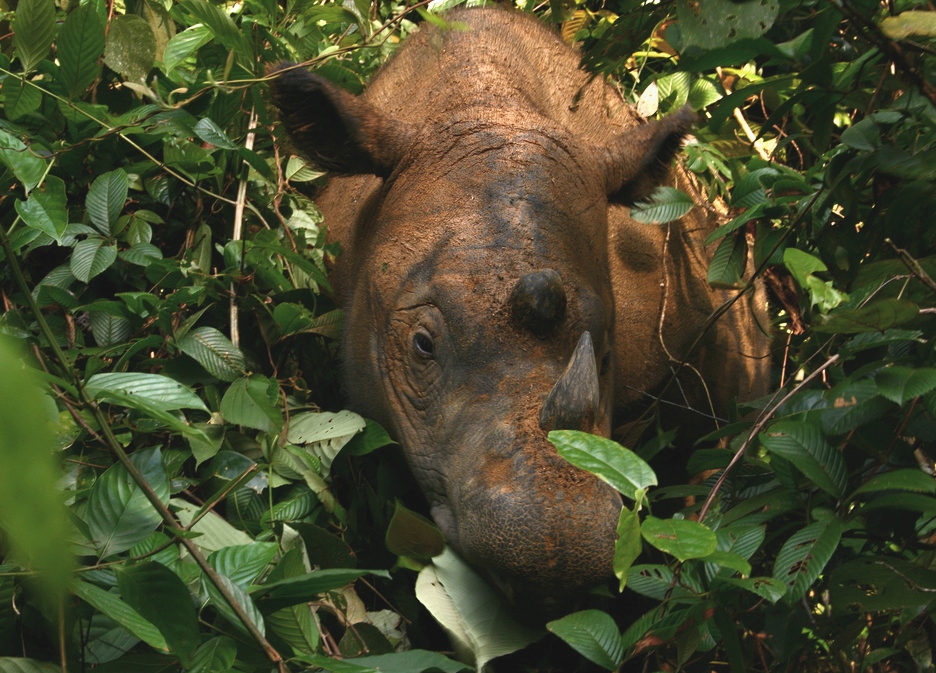
Conservationists noted that affected zones like Wako-Way Kanan overlap historical Sumatran rhino ranges, despite uncertainties on current populations. Walhi Lampung’s Irfan Tri Musri highlighted habitat fragmentation and luxury tourism’s exclusion of locals, predicting elite-only access to public assets. Limited consultations, excluding some NGOs, raised transparency concerns.
Foreign Influence and Local Backlash
Investigative reports revealed former U.S. diplomat Karen Brooks’ role, lobbying President Prabowo for regulatory changes and leading projects via firms like Carbon Ark. Her team surveyed sites since 2019, proposing helipads and exclusive safaris modeled on African reserves. Critics questioned foreign-driven priorities over community consent.
December 2025 consultations in Bandar Lampung drew mixed input, but opponents like Walhi argued core protections should remain intact. A recent elephant attack underscored ongoing tensions around the park’s edges.
Key Takeaways
- Rezoning halves core protection to fund restoration amid chronic underfunding.
- Carbon and tourism promise millions but risk elephant forage and habitat connectivity.
- Stakeholders urge rigorous safeguards, FPIC, and biodiversity focus over revenue.
The Way Kambas debate underscores Indonesia’s tightrope between fiscal innovation and ecological integrity, as global carbon markets expand. Officials maintain no logging or clearing will occur, emphasizing standing forests’ value. Yet, with pilots advancing, the plan’s fate hinges on balancing profits against the sanctuary’s irreplaceable wildlife legacy. What do you think about this approach to park funding? Tell us in the comments.