
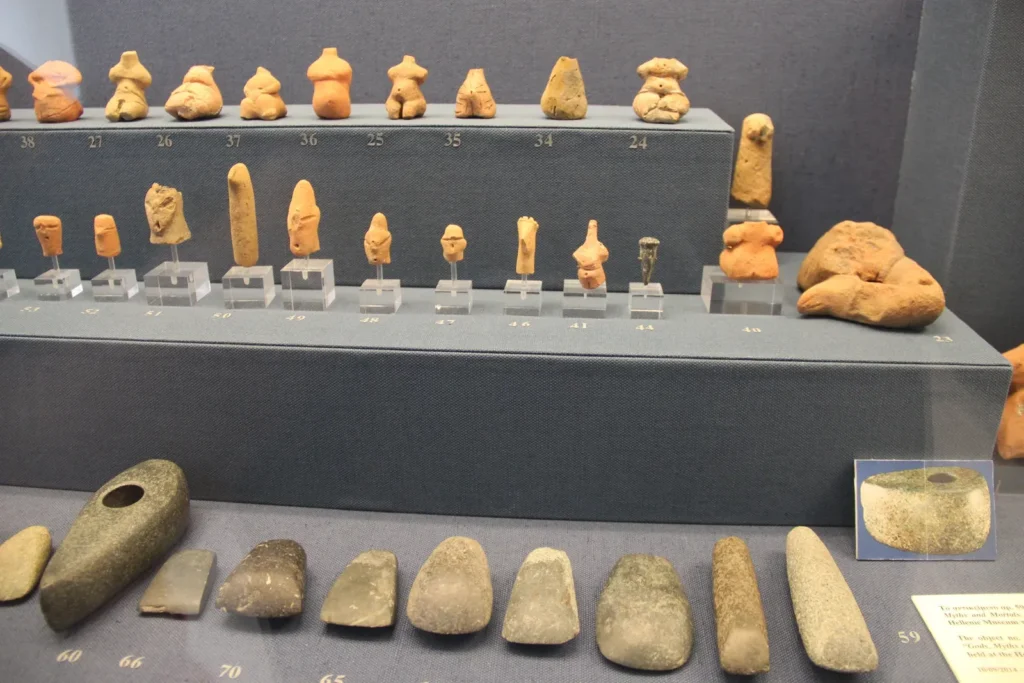
If you grew up hearing that the first people arrived in North America around 13,000 years ago, you’re about to have that picture turned upside down. Over the past couple of years, a wave of discoveries – from tiny stone blades in Texas to ivory tools in Alaska and mysterious footprints in New Mexico – has forced researchers to quietly retire the old story and sketch out a new one.
You’re living at a moment when early American history is being rewritten almost in real time. Instead of a single migration, neat timelines, and one type of technology, you’re now looking at a much messier, richer past: different groups, different tools, and people on this continent thousands of years earlier than you were probably told. The tools themselves are small, but the implications are enormous.
How Ancient Tools Are Challenging the Old “Clovis First” Story
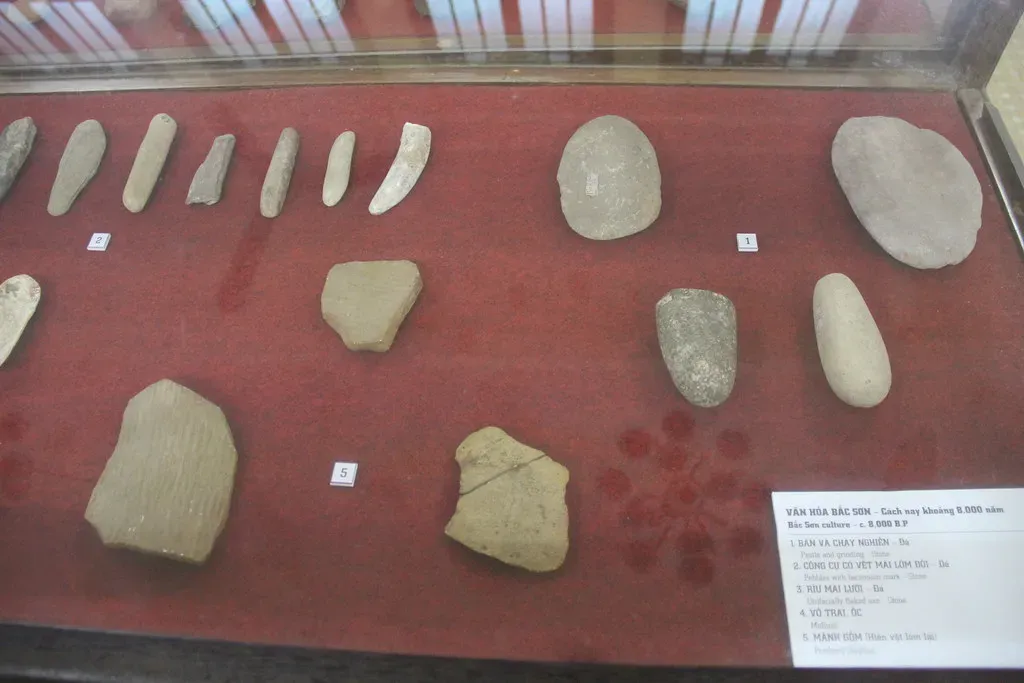
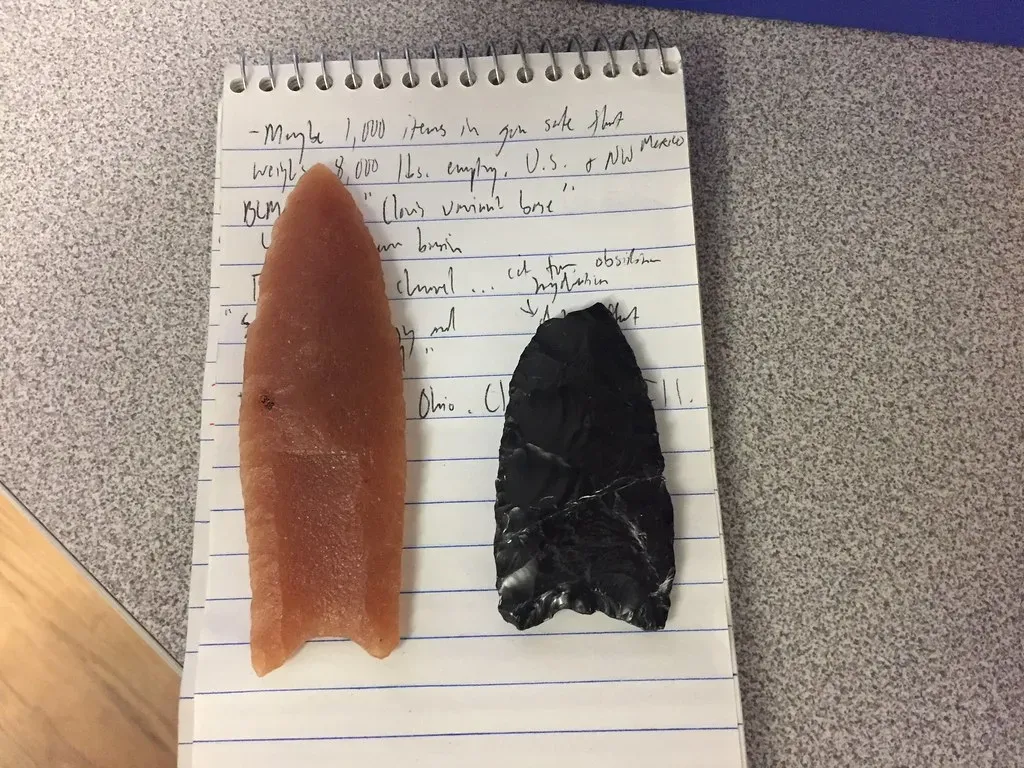
For most of the twentieth century, you were expected to accept one clean narrative: the Clovis people – named after a site in New Mexico – were the first humans in North America, arriving roughly 13,000 years ago with their distinctive fluted spear points. That story was simple, tidy, and easy to teach, which is probably why you still see it in some textbooks. The problem is that the ground has very quietly stopped cooperating with that version of events.
Across the continent, archaeologists have now dug up tools and campsites that are older than the classic Clovis layer, sometimes by a couple of thousand years or more. At first, critics called these “pre-Clovis” finds mistakes, misdated, or misunderstood. But as more and more early sites stacked up – and as dating methods improved – it became harder for you, or for any honest researcher, to keep pretending they did not exist. The tools themselves are now the loudest voices arguing that people were here earlier than the old model ever allowed.
Buttermilk Creek, Texas: A Hidden Workshop Older Than Clovis
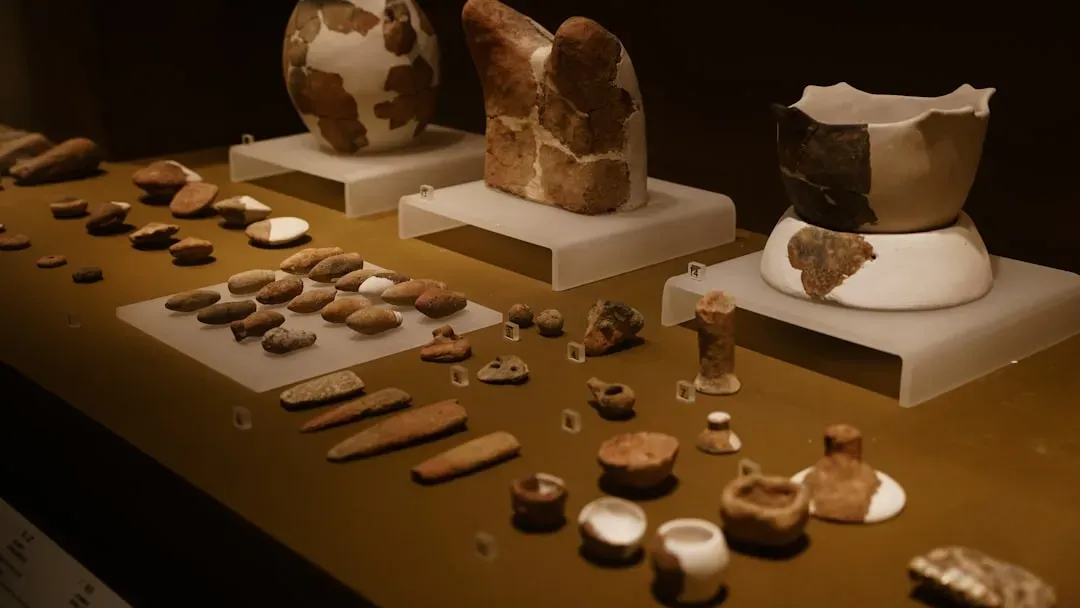
If you could stand on the banks of a modest little stream called Buttermilk Creek in central Texas, you’d be looking at one of the sites that cracked the old story open. Deep beneath the layer where typical Clovis tools sit, archaeologists uncovered tens of thousands of stone artifacts – blades, cores, flakes, and a small “mobile toolkit” – locked in sediments that were last exposed between roughly 13,200 and 15,500 years ago. In other words, you’re seeing clear human activity that predates the classic Clovis horizon by about two and a half millennia.
What makes this place so powerful for you as evidence is not just the dates, but the sheer volume and context. You’re not dealing with a handful of odd stones that might “sort of” look like tools; you’re looking at an entire working area where people systematically chipped fine chert into knives, scrapers, and spear tips. The Clovis tools above lie neatly on top of these earlier layers, like a second chapter in the same book. When you trace the shapes and techniques, you can even imagine how later Clovis points could have evolved from this older technology rather than suddenly appearing out of nowhere.
Ivory and Stone in Alaska: Tracing a Northern Gateway
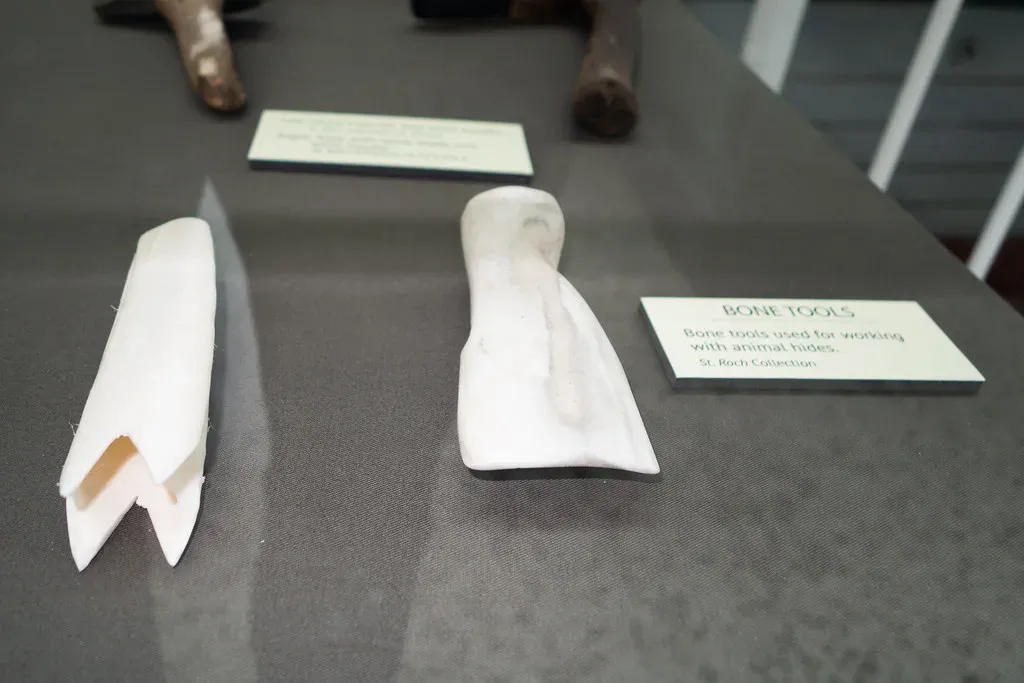
If you shift your gaze northward, recent discoveries in Alaska add another surprising twist for you. In the Tanana Valley, researchers have uncovered tools and manufacturing debris in a site where people worked not only stone, but also mammoth ivory, about 14,000 years ago. You see hammerstones, tusk fragments that look like raw material, and traces of ocher – a reddish mineral often tied to symbolic or ceremonial behavior. These finds are several hundred years older than classic Clovis sites far to the south.
For you, the important part is what these tools suggest about movement and connection. The Alaskan artifacts show a technology that could reasonably be ancestral to the Clovis toolkit, hinting that some of the people crafting and hunting in the north eventually pushed south into the rest of the continent. They also dovetail neatly with the idea that humans used a Bering land bridge – the ice-age connection between Siberia and Alaska – as a gateway, then branched out in different directions. Instead of a single “Clovis wave,” you’re now looking at deep time horizons and multiple stages of migration funneled through the far north.
Footprints in the Sand: Why New Mexico’s Tracks Matter to You
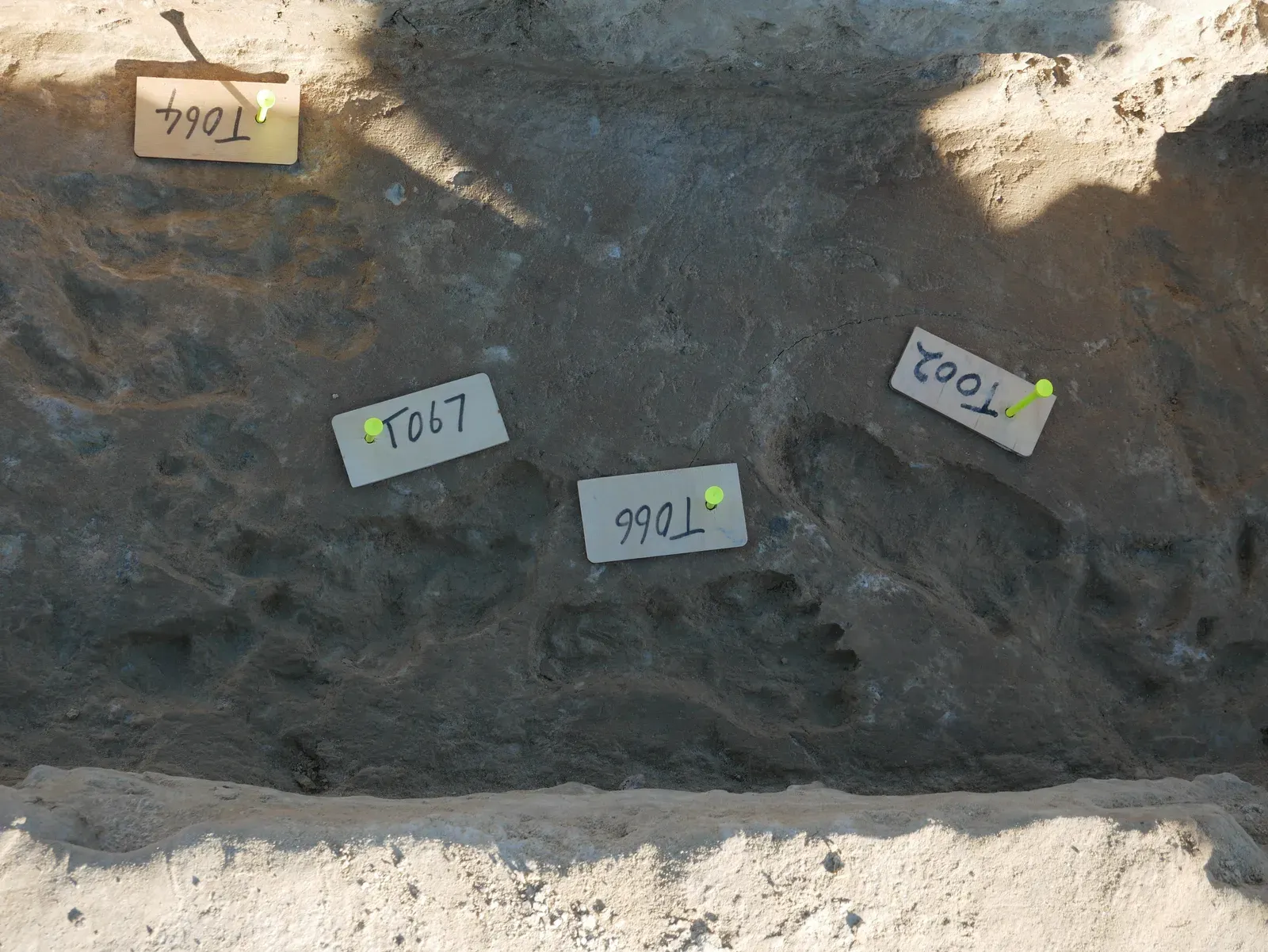
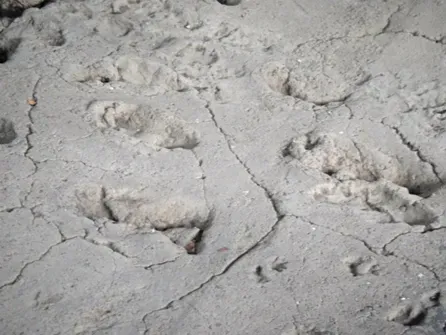
One of the most haunting pieces of evidence you can imagine is not a spear point or a knife blade, but a footprint. In White Sands National Park in New Mexico, scientists have documented fossilized human tracks preserved in ancient lakebed sediments. Dating work suggests that some of these footprints may go back well beyond the classic 13,000-to-16,000-year window once assumed for the first Americans, pushing human presence in the region into an unexpectedly early time frame.
For you, these footprints do something tools alone rarely can: they place real bodies on the landscape at a specific moment. Each track, frozen in time, hints at someone walking along a muddy shoreline, possibly with children, possibly while megafauna still roamed nearby. The dating of the site continues to be tested and refined, and different teams debate exact ages, but the big-picture message is already clear for you – people were here earlier, and they were not just passing through, but moving around and leaving repeated traces in the same places.
Western Routes and River Corridors: What Idaho and the Pacific Northwest Reveal
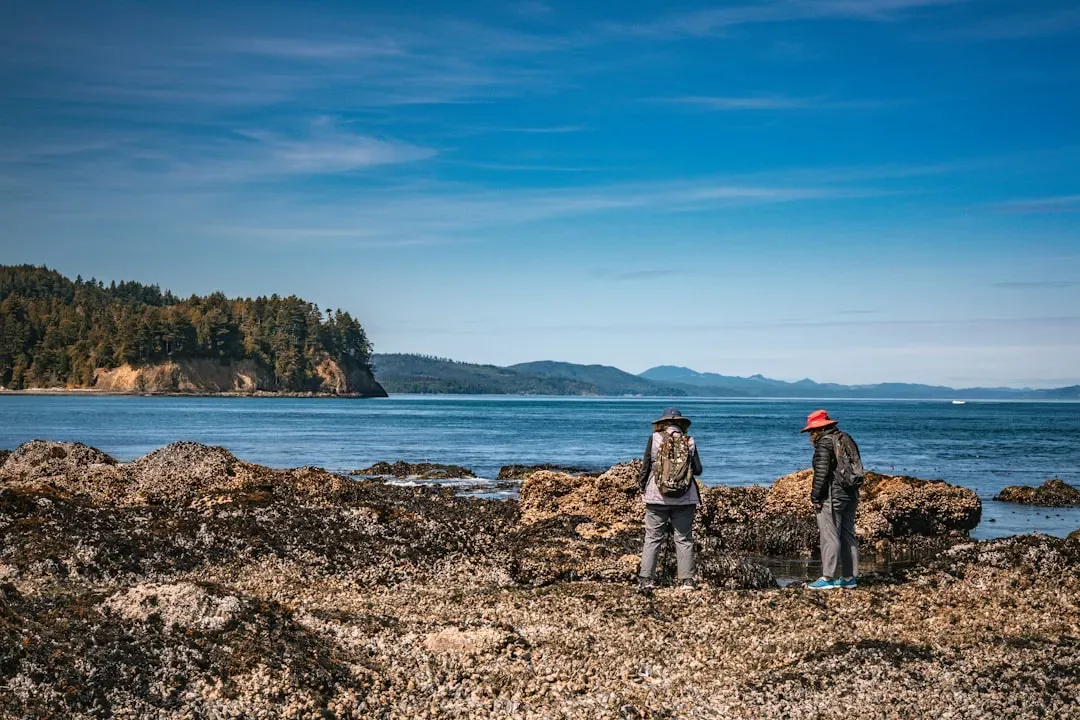
Head toward the Pacific Northwest, and you find even more cracks in the old story. At Cooper’s Ferry in Idaho, along the Salmon River, excavations have uncovered early hearths, toolmaking areas, and animal-butchering spots that reach back into pre-Clovis time. Some of the stone points from this site are “stemmed” rather than fluted, and they resemble tools known from early sites in East Asia and coastal regions, which immediately raises new questions for you about routes and relationships.
When you put these finds on a map, you see a different pattern emerge: instead of a single wave of hunters racing down an “ice-free corridor” in the interior, you might be looking at people moving along rivers and perhaps even hugging the Pacific coast. For you, this means early North America is starting to look like a network of pathways – inland valleys, river systems, shorelines – rather than a straight, one-lane highway. Different tool styles suggest that more than one group, or more than one technological tradition, made it into the continent and adapted to local landscapes in their own ways.
New Tools, New Dates: How You Actually Know How Old This Stuff Is
All of these bold claims hinge on one question you have every right to ask: how do they really know how old these tools are? In the past, radiocarbon dating of charcoal, bones, or plant remains was the main way to anchor a site in time. Many early, controversial pre-Clovis claims struggled because there simply wasn’t enough trustworthy organic material to date. Now, researchers increasingly combine radiocarbon with other methods, like optically stimulated luminescence, which measures when grains of sand or silt were last exposed to sunlight before being buried.
For you, that means scientists can sometimes date the sediments around tools even when there’s no bone or charcoal left to test. At Buttermilk Creek, for example, the pre-Clovis layer is locked in sediments that luminescence dating places thousands of years earlier than the overlying Clovis tools. At other sites, improved lab techniques and more cautious sampling have produced tighter error ranges, making the dates harder to dismiss. You still see debate – as in high-profile challenges to the ages of famous South American sites – but the overall pattern is now much more robust than the shaky pre-Clovis hints from decades ago.
What These Ancient Tools Tell You About Early American Lives
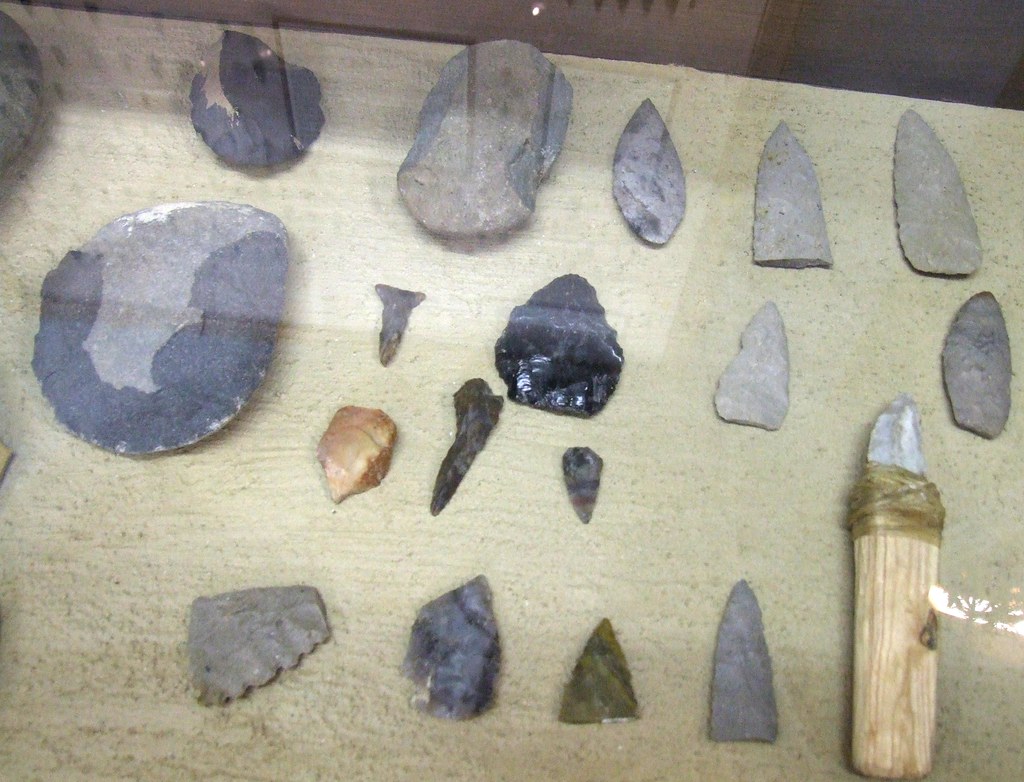
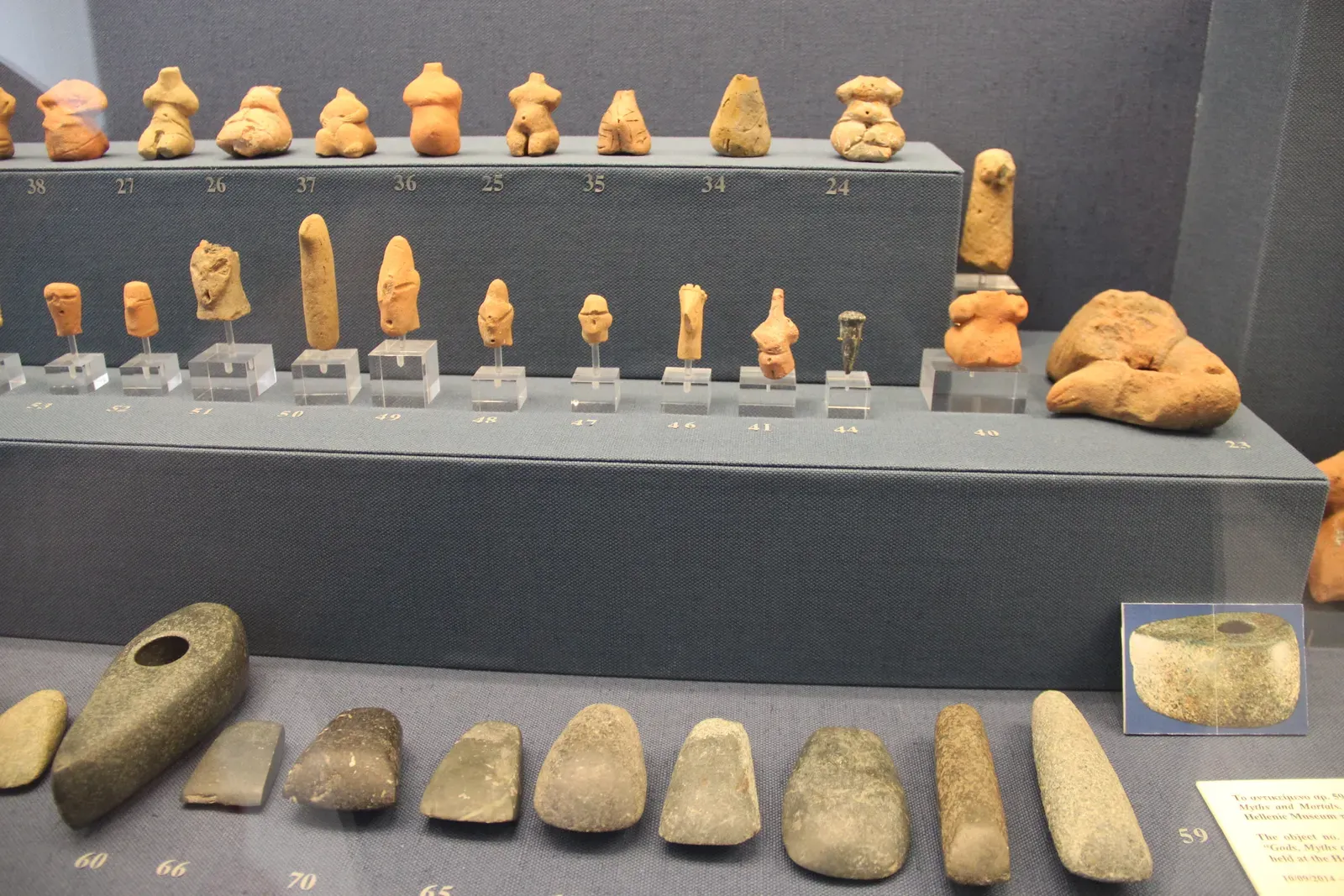
It’s easy to get lost in dates and labels, but the tools themselves are your best window into how early people actually lived. When you look closely at the blades, scrapers, and points from places like Texas, Alaska, and Idaho, you see practical, clever designs tuned to daily survival. Knife-like blades suggest butchering and hide preparation; scrapers and chisels hint at woodworking or plant processing; spear tips point to big-game hunting and dangerous confrontations with massive animals. You’re glimpsing real tasks, not just abstract “cultures.”
At some sites, you see clear evidence that people carried compact toolkits they could quickly repair on the move, which tells you they were mobile and strategic, not wandering aimlessly. In others, the density of broken rock chips and hearths shows that groups stayed long enough to turn specific spots into workshops and camps year after year. Sprinkle in things like ocher and carefully worked ivory, and you get hints of symbolism and social life layered on top of survival. Even though stone and bone are just a tiny fraction of what once existed, they let you imagine families, shared skills, and stories being passed down long before written history.
Why This Matters for How You Understand History Today
So why should you care if people were here 13,000 years ago or 15,500 years ago? On the surface, a couple of thousand years might not seem like much. But in terms of human history, shifting that starting point rewrites the entire opening chapter of the story you tell about this continent. A longer timeline changes how you think about migration routes, how quickly people adapted to new environments, and how they might have interacted with massive ice sheets and disappearing megafauna.
It also reminds you that science is not a stack of unchangeable facts, but a living process that can be overturned when better evidence appears. The “Clovis first” idea held on for decades not because it was perfect, but because it fit what little data people had at the time. Now that you have older tools, better dating methods, and more sites across North America, you’re watching a new consensus slowly form that is more complex, more fragmented, and ultimately more human. In a way, these tiny blades and flakes are giving you permission to imagine a deeper, richer American past than you were once allowed to picture.
Conclusion: Rethinking the First Footsteps You Never Saw
When you step back, all these discoveries – the chert blades under Texas soil, the ivory tools in frozen Alaskan ground, the ghostly footprints in New Mexico, the stemmed points in Idaho – converge on one simple message for you: people were here earlier, in more ways, and with more variety than the old story ever admitted. Instead of a single pioneering group charging south, you’re looking at overlapping movements, different technologies, and a far longer period of experimentation and adaptation. The tools are small, but the shift in perspective they force on you is huge.
As new digs open and fresh layers are peeled back, you can expect more surprises that will nudge those dates and routes again. You might see the timeline pushed further back, or the coastal and inland pathways redrawn in light of new evidence. The one thing you can be sure of is that early North American history is no longer a closed case; it’s an unfolding investigation where each tool, footprint, and hearth adds another line to the story. When you picture the first human footsteps on this continent now, do you still see just one trail – or are you starting to imagine a whole web of paths crisscrossing a landscape you thought you already knew?