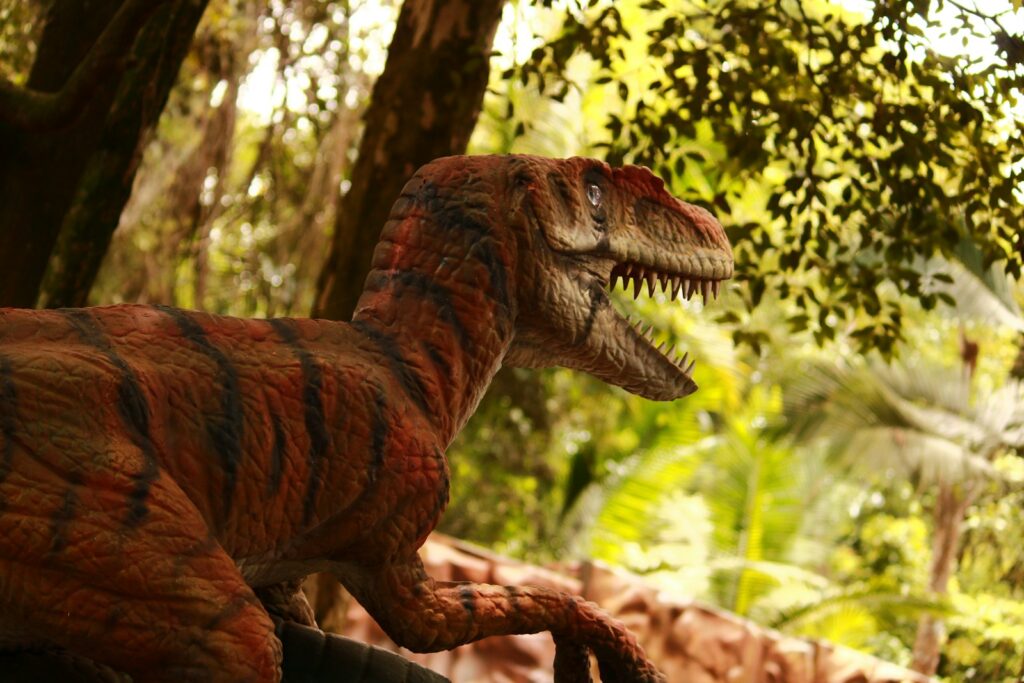
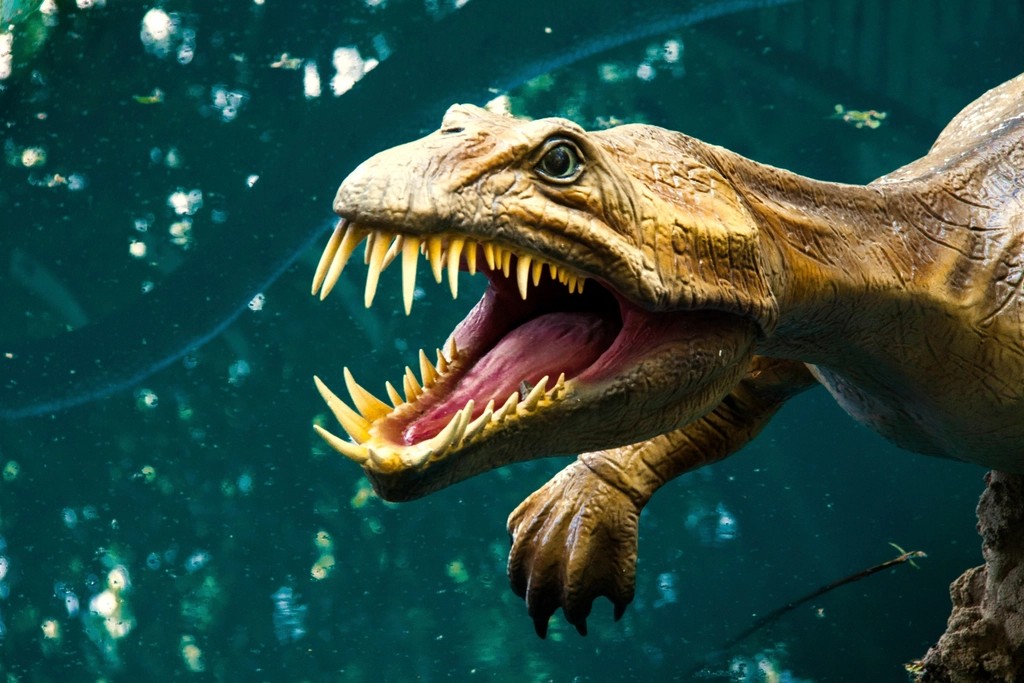
On the windswept shores of Lyme Regis, England, a young woman wielding a geological hammer would forever change our understanding of prehistoric life. Mary Anning, born in 1799 to a cabinetmaker and his wife, grew up in poverty but possessed an extraordinary gift for finding fossils in the crumbling cliffs of the Jurassic Coast. Despite living in an era when women were excluded from scientific institutions, denied education, and rarely published, Anning’s remarkable discoveries and meticulous work forced the scientific establishment to confront both ancient mysteries and their own prejudices. Her story represents one of history’s most profound examples of scientific brilliance overcoming the barriers of gender and class, ultimately reshaping our understanding of Earth’s ancient past decades before Darwin’s theory of evolution.
Early Life and Introduction to Fossil Hunting
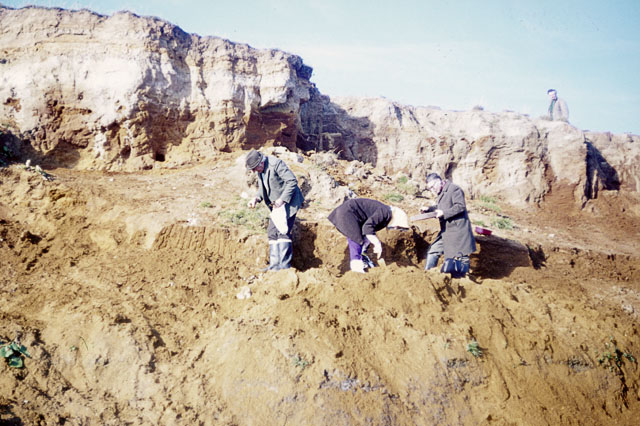
Mary Anning was born on May 21, 1799, in Lyme Regis, a coastal town in Dorset, England, to Richard and Mary Anning. Her family lived in dire poverty, with her father working as a cabinetmaker and supplementing the family’s income by selling “curiosities” – fossils found along the shoreline – to tourists. Of the ten children born to the couple, only Mary and her brother Joseph survived to adulthood, with the family’s hardships intensifying after Richard’s death in 1810 from tuberculosis and complications from a fall from the cliffs. Mary was just eleven when she took up her father’s fossil hunting tools, learning the dangerous craft of scanning the unstable Blue Lias cliffs after storms when fresh fossils would be exposed. The family’s financial desperation drove Mary’s dedication to fossil hunting, as each significant find could provide much-needed income in a household perpetually on the edge of destitution.
The Remarkable Ichthyosaur Discovery
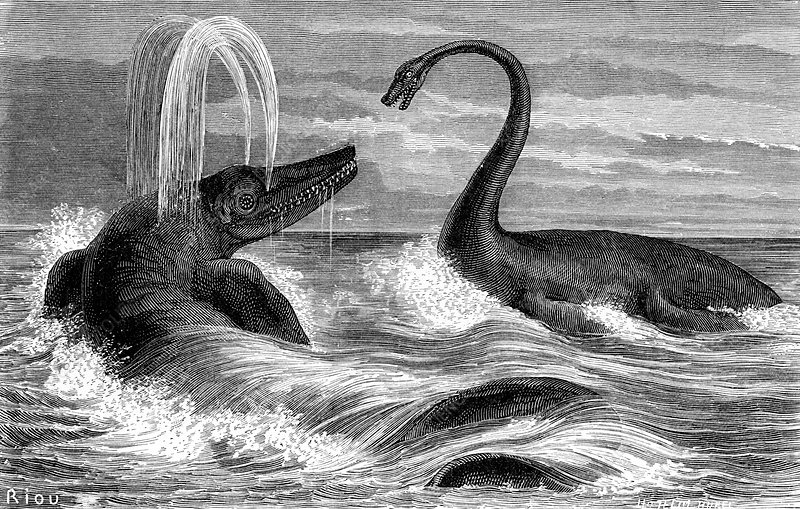
Mary Anning’s first major discovery came when she was only twelve years old, just months after her father’s death. In 1811, her brother Joseph spotted a skull protruding from the cliffs, and Mary later excavated the complete skeleton of what would later be identified as an ichthyosaur, a marine reptile approximately 17 feet long that lived about 200 million years ago. This find was revolutionary, as it represented the first complete ichthyosaur skeleton ever discovered, though at the time it was thought to be some kind of crocodile. The family sold this extraordinary specimen for £23 (equivalent to several thousand dollars today) to Henry Hoste Henley, who later sold it to William Bullock for exhibition in London. The ichthyosaur eventually made its way to the British Museum, where it caused a sensation among scientists struggling to reconcile such creatures with contemporary understanding of natural history, predating Darwin’s theory of evolution by decades. This discovery alone would have secured Anning’s place in scientific history, but it was merely the beginning of her contributions.
The Plesiosaur that Baffled Georges Cuvier

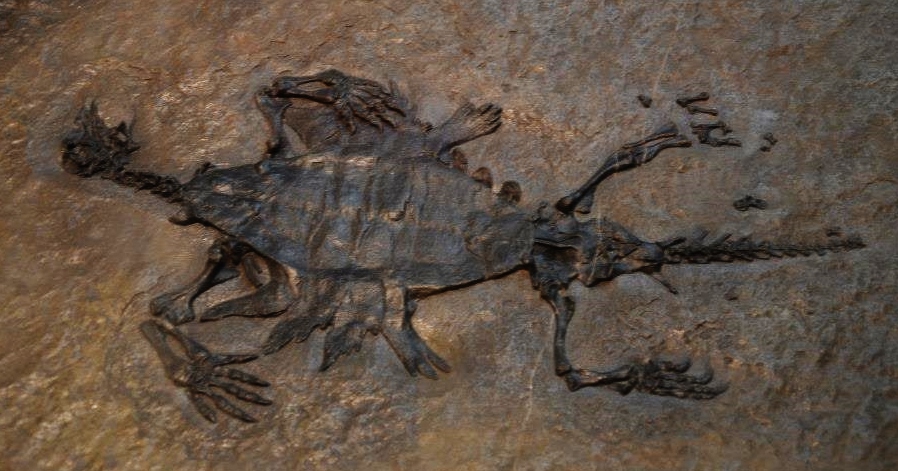
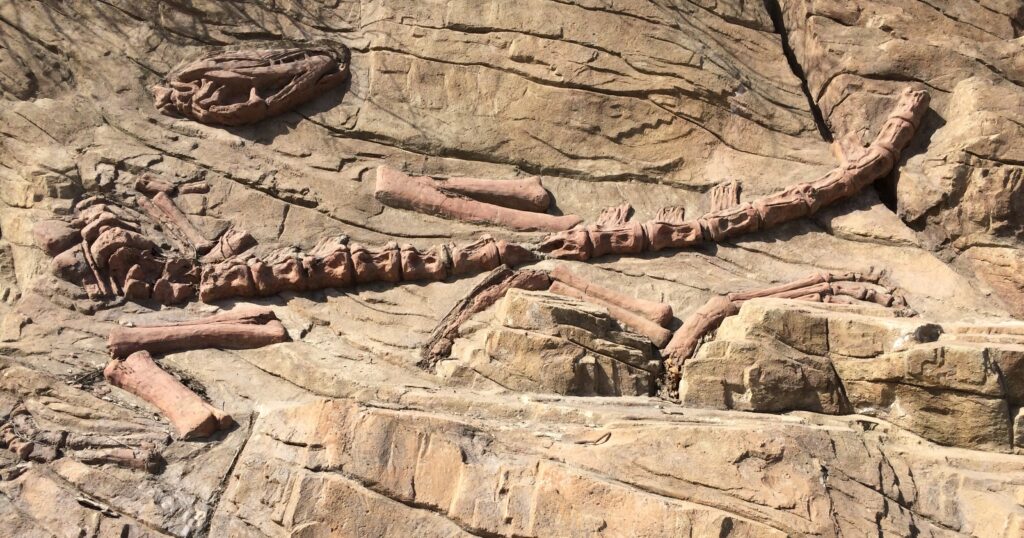
In 1823, Mary Anning unearthed another revolutionary find – the first complete plesiosaur skeleton. This strange marine reptile, with its remarkably long neck, small head, and turtle-like body, was so unusual that Georges Cuvier, the leading anatomist of the day, initially declared it a fake. Cuvier, known as the “Napoleon of comparative anatomy,” could not believe such a creature had existed and suggested that someone had added vertebrae to the neck of another specimen. A detailed investigation by the Geological Society of London confirmed the authenticity of Anning’s find, forcing Cuvier to retract his accusation and acknowledge the discovery. This plesiosaur, approximately 10 feet long with a neck containing 35 vertebrae, represented an entirely new group of marine reptiles previously unknown to science. The specimen was purchased by the Duke of Buckingham and presented to the British Museum, where it provided crucial evidence of the diversity of prehistoric life and challenged conventional understanding of the ancient world.
Scientific Insights Beyond Mere Discoveries
Mary Anning’s contributions extended far beyond simply finding fossils – she developed remarkable scientific insights that were ahead of her time. Through careful observation, she identified and described fossilized ink sacs in belemnites (extinct relatives of squid), correctly deducing they functioned similarly to modern cephalopods. This discovery was confirmed when a scientist mixed the ancient ink with water and used it to draw the specimen’s picture. Anning was also among the first to recognize coprolites as fossilized feces, providing valuable information about prehistoric diets and food chains. She meticulously documented the anatomy of her discoveries, creating detailed drawings and notes that reflected her deep understanding of comparative anatomy despite having no formal education. Perhaps most significantly, Anning recognized patterns in the geological strata that suggested extinction events and species change over time – concepts that would later support Darwin’s evolutionary theory. Her holistic understanding of paleontology, geology, and anatomy made her more than a fossil collector; she was a scientist in all but formal recognition.
Gender Barriers in 19th Century Science
The scientific world of early 19th century Britain was exclusively male, with women systematically excluded from scientific institutions. The Geological Society of London, founded in 1807, did not admit women until 1904, over 60 years after Anning’s death. Universities remained closed to female students, and scientific publications rarely acknowledged women’s contributions. Anning’s gender prevented her from receiving formal education in natural sciences, participating in scientific debates, or even attending lectures where her own discoveries were discussed. Male scientists would often purchase specimens from her, then publish papers about them without crediting her work or insights. The scientific establishment viewed women as intellectually inferior, incapable of serious scientific thought, with their proper place being in domestic roles. These deeply entrenched attitudes meant that despite making world-changing discoveries, Anning remained an outsider to the scientific community she was revolutionizing, working on its margins while men built careers and reputations largely through studying and writing about her finds.
Class Barriers and Financial Struggles
Beyond gender discrimination, Mary Anning faced the additional burden of class prejudice in a rigidly stratified Victorian society. Born into poverty and lacking formal education, she occupied the lowest rungs of the social ladder at a time when scientific pursuit was largely the domain of wealthy gentlemen who could afford to engage in unpaid intellectual endeavors. Anning’s financial circumstances were perpetually precarious, with her livelihood entirely dependent on finding and selling fossils – an inherently inconsistent income stream. The family regularly faced hunger and barely avoided the workhouse, with winters being particularly difficult as bad weather prevented fossil hunting. The scientific gentlemen who eagerly purchased her specimens often haggled over prices, taking advantage of her desperate circumstances to acquire valuable fossils for a fraction of their scientific worth. In 1835, after learning of her financial difficulties, the British Association for the Advancement of Science granted her a small annuity of £25, which provided some stability but couldn’t compensate for decades of exploitation. Anning’s remarkable scientific achievements were accomplished not from a position of privilege but against overwhelming socioeconomic odds.
Relationship with the Scientific Community

Despite systematic exclusion from formal scientific circles, Mary Anning developed complex relationships with leading scientists of her day. Geologist Henry De la Beche, who grew up in Lyme Regis, became a supporter and friend, eventually creating a scientific illustration called “Duria Antiquior” based on her discoveries and donating proceeds from its sale to Anning during a period of financial hardship. The renowned anatomist Richard Owen regularly consulted with her and purchased specimens, though he rarely credited her in his publications. William Buckland, Oxford’s first geology professor, frequently visited Anning in Lyme Regis, bringing students to learn from her practical knowledge of fossils and stratigraphy. Swiss naturalist Louis Agassiz named two fossil fish species after her – a rare professional acknowledgment. These relationships revealed the paradoxical position Anning occupied: respected enough to be consulted privately by eminent scientists who recognized her expertise, yet publicly marginalized due to her gender and class. She existed in a peculiar liminal space – too valuable to ignore completely, yet systematically denied the recognition, membership, and compensation that would have accompanied formal scientific standing.
Scientific Impact and Legacy

Mary Anning’s discoveries fundamentally transformed early 19th century understanding of prehistoric life and Earth’s history. Her uncovering of complete marine reptile skeletons provided crucial evidence that species had gone extinct – a controversial concept at the time when many believed God’s creation was perfect and unchanging. The sheer diversity of ancient creatures she revealed, from ichthyosaurs to plesiosaurs to pterosaurs, demonstrated that Earth’s history was far longer and more complex than previously imagined. Her work contributed significantly to the emerging field of paleontology and provided essential evidence that would later support Darwin’s theory of evolution. Despite receiving little recognition during her lifetime, Anning’s scientific legacy has grown tremendously in recent decades. The Natural History Museum in London now prominently displays her discoveries, and scientific historians increasingly acknowledge her as one of the most influential paleontologists in history. Several species have been named in her honor, including Anningia, a genus of extinct marine reptiles, and in 2010, the Royal Society included Anning in their list of the ten British women who have most influenced the history of science.
Danger and Physical Challenges of Her Work
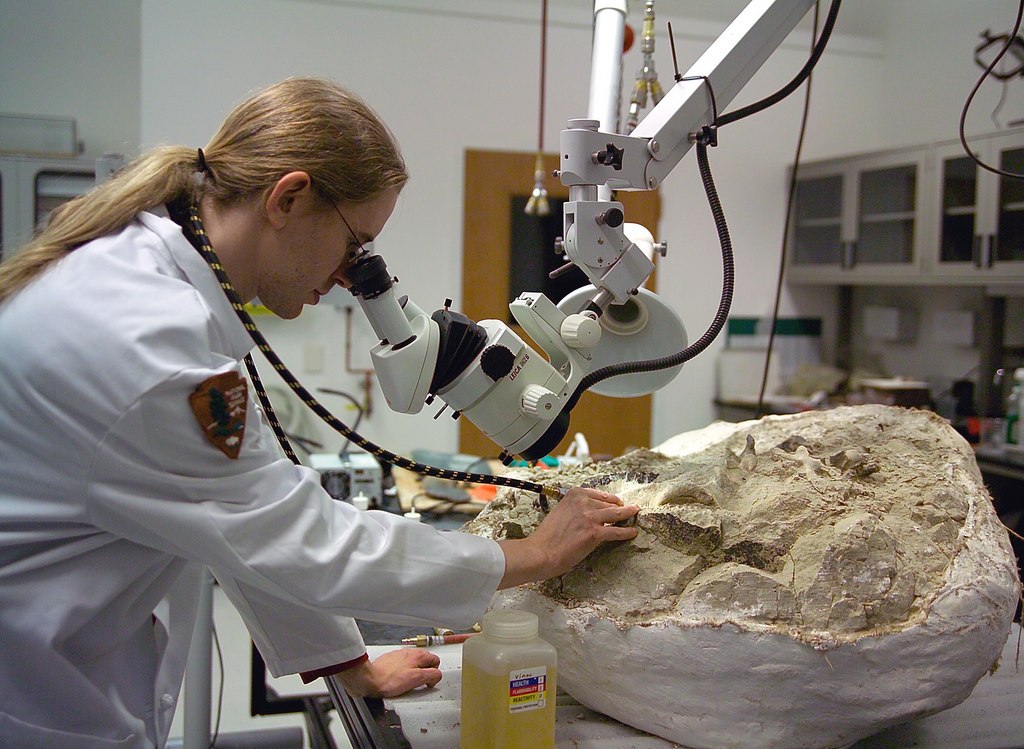
Fossil hunting along the Jurassic Coast was incredibly dangerous work, requiring both physical courage and endurance that Anning demonstrated throughout her career. The unstable Blue Lias cliffs regularly experienced landslides, especially after storms – precisely when fresh fossils would be exposed and Anning would be working beneath them. In 1833, she narrowly escaped death during a landslide that killed her beloved dog, Tray, who always accompanied her on fossil expeditions. Winter fossil hunting meant enduring freezing temperatures, driving rain, and dangerous high tides that could trap the unwary against the cliffs. The physical labor was immense – extracting fossils required hammering through rock with hand tools, then transporting heavy specimens across difficult terrain. Anning developed specialized techniques for extracting and preparing delicate fossils, including using carpentry tools inherited from her father and developing her own methods for removing matrix rock without damaging specimens. To maintain anatomical accuracy, she often had to recover fossils in sections, meticulously documenting their position before removal. This physically demanding and dangerous work continued throughout her life, representing decades of extraordinary dedication to scientific discovery in the most challenging circumstances.
The Pioneering Pterodactyl Discovery
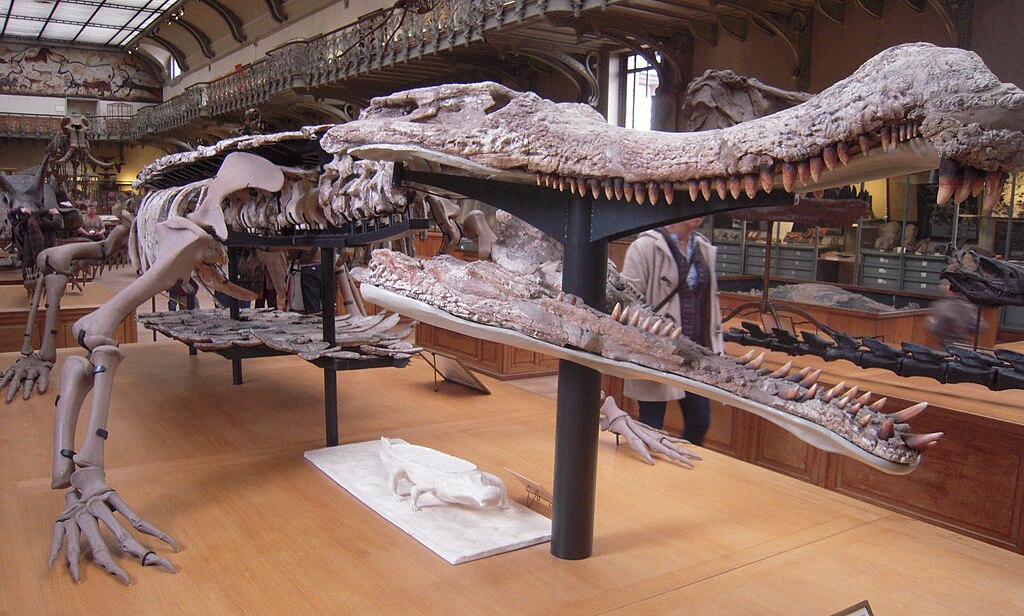
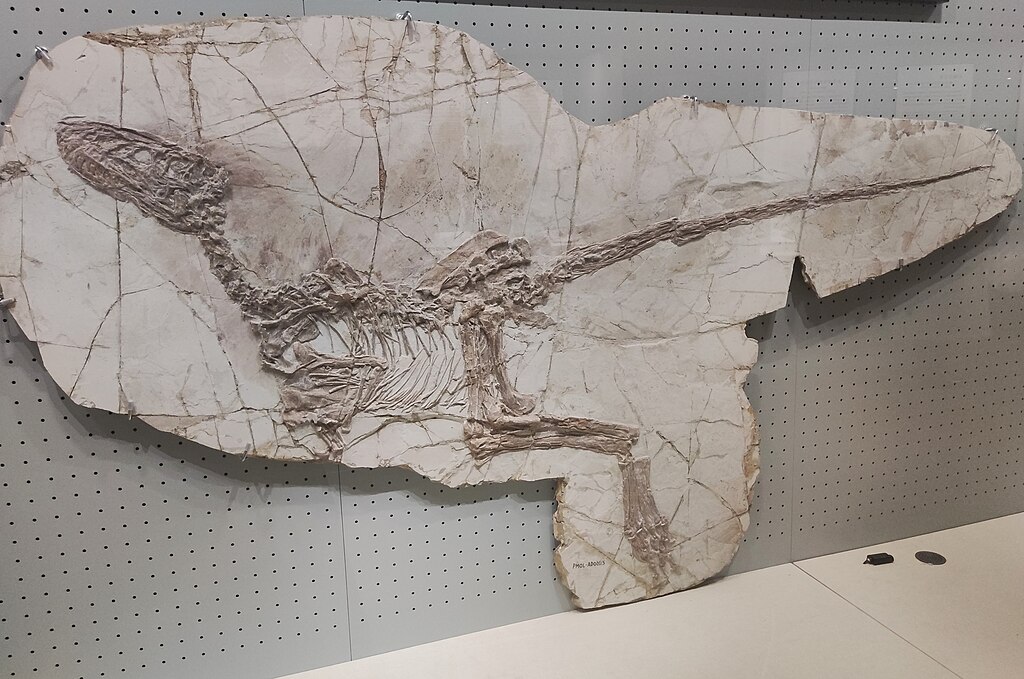
In December 1828, Mary Anning made another groundbreaking discovery when she uncovered the first complete pterodactyl (now known as a pterosaur) skeleton found in Britain. This flying reptile, with its elongated fourth finger supporting a wing membrane, represented an entirely different type of prehistoric creature from her previous marine reptile discoveries. The specimen was remarkable for its preservation, showing clear impressions of the wing membranes and other soft tissues rarely preserved in the fossil record. William Buckland described this find in a paper presented to the Geological Society of London, naming it Pterodactylus macronyx, though again without giving Anning proper credit for the discovery. The pterosaur fossil dramatically expanded scientific understanding of prehistoric biodiversity, demonstrating that flying reptiles had once dominated the skies just as marine reptiles had ruled ancient oceans. This discovery contributed to the developing realization that the ancient world had been populated by creatures dramatically different from modern animals, further challenging biblical literalism and static views of Earth’s history. The pterosaur joined Anning’s marine reptiles in helping construct a more accurate picture of Mesozoic ecosystems and the tremendous changes that had occurred throughout Earth’s history.
Later Life and Recognition
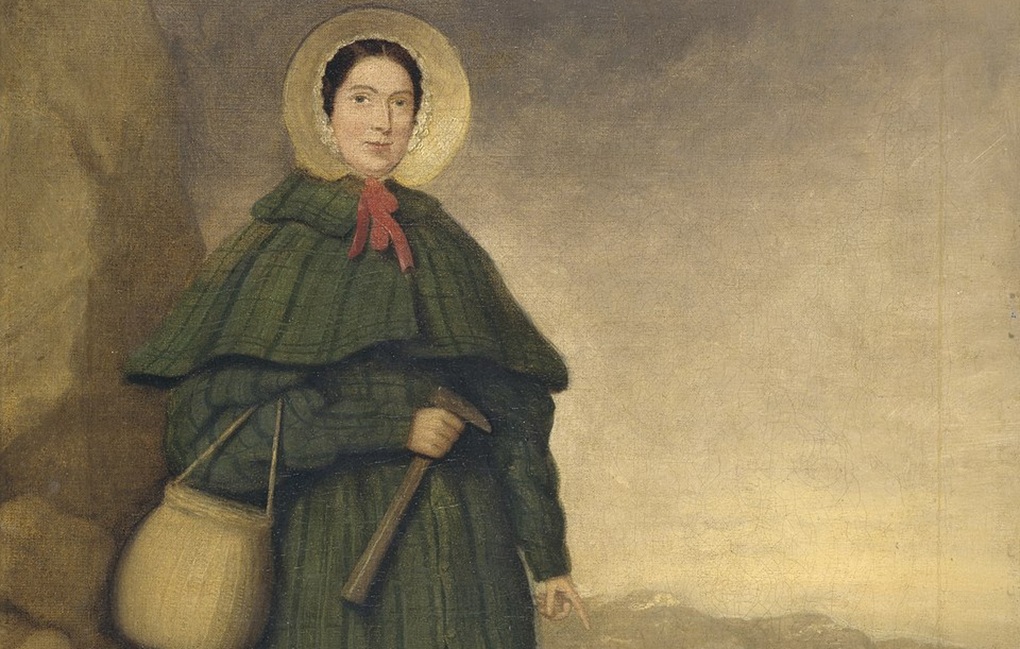
As Mary Anning entered middle age, her fossil discoveries became less frequent, partly due to increased competition from other collectors and the depletion of easily accessible specimens after decades of intensive collecting. Her financial situation remained difficult despite her growing reputation, and in 1835, she opened a small fossil shop in Lyme Regis that became a popular destination for tourists and scientists alike. In 1838, the British Association for the Advancement of Science increased her annuity to £40, providing some financial security. Anning’s health began to deteriorate in the 1840s, and she was diagnosed with breast cancer. During her illness, the Geological Society of London took up a special collection to help with her expenses – a tacit acknowledgment of her importance to the field that had formally excluded her. On March 9, 1847, at the age of 47, Mary Anning died from her illness. The Geological Society published an unprecedented obituary for her despite her never being permitted membership, calling her “the greatest fossilist the world ever knew.” After her death, Henry De la Beche, by then President of the Geological Society, wrote a eulogy that was read to the society – the first time they had honored someone who could not be a member due to gender.
Rediscovery and Modern Recognition

For over a century after her death, Mary Anning remained largely forgotten outside of geological circles, with her contributions minimized or attributed to the male scientists who published about her discoveries. The resurgence of interest in Anning’s life and work began in the late 20th century, coinciding with broader efforts to recover women’s contributions to science. In 1999, on the 200th anniversary of her birth, the Natural History Museum in London unveiled a special exhibit dedicated to her work, and Lyme Regis established an annual Mary Anning Day. In 2010, the Royal Society recognized her as one of the most influential women in British scientific history. The Lyme Regis Museum, built on the site of her birthplace, now features a permanent exhibition about her life and work. In recent years, Anning has been the subject of numerous biographies, children’s books, and novels, including Tracy Chevalier’s “Remarkable Creatures” and in 2020, the feature film “Ammonite” starring Kate Winslet. After a campaign led by a schoolgirl from Dorset, a statue of Anning was unveiled in Lyme Regis in 2022, representing a tangible acknowledgment of her scientific legacy. This renewed recognition has transformed Anning from a footnote in scientific history to a celebrated pioneer and symbol of women’s often unacknowledged contributions to scientific progress.
Lasting Scientific and Cultural Impact
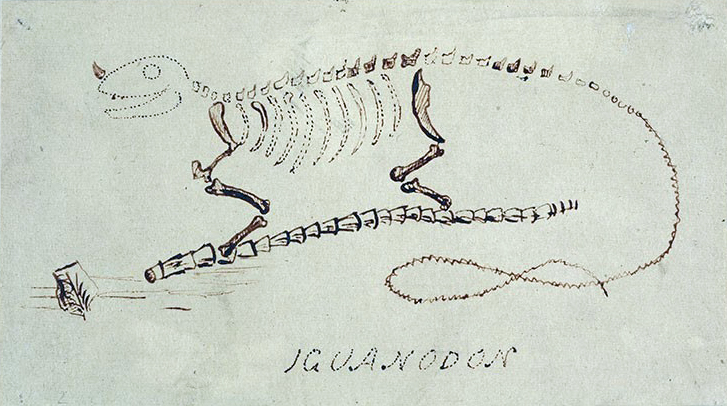
Mary Anning’s discoveries fundamentally changed our understanding of prehistoric life and Earth’s history, with implications that continue to resonate in modern science. Her unearthing of marine reptiles provided crucial evidence for extinction at a time when the concept remained controversial, helping to establish the fact that Earth’s history included species that no longer existed. The diversity of ancient creatures she revealed contributed significantly to developing concepts of deep time and evolutionary change that would later form the foundation of Darwin’s work. Beyond her direct scientific contributions, Anning has become an important symbol of the struggle for inclusion in science, representing countless women whose intellectual contributions were minimized or erased due to systemic barriers. Her story highlights the artificial limitations placed on scientific progress when talent is excluded based on gender, class, or other social factors. The famous tongue-twister “She sells seashells by the seashore” is believed to have been inspired by Anning, reflecting her cultural impact even during a period when her scientific contributions were underrecognized. In modern scientific education, Anning’s story serves as both an inspiration and a cautionary tale about the consequences of exclusion, making her legacy as much about scientific ethics and inclusion as about the revolutionary fossils she discovered.
Conclusion

Mary Anning’s extraordinary journey from impoverished fossil seller to scientific pioneer represents one of history’s most remarkable examples of intellectual perseverance against overwhelming odds. Despite being excluded from formal education, scientific institutions, and publication opportunities due to her gender and social class, Anning’s brilliant mind and relentless dedication to discovery changed our understanding of prehistoric life. Her meticulous work uncovering and interpreting the ancient creatures of the Jurassic Coast laid essential foundations for paleontology and evolutionary theory. As modern science continues to reckon with issues of inclusion and recognition, Anning’s story serves as both inspiration and warning – a testament to the scientific brilliance that can emerge from the most unlikely circumstances, and a reminder of how much human potential has been lost through systematic exclusion. The fossil hunter who changed science before women were allowed in has finally received her rightful place in scientific history, though the recognition comes centuries too late for the remarkable woman who walked the dangerous shores of Lyme Regis, hammer in hand, uncovering the secrets of Earth’s ancient past.