If you could step into a time machine and land in the Late Jurassic, the first thing that might hit you is not the sight of dinosaurs, but the soundscape they lived in. You probably picture echoing roars shaking the ground, like in the movies, but the truth is both stranger and more fascinating. When you start looking at the science, you realize you are piecing together a soundtrack from bones, bird calls, crocodile grunts, and careful guesswork.
As you explore what dinosaurs might have sounded like, you discover that every clue is indirect. No microphones, no recordings, not even fossilized vocal cords. Yet you still have traces: skulls, inner ears, chest bones, living relatives, and even preserved soft tissues in rare fossils. Put together, they suggest that dinosaur sounds were probably deeper, quieter, and more varied than you’ve been led to believe – and that the classic Hollywood roar is only one tiny part of a much bigger story.
How Do You Study a Sound That No One Has Ever Heard?
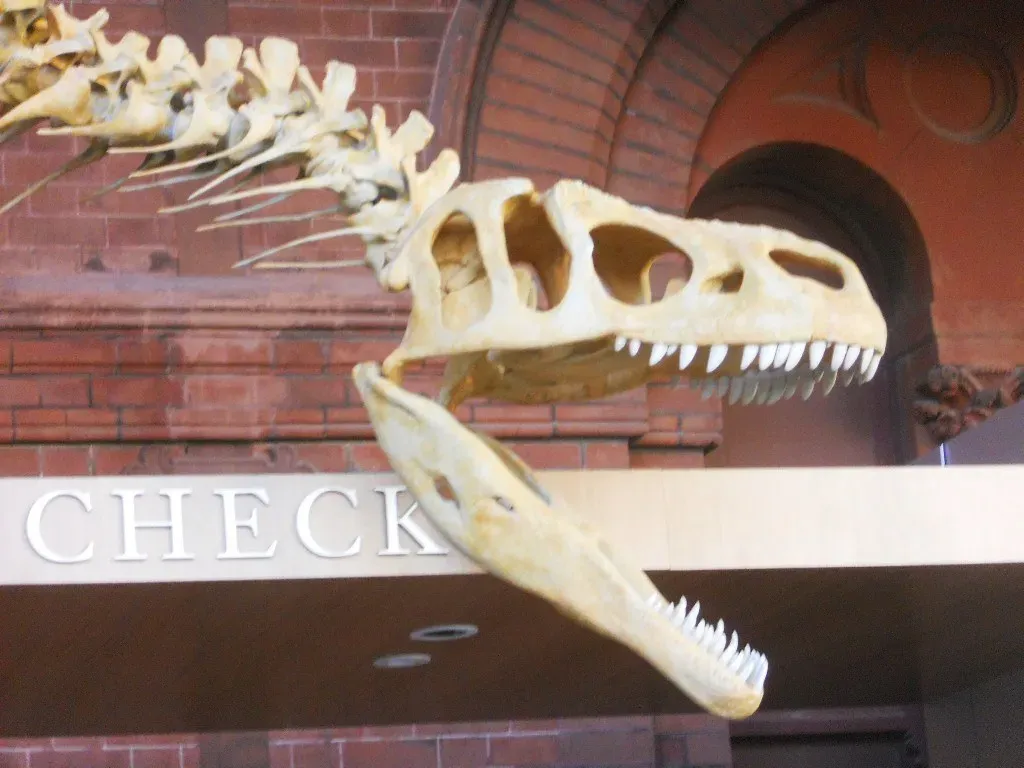
When you ask what a dinosaur sounded like, you’re really asking how you can reconstruct something invisible from fragments of ancient anatomy. You do not have fossilized sound waves, so you have to treat the dinosaur’s body like an instrument and work backward from the instrument’s shape. Paleontologists look at skulls, air cavities, nasal passages, and chest bones the way a musician studies a trumpet or a drum, asking what kind of notes that structure could have produced.
You also lean heavily on comparisons with living animals that share evolutionary roots with dinosaurs, especially birds and crocodiles. This approach is sometimes called the extant phylogenetic bracket, which is a fancy way of saying you bracket dinosaurs between their closest living relatives and look for patterns. If both birds and crocodiles use deep rumbles and low-frequency calls, you have a reasonable starting point to think many dinosaurs did something similar, even if you can’t pin down the exact sound.
What Living Birds and Crocodiles Reveal About Dinosaur Voices
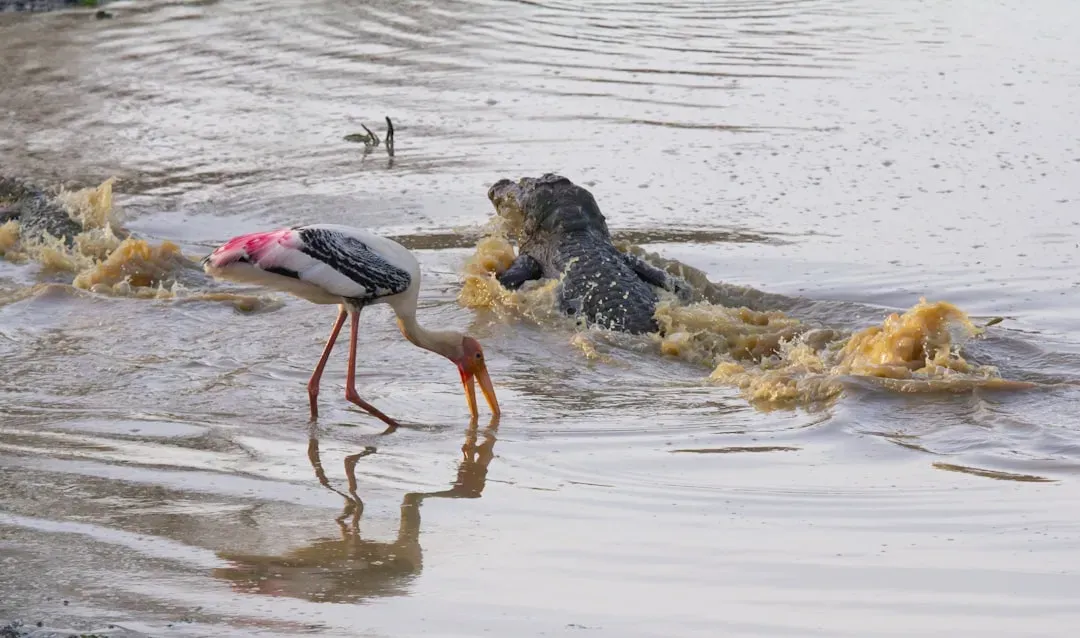
If you watch a crocodile up close, you notice how much sound it can make without opening its mouth very wide: low rumbles, bellows, and vibrations you feel in your chest more than you hear in your ears. Modern birds, on the other hand, can produce an incredible range of sounds, from soft coos to complex songs, often using specialized vocal organs. When you put these two groups together, you get a powerful hint that dinosaurs might have had a toolkit of sounds that was not limited to dramatic roaring.
You also see that both birds and crocodiles use sound for specific reasons that would have mattered to dinosaurs too – finding mates, scaring rivals, warning of danger, and keeping in touch with their young. Instead of picturing a T. rex screaming just for the drama, you start imagining low-frequency calls rolling through a forest at dawn, or rhythmic booms used during courtship displays. The behavior of living relatives helps you focus less on raw volume and more on communication, which is probably where the real magic of dinosaur sounds lived.
Roars, Rumbles, or Hums? Why Hollywood Got It Only Half Right
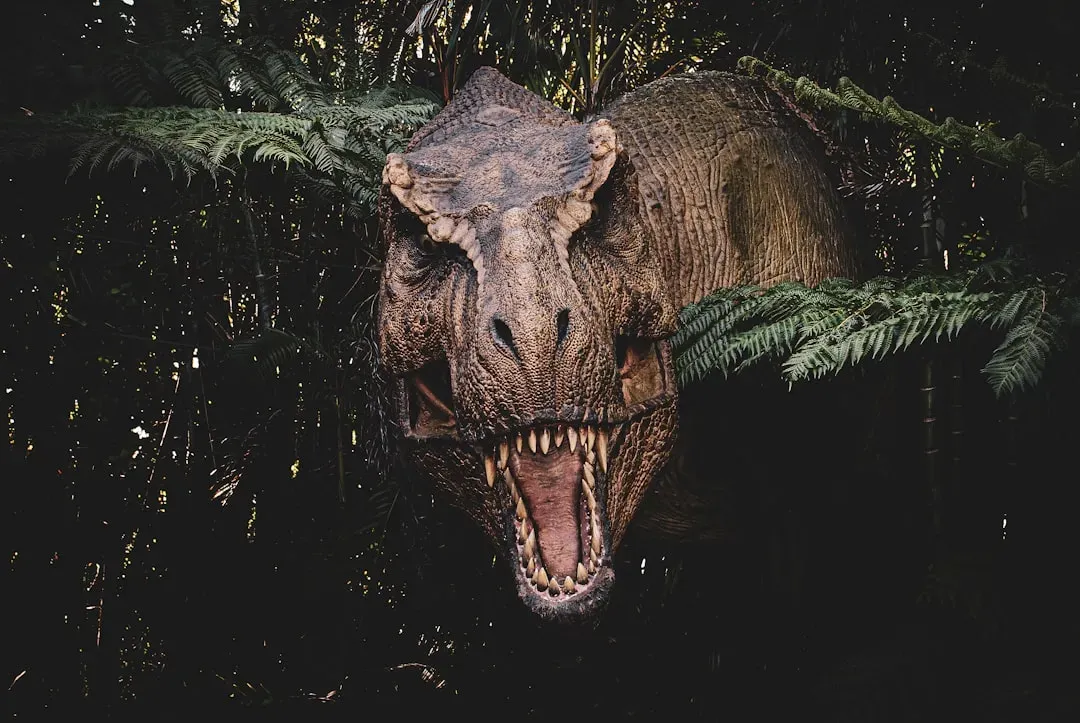
Movies trained you to expect that big theropods must have sounded like lion-meets-jet-engine monsters, but no one has evidence that they produced those exact harsh, open-mouthed roars. In fact, some researchers think many dinosaurs might have communicated more like today’s large birds: by keeping their mouths mostly closed and using deep, resonant sounds in their throats or nasal passages. When you imagine that, the mental soundtrack shifts from constant roaring to a landscape filled with pulses, booms, and throbbing calls.
You also need to remember that bigger animals tend to produce lower, deeper sounds because of the size of their bodies and airways. That means a huge sauropod might have generated sounds so low you would feel them under your feet, like the distant rumble of a passing train, rather than hear them as a clean note. Instead of a single iconic roar, dinosaur soundscapes likely included low-frequency hums, grunts, hisses, and maybe even drum-like vibrations channeled through the ground or water. Hollywood got the drama right, but probably not the details.
The Curious Case of the Dinosaur “Syrinx” and What It Tells You
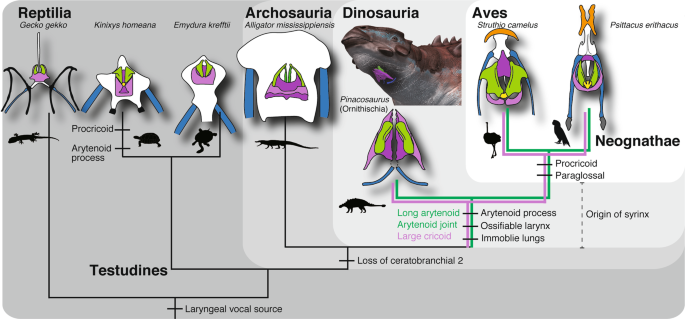
One of the few fossil clues about dinosaur-style vocal organs comes from an ancient bird, not a non-bird dinosaur. You have a fossilized syrinx – the specialized sound-producing organ that modern birds use – found in a late Cretaceous bird related to today’s waterfowl. This discovery suggests that complex, bird-like vocal organs evolved late, and so far there’s no clear evidence that classic non-bird dinosaurs had this exact structure. That already tells you something important: you shouldn’t assume a T. rex could sing like a songbird.
Because of that, many scientists think non-bird dinosaurs may have used simpler structures, more like what you see in crocodiles or basic laryngeal systems. You can imagine a gradual shift over time: early dinosaurs relying on more primitive deep calls and rumbles, and later bird-line dinosaurs evolving more refined, varied vocal abilities. You do not know every step of that transition, but you do know that by the time of that fossil bird, the syrinx had already become a powerful sound-making tool. That puts bird songs and possibly some dinosaur calls on the same long evolutionary timeline.
Skulls, Sinuses, and Crests: Reading the Bones Like Musical Instruments
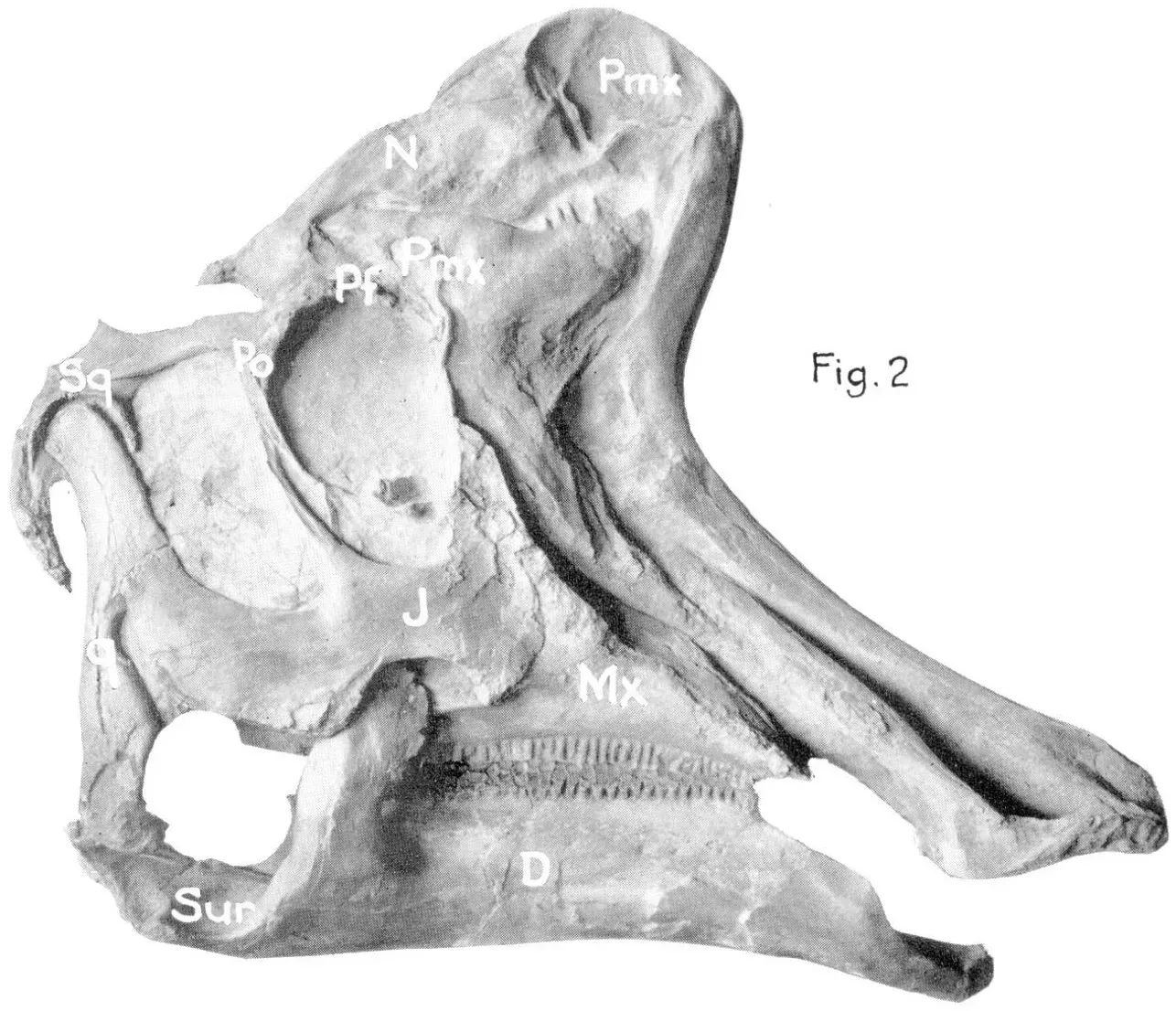
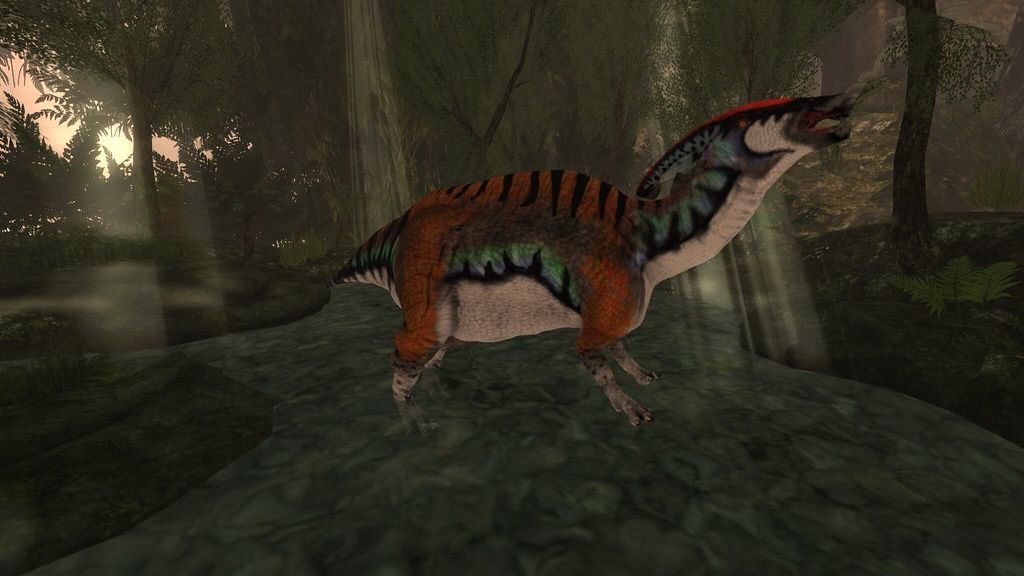
When you look at certain dinosaur skulls, especially hadrosaurs (the so-called duck-billed dinosaurs), you see enormous, strange-looking crests and hollow chambers. These are not random decorations; they act like built-in resonating tubes and echo chambers, the way a trombone or a pipe organ uses air passages to deepen and shape sound. By modeling airflow through those structures, scientists can estimate what kind of tones and pitches those dinosaurs might have produced, even if they can’t recreate the precise “voice.”
For you, that means some dinosaurs probably used their heads and crests as acoustic billboards, sending low, haunting calls across long distances. You can imagine a herding dinosaur lifting its head and letting a long note roll through a floodplain, signaling to others miles away. Even if the exact sound remains out of reach, the physics tell you those crests would have favored lower, resonant notes rather than sharp screams. In a way, the skull becomes a fossilized instrument, and you’re trying to guess the melody from the shape of the horn.
How Far Can You Really Trust Digital Dinosaur Sound Reconstructions?
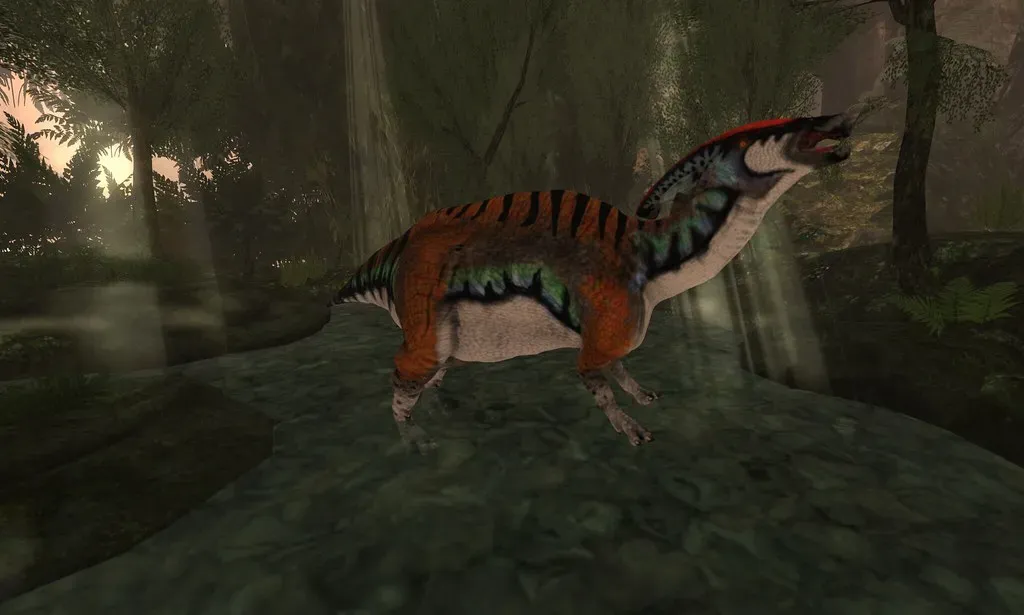
You’ve probably seen videos where computers “recreate” a dinosaur’s voice, complete with roaring and bellowing, and it feels incredibly convincing. But under the hood, those reconstructions rely on a lot of assumptions about soft tissues, airflow, and behavior that you cannot check directly against fossils. Researchers can input skull measurements, estimated lung capacity, and known physics of sound, but they still have to guess things like muscle thickness and exact organ shape. Each of those guesses nudges the final sound in a particular direction.
So when you listen to a digitally generated dinosaur call, treat it as a plausible artistic interpretation anchored to some physics, not an audio recording from the past. The real value for you lies in understanding the boundary between what is well supported and where the creative leaps begin. Simulations can help you appreciate that big dinosaurs likely produced deep, resonant sounds and that crests shaped tone and pitch, but they cannot tell you exactly what note, timbre, or pattern you would have heard. They give you a useful, educated “maybe,” not a documentary-level truth.
Why the Dinosaur Soundscape Was Probably Quieter and Stranger Than You Imagine
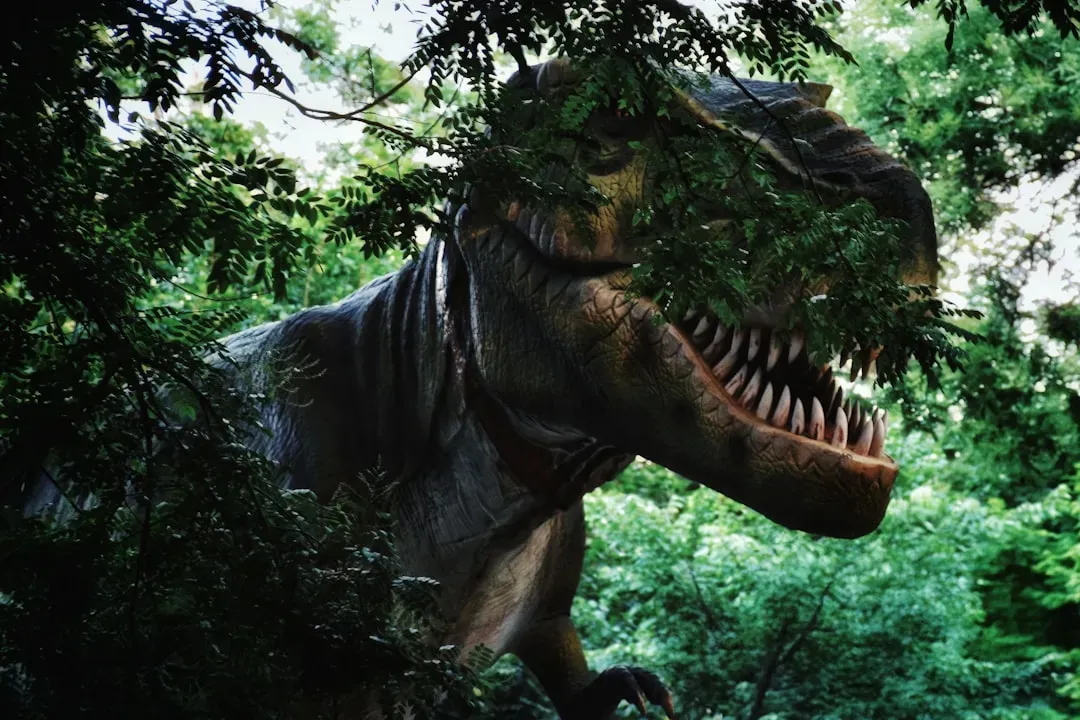
When you put all of this together, you end up with a prehistoric world that probably did not sound like constant battle cries. Large animals tend not to waste energy shouting all day; they call for specific purposes, at specific times, just like elephants or whales do today. You can imagine long stretches of rustling leaves, insect buzz, and water sounds, interrupted by occasional booms, rumbles, and calls that cut through the background. The drama is still there, but it comes in pulses, not in a nonstop wall of noise.
You also realize that some of the most important dinosaur sounds might have been ones you barely hear – low-frequency vibrations, airborne or even ground-borne, that travel far and communicate power or location. To an actual dinosaur, those signals could have been as clear and rich as a human conversation, even if your ears would mostly register a distant thud. Once you adjust your expectations, the ancient soundscape becomes less like a monster movie and more like an alien orchestra tuned to notes your body might feel more than hear.
In the end, you’re left with a mix of solid clues and humbling unknowns. You can say with reasonable confidence that many dinosaurs produced low, resonant sounds, that some used skull crests as resonating chambers, and that their closest living relatives hint at rumbles, booms, and closed-mouth calls rather than endless open-throated roars. You cannot, however, point to a perfect reconstruction of any one species’ voice and call it definitive.
That uncertainty is not a flaw; it’s an invitation. It lets you imagine the prehistoric world with curiosity instead of certainty, grounding your picture in real evidence while leaving room for mystery. As you listen to the next movie dinosaur roar, you might find yourself asking a more interesting question: if you could actually stand beside that animal, what would you feel in your chest, under your feet, and in the silence between its calls – and would it sound anything like what you thought?