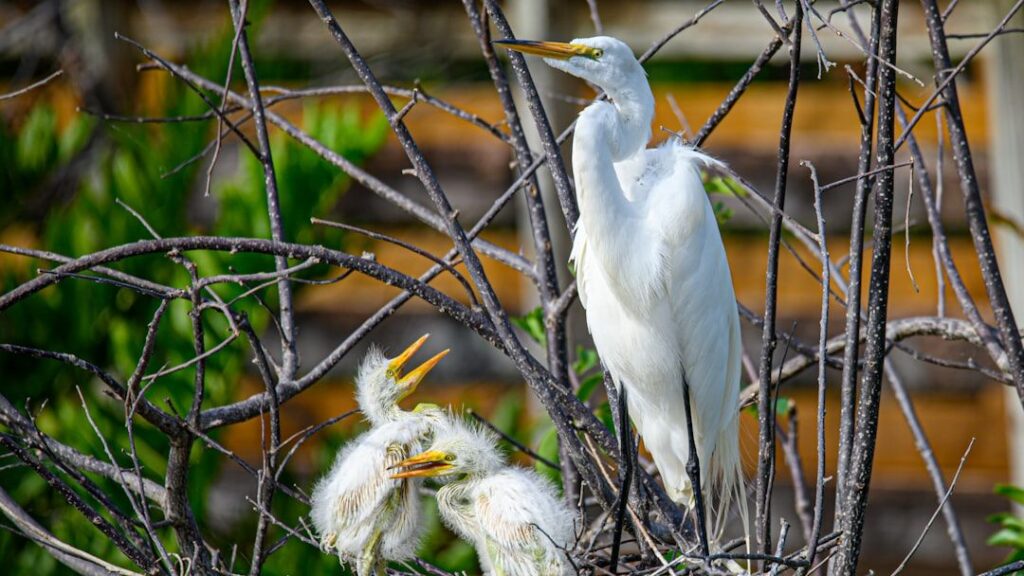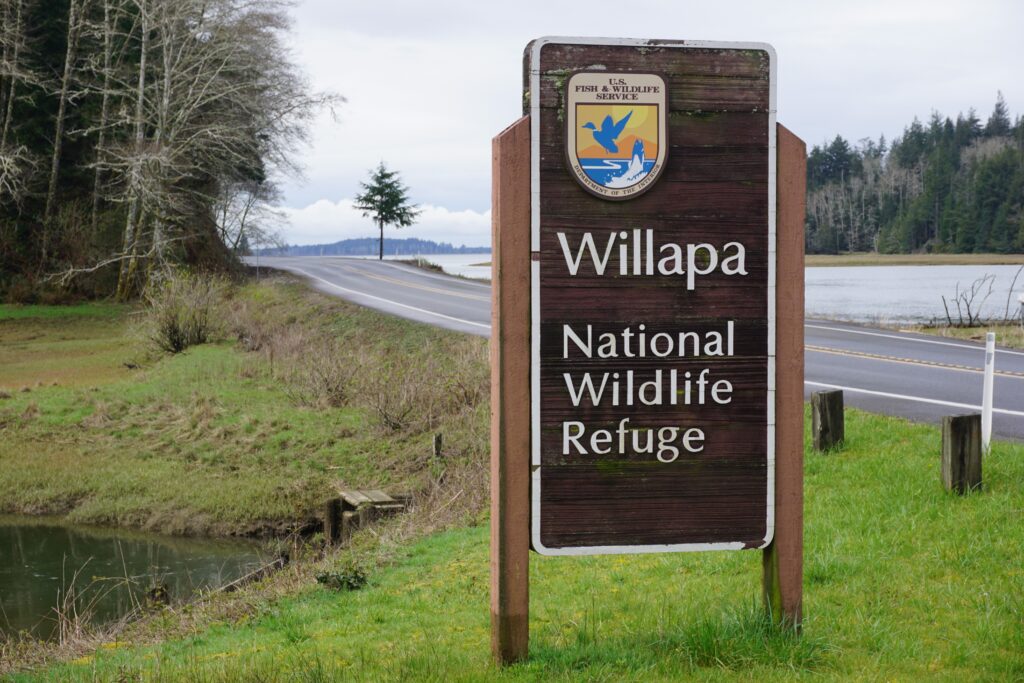
Southwest Washington – Nestled along the expansive Willapa Bay, the Willapa National Wildlife Refuge spans more than 21,000 acres of intricate coastal landscapes. This vast area features tidelands, temperate rainforests, ocean beaches, and meandering streams that form a vital link in the Pacific Flyway, one of North America’s major bird migration routes. Thousands of avian travelers pause here annually to rest, feed, and prepare for their journeys from Alaska to South America. The refuge’s role in supporting biodiversity has grown more critical amid ongoing habitat challenges.
Birds Flock to Diverse Ecosystems
Birds Flock to Diverse Ecosystems (Image Credits: Upload.wikimedia.org)
Over 200 bird species find sanctuary within the refuge’s boundaries each year. Tidelands and mudflats teem with shorebirds like dunlin, sandpipers, western snowy plovers, and red knots during peak migration periods. Meanwhile, estuaries and sloughs attract waterfowl including snow geese, trumpeter swans, buffleheads, and various mergansers. These habitats provide essential food sources exposed at low tide, drawing flocks to forage before continuing northward or southward.
Year-round residents such as belted kingfishers and great blue herons add to the constant hum of activity. River otters occasionally surface in quieter waterways, hinting at the refuge’s broader ecological health. Spring migrations from April to May and fall periods from August to October offer the most spectacular displays, with an estimated 300,000 birds using the site each season.
Restoration Efforts Revive Critical Habitats
Conservation initiatives have transformed degraded areas back into thriving ecosystems. In 2012, partners including local Tribes, timber companies, fisheries, and environmental groups launched restoration at the Bear River estuary. Levees had previously blocked tidal flows, harming salmon runs and bird foraging grounds. The project reconnected waterways, boosting fish populations like chum salmon that serve as prey for birds.
These multi-stakeholder collaborations delivered both ecological gains and economic benefits for the region. Today, the refuge manages habitats through techniques like tidal marsh restoration and dune preservation. Such efforts underscore the refuge’s commitment to sustaining the Pacific Flyway amid pressures from development and climate shifts.
Activities That Connect Visitors to Nature
The refuge welcomes those seeking immersion in its rhythms, though birds far outnumber human guests. Birdwatching stands out, especially at low tides when mudflats reveal invertebrate feasts. Hikers explore forested trails, while paddlers navigate sloughs teeming with wildlife.
- Birding during migration peaks for optimal sightings
- Angling and big game hunting under state regulations
- Beach combing, surfing, and kite flying along ocean shores
- Storm watching in the rainy coastal climate
- Boat-access camping on sites like Long Island
These pursuits emphasize low-impact recreation that supports conservation goals. Visitors often describe the experience as a reset, attuned to tides and bird calls rather than daily distractions.
Why the Pacific Flyway Matters Here
Stretching from Alaska to Patagonia, the Pacific Flyway channels millions of birds along the West Coast. Willapa serves as a key refueling station, particularly for shorebirds and waterfowl facing diminishing stopovers elsewhere. Its position between Oregon and Washington’s Olympic Peninsula amplifies its strategic value.
Surveys like the Pacific Flyway Shorebird counts highlight the bay’s importance year-round. Ongoing expansions, such as recent habitat acquisitions, ensure future resilience for these migrations. The refuge’s blend of public access and protection models successful wildlife stewardship.
Key Takeaways
- 21,000+ acres support 200+ bird species and 300,000 migrants seasonally.
- Restoration since 2012 has revived estuaries for fish and fowl.
- Prime visits align with spring (April-May) and fall (August-October) migrations.
The Willapa National Wildlife Refuge exemplifies how targeted conservation sustains grand natural corridors like the Pacific Flyway. Its success invites reflection on the interconnectedness of ecosystems and the quiet power of protected lands. Plan a visit to witness the spectacle firsthand – what draws you to places like this? Share in the comments.
For more details, explore the U.S. Fish & Wildlife Service page or the recent National Wildlife Federation post.