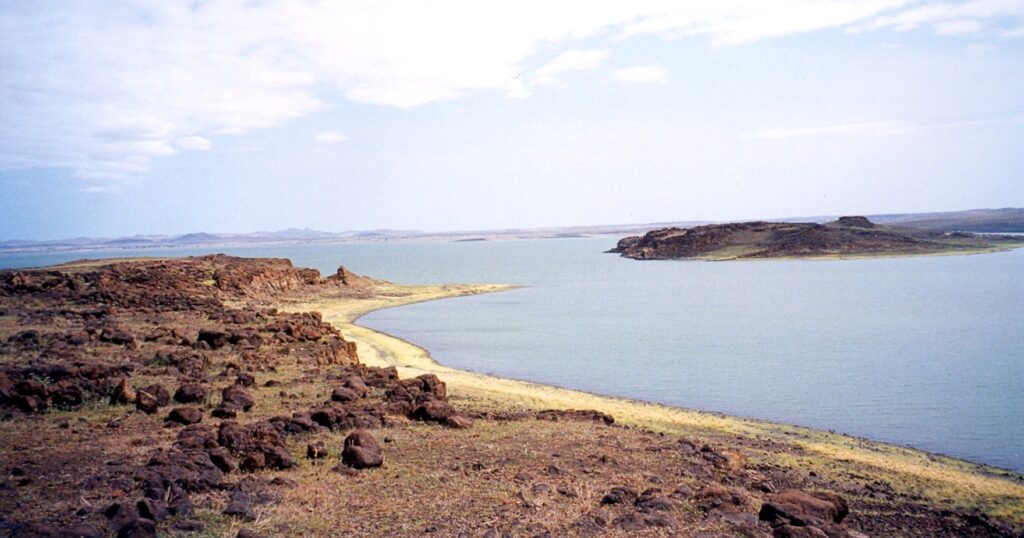
Komote, Kenya – Rising waters have transformed a once-accessible shoreline into a barrier, forcing families like that of fisherman James Lekubo to boat across newly formed lake stretches for basic needs. The world’s largest desert lake has grown significantly over the past decade, submerging land and disrupting the lives of communities along its edges. Traditional livelihoods centered on fishing now face mounting pressures from environmental shifts and human influxes.
New Islands Emerge from Rising Depths
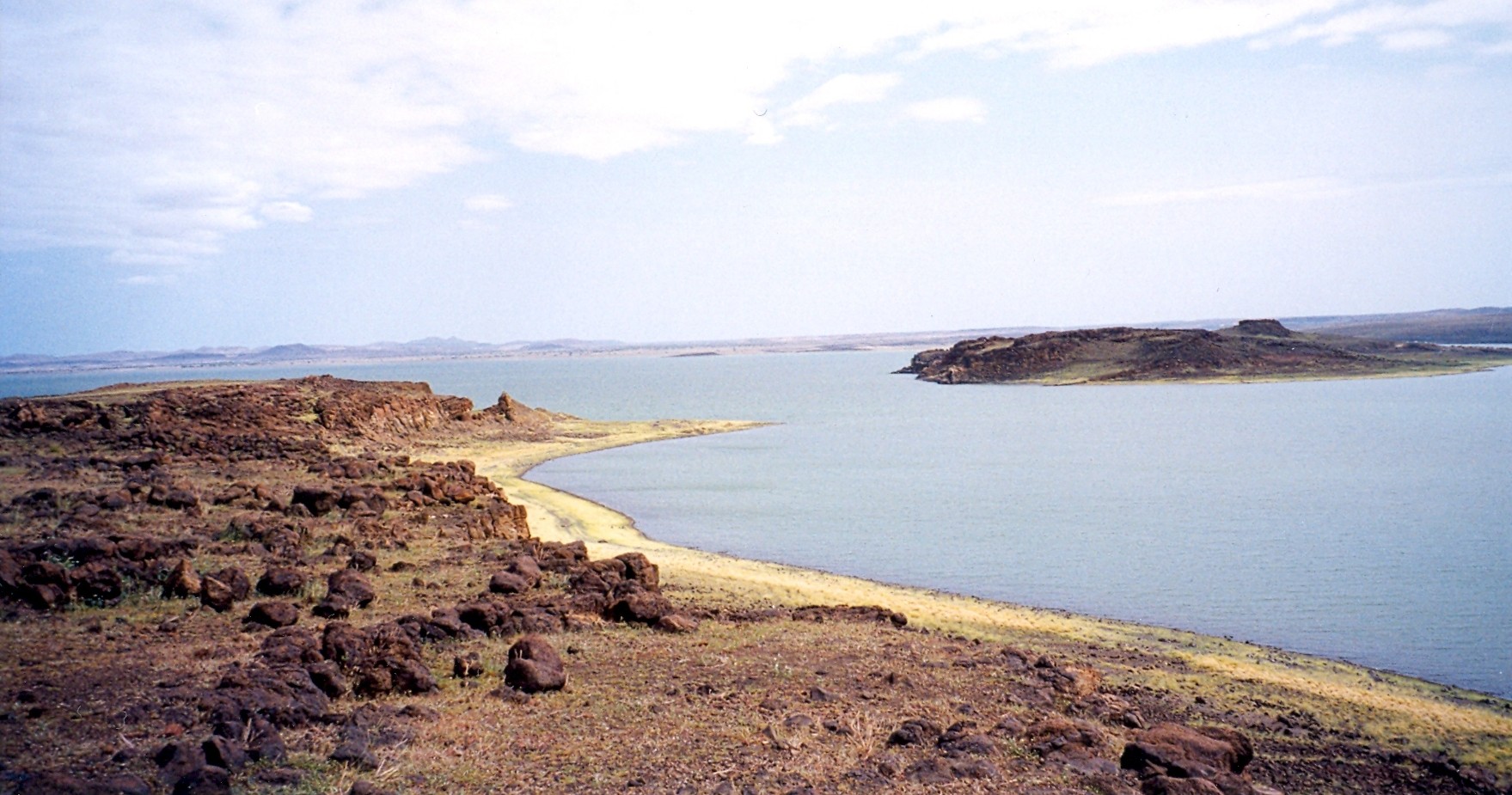
New Islands Emerge from Rising Depths (Image Credits: Upload.wikimedia.org)
James Lekubo, a 36-year-old member of the El Molo ethnic group, led his two children down a rocky path at dawn to board a fishing boat with others. The vessel carried them across water that had appeared only recently, separating their home on Komote Island from essential services like school and a clinic. Previously, these facilities stood within walking distance on the mainland.
The El Molo, Kenya’s smallest ethnic group, have fished these stark eastern shores for centuries. Lekubo observed his island form gradually as waters encroached, prompting most residents to depart. His own relatives now lived on the far side, about 600 meters away, visits becoming rare. Local authorities in Marsabit county urged relocation, but Lekubo remained steadfast. “This is my home. It is what I know,” he stated.
Fewer Fish in Expanding Waters
The lake’s growth flooded fish breeding grounds and reshaped nearshore habitats, directly hitting catches. Lekubo, who began fishing as a teenager, reported his monthly haul had more than halved. “It’s not enough,” he said. Across the water, Lucy Lenapir managed a small eatery from a zinc shack and noted the scarcity. “The men still go out to fish because there is no other option. But there are no more fish,” she observed.
Prolonged droughts in northern Kenya and southern Ethiopia decimated pastoralist herds, driving thousands into fishing. Better roads and urban demand fueled the sector’s commercialization. Fishers on the Kenyan side doubled from around 7,000 to over 14,000 in 15 years, with roughly 500,000 people relying on the lake for sustenance and income. Stephen Ekuwom, chair of the Beach Management Unit in Kalokol, confirmed the trend. “More people are coming to fish every day. They are coming from all over.”
From Production Peak to Decline
Fisheries researcher Madison Muehl from Stony Brook University analyzed the changes through catch data and observations. Catches shifted from larger species like tilapia and Nile perch to smaller fish. “People aren’t able to find these larger-bodied species anymore,” she explained. “They are moving whole fishing operations to other places just to try to catch these fish.”
Kenya Fisheries Service data illustrated the pattern:
| Year | Production (metric tons) |
|---|---|
| 2010 | 6,430 |
| 2022 | 17,251 |
| 2023 | 15,600 |
Output rose sharply before dropping, which a World Food Programme report linked to rising levels limiting access to grounds. Muehl noted no expected yield increase materialized. Instead, harvesting bigger, reproductive fish threatened ecosystem stability. “The fishermen are definitely feeling it – and we can see that in the data too.”
Conflicts Brew Amid Shared Struggles
Distant searches for stocks heightened risks, especially along northern shores where Turkana and Dassanech fishers clashed over grounds. In February 2025, over 20 died in an attack near Todonyang on the Kenya-Ethiopia border. Kute Hero, a 32-year-old Dassanech, turned to fishing after drought killed nearly all of his 1,000 livestock, leaving just two goats and a sheep. “Fishing is very difficult,” he shared from a camp in Marsabit county.
Hero’s community traditionally valued herding over fishing, but survival demanded adaptation. He witnessed escalating tensions firsthand. A 2021 Kenya environment ministry report documented the initial decade-long rise of several meters, expanding surface area by 10% from upstream Ethiopian rains via the Omo River. Up to 1,000 square kilometers submerged, rivaling half of London’s size, erasing roads, grazing lands, burial sites, and villages.
Lake Turkana’s transformation underscores a fragile balance where climate-driven changes collide with human needs. Communities navigate submerged homes, scarcer fish, and rivalries, all while preserving cultural roots. A resilient adaptation offers hope, yet demands coordinated efforts to safeguard the ecosystem.
Key Takeaways
- Water levels rose several meters, submerging 1,000 sq km and isolating communities like Komote Island.
- Fishers doubled to 14,000; production peaked then fell amid overexploitation and habitat shifts.
- Drought-fueled influx sparked conflicts, threatening pastoral and fishing traditions alike.
What do you think about these changes at Lake Turkana? Share in the comments.