
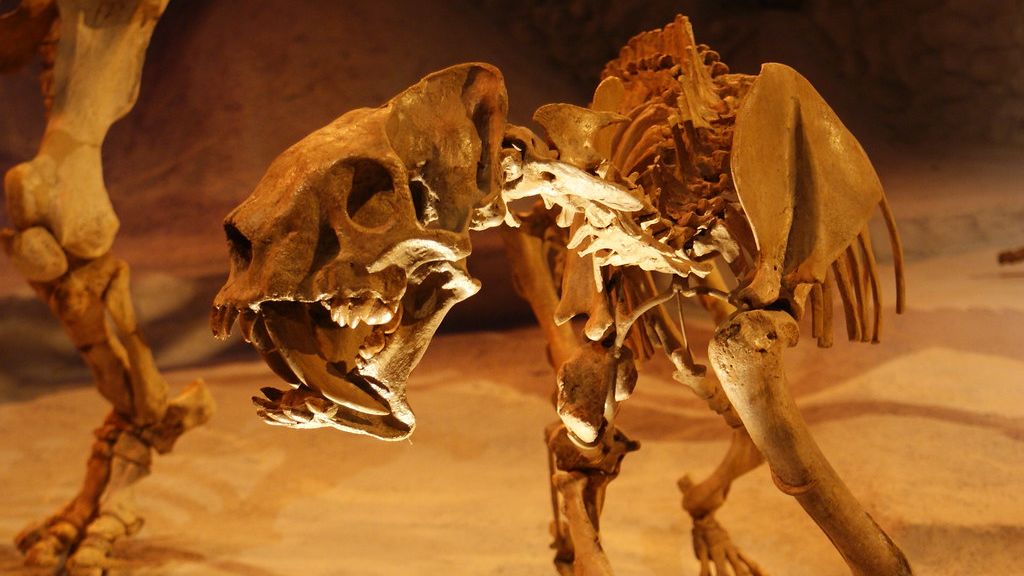
If you think evolution is a straight, one‑way path, convergent evolution will completely scramble that picture for you. Over and over again through deep time, totally unrelated creatures have “reinvented” the same solutions to life’s problems: how to fly, how to swim fast, how to crush armor, how to stalk in the dark. When you look closely at the fossil record, you start to see the same body shapes, hunting tools, and lifestyles popping up like echoes across millions of years.
In this article, you’ll walk through some of the most striking prehistoric examples, and you’ll see how nature keeps returning to a few powerful design themes. You’ll also notice something a little unsettling: if evolution keeps discovering the same ideas independently, then your own body and brain are not a one‑off miracle, but just one more workable pattern in a very big, very old toolbox. That realization can be both humbling and strangely comforting.
1. Ichthyosaurs, Mosasaurs, and Whales: The Torpedo-Shaped Ocean Hunters
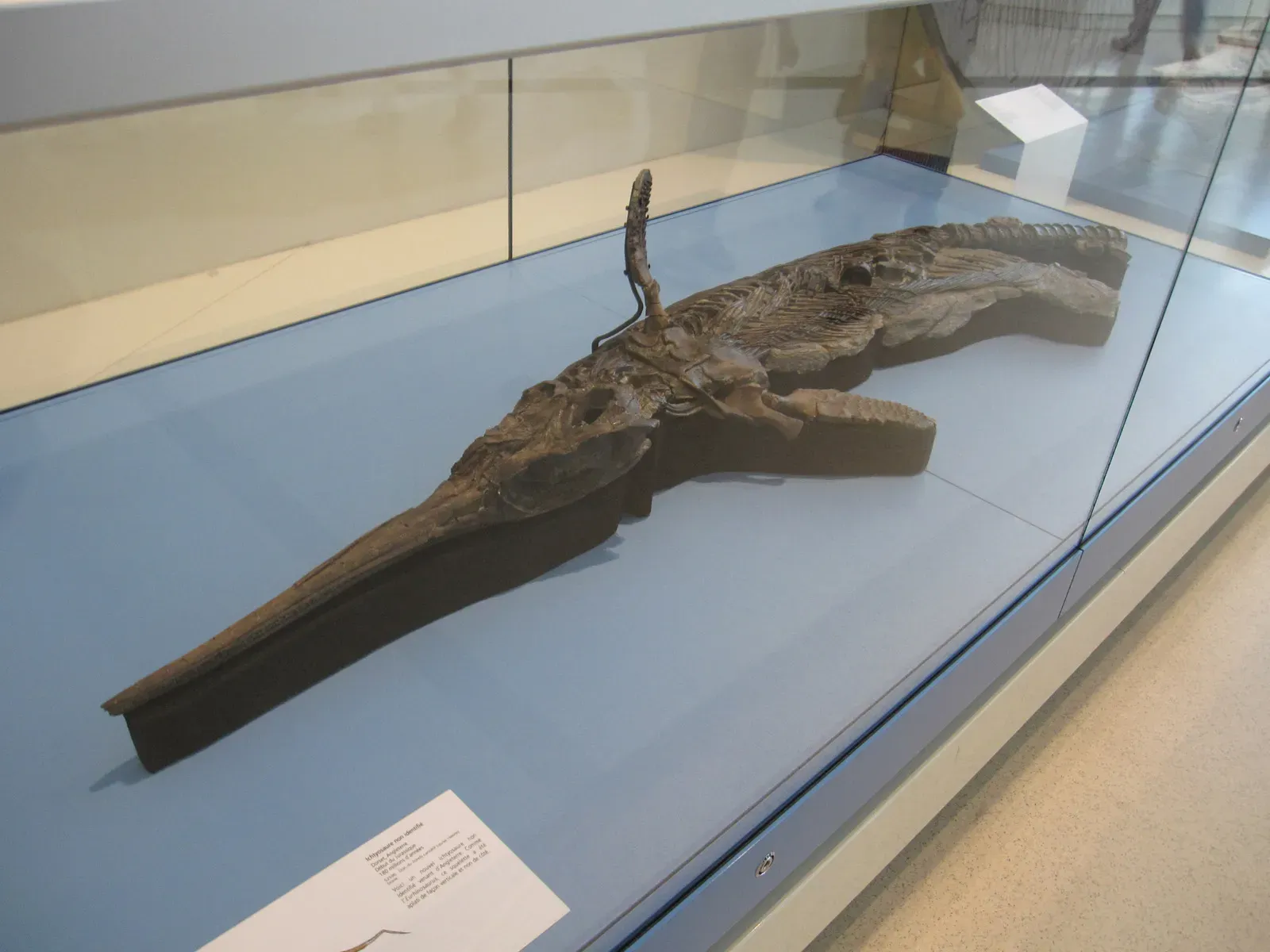
Uploaded by FunkMonk, CC BY-SA 2.0)
When you picture a fast marine predator, you probably imagine something torpedo‑shaped with a pointed snout, flippers, and a powerful tail, like a dolphin. Now imagine that same outline appearing three separate times in history in animals that were not closely related at all: ichthyosaurs in the early Mesozoic, mosasaurs in the Late Cretaceous, and later whales in the Cenozoic. You are looking at convergent evolution written in water, where hydrodynamics ruthlessly shapes what works and what does not. Each of these lineages started as land‑based or semi‑terrestrial creatures and then, under similar pressures, streamlined into high‑speed aquatic predators. ([enviroliteracy.org](https://enviroliteracy.org/did-dolphins-evolve-from-ichthyosaurs/?utm_source=openai))
What makes this so remarkable is not just the overall silhouette, but the details you see repeating: shortened necks to reduce drag, paddle‑like forelimbs, reduced or absent hind limbs, and crescent or diamond‑shaped tail flukes to generate thrust. If you were dropped into a prehistoric ocean and saw an ichthyosaur flash past, your brain would probably label it “dolphin” before you could think twice. Yet one is a reptile and the other a mammal, separated by a huge evolutionary distance. Convergent evolution is basically teaching you that if you want to move through water efficiently, there are only so many ways to cheat the physics.
2. Pterosaurs, Birds, and Bats: Three Different Paths to Flight
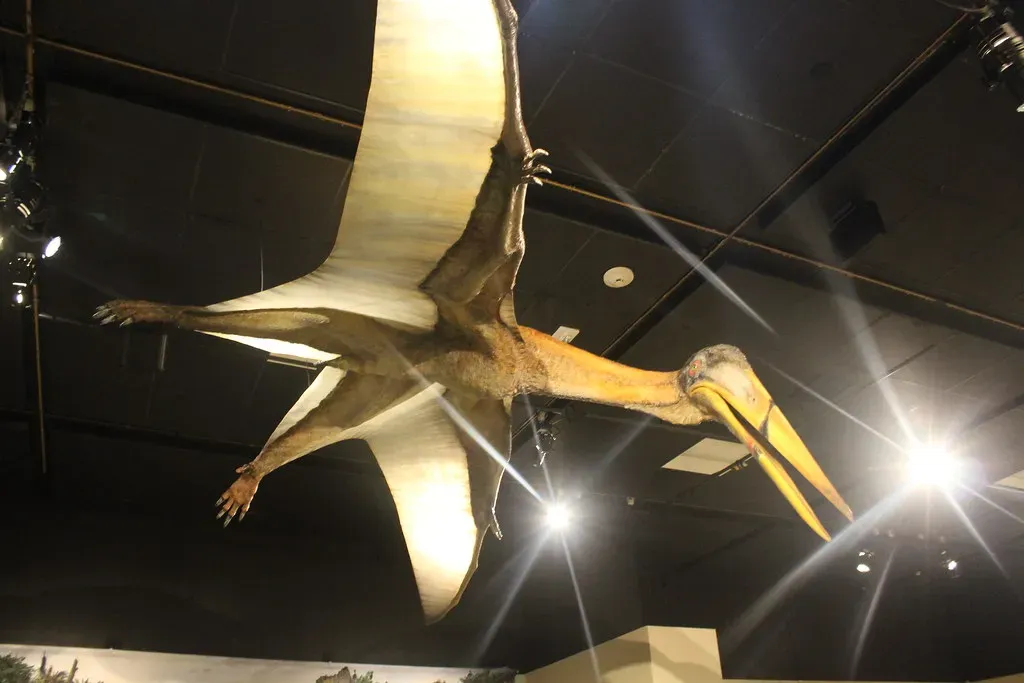
You might assume wings have a single origin story, but powered flight in vertebrates actually evolved at least three times: first in pterosaurs, then in birds, and later in bats. To your eye, they all “look like” winged animals doing the same thing, yet when you zoom in on the bones, you see totally different engineering solutions. In pterosaurs, a single enormously elongated fourth finger supported a skin membrane; in birds, the wing is mostly forearm and hand bones supporting feathers; in bats, all the long, spread‑out fingers hold up a thin, flexible membrane. You get three independent experiments that all crack the same basic challenge: stay in the air by beating modified forelimbs. ([bynumpedia.com](https://bynumpedia.com/evolution/evolution-of-flight?utm_source=openai))
If you walk through a museum gallery with skeletons of these fliers side by side, you can literally feel how similar problems sculpt different bodies toward similar functions. You see lightened bones, large chest muscles, and joints with wide ranges of motion recurring again and again. Yet their ancestors did not fly, and they did not inherit “wing blueprints” from a shared flying forebear; they discovered flight independently. For you, that drives home a core idea about convergent evolution: similar environmental pressures can turn very different starting materials into surprisingly familiar shapes.
3. Saber-Toothed Predators: From Permian Gorgonopsians to Ice Age Cats
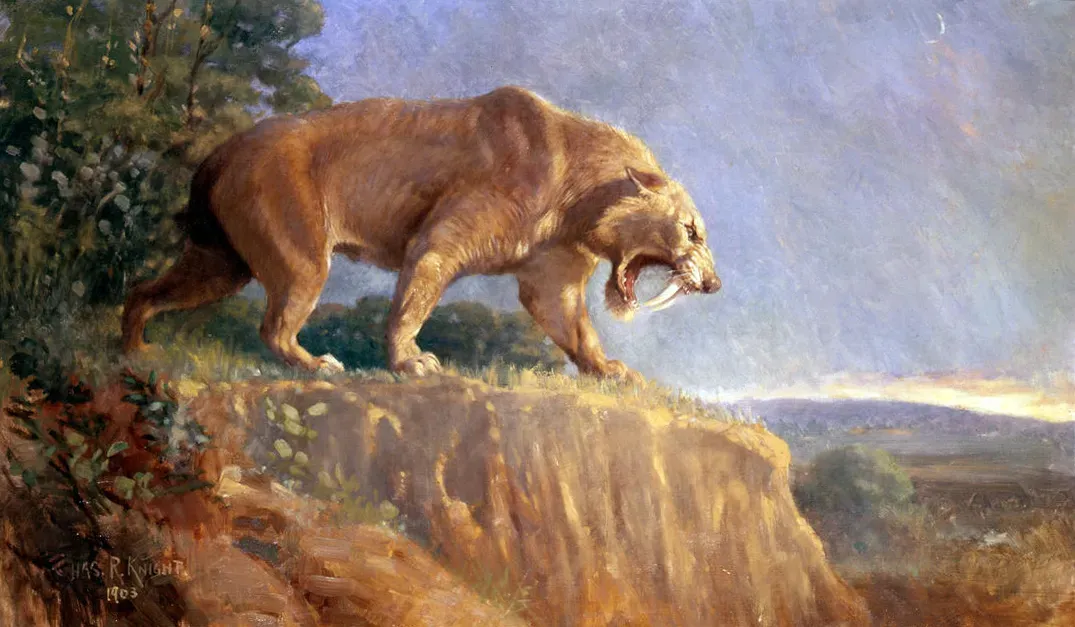
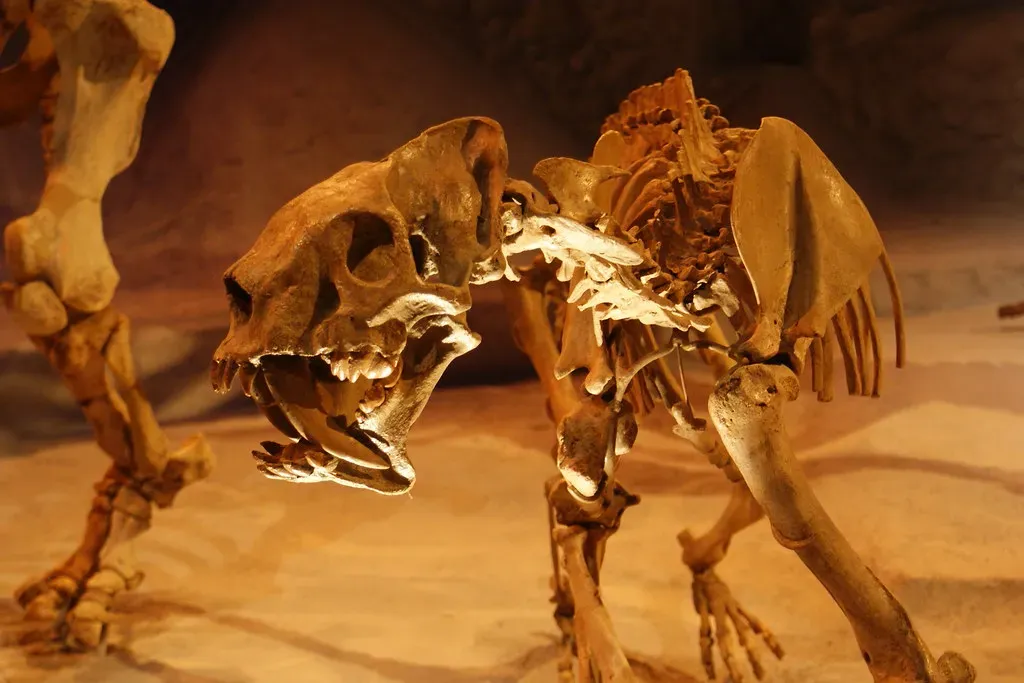
If you think sabertooths begin and end with Smilodon, you’re missing a whole hidden history of long‑toothed killers. Those famous Ice Age cats were just the latest act in a very old play that started back in the Permian, more than a quarter of a billion years ago, with non‑mammalian predators called gorgonopsians. Some of these early synapsids carried outsized, blade‑like canines that predate true sabertooth cats by an enormous stretch of time. Later, the sabertooth “look” would appear again and again in multiple groups of predatory mammals, including true cats and other extinct carnivores. ([en.wikipedia.org](https://en.wikipedia.org/wiki/Saber-toothed_predator?utm_source=openai))
What you see repeated is not just big teeth for show. You see deep, reinforced jawbones, wide‑gaping jaws, and muscular necks built to drive those canines into large prey, then back out again without snapping. The fact that this combination of traits evolved independently in Permian predators and then in much later mammalian lineages tells you something important: for taking down big, struggling herbivores, sabers coupled with strong necks were a powerful and repeatable solution. Next time you see a reconstruction of a sabertooth, you can think of it as a recurring “weapon system” that evolution kept reinstalling in different predatory bodies.
4. Thylacine and Gray Wolf: A Marsupial “Wolf” from the Other Side of the World
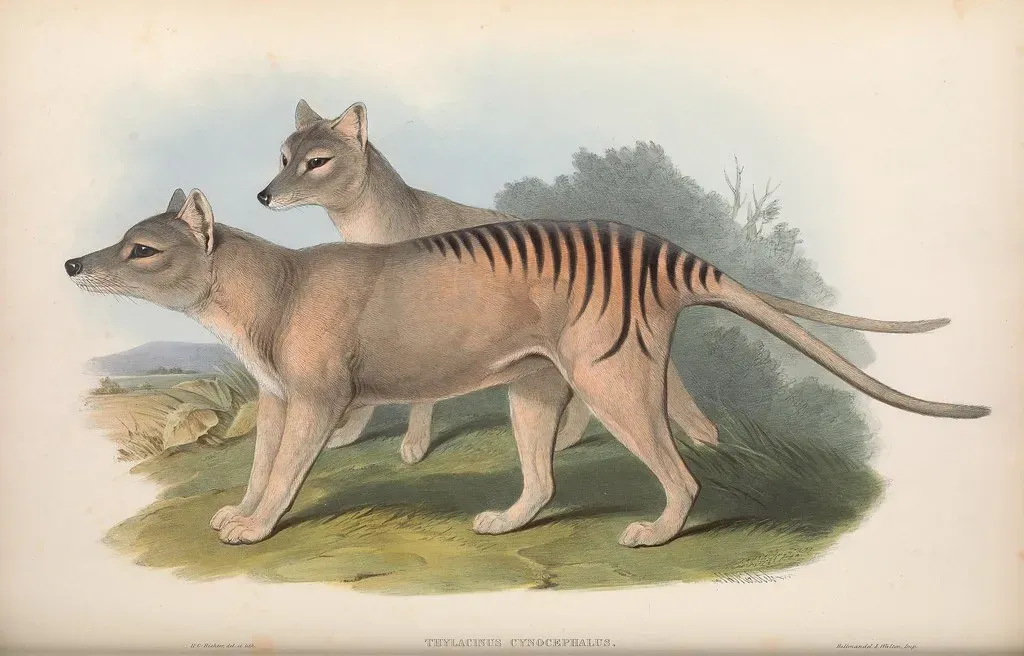
When you first look at photos of the thylacine, often called the Tasmanian tiger or marsupial wolf, it’s hard not to do a double‑take. The animal has a dog‑like head, pointed ears, and a long, stiff tail, and in old black‑and‑white film it moves in a way your brain reads as “canid.” Yet genetically it was a marsupial, more closely related to kangaroos than to any dog, fox, or wolf. Over roughly one hundred and sixty million years of separate evolution, its skull and body proportions converged toward those of placental wolves, presumably because both were shaped by similar pressures to hunt as mid‑sized to large carnivores. ([en.wikipedia.org](https://en.wikipedia.org/wiki/Thylacine?utm_source=openai))
More recent work has complicated the simple “marsupial wolf” story by suggesting the thylacine may have focused more on smaller prey than big game, but the skeletal similarities remain striking. Researchers have even found regions in the genomes of thylacine and wolf that show parallel changes linked to skull development, hinting that convergent evolution can reach all the way down to regulatory DNA, not just visible features. ([monash.edu](https://www.monash.edu/discovery-institute/news-and-events/news/2021-articles/like-a-jackal-in-wolfs-clothing-the-tasmanian-tiger-was-no-wolfish-predator-it-hunted-small-prey?utm_source=openai)) When you compare their skulls side by side, you’re seeing how evolution can sculpt similar solutions in distantly related lineages, even if the animals were not perfect ecological twins.
5. Dolphin-Like Echo Hunters: Bats and Toothed Whales
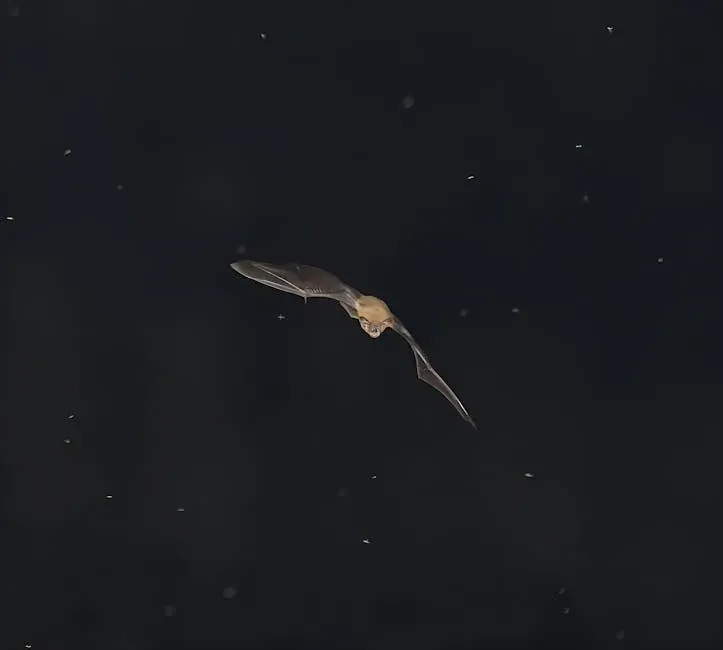
Here’s a weirder one: tiny bats fluttering through caves and giant toothed whales cruising the oceans both independently evolved sophisticated echolocation. At first glance, they could not be living more different lives, but each faces the same sensory problem. Vision becomes unreliable in total darkness or murky water, so both lineages learned to “see” with sound by emitting high‑frequency calls and reading the returning echoes. When scientists compared the genomes of echolocating bats and echolocating dolphins, they found clusters of genes involved in hearing and sound production that had changed in similar ways in both groups, a signature of convergent molecular evolution layered on top of convergent behavior. ([bynumpedia.com](https://bynumpedia.com/evolution/convergent-evolution.html?utm_source=openai))
For you, it’s a reminder that convergent evolution does not just shape bones and teeth; it can also reshape the wiring and sensitivity of sensory systems. Bats evolved specialized ear structures and brain regions tuned to rapid echo processing, while toothed whales developed complex nasal structures for sound production and inner ears adapted to underwater hearing. At a deep level, both solved the same problem with a similar strategy, despite being separated by tens of millions of years and radically different environments. It’s like watching two inventors in different centuries independently discover radar because they’re tackling the same constraints.
6. Armored Plant-Crunchers: Ankylosaurs and Glyptodonts
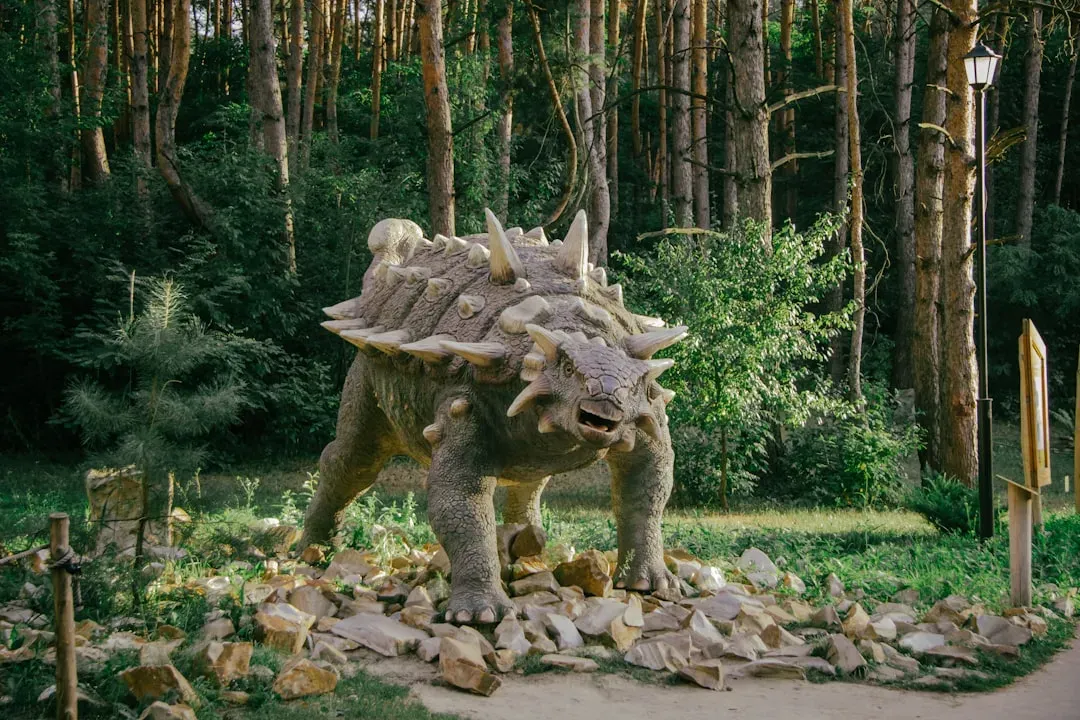
Whenever ecosystems produce big, dangerous predators, evolution sometimes responds by building tanks. In the age of dinosaurs, you see ankylosaurs: low‑slung, heavy‑bodied herbivores with bony plates covering their backs and, in some species, massive club tails. Much later, in the Cenozoic, you find glyptodonts in South America, giant relatives of armadillos, with dome‑shaped shells of fused bony plates and in some cases reinforced tails. Even though one group is reptilian and the other is mammalian, both ended up as walking fortresses designed to survive attacks from large carnivores.
Look closely and you notice similar themes. Both ankylosaurs and glyptodonts spread their weight out over sturdy, relatively short limbs and evolved thick, bony armor that grew with the animal. Some species in each group had tail weapons that could deliver serious blows, turning defense into offense. When you watch this pattern repeat, you can almost feel the arms race between predators and prey pushing different lineages toward the same solution: if you cannot outrun the threat, out‑tank it instead. You are seeing convergent evolution at the level of complete body architecture.
7. Giant “Sea Cows”: Prehistoric Marine Reptiles and Early Sirenians
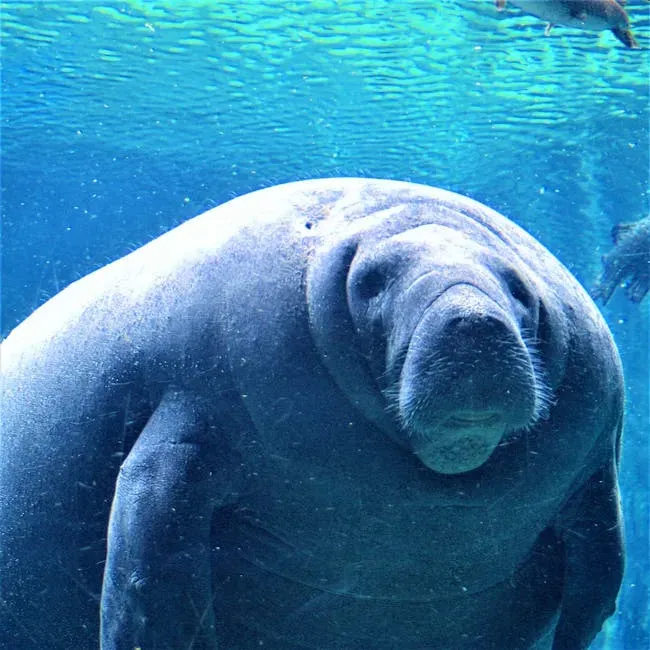
Long before modern manatees and dugongs cruised through warm coastal waters as gentle seagrass grazers, the seas had already hosted large, slow‑moving, herbivorous vertebrates. In some Mesozoic marine reptile groups, including certain nothosaur and plesiosaur relatives, you see bulky bodies, paddle‑like limbs, and skulls adapted for cropping soft plants or invertebrates in shallow marine environments. Much later, in the Cenozoic, early sirenians made a separate move from land to water, gradually trading hind limbs for tail flukes and developing dense bones that acted like ballast to keep them neutrally buoyant as they grazed near the bottom.
When you compare these different lineages, you notice convergent trends: reduced speed in favor of maneuverability and stability, limbs reshaped into paddles, and body mass used as both protection and momentum. Both the reptilian and mammalian versions of this sea‑cow lifestyle ended up filling a similar niche, shaping coastal ecosystems by grazing on underwater vegetation. For you, it highlights that even a peaceful, plant‑eating lifestyle can pull unrelated animals toward remarkably similar forms if they share the same watery world and the same menu.
8. Crushing Shells: Placodont Reptiles and Shell-Cracking Mammals
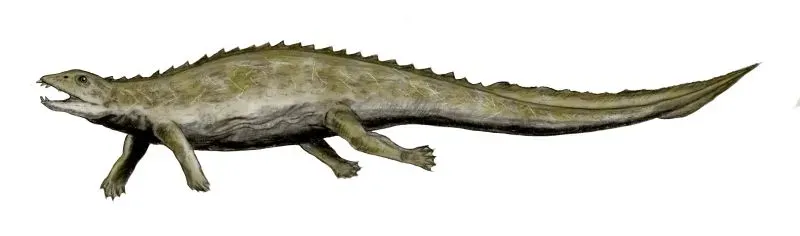
During the Triassic, some marine reptiles called placodonts evolved broad, pavement‑like teeth and powerful jaws ideal for crushing hard‑shelled prey such as mollusks. Their skulls and tooth rows look surprisingly like the business ends of some much later mammals that also specialized in shell‑breaking, including certain extinct otter‑like carnivores and robust sea otters today. Even though the details differ, you keep seeing the same recipe: thickened tooth enamel, flattened or blunt cusps, and jaw muscles optimized for enormous bite forces over short distances.
This is convergent evolution at the toolkit level: if your diet is armored, your face becomes a nutcracker. As you follow that pattern across time, you notice that similar diets repeatedly drive the evolution of reinforced skull roofs, widened cheek regions for muscle attachment, and sometimes even changes in skull shape to better distribute forces. For you, it’s a clear, almost intuitive example of function shaping form in parallel lineages. Once hard shells become abundant food, multiple groups independently “discover” the crushing strategy because it opens up a rich, underused resource.
9. Cursorial Bird Mimics: Ornithomimosaurs and Modern Ostriches
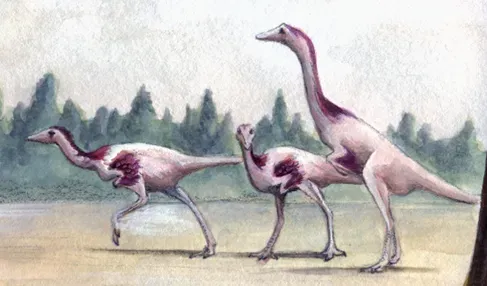
When you look at skeletons of ornithomimosaurs, the so‑called “ostrich‑mimic” dinosaurs, it is almost impossible not to think of modern ostriches and emus. These Late Cretaceous theropods had small heads, long necks, lightly built bodies, and elongated, powerful hind limbs, all traits that scream “fast runner.” While they are more closely related to other non‑avian dinosaurs than to any living bird, natural selection nudged them toward a body plan very similar to what you see in modern cursorial (running) birds that live in open habitats and rely on speed over flight.
In both ornithomimosaurs and big ground birds, you see reduced forelimbs relative to their legs, long strides, and limb bones proportioned for efficiency over long distances. Their overall body shape is an elegant answer to the same question: how do you move quickly and economically across open ground, whether you are escaping predators, chasing prey, or both? If you could watch an ornithomimosaur sprint across a Late Cretaceous floodplain, your brain would probably map it onto “giant ostrich” right away, even though the two lineages diverged long before true birds evolved.
10. Early Synapsid “Reptiles” and Later Mammals: Converging Toward Mammal-Like Bodies
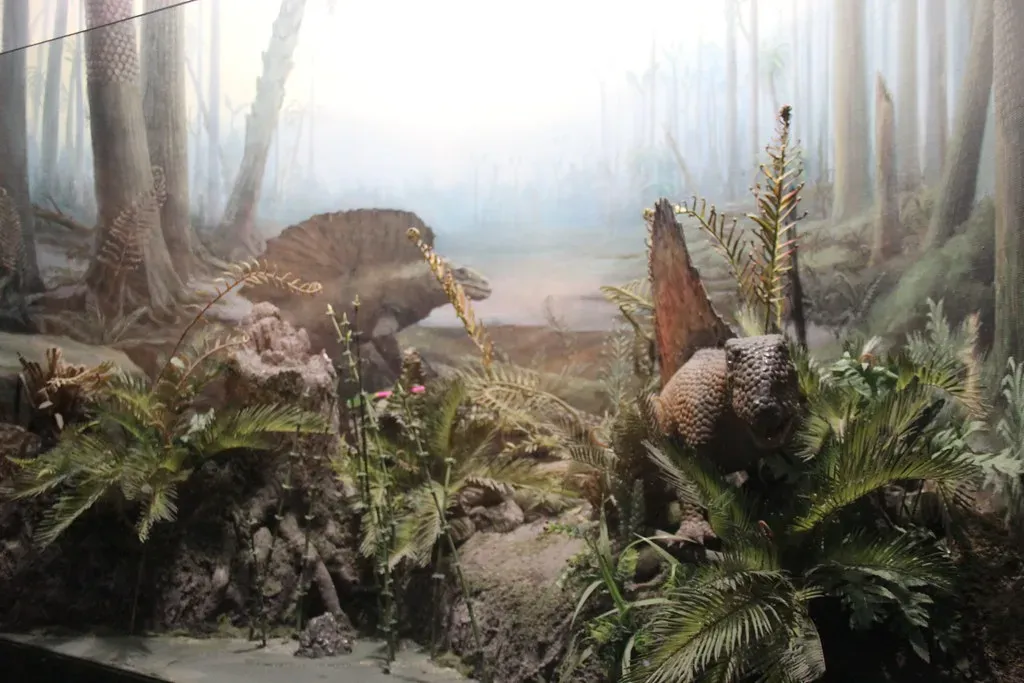
Even within the deep ancestry of mammals, you can watch convergent themes playing out as different synapsid lineages flirt with similar solutions. In the Permian and Triassic, several groups of synapsids (sometimes casually lumped as “mammal‑like reptiles”) independently evolved more upright postures, differentiated teeth, and more mammal‑style skulls. Later mammal groups would refine and stabilize many of these traits, but along the way you can see multiple side branches that experiment with similar body plans under similar ecological pressures, then vanish in extinctions.
When you trace that history, you realize you are not looking at a single smooth line from reptile‑like ancestor to modern mammal. Instead, you see a tangled bush where certain advantages – like more efficient chewing, better thermoregulation, or more agile limb posture – emerge, disappear, and reappear in different branches. Convergent evolution here is less about identical shapes and more about converging functional themes. For you, it underscores that the “mammal package” of traits was not invented once and locked in; pieces of it kept bubbling up repeatedly in prehistoric synapsids that faced similar challenges long before your own lineage settled on the current combination.
Conclusion: What Convergence in Prehistoric Life Tells You About Evolution
When you step back from these ten examples, a pattern jumps out: evolution is creative, but it is not random chaos. The physics of flight, the drag of water, the mechanics of biting, and the realities of hunting and hiding all funnel very different lineages toward a limited set of workable designs. Ichthyosaurs and whales, pterosaurs and bats, thylacines and wolves, sabertooths spread across eras – each pair or cluster shows you that similar problems often sculpt similar answers, even when the starting blueprints are wildly different. Convergent evolution is less a quirky exception and more a recurring rhythm in the history of life.
For you personally, that has a quietly profound implication: the way you see, move, and think is just one of many possible solutions that might reappear, in some form, whenever conditions favor it. Your body, your senses, and even aspects of your behavior sit on well‑traveled evolutionary pathways, not lonely one‑offs. Next time you walk through a natural history museum and notice two unrelated fossils that look uncannily alike, you can smile and recognize what you’re seeing: not a coincidence, but the signature of convergent evolution doing what it always does – finding similar answers to the same old questions. Did you expect prehistoric life to be this full of evolutionary déjà vu?