
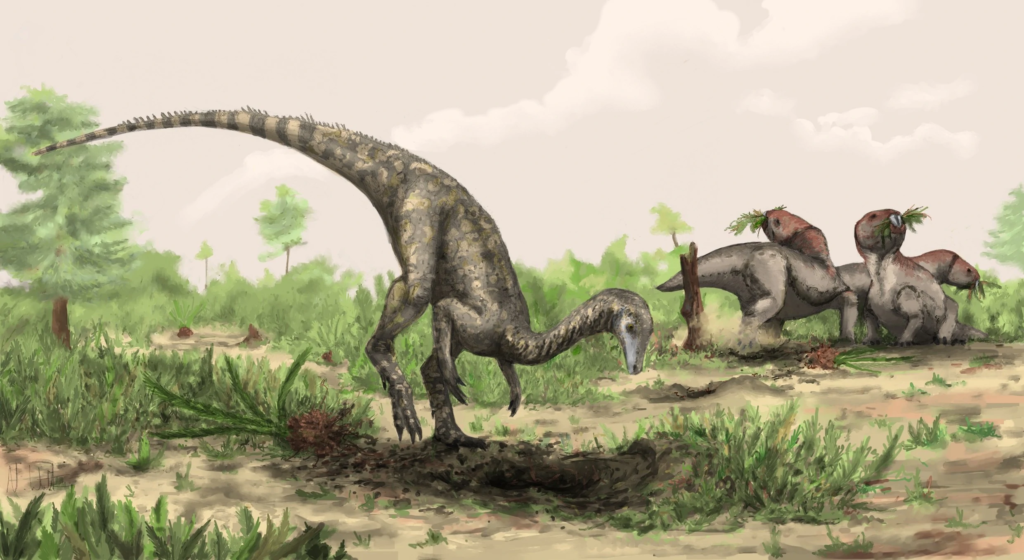
You live on a planet that once looked so strange, you might not even recognize it as Earth. If you could step into a time machine and dial it back more than two hundred million years, you’d land in the Triassic Period, a world just starting to recover from the worst mass extinction in the planet’s history. This is the era where dinosaurs first appeared, not as instant rulers of the world, but as scrappy newcomers testing their chances in a harsh, unpredictable environment.
As you explore this deep past in your imagination, you’ll see that the Triassic is not just a dusty prelude before the “real” dinosaur action. It’s the moment when life resets, experiments, and reshapes itself into new forms that will dominate for over a hundred and sixty million years. When you understand the Triassic, you understand how fragile life is, how brutally it can be reset, and how astonishingly it can bounce back. You are about to walk into the world where the dinosaurs took their very first steps.
The World After Catastrophe: Life Rebuilds Itself
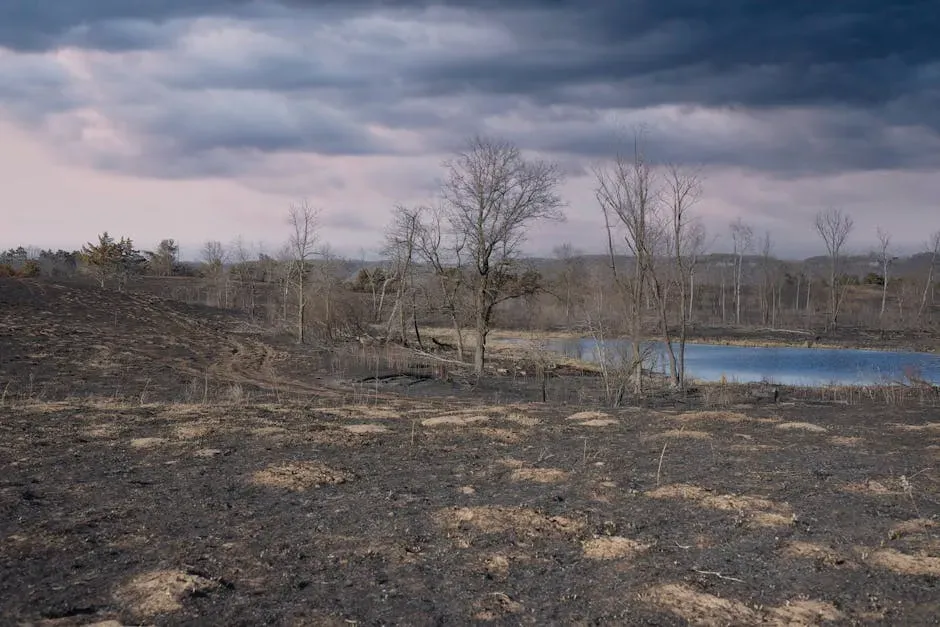
To really feel the Triassic, you have to start with disaster. Just before this period begins, Earth goes through the Permian–Triassic extinction, where the vast majority of species vanish from the planet. If you were there, you’d see oceans stripped nearly empty, forests wiped out, and land that looked barren and lifeless compared to what you know today. The causes likely involved massive volcanic eruptions, intense climate warming, and poisoned oceans, turning the planet into a hostile, sweltering place.
By the time the Triassic gets going, you’d be witnessing a world in repair, like a forest slowly coming back after a colossal fire. Early on, ecosystems are simple and fragile, with only a limited cast of survivors taking the stage. Over millions of years, you’d see new plants spread, early conifer forests rise, and animal communities gradually become more complex. You’re not seeing a stable, gentle world here; you’re watching nature improvise and rebuild itself almost from scratch.
Pangaea: One Giant Continent Under a Harsh Sky
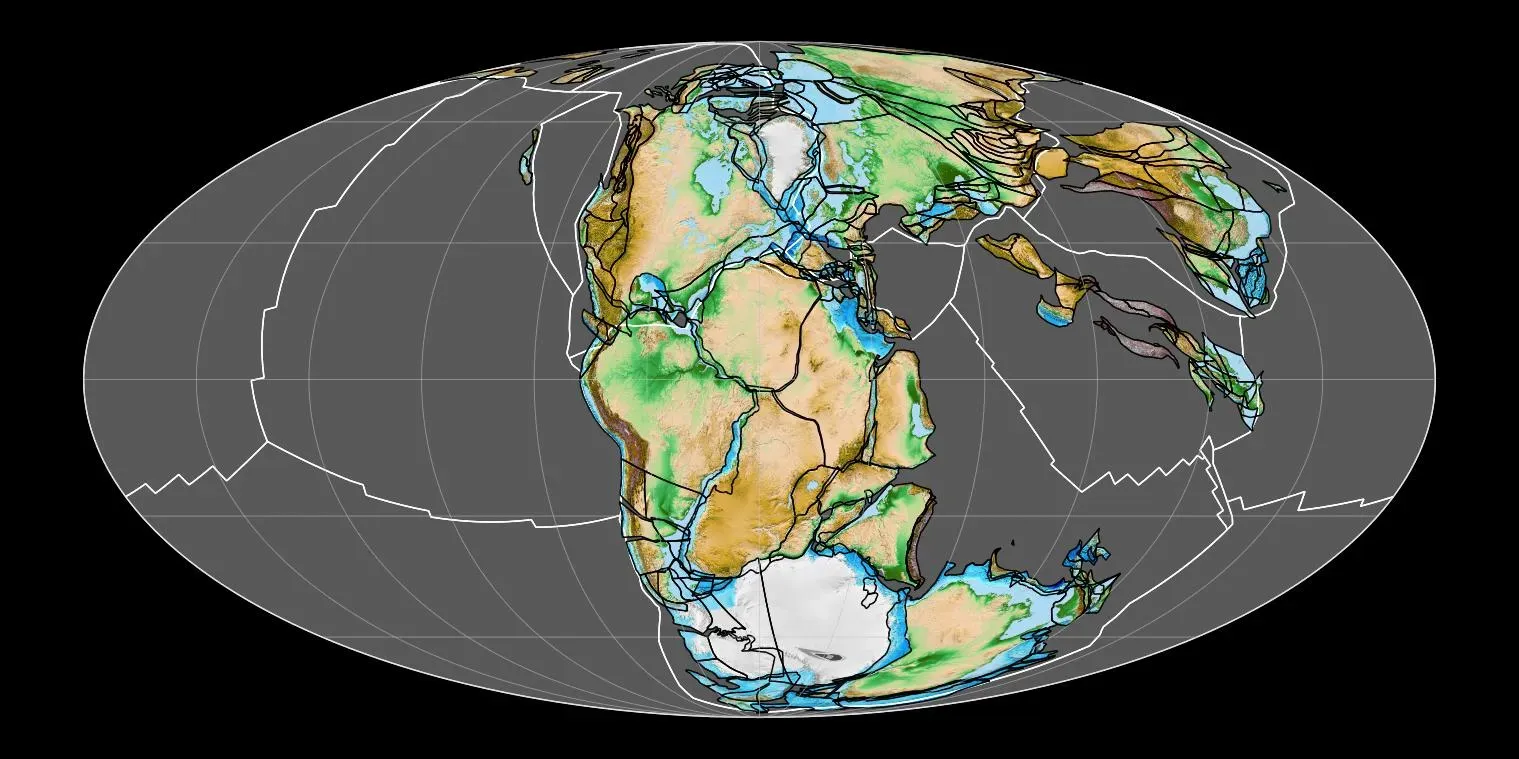
If you could look at a Triassic map, you’d basically see one gigantic landmass: Pangaea. Instead of the familiar patchwork of modern continents, you’d walk across a supercontinent that stretched from pole to pole, surrounded by a global ocean. For you, that would mean huge distances of mostly continuous land, with coastlines far apart and a lot of interior regions sitting far from the moderating effects of the sea. That setup creates wild, extreme climates unlike anything you’d experience today.
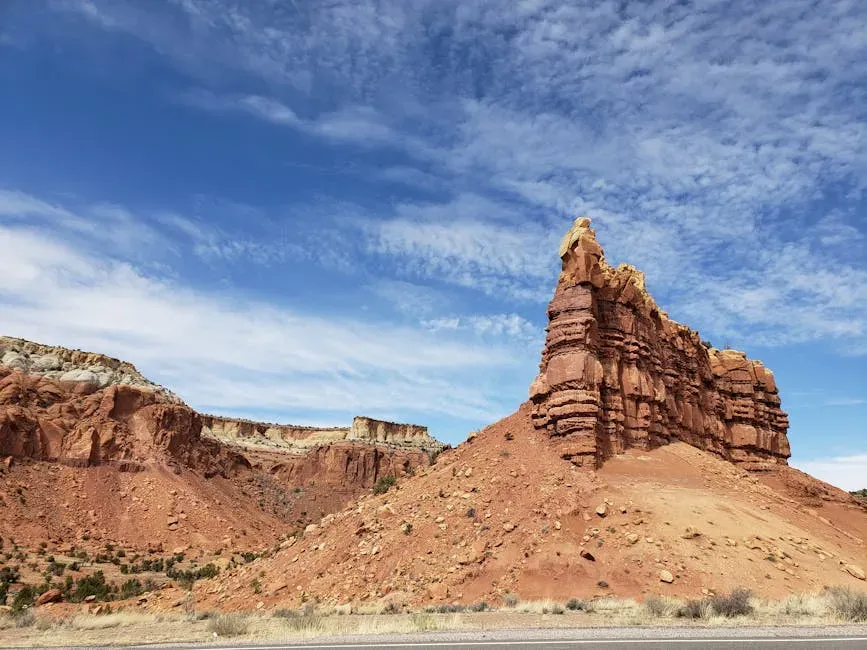
In the interior of Pangaea, you’d be dealing with scorching summers, cold winters, and long dry seasons that turned large areas into deserts or semi-arid landscapes. Near the coasts and higher latitudes, climates would be a bit milder, but still unstable and often dry. Instead of lush, dense tropical jungles everywhere, you’d see patchy forests, open woodlands, and broad stretches of scrub and sand. When you picture the first dinosaurs, you should not imagine them in deep green rainforests; you should imagine them navigating a world that often felt more like a tough, seasonal, and unpredictable wilderness.
The First Dinosaurs: Small, Nimble, and Easy to Miss
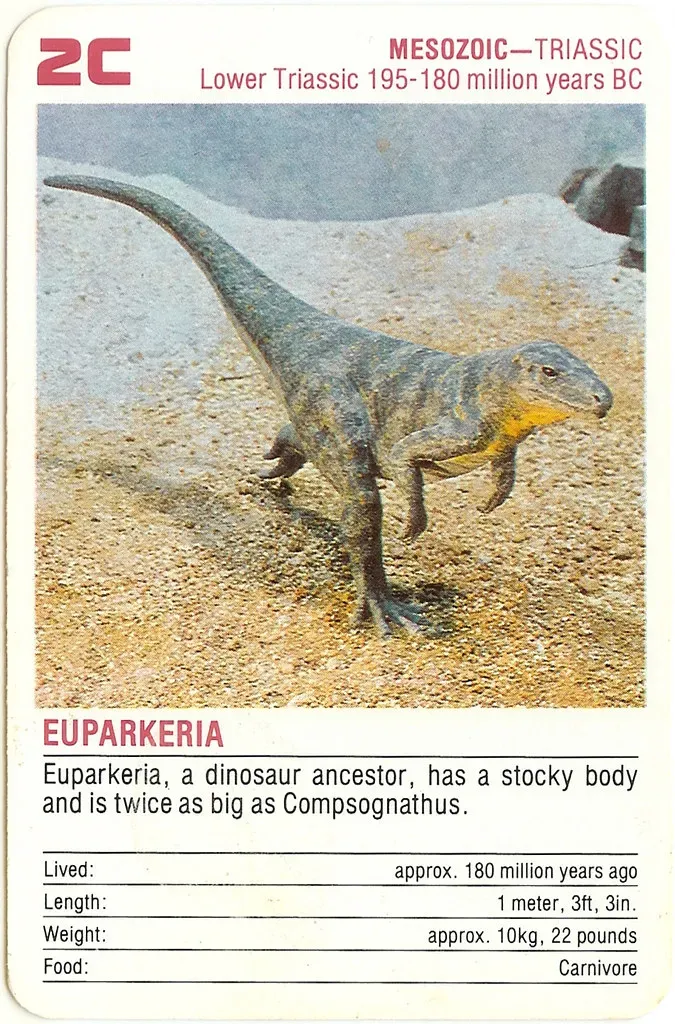
When you think “dinosaur,” your mind probably jumps straight to huge creatures like long-necked sauropods or horned giants with impressive frills. But if you walked into the middle Triassic, you could easily stroll right past the first true dinosaurs without even realizing it. They started out small, lightweight, and fast, more like agile reptiles or birdlike runners than heavy, earth-shaking beasts. You’d see forms that walked mostly on two legs, with long tails for balance and relatively slender bodies built for speed and maneuverability.
Early dinosaurs shared their world with many other reptile groups that, at first, overshadowed them. You’d be looking at some early predators from other lineages that were larger and more imposing than these humble prototypes of later dinosaur glory. What gave the first dinosaurs their edge was not immediate size or power, but a package of traits that favored agility, active movement, and efficiency on land. If you watched long enough, you’d notice that these unassuming animals were experimenting with a different way of living: standing upright, moving quickly, and using their bodies in a more dynamically balanced, almost athletic way.
Climate Stress and Survival Skills: Why Dinosaurs Had an Edge
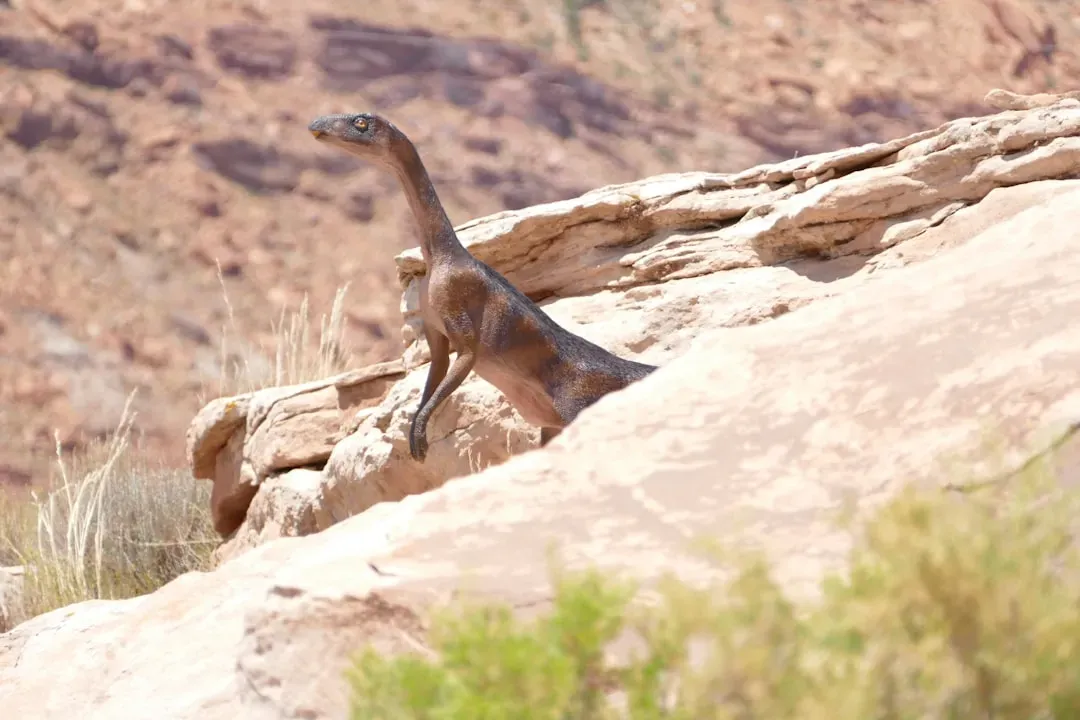
To understand why dinosaurs eventually rose to prominence, you have to put yourself into the Triassic climate. This was a world of heat and dryness for long stretches, broken by intense seasonal rains in certain regions. In that type of environment, you’d see animals pushed to their limits by water shortages, food scarcity, and temperature extremes. The creatures that could move efficiently, regulate their bodies better, and adapt to changing conditions would have a serious advantage over those that were slower or more rigid in their lifestyles.
Early dinosaurs appear to have been built for that kind of challenge. When you compare them to many of their Triassic rivals, you see bodies held upright under the torso rather than sprawled to the sides, allowing more efficient, sustained movement. You also see evidence that some of them may have had relatively higher metabolic rates and, in some later forms, even insulating coverings, though that becomes clearer in later periods. In a world where heat waves, droughts, and unstable ecosystems were the norm, you can imagine these traits acting like a survival toolkit, helping them outlast some of their bulkier or less adaptable neighbors.
A Cast of Unusual Neighbors: Not Just Dinosaurs
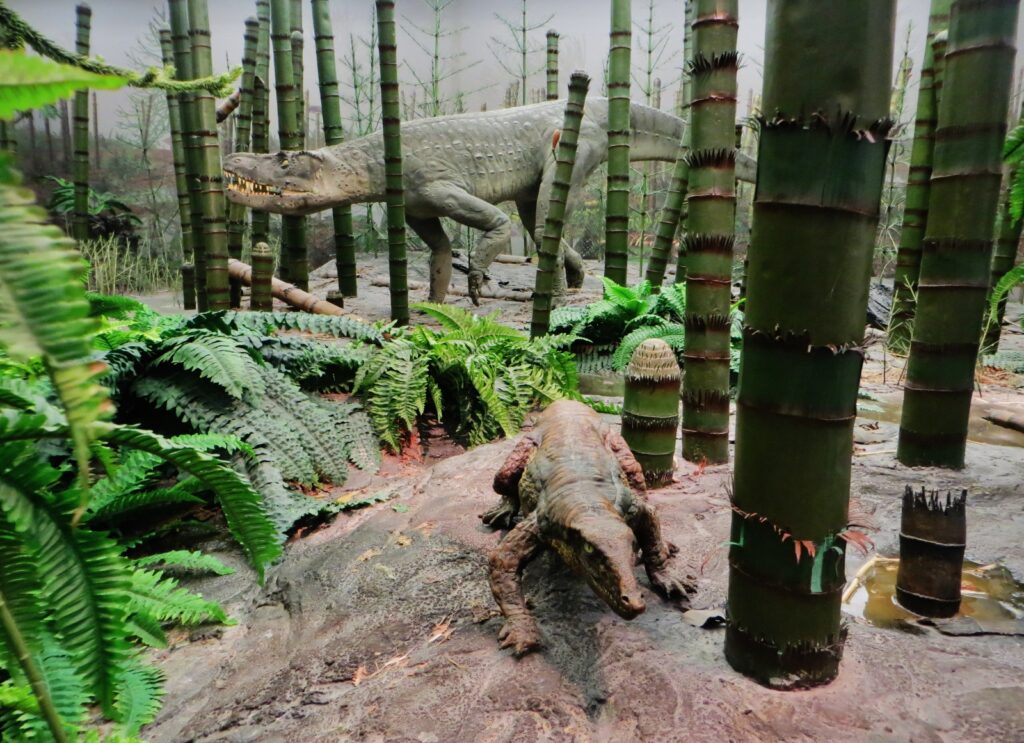
When you walk through Triassic habitats in your mind, do not picture a dinosaur-only theme park. You’d be sharing that world with a crowd of strange, sometimes intimidating creatures from lineages that would later disappear. Some of the dominant land predators early on belonged to a group of reptiles that are more closely related to modern crocodiles than to dinosaurs. They came in many forms: some armored, some fast and slim, others bulky and heavily built, often outcompeting early dinosaurs for top predator roles, at least at first.
Alongside them, you’d see herbivores that look odd to your modern eyes: barrel-shaped bodies, small heads, and sometimes heavy armor or unique skull shapes. You’d also find early relatives of mammals trying to carve out their own niches, often as small, nimble insect-eaters or omnivores. In the skies, you wouldn’t yet see the full glory of later flying reptiles, but by the late Triassic, you’d be starting to notice the first gliders and fliers appearing. In other words, if you landed in the Triassic hoping for nothing but classic dinosaurs, you’d actually find yourself walking into a crowded experimental zoo of evolving life.
The End of the Triassic: A New Disaster, A New Opportunity
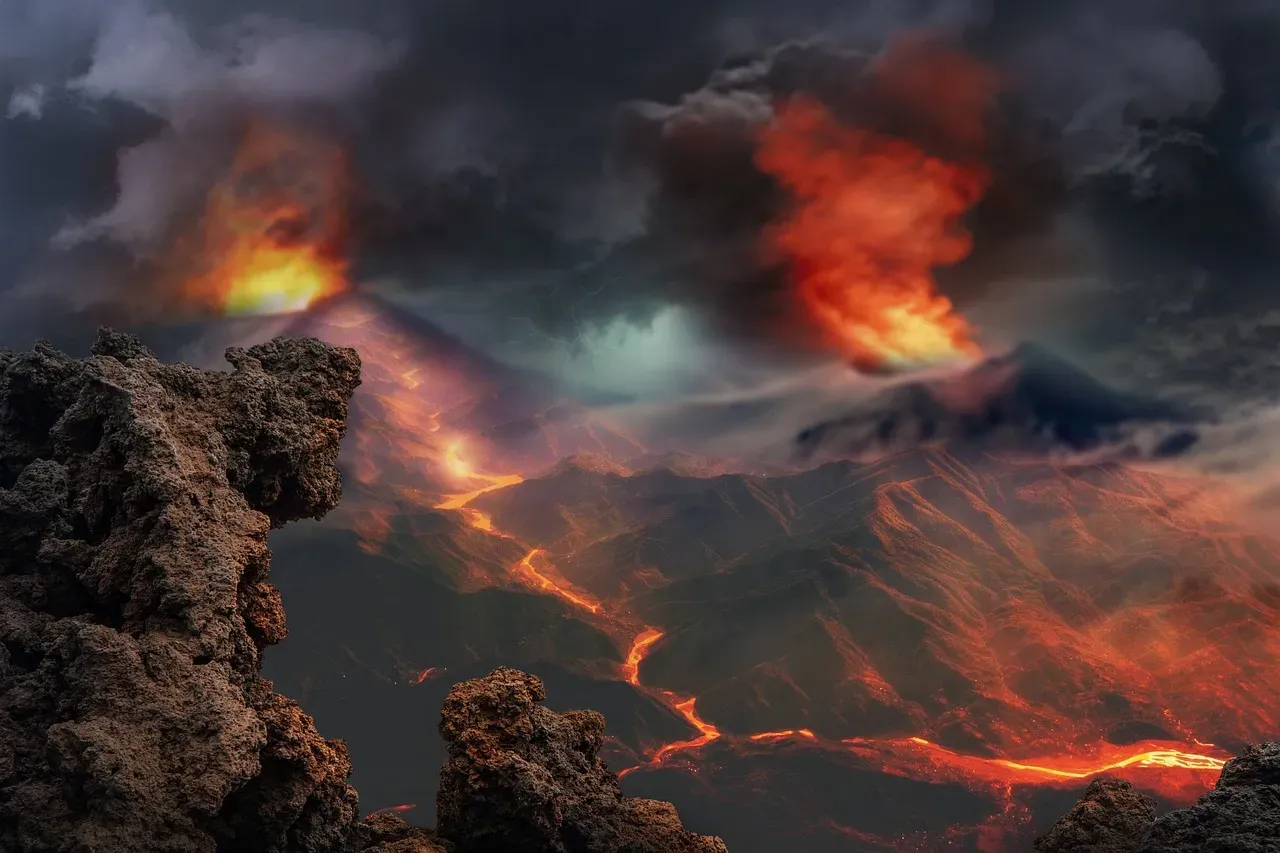
Just when life in the Triassic seems to be finding its balance, the story takes another sharp turn. Toward the period’s end, Earth is hit again by major environmental upheaval linked to colossal volcanic activity and shifting climate patterns. If you were living through that time, you would notice ecosystems becoming stressed, some groups dwindling, and certain familiar species disappearing completely. Sea levels, temperatures, and atmospheric conditions were all in flux, stressing species that were tightly adapted to specific conditions.
For you, this is where the irony of Earth’s history becomes clear: mass extinctions are brutal, but they also reset the evolutionary playing field. Many of the powerful rivals of early dinosaurs did not make it through the crisis at the end of the Triassic. Dinosaurs, however, were among the survivors, carrying their adaptable, efficient designs into the next period. As you step across the boundary from the Triassic into the Jurassic in your imagination, you’re watching the moment when dinosaurs finally step from the sidelines into the spotlight, ready to dominate for tens of millions of years.
Why the Triassic Still Matters to You Today
You might wonder why you, living in the twenty-first century, should care about a period that ended more than two hundred million years ago. The Triassic shows you how life responds when the world nearly ends, and then almost ends again. When you look at this era, you’re not just studying dinosaurs; you are studying resilience, adaptation, and the way new life can rise from massive loss. The structures of modern ecosystems, including the later forests, mammals, and even birds you know today, trace long, winding roots back through the Triassic experiments that shaped what could survive.
There is another angle that hits closer to home. When you read about rapid climate swings, mass extinctions, and volcanic greenhouse worlds from the Triassic, you cannot help but see some unsettling echoes in current environmental concerns. You are not living in the Triassic, but you are living on the same planet, under the same physical rules, where large-scale changes can ripple through ecosystems with lasting effects. The Triassic is like a deep-time case study for you, a reminder that Earth can change drastically and that life does not always come through those changes unscathed.
Conclusion: Walking Beside the First Dinosaurs in Your Mind
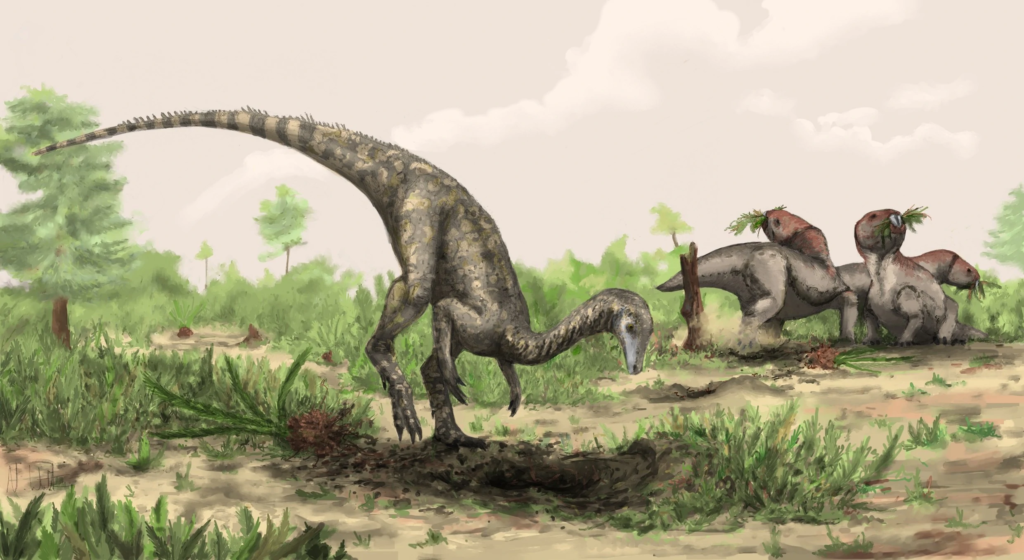
When you picture the Triassic now, you can see more than just a dusty prologue to the age of giants. You see a battered planet knitting itself back together, a supercontinent under a harsh sky, and small, agile dinosaurs slipping into a world full of powerful rivals. You walk past odd reptilian predators, early mammal relatives, and pioneering fliers, knowing that most of them will vanish while a few lineages will shape the future. You can almost feel the tension of an unfinished story, where the main characters have only just stepped onto the stage.
If you let yourself stay in that world for a moment longer, you start to appreciate how improbable your own existence is. Without the Triassic rebuilding after disaster, without those first experimental dinosaurs adapting to heat and drought, without the repeated shocks that cleared space for new life, your familiar world would look very different. The next time you see a fossil skeleton in a museum or a bird outside your window, you can trace a line all the way back to that tough, unforgiving period where it all began. Knowing that, how differently do you see the deep past beneath your feet?