
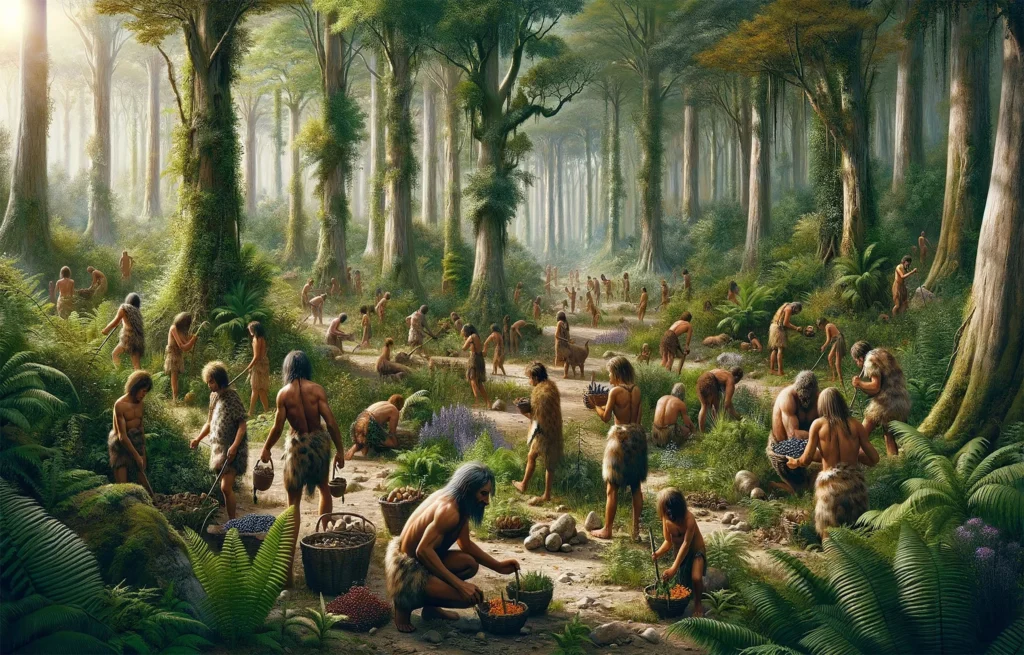
You probably grew up with a simple story about your distant ancestors: they hunted huge animals, gorged on meat, and that protein-fueled feast made human brains big and brilliant. It is a neat tale, easy to picture and even easier to turn into a modern “caveman diet” trend. But the more evidence scientists pull from teeth, bones, tools, and ancient hearths, the messier – and more fascinating – that story becomes.
Recent discoveries suggest early human diets were far more flexible, plant-rich, and inventive than you were ever told. Instead of a single, meat-heavy “paleo menu,” you are looking at a patchwork of strategies that changed with climate, landscape, and technology. And once you see that complexity, you start to realize something surprising: your own relationship with food today is shaped by a long history of adaptation, experimentation, and improvisation, not by a frozen snapshot of hunters with spears.
Why the Old “Meat Made Us Human” Story Is Cracking
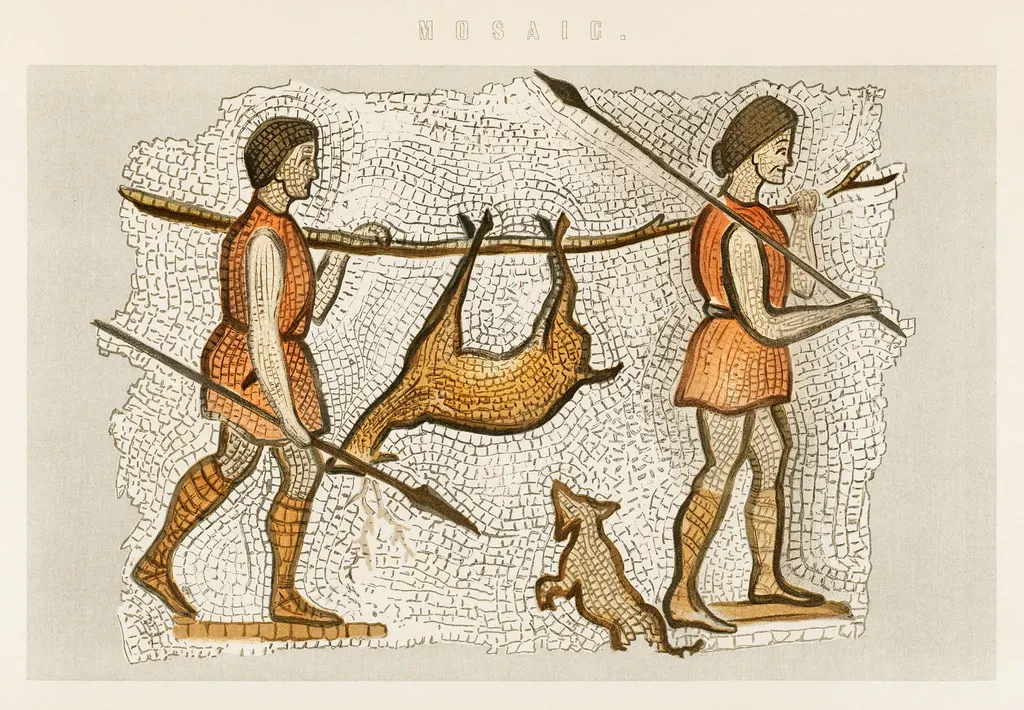
If you have heard that humans “evolved to eat mostly meat,” you are hearing a story built on a handful of clues, stretched very far. For a long time, scientists leaned heavily on animal bones with cut marks and chemical signatures in ancient skeletons that suggested a high place in the food chain. From that, it was easy to imagine your ancestors as near-carnivores chasing mammoths across the Ice Age steppe, with plants playing only a minor supporting role.
The problem is that this story overlooks how biased those clues are. Bones from large animals preserve well; delicate plant parts usually do not. When you focus on bones alone, you see hunting everywhere and miss quieter evidence of gathering, grinding, roasting, and sharing roots or seeds. New methods are now forcing you to reconsider that picture, showing that the “all meat, all the time” narrative was never more than a rough sketch, not a faithful portrait of early human life.
Your Ancestors Ate More Plants Than You Think
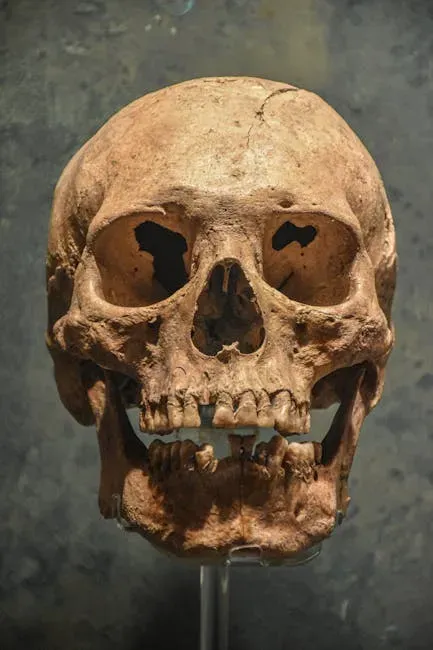
One of the most eye-opening shifts comes from tiny plant traces trapped in fossil teeth. When you analyze the hardened plaque – the dental calculus – from ancient humans and Neanderthals, you do not just see bacteria and tartar. You see microscopic starch grains, plant fragments, and chemical fingerprints that reveal what went across those mouths thousands of years ago. Again and again, they point to a menu where plants matter a lot more than the old stories allowed.
You find evidence of wild grasses, seeds, roots, nuts, and even legumes showing up in those calcified layers. In some sites, you can tell that starchy foods were not just nibbled raw but exposed to heat, hinting that people roasted or cooked them. When you put that side by side with studies showing that some early ancestors, like certain Australopithecus species, were almost entirely plant-eaters, you start to see your lineage as grounded in greenery, with meat as one powerful, but not exclusive, upgrade layered on top.
Neanderthals: Not Just Heavy-Meat Hunters After All
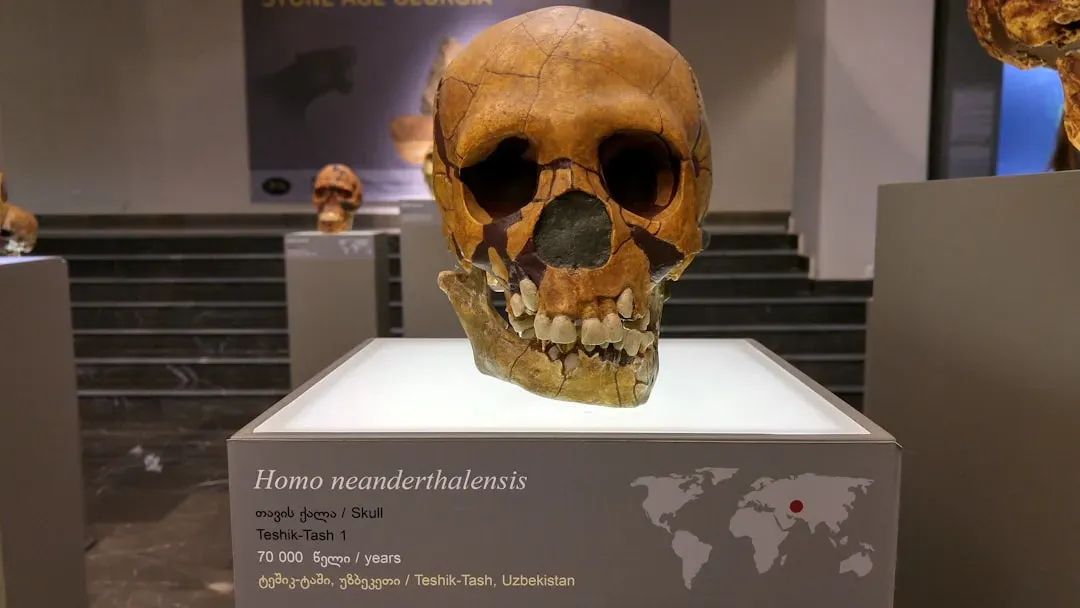
You were probably taught to think of Neanderthals as tough, meat-obsessed brutes chasing down giant Ice Age animals. Stable isotope studies of their bones do show a high reliance on meat in many cold environments, and they were clearly skilled hunters of big game. But dental calculus and charred food residues have quietly blown a hole in the myth that they lived on meat alone. When you zoom in on their teeth and hearths, you find something that looks a lot more like your own urge to mix flavors and resources.
Plant microfossils from Neanderthal plaque show that they ate roots, grains, nuts, and other plant foods, sometimes with clear signs of cooking. Chemical traces hint at exposure to wood smoke and cooked carbohydrates, and in some individuals you even see compounds linked to bitter, medicinal plants. That means a Neanderthal in a cave was not just chewing on roasted meat; they were experimenting with plant foods, adjusting recipes to the seasons, and possibly using certain plants to soothe pain or infection. In other words, they were not so different from you in the kitchen: practical, opportunistic, and curious.
Fire, Cooking, and the Energy Revolution in Your Lineage
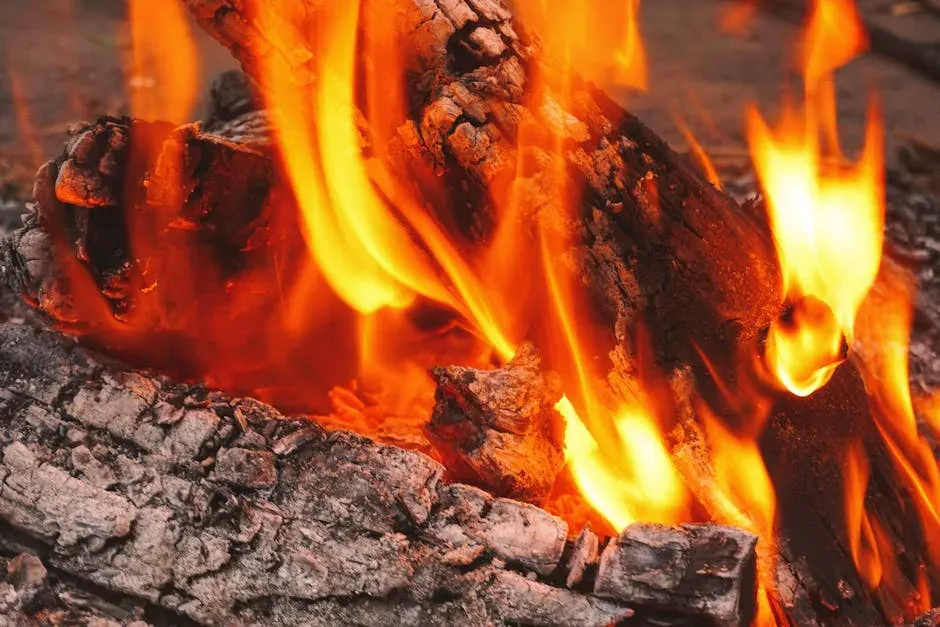
Imagine biting into a raw tuber dug from the ground: fibrous, hard to chew, not very rewarding. Now imagine that same tuber roasted by a fire until it softens and its starches break down into sweeter, more accessible energy. With that one transformation, you suddenly get more calories from the same landscape, with less chewing time and less digestive effort. This is the quiet revolution that control of fire brought to early humans, and it sits right at the center of how you should think about ancient diets.
Evidence for regular fire use grows stronger in the middle Pleistocene, and cooked food lines up intriguingly with shifts in body and brain size in your ancestors. Cooking does not just make meat safer; it turns roots, seeds, and tough plants into reliable fuel. Instead of thinking of fire as a tool only for roasting game, you can see it as a universal food processor: unlocking calories, softening textures, and allowing your ancestors to depend on a wider range of foods. That flexibility might matter more to your evolutionary story than any single ingredient ever did.
Different Landscapes, Different Menus: There Was No Single “Paleo Diet”
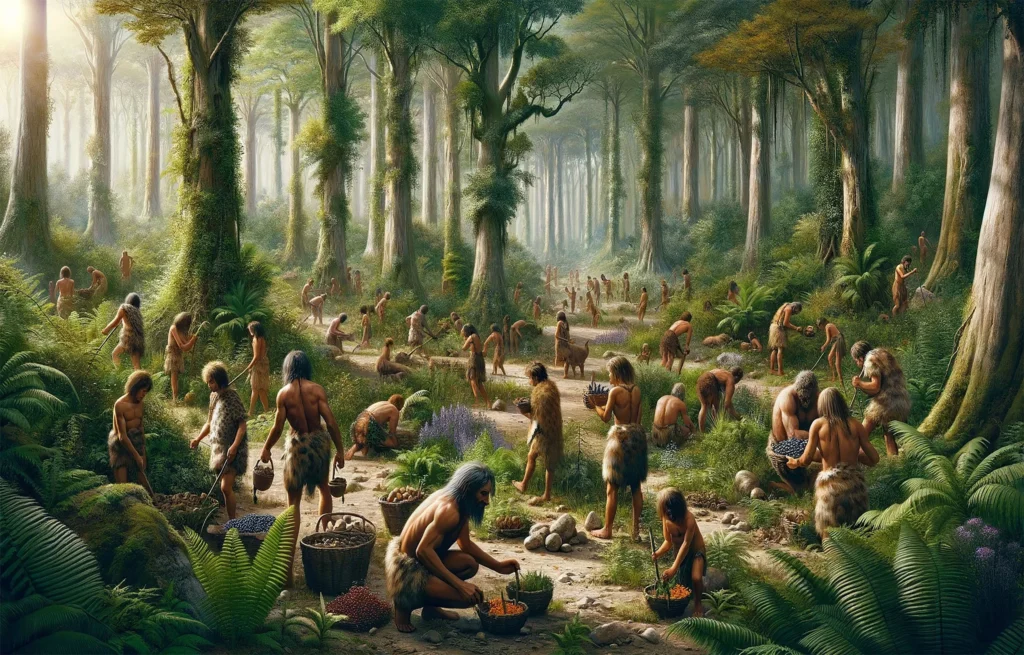
When you hear someone say you should “eat like your ancestors,” your first question should be: which ancestors, and where? A group living on a cold, open steppe with short growing seasons would have leaned more heavily on hunted animals, while another group in a wooded valley, wetland, or coastal zone would have had easy access to plants, nuts, fruits, and small game. Recent studies of hunter-gatherer sites show that many communities relied heavily on wild plants, with meat or fish acting as one part of a broader, seasonal strategy.
Even within the same species, diets shifted as people moved, climates changed, and new tools appeared. Plant residues on grinding stones, charred seeds in ancient hearths, and subtle chemical shifts in teeth and bones all point in the same direction: your ancestors were dietary shape-shifters, not followers of a single fixed menu. Once you see that diversity, modern one-size-fits-all “ancestral” diets start to look more like marketing than science. The real ancestral lesson is adaptability: you eat what your environment offers, and you get clever about making the most of it.
What These Discoveries Mean for How You Think About Food Today

So where does all of this leave you, standing in front of a modern supermarket shelf rather than a savanna or a forest? It does not mean you should try to copy one ancient diet, because there never was one. Instead, it invites you to rethink a few big ideas: that more meat automatically equals more “natural,” that plants are just side dishes, or that there is a single perfect template your body is “meant” to follow. Your evolutionary history suggests your body is built to handle variety, not rigidity.
You can treat these discoveries as a gentle nudge toward balance and curiosity rather than strict rules. If early humans thrived by mixing plants and animal foods, experimenting with cooking, and adapting to new resources, you might honor that heritage by valuing diversity on your plate, leaning into whole foods, and staying open to how your needs change over time. When you realize your ancestors solved their problems with flexibility, not dogma, it becomes easier to question extreme dietary claims today and ask a better question: how can you eat in a way that respects both your biology and your present-day reality?
Conclusion: A More Human, Less Mythical View of Your Deep Past
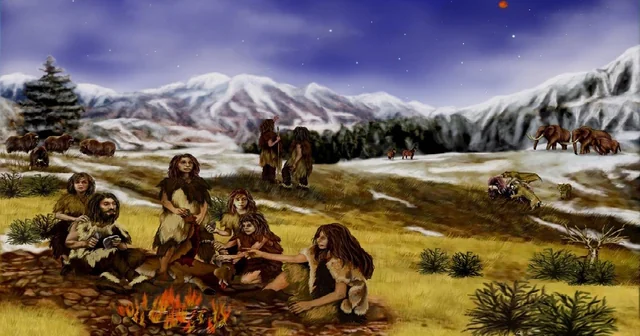
When you strip away the myths, the story is less about raw meat and heroic hunts, and more about quiet ingenuity. Your ancestors learned to scrape every possible calorie from difficult landscapes, to roast tough roots until they were edible, to grind seeds and grains into more digestible forms, and to combine meat with a surprising variety of plants. They were not following a rigid plan; they were tasting, testing, and adjusting, in a long-lived experiment that you are still part of today.
If you let these new discoveries sink in, they do something subtle but powerful: they give you permission to be flexible, too. Instead of chasing a fantasy of a perfect Stone Age menu, you can draw inspiration from the real lesson of the past – resilience through diversity, curiosity, and adaptation. Knowing that, the next time someone tells you there is only one “natural” way for you to eat, you might pause and ask yourself: given everything your ancestors actually did, does that really sound like the whole story?