If you could step out of a time machine into the mid-Cretaceous, you’d probably feel like you’d landed on an alien planet that just happens to share your sky. The air would be warmer, the seas higher, and life exploding around you in forms both familiar and wildly strange. You’d recognize forests, rivers, reefs, and coastlines, but each one would be packed with creatures and plants pushed to extremes by a hot, greenhouse world.
This slice of deep time, roughly in the middle of the Cretaceous Period, is increasingly seen as one of the most biologically rich chapters in Earth’s entire history. You’re looking at a world where dinosaurs dominated land, birds were taking off as a new kind of flyer, flowering plants were starting to reshape ecosystems, and the oceans were full of gigantic reptiles instead of whales. When you zoom in, you start to realize that “diverse” almost feels too small a word for what was going on.
A Greenhouse World With No Polar Ice
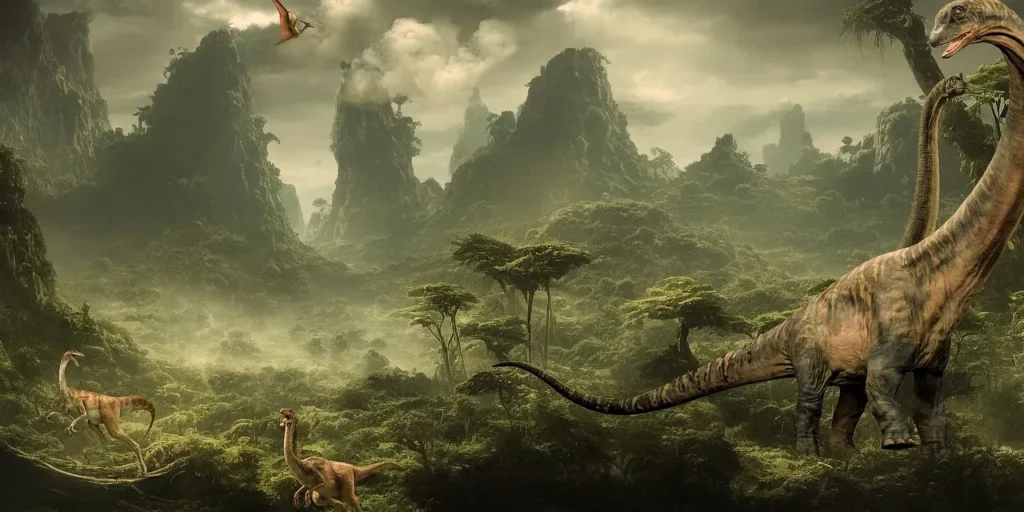
Imagine a planet where you never see a polar ice cap when you look north or south. During the mid-Cretaceous, that’s the world you’d be standing on: a true greenhouse Earth with no permanent ice sheets at either pole. Global temperatures were significantly warmer than what you’re used to now, and even polar regions supported forests instead of frozen wastelands.
Because so much water that’s now locked up in ice was then in liquid form, sea levels stood dramatically higher. Vast shallow seas flooded continents, turning low-lying areas into warm, sunlit marine habitats teeming with life. This combination of warmth, moisture, and expanded coastal zones created huge environmental gradients where new species could evolve and thrive, giving you one reason biodiversity was so remarkably high.
Flowering Plants Rewrite the Landscape
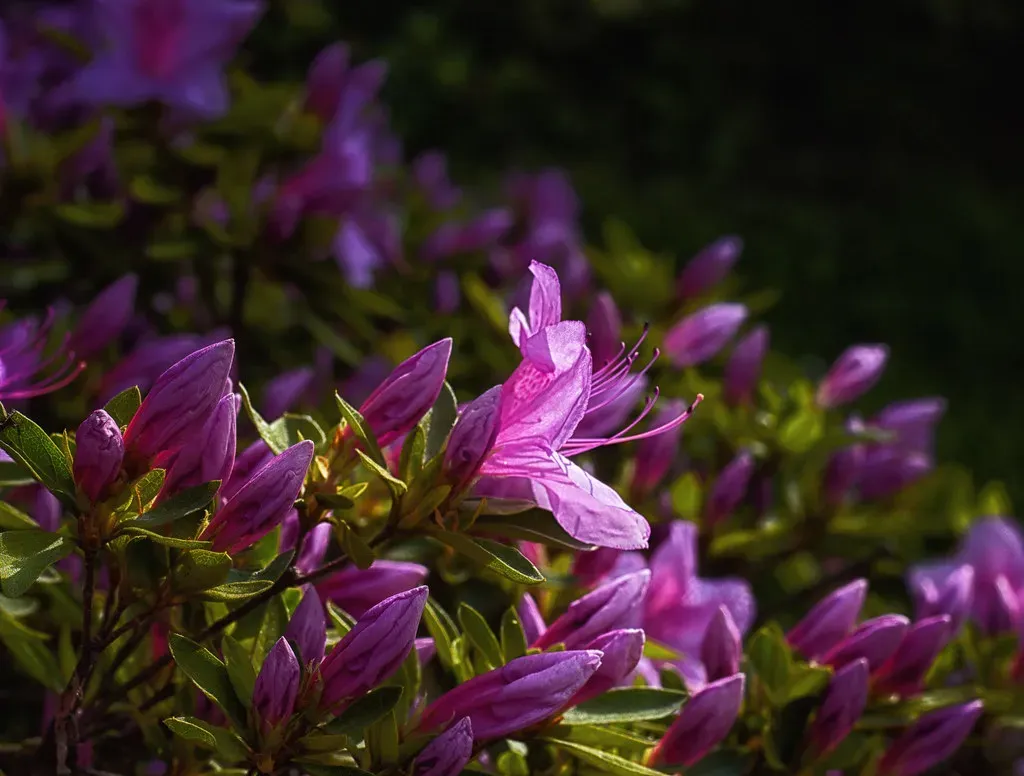
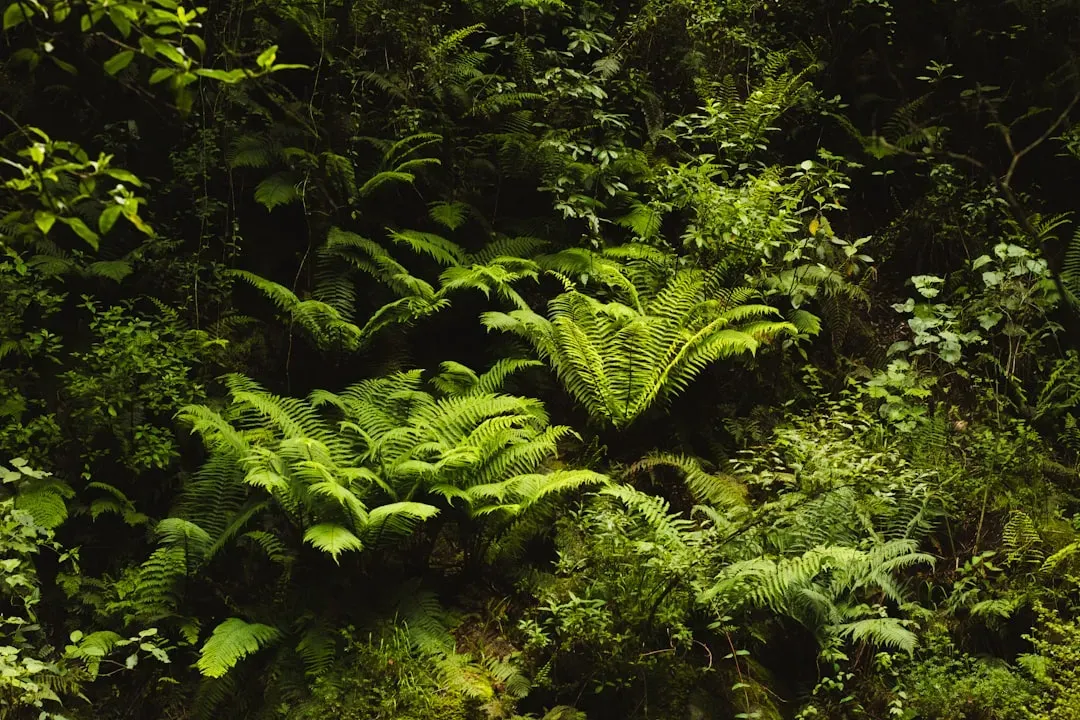
If you walk through a forest park today, almost everything you see with showy flowers or broad leaves is part of a group that truly took off in the mid-Cretaceous: the angiosperms, or flowering plants. Before this time, ferns, cycads, and conifers dominated much of the land. During the mid-Cretaceous, flowering plants started spreading in a big way, quietly but steadily rewriting the rules of terrestrial ecosystems.
As flowering plants diversified, they created new kinds of food and shelter, especially seeds, fruits, and nectar. That meant you suddenly had fresh opportunities for insects, small vertebrates, and eventually birds and mammals to specialize. You can think of it as someone adding a whole new aisle of products to a supermarket; once those resources exist, evolution starts “shopping” and adjusting, leading to bursts of diversification that ripple through food webs.
Dinosaurs at Their Peak of Variety
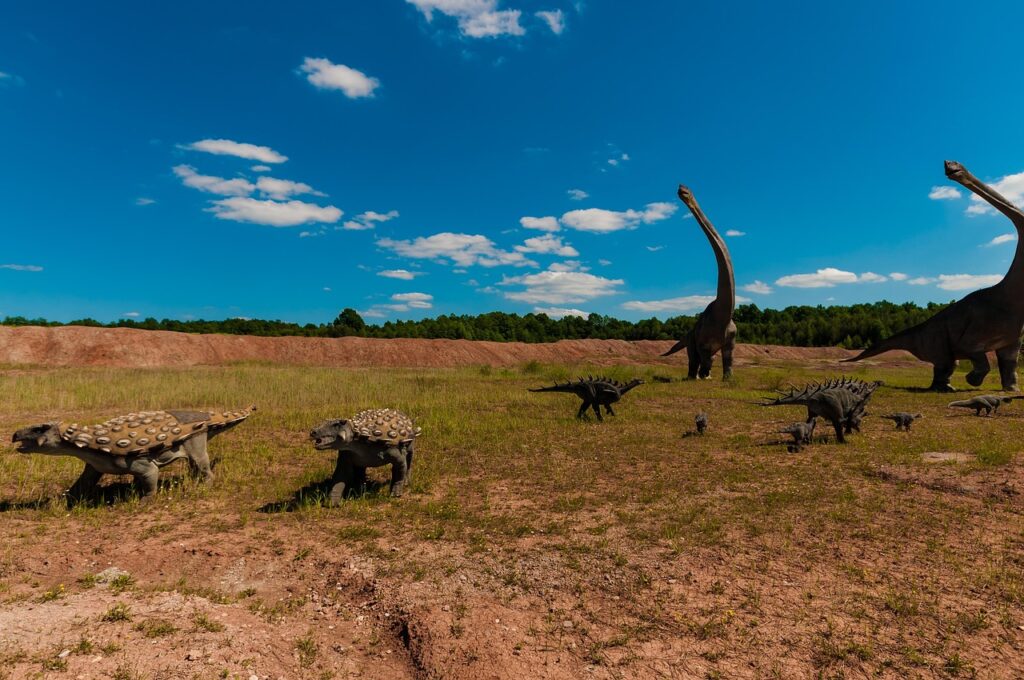
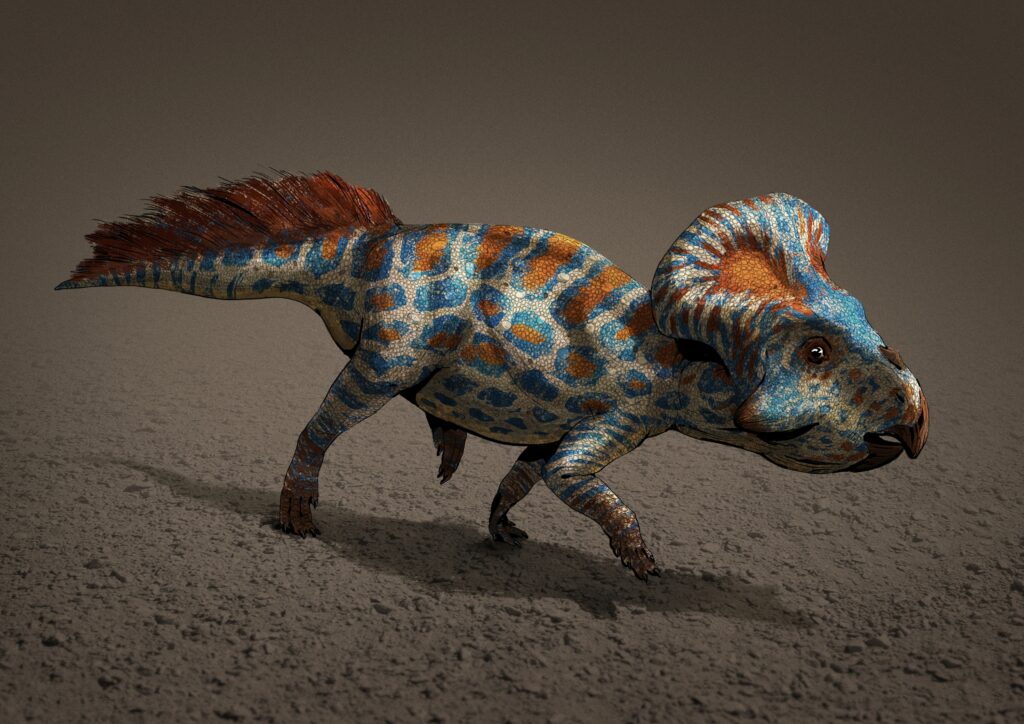
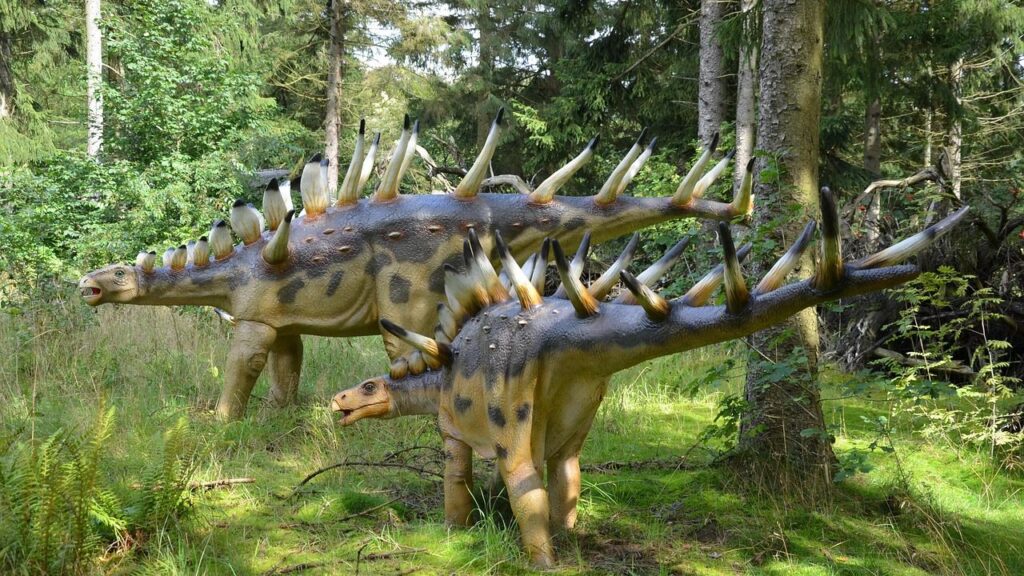
When you picture dinosaurs, you might think of a handful of famous giants, but the mid-Cretaceous tells you a different story: an astonishing range of body sizes, shapes, and lifestyles. Giant sauropods still roamed some continents, while heavily armored ankylosaurs, fast-running ornithopods, and horned or frilled relatives in development were carving up the landscape into countless ecological niches. Predatory dinosaurs, from nimble raptor-like forms to massive tyrannosaur relatives, patrolled nearly every environment.
This wasn’t just about big, charismatic beasts. Smaller dinosaurs, including early bird-line species, were flocking into forests, wetlands, and coastal zones, each with its own diet and behavior. The sheer spread of climates and habitats – coastal plains, inland deserts, floodplains, upland forests – meant dinosaurs could specialize very finely. You’re looking at a world where dinosaurs were not just dominant, but diversified to a degree that still surprises paleontologists as new fossils are uncovered.
Seas Ruled by Marine Reptiles and Giant Fish
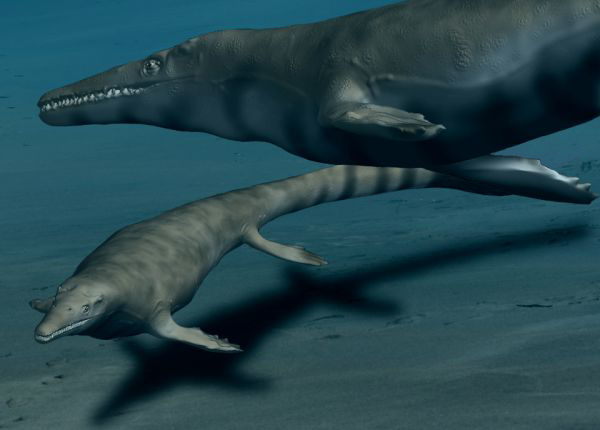
If you dove into a mid-Cretaceous sea, you wouldn’t meet whales or dolphins. Instead, you’d share the water with sleek, powerful marine reptiles like mosasaurs and plesiosaurs, along with huge predatory fish that filled many of the roles large marine mammals play today. Shallow epicontinental seas – warm, relatively calm bodies of water over submerged continental crust – acted like vast nurseries for marine biodiversity.
Coral reefs and reef-like communities were widespread, and the combination of warm temperatures, broad continental shelves, and nutrient inputs from land fueled complex marine food webs. Plankton communities were also changing and diversifying, building the foundations of future ocean ecosystems and leaving behind thick deposits of chalk and other sediments. In many ways, when you look at mid-Cretaceous oceans, you see a prototype of modern marine complexity, just with a completely different cast of dominant animals.
Polar Forests and High-Latitude Surprises
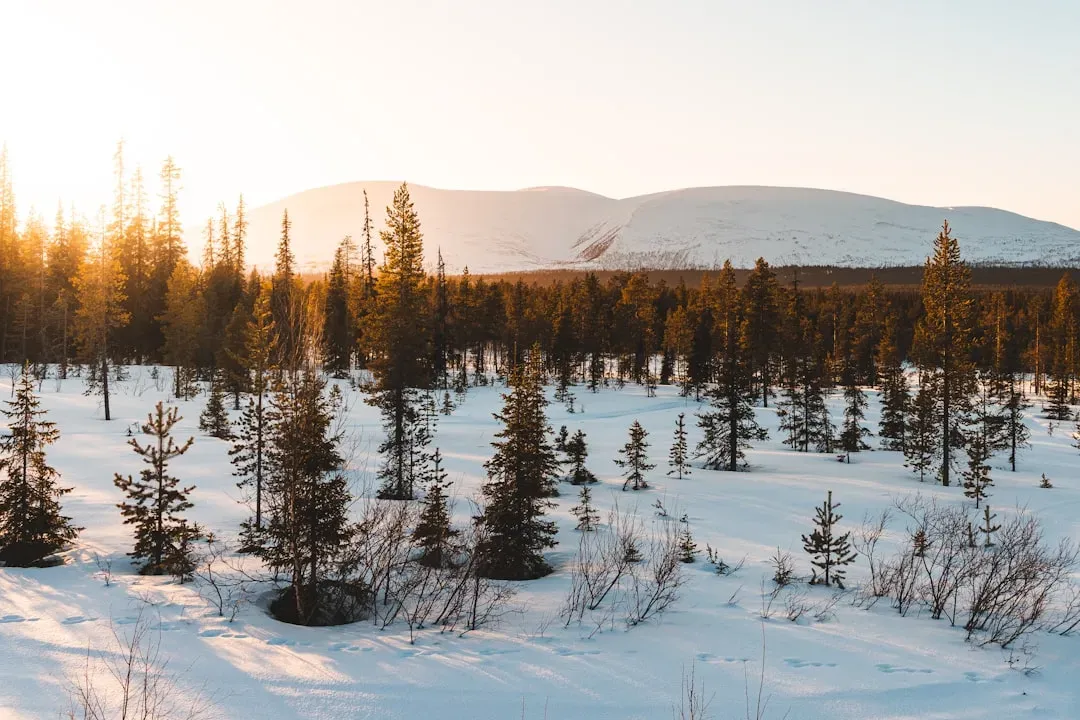
One of the most striking things you learn about the mid-Cretaceous is that the poles were not lifeless icy deserts. High-latitude fossil sites show you forests near what is now the Arctic and Antarctic, with trees, ferns, and other plants growing in regions that today are frozen for most of the year. Dinosaurs and other vertebrates lived in these polar environments, adapted to long seasonal darkness rather than permanent ice.
These polar ecosystems challenge your assumptions about where life can flourish when climate conditions shift. Even with cooler local temperatures compared to the tropics, the absence of permanent ice sheets and the presence of relatively mild, moist conditions allowed for rich plant communities. That, in turn, supported herbivores and their predators, giving you a world where dinosaurs walked amid polar forests under the glow of seasonal midnight suns instead of blizzards.
Insects, Birds, and the Rise of New Partnerships
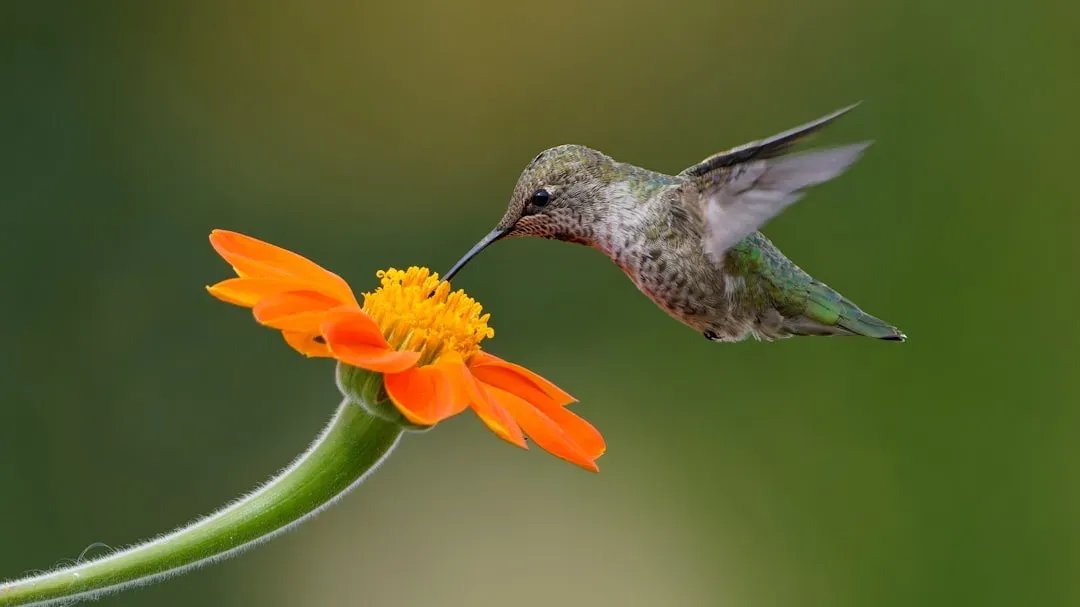
As flowering plants spread, insects responded, and you start to see a more modern-looking web of plant–pollinator relationships emerging during the mid-Cretaceous. Beetles, flies, early bees, and other insect groups began to interact more closely with flowers, feeding on pollen and nectar and, in the process, helping plants reproduce. You can picture this as evolution’s version of a feedback loop: more flowers lead to more specialized insects, which further encourage plant diversification.
At the same time, early birds were diversifying alongside their dinosaur relatives, exploring new feeding strategies, flight styles, and nesting behaviors. Some of these birds likely took advantage of the new plant and insect resources, creating layered, interlocking partnerships among plants, insects, and vertebrates. When you trace these connections, you see how the mid-Cretaceous was quietly assembling many of the interaction patterns you still see in modern ecosystems, even though almost all the players were different species.
Evolutionary Experiments and Ecological Extremes
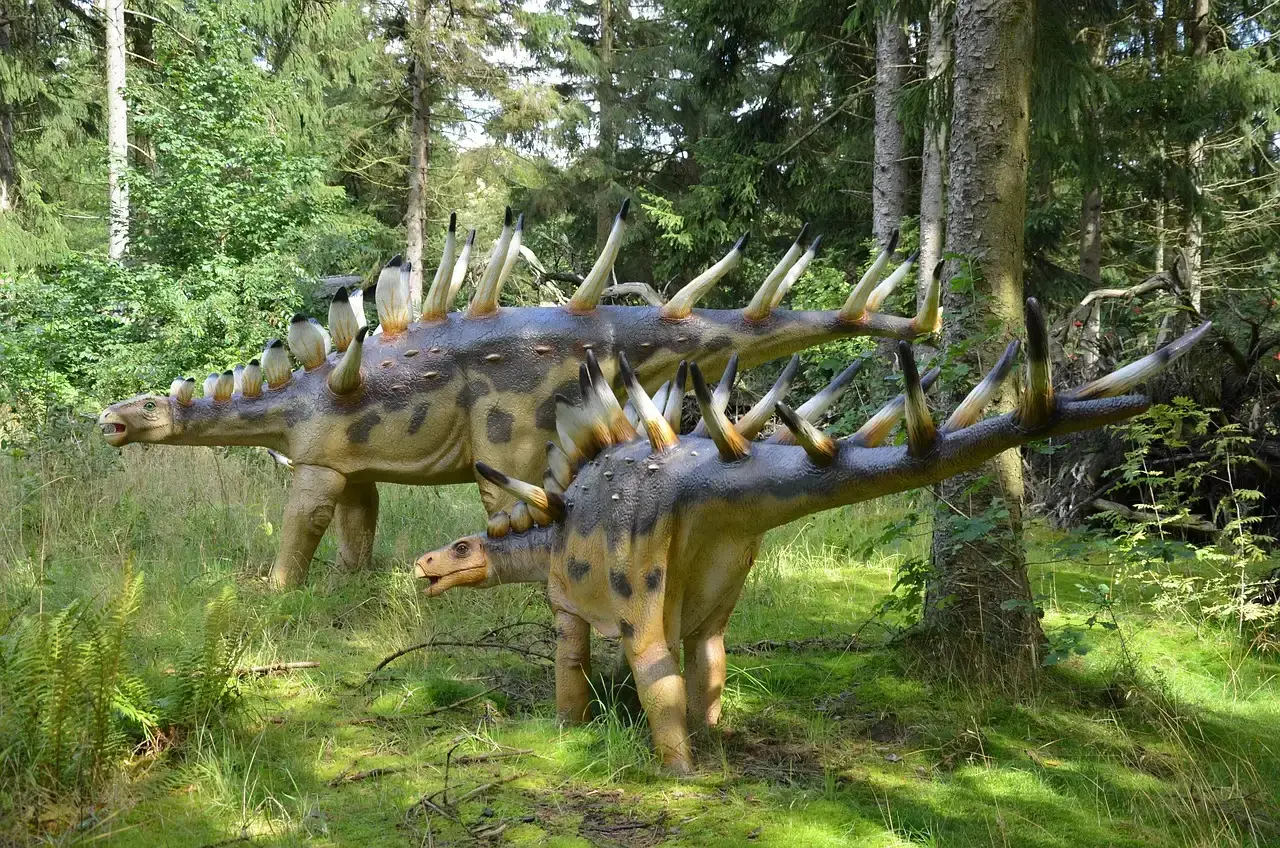
The mid-Cretaceous was also a time when evolution seemed especially willing to experiment with body plans and ecological roles. You had extreme armor in some dinosaurs, extravagant sails or crests in others, bizarre beaks and teeth for specialized diets, and marine reptiles that pushed the limits of size and speed. Many of these forms did not survive into later periods, but they show you how dynamic and exploratory evolution can be when environmental conditions are stable enough to allow long-term innovation.
Ecologically, this period saw ecosystems pushed toward high productivity and complexity, with dense vegetation, numerous predator–prey layers, and fine-scale niche partitioning. Of course, it was not without disturbances; there were local extinctions, changes in sea level, and shifts in climate patterns. But overall, the mid-Cretaceous marks a time when life filled nearly every available corner of the planet’s surface, testing strategies that would either disappear or, in some reworked form, shape the future of life on Earth.
What the Mid-Cretaceous Teaches You About Today
When you look at the mid-Cretaceous, you’re not just gawking at dinosaurs and giant marine reptiles; you’re getting a powerful case study in how climate and geography shape biodiversity. A warm, ice-free world with high sea levels and widespread shallow seas created conditions that allowed ecosystems to explode in richness and complexity. That matters to you now, because you’re living through your own period of rapid climate change, and this deep-time snapshot offers both warnings and insights.
At the same time, you see how the spread of new types of organisms – like flowering plants back then – can transform entire biospheres by opening new evolutionary doors. Today, human activity is playing a similar role, but much more abruptly, by moving species around, changing landscapes, and altering atmospheric chemistry. The mid-Cretaceous reminds you that Earth can sustain incredibly diverse ecosystems under very different conditions from those you know, but it also shows that such richness is tied to long timescales and delicate balances that are easy to disrupt.
In the end, when you picture the mid-Cretaceous, you’re really imagining a world that pushed diversity to extraordinary heights using the same basic rules that govern life today. Climate, geography, new innovations like flowers, and long, stable stretches of time all worked together to build ecosystems that were both lush and intricate. As you weigh your own impact on the planet, it is worth asking yourself what kind of legacy you want to leave in the fossil record of the future. If you could walk those ancient floodplains or dive into those warm inland seas, what would you hope future beings say about the world you helped shape?