
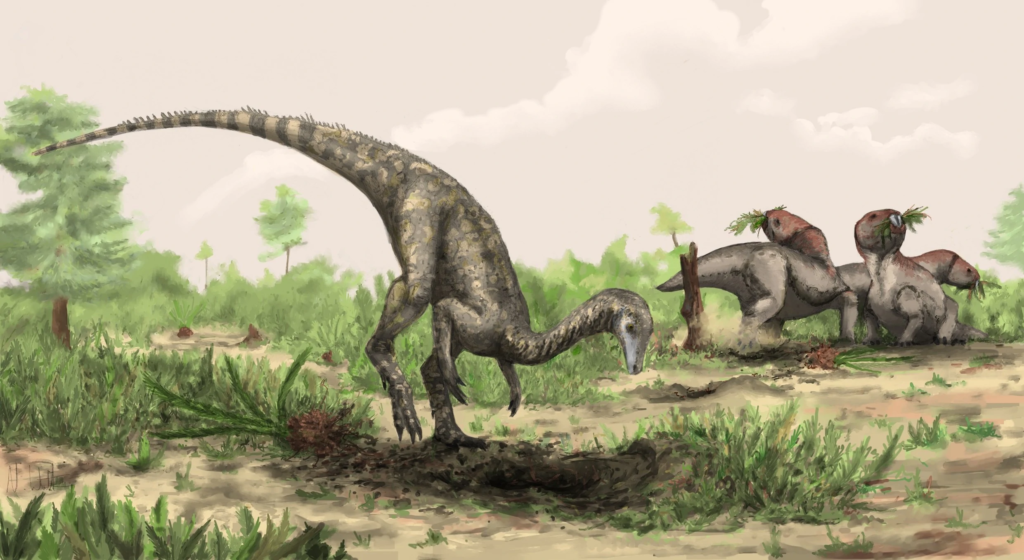
You probably grew up with a simple story about dinosaurs: they appeared as small, scrawny reptiles in a lush world, slowly grew into giants, then vanished in a flash when an asteroid hit. The more you look at the latest fossil evidence, though, the more that story falls apart. In the last few years, paleontologists have pulled fossils out of deserts, mountains, and museum basements that force you to move the starting line of dinosaur evolution, change who the “first dinosaurs” even were, and rethink where they lived and how fast they spread.
Instead of a neat, orderly origin, you’re looking at a messy explosion of experimental body plans, unexpected climates, and surprise ancestors. New trackways, early dinosaur relatives, and reanalyzed bones suggest dinosaurs emerged earlier, in hotter and harsher places, and possibly bigger than you were always told. When you take these discoveries together, you’re no longer just tweaking the dinosaur family tree – you’re redrawing entire branches and moving the trunk.
The Myth of the “Late, Small, and Simple” First Dinosaurs
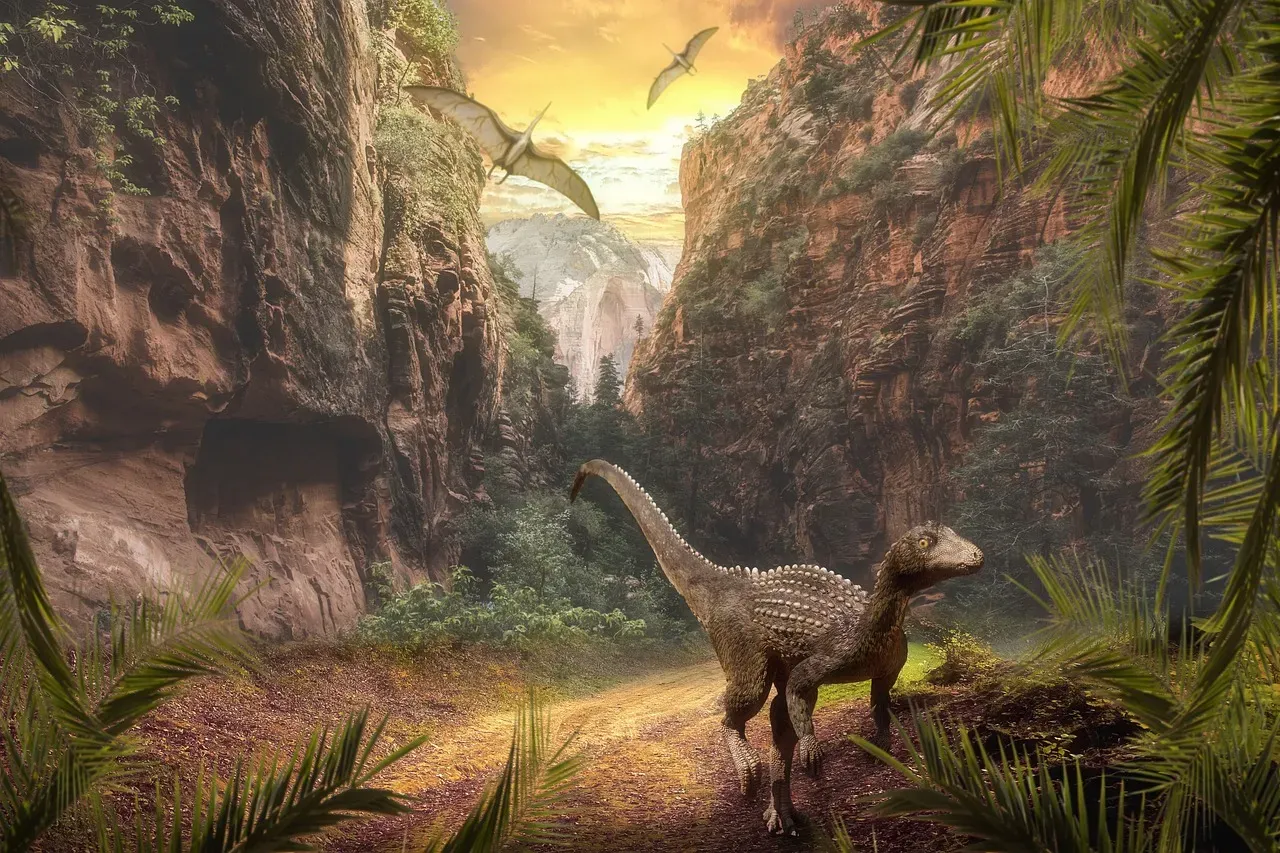
You’ve probably heard that dinosaurs started out as small, secondary players that only rose to dominance later, after other reptiles faded away. That picture came from limited fossils, mostly from a few famous sites in Argentina and Brazil dated to about 230 million years ago, with early forms like Eoraptor and Herrerasaurus. Those animals shaped the idea that the first dinosaurs were compact, lightly built, and not yet the rulers of their ecosystems.
New evidence is pushing you to question that neat narrative. When researchers revisit old bones with modern imaging and better dating, they keep finding hints that early dinosaur relatives were more varied in size and shape than expected. Some fossils from the same time window, or even a bit older, point toward larger, more robust animals that blur the line between “small and humble” and “already on their way to being big predators or hefty herbivores.” Instead of a tiny, timid starting point, you may be looking at a much more ambitious beginning.
Hot Deserts, Not Lush Forests: Where Dinosaurs Actually Emerged
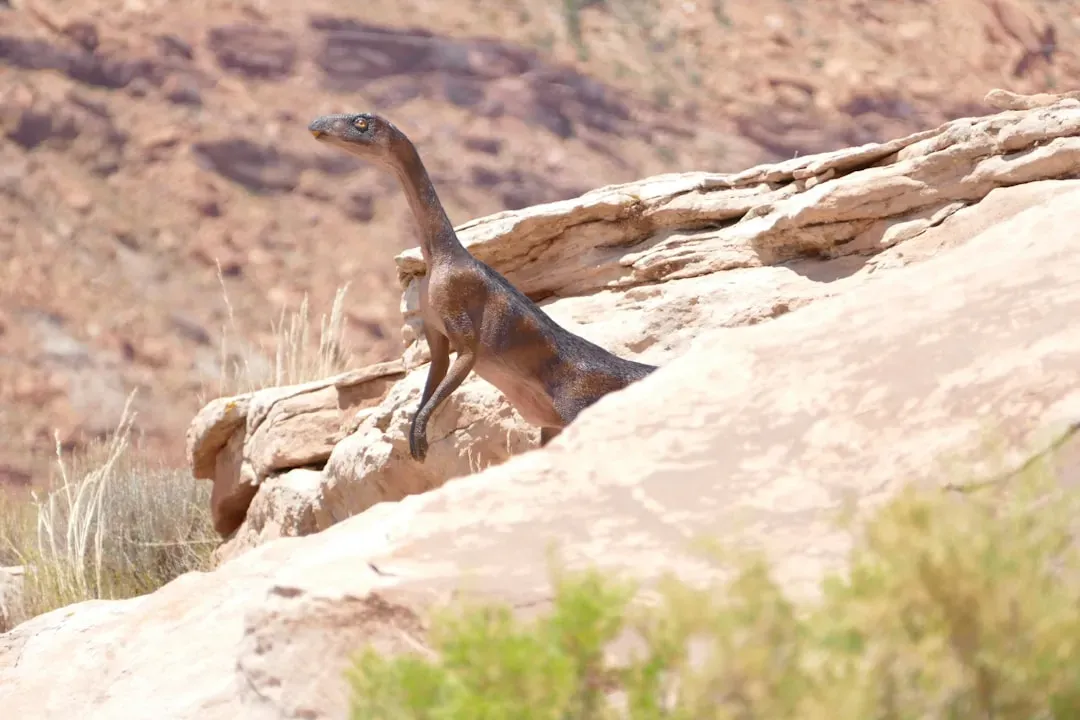
If you imagine the dawn of dinosaurs, you might picture steaming jungles or fern-filled floodplains. Recent modeling studies that combine fossil data with ancient geography tell you a different story: the first true dinosaurs likely evolved in a scorching equatorial belt in the supercontinent Gondwana, in what is now parts of northern South America and northern Africa. These regions would have been more like dry savannahs and deserts than tropical rainforests.
This matters because it changes how you think about the kind of animal that could even survive there. If dinosaurs began in hot, seasonal, water‑stressed environments, they needed to cope with heat, drought, and patchy food from day one. That suggests you should see them less as fragile newcomers and more as tough generalists built to handle extremes. When you hear that many of the earliest fossils may still be buried under underexplored deserts and basins, you realize the fossil record you know is probably only the cooler, wetter fringe of their real origin story.
Fossil Trackways That Push Reptile and Dinosaur Origins Back in Time
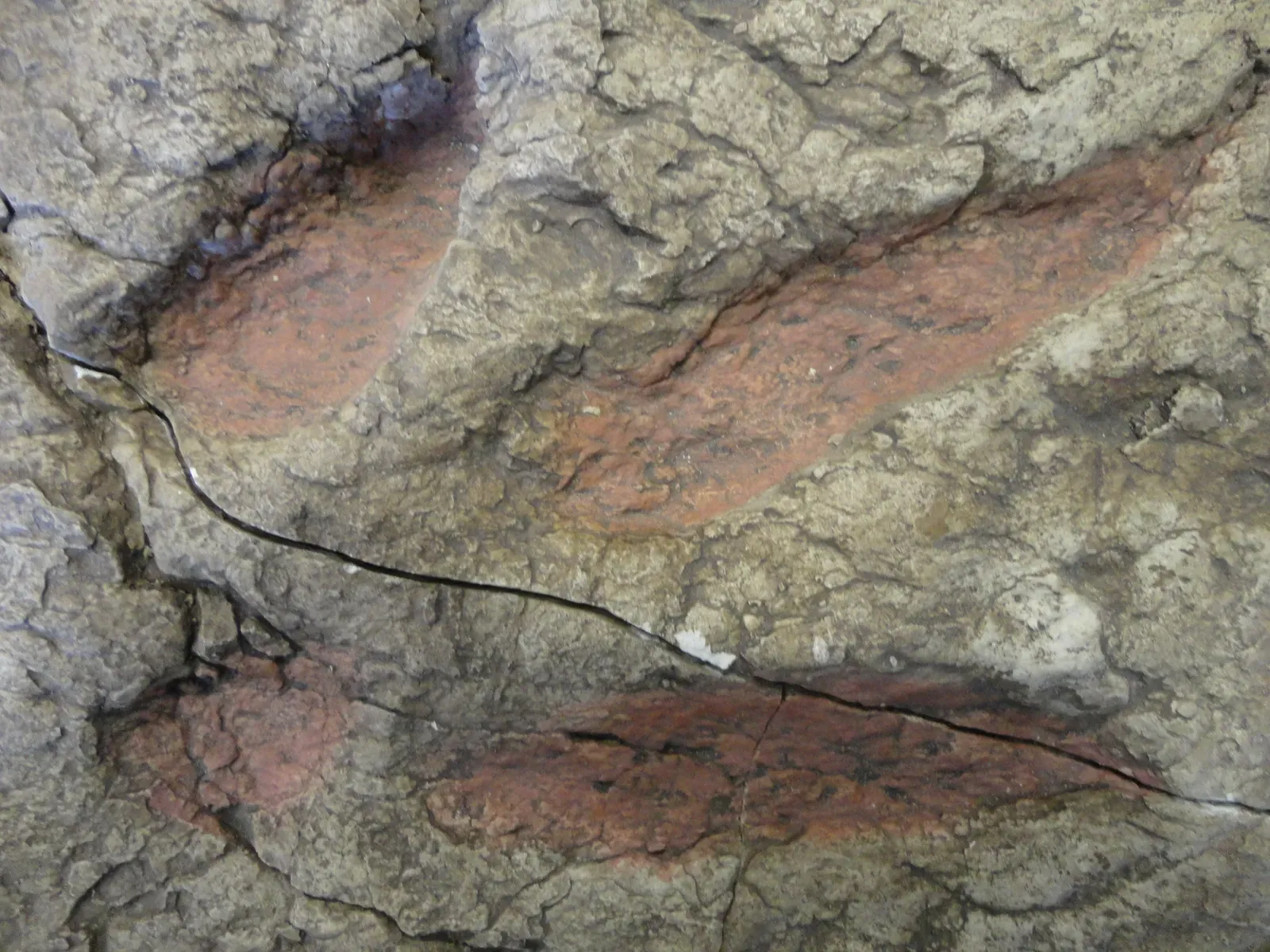
Instead of bones, sometimes you only get footprints – and those can be just as disruptive to your timeline. Newly analyzed trackways from Australia show reptile‑like animals walking on land significantly earlier than previously recognized in the Northern Hemisphere. These impressions, dated carefully by comparing surrounding fish fossils and rock layers, push the appearance of advanced land‑going reptiles back by roughly a few dozen million years compared with older estimates.
Why should you care about some faint tracks in ancient rock? Because they tell you that the broader group of reptiles that ultimately gave rise to dinosaurs had already tested life on land much earlier than you thought. If the foundation group appears earlier, that stretches the possible window for when dinosaur‑line animals could evolve. It is like finding older blueprints for a house – you suddenly realize the construction might have started well before the first bricks you had in hand.
Ghost Fossils and Museum Drawers: Old Bones, New Stories
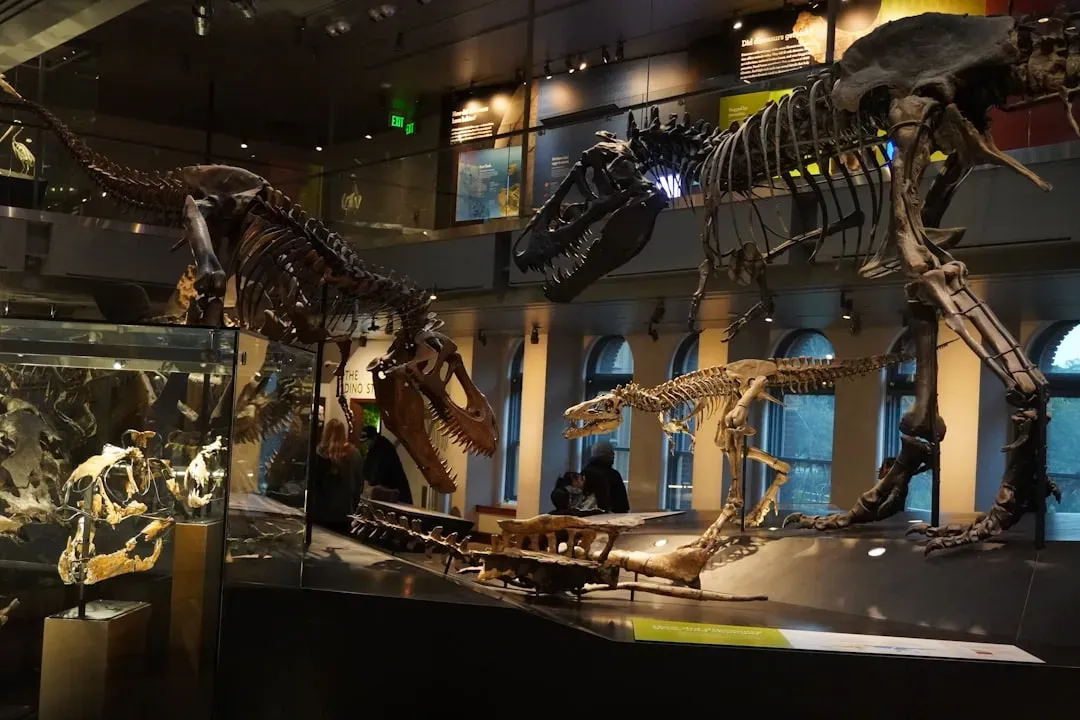
A surprising amount of the “new” fossil evidence that changes your view of dinosaur evolution never comes out of the ground – it comes out of storage. One striking example is a Triassic croc‑relative from Ghost Ranch, New Mexico, that sat misidentified in a museum basement for decades. Only when researchers looked closely did they realize it was a distinct species with a short snout and heavily built skull, clearly different from the species it had been lumped in with.
Finds like this matter because they flesh out the world in which early dinosaurs lived. At Ghost Ranch, you now see two very different crocodile‑line predators coexisting on land right alongside early dinosaurs. That tells you these ecosystems were already complex, with multiple large predators filling different roles, rather than simple, dinosaur‑dominated worlds. Every time you open another drawer and re‑evaluate an old fossil, you risk having to admit that what you thought was a single, simple lineage was actually part of a crowded evolutionary experiment.
Early Dinosaur Kin That Blur the Line Between “Ancestor” and “Cousin”
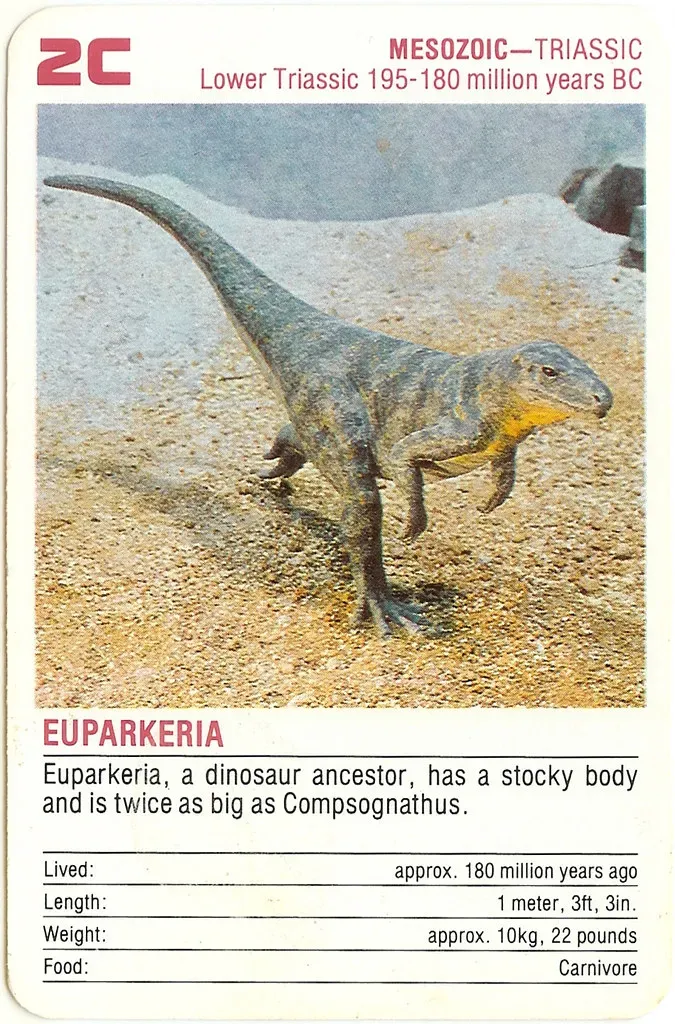
One of the biggest shifts you have to make is recognizing that the boundary between early dinosaurs and their nearest relatives is fuzzier than you were taught. An enigmatic group called silesaurs, for example, has moved from background noise to center stage. New work on a large Triassic femur from Zambia strengthens the idea that some dinosaur‑line relatives were bigger and more robust than the classic “tiny first dinosaur” image suggests. Instead of shrinking over time or starting small, early members of the broader dinosaur family may have started out surprisingly large and then experimented in different directions.
In parallel, new early ornithischians – the group that later gives you animals like Stegosaurus and horned dinosaurs – are being described from places like Asia and Korea. These early plant‑eaters appear in unexpected environments, sometimes in lake deposits or marginal settings where you might not expect a dinosaur at all. When you put these finds together, you start to see early dinosaur evolution not as a single, straight ladder but as a crowded bush of near‑dinosaurs, proto‑dinosaurs, and true dinosaurs, overlapping in time and space.
Rethinking Size: Were the First Dinosaurs Actually Bigger Than You Think?
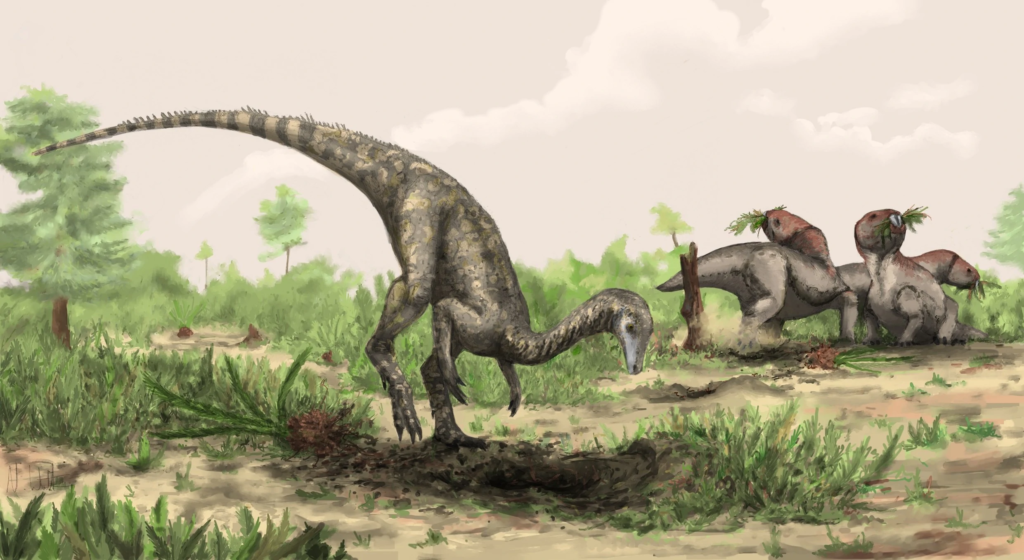
You’ve probably heard that the first dinosaurs were small and only later evolved into giants. But when you look closely at growth patterns inside some early bones – studied like the rings of a tree – you find hints that some early dinosaur‑line animals reached substantial body sizes. That Zambian femur tied to a large silesaur is one example: the internal structure suggests steady, robust growth more like a sizable animal than a small, scurrying creature.
This pushes you to consider a more radical idea: maybe early dinosaurs and their close relatives were not simply tiny underdogs, but already included larger forms adapted to different roles. As more sizeable animals keep turning up near the root of the dinosaur tree, the possibility grows that the “first dinosaur” might have been closer to a medium‑sized predator or bulky omnivore than to a little chicken‑sized reptile. It is like discovering the first cars were not all flimsy prototypes but included a few surprisingly powerful machines right out of the gate.
New Fossils and the Bird Connection: Flight, Feathers, and Timelines
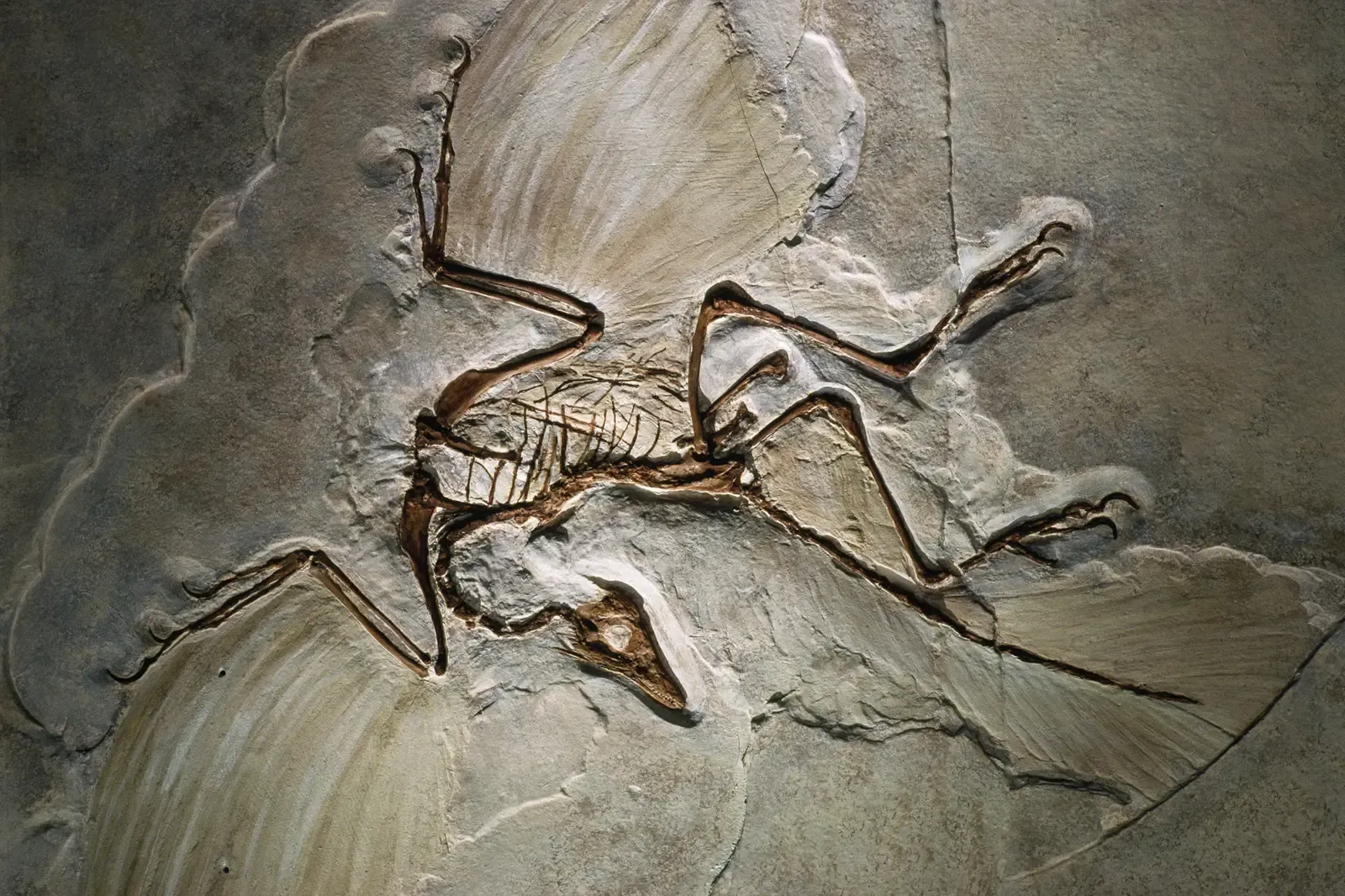
You might think the dinosaur–bird connection is old news, but even here, recent fossils are forcing you to adjust your mental timeline. A Late Jurassic bird from China, Baminornis, has been dated to roughly 150 million years ago and combines features you usually associate with both non‑avian dinosaurs and more modern birds. Its presence suggests that true bird‑like forms appeared earlier than you once believed, nudging back the split between classic dinosaurs and their flying descendants.
On the other side of the world, new high‑resolution studies of Archaeopteryx specimens continue to refine how you picture the earliest phases of flight. Detailed scans of bones and feather impressions reveal a mix of gliding, flapping, and maneuvering abilities rather than a sudden leap to fully powered flight. When you fold these finds into the bigger dinosaur timeline, you get a story where bird evolution starts earlier, branches more often, and overlaps more tightly with non‑avian dinosaurs than the old charts in textbooks ever showed you.
Global Scatter: Gondwana, Laurasia, and an Uneven Fossil Record
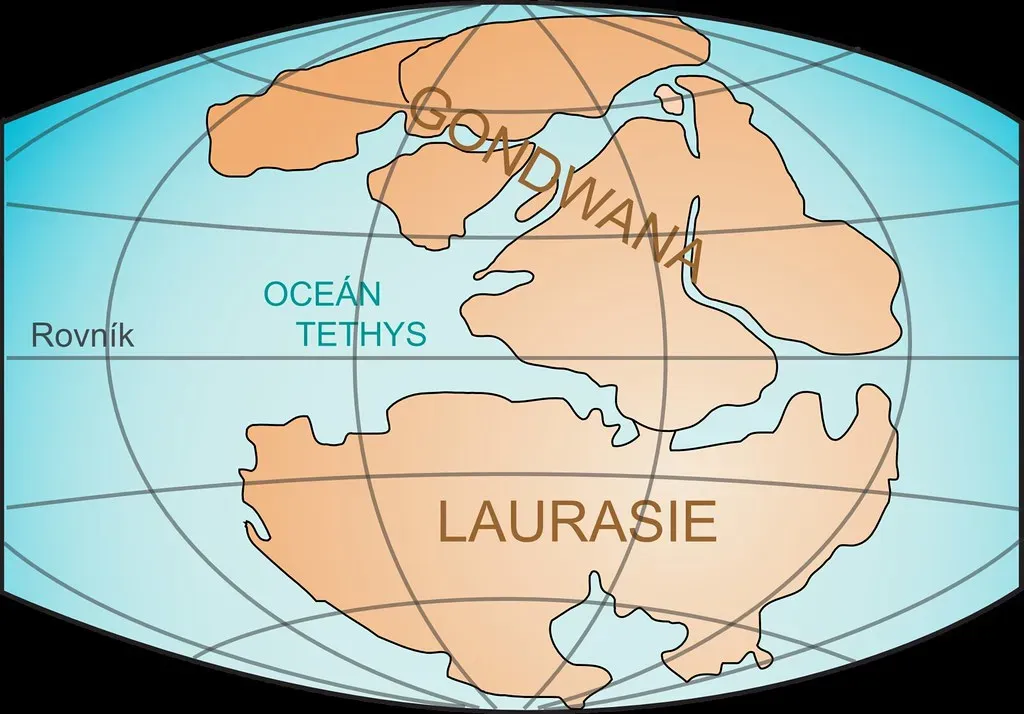
If you look at a map of important dinosaur discoveries from just the last few years, you see pins dropping across Argentina, Brazil, the Andes, North Africa, China, Korea, Portugal, and Australia. New Triassic basins in the Andes preserve long‑necked early dinosaurs; previously unknown ornithischians emerge from Asia; mysterious Jurassic fossils from Portugal hint at unexpected lineages in Europe. Instead of a story locked to a few classic localities, you are watching the origin and early spread of dinosaurs turn into a genuinely global puzzle.
This scatter matters because it reminds you that the fossil record is deeply uneven. Hotter, drier equatorial regions where dinosaurs may have first appeared are also some of the places least sampled by paleontologists or most affected by erosion and later geological activity. What you see now – clusters of fossils in a handful of accessible, well‑studied rock formations – is probably only a small fraction of what once existed. That means every new basin mapped, every overlooked rock layer revisited, has the potential to push dates back, fill “ghost lineages,” and overturn whatever tidy evolutionary diagram you just got used to.
What All This Really Changes About Your Picture of Dinosaur Evolution
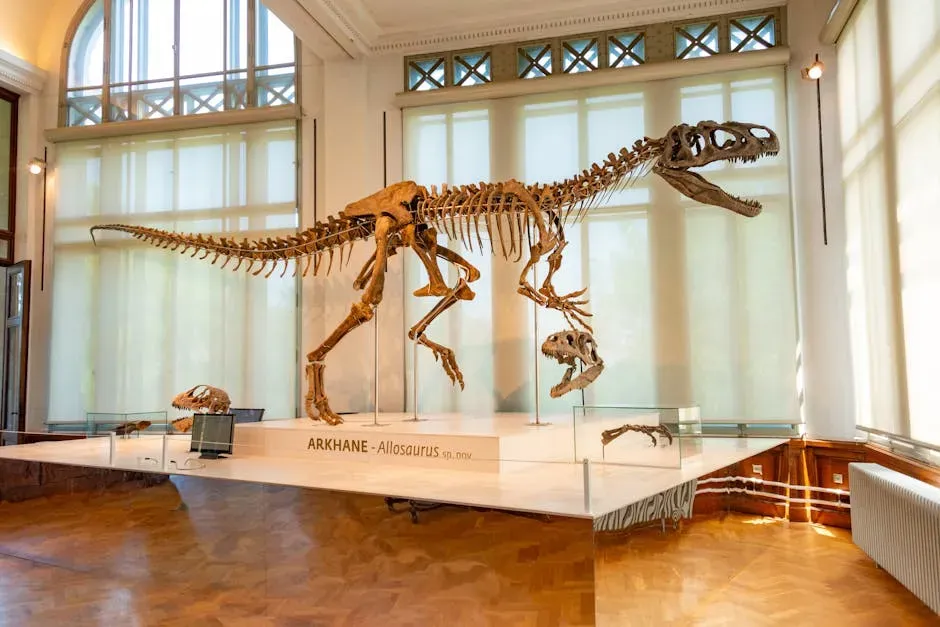
When you step back from the details – the new species names, the specific rock formations, the technical arguments – you end up with a very different big picture. You no longer see dinosaurs as late‑arriving, small‑bodied opportunists in lush forests. Instead, you see them and their close relatives emerging earlier than expected, in hot and often harsh environments, alongside a crowd of other powerful reptiles already competing for space, food, and ecological roles.
This revised timeline affects how you think about everything from how quickly dinosaurs diversified to why they were so successful when other lineages faltered. If they began in tough climates, experimented with body size from the start, and evolved in a patchwork of scattered basins across Gondwana and beyond, then their later dominance looks less like a lucky break and more like the outcome of a long, messy training ground. It leaves you with a humbling realization: the closer you look at the fossils, the less fixed the story becomes – and the more you have to stay open to the next discovery reshaping the timeline yet again.
Conclusion: A Timeline Still Being Written Beneath Your Feet
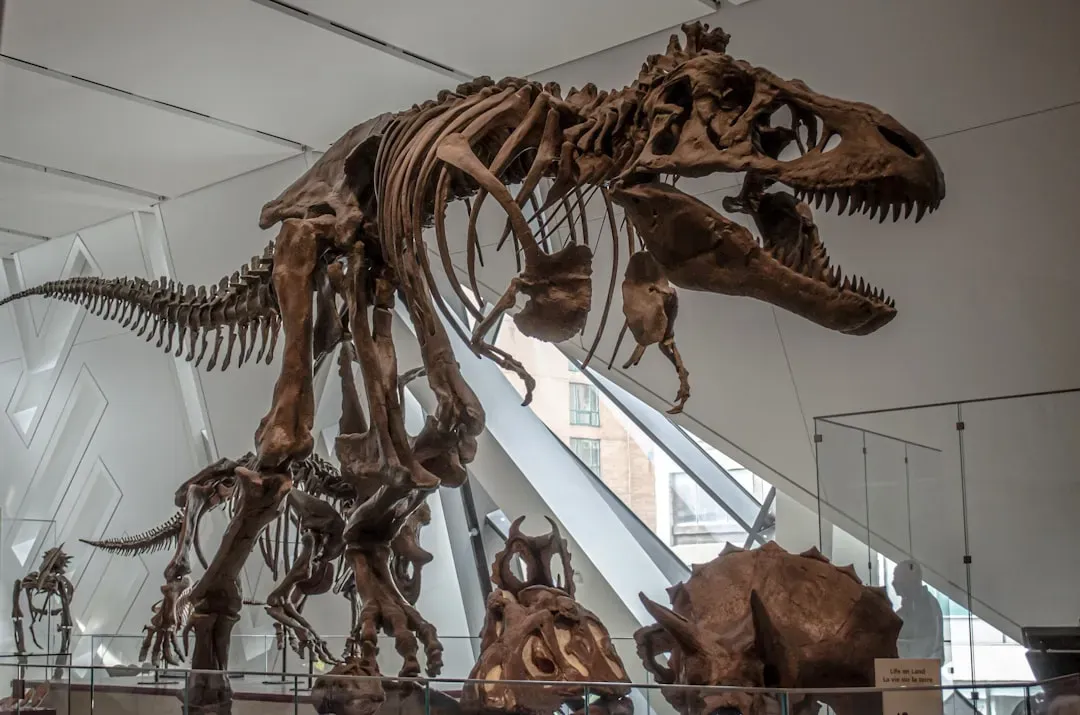
All of this new fossil evidence forces you to accept that dinosaur evolution is not a finished chapter but an active investigation. Trackways that push key events back in time, early dinosaur relatives that refuse to fit simple labels, reanalyzed museum specimens that reveal hidden species, and bird‑like fossils that shift the origin of flight – all of these nudge the timeline in different directions. Instead of a straight arrow, you’re looking at a tangled web of experiments in body shape, size, and lifestyle playing out over tens of millions of years.
The most important shift is not just in the dates, but in your mindset. When you realize how much the story can change with a single bone pulled from a cliff or a dusty drawer, you start to see science less as a collection of fixed facts and more as a living process of revision. Somewhere in an unexplored desert basin or a forgotten storage cabinet, the next fossil is already waiting to move the starting line again. So as you picture the first dinosaurs stepping into a hot Triassic world, you might ask yourself: how much of what you think you know about them is simply what you happen to have found so far?