If you picture dinosaurs as slow, half-blind brutes stumbling around in the swamp, you’re selling them short. Many of them were more like stealth jets than lumbering tanks, with finely tuned senses that helped them stalk, chase, and outsmart anything unlucky enough to share their habitat. When you start looking at their eyes, ears, noses, and even their brains, a different picture appears: these animals were specialists, not simple monsters.
In this article, you’ll see how certain dinosaurs turned sight, smell, hearing, and even balance into weapons. You’ll walk through what scientists can actually tell from bones and fossils, and how those clues translate into real-life abilities. As you go, imagine yourself in their world: trying to survive in a landscape where your dinner can outrun you and something bigger might be hunting you at the same time. Suddenly, sharp senses become the difference between eating and being eaten.
Predator Vision: Forward-Facing Eyes and 3D Depth
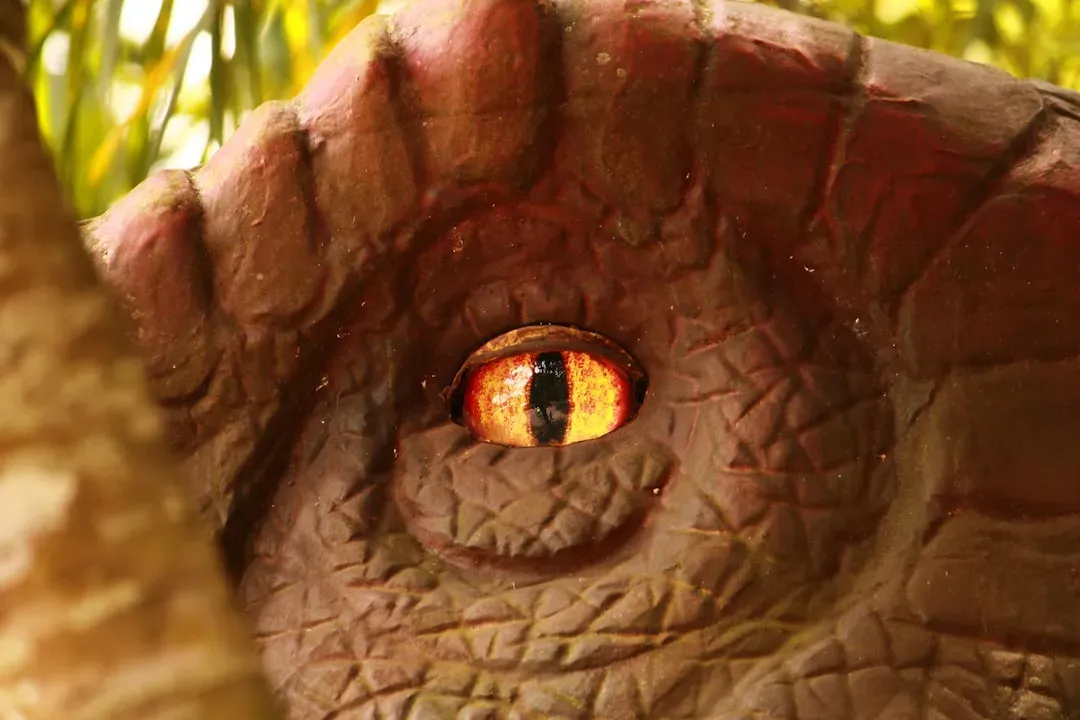
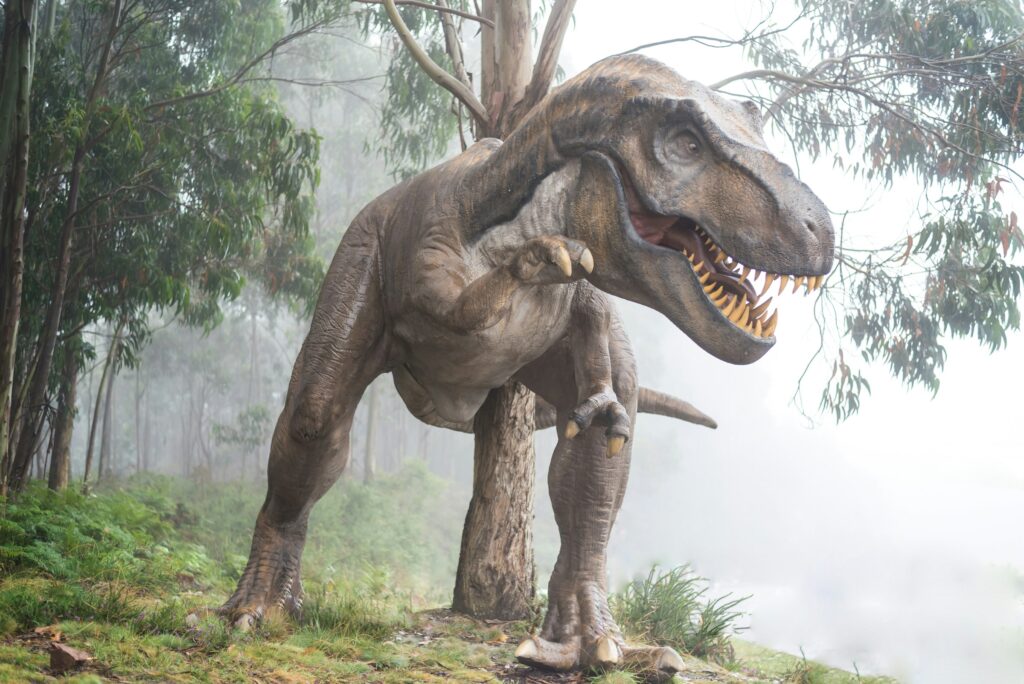
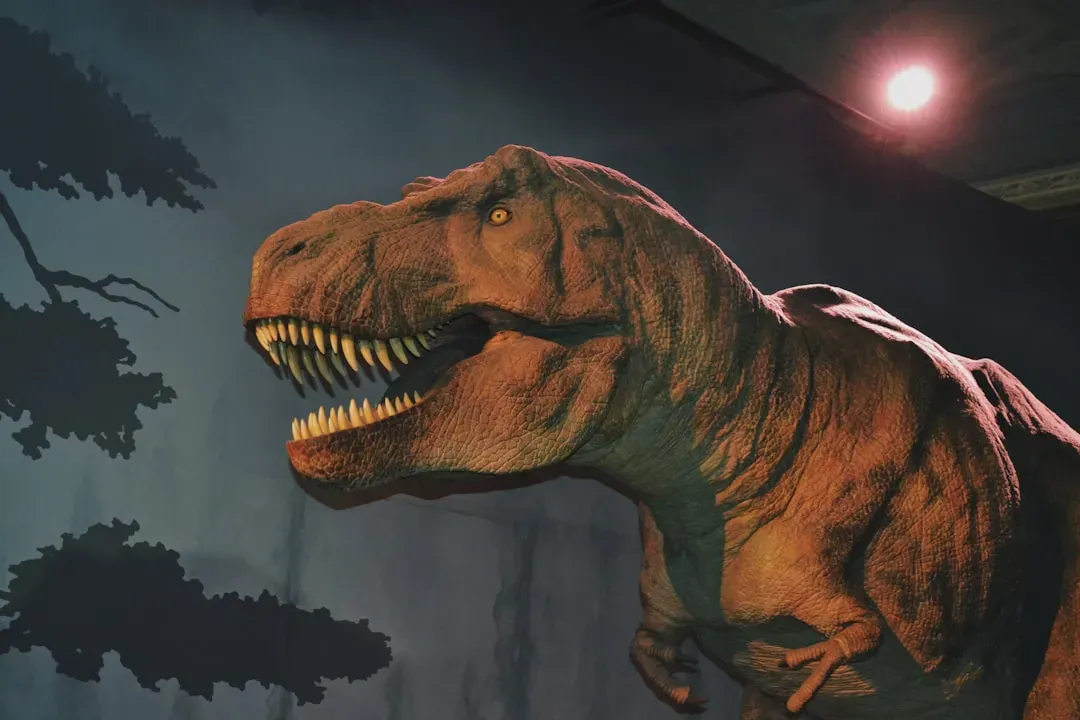
One of the most powerful tools a predator can have is the ability to judge distance accurately, and some dinosaurs had exactly that. When you see reconstructions of animals like Tyrannosaurus rex with forward-facing eyes, that’s not just for dramatic effect; it suggests overlapping fields of vision, which is key for depth perception. You rely on the same trick every time you catch a ball or reach for a glass without missing it.
From the shape of the skulls and the size and position of the eye sockets, researchers can estimate how much the visual fields of each eye overlapped. You can think of it like adjusting the lenses of a pair of binoculars until the two images become one clear, 3D picture. Some large theropods likely had a reasonably wide zone of binocular vision, helping them track moving prey, judge how far to lunge, and time their bite. In a world where one misjudged step could mean a broken leg or a missed meal, that extra bit of visual precision would have been priceless.
Night Hunters: Dinosaurs Built for Low-Light Conditions
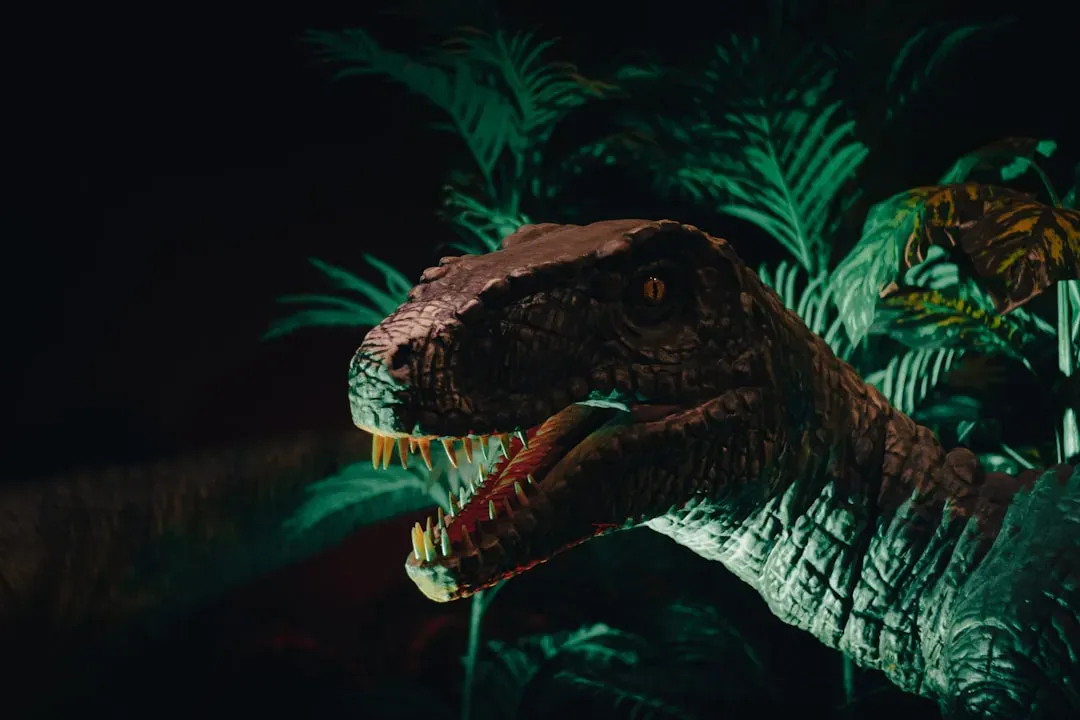
Not every dinosaur did its hunting under a bright midday sun. When you look at the bony ring that supported the eye (called the sclerotic ring) and the size of the eye socket, you can infer how much light an eye could probably gather. If you’ve ever compared a cat’s huge pupils at night with your own in a dim room, you already know that big, light-sensitive eyes are a major advantage in low light.
Some small predatory dinosaurs show features that hint at strong vision in dusk or nighttime conditions, similar to what you see in modern nocturnal animals. If you imagine walking through a forest at twilight, you know how hard it is to see movement in the shadows unless your eyes adjust well. A dinosaur adapted to those conditions could slip through vegetation, spot a scurrying animal, and react before its target even realized it had been seen. That kind of advantage would let it occupy hunting hours when competition was lower and temperatures were cooler.
The Power of Smell: Tracking Prey Over Distance
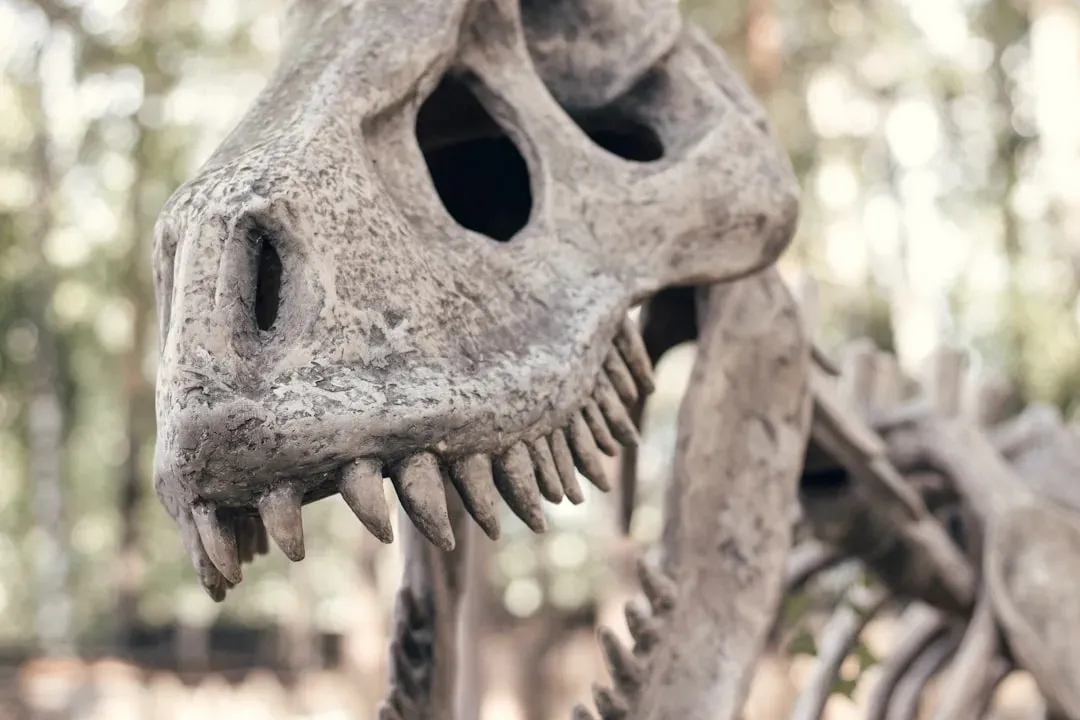
Smell is one of those senses you often overlook until you lose it, but for many animals it can be more important than sight. When paleontologists study dinosaur skulls, they sometimes find large internal spaces where the olfactory bulbs of the brain would have sat. Bigger olfactory bulbs usually mean a more developed sense of smell, especially when compared to the rest of the brain cavity. If you think of the brain as real estate, these bulbs took up prime space.
For a big hunter, being able to smell a carcass or a wounded animal from far away would be like having a built-in radar. You might not sprint after every scent, but you’d know where to go to find opportunities: a recent kill to scavenge, a herd on the move, or a rival predator you might want to avoid. Even for plant-eaters, smell could help you pick out fresher leaves, avoid toxic plants, or detect approaching danger. You already use scent in subtle ways, from noticing smoke to catching a whiff of food; a dinosaur with supercharged smell simply had that ability dialed up many times over.
Keen Hearing: Listening for Danger and Opportunity
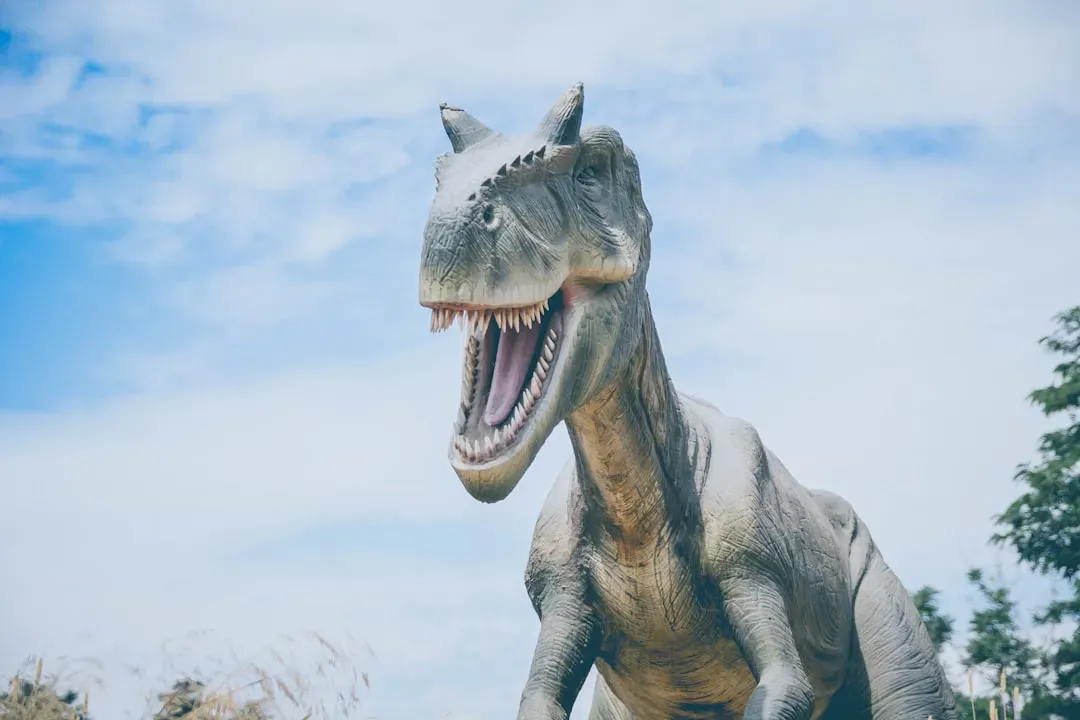
Hearing is trickier to study in extinct animals, but you can still learn a lot from the inner ear bones and the shape of the ear region in the skull. In some theropods, the structures that relate to hearing suggest that they could detect a range of sounds similar to or somewhat higher than many modern reptiles and birds. That might not sound impressive at first, but remember that in a noisy, open environment, even small differences in hearing sensitivity can change how early you detect a sound.
If you think about walking through a forest, the soft crack of a twig or rustle of grass might tell you that something is nearby long before you see it. For a hunter, hearing the footsteps or calls of potential prey could help you home in on a target without giving away your position. For prey animals, it works the other way: picking up the low thump of heavy footfalls or the distant calls of predators gives you a head start to flee. In both cases, you can picture hearing as an invisible early-warning system that constantly scans the landscape even when vision is blocked by trees, hills, or darkness.
Balance and Coordination: The Inner Ear’s Secret Role
One of the more surprising sensory advantages you might not think about is balance. Inside the skull, the semicircular canals of the inner ear help an animal keep track of head movements and maintain posture. Some predatory dinosaurs had inner ear structures that indicate a strong sense of balance and spatial awareness, which you can compare loosely to the agility you see in modern birds of prey.
If you have ever tried to sprint down a steep hill or run over uneven ground, you know how much your body relies on balance just to stay upright. Now imagine doing that at dinosaur scale, with long legs, a heavy tail, and possibly chasing or grappling struggling prey. Good balance would let a predator turn quickly, recover from slips, and keep its head pointed steadily at a target while the rest of its body was in motion. That kind of stability turns a risky high-speed chase into something much more controlled and deadly.
Sensory Brains: Enlarged Regions for Sight, Smell, and Movement
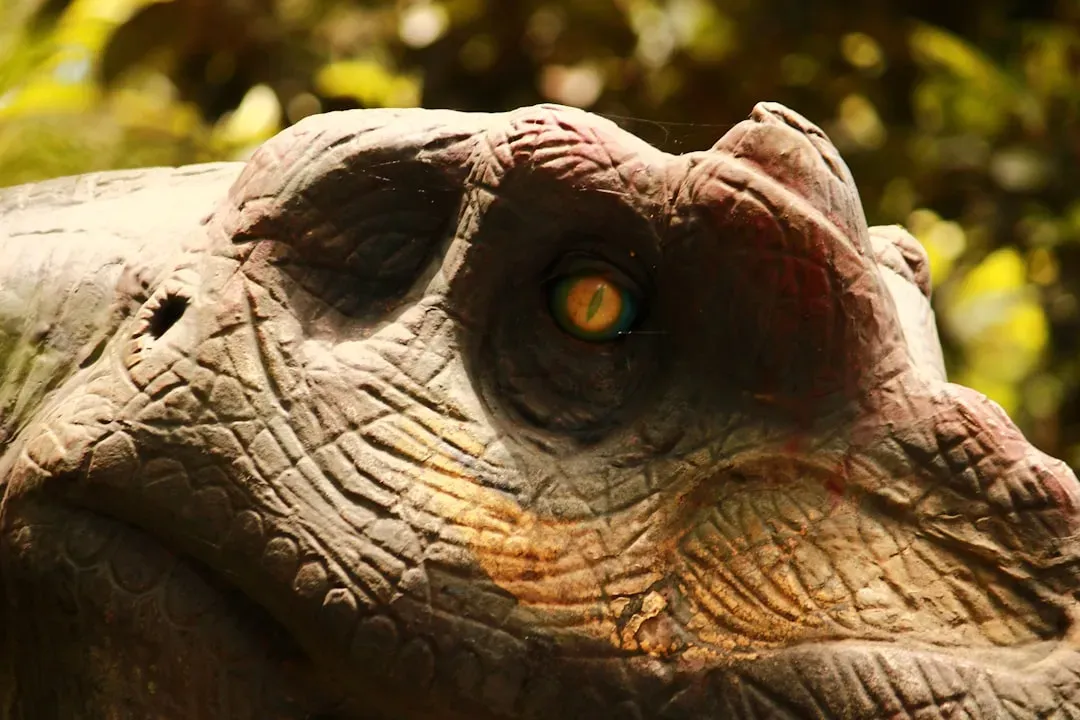
When scientists create digital models of dinosaur skulls, they can approximate the shape and relative size of the brain, even if the brain itself is long gone. In some species, you see enlarged areas associated with certain senses or with motor control. That suggests these animals were not just big bodies with tiny, clumsy control centers, but had brains that were specialized for their lifestyles, much like modern animals.
You might be tempted to judge intelligence simply by brain size, but it is more helpful to think about what parts of the brain were emphasized. A dinosaur with well-developed regions for vision and movement, for example, would be better at tracking and coordinating attacks than a similar animal with less developed areas. In your own life, you see similar patterns: a trained athlete, a musician, or a pilot develops brain regions related to their skills. Some dinosaurs took that same principle and applied it to survival, turning their senses and reflexes into highly tuned tools.
Alarm Systems: How Herbivores Used Senses to Stay Alive
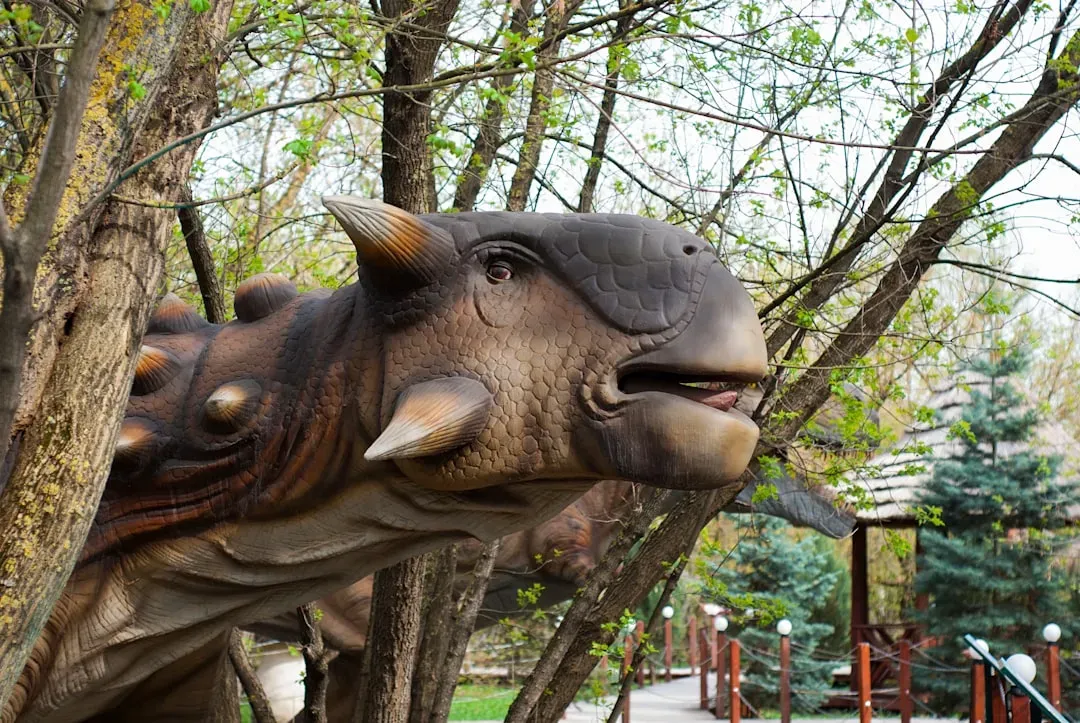
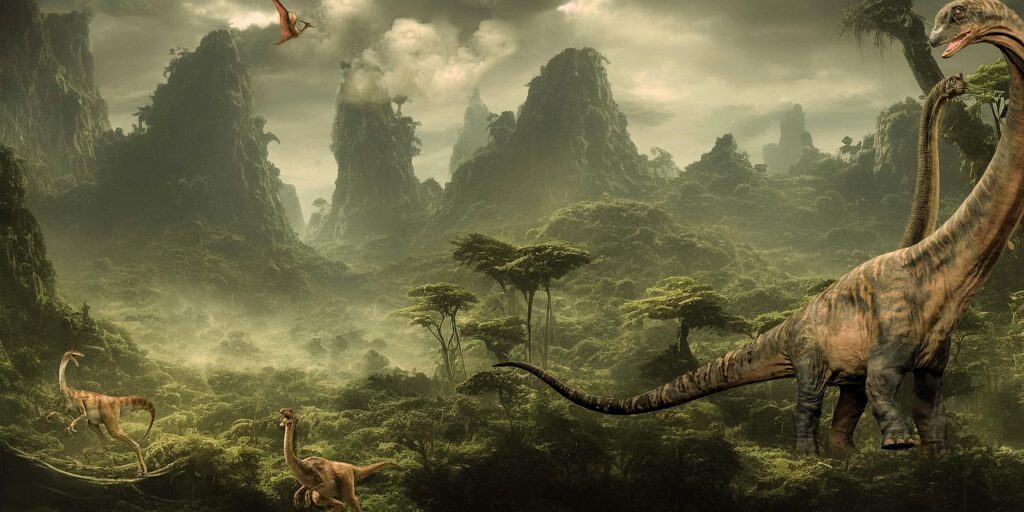
It is easy to focus on predators, but plant-eating dinosaurs also needed advanced senses to avoid becoming lunch. Many of them lived in herds, and when you picture a group of animals spread out across a plain, you can see how a collective network of eyes, ears, and noses would work together. If one individual spotted movement or caught a strange scent, that information could spread quickly through body language, calls, or sudden flight.
Some herbivores had eyes placed more to the sides of their heads, giving them a wider field of view to detect threats, even if that reduced depth perception a bit. Others may have relied heavily on hearing to pick up distant footfalls or vocalizations. You can think of these animals as walking sensor arrays, constantly sampling their environment for the faintest hint of danger. In a world with fast, sharp-toothed predators around, simply noticing the problem first could mean the difference between calmly moving away and being ambushed.
Multisensory Hunters: Combining Sight, Smell, and Hearing
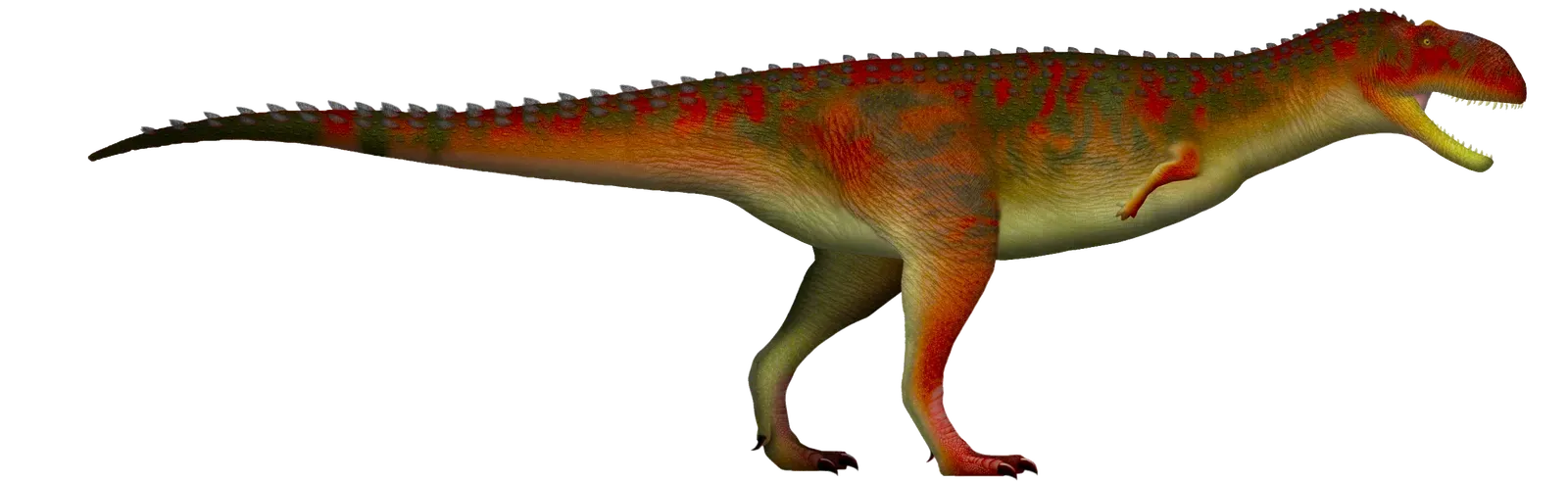
The real magic, though, comes when you think about how these senses worked together. You do not rely on just one sense in your daily life; you combine vision, sound, and smell to build a mental picture of what is happening around you. Many dinosaurs likely did the same, using sight to lock on visually, smell to confirm what they were tracking, and hearing to detect unexpected changes, like fleeing prey or approaching rivals.
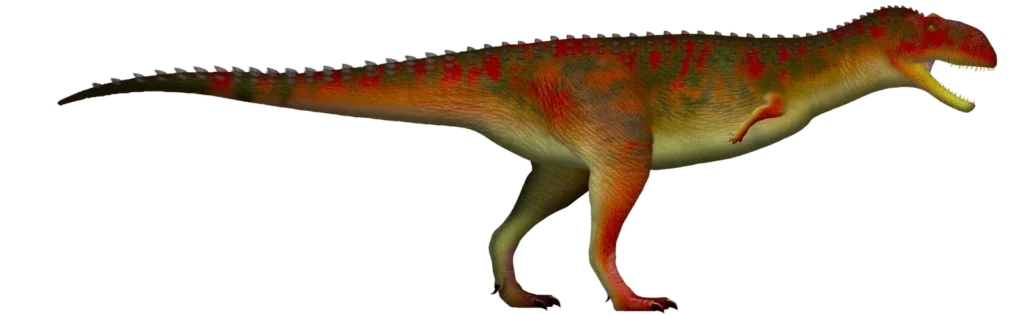
Imagine a large theropod moving through a mixed forest and open area. It might catch a faint scent of blood on the breeze, turn its head to scan the horizon, then hear the distant calls of scavengers that have already found a carcass. Each sense adds a layer of information, helping that animal decide whether to speed up, change direction, or stay hidden. When you think about dinosaurs this way, not as blind brutes but as multisensory problem-solvers, they start to feel less like movie monsters and more like real animals fully adapted to their world.
In the end, the idea that is not just a dramatic claim; it is strongly supported by the clues you can still see in their bones and fossilized skulls. You do not need to imagine science-fiction levels of superpowers to appreciate how a slightly sharper sense of smell, a bit better depth perception, or a more agile sense of balance could dramatically tilt the odds in favor of one species over another. When you walk outside and notice how much you depend on your own senses to cross a busy street or read a stranger’s mood, you are getting a tiny taste of the same game they were playing on a far bigger, more dangerous stage.
So the next time you picture a dinosaur, try to see more than teeth and claws; imagine keen eyes judging distance, nostrils sampling the wind, ears catching the faintest rustle, and a brain quietly knitting all of that together into one clear decision: chase, hide, or hold still. You might find that these ancient animals feel a lot less distant and a lot more like you than you expected. Which sense do you think would have mattered most if you had to survive in their world?