When you picture a dinosaur, there is a good chance your mind jumps to a towering, long-necked giant stretching toward the treetops. Those are sauropods, and they were among the most extraordinary animals ever to walk the planet. They looked almost unreal: tiny heads, impossibly long necks and tails, and bodies the size of buses slowly moving across ancient landscapes.
As you dig into their story, you realize these were not just big reptiles stomping around at random. Sauropods were finely tuned herbivorous machines, shaped by millions of years of evolution to do one simple thing incredibly well: eat plants and survive in a changing world. The more you learn about them, the more they start to feel like something between a myth and a miracle.
1. You Are Looking At The Largest Land Animals That Ever Lived
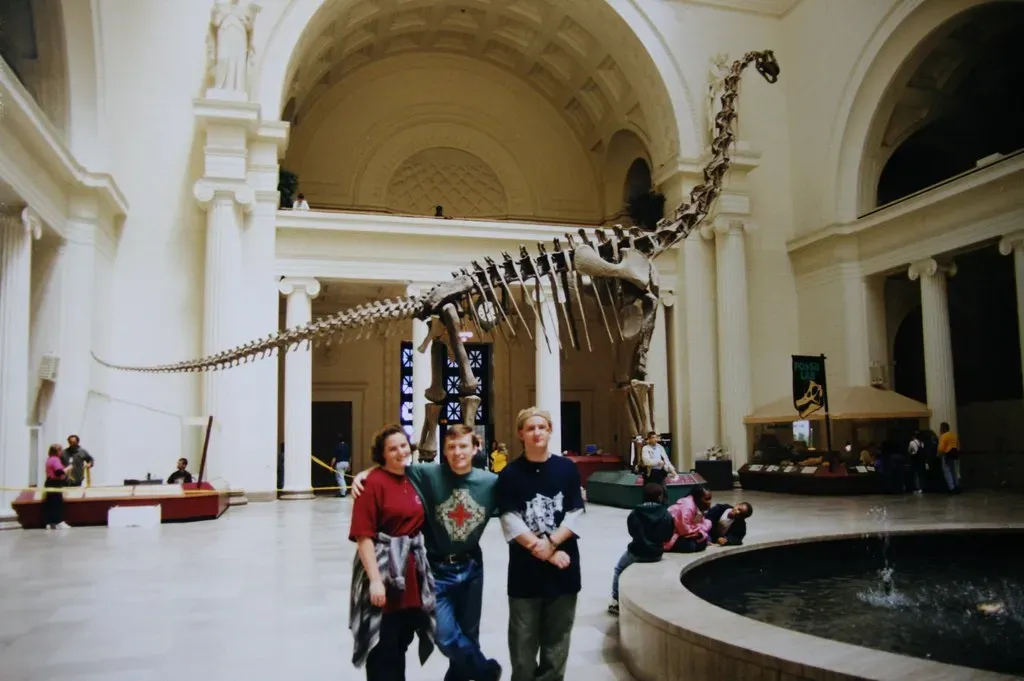
When you think sauropods were big, you are probably still underestimating them. Some species, like Argentinosaurus and Patagotitan, may have stretched over the length of a basketball court and weighed as much as several fully loaded trucks. You are not just dealing with an oversized elephant here; you are looking at an animal so massive that your brain struggles to picture it standing next to you. These giants lived during the Jurassic and Cretaceous periods and completely redefined what was biologically possible on land.
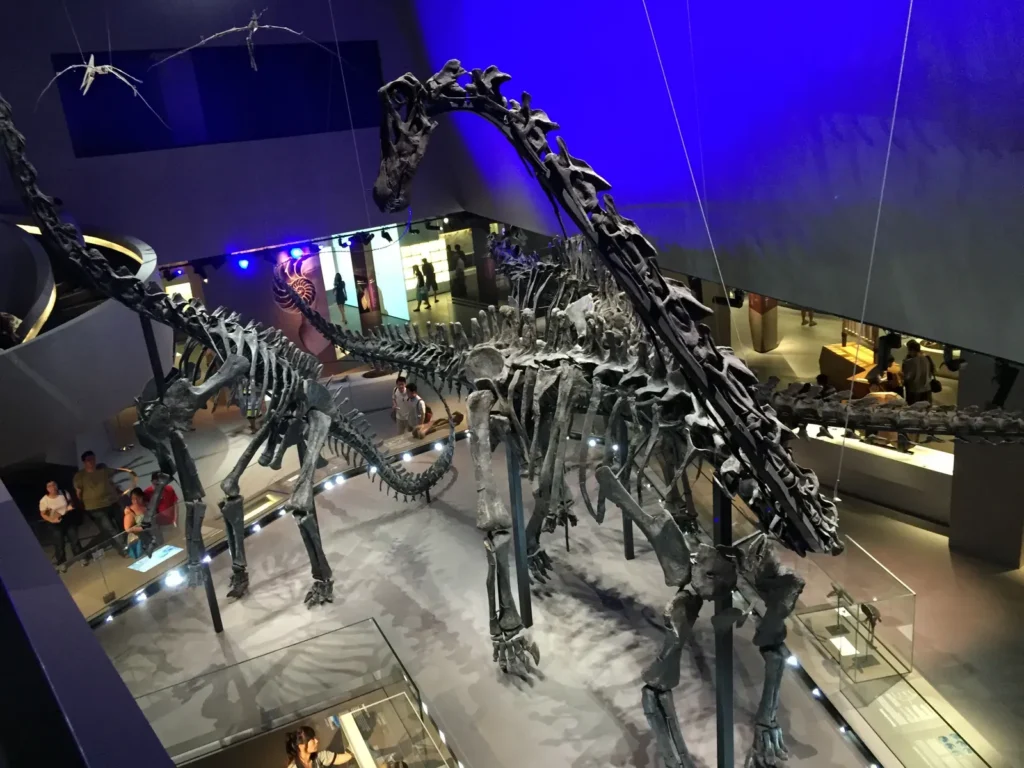
To carry that kind of bulk, a sauropod needed a skeleton built like a bridge and a circulatory system powerful enough to keep blood flowing through a neck that could be longer than a city bus. You are seeing an extreme experiment by evolution, one that somehow actually worked for tens of millions of years. Whenever you walk through a museum and stare up at one of those towering mounts, you are basically standing under the land-animal size record that has never been broken since.
2. Their Necks Were Engineering Marvels, Not Just Long Sticks
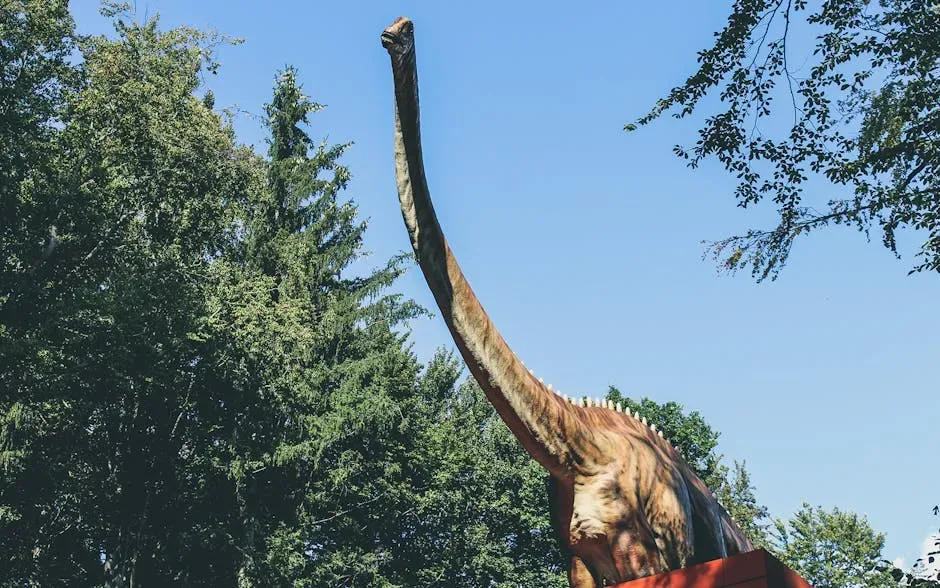
When you first see a sauropod skeleton, your eyes go straight to the neck, and for good reason. Some sauropod necks were so long that, if you laid one out straight, it could reach across a small house. You might assume that must have been heavy and awkward, but their vertebrae were full of air spaces, making the whole structure surprisingly lightweight for its size. You are essentially looking at nature’s version of a hollow steel beam, strong but not solid.
You might imagine a sauropod holding its neck straight up like a giraffe, but research suggests many of them held it more horizontally, sweeping across trees like a slow-motion crane. That meant you are seeing an animal that could stand in one spot and feed across a huge area without taking many steps. The neck becomes less of a decoration and more of a practical feeding tool, letting sauropods nibble leaves high, low, and everything in between with minimal effort.
3. They Had Tiny Heads With Surprisingly Efficient Brains
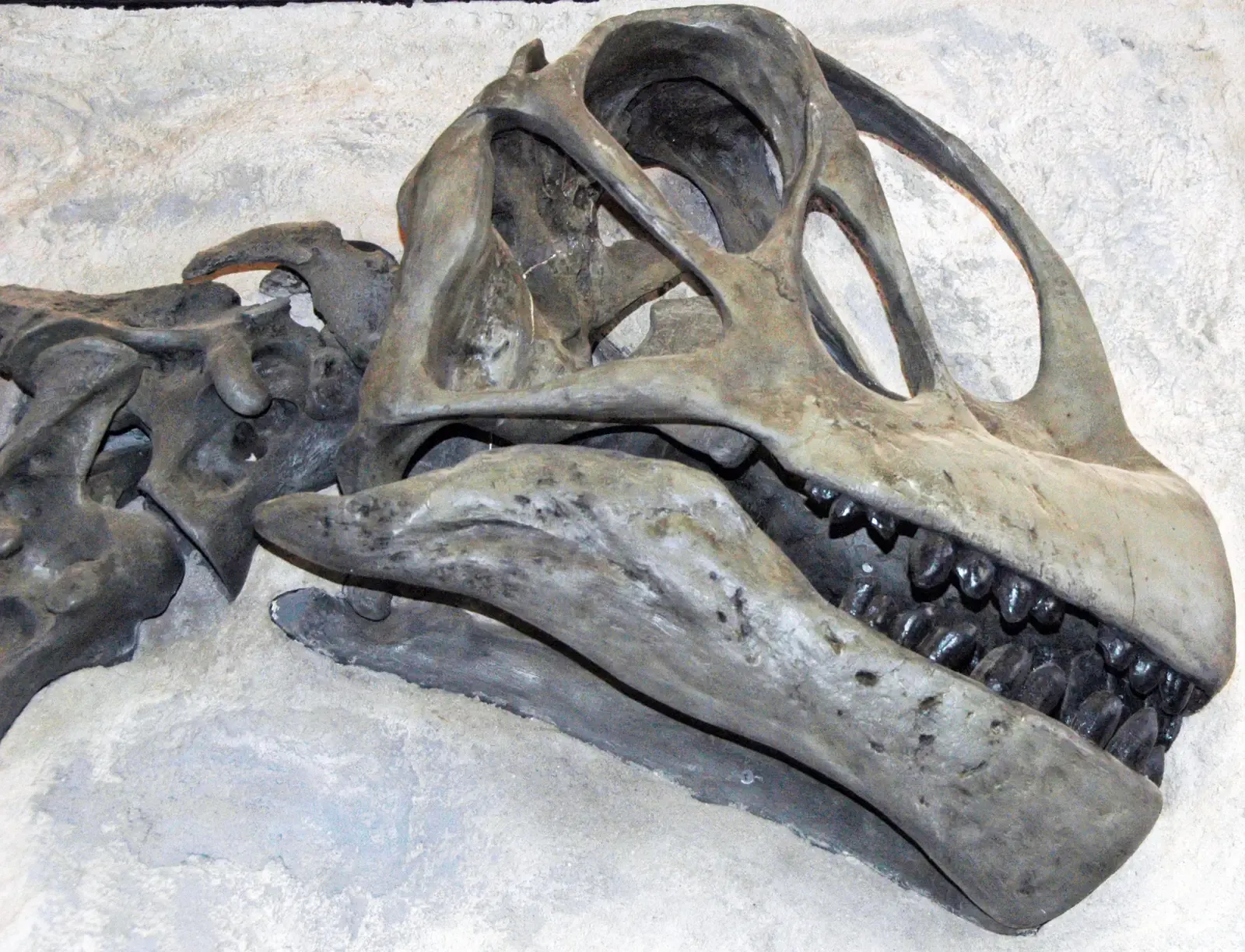
When you look at a sauropod skull, you might be shocked at how small it is compared with the body. You are basically seeing a head that looks comically undersized for an animal that could weigh dozens of tons. The small skull kept the neck lighter, which helped with balance and energy use. Instead of packing in heavy jaws and big chewing muscles, sauropods relied on simple teeth and their enormous guts to do most of the work.
You might be tempted to think that a small head means a tiny, unimpressive brain, and in a relative sense, that is true. But you should not assume they were dumb in any simplistic way. Their brains were likely just good enough for what they needed: finding food, navigating large territories, avoiding danger, and social behavior. In other words, you are not looking at dinosaur geniuses, but you are seeing animals whose mental hardware fit their lifestyle perfectly.
4. They Ate All Day Like Moving Plant-Processing Factories
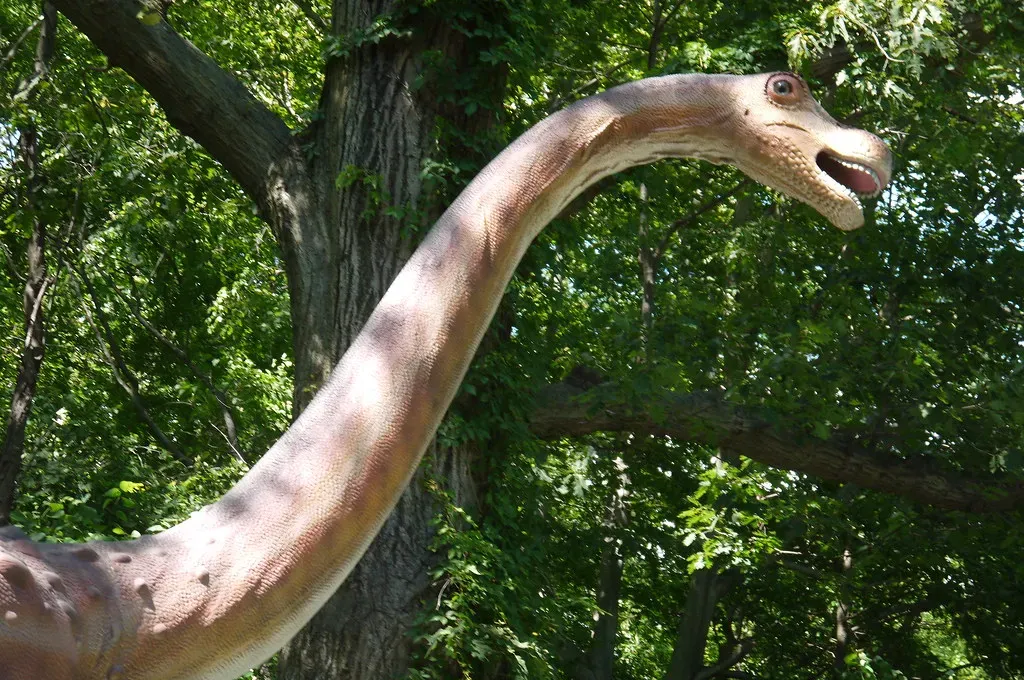
If you try to imagine how much food a multi-ton sauropod needed, you are thinking in shocking quantities. You are looking at an animal that may have spent a huge part of its day just stripping leaves and swallowing them. Instead of chewing each bite like you do, many sauropods simply clipped vegetation with peg-like or spoon-shaped teeth and swallowed it quickly. The real processing happened deeper inside, where massive digestive systems slowly broke everything down.
Because of that strategy, you can think of a sauropod as a walking, self-propelled composting plant. You might picture them moving slowly through forests or floodplains, constantly feeding, the way cows graze in a field. Their enormous guts, aided by microbes, likely turned tough plant material into usable energy over long periods. In a world packed with ferns, cycads, and conifers, you are seeing animals perfectly designed to turn low-calorie vegetation into sheer bulk.
5. Their Bones Were Full Of Air, Making Giants Surprisingly Light
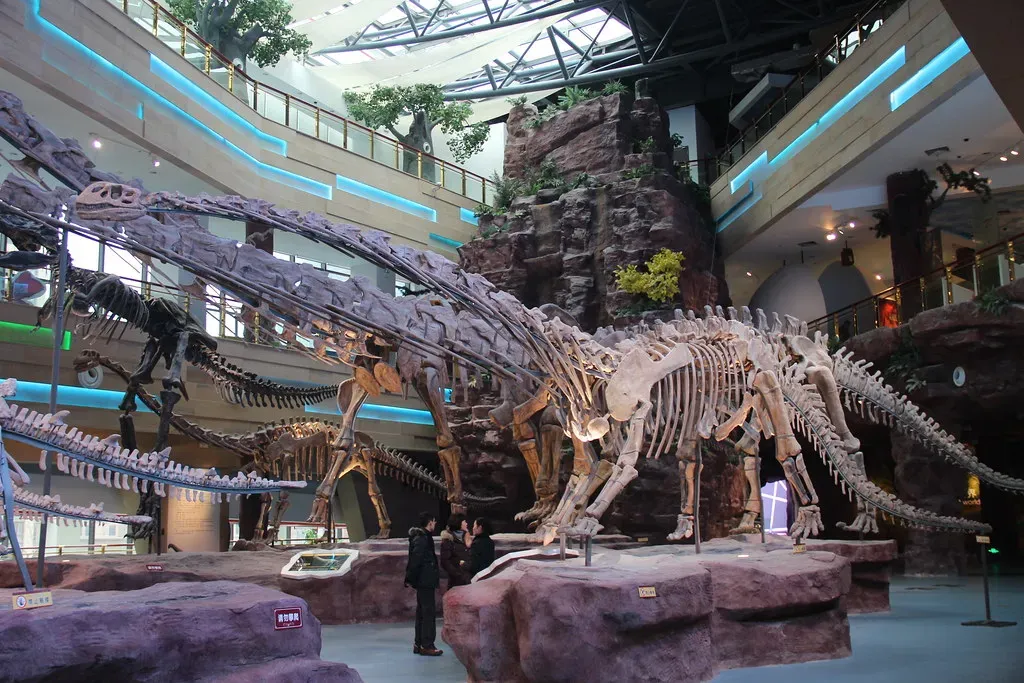
When you picture a skeleton that big, you might assume it was crushingly heavy, but sauropod bones tell a different story. Inside many of their vertebrae, you would find a honeycomb of air-filled spaces, much like the bones of modern birds. You are not looking at a solid block of bone, but a cleverly lightened structure strong enough to hold massive weight. This adaptation helped them grow to enormous size without collapsing under their own bodies.
If you compare them to something familiar, you can think of sauropod bones as the biological version of an airplane wing: mostly air inside, but reinforced where it matters. You might not expect that trait in an animal so huge, yet it is exactly what allowed those long necks and tails to be manageable. When you put all that together, you are seeing an elegant solution by evolution to the problem of building a living skyscraper that can actually move.
6. They Probably Moved In Herds And Protected Their Young
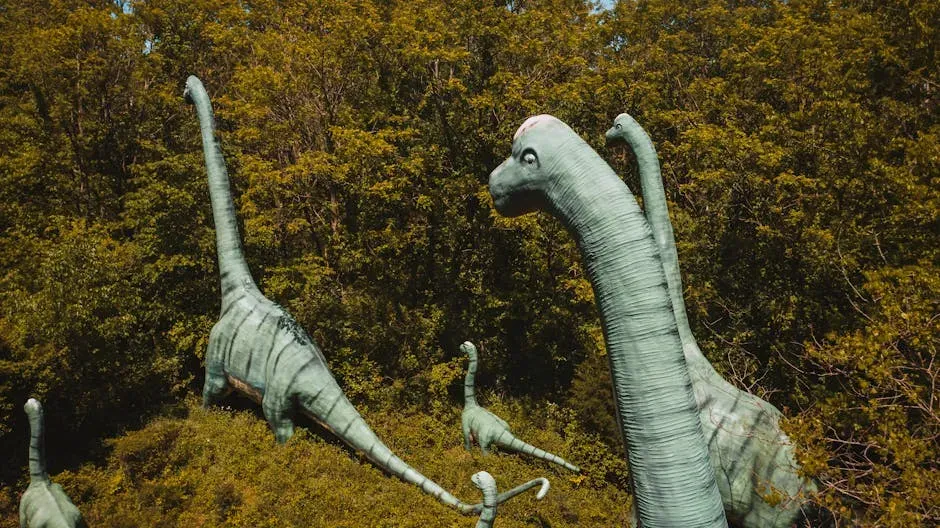
When you imagine sauropods, it helps to picture not just one, but groups of them walking together across ancient plains. Trackways preserved in rock show parallel footprints, hinting that you are looking at animals that traveled in herds. That means they were not solitary giants but part of social groups, possibly with different sizes and ages moving together. You might see that as similar to modern elephants, where herds provide safety and shared knowledge.
Fossil evidence of nesting sites also suggests you are dealing with coordinated breeding grounds, where many individuals laid eggs in the same general area. You can imagine young sauropods being especially vulnerable, surrounded by giant adults that may have offered some level of protection just by their presence. While you cannot know every detail of their behavior, you can reasonably picture scenes of ancient family life: rows of nests, hatchlings scrambling around, and enormous adults drifting nearby like living fortresses.
7. They Started Out Tiny Compared To Their Adult Size
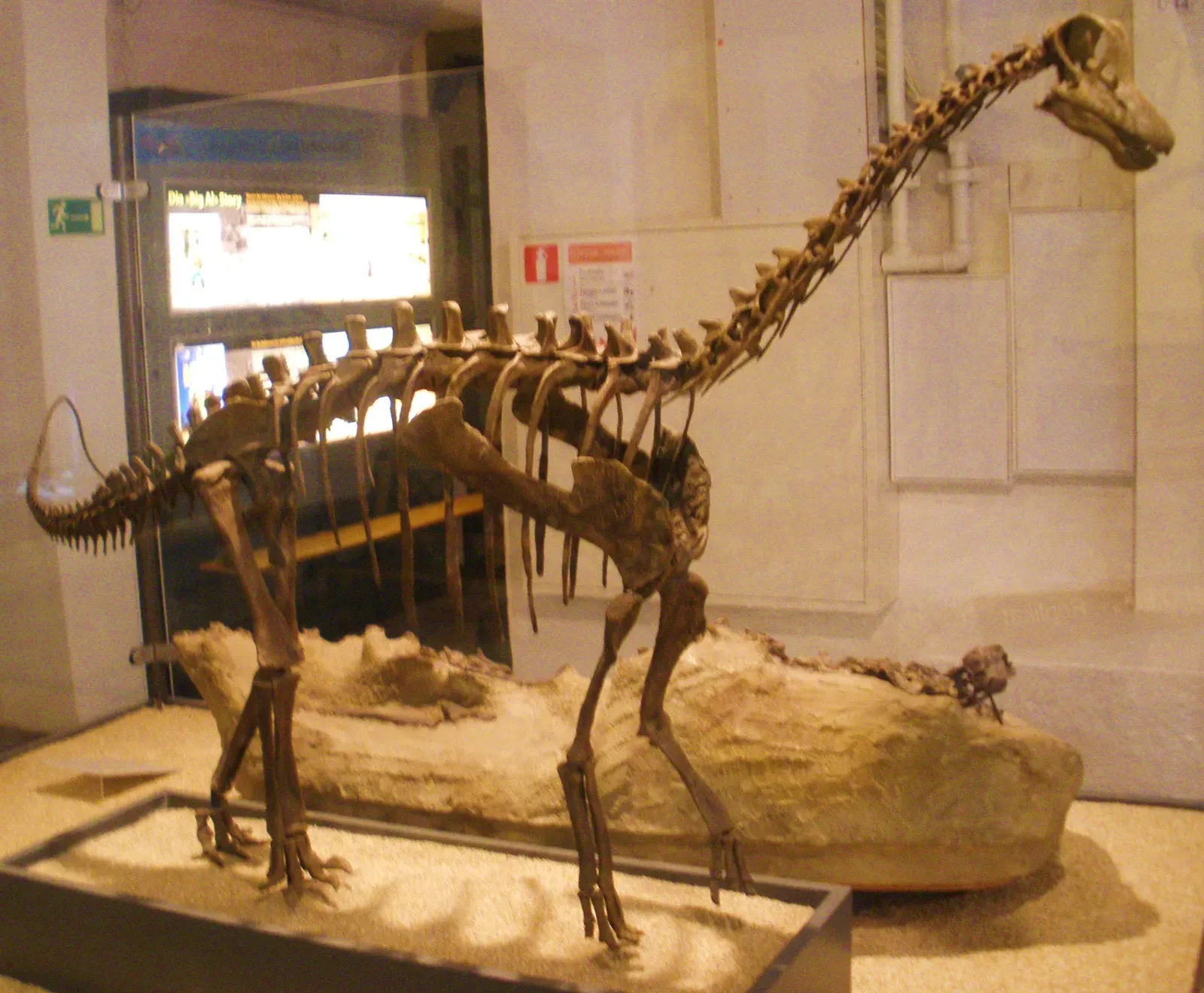
Even though adult sauropods were enormous, they did not hatch that way. You are talking about eggs that were not wildly bigger than those of large birds, with babies that would have looked small and fragile next to adults. That means a sauropod had to grow from a relatively modest size into a colossal one over its lifetime. You are watching an extreme growth journey, something closer to a house cat turning into a fully grown whale in land-animal form.
Because they started small, young sauropods likely lived quite differently from their parents. You can imagine them staying in safer areas, feeding on different kinds of vegetation, and growing rapidly to escape the most dangerous stage of life. For you, it is a reminder that even the biggest giants of the past began as something vulnerable and small. Their success depended not just on size, but on making it through that risky early period again and again over millions of years.
8. They Lived On Every Continent, Including Antarctica
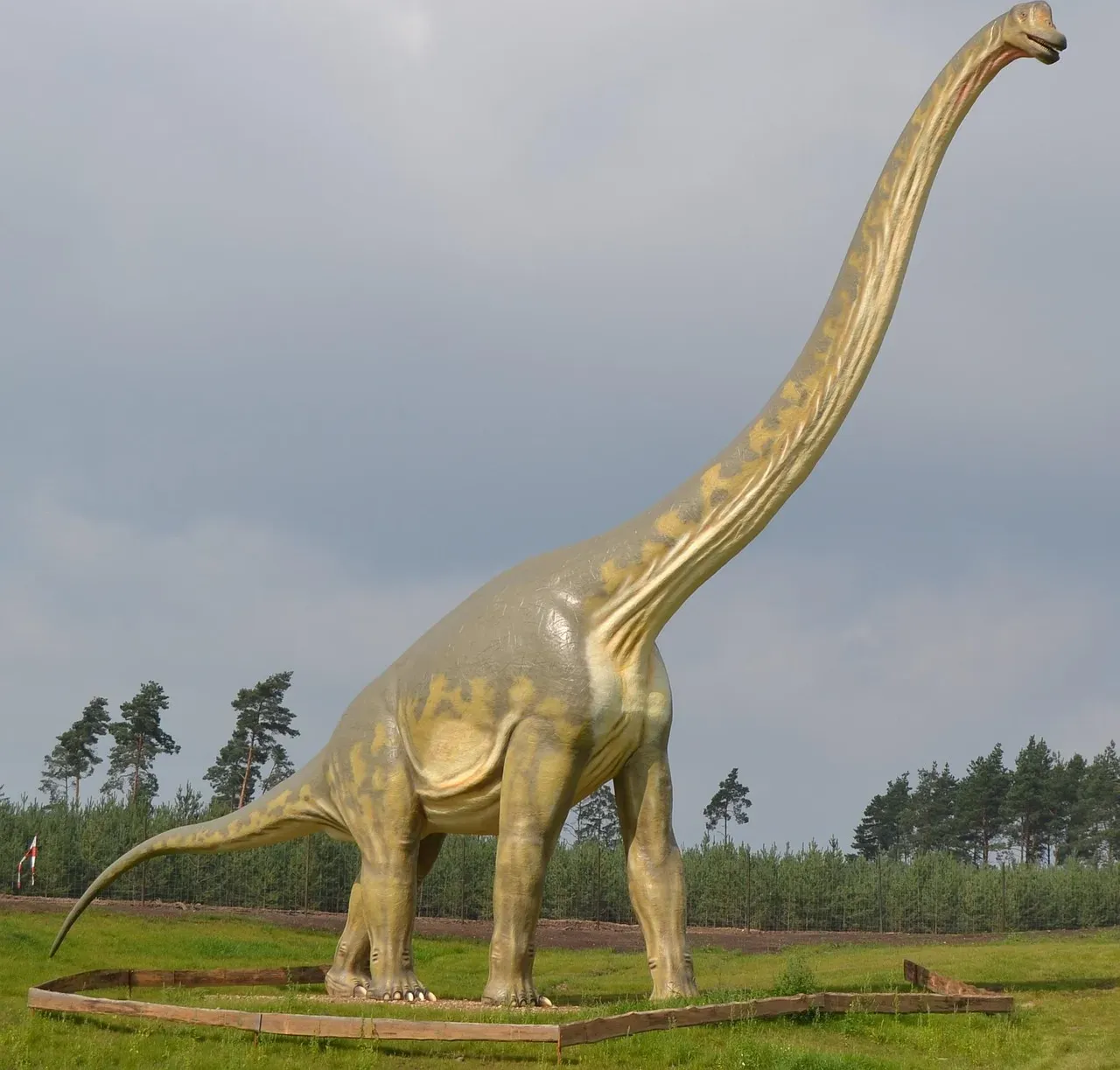
When you trace sauropod fossils on a map, you are basically covering the whole world. You can find their remains on every continent, even places like Antarctica that you might not immediately associate with dinosaurs. Back in their time, the climate was warmer and the continents were arranged differently, so you are seeing them spread across connected landmasses and wide ecosystems. They were not rare oddities but key players in many environments.
Because of that global spread, you can think of sauropods as one of the most successful large animal designs in Earth’s history. You are seeing them in ancient river plains, coastal lowlands, and inland forests, each species adapted to local conditions. When you walk into different museums around the world and see sauropods with different names and shapes, you are experiencing the global reach of this group. They turned the entire planet into their stage for a very long time.
9. Their Tails May Have Cracked Like Giant Whips
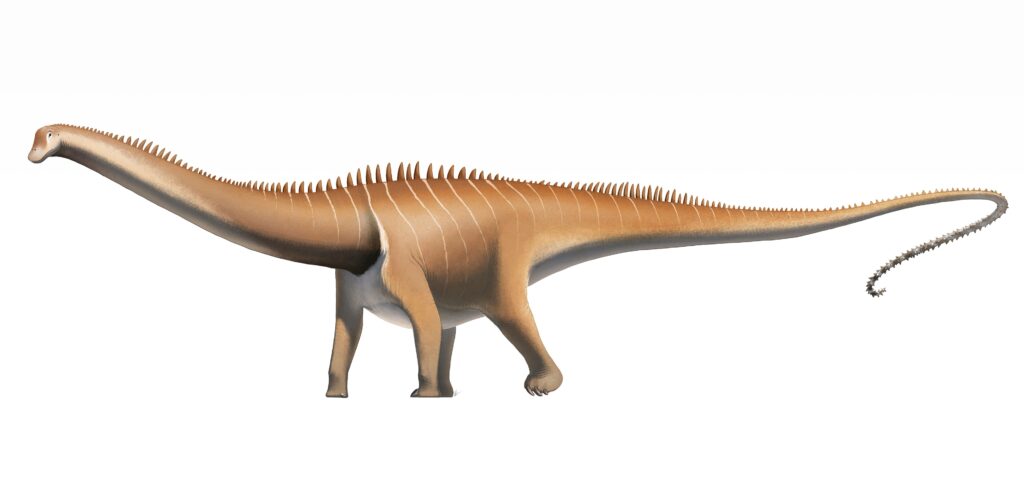
When you look behind a sauropod, you see a tail that is not just long, but elegantly tapered, sometimes down to a thin, whip-like tip. Some scientists have proposed that, under the right motion, those tails could have snapped fast enough to create a loud cracking sound. If that is true, you are imagining an animal that could make a noise carrying across great distances, possibly as a warning or display. It is like holding the world’s largest bullwhip at the end of your spine.
Even if you do not accept the full whip-crack idea, you can still see the tail as a powerful, flexible tool. You might picture it used for balance while walking, or as a defensive weapon swinging at predators that came too close. For you, it adds a vivid twist to the usual image of a peaceful plant-eater. This was a gentle giant, yes, but one that may have had a built-in, high-impact way to say “back off” when it had to.
10. They Helped Shape Their Ecosystems Just By Existing
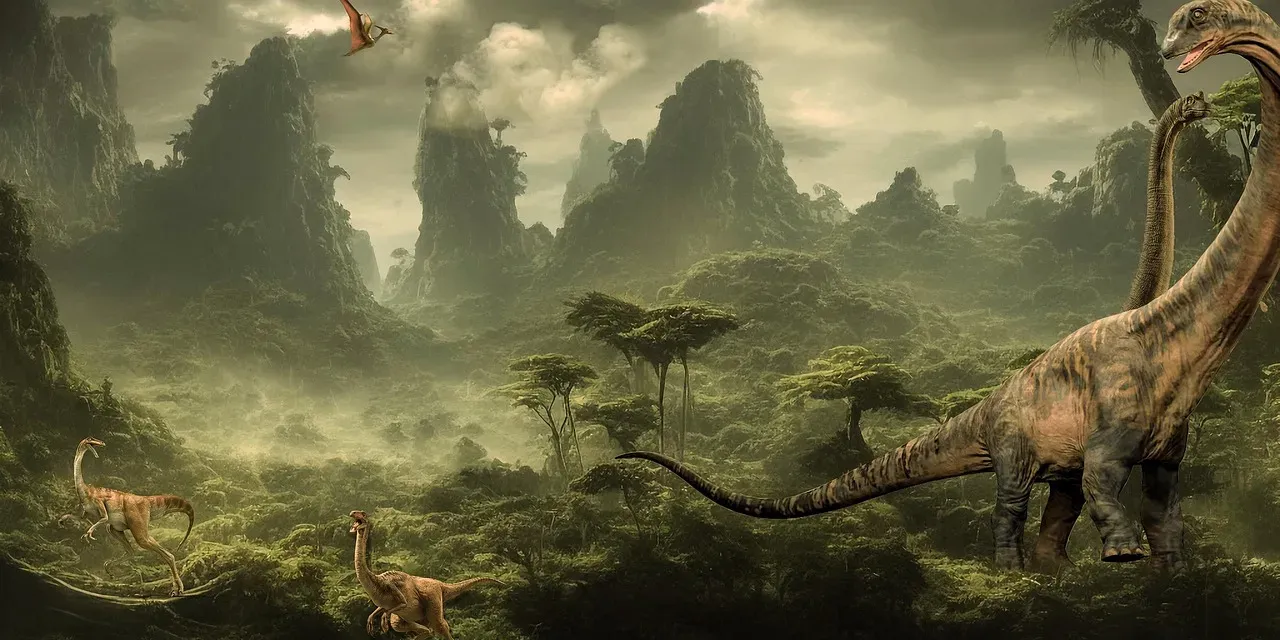
When you drop animals this large into an environment, you are not just adding another species; you are redesigning the whole system. Sauropods, by eating huge amounts of plants, would have controlled vegetation, opened up spaces, and possibly spread seeds through their droppings. You can think of them as ancient ecosystem engineers, like living bulldozers with a gardener’s side effect. Their movements and feeding patterns would have influenced everything from plant communities to smaller animals living nearby.
You might also picture nutrient cycles being shaped by their constant feeding and waste. With each step and each mouthful, you are seeing energy move from plants into the broader web of life. Predators, scavengers, and even tiny decomposers would have benefited from what sauropods left behind. When you picture a Jurassic or Cretaceous landscape, you are not just placing sauropods into the scenery; you are recognizing that they helped create the scenery itself.
11. They Did Not All Look Alike – Sauropods Were A Diverse Bunch

dmitrchel@mail.ru, Public domain)
It is easy to lump all sauropods into one mental image: long neck, long tail, four pillar-like legs, done. But when you look closer, you see all kinds of shapes and sizes. Some, like Brachiosaurus, carried their necks higher and had longer front legs, giving them a more upright, giraffe-like stance. Others, like Diplodocus, were more horizontally built, with incredibly long, slender bodies. You are not dealing with one blueprint, but many variations on a theme.
For you, that means “sauropod” is more like saying “big cat” than naming a single animal. Just as lions, tigers, and leopards are all different, sauropods had their own quirks in skull shape, neck length, and body proportions. Some were relatively small compared with the giants, while others pushed the limits of size. The more species you look at, the more you realize you are exploring a whole world of long-necked dinosaurs, not just one celebrity giant turned into plastic toys.
12. They Eventually Disappeared, But Their Legacy Still Looms Large
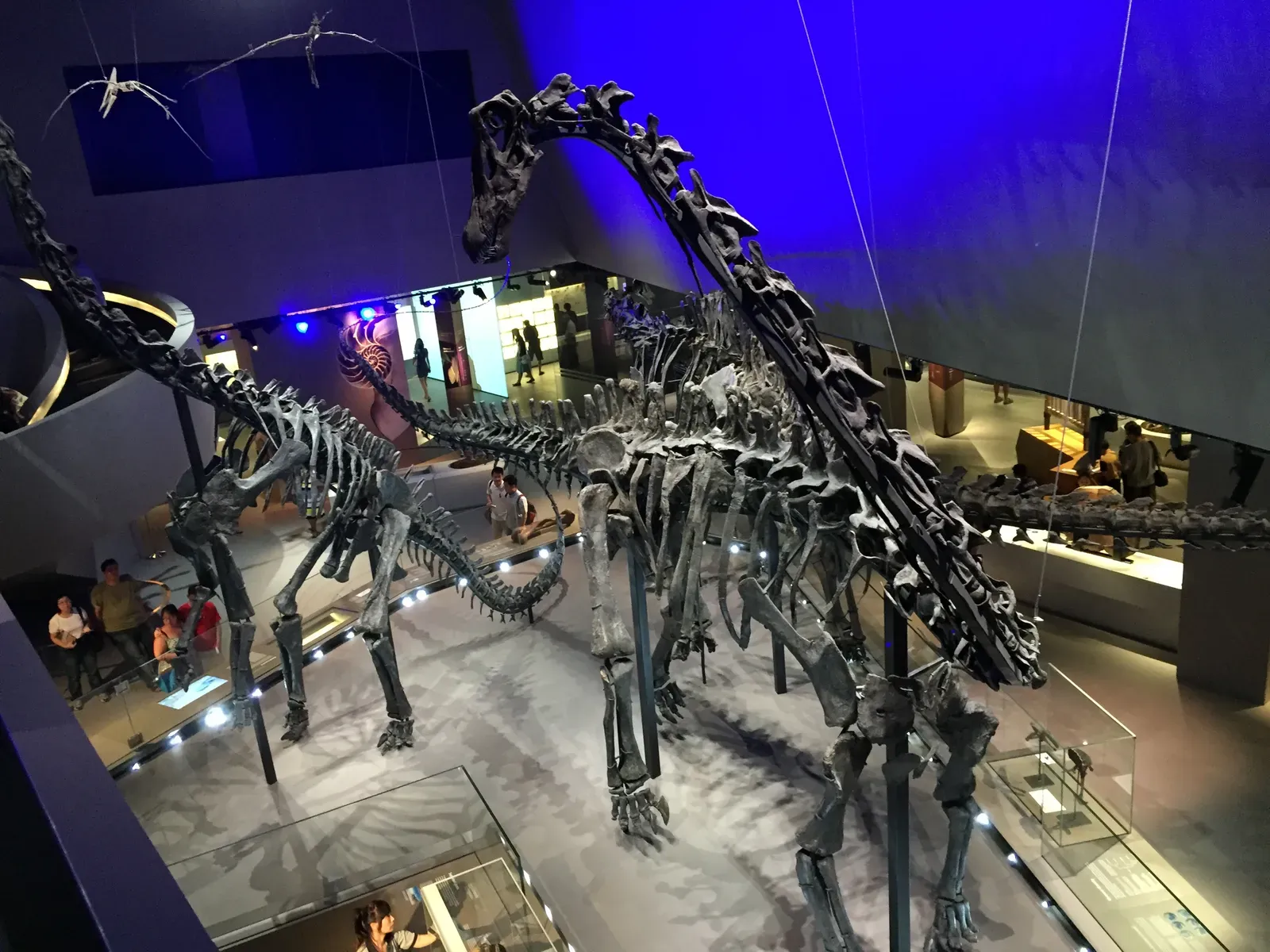
Like most non-avian dinosaurs, sauropods vanished at the end of the Cretaceous period, likely due to a massive asteroid impact and the chain of disasters that followed. You are left with only their bones and the traces they stamped into ancient mud. Yet their story still shapes how you think about life’s possibilities. They push your sense of scale, showing that land animals can reach sizes you might have thought impossible. In a way, they expand your imagination about what a living body can be.
Today, when you look at large animals like elephants or giraffes, you are seeing only a faint echo of sauropod grandeur. You can walk into a museum, stand under a reconstructed skeleton, and feel tiny, the same way you might feel looking up at a skyscraper. That emotional response is part of their legacy too. These long-gone herbivores still manage to make you feel awe, wonder, and a little bit of disbelief every time you meet them in fossils and models.
Conclusion: What These Gentle Giants Teach You About Life On Earth
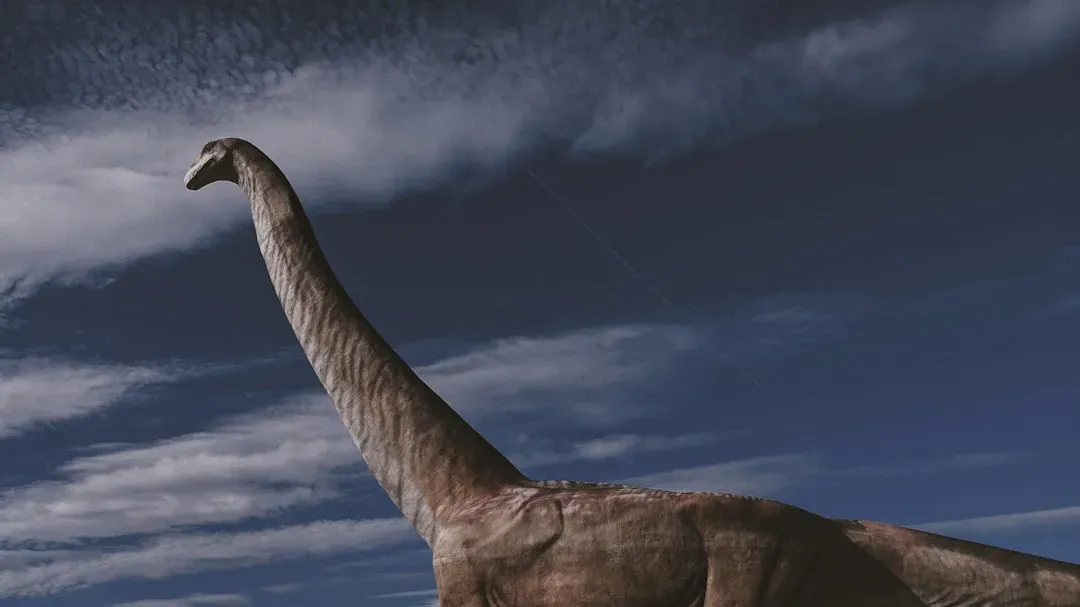
When you step back from all the details, sauropods remind you that life on Earth has explored extremes that go far beyond what you see today. You are looking at animals that stretched bodies, bones, and biology to near-breaking points, yet managed to thrive for tens of millions of years. Their story is not just about being big; it is about being cleverly built, surprisingly efficient, and deeply woven into their environments. They show you that evolution is not afraid to go all in on a bold design.
The next time you see a long-necked dinosaur in a book, a movie, or a museum, you can look at it with a more informed kind of wonder. You now know that behind that graceful neck and massive body is a whole set of smart solutions to real-world problems like weight, food, movement, and survival. In a world where your daily life can feel small and routine, sauropods invite you to zoom out and remember how strange and spectacular Earth’s past really was. When you imagine walking beside one of these gentle giants, how does your own sense of size and possibility suddenly change?