
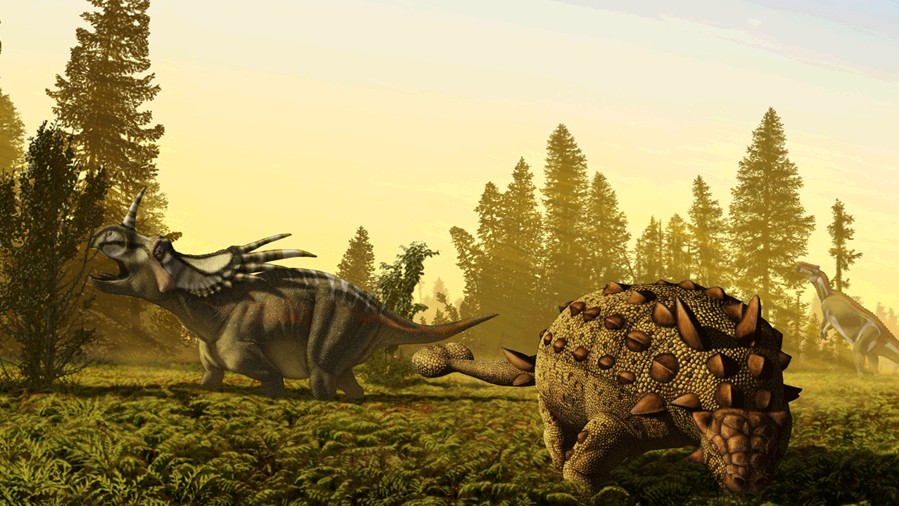
You probably grew up picturing dinosaurs as lone monsters stomping through empty landscapes, roaring at anything that moved. But when you look at what paleontologists have actually dug up in the last few decades, a very different picture appears. You start seeing crowds, families, even something that looks eerily close to friendship and teamwork written into the bones and the fossilized mud.
As you walk through these discoveries, you begin to realize you are not just looking at giant reptiles that happened to share the same space. You are looking at animals that traveled together, protected one another, raised their young, and maybe even squabbled, flirted, and cooperated in ways that feel uncannily familiar. Once you see dinosaurs this way, it is almost impossible to go back to the old lonely-monster stereotype.
1. Trackways That Reveal Herds on the Move
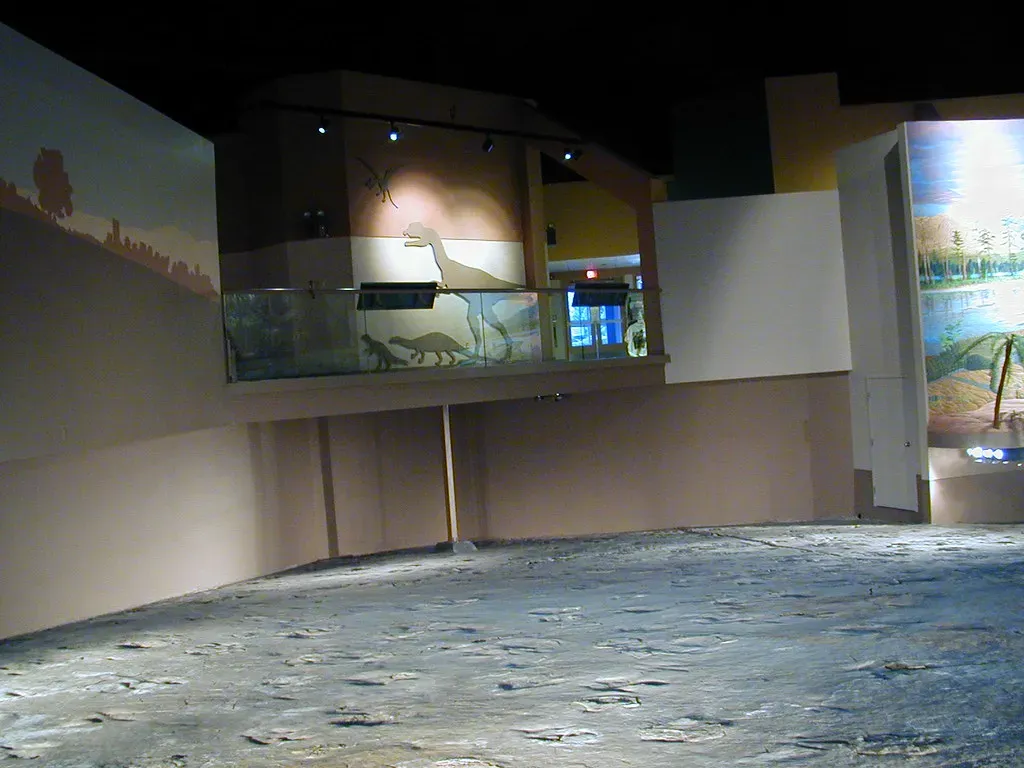
Imagine you are standing on an ancient mudflat, but instead of empty ground, you see hundreds of footprints stretching in the same direction. That is what scientists found in multiple dinosaur track sites: long, parallel trackways where animals of different sizes walked side by side. When you look at those footprints, you are not just seeing one animal; you are seeing a coordinated group on the move, like a herd of elephants crossing a savanna.
In many of these sites, you notice something even more striking: smaller footprints, likely juveniles, consistently mixed in with larger ones. That pattern tells you these animals were not just randomly crossing the same area at different times. They were traveling together as organized groups where adults and youngsters moved in step. It starts to feel less like a chaotic dinosaur world and more like a community on the march.
2. Bonebeds Packed With Individuals That Lived (and Died) Together
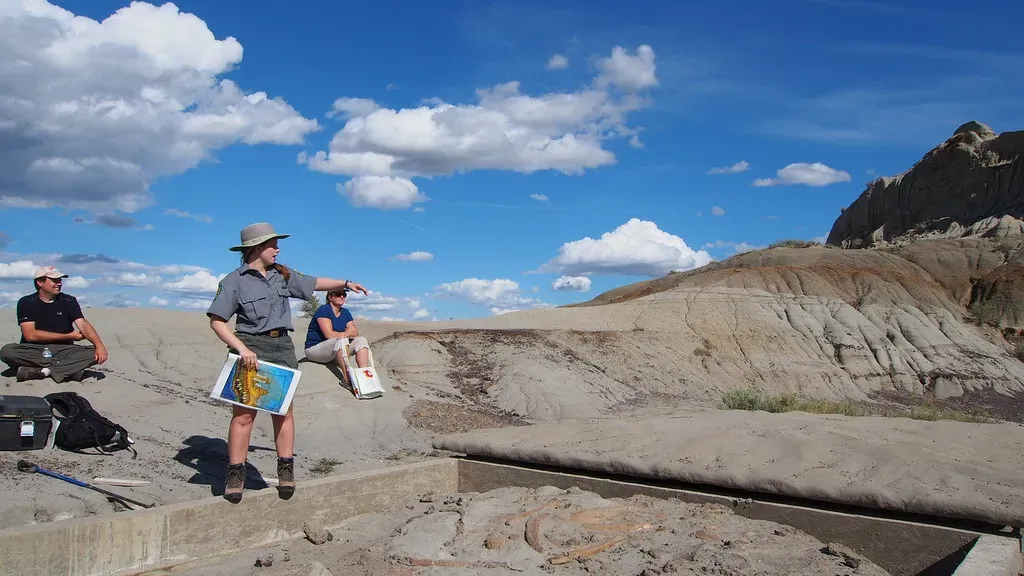
When you hear about a dinosaur fossil, you might picture a single skeleton laid out on a museum floor. But some of the most dramatic sites are bonebeds: massive deposits with dozens, sometimes hundreds, of individuals of the same species jumbled together. When you look at those sites, you are essentially looking at entire herds frozen in time, wiped out by floods, droughts, or other disasters while they were still together.
What makes this so powerful is that you often see a spread of ages in these bonebeds – juveniles, subadults, and full-grown individuals all mixed. That sort of age structure is exactly what you see in modern herd animals that live in social groups rather than solitary drifters. When you realize that many species show this pattern, it pushes you to see dinosaur landscapes as busy, crowded, noisy places full of social interaction, not empty movie backdrops.
3. Nesting Colonies That Look Like Prehistoric Seabird Rookeries
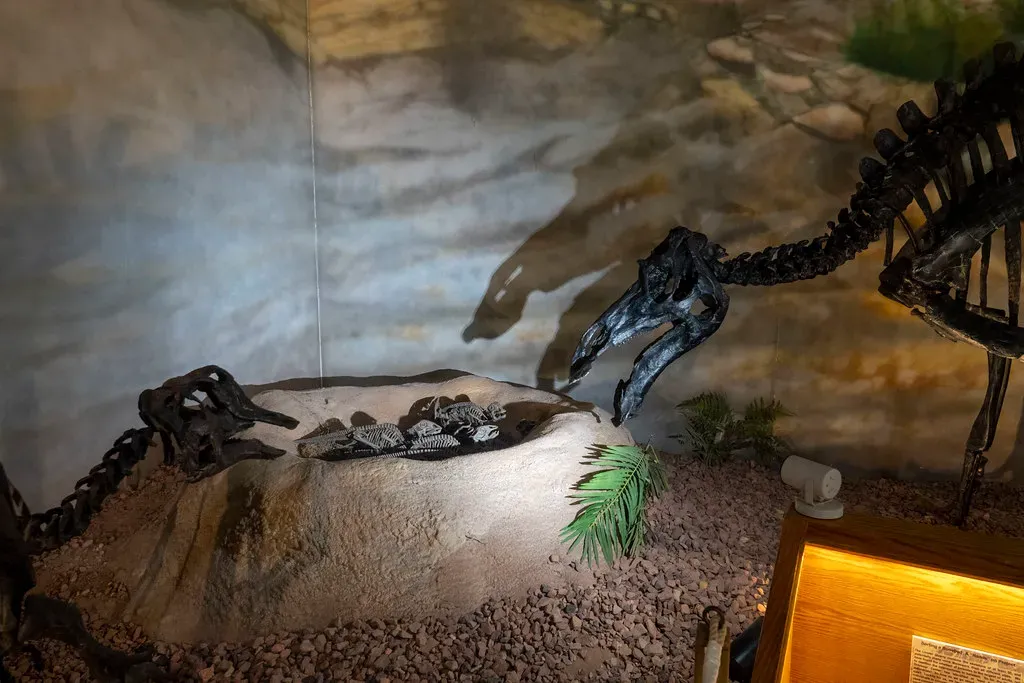
If you picture a nesting colony of penguins or seabirds today – hundreds of nests clustered close together, parents coming and going – you already have a good mental image of what some dinosaur nesting sites looked like. Paleontologists have uncovered broad areas packed with organized nests, each with eggs carefully placed, all spaced in ways that suggest deliberate, repeated behavior. When you see that pattern repeated over layers, you realize these animals were returning to the same spots, like a traditional breeding ground.
In some of these colonies, you find evidence that eggs were laid in similar numbers and sizes, which hints that you are looking at a coordinated breeding season. You can almost imagine yourself walking through that ancient rookery, hearing calls, seeing disputes over space, and watching parents navigate a crowded neighborhood. Instead of imagining a dinosaur sneaking off to hide a single clutch in solitude, you start seeing a social event that would have filled the landscape with life and noise.
4. Fossilized Eggs and Hatchlings That Point to Parental Care
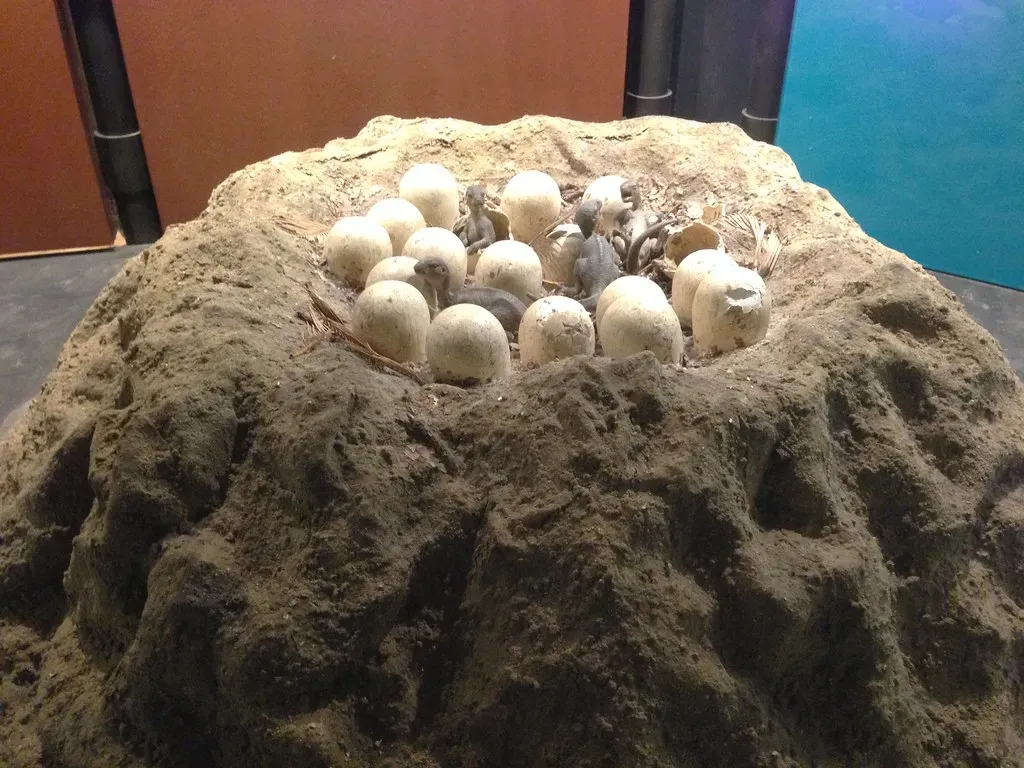
When you see fossils of eggs, embryos, and tiny hatchlings preserved near adults, it is hard not to feel a jolt of recognition. You are not just looking at a random scatter of bones; you are looking at families. Some nests include broken eggshells in a way that suggests successful hatching, and in a few cases, young dinosaurs are preserved in or near the nest in positions that imply they stayed there for at least a while instead of wandering off right away.
This sort of evidence nudges you toward the idea of extended parental care, not just a quick egg-laying and goodbye. You can imagine adults guarding nests, shading eggs, maybe even bringing food or at least protecting hatchlings for a period, the way many birds and crocodiles do today. Once you picture a dinosaur not just as a hunter or a giant grazer, but as a parent defending a noisy brood, the emotional tone changes completely – suddenly this is an animal with responsibilities and social bonds.
5. Growth Rings in Bones That Hint at Grouped Age Classes
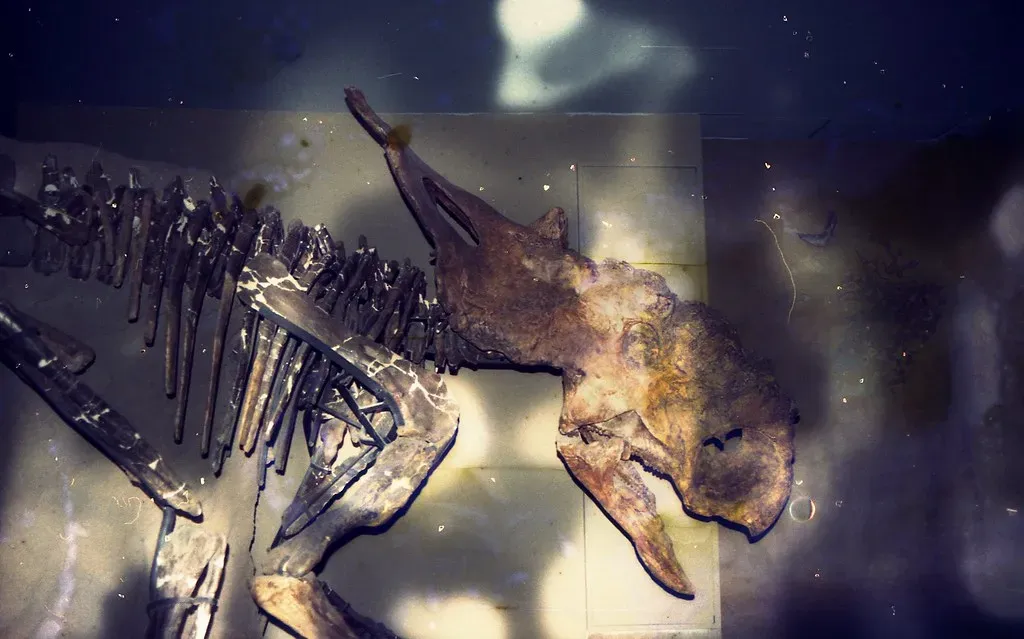
If you sliced through a dinosaur bone and looked at it under a microscope, you would see growth rings, a bit like those in a tree. When scientists analyze these rings across many individuals from the same site, a pattern emerges: you often find distinct age groups that seem to cluster together in the fossil record. That suggests that at least some species spent their lives in age-structured groups, where juveniles stuck with other juveniles while adults formed their own social layers.
When you think about that, it feels very familiar. You already know that in many modern animals, teenagers hang out in their own groups, learn from each other, and practice social skills before fully joining the adult world. Dinosaurs may have done something similar, moving in loose bands of youngsters watched over by older individuals. Instead of imagining every dinosaur fighting for itself, you begin to see generations overlapping, learning, and surviving together.
6. Evidence of Cooperative Defense and Safety in Numbers
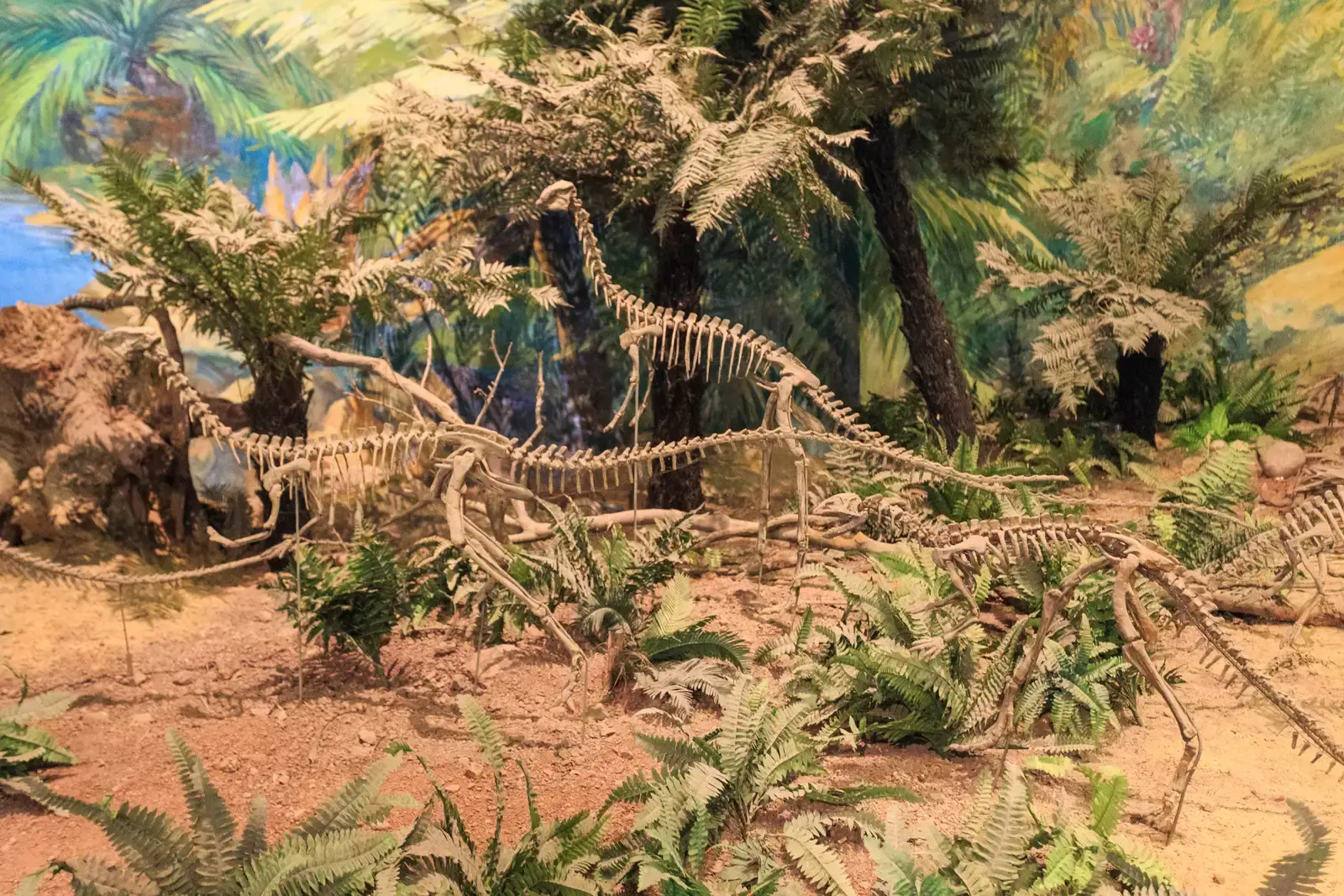
Some fossil sites show predator and prey species preserved together in ways that tell a story of confrontation, not just chance. When you find signs that giant herbivores died in groups while facing large predators, you can reasonably suspect that those herbivores relied on the same strategy you see in many modern animals: banding together to reduce the risk for each individual. Herding is not just about company; it is a survival tactic, and dinosaurs seem to have used it, too.
You can also look at the body plans of certain species – massive tails, horns, or armored backs – and imagine how those defenses become much more effective when several animals stand side by side. A single spiky dinosaur is dangerous; a ring of them guarding their young is something else entirely. As you picture this, you move from the cliché of a lone dinosaur being picked off by a predator to a scene where social living reshapes the entire balance of power in the ecosystem.
7. Crests, Horns, and Frills Built for Communication
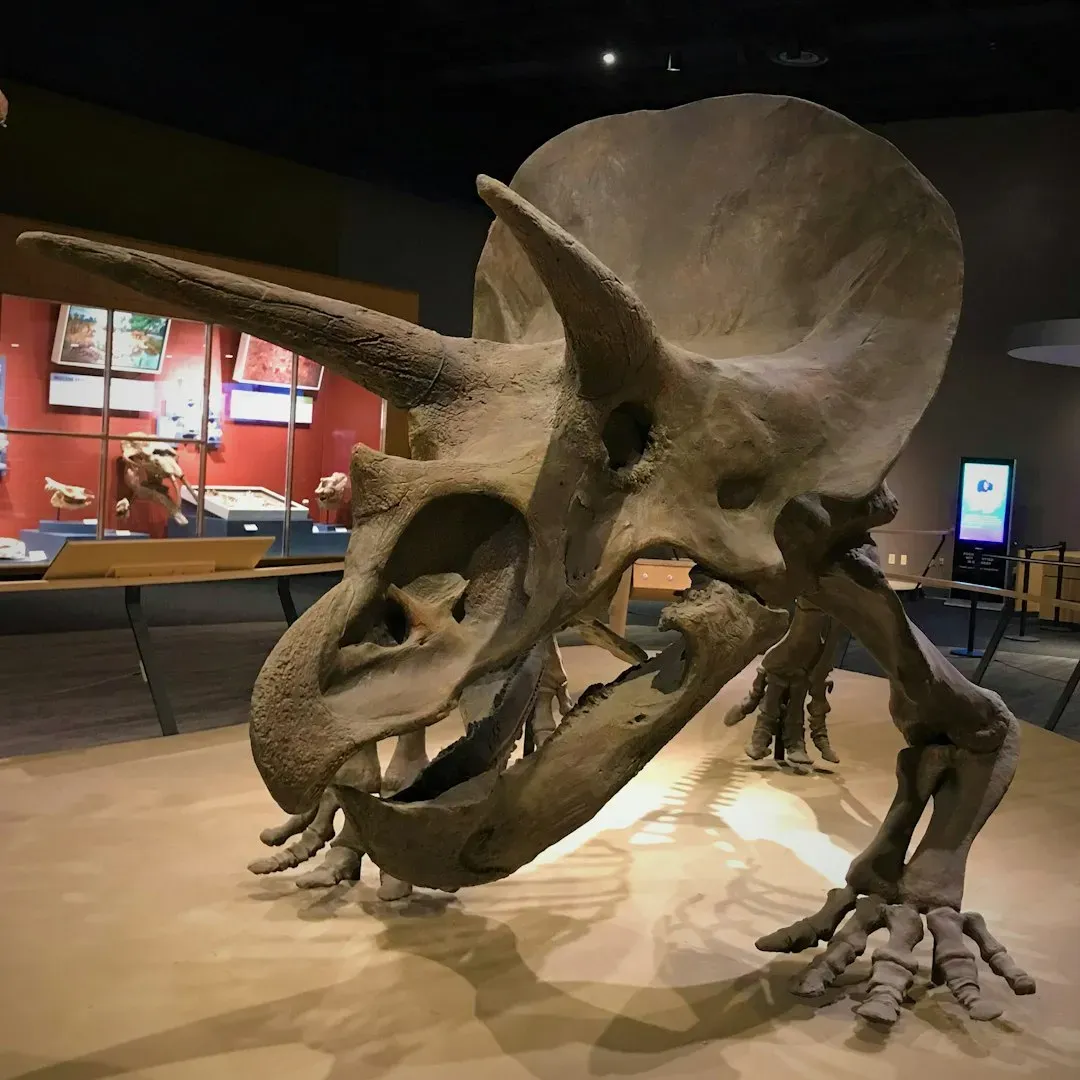
Not every elaborate dinosaur feature makes sense as a weapon. When you look at some of the wild crests, frills, and horns on species like hadrosaurs and ceratopsians, you start seeing them as billboards rather than just armor. The shapes vary dramatically between closely related species, and sometimes between males and females, which strongly hints at visual signaling – recognizing your own kind, showing off to potential mates, or intimidating rivals without a full-on fight.
You can also consider how sound might have come into play. Some hollow crests look like they could have functioned as resonating chambers, allowing calls to boom across a landscape, the way certain birds and mammals use specialized structures today. When you imagine those calls echoing across a crowded herd, you are no longer thinking of dinosaurs as mute brutes, but as animals constantly sending and reading signals, staying in contact with each other through sight and sound.
8. Bird Behavior as a Living Window Into Dinosaur Social Lives
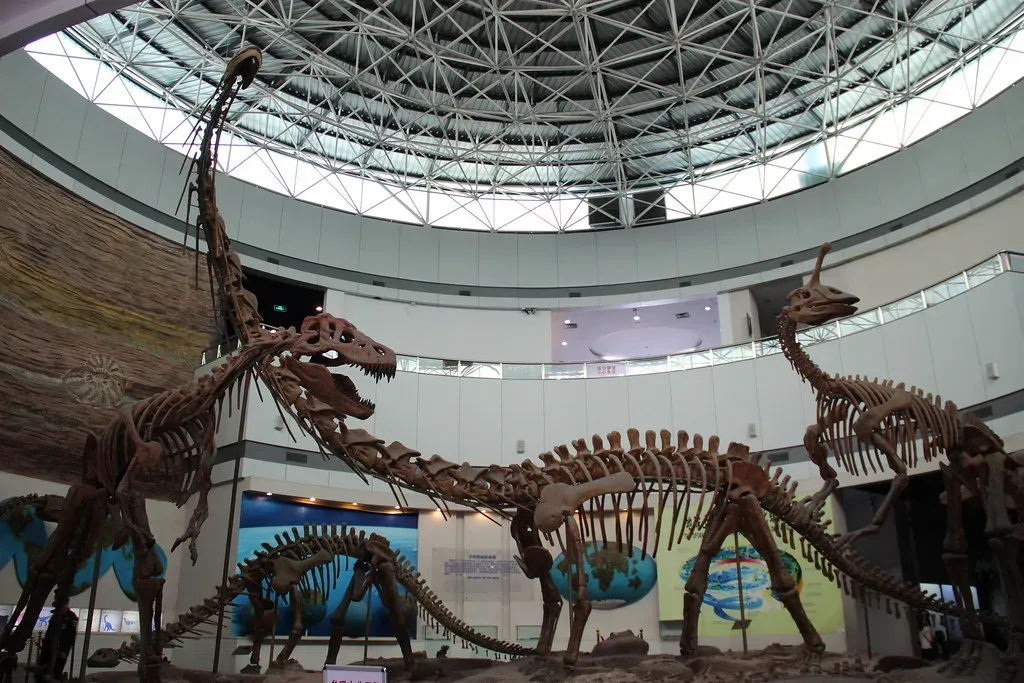
If you want a glimpse of how social many dinosaurs probably were, you just have to look up. Modern birds are direct descendants of certain dinosaur lineages, and they give you a living laboratory for social behavior that bones alone cannot show. When you watch flocks forming, synchronized takeoffs, intricate courtship dances, shared parenting, alarm calls, and complex hierarchies, you are seeing behaviors that likely have very deep roots going back to the age of dinosaurs.
You also notice how much variation there is among birds themselves: some species are extremely social, others more solitary, and many shift their social structures depending on season and food availability. That flexibility reminds you to be careful; not every dinosaur was automatically social in the same way. But it also makes it realistic to imagine a whole spectrum of social systems among dinosaurs – from tight-knit family groups to huge migratory herds – rather than a one-size-fits-all picture of isolation.
Conclusion: Rethinking Dinosaurs as Complex, Social Animals
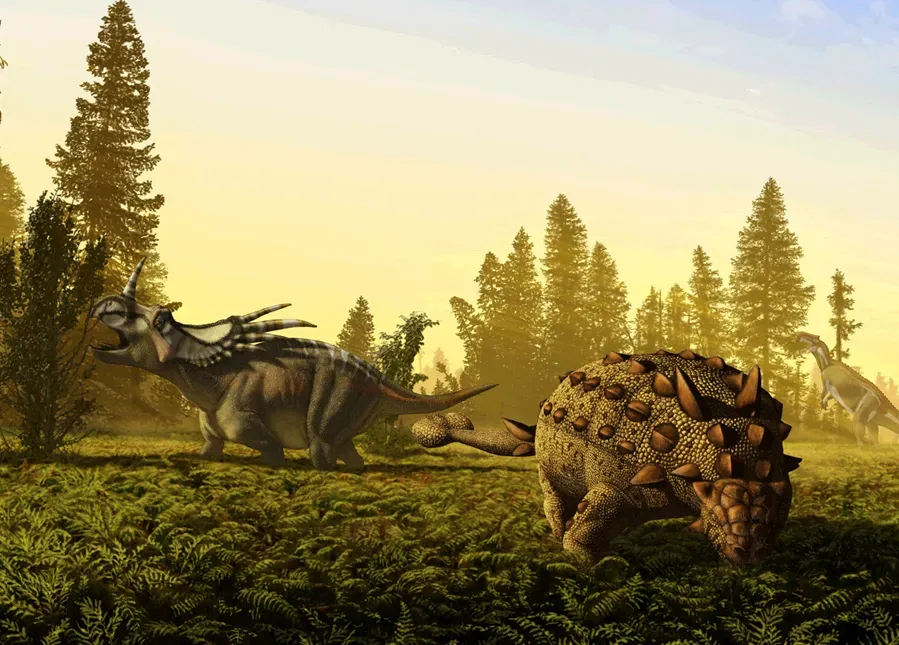
When you put all these lines of evidence together – trackways, bonebeds, nesting grounds, growth studies, communication structures, and the behavior of their bird descendants – you end up with a powerful message. Dinosaurs were not just oversized lizards blundering through a silent world; many of them were deeply social creatures living in communities full of movement, noise, and relationships. You see parents guarding nests, youngsters moving in packs, herds navigating dangers, and individuals constantly signaling to one another.
Seeing dinosaurs this way changes how you feel about them. Instead of distant monsters, they start to look more like cousins whose social instincts rhyme with those you see in animals around you today, and even in yourself. The next time you see a dinosaur skeleton in a museum, you might imagine not a solitary giant, but the missing crowd that once surrounded it – the herd, the family, the rivals, the partners. Does that shift in perspective surprise you as much as it did the scientists who first uncovered it?