
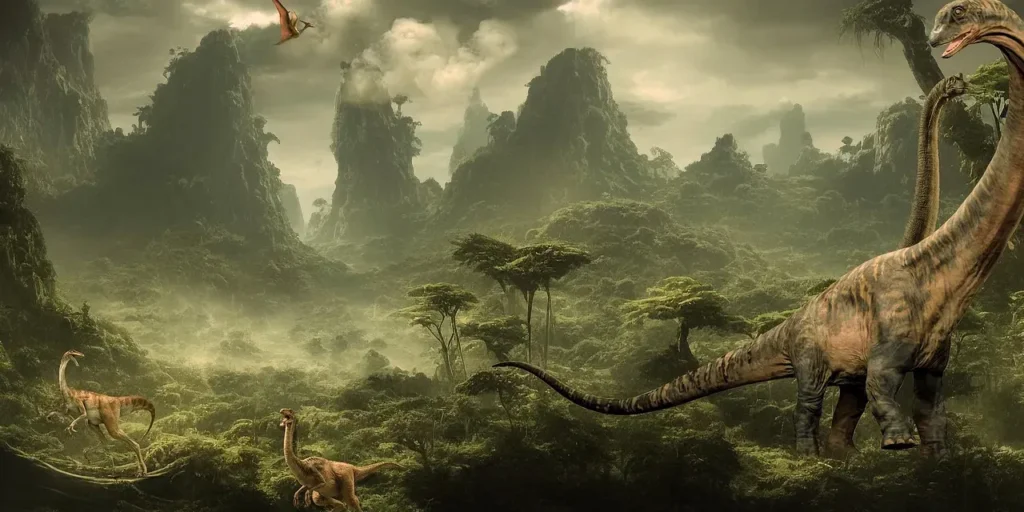
You tend to picture the age of dinosaurs as one endless tropical summer, with steaming jungles and giant reptiles lumbering through the heat. But the real story is far more dramatic and, frankly, a lot more interesting. Ancient Earth swung between greenhouse warmth and cooler, unstable phases, and those shifts did not just tweak dinosaur life at the edges – they helped decide who thrived, who struggled, and who vanished.
When you look at the fossil record through the lens of climate, the dinosaur world stops being a static postcard and turns into a moving, uneasy film. Sea levels rose and fell, volcanic belts belched greenhouse gases, polar regions flipped between lush forests and icy darkness, and dinosaurs were forced to adapt or die. Once you start to see those climate swings as the background soundtrack, the rapid bursts of evolution, the sudden extinctions, and the surprising success stories start to make a lot more sense.
How Greenhouse Worlds Set the Stage for Dinosaurs
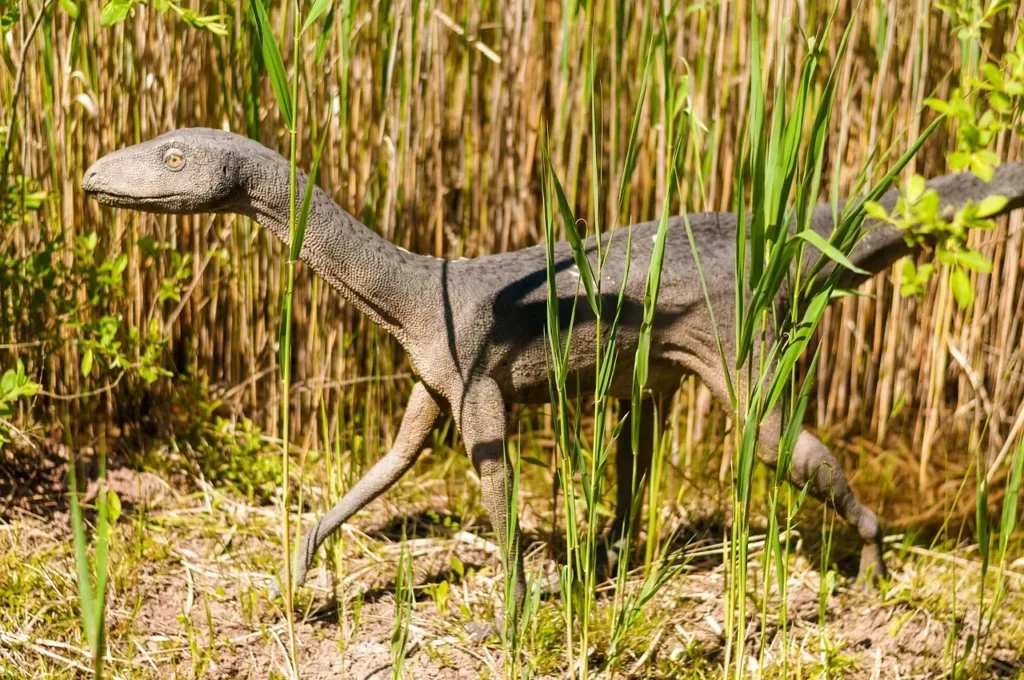
If you could step back into the early and middle Triassic, you would be walking into a greenhouse world. Carbon dioxide levels were far higher than what you live with today, and average global temperatures were much warmer. There were no permanent polar ice caps, and forests stretched almost to the poles, creating a world where reptiles, including the earliest dinosaur relatives, had a lot of ecological room to experiment and spread.
You might assume that such a warm planet simply made life easy, but it was more like living in a high-risk, high-reward stock market. Warmth and abundant plant growth opened up new food sources, new niches, and faster evolutionary turnover. At the same time, the heat favored animals that could regulate their body temperature efficiently and stay active for long periods, giving early dinosaur groups a serious edge over many of their sluggish reptilian competitors.
Extinction Shocks, Climate Chaos, and Dinosaur Takeoff
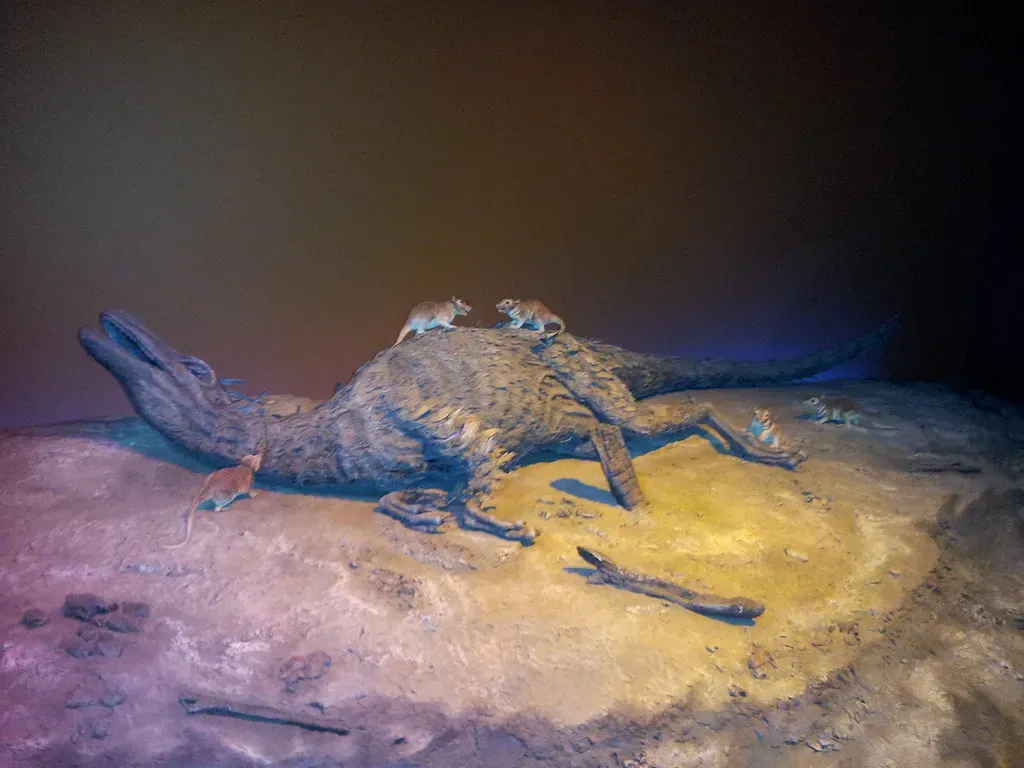
Before dinosaurs ruled the planet, they had to survive a global crisis that almost reset the ecological board. Toward the end of the Triassic, massive volcanic eruptions linked to the breakup of the supercontinent Pangaea pumped huge amounts of carbon dioxide and other gases into the atmosphere. You would have seen rapid warming, ocean acidification, and wild climate swings that were catastrophic for many large reptiles and marine life.
From your perspective as an observer, this looks like a disaster; from the dinosaurs’ perspective, it was a brutal opportunity. Many rival reptile groups collapsed, leaving ecological vacancies everywhere on land. Dinosaurs that could tolerate heat, fluctuating rainfall, and unstable ecosystems were suddenly in the right place at the right time, using this climate-driven extinction as a springboard into the Jurassic world where they finally became the dominant large land animals.
Seasonal Stress and the Rise of Big-Body Herbivores
As the Jurassic opened, you would still find a warm climate overall, but it was not some perfectly smooth tropical paradise. Regions closer to the equator could be scorchingly hot and seasonally dry, while higher latitudes saw milder temperatures and more reliable rainfall. This patchwork of climates placed different stress tests on plant life, and in turn, on the herbivorous dinosaurs that depended on it.
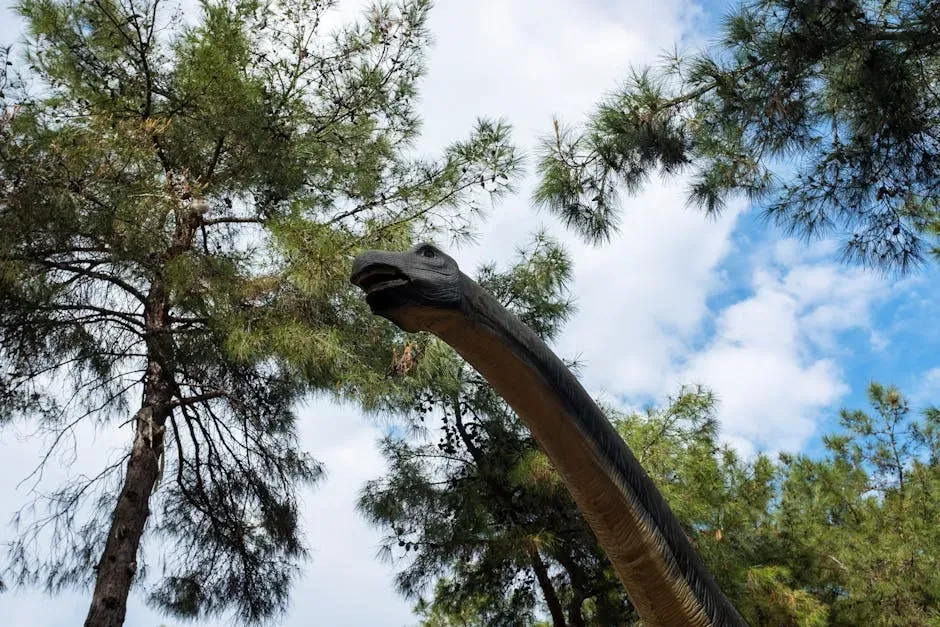
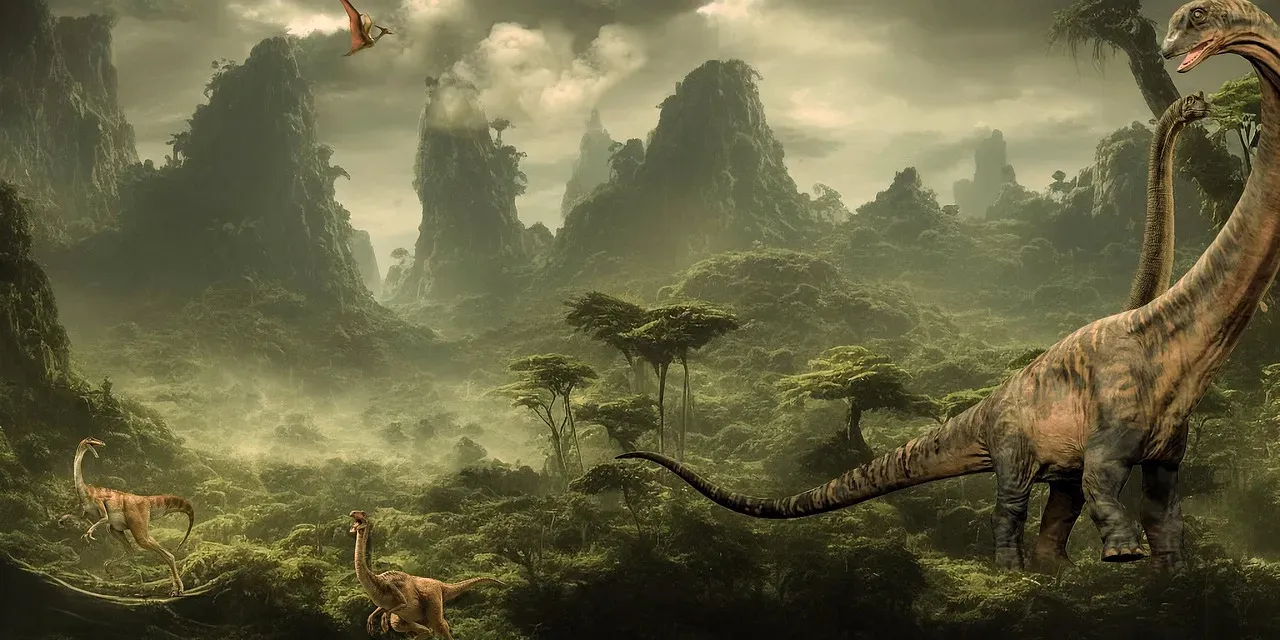
When you picture gigantic sauropods with necks like living cranes, you are really looking at a climate solution in dinosaur form. In areas with strong wet and dry seasons, plant growth could be lush for part of the year and sparse for the rest. Large-bodied herbivores with massive digestive systems could travel long distances, crop huge volumes of tough vegetation, and store energy efficiently. Climate seasonality helped favor these walking ecosystems, turning long-necked dinosaurs into some of the most successful herbivores Earth has ever seen.
Polar Forests, Darkness, and Surprising Dinosaur Adaptations
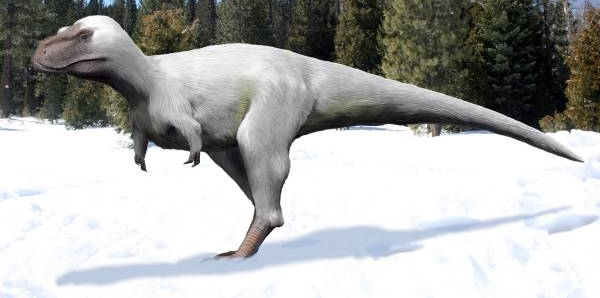
One of the most surprising climate stories you encounter in the age of dinosaurs lies near the poles. During much of the Mesozoic, even high-latitude regions were relatively warm, without permanent ice sheets. Instead of frozen wastelands, you would have walked through dense forests of conifers, ferns, and ginkgo-like trees, where dinosaurs lived in months-long darkness every winter.
Living in such places demanded very specific adaptations. You can imagine how challenging it would be to stay active, find food, and keep your body functioning when the sun disappears for weeks or months at a time. Fossil evidence of polar dinosaurs suggests that some species may have had elevated metabolisms, insulating feathers or filamentous coverings, and behaviors suited to long periods of low light. Climate at the poles did not just permit dinosaur life; it pushed those populations into evolutionary experiments that would be unthinkable at the equator.
Monsoons, Deserts, and the Patchwork World of the Cretaceous
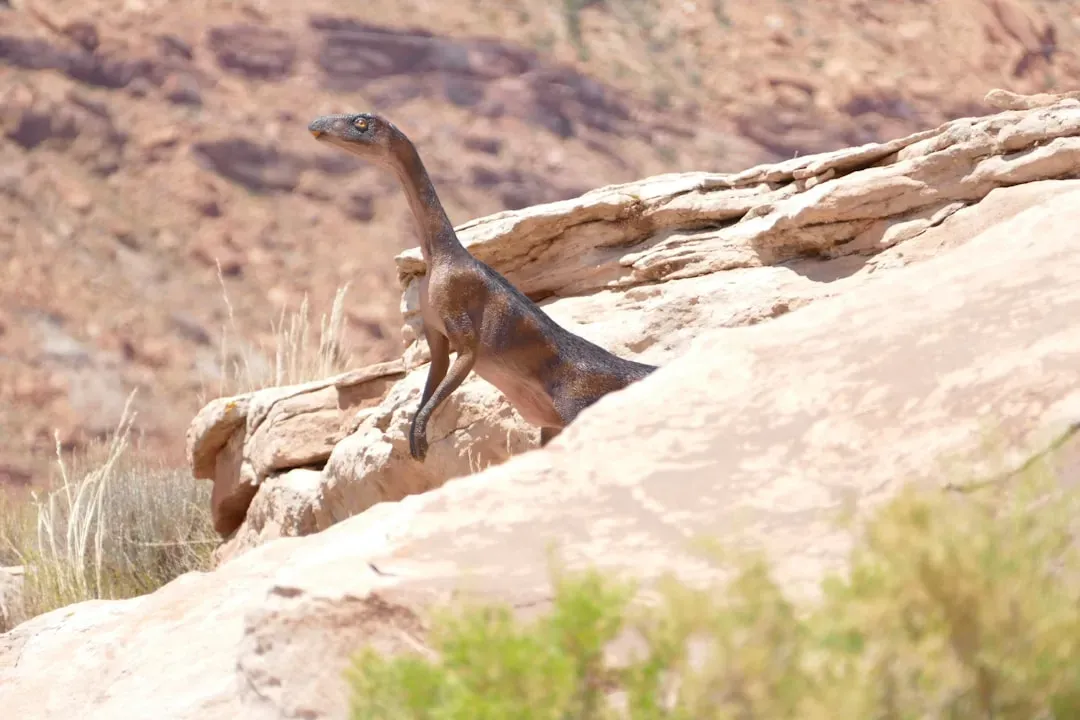
By the Cretaceous, continental drift had reshaped oceans and landmasses, and climate followed suit. You would see rising sea levels flooding large parts of continents, creating shallow inland seas, humid coastal zones, and patchy interior deserts. In many regions, powerful monsoonal systems brought intensely seasonal rainfall, turning some landscapes into lush wetlands and others into drought-prone grassless plains.
For dinosaurs, this climate mosaic meant specialization. In wetter regions with rich plant life, you find heavily armoured herbivores, horned dinosaurs, and duck-billed species evolving complex jaws and social behaviors suited to dense herds and rich food sources. In drier or more seasonal areas, lighter, faster, and sometimes smaller-bodied species did better, able to cope with food scarcity and long migrations. When you step back, you see that the Cretaceous explosion of dinosaur diversity rides directly on the back of that varied climate map.
Volcanoes, Asteroids, and the Final Climate Blow
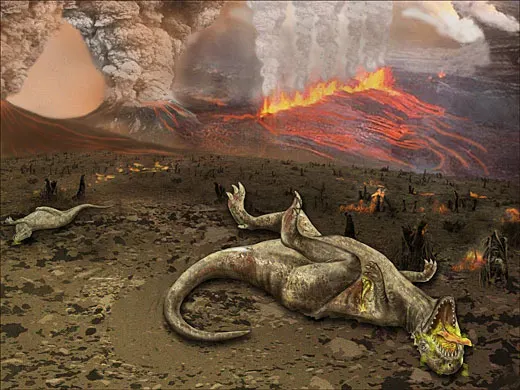
When you fast-forward to the end of the Cretaceous, the climate story turns deadly again. Large-scale volcanic activity in what is now India pumped enormous amounts of gases into the atmosphere over long periods, likely causing episodes of warming, shifts in rainfall patterns, and stress to both land and marine ecosystems. Dinosaurs were already living on a planet with a climate under pressure, even before the famous asteroid arrived.
Then you add the asteroid impact, and climate goes from stressed to broken. In your mind, picture sunlight blocked by dust and aerosols, temperatures dropping sharply, photosynthesis collapsing, and food chains unraveling almost from the bottom up. Large dinosaurs, especially big herbivores and the apex predators that fed on them, were hit hardest because they depended on abundant plant growth and stable ecosystems. Climate chaos created by both deep Earth and space ultimately pulled the rug out from under the non-avian dinosaurs, leaving only the bird lineage to carry their story into the present.
What This Ancient Climate Drama Means for You Today
When you trace how climate pushed, squeezed, and sometimes erased entire dinosaur lineages, you start to see patterns that matter far beyond ancient fossils. You notice that rapid climate changes rarely act alone; they interact with existing vulnerabilities, geography, and biology in complex ways. Dino ecosystems did not collapse from a single bad year; they faltered when change outpaced the ability of species to adapt, migrate, or shift their behavior.
That perspective nudges you to think differently about your own world. The same basic rules still apply: climate sets the boundaries of what life can do, and sudden swings tend to favor the flexible, the small, and the fast-to-reproduce. You are not living in the age of sauropods and tyrannosaurs anymore, but you are absolutely living in a time when climate is again moving quickly. Looking back at dinosaurs is not just a curiosity; it is a mirror that shows you how powerful, and how unforgiving, planetary climate can be.
Put together, the story of dinosaurs and climate is not a straight line from lush warmth to sudden doom. It is a jagged series of swings where greenhouse phases, seasonal extremes, polar oddities, and global shocks continually reshaped who could survive and who could not. When you read the fossil record alongside the climate record, you realize that dinosaur evolution was less about slow, gentle change and more about riding one upheaval after another without falling off.
As you think about your own era, you might find it sobering that some of the most dramatic evolutionary leaps and biggest extinctions came when climate changes were fast and unpredictable. Dinosaurs did not choose the climate rollercoaster they were born into, and neither do you, but you can at least learn from how that ancient drama unfolded. If climate could sculpt giants, wipe out empires of animals, and still leave behind birds singing in your backyard, what do you think it might sculpt out of the world you are shaping now?