
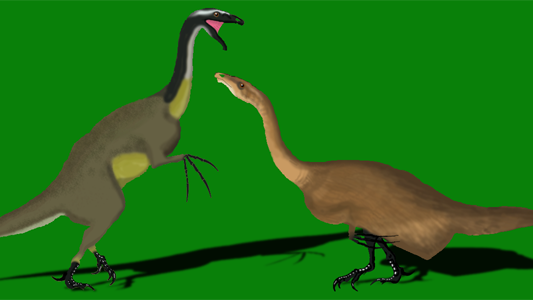
You probably grew up thinking of dinosaurs as roaring, fighting giants, all teeth and claws and chaos. But if you zoom in on the quieter moments of their lives, another picture starts to appear: one filled with displays, dances, colors, and careful choices about who to mate with. Instead of just brute force, many dinosaurs seem to have relied on charm, style, and strategy to win over a partner.
In the last few decades, scientists have uncovered fossils and behavior clues that point strongly toward complex courtship rituals. You see hints of it in their bizarre ornaments, their carefully arranged “dance floors” in ancient mud, and even in the way birds behave today as living dinosaurs. When you put it all together, you start to realize something surprising: dinosaur love lives were probably far more dramatic, showy, and emotional than most people imagine.
Strange Crests, Horns, And Frills: Built For Show, Not Just For Battle
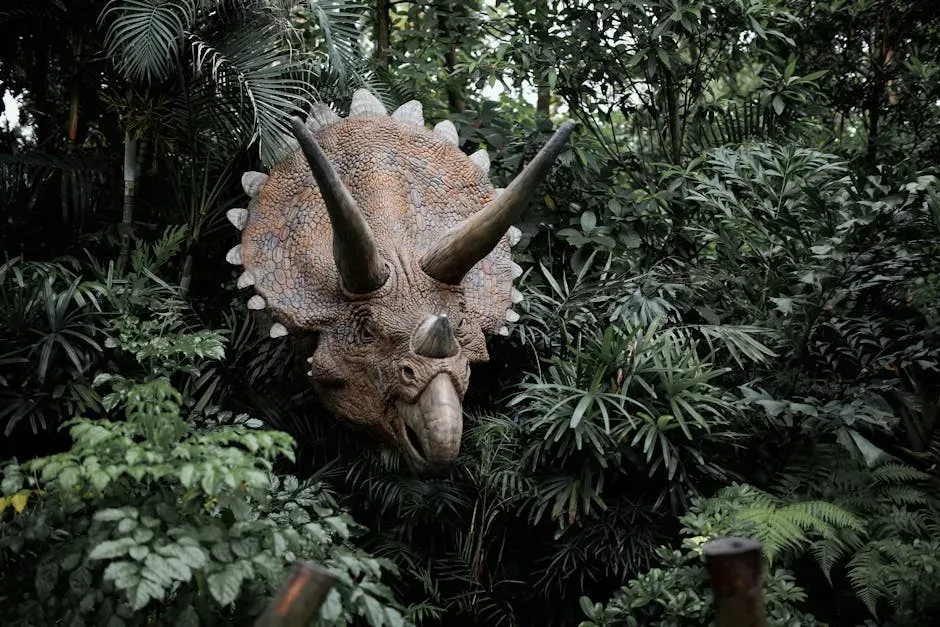
When you look at dinosaurs like Triceratops with massive frills, or hadrosaurs with huge hollow crests on their heads, it’s tempting to assume these structures were only for defense or fighting. But when you compare them with animals you see today, such as deer antlers or peacock tails, another pattern jumps out at you: many big, elaborate body parts are about impressing mates. In several dinosaur groups, these ornaments were oversized, varied wildly between species, and often differed between adults and juveniles, which strongly suggests you’re looking at display tools tied to maturity and attraction.
You can also notice how some of these features would have been terrible for everyday survival if they weren’t earning their keep in courtship. A giant crest or long display tail is heavy, energy-hungry, and makes you more visible to predators. For that kind of costly feature to stick around over millions of years, it usually has to be rewarded in mating success. That means mates were probably judging each other by the size, shape, and maybe even the color of these crests and frills, much like how you might judge someone’s health or confidence by how they move and carry themselves.
Dinosaur “Dance Floors” And Display Grounds In The Fossil Record
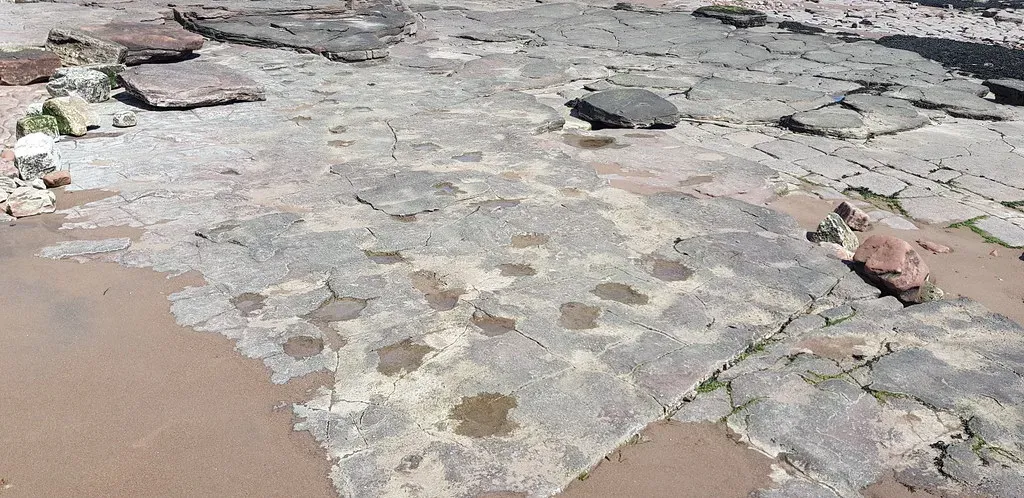
One of the most striking clues you can look at today comes not from bones, but from footprints. Paleontologists have found sites where the ground is covered in repeated scratch marks and stamped impressions, almost like a series of shallow pits clustered in one area. These patterns do not match simple walking paths or feeding behavior. Instead, they look a lot like the display arenas you see in modern birds, where males gather and perform for watching females.
Imagine a dinosaur about the size of a large bird or small ostrich, scraping the ground again and again, kicking up dust, and moving in circles to show off strength and agility. That is the picture some researchers believe you should have when you see those scratch marks. You can think of them as prehistoric dance floors, places where individuals returned repeatedly to compete for attention. If you have ever watched birds do elaborate mating dances on a nature documentary, you are, in a sense, watching a living echo of what these dinosaurs might have been doing tens of millions of years earlier.
Colorful Feathers And Displays: Birds As A Window Into Dinosaur Romance
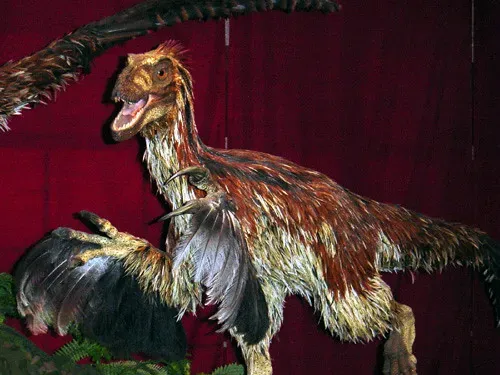
By now, you have probably heard that many dinosaurs had feathers, not just the small, birdlike ones but also some larger species. Feathers are not just for flight or warmth; they are also perfect for visual signaling. In many modern birds, bright feather colors and bold patterns are all about courtship. When you see a bird fanning its tail, puffing its chest, or spreading its wings to show off a hidden flash of color, you are watching a courtship ritual in action. Because birds are living dinosaurs, it makes sense to look to them when you try to imagine how feathered dinosaurs might have courted each other.
Fossils of some feathered dinosaurs preserve evidence of pigment-containing structures that can hint at original colors or patterns. While you cannot reconstruct the full palette with complete certainty, you can reasonably infer that at least some species had contrasting or vibrant markings. Picture a small raptor-like dinosaur spreading feathered arms or tail fans, much like a bird of paradise, to attract a mate. Instead of thinking of dinosaurs as dull, gray reptiles, you can start to see them as bright, expressive animals using color, posture, and motion to send romantic signals across ancient landscapes.
Sound, Smell, And Movement: Multisensory Dinosaur Courtship
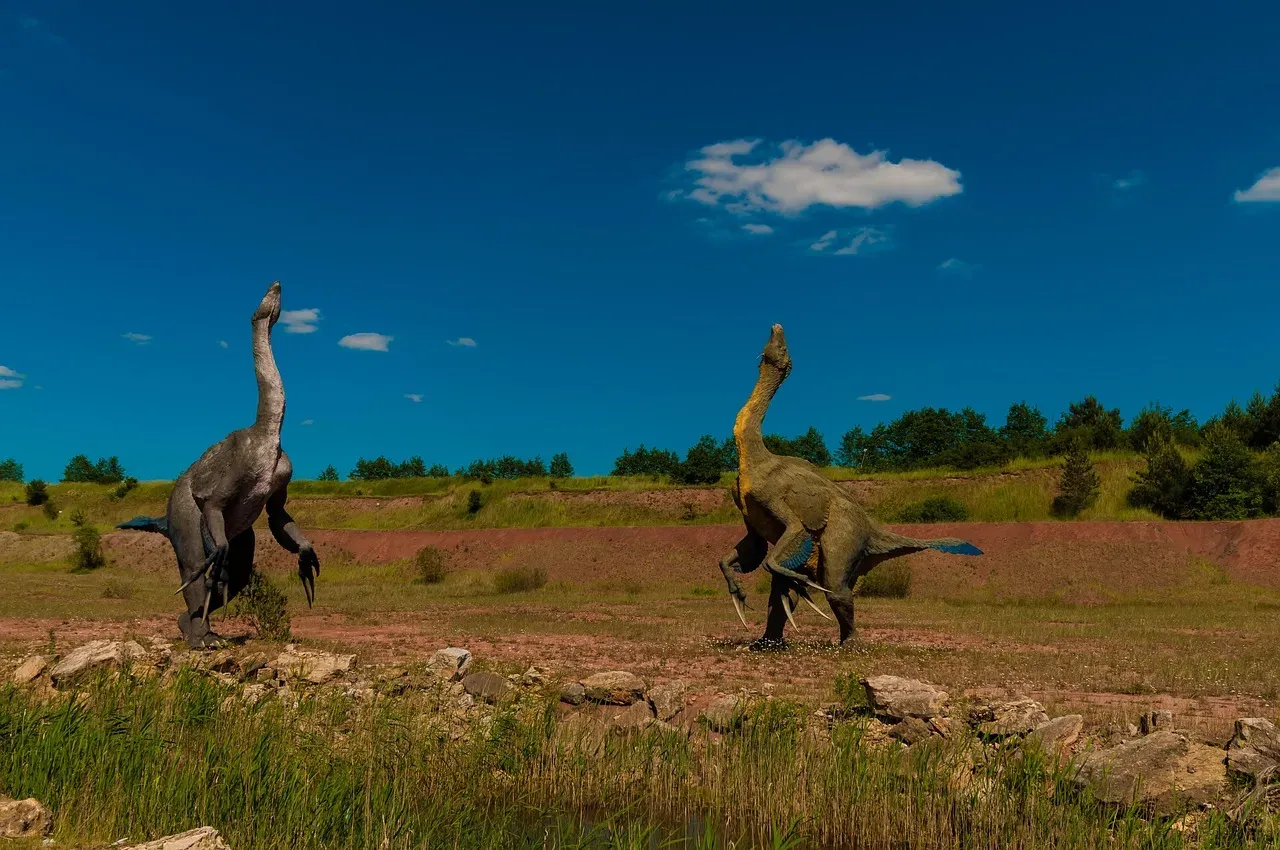
When you step back from the fossils and consider how animals communicate today, you realize that courtship is rarely about just one sense. Birds sing, deer roar, frogs call, and many mammals use scent to advertise their readiness to mate. Dinosaurs almost certainly tapped into the same toolkit. Some hadrosaurs had long, hollow crests that could have worked like built-in wind instruments, deepening or modifying their calls, allowing them to produce booming or resonant sounds that carried across their environment.
You can imagine these calls working like a love song and a personal signature at the same time, helping potential mates identify each other and judge their quality. Body movement, too, would have been vital: swaying necks, stomping feet, waving tails, and synchronized group displays likely played a role. Even smell might have mattered, given that many modern reptiles and birds rely on chemical cues. Although the fossil record cannot bottle ancient dinosaur perfume for you, it strongly points to a world where sight, sound, and scent blended into rich, complex courtship performances.
Mate Choice, Competition, And The High Stakes Of Being Impressive
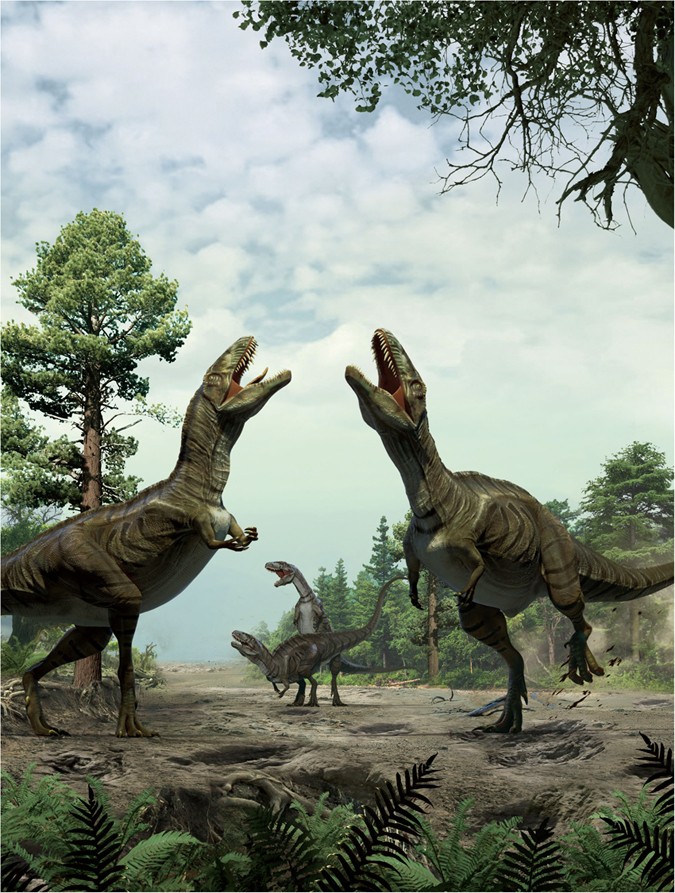
It can be easy to forget that for dinosaurs, just like for you, choosing a mate was one of the most consequential decisions of life. Because mating success directly shapes which traits pass on, sexual selection can push species into wild experiments in form and behavior. When you see a dinosaur with a crest twice the length of its skull or a huge, fan-shaped tail, you are likely seeing the long-term result of picky mate choices and intense competition. Individuals who courted more effectively probably had more offspring, which reinforced those showy traits over time.
You can also picture the flip side: the risks and costs. An animal investing energy in displays may be spending less on growth or survival. If a display trait becomes too extreme, it can slow you down or draw predators. That tension creates a delicate balance, where dinosaurs had to be impressive enough to attract mates but still functional enough to escape danger. In that sense, you can see dinosaur courtship as a high-stakes performance, where style, stamina, and timing were all under constant evolutionary pressure.
Nests, Parental Care, And What They Reveal About Pair Bonds
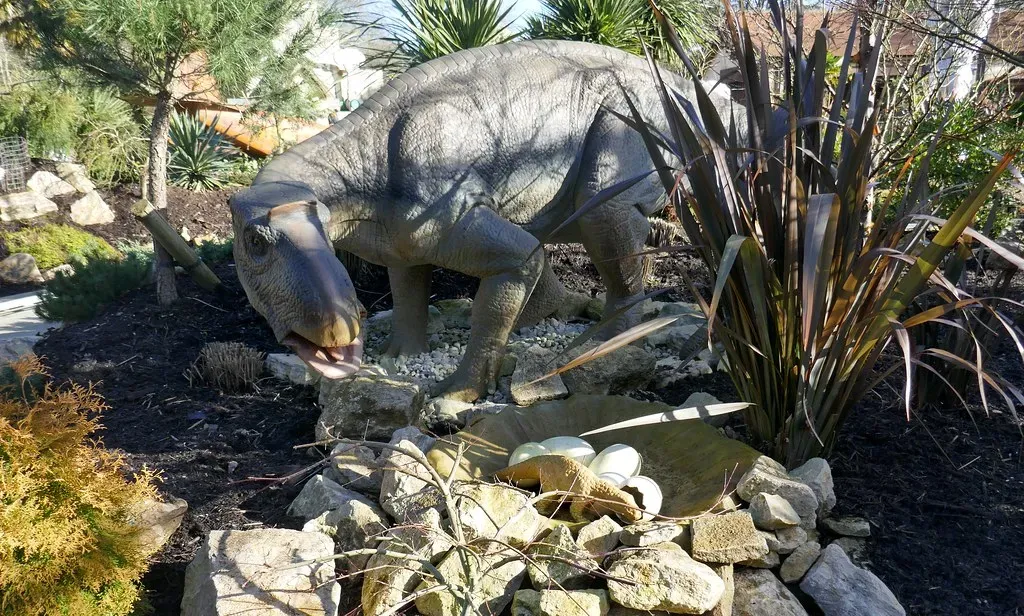
Another powerful clue you can look at comes from dinosaur nests and eggs. Fossil nests show carefully arranged eggs and repeated use of the same nesting sites, traits you tend to associate with structured breeding seasons and, in some cases, parental care. In several species, you find adults preserved close to or even on top of nests, suggesting they guarded or tended their offspring. That kind of investment usually does not appear out of nowhere; it is often linked to earlier steps in the breeding cycle, including mate selection and courtship rituals that help ensure cooperation.
If you imagine two dinosaurs returning to the same nesting area year after year, building or guarding a nest together, you start to see their relationships as more than brief encounters. Even if they did not form lifelong bonds the way some birds and mammals do, the need to coordinate nesting, egg-laying, and protection would have encouraged some level of communication and compatibility. Courtship rituals may have helped individuals choose partners who would not only produce healthy offspring, but also stick around long enough to help those offspring survive, especially in species where nests were highly exposed or predators were abundant.
What Dinosaur Courtship Teaches You About Evolution And Life Today
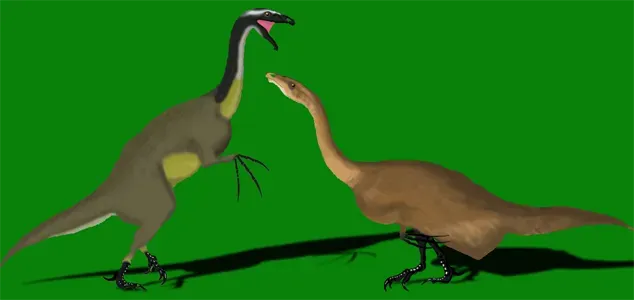
When you pull all these clues together – ornaments, dance floors, feather displays, sound-producing crests, nests, and living bird behavior – you end up with a clear message: courtship was not a side note in dinosaur lives; it was central. That realization changes how you see evolution itself. Instead of imagining natural selection as just a harsh contest of survival, you begin to see it as a story where attraction, beauty, and communication play starring roles. Dinosaurs were not just surviving; they were constantly negotiating who to trust, who to follow, and who to mate with, using signals that shaped their bodies and behaviors over millions of years.
When you look at the birds in your backyard or even humans on a dance floor, you are watching modern chapters of that same ancient story. Flirting, fashion, music, and display in your own species are, in a very real sense, distant cousins of dinosaur courtship. Thinking about it that way can make the past feel strangely close. The next time you hear a bird calling or see a peacock fan its tail, you might picture a dinosaur doing something similar under a Cretaceous sky and realize that the language of attraction has been whispering through life on Earth for far longer than you might have guessed.
In the end, the idea that does more than just add a fun detail to prehistoric life; it reminds you that emotion, communication, and connection have deep evolutionary roots. Attraction is not just a human story, and beauty is not just an artistic idea – it is a force that has shaped bodies, behaviors, and entire lineages across deep time. When you imagine those ancient performances of color, sound, and movement, you might find yourself asking: if you could watch one dinosaur’s courtship display in person, which species would you choose?