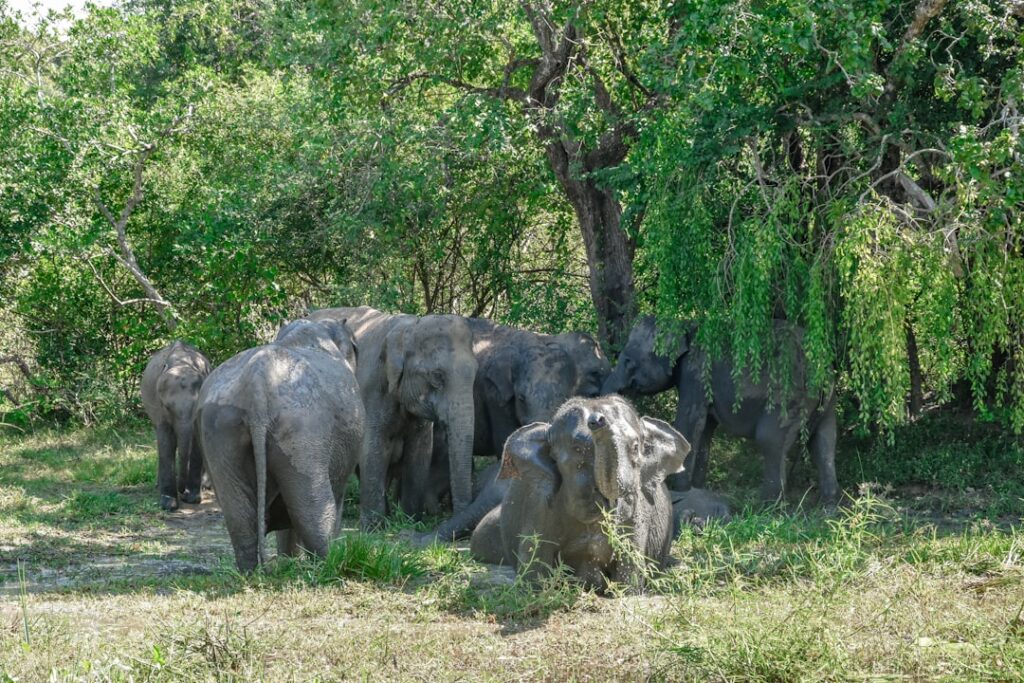
In the southwestern corner of the Central African Republic, a vast clearing known as Dzanga Bai emerges from the dense Congo Basin rainforest. Forest elephants, elusive giants that typically navigate thick canopies in small, nocturnal groups, converge here by the hundreds. Researchers have turned this natural phenomenon into a vital observatory, blending traditional field watching with cutting-edge sound recording to document behaviors rarely witnessed elsewhere. This work sheds light on a species facing steep declines across its range.
A Rare Gathering Ground for Elusive Giants
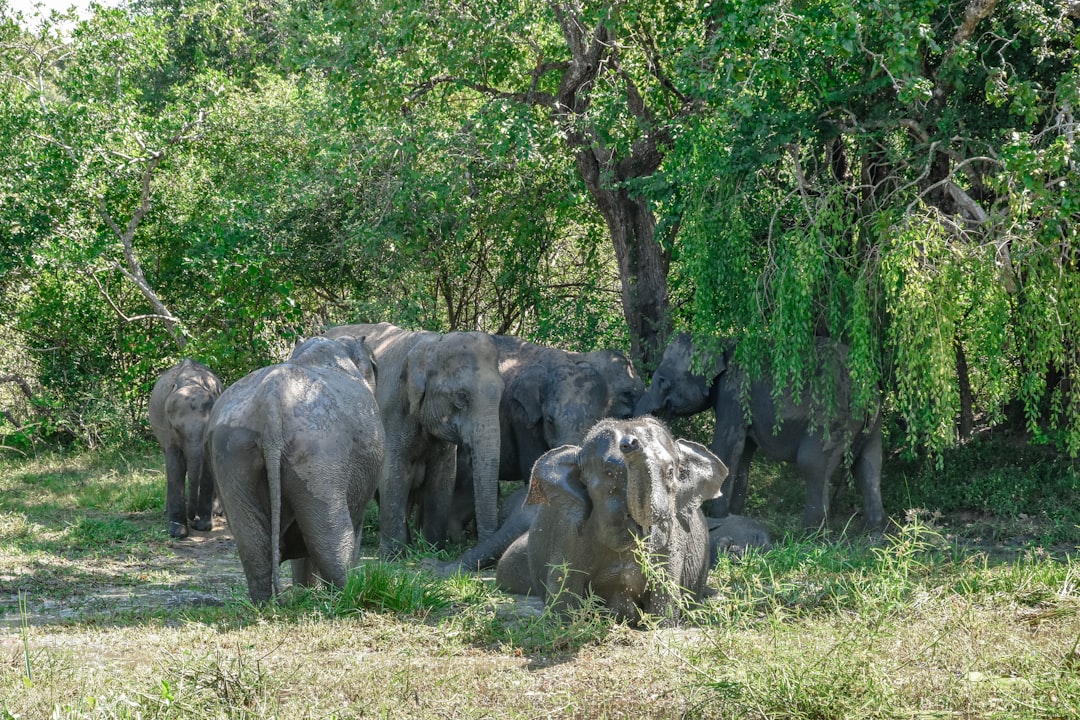
A Rare Gathering Ground for Elusive Giants (Image Credits: Unsplash)
Dzanga Bai stands out as the only known forest clearing where more than 100 forest elephants assemble daily. Elephants travel from surrounding forests to access mineral-rich soil and water, laden with salt, magnesium, manganese, and zinc – nutrients scarce in their leafy diet. Shallow pools in the bai offer safe play areas for mothers and calves, while adults engage in social rituals like elaborate greetings and family reunions.
Peak counts have reached 211 individuals in a single observation, far exceeding the 40 to 50 seen at other sites. This reliability allows scientists to track over 1,400 unique elephants annually, identifying them by distinctive ear patterns, tusk shapes, and scars. Such consistency has made the site a cornerstone for understanding forest elephant ecology since the 1990s.
Decades of Field Observation Build Vital Insights
Researchers perched on elevated platforms conducted hourly counts and behavioral logs for years, cataloging everything from body conditions to reproductive cycles. Pioneers like Andrea Turkalo initiated the Dzanga Forest Elephant Study in 1990, identifying over 4,000 individuals and following more than 1,000 through their life histories. Teams scored elephants for health indicators, performed necropsies on deceased animals, and mapped family structures disrupted by losses.
These efforts revealed diurnal activity patterns unique to Dzanga Bai, contrasting with the nocturnal habits elephants adopted elsewhere due to poaching threats. Social dynamics emerged clearly: small forest groups merge into larger assemblies, with bulls asserting presence amid playful calves. Long-term data showed population stability around 2,500 to 3,000 elephants in the broader Dzanga-Sangha Protected Areas as of the 2020 census.
Acoustic Monitoring Captures the Unseen Symphony
Passive acoustic systems now record 24 hours a day, picking up low-frequency rumbles, gunshots, and even ambient forest sounds from birds and insects. This technology, advanced by the Elephant Listening Project at Cornell University, decodes communication calls that carry kilometers through the trees. Ivonne Kienast, who leads the Dzanga Forest Elephant Project, integrates these recordings with visual data for a fuller picture.
About 80% of detected gunshots occurred between 7 p.m. and 2 a.m., pinpointing poaching hotspots and informing patrols. The approach not only tracks elephant vocal repertoires but also monitors ecosystem health. “Dzanga Bai is the only known clearing where you can see more than a hundred forest elephants every day,” Kienast noted, highlighting the site’s dual value for sight and sound studies.
Conservation Gains Amid Persistent Threats
Poaching rates dropped from around 30 elephants per year to 6 or 7, thanks to sustained ranger presence and data-driven interventions. Local capacity building trained Central African researchers, ensuring knowledge transfer beyond foreign experts. Tourism grew modestly to 800 visitors in 2025, generating funds while capping groups to minimize disturbance.
Challenges persist, including funding cuts from sources like the U.S. Fish and Wildlife Service and regional instability perceptions. Human-elephant conflicts arise from crop raids, and climate shifts could alter mineral availability. Yet, WWF partnerships and Indigenous Ba’aka involvement bolster protections across borders into the Democratic Republic of Congo and Gabon.
- Key minerals sought: salt, magnesium, zinc, manganese.
- Daily visitors: 40-100 minimum, peaks over 200.
- Poaching reduction: from 30 to 6-7 annually.
- Unique individuals tracked yearly: ~1,400.
- Tourists in 2025: 800.
Key Takeaways
- Dzanga Bai offers unprecedented access to forest elephant society, blending observation and acoustics for comprehensive monitoring.
- Population stability here counters broader declines, proving long-term presence works.
- Local training ensures sustainable, homegrown conservation amid global threats.
Dzanga Bai exemplifies how persistent, multifaceted research can illuminate and safeguard one of Africa’s most secretive species. As forest elephants teeter on the brink continent-wide, these findings underscore the urgency of protected strongholds. What steps should the world take next to amplify such successes? Share your thoughts in the comments.