Selsey Peninsula – Local birders experienced a memorable day of spring migration on April 16 as light northwest winds and high pressure delivered unexpected visitors. A male Woodchat Shrike appeared at Pagham Rife, marking the first sighting on the peninsula since 2007. Observers also heard a Hoopoe calling nearby, adding to the excitement amid strong counts of other migrants.
Morning Patrol Yields Solid Diversity
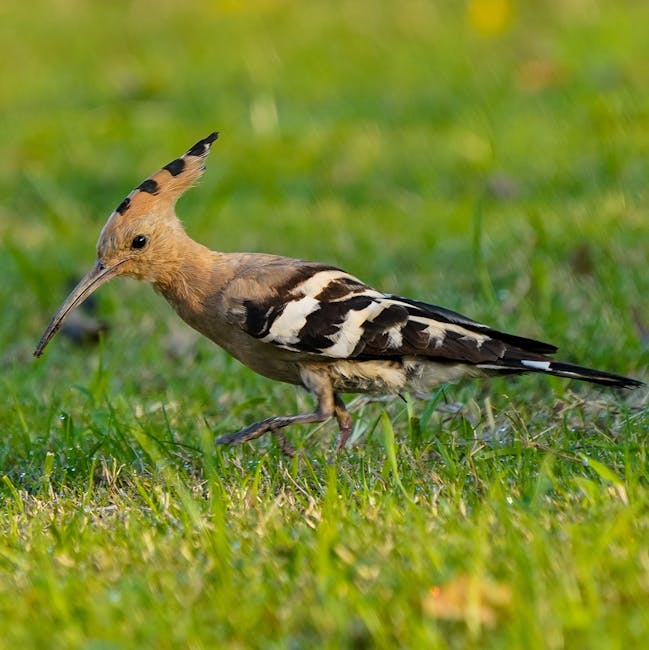
Morning Patrol Yields Solid Diversity (Image Credits: Pexels)
Early checks at Pulborough Brooks’ Ferry and Tramway areas produced 74 species in just two hours. Highlights included five Wheatears, a Common Sandpiper, and three Little Ringed Plovers. Warblers proved plentiful, with Willow Warblers and Lesser Whitethroat among them. A singing Corn Bunting in the Long Pool field stood out as an uncommon record for the site.
These finds set an encouraging tone before news of rarer birds shifted attention. The eBird checklist for the session is available here.
Rare Woodchat Shrike Steals the Show
Jim Weston discovered the Woodchat Shrike at Pagham Rife, prompting a rush of observers who enjoyed close views of the striking male. The bird shared its field with a Little Ringed Plover and Wheatear. Later returns confirmed its presence alongside three Little Ringed Plovers and another Wheatear.
Identification details revealed challenges typical of the species. The bird showed a deep red crown, jet-black feather tracts on the mantle, and some white around the eye, suggesting an adult male despite ambiguities in the remiges. No moult contrast indicated an adult, and features matched the nominate race senator from Europe. Observers noted it as the peninsula’s first in 19 years. Full day news appears on the Selsey Birder blog.
Hoopoe Call Sparks Frenzied Search
As two birders passed Halseys, a distinctive Hoopoe call rang out, initially mistaken for a phone tone. The vocalization repeated, leading to a quick scan behind the wood for any playback sources – no one was present. News spread rapidly, and a 20-minute search ensued before others took over.
This encounter lifted a personal jinx for one observer, though visual confirmation remained elusive. Both the Woodchat Shrike and Hoopoe qualified as peninsula lifers, boosting one list to 210 species.
Migrant Wave Sweeps the Area
Wheatears dominated the day’s tallies, with 11 seen personally across sites, including five at Owl Point Field alongside a male Whinchat. Additional reports added five at the Windmill, seven at Medmerry, and four at the Bill, totaling at least 29 on the peninsula – Portland logged 100. Little Ringed Plovers reached six, with another from Medmerry.
Other notables included seven Little Terns and six Whimbrel at Pagham Spit, plus two Whimbrel in the Ferry Channel. The fall highlighted a broad arrival despite conditions not favoring tailwinds.
- Five Wheatears at Ferry
- Three Little Ringed Plovers at Ferry
- 11 personal Wheatears total
- At least 29 peninsula-wide
- Six Little Ringed Plovers
- Seven Little Terns at Pagham Spit
- Singing Corn Bunting at Long Pool
Weather Defies Expectations
A light northwest wind, nearly calm at times, combined with high pressure to enable overshoots. Such conditions proved migrants could arrive even into a headwind, challenging common assumptions. The day’s successes underscored the value of persistent fieldwork.
Moth trapping added to the biodiversity notes, with species like Puss Moth and Mullein, plus new-for-year records including Iron Prominent and Ruby Tiger, reaching 57 for the season.
Key Takeaways
- Woodchat Shrike: First peninsula sighting since 2007, presumed adult male senator.
- Hoopoe: Heard calling near Halseys, search ongoing.
- Migrant surge: 29+ Wheatears, strong Little Ringed Plover counts.
This exceptional outing reminded birders that prime sightings often emerge from routine patrols. Conditions like these highlight migration’s unpredictability. What rare birds have you spotted lately? Share in the comments.