You probably picture broken pots and dusty bones when you think about archaeology, but what you are really looking at is the echo of someone’s breakfast, arguments, friendships, and worries. Archaeology lets you step into the shoes of people who never wrote down their stories, yet left their lives scattered across the ground in clues you can still read today. Instead of grand kings and famous battles, you suddenly find yourself asking small, intimate questions: What did they eat? How did they raise their kids? Where did they gather to talk?
When you start seeing artifacts as pieces of everyday routines, the ancient world stops feeling distant and starts feeling oddly familiar. You realize that a soot-stained cooking pot, a worn stone tool, or a child’s bead bracelet can tell you more about a tribe’s real life than a monument ever could. In a way, archaeology turns you into a kind of time-traveler, learning to read the landscape like a diary that has been buried for centuries. And once you see it that way, it’s hard to walk past any old ruin without wondering whose footsteps you’re quietly following.
Reading the Ground: How Archaeological Sites Capture Ordinary Moments
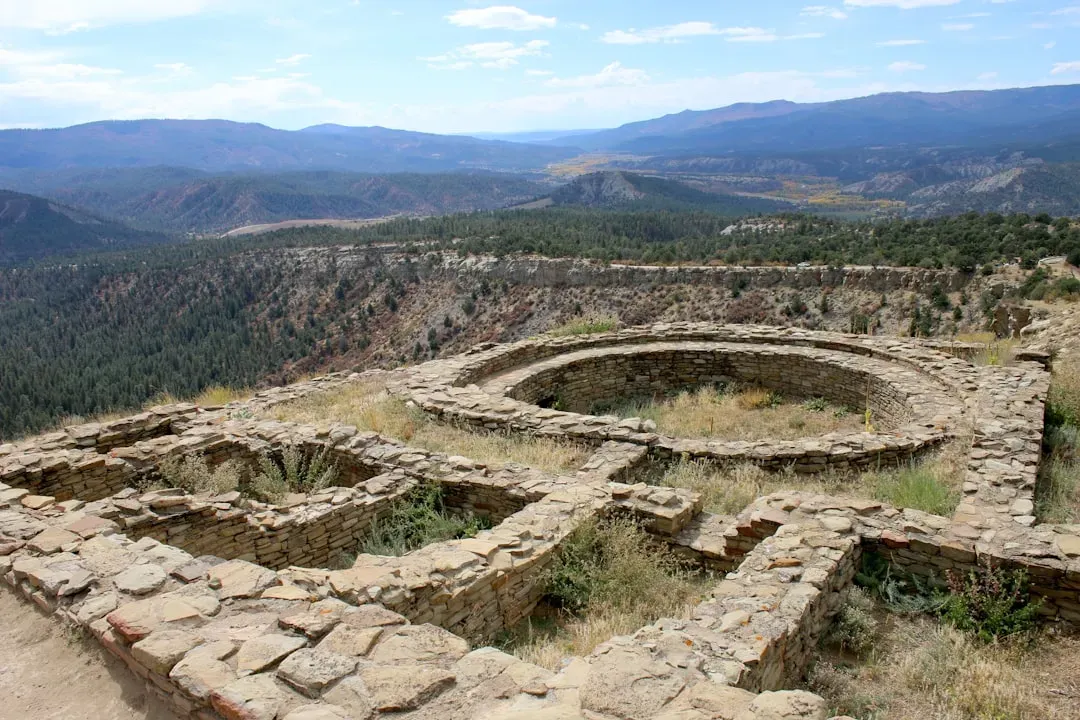
When you walk onto an archaeological site, you are basically stepping into a frozen moment that has been slowly buried grain by grain. Layers of soil, ash, and debris build up over time, and each layer captures traces of what people were doing there during a particular period. By paying attention to these layers, you can reconstruct how a place changed, how a tribe moved through it, and what kind of daily routines kept repeating over generations.
You might see a dark stain in the soil where a wooden post once stood, telling you where a house wall used to be. A cluster of broken bones and burned stones can point to a cooking area, while a patch of trampled earth might suggest a pathway that people used day after day. When you connect these pieces, you are not just mapping structures; you are tracing patterns of movement, habit, and comfort, the same way you could walk through your own home and tell where you usually sit, cook, or leave your shoes.
Tools, Pots, and Ornaments: What Everyday Objects Say About You
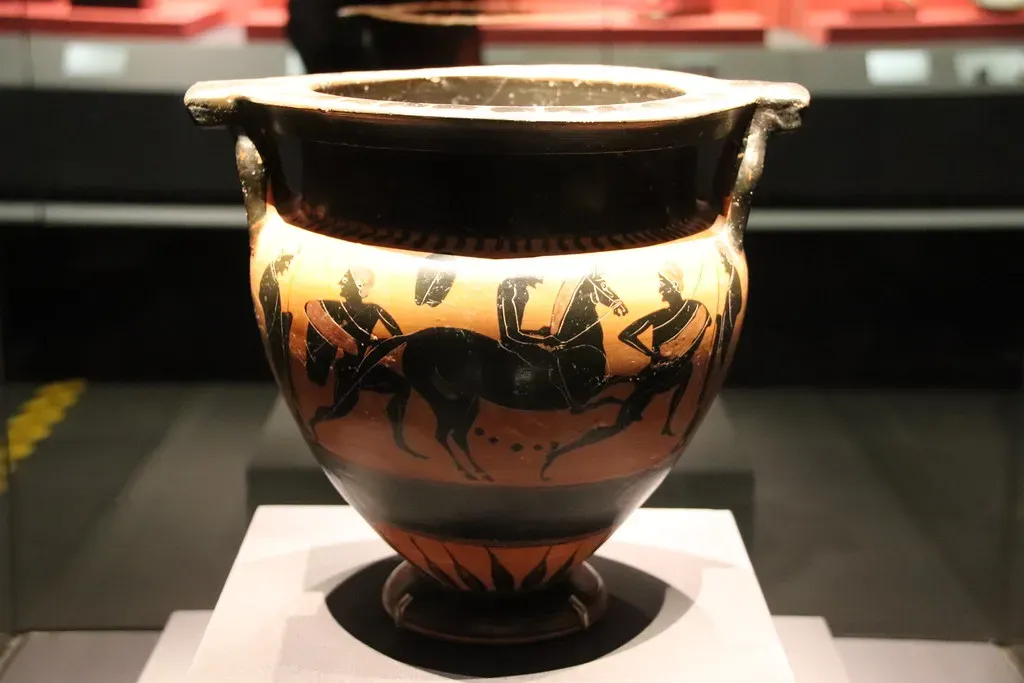
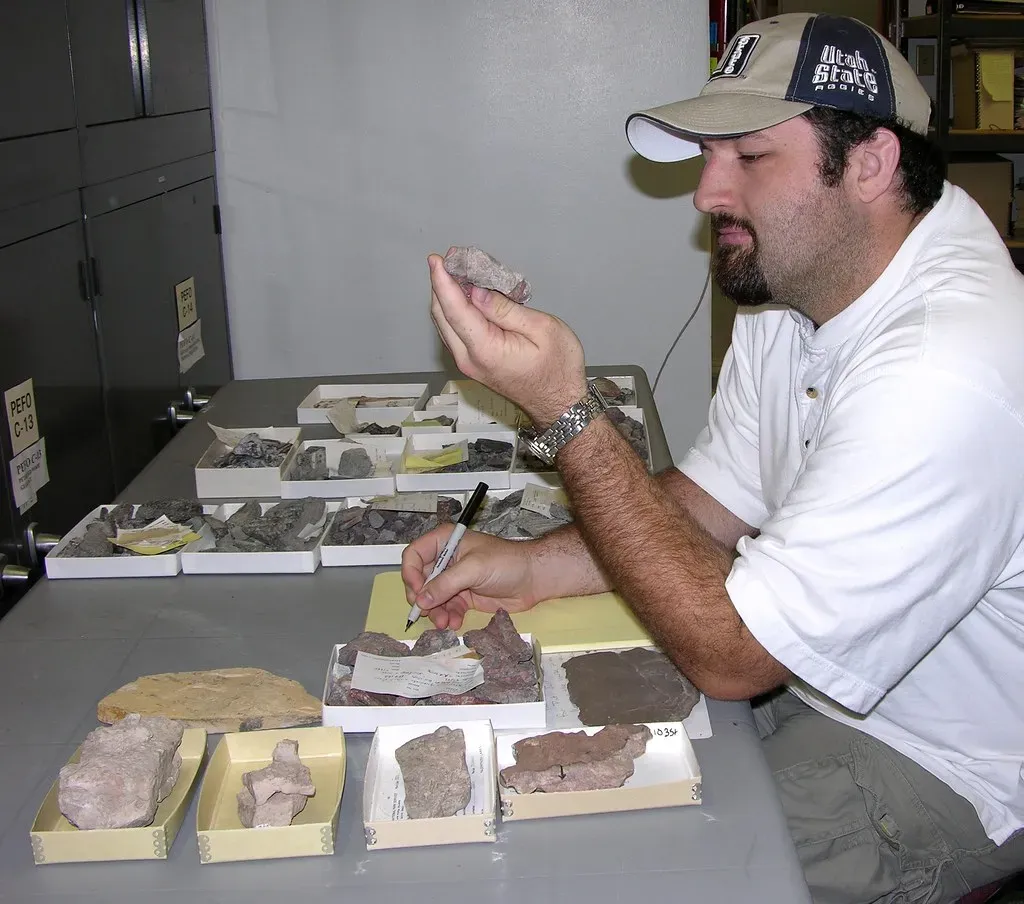
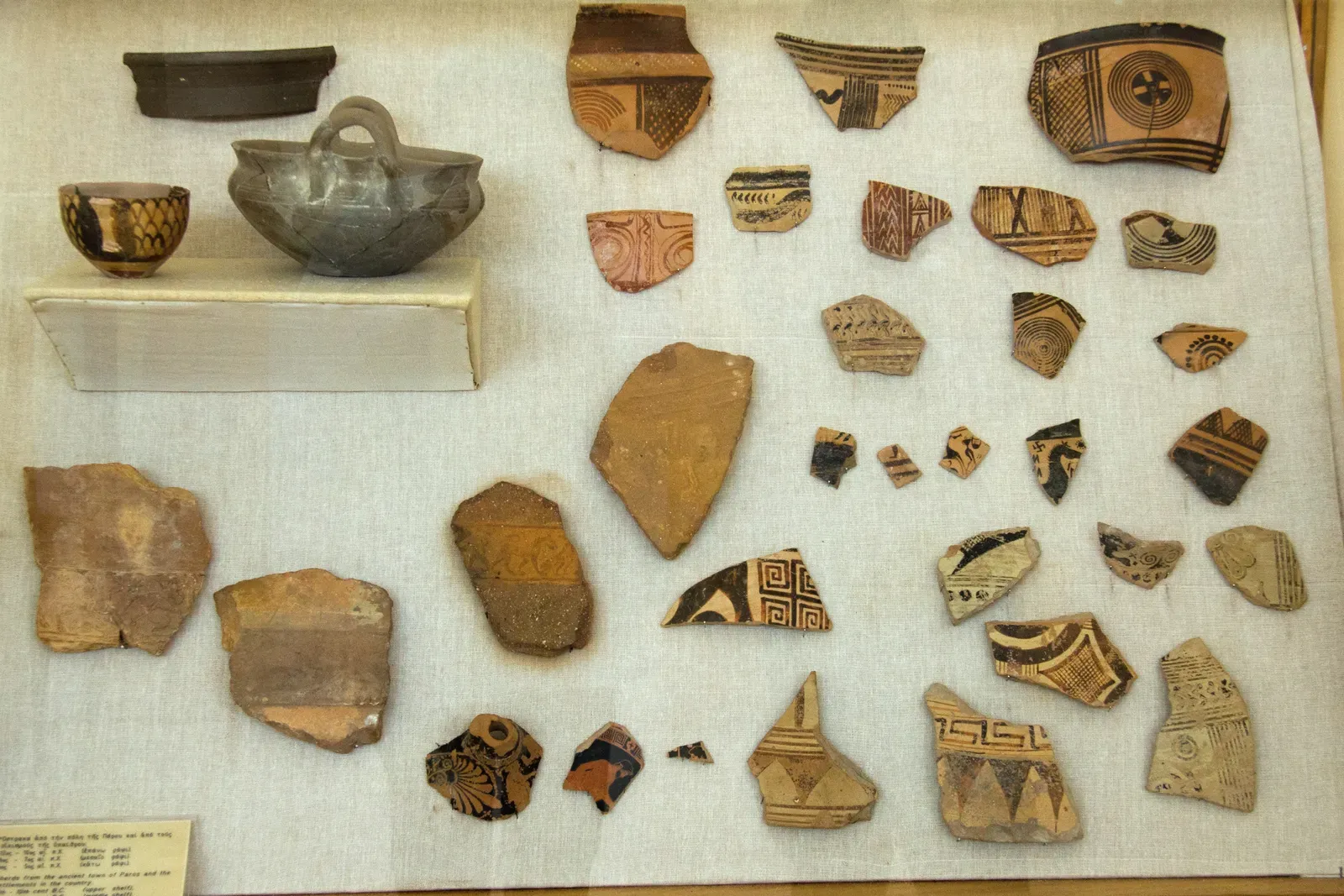
If you emptied your pockets or backpack on a table, you would reveal a lot about your life without saying a word. Archaeology does the same with ancient tools, pottery, and ornaments. When you handle a stone blade, a grinding stone, or a clay pot, you are touching technology that people relied on every single day for hunting, cooking, and storing food. The wear and tear on these objects shows you how often they were used and for what tasks.
At the same time, you can see how style and identity sneak into practical objects. A pot might be decorated with patterns that mark your belonging to a certain clan, or a bead made from a rare shell can hint at your status or who you traded with. Even small variations in shape and decoration tell you how skills were passed down, how people expressed beauty, and how traditions changed as new ideas and influences arrived. You start to realize that what people carried and cared for was as personal to them as your phone or favorite mug is to you.
Food, Fire, and Feasts: Reconstructing Ancient Diets and Cooking
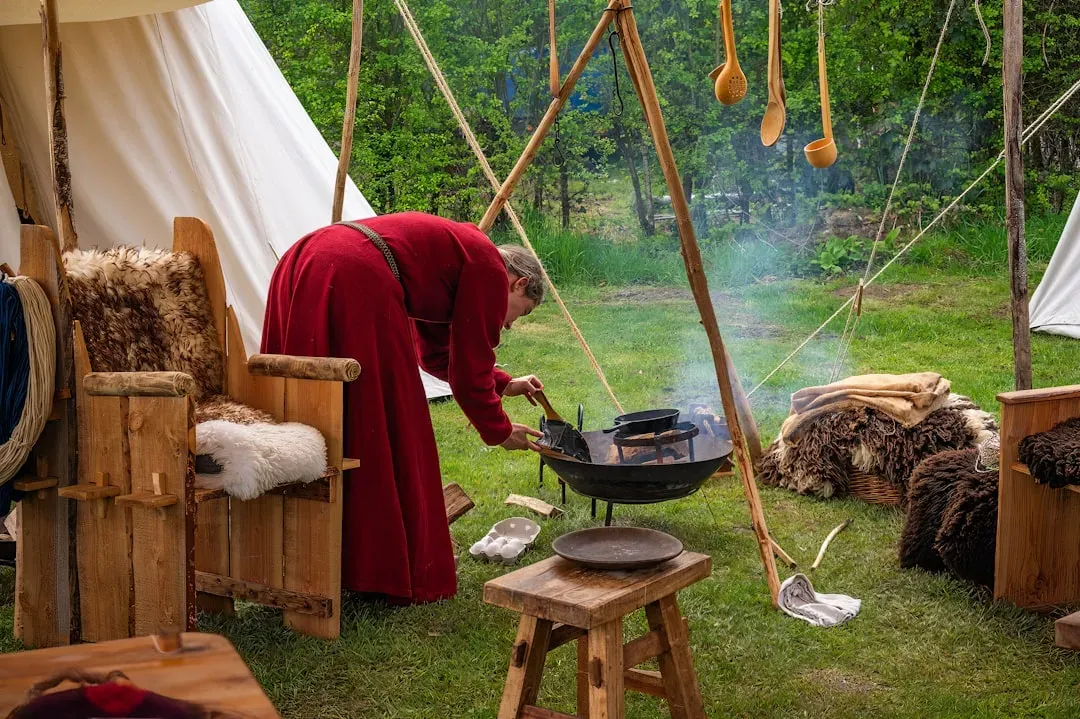
Imagine trying to guess someone’s life just by looking at their kitchen trash, because that is essentially what you do when you study ancient food remains. Charred seeds, animal bones, fish scales, and even microscopic plant residues cling to pottery and tools, quietly recording what people were eating. By examining these traces, you can tell whether a tribe relied more on hunting, gathering, farming, or fishing, and how they balanced risk and abundance across the seasons.
Fireplaces, hearths, and outdoor ovens add another layer of insight, because they show you where people cooked, warmed themselves, and probably gathered to talk and share stories. The location of these features inside a house or in a shared open space hints at whether cooking was a private family task or a more communal activity. When you see evidence of feasting, like large piles of animal bones or oversized cooking vessels, you can infer ceremonies, alliances, and celebrations, moments when daily life paused so everyone could eat and connect together.
Homes and Villages: How Space Reveals Family and Social Ties
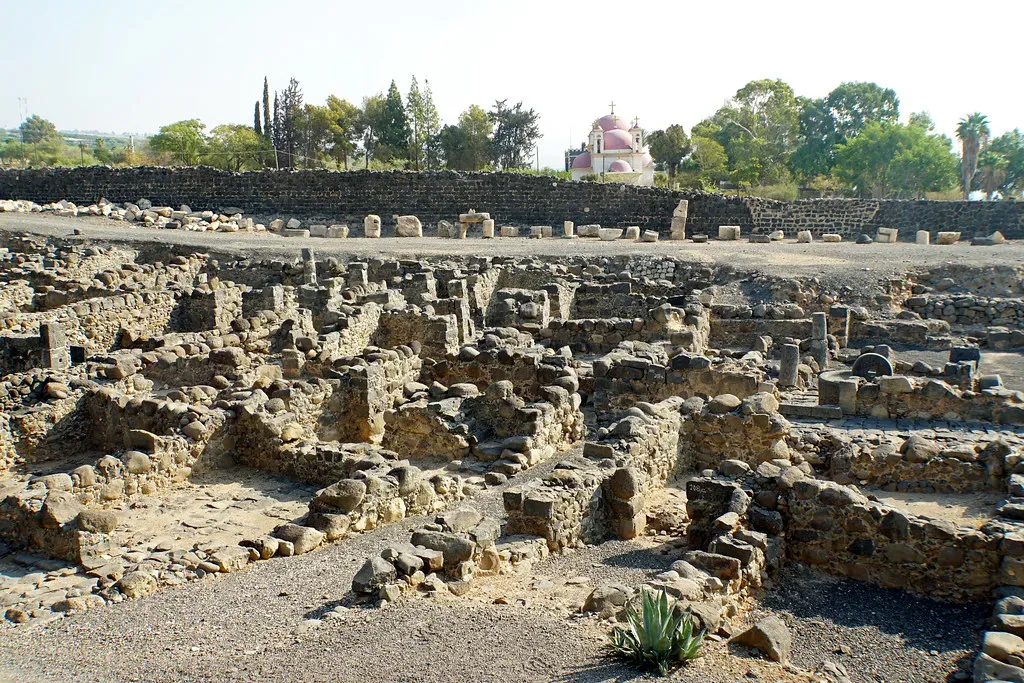
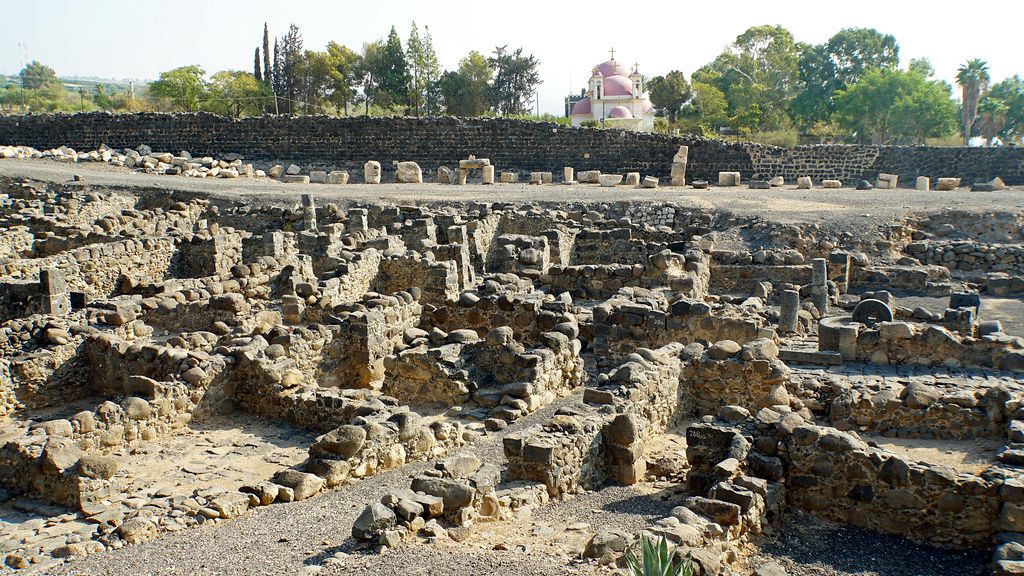
The way people arrange their homes tells you an enormous amount about how they think about family, privacy, and community. When you map out a village layout, you can see if houses cluster into tight groups, line up in neat rows, or circle around a shared central space. Each pattern reflects how close families lived, who stayed near whom, and where important social activities took place. You might notice that certain houses are larger or better built, hinting at families with more influence or resources.
Inside each dwelling, you find details that help you imagine everyday living arrangements. Sleeping areas, small storage pits, hearths, and workspaces show you who likely did what, and where. If you find loom weights or spindle whorls concentrated in one corner, for example, you can guess that textile work often happened there. When you compare houses across a settlement, you can see whether most people lived in similar conditions or whether some groups enjoyed more comfort and space, revealing subtle social differences that shaped daily interactions.
Burials and Belonging: What Graves Tell You About Life, Not Just Death
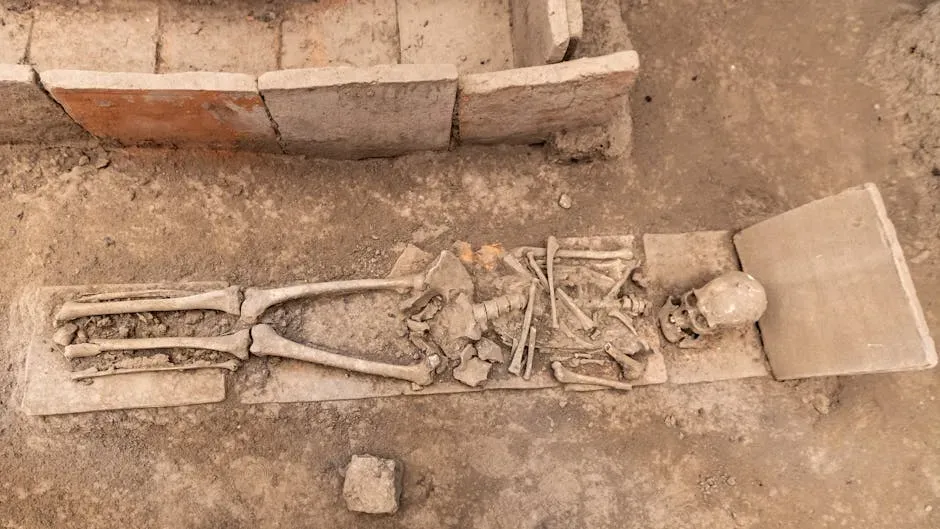
It might feel strange, but you often learn some of the most vivid details about life by looking at how people handled death. Burials show you what kind of care, respect, and beliefs a tribe held for its members. When you see people buried with tools, ornaments, or food, you understand that they were not just sending the dead away, but also expressing ideas about identity, memory, and maybe an afterlife. The position of the body, the location of the grave, and the items placed with it all speak to social roles and relationships.
Patterns across many graves can reveal who held power and who did not. If certain individuals are buried with rare objects or in special locations, you can guess that they had a higher status in the community. On the other hand, when you see similar treatment for most people, you get a picture of a more equal social structure. You also learn about age, health, and trauma from skeletal remains, giving you clues about how hard life was, what diseases people faced, and how they cared for children, elders, and the injured.
Trade, Travel, and Storytelling: Seeing Connection Beyond the Village
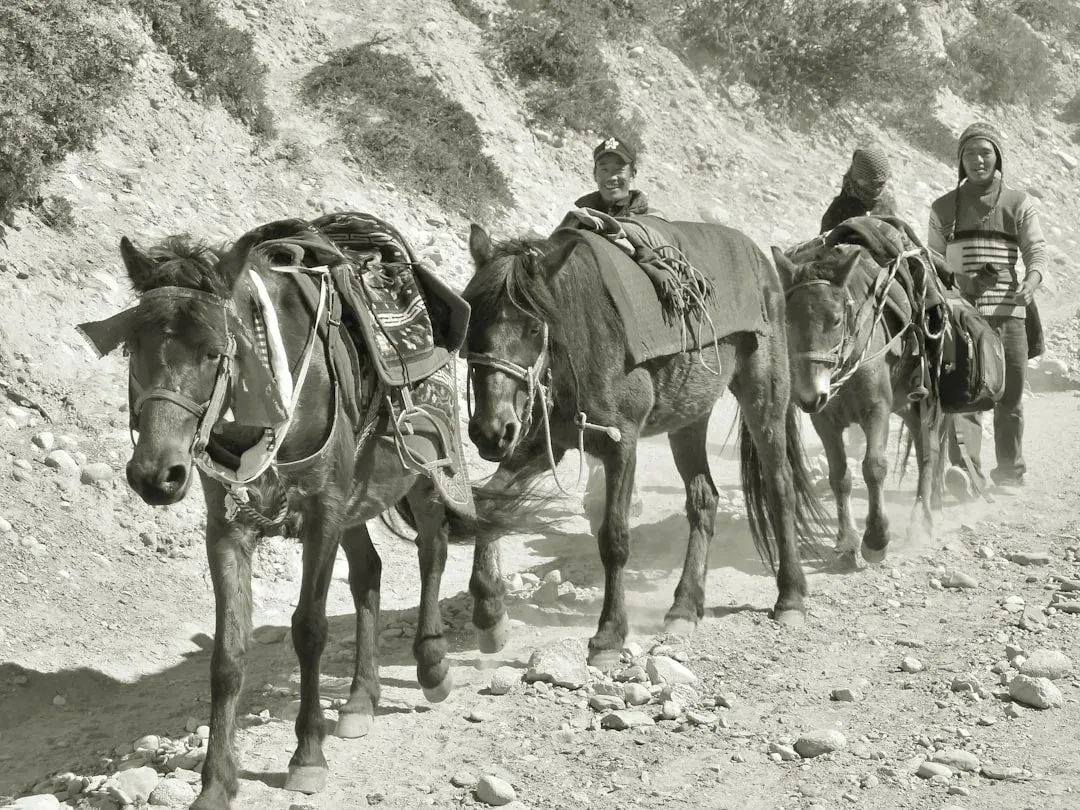
Daily life in ancient tribes did not happen in isolation, and you can see this clearly when you trace objects that came from far away. A shell from a distant coast, a stone tool made from non-local rock, or a design that appears in far-flung regions all tell you that people were moving, trading, and sharing ideas. When you map where materials originate, you are effectively drawing old trade routes that linked small communities into wider networks of exchange and influence.
Along with goods, stories and beliefs traveled too, and you can glimpse this in shared symbols, burial customs, or artistic styles that pop up in separate places. You might not hear the actual myths, but you see their fingerprints in recurring motifs on pottery, carvings, or body ornaments. This lets you imagine evenings where travelers arrived with news, songs, and rumors, weaving distant events into local life. In this way, archaeology shows you that even small tribal communities were part of much larger worlds, connected through paths worn by countless feet before yours.
From Trenches to Your Imagination: Why Archaeology Still Matters to You
When you follow the work of archaeologists, you are not just collecting dry facts about old objects; you are training yourself to see your own world differently. You start noticing how much of your daily life leaves a trace, from footprints on a trail to the layout of your kitchen. That awareness helps you appreciate how ordinary gestures add up to a bigger story, just like they did for people in ancient tribes. It also reminds you that your own habits and choices will one day shape how future people understand your time.
Archaeology also gives you a powerful sense of continuity, because it shows you that people have always worried about food, safety, belonging, and meaning, even if the tools and settings have changed. You recognize familiar emotions in unfamiliar landscapes, and that can be surprisingly comforting. You realize that when you look at ancient hearths, toys, ornaments, and homes, you are looking at different versions of yourself. That recognition can spark a deeper respect for cultures past and present, and maybe nudge you to ask what traces of your life you want to leave behind.
In the end, when you unearth the past, you are really learning how to read the quiet language of things people left behind, and that language tells you that no life is truly ordinary. Every broken pot, worn-out tool, and carefully prepared grave whispers about love, effort, fear, and hope that once filled the space you are standing in now. As you listen to those whispers, you might find yourself thinking a little more carefully about the objects and routines that make up your own days. After all, if someone dug up your world in a thousand years, what kind of daily life would they see in you?