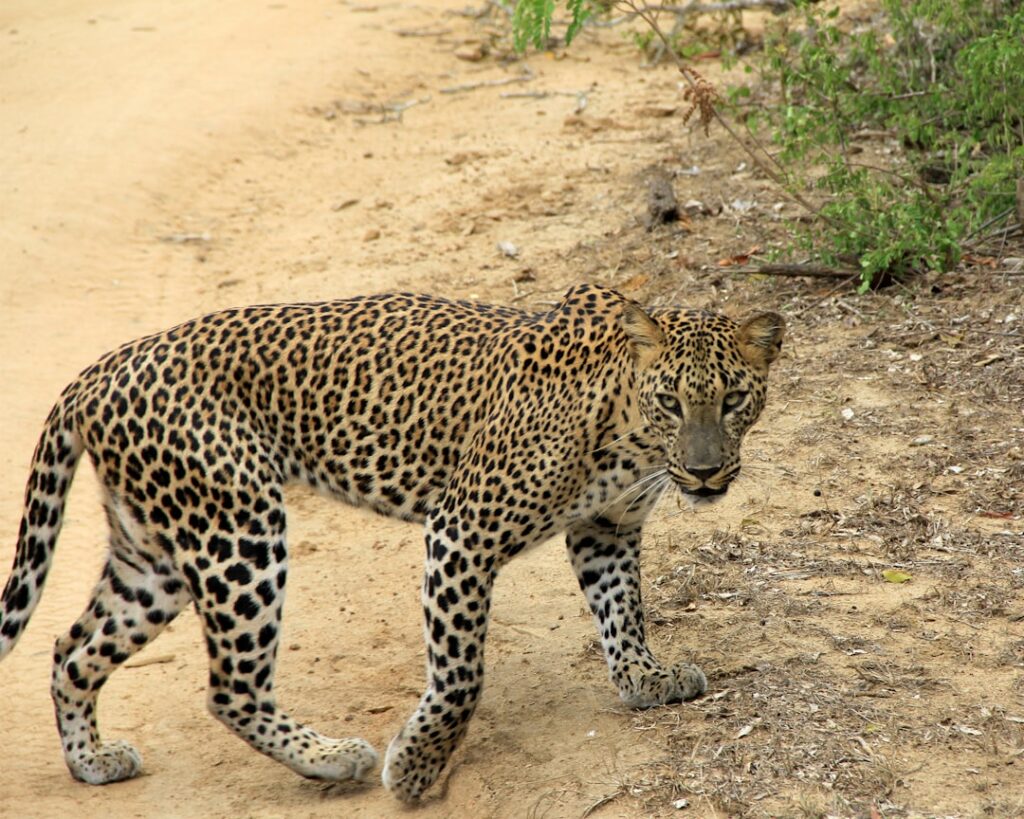
Yala National Park, Sri Lanka – Renowned for harboring one of the world’s highest leopard densities, the southern park welcomed more than 380,000 visitors from January to June 2025, generating over $5 million in revenue. This economic boon, however, has fueled persistent overcrowding in Block I, where safari jeeps often speed through narrow roads and cluster during sightings. Conservationists warn that these practices endanger the very wildlife that draws crowds, turning dream safaris into potential disasters for leopards and other species.
Block I Draws Record Crowds to Leopard Territory
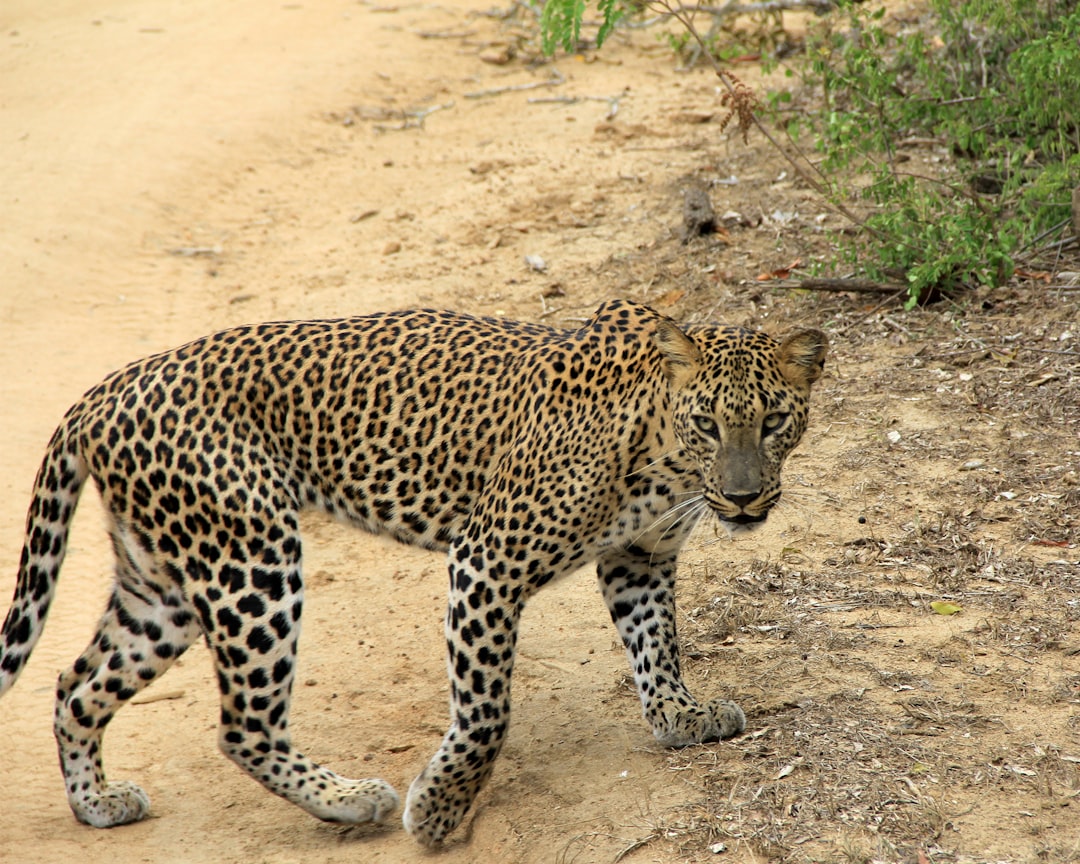
Block I Draws Record Crowds to Leopard Territory (Image Credits: Unsplash)
Block I boasts at least one leopard per square kilometer, making it a magnet for enthusiasts eager to glimpse these elusive predators. Wildlife photographer Milinda Wattegedara noted that around 500 jeeps enter the park for morning and afternoon sessions, leading to severe traffic jams whenever a leopard appears. Mobile signals inside the park allow drivers to alert each other, rapidly swelling lines of vehicles and stressing the animals.
Leopards here have grown accustomed to human presence, sometimes resting openly on roads, which heightens visitor excitement but amplifies risks. Srilal Miththapala, a veteran wildlife expert, explained that this acclimatization stems from abundant resources like food and water, supporting high populations of herbivores and predators alike. Yet, the constant engine noise and proximity disrupt natural behaviors.
A Trail of Collisions and Close Calls
Several incidents underscore the dangers of speeding jeeps. In October 2011, a young leopard died in a hit-and-run safari vehicle accident, followed by another jungle cat’s death in a similar event in June 2012. A 2021 collision between two jeeps injured a local visitor, highlighting perils for humans too.
More recently, prominent male leopard Lucas sparked alarm after a jeep approached too closely. Yala warden Ravindra Kumara clarified that the driver failed to switch off the engine as trained, startling the cat, though Lucas recovered and resumed patrolling his territory. These cases reveal how overcrowding escalates hazards in the 979-square-kilometer park, which spans five blocks and supports diverse species from elephants to birds.
Tourism Boom Fuels the Crisis
The social media era transformed Yala visits, Wattegedara observed. Pre-2000s trips required full-day journeys and attracted dedicated nature lovers; now, quick shares drive mass arrivals, with over 50% of foreign tourists hitting wildlife parks, up from 30% a decade ago. Drivers earn substantial tips – $50 to $100 per sighting – further incentivizing aggressive pursuits.
Block I’s appeal lies in its predator-prey dynamics, but unchecked growth strains ecosystems. Miththapala pointed out that many visitors seek only to “tick the leopard box,” prioritizing sightings over ethical observation. This shift, combined with poor road infrastructure, perpetuates chaos despite Yala’s status as a top global wildlife venue.
Training and Regulations Take Shape
Authorities responded with driver training programs from the Department of Wildlife Conservation (DWC) and groups like the Wildlife and Nature Protection Society (WNPS). Since January 2024, only 552 licensed jeeps enter, with fines or suspensions for violations like ignoring distance rules, according to Yala Jeep Owners’ Association president Ajith Priyantha.
A 2017 action plan urged one trained guide per vehicle, while a 2019 study outlined 16 traffic mitigation steps. Conservationist Supun Lahiru Prakash emphasized that skilled guides enhance satisfaction even without major sightings. Spencer Manuelpillai of WNPS called for stricter enforcement to prioritize animal welfare over proximity chases.
- Expand and maintain internal roads
- Ban mobile phone use for coordinating sightings
- Limit jeeps per session
- Enforce time caps at animal views
- Implement one-way driving routes
- Install GPS trackers and speed limiters
Future Plans Aim for Balance
Deputy Environment Minister Anton Jayakody announced intentions to cap jeeps at 250-300, open less-visited blocks like III-VI, and upgrade roads this year.[2] Rotational access and technology could restore tranquility, positioning Yala ahead of African competitors for ethical leopard viewing.
These measures address root causes while sustaining economic benefits. Prakash advocated rehabilitating paths through targeted management to preserve visitor appeal without compromising habitats.
Key Takeaways
- Overcrowding in Block I stems from 500 daily jeeps and social media hype, risking wildlife through jams and speeds.
- Past deaths and recent scares highlight urgent needs for enforcement.
- Licensing, training, and proposed limits offer hope for sustainable tourism.
Restoring harmony in Yala demands collective commitment from drivers, visitors, and officials. Sustainable practices could ensure future generations witness leopards thriving in their natural realm. What do you think about balancing tourism and conservation here? Tell us in the comments.