Iowa – Wetlands on private lands stand at the intersection of wildlife preservation and water quality improvement across the state’s expansive agricultural regions. These natural areas filter pollutants from runoff and provide essential habitats for diverse species. Researchers from Iowa State University prepare to share data-driven insights through an upcoming webinar hosted by The Wildlife Society’s Private Lands Working Group.
Wetlands as Multifunctional Assets
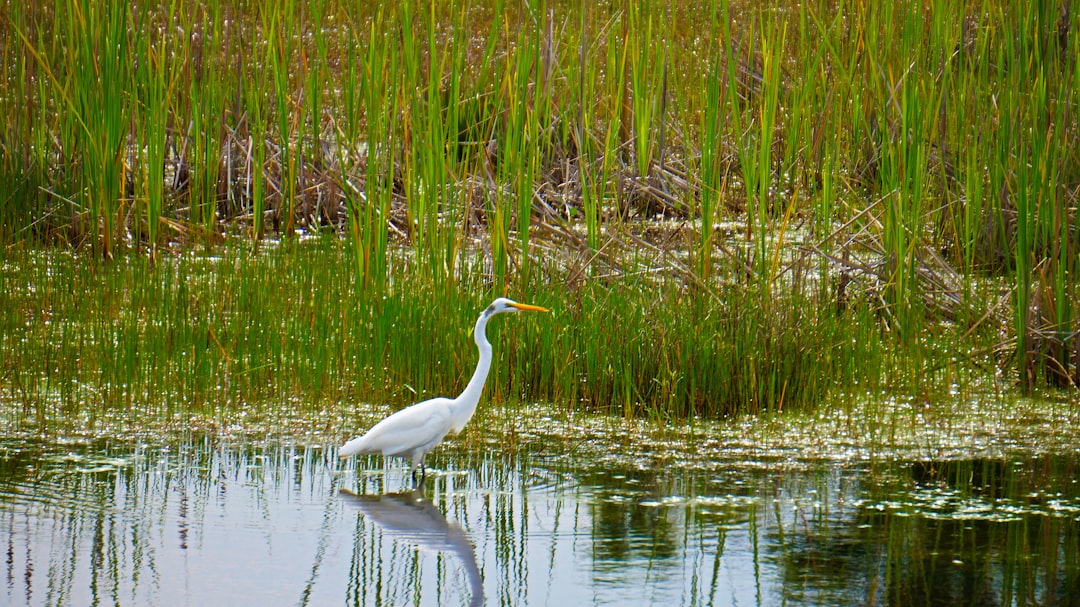
Wetlands as Multifunctional Assets (Image Credits: Unsplash)
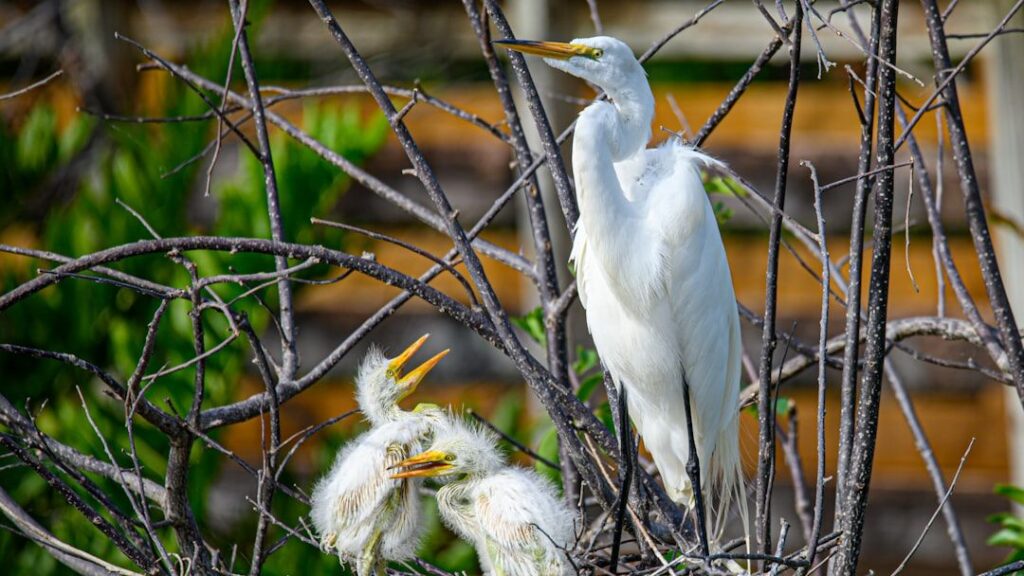
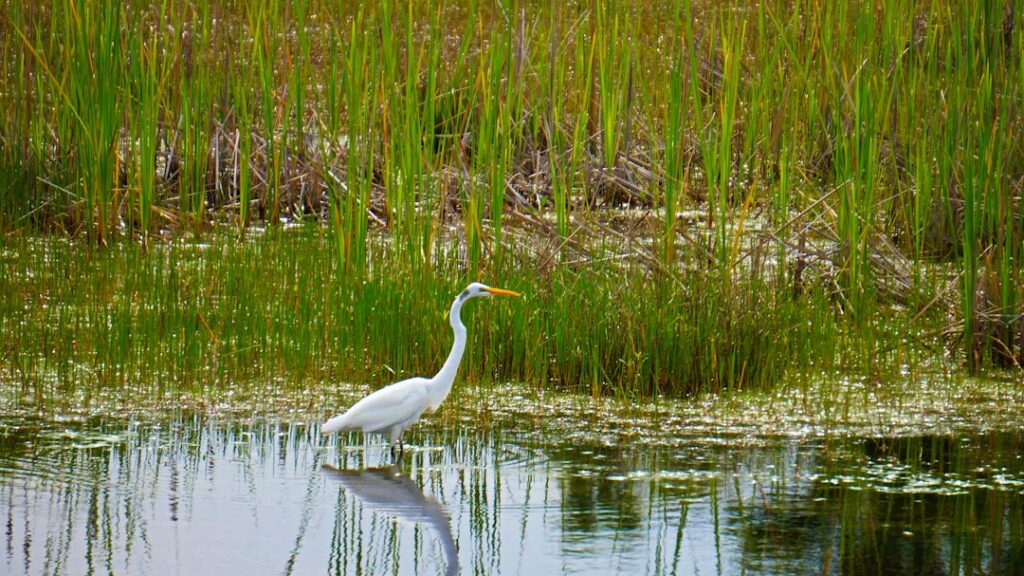
Private lands dominate Iowa’s landscape, making them critical for conservation efforts. Wetlands embedded in these properties support wildlife by offering breeding grounds, foraging areas, and migration stopovers. Such features prove especially valuable in a state where farming covers vast expanses.
These same wetlands contribute to water quality by trapping sediments and nutrients before they reach rivers and streams. Conservation practices on private properties thus address two pressing needs simultaneously. The Private Lands Working Group emphasizes this synergy in its programming.
Empirical Models Guide Conservation Strategies
Iowa State University researchers have developed empirically informed models to quantify wetland benefits. These tools predict wildlife responses to habitat restoration on private lands. Case studies illustrate real-world applications, demonstrating measurable gains for both species and water resources.
Such research equips landowners with evidence-based approaches. Participants in conservation programs can prioritize high-impact wetland enhancements. The models account for Iowa’s unique topography and land use patterns, ensuring relevance to local conditions.
Spotlight on the Upcoming Webinar
The webinar, scheduled for May 21, 2026, from 1:00 p.m. to 2:00 p.m., will feature presentations from Iowa State experts. Attendees will explore model results alongside practical case studies. This event coincides with Iowa hosting The Wildlife Society’s 33rd Annual Conference.
Registration remains open via Zoom. Sessions are recorded and posted at wildlife.org/events shortly after. The Wildlife Society provides up to one Continuing Education Unit in Category I for Certified Wildlife Biologists.
Private Lands in Iowa’s Conservation Landscape
Most of Iowa’s wildlife depends on private properties for survival. Landowners play a pivotal role through voluntary practices that restore wetlands. These efforts align with broader goals of sustainable agriculture and ecosystem health.
Success stories from case studies highlight scalable solutions. Farmers and rural stewards implement changes that yield long-term environmental returns. Partnerships between universities, societies, and landowners amplify these impacts statewide.
- Wetlands filter agricultural runoff effectively.
- They bolster populations of waterfowl and amphibians.
- Restoration enhances landscape connectivity for species movement.
- Models help target investments for maximum benefit.
- Private initiatives complement public conservation programs.
Key Takeaways
- Private wetlands in Iowa support wildlife while improving water quality.
- Iowa State models and case studies offer practical guidance.
- Join the May 21 webinar for expert insights and CEUs.
Conservation on private lands promises enduring benefits for Iowa’s ecosystems. Wetlands emerge as a cornerstone strategy, backed by rigorous research. Landowners and enthusiasts alike stand to gain from these integrated approaches. What do you think about these efforts? Tell us in the comments.