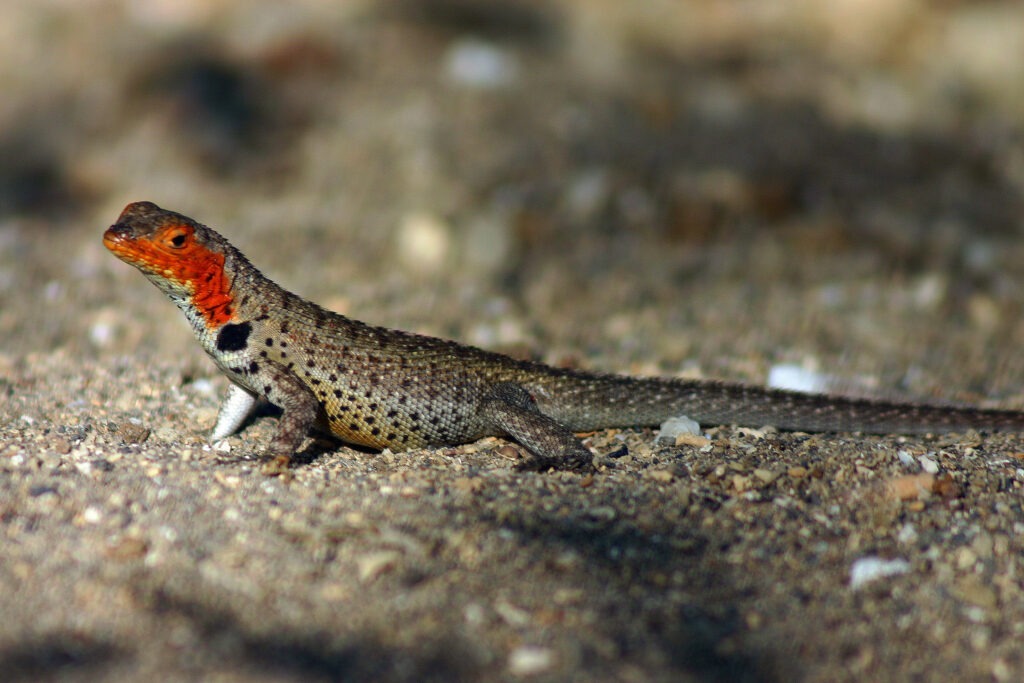
Researchers have exposed a critical vulnerability in South American reptile populations amid accelerating climate change. Embryos of the Amazon lava lizard developed profound physical abnormalities when incubated under warmer conditions projected for coming decades. This discovery underscores how subtle shifts in nest temperatures could cascade into population declines for species ill-equipped to adapt.
Details of the Controlled Study
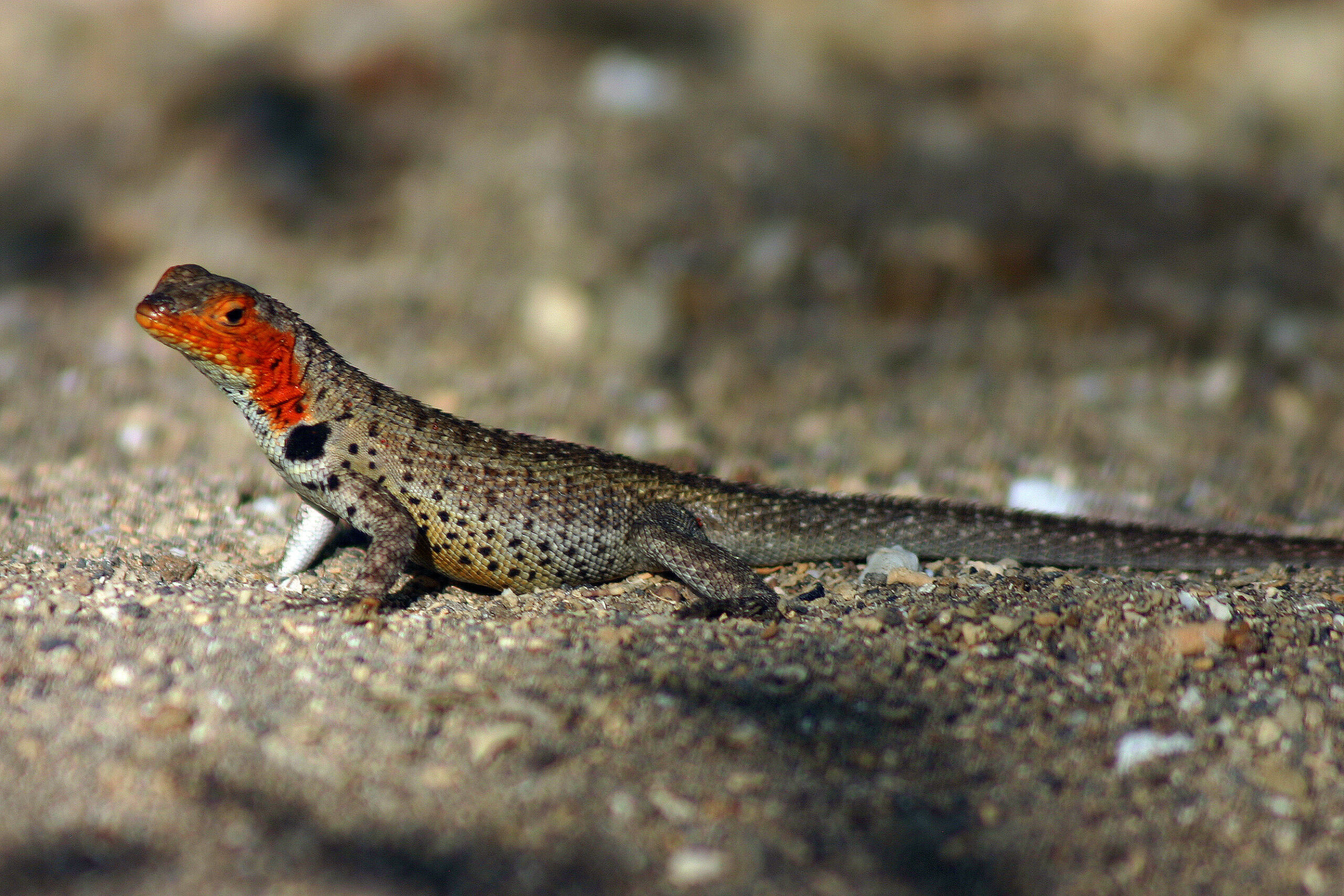
Details of the Controlled Study (Image Credits: Upload.wikimedia.org)
Scientists focused on Tropidurus torquatus, a common Neotropical ground lizard found across South America. They gathered 159 eggs and subjected them to five incubation temperatures between 83 and 95 degrees Fahrenheit. These ranges mirrored both present-day nest conditions and those anticipated under future warming trends.
The experiment aimed to isolate the direct impact of heat on embryonic development. Lizards lay eggs that rely entirely on environmental warmth for incubation, leaving offspring unable to regulate their own temperatures. Results painted a grim picture of survival prospects in hotter climates.
Disturbing Rates of Hatching Failures and Defects
Only 84 eggs successfully hatched, less than half of the total laid. Among survivors, more than one-third exhibited malformations. Deformities ranged from twisted tail vertebrae to irregular pigmentation patterns.
Severer issues appeared in unhatched embryos, including cases where the brain protruded outside the skull. Mortality escalated sharply with temperature: each one-degree Celsius rise boosted an egg’s death risk by 80 percent. These patterns suggest that even modest warming could slash recruitment rates for lava lizard populations.
- Deformed tail vertebrae, impairing mobility.
- Abnormal coloring, potentially affecting camouflage.
- Encephalocele-like conditions, where neural tissue develops externally.
- Higher embryonic death before hatching.
- Overall hatching success below 53 percent.
Conservation Challenges in a Warming World
Neotropical lizards already face habitat loss and predation pressures. Climate-induced embryonic failures compound these threats, potentially tipping vulnerable species toward decline. The Amazon lava lizard, while widespread, serves as a sentinel for broader reptile communities.
Conservationists now grapple with limited options to shield nests from rising heat. Shading vegetation or burrow modifications might offer partial relief, though scaling such interventions proves daunting. Long-term strategies must integrate climate modeling with on-ground monitoring.
Insights from the Research Team
The study’s authors emphasized the hidden toll on unhatched embryos. “Many severe malformations occurred in embryos that failed to hatch,” they noted in their paper.
Published this month in Frontiers in Amphibian and Reptile Science (DOI: 10.3389/famrs.2026.1756660), the work draws from rigorous lab conditions. It builds on prior observations of temperature-sensitive reptile development. Findings urge immediate attention to tropical ectotherms.
Details first surfaced via The Wildlife Society, a key voice in wildlife management.
As global temperatures climb, embryonic resilience emerges as a pivotal factor in species survival. This lava lizard case study warns of invisible crises brewing in nests worldwide. What steps can protect these foundational populations before declines accelerate? Share your thoughts in the comments.
- Higher incubation temperatures slashed hatching success and spiked deformities in Amazon lava lizards.
- Each 1°C increase raised egg mortality by 80 percent.
- Climate change poses acute risks to Neotropical reptile reproduction.