
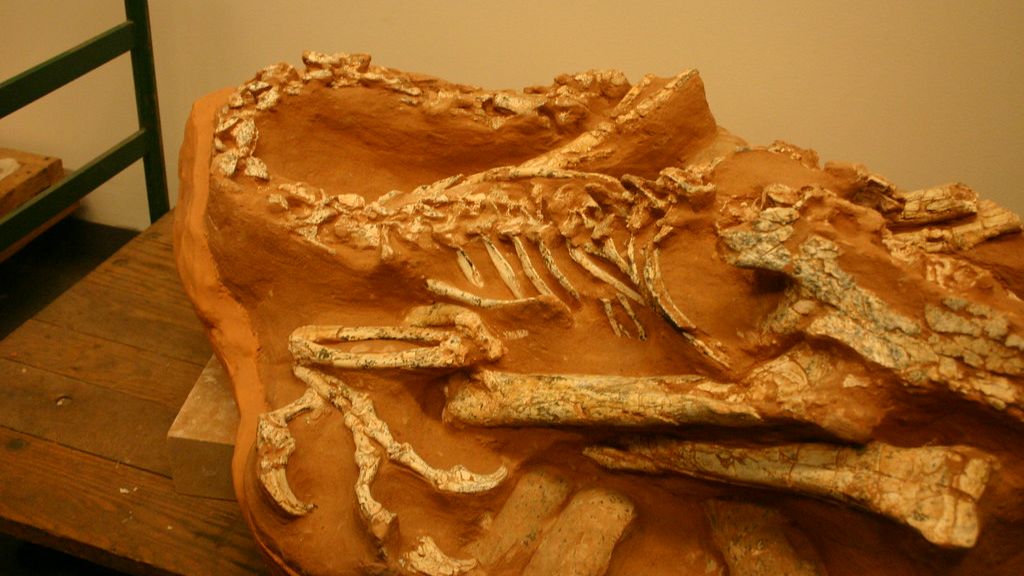
If you grew up picturing dinosaurs as a fixed cast of characters – T. rex, Triceratops, Stegosaurus and a few others – you might be shocked by how fast that mental museum is going out of date. In the last couple of decades, you’ve been living through what many paleontologists casually call a golden age of dinosaur discovery, with new species named almost every single week worldwide. Every time another fossil is pulled from rock, your old assumptions about how dinosaurs looked, lived, and evolved are quietly being rewritten.
What used to feel like a neat, orderly family tree has turned into a messy, fascinating tangle of branches that keep splitting and shifting. You now have feathered dinosaurs in colors you never imagined, tiny tyrannosaurs running under the feet of giants, and plant‑eaters with weapons and display structures that look more like science fiction than natural history. As new species are described and old ones are re‑examined with modern tools, the dinosaur families you thought you knew are being reorganized from the ground up.
Why You’re Hearing About So Many “New” Dinosaurs
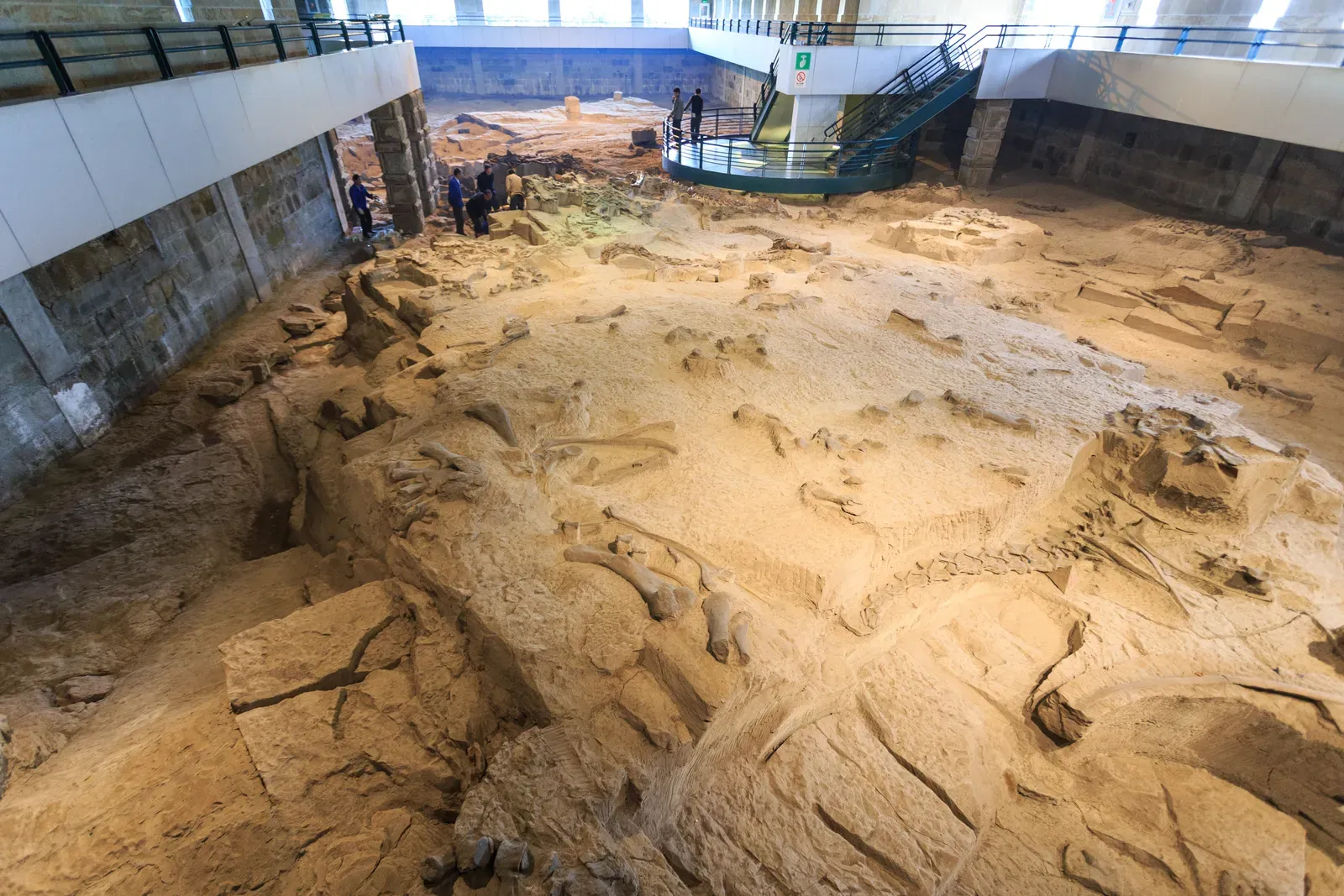
When you see headlines about yet another new dinosaur species, it might feel like scientists are suddenly tripping over fossils that were never there before. In reality, a lot of what you’re seeing is the result of better tools, more systematic digging, and a global surge of interest in paleontology. You’re living in a time when CT scanning, digital modeling, and detailed statistical analysis can tease apart differences in bone shape that older generations simply had to eyeball.
You’re also benefiting from more fieldwork in places that were historically under‑explored or politically closed to foreign scientists. Regions in China, Mongolia, South America, and parts of Africa are yielding fossils that expand your view of dinosaur diversity far beyond the classic North American and European line‑up. As more teams work in more rocks of more ages, you’re naturally seeing gaps in the dinosaur record fill in, and that steady stream of discoveries keeps forcing the family tree to be redrawn.
How One New Species Can Reshuffle an Entire Family
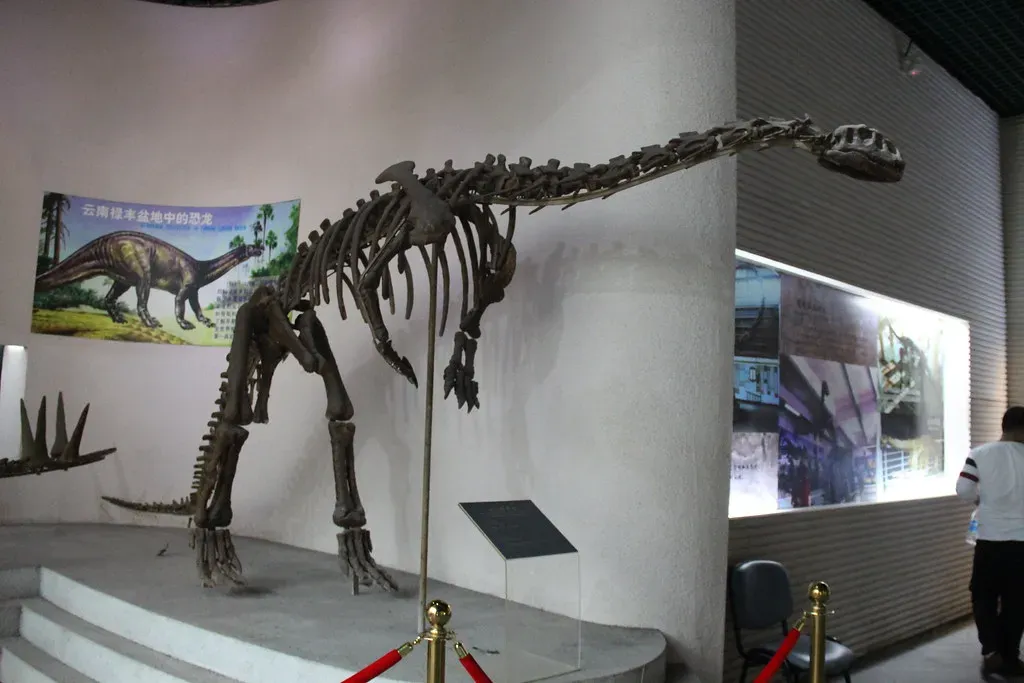
It’s easy to assume a new dinosaur species is just a new name on an already crowded list, but for you as a curious observer, a single skull or skeleton can have much bigger consequences. When researchers find features that don’t fit neatly into existing groups, they have to reconsider who is related to whom. Maybe that neck vertebra looks halfway between two established families, or the hip bones combine traits you previously thought never appeared together. Suddenly, your tidy categories start to blur.
The moment scientists plug that new species into a large evolutionary analysis, the whole branching pattern can shift. You get families being merged, split, or repositioned deeper or shallower in the dinosaur tree. Sometimes a species you’ve known for years gets reassigned to a different family, or a familiar family turns out to be more diverse and widespread than you were taught. Each new species acts like a puzzle piece that doesn’t just complete a corner; it can force you to rotate the whole picture.
Famous Dinosaurs Are Not as Fixed as You Think
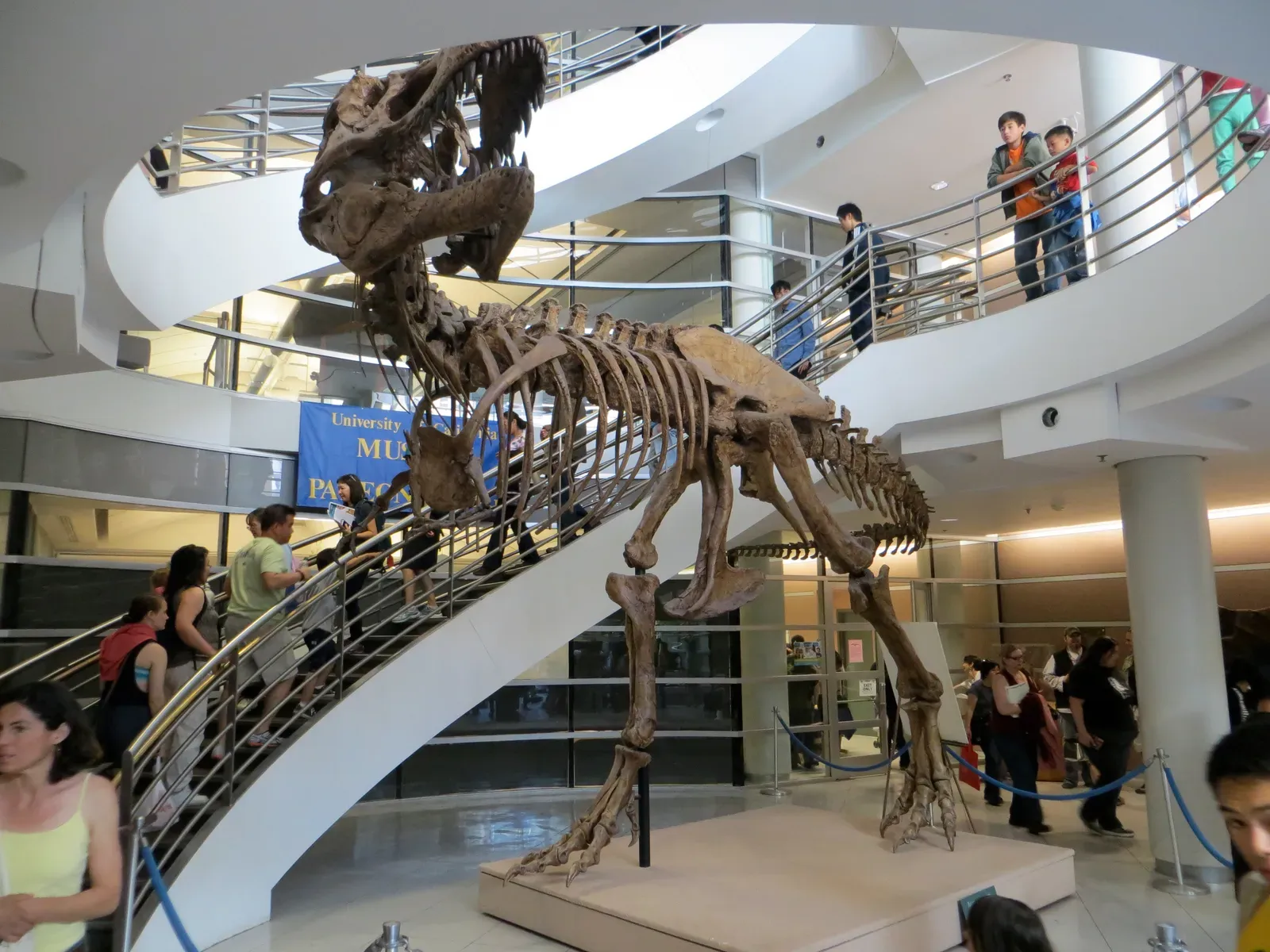
Even the celebrity dinosaurs you grew up with are not immune to this constant reshuffling, and that can be a bit unsettling if you like clear, stable answers. You might remember when certain horned dinosaurs were argued to be just growth stages of others, or when long‑accepted species were merged, split, or renamed after closer study. For you, this means that the dinosaur on a museum label or in a childhood book might not match how researchers talk about it today.
Revisions like that are not scientists changing their minds on a whim; they’re a sign that the evidence you rely on is getting sharper. As more fossils of the same “kind” of dinosaur turn up from different ages or locations, you see patterns that suggest some skull shapes belong to juveniles, some to adults, and some to genuinely separate species. The result is that the roster of classic dinosaurs you know is being quietly edited in the background, all because fresh discoveries keep challenging old categories.
Feathered Dinosaurs and the Blurry Line With Birds
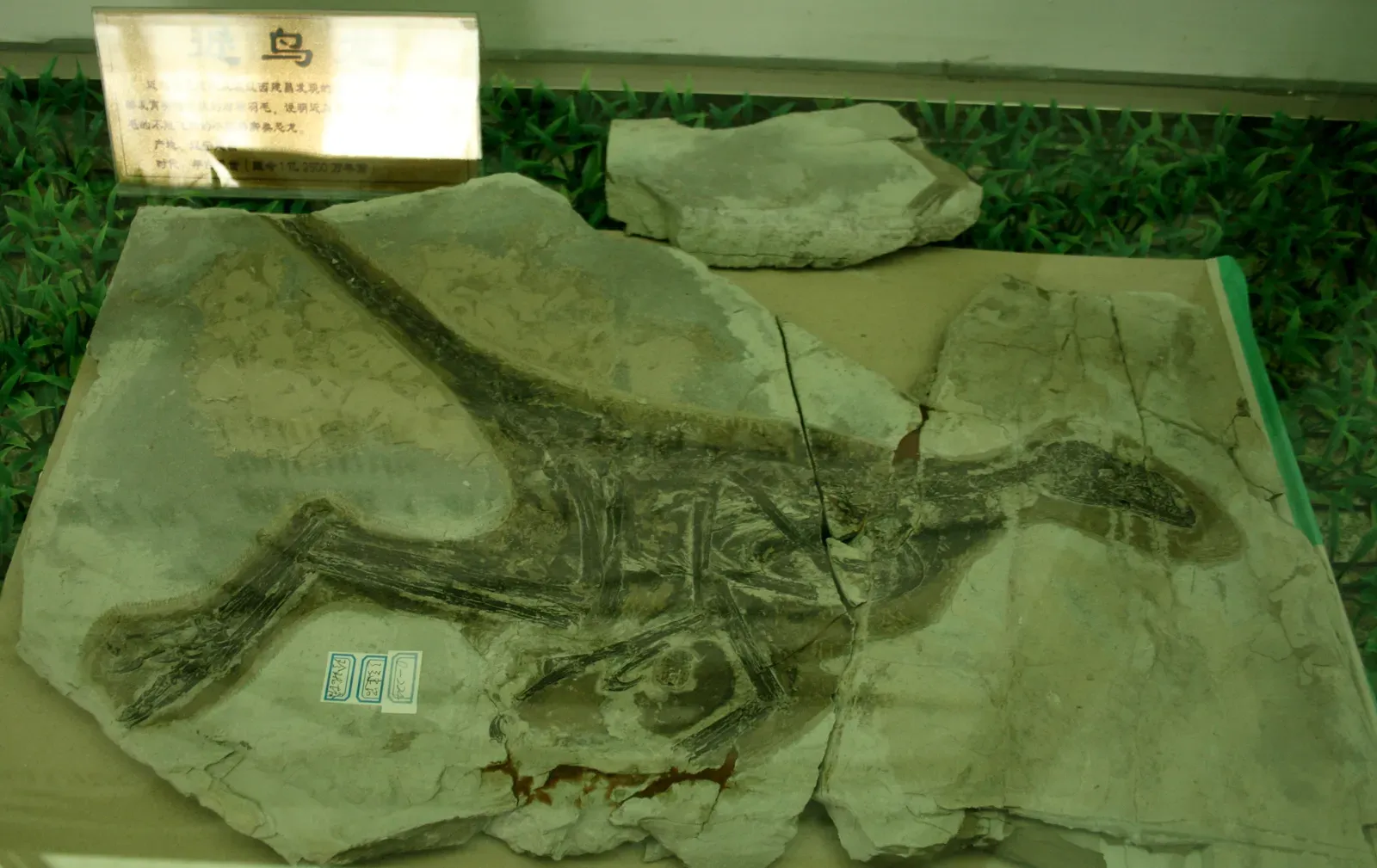
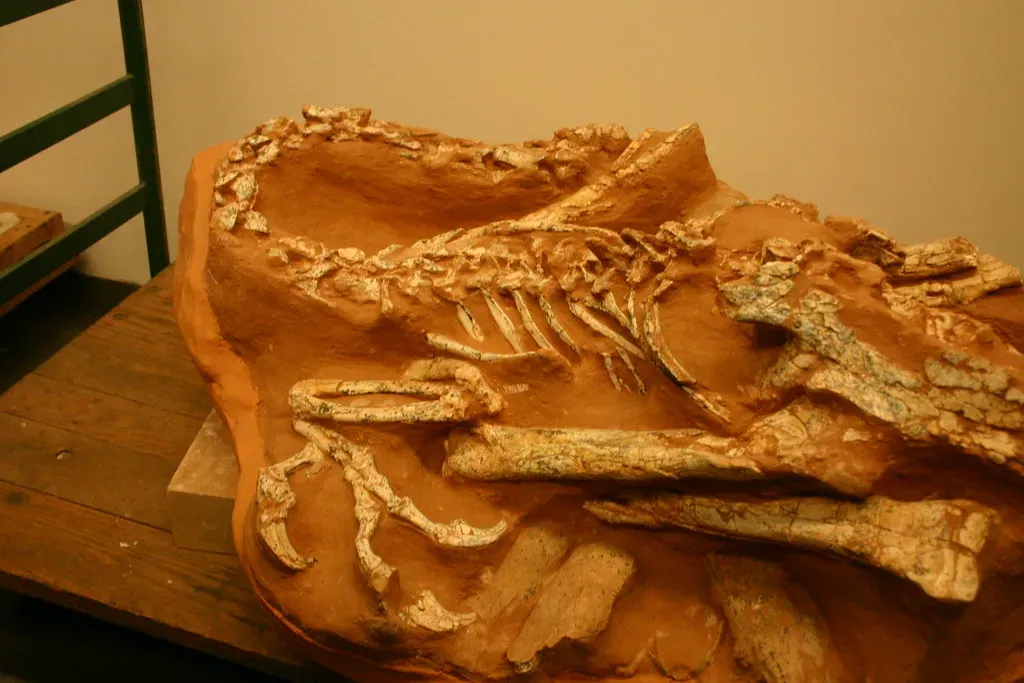
Uploaded by FunkMonk, CC BY-SA 2.0)
Nothing has shaken your mental picture of dinosaur families more than the ongoing wave of feathered dinosaur discoveries, especially from fossil‑rich sites in northeastern China. You now see predators that once looked like scaly lizards reimagined with tufts, filaments, and full, complex feathers. For you, that blurs the line between what you call a dinosaur and what you call a bird, because many of these animals sit uncomfortably in between.
As more feathered species are described, the traditional boundaries around the “raptor” families and their closest bird relatives keep moving. You’re no longer dealing with a simple split between dinosaurs and birds; instead, you’re looking at a gradient of forms where flight‑related traits appear step by step. That changes how you think about entire families: structures you once treated as specialties of birds now show up in non‑avian relatives, and features that seemed unique to one group turn out to be shared across several branches.
New Horns, Spikes, and Armor Change How You See Plant‑Eaters
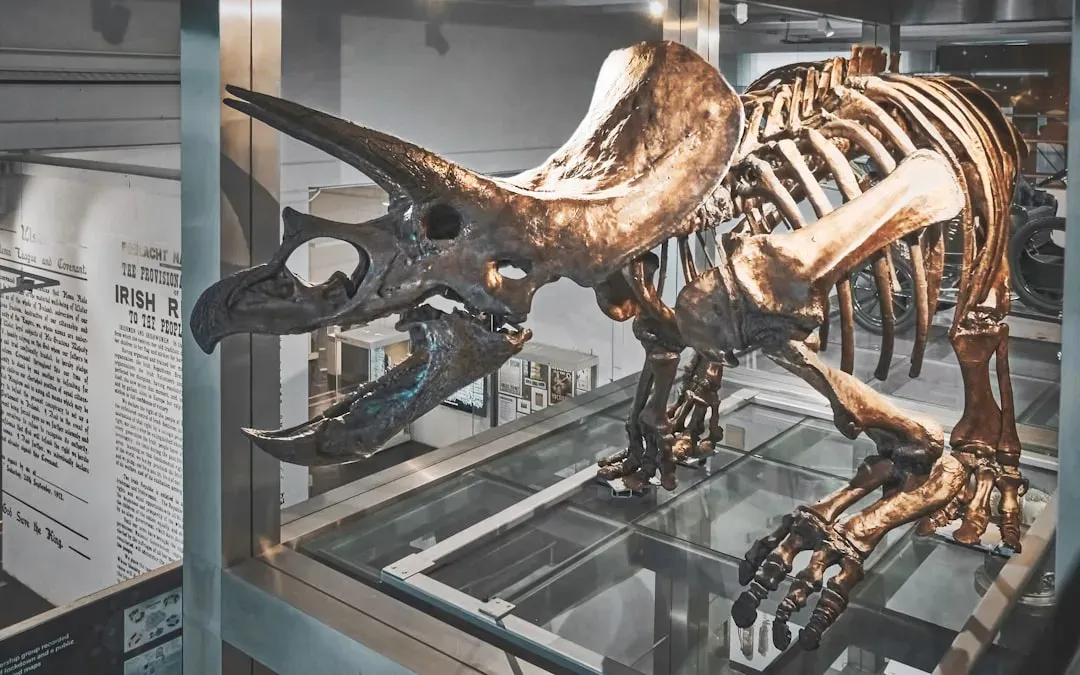
It can be tempting to think of plant‑eating dinosaurs as the slow, predictable background cast, but new species keep proving you wrong. You’re seeing horned dinosaurs with arrangements of frills and spikes that make classic species look almost understated, and armored dinosaurs whose tail clubs, shoulder spikes, and body armor patterns add layers of complexity to their families. Each time you meet one of these newcomers, you have to stretch your sense of what a given group is capable of evolving.
As more of these elaborate plant‑eaters are found in different parts of the world, your idea of where certain families lived and how they diversified keeps expanding. You might have been taught that a particular horned dinosaur family was mostly North American, only to watch new species push that family into Asia or beyond. Those discoveries can prompt scientists to split big, catch‑all families into finer subgroups, or to reunite species that were separated based on fragmentary material. For you, the message is clear: even among herbivores, the family story is far from settled.
Tiny, Strange, and Overlooked: The Species That Quietly Rearrange the Tree
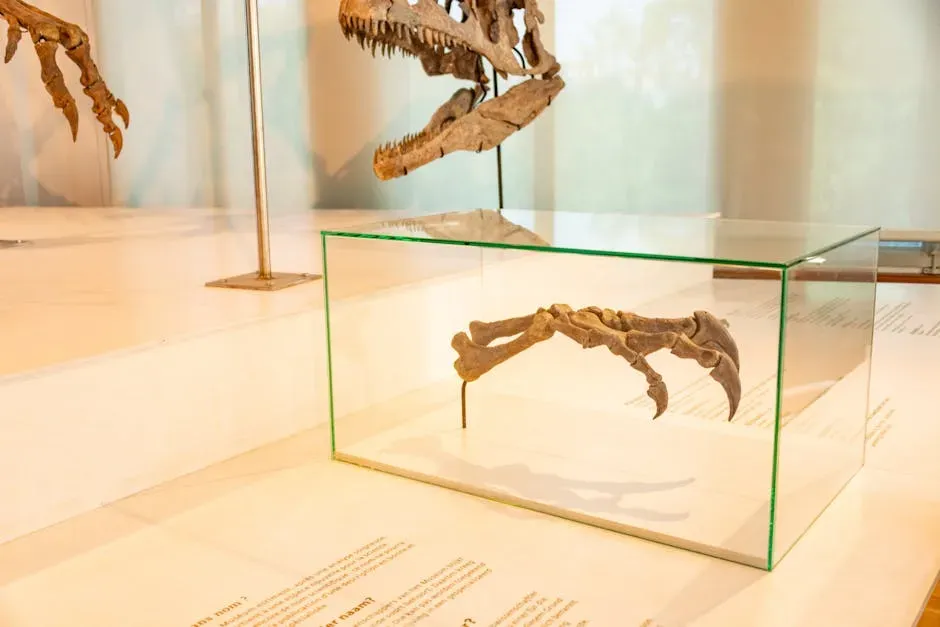
Your attention naturally gravitates toward giant predators and dramatic skulls, but many of the most important new species are small, incomplete, or, at first glance, unimpressive. These modest finds often fill evolutionary gaps between major dinosaur families or anchor the earliest known members of a group. For you, that means a handful of delicate bones can sometimes matter more to the overall picture than a glamorous, nearly complete skeleton.
When a new species turns up that combines traits from several groups, it forces researchers to ask whether your current families actually reflect real evolutionary lineages or just convenient buckets. You might see previously clean branches develop intermediary steps, early experiments in body plans, or surprising mixtures of traits. That pushes scientists to test whether some families need to be redefined, broken apart, or nested within others. Even if you never see these lesser‑known species on toy shelves or movie screens, they quietly reshape how the entire dinosaur family tree is drawn.
The Role You Play in How Dinosaur Families Keep Changing
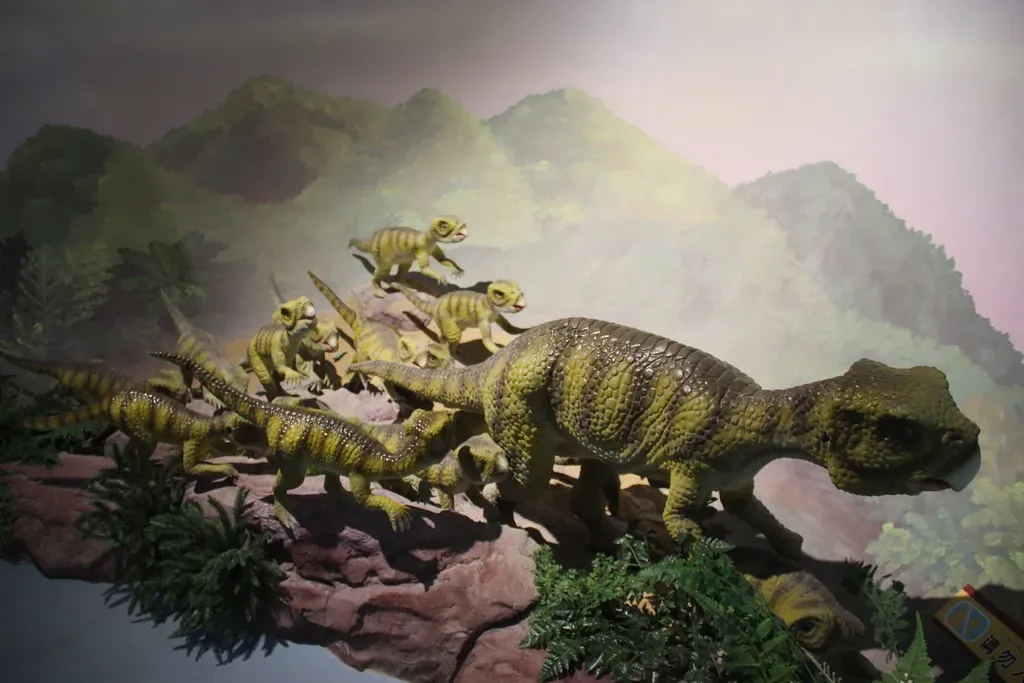
You might feel like a spectator to all this, watching new species pop up in news feeds and museum displays, but you actually sit closer to the process than you think. Your museum visits, book choices, and curiosity help drive funding and public support for the fieldwork and research that uncover these animals in the first place. When you support science education, follow paleontology projects, or even try your hand at citizen science initiatives, you help create the conditions that allow more discoveries to happen.
You also shape which stories about dinosaur families get highlighted and explained. If you ask deeper questions about how scientists know what they claim, or why a family was reclassified, you encourage more transparent, detailed communication. That feedback loop helps keep researchers accountable and pushes for better, more careful interpretations. In a very real sense, your appetite for accurate, nuanced stories about dinosaurs encourages the kind of slow, rigorous work that prevents the family tree from being drawn carelessly.
Living With a Dinosaur Family Tree That Never Sits Still
As you step back from all these discoveries, you can see that the main lesson is not about any one spectacular species, but about the nature of knowledge itself. The dinosaur families you learned as a child were never wrong so much as they were incomplete snapshots, taken with the tools and fossils available at the time. Now, as new species continue to surface and old bones are re‑examined, you’re watching that snapshot turn into a moving picture, where relationships shift as evidence improves.
If you let yourself lean into that uncertainty instead of resisting it, the constant redefinition of dinosaur families becomes a feature rather than a flaw. You get to watch a living science, not a finished encyclopedia, and that means you will always have new surprises ahead. The next time you hear about a newly named dinosaur, you can ask yourself not just what it looked like, but what part of the family story it might quietly rewrite. In a world where so much feels settled and predictable, how often do you get to see an entire branch of life’s history still being pieced together right in front of you?