
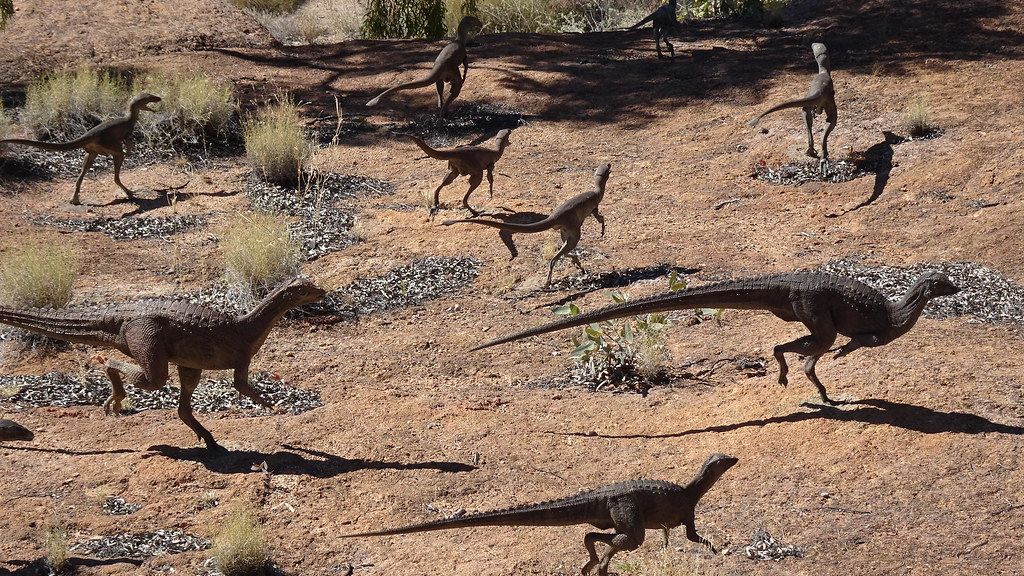
You probably grew up picturing dinosaurs as gigantic, slow-motion monsters stomping through steaming jungles. That image is fun, but it completely misses how the dinosaur story really begins. When you roll the clock back to the very first dinosaurs, you find something almost opposite of the movie stereotype: small, lightly built, fast-moving animals that would’ve darted around your ankles rather than towered over your head.
In those early days, dinosaurs weren’t ruling the world yet; they were scrappy survivors competing with crocodile relatives and other reptilian hunters. Their secret weapons were speed, agility, and sharp senses, not brute size. As you look at the fossils closely, you start to see a different picture of dinosaur evolution: one that begins more like a pack of quick-footed hunters than a lineup of lumbering giants. And once you see that, the entire dinosaur era feels very different.
Meet the First Dinosaurs: More Dog-Sized Than Bus-Sized
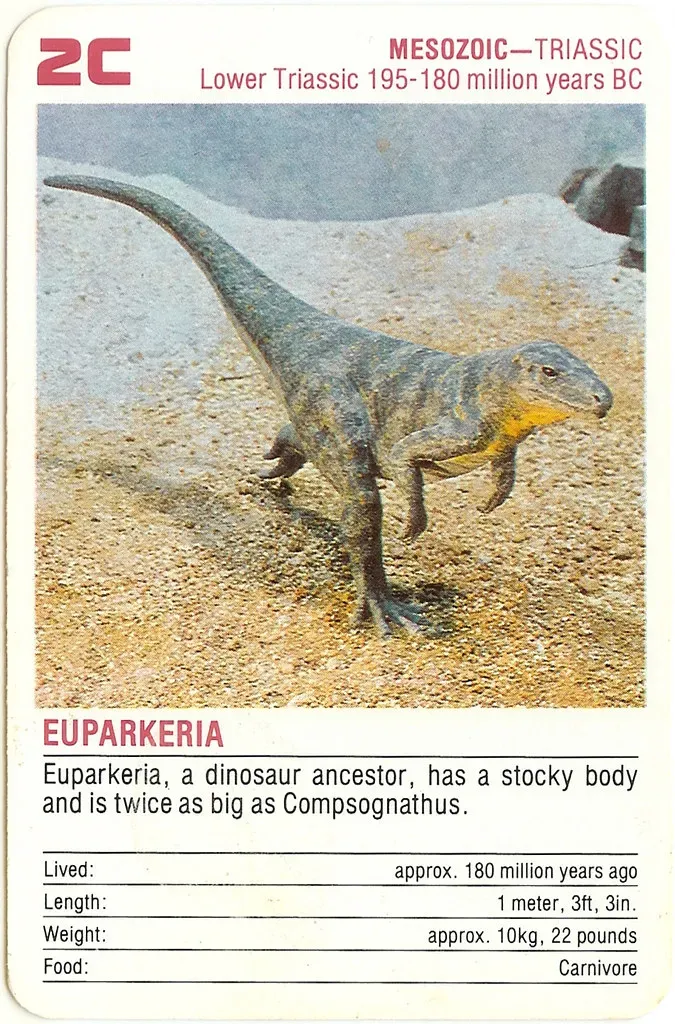
When you imagine the very first dinosaurs, you might expect something like a small T. rex or a mini Brachiosaurus, but what you actually get is closer to a lean, sharp-toothed dog with a long tail. Many of the earliest known dinosaurs, such as animals similar to Herrerasaurus and Eoraptor, were only about the size of a medium to large dog. You would have been able to see over many of them if you were standing in the same ancient landscape, which kind of flips your mental image of dinosaurs upside down.
These early forms had slim bodies, long legs, and light, hollow bones that made them quick on their feet. Instead of thick, pillar-like limbs, they had wiry, athletic builds made for sprinting and dodging. If you dropped one into a modern savanna, it would look less like a mythic monster and more like a strange, long-tailed predator weaving between bushes. Size came later; at the start, being small and nimble was the winning strategy.
Agility Over Bulk: Why Being Small Was a Superpower
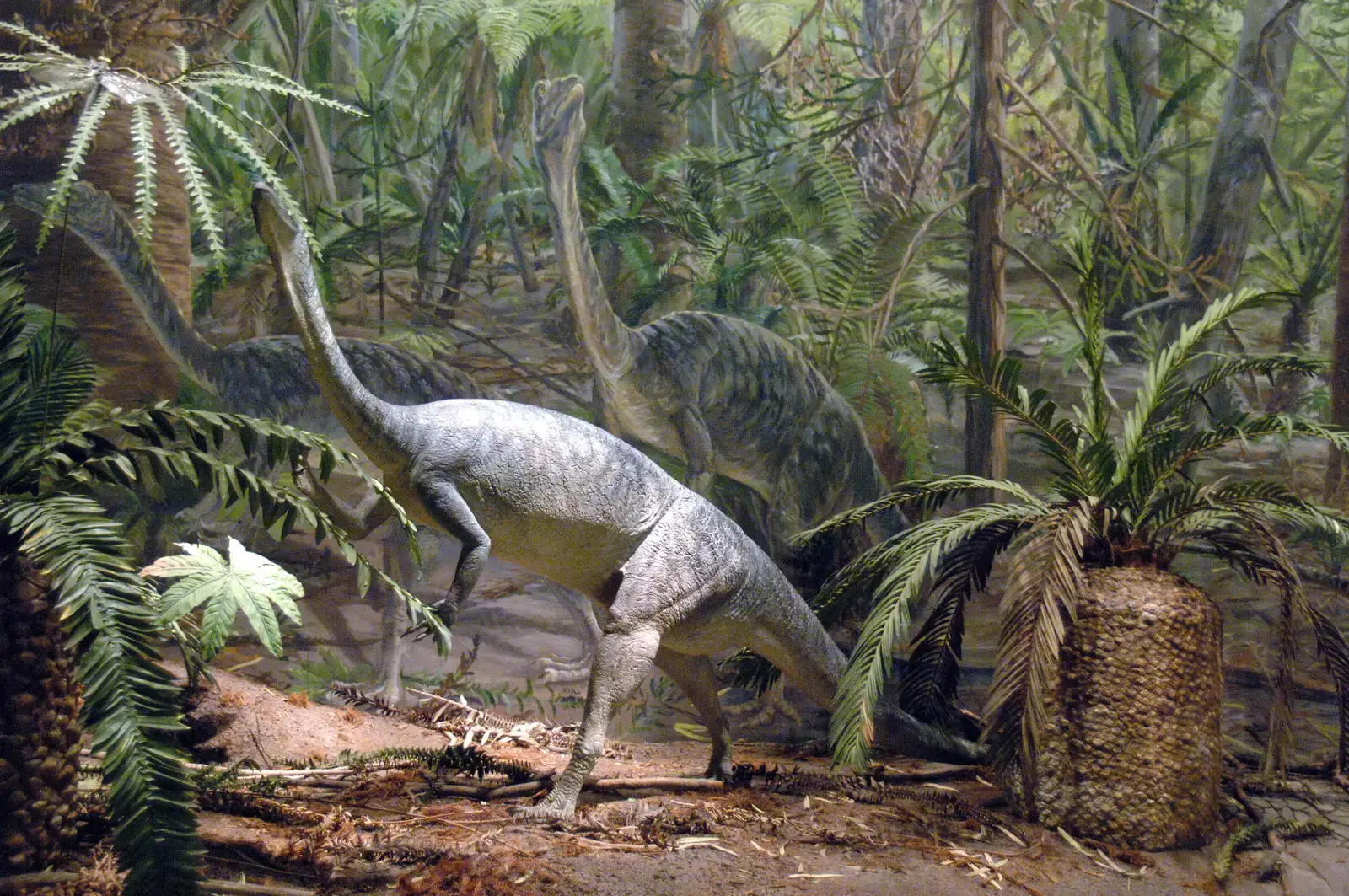
If you picture the Triassic world, you’re not looking at a quiet Eden where dinosaurs instantly ruled. You’re looking at a rough, competitive ecosystem packed with crocodile-like hunters, strange reptilian omnivores, and early mammal relatives. In that kind of world, being small and agile gave you real advantages: you could squeeze into hiding spots, change direction quickly, and chase down fast-moving prey without burning too much energy. You could also grow faster, reproduce sooner, and recover more easily from setbacks like droughts or food shortages.
Instead of thinking of size as power, it helps to think of agility as a survival toolkit that you would update over generations. Light bodies make it easier to accelerate and jump, and long tails act like built-in balancing poles when you sprint or pivot suddenly. The earliest dinosaurs leaned into that toolkit. They weren’t tank-like giants smashing through forests; they were sleek, active predators and foragers threading through a dangerous world where one clumsy move could turn them from hunter into someone else’s lunch.
Built to Run: Long Legs, Balanced Bodies, and Sharp Senses
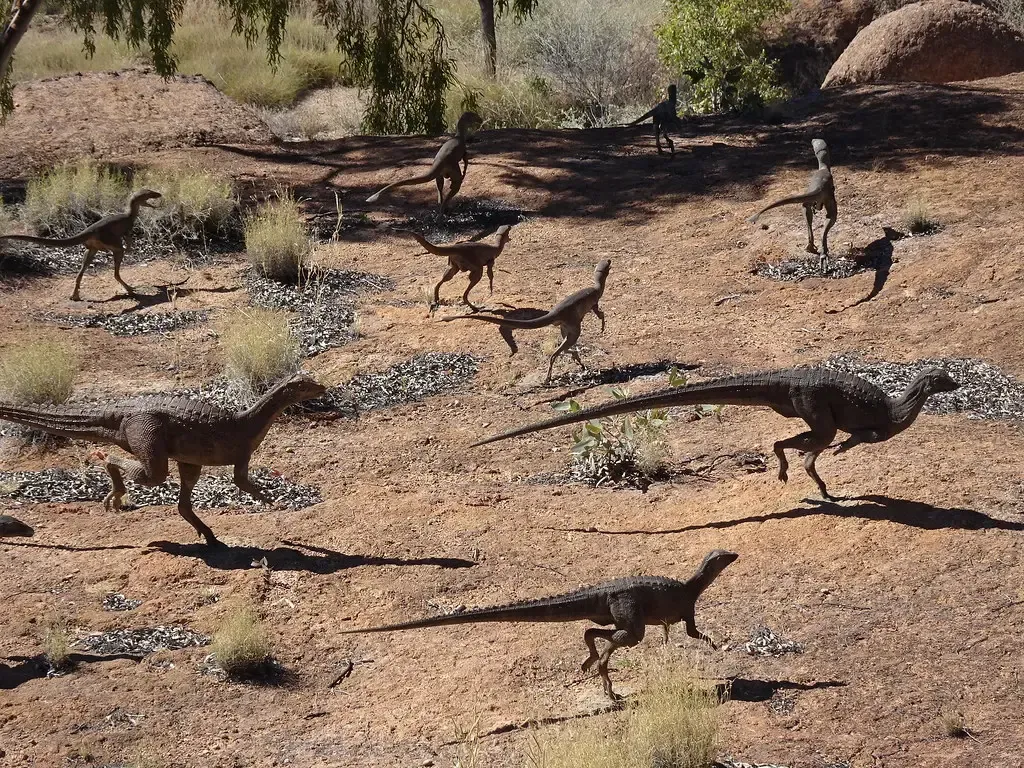
When you look at the skeletons of the earliest dinosaurs, you can literally see speed and agility baked into their bones. Their leg bones are long and slender, with joints arranged so the limbs move mostly in a front-to-back motion, like a sprinter rather than a waddling lizard. Their hips are structured to hold the body more upright, which lets the legs swing directly under the body instead of sprawling out to the sides, wasting energy. For many early species, the back legs did most of the work, while the forelimbs were shorter and more specialized for grasping.
You also notice the long, stiffened tails acting like counterweights. When you run, especially if you have a long body, staying balanced is everything. That tail works almost like a tightrope walker’s pole, helping these early dinosaurs adjust their center of gravity as they twist, leap, or brake suddenly. Add in forward-facing eyes, decent binocular vision, and likely sharp hearing, and you get an animal that moves through its environment like a focused, alert runner – always scanning, always ready to accelerate, and always a step ahead of slower, bulkier rivals.
Hunters of the Undergrowth: What and How They Probably Ate
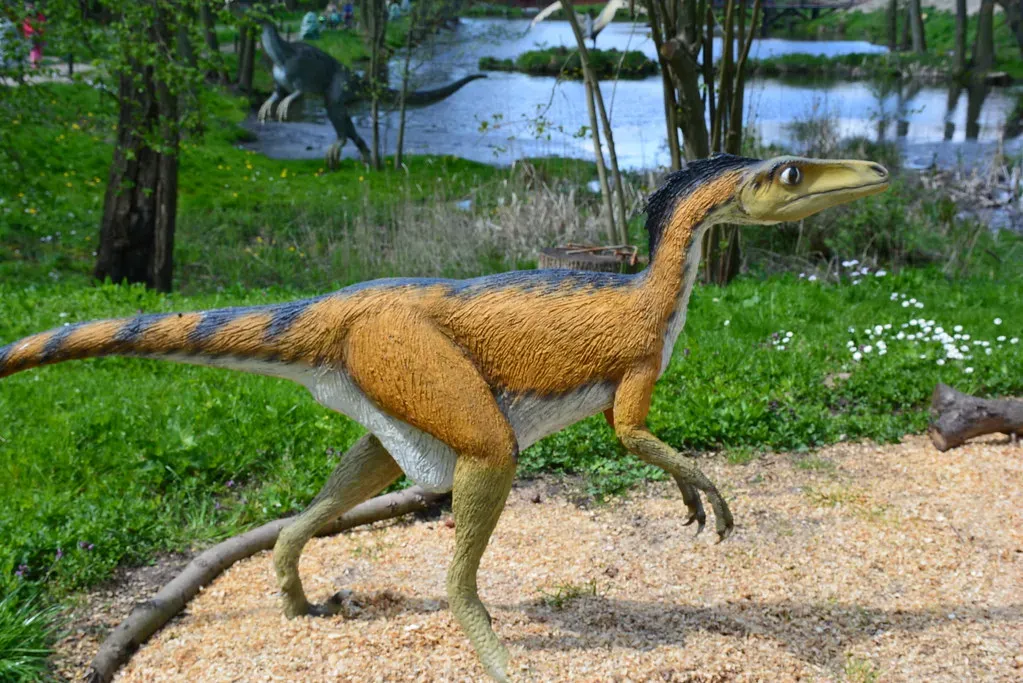
Early dinosaurs didn’t start out hunting giant prey; they focused on whatever they could catch and overpower, which usually means smaller animals. You can picture them darting after quick little reptiles, insects the size of your hand, early mammal relatives, and perhaps scavenging from larger carcasses when the opportunity came up. Their teeth were often blade-like or slightly curved, good for slicing meat and gripping struggling prey, not just crushing bone. That suggests a lifestyle built around active hunting and opportunistic feeding, with a lot of quick chases and sudden lunges.
Because they were small, they probably hunted closer to the ground and in more cluttered spaces – bushy undergrowth, fern-filled riverbanks, and tangled patches of low vegetation. Think more along the lines of a fox weaving through shrubs than a lion striding across open plains. Their agility let them zigzag through this landscape, ambush from cover, and escape up sloping ground or through narrow gaps if something larger turned on them. In a world full of predators, being quick and maneuverable took you a long way, even if you were nowhere near the top of the food chain yet.
How Small Hunters Eventually Gave Rise to Giants
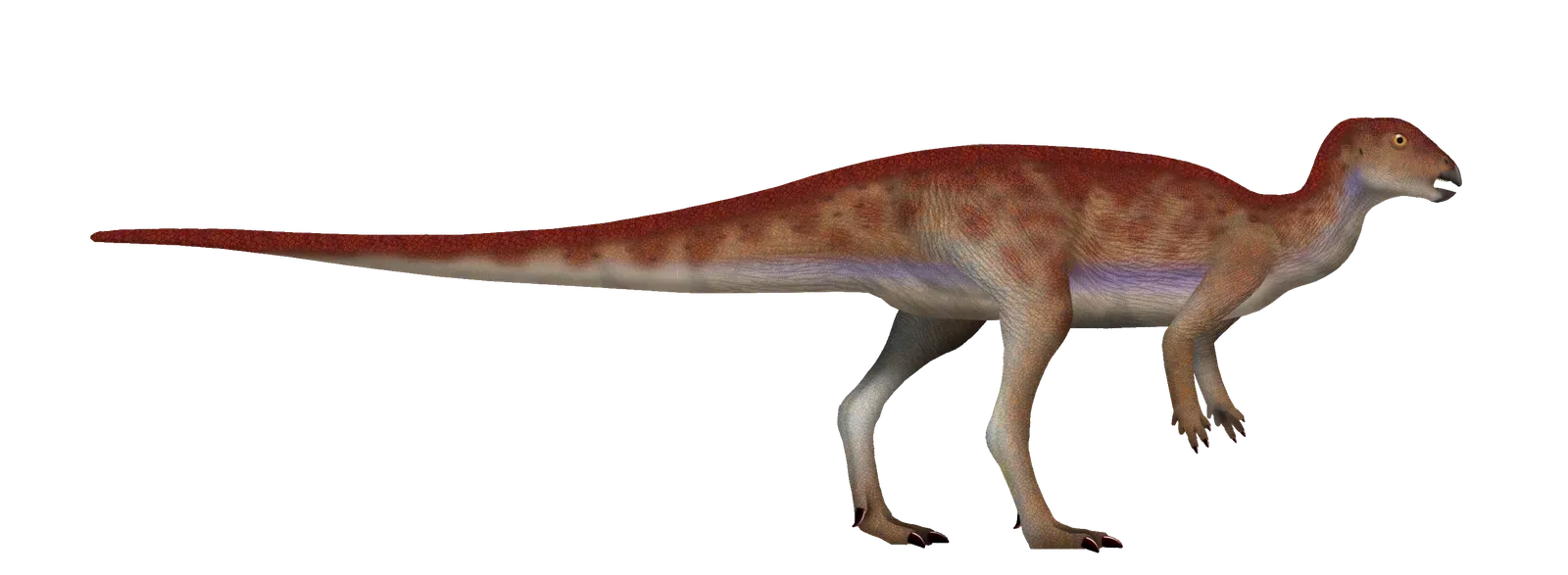
It might sound strange, but the path to house-sized dinosaurs seems to run straight through these small, agile hunters. Once you have a body plan that works – light frame, efficient hips and legs, good balance, and active metabolism – you can start scaling it up as environments change. Over millions of years, some dinosaur lineages tapped into new food sources and new habitats, and natural selection favored individuals that could grow a bit larger without losing the basic efficiency that made their ancestors successful. You end up with descendants that keep the same underlying blueprint but pack on more mass.
You can think of it like upgrading a compact sports car into a powerful off-road truck without completely redesigning the engine. The core system stays, but the frame gets heavier, the stance wider, and the capabilities shift. Many of the later giants still show hints of their sprightly roots in their bone structures and posture. Deep down, those colossal animals walking on thick legs came from ancestors that survived not by dominating everything around them, but by outrunning trouble and outmaneuvering the competition.
From Dinosaurs to Birds: The Agile Legacy That Still Flies Today
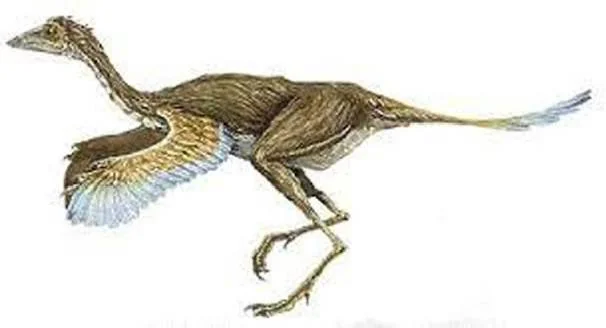
When you look at a bird hopping along a branch or exploding into flight from the ground, you’re seeing the tail end of a very long story that started with those early, nimble dinosaurs. The lightweight skeleton, the efficient breathing system, the strong hind limbs – those features trace back to ancient, agile ancestors built for quick movement rather than sheer bulk. Over time, some dinosaur groups leaned even harder into lightness and speed, eventually evolving feathers, better balance, and finally powered flight. You can almost think of birds as hyper-refined versions of those first small hunters.
If you watch a bird of prey dive after a mouse or a roadrunner sprint across a desert road, you are seeing a modern echo of the behavior that once played out among the ferns and conifers of the Triassic. Instead of claws on scaly hands, you get talons on feathered wings; instead of long, muscular tails, you get fan-shaped tail feathers fine-tuning every movement in the air. The core idea is the same: agility, precision, and speed win you a living. The earliest dinosaurs may be gone, but their nimble strategy never really disappeared – it just took to the skies.
Rethinking Dinosaurs: Why This Changes How You See Them
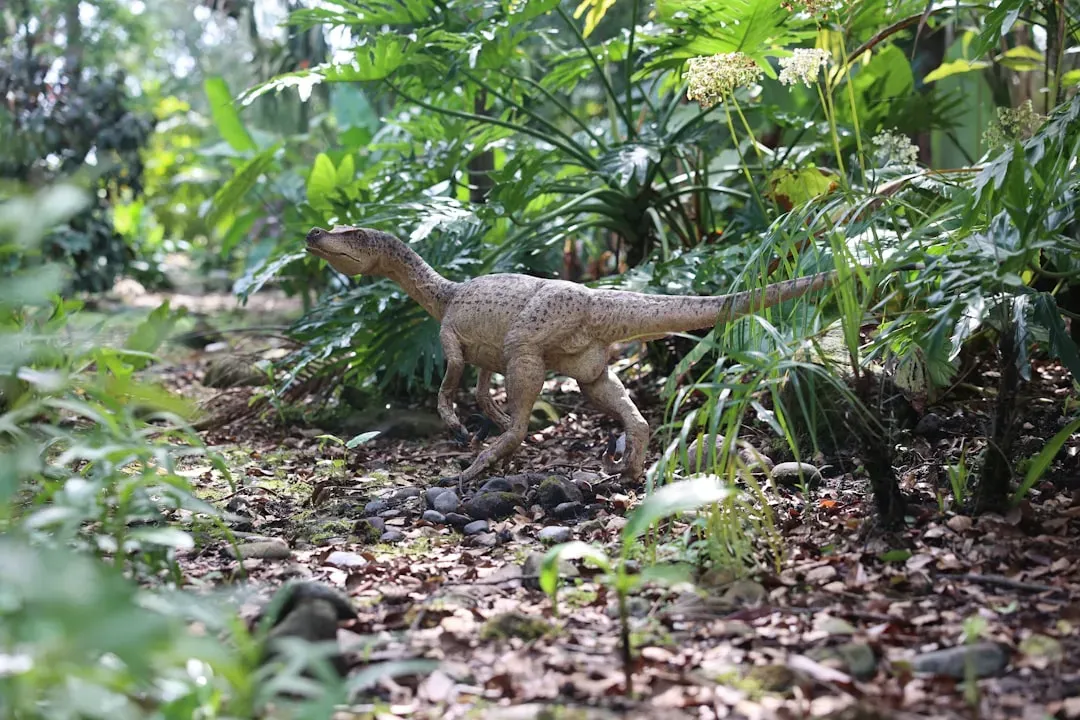
Once you understand that the first dinosaurs were small and agile, the whole dinosaur story shifts from a tale about slow giants to one about adaptable athletes. You stop seeing them as clumsy reptiles doomed to extinction and start seeing them as dynamic, evolving creatures that tried many different ways of living. Some lines became massive plant-eaters, some became fearsome apex predators, and some shrank again and took to the air, but all of that grew out of a surprisingly modest starting point. The drama is less about sudden domination and more about long-term experimentation.
This perspective also makes dinosaurs feel closer to you and your everyday world. Instead of existing only as museum skeletons or movie monsters, they start to resemble the quick little predators and foragers you’re used to seeing in modern ecosystems – foxes, hawks, herons, and even busy songbirds. It turns the age of dinosaurs from a distant fantasy into a real, living world full of nimble bodies, sharp senses, and constant motion. Once you picture the first dinosaurs as small, alert hunters weaving through ancient undergrowth, it becomes harder to think of them as anything less than some of the most fascinating animals Earth has ever produced.
When you walk outside and watch a bird land lightly on a fence or a lizard dart between rocks, you’re not just looking at random wildlife – you’re catching glimpses of a strategy that began long before humans ever appeared. The earliest dinosaurs didn’t win by being big; they won by being quick, clever, and adaptable. That’s the legacy that quietly lives on all around you. Knowing that, how different do dinosaurs feel in your mind now compared to the towering beasts you first imagined?