You walk across a sidewalk, a forest trail, or a stretch of sand and it all feels solid, familiar, predictable. But just a few kilometers beneath your feet, the world turns strange, hot, and wildly dynamic. You live on the outer skin of a planet that has been reshaped over billions of years by forces you never see directly, yet they control where mountains rise, where oceans open, and even where life can survive.
When you start to look at Earth as an ancient, restless machine instead of a static rock, the story of your planet hits different. You realize that every hill, every coastline, every grain of sand is part of a much older drama that has been running since long before humans appeared. The five geological wonders you’re about to explore are not just curiosities; they’re deep, powerful processes that quite literally built the world you know.
1. The Churning Mantle: Convection Cells That Keep Your Planet Alive
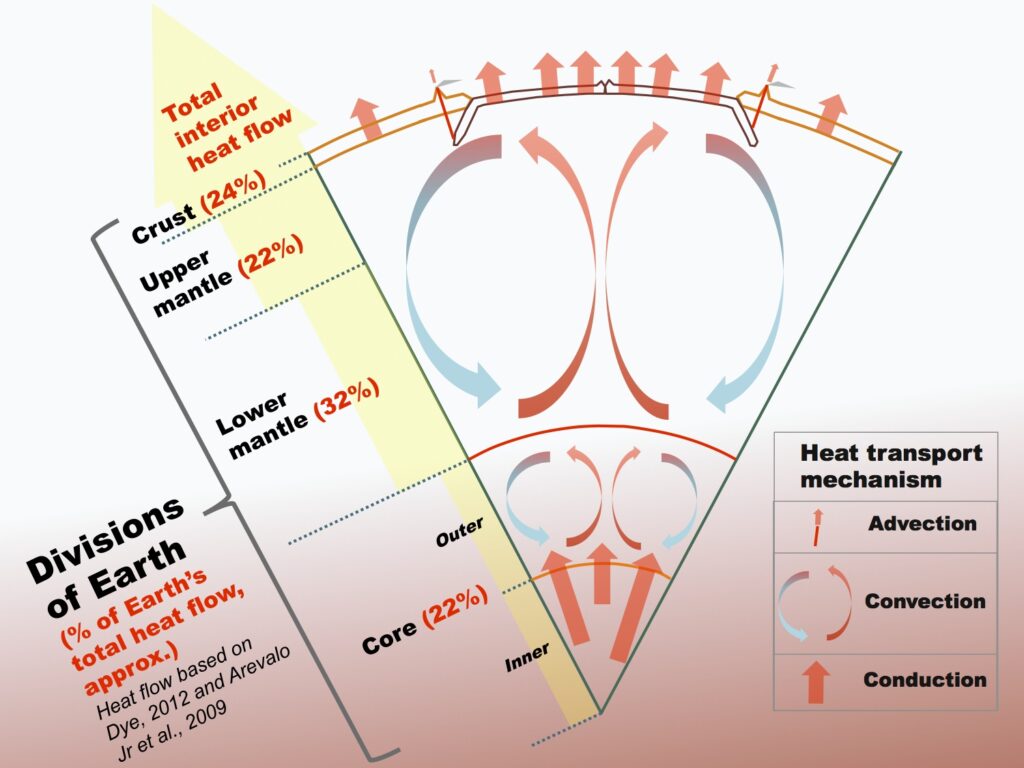
If you could dive down beneath the crust, you wouldn’t find an empty cavern or a smooth stone sphere; you’d enter a slow-motion lava lamp. Deep inside Earth’s mantle, solid rock flows over millions of years, rising where it’s hotter and sinking where it’s cooler. You can think of it like a pot of very thick soup on low heat: it barely moves to your eyes, but over long time spans, it circulates in giant loops called convection cells.
These mantle currents are the hidden engine that drives almost everything you recognize as geology: drifting continents, opening oceans, roaring volcanoes, and shuddering earthquakes. Where hot mantle material rises, it thins and stretches the crust, helping create ocean basins and rift zones. Where colder, denser slabs of old crust sink back down, they drag entire plates along with them. Without this internal churning, your planet would eventually cool, seize up, and become geologically dead, more like the Moon or Mars. The fact that Earth is still convecting means your world is, in a very real sense, still alive.
2. Colliding Continents: Ancient Mountain-Builders That Rewrote the Surface
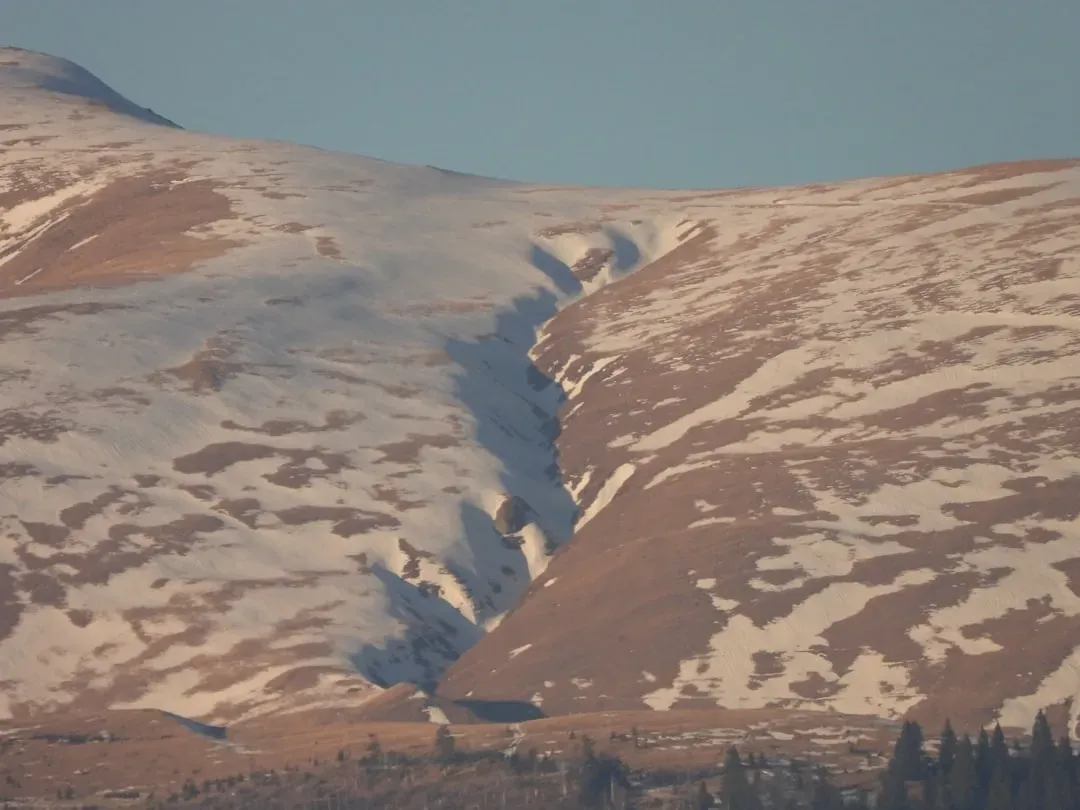
When you see a mountain range like the Himalaya or the Alps, you’re looking at scars from violent, slow-motion collisions between continents. In plate tectonics, continents ride along on rigid plates, and sometimes those plates crash together and refuse to sink. Instead of one sliding under the other, the buoyant continental crust crumples and thickens, like a rug bunching up when you push it against a wall. Over millions of years, this crumpled crust is squeezed upward into ranges that can rival the thickness of entire chunks of the planet’s outer shell.
Ancient Earth went through multiple supercontinent cycles, where continents smashed together to form giants like Rodinia and Pangaea, then tore apart again. Each collision built massive mountain belts, some of which you only see now as worn-down roots after hundreds of millions of years of erosion. Those old mountains were not just pretty scenery; they altered wind and ocean currents, changed climate patterns, and created new habitats. As you climb any mountain trail today, you are literally walking on the remains of planet-scale car crashes that once reshaped the face of Earth and helped set the stage for evolving life.
3. Subduction Zones: Hidden Trenches Where Crust Is Recycled
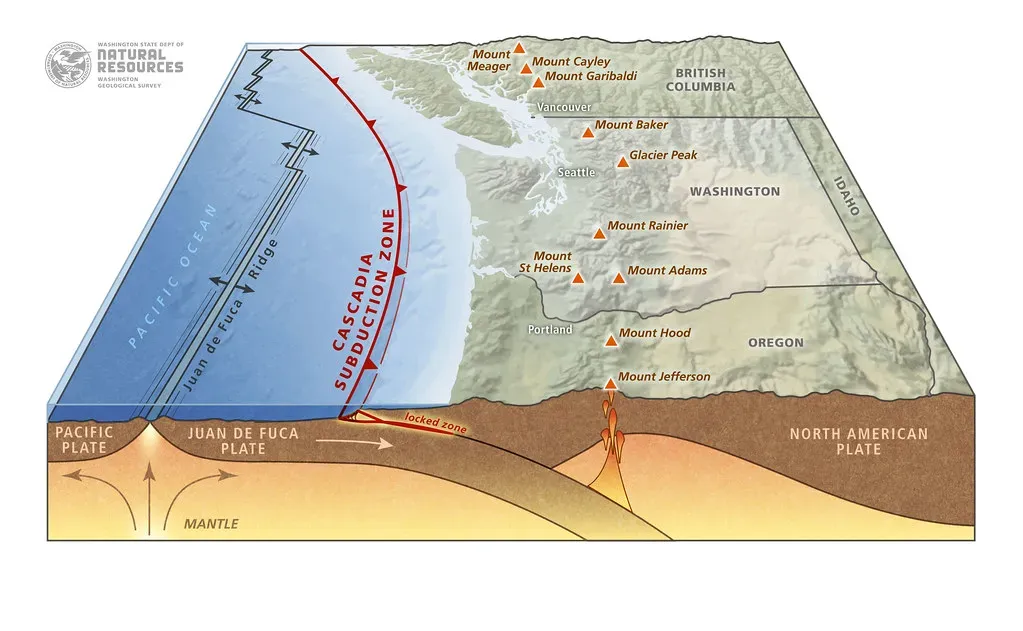
Imagine an oceanic plate as a conveyor belt made of dense basalt, spreading out from mid-ocean ridges and cooling as it travels. As it ages, it becomes heavier and eventually starts to sink back into the mantle along huge, curving scars called subduction zones. You see the surface expression of this process as deep ocean trenches and arcs of volcanoes, but most of the drama is invisible, happening tens to hundreds of kilometers down. When the plate dives, it drags water-rich minerals and sediments into hotter, deeper regions of Earth.
Down there, some of those minerals release water, which lowers the melting point of the overlying mantle and generates magma. That magma then rises to feed chains of explosive volcanoes like the Andes, Cascades, or the volcanic arcs that ring the Pacific. For you, subduction zones matter because they are central to recycling Earth’s crust and atmosphere. Old ocean floor doesn’t just pile up forever; it gets pulled in, re-melted, and turned into new rocks and gases. This recycling has helped stabilize the planet’s climate over immense spans of time, controlling how carbon moves between rocks, oceans, and air. In a way, subduction is your planet’s deep-time waste management and climate control system, operating silently beneath your feet.
4. Supervolcanoes and Flood Basalts: Planet-Scale Eruptions That Rocked Life
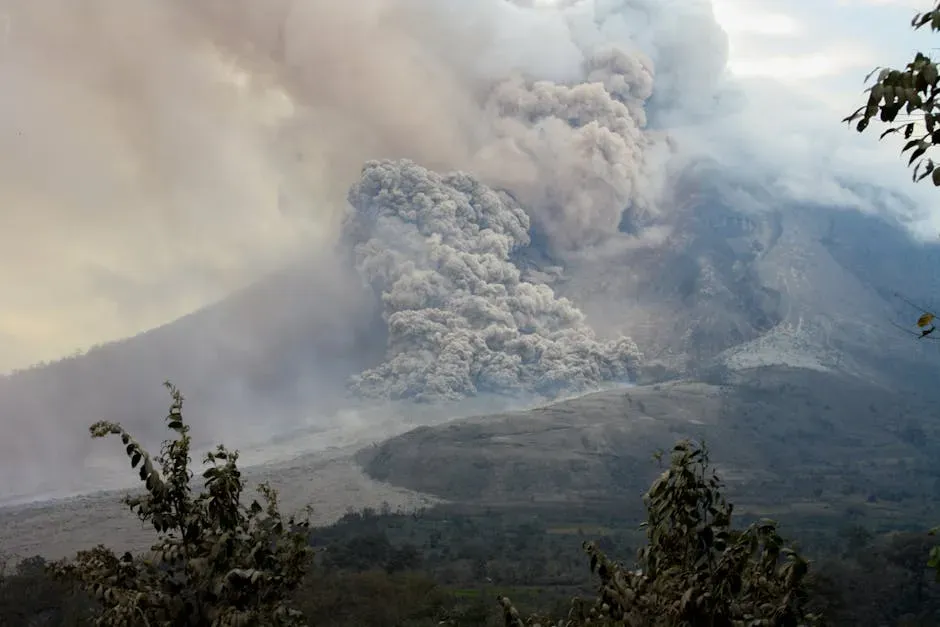
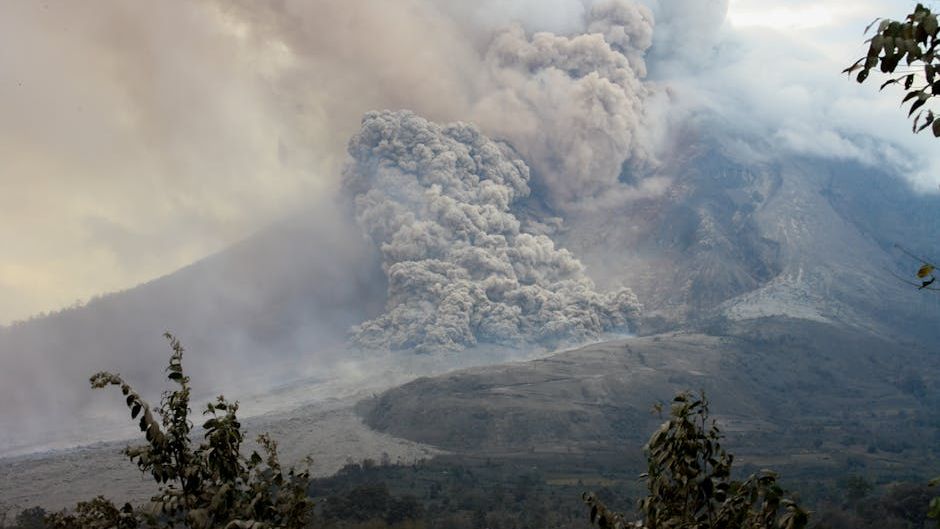
When you think of volcanoes, you might picture a single cone with lava flowing down its slopes, but Earth’s past includes eruptions that make that look tiny. In some ancient events, enormous volumes of magma erupted over relatively short geologic intervals, spreading sheets of lava across regions the size of countries or even small continents. These outpourings, known as large igneous provinces or flood basalts, left behind thick stacks of basalt that you can still see today in places like the Deccan Traps in India or the Siberian Traps in Russia.
These colossal eruptions didn’t just reshape the surface; they may have helped trigger some of the most severe mass extinctions in Earth’s history by pumping huge amounts of gas and aerosols into the atmosphere. You can imagine entire regions belching lava and gases for hundreds of thousands of years, altering climate, acidifying oceans, and stressing ecosystems to the breaking point. On the other end of the spectrum, giant caldera systems – sometimes called supervolcanoes – can erupt explosively, collapsing into themselves and coating vast areas with ash. When you walk across old basalt plateaus or see thick layers of volcanic ash in ancient rocks, you’re looking at the fingerprints of events that briefly pushed Earth’s systems to the edge and forced life to adapt or disappear.
5. Early Oceans and the Rock–Water–Life Feedback Loop
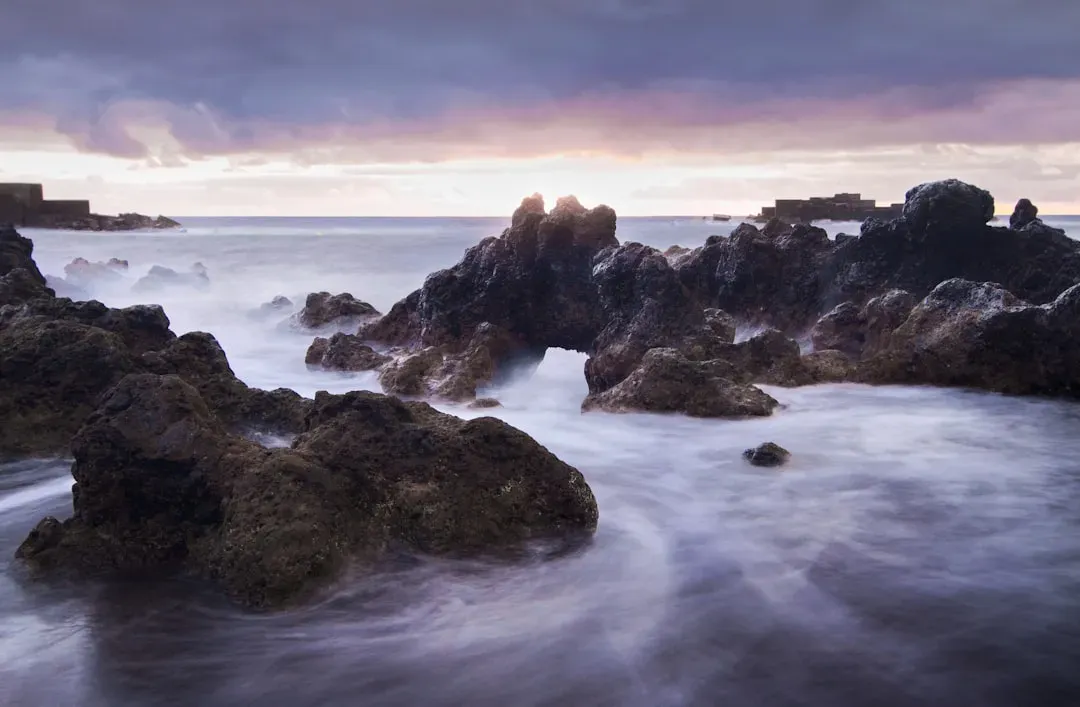
Long before forests, dinosaurs, or even complex animals existed, your planet was already running a powerful partnership between rock, water, and early life. Once Earth cooled enough for liquid water to persist, rain began to fall, eroding the first crust and carrying dissolved minerals into newly forming oceans. At the same time, volcanic gases and the weathering of rocks helped regulate the composition of the atmosphere, gradually shifting it from a harsh, lifeless mix toward something friendlier to emerging microbes.
As you trace this story through ancient rocks, you see signs of early oceans interacting with the seafloor, altering minerals and locking away elements like carbon. Microbial life, especially in shallow seas and hydrothermal vent systems, started tapping into chemical gradients created by these geologic processes. Over immense timescales, this rock–water–life feedback loop helped stabilize temperatures, manage greenhouse gases, and slowly enrich the atmosphere in oxygen. Every time you look at the ocean or breathe in, you’re experiencing the legacy of a deep partnership between geology and biology that began billions of years ago and never really stopped.
Conclusion: Standing on a Restless, Ancient Engine
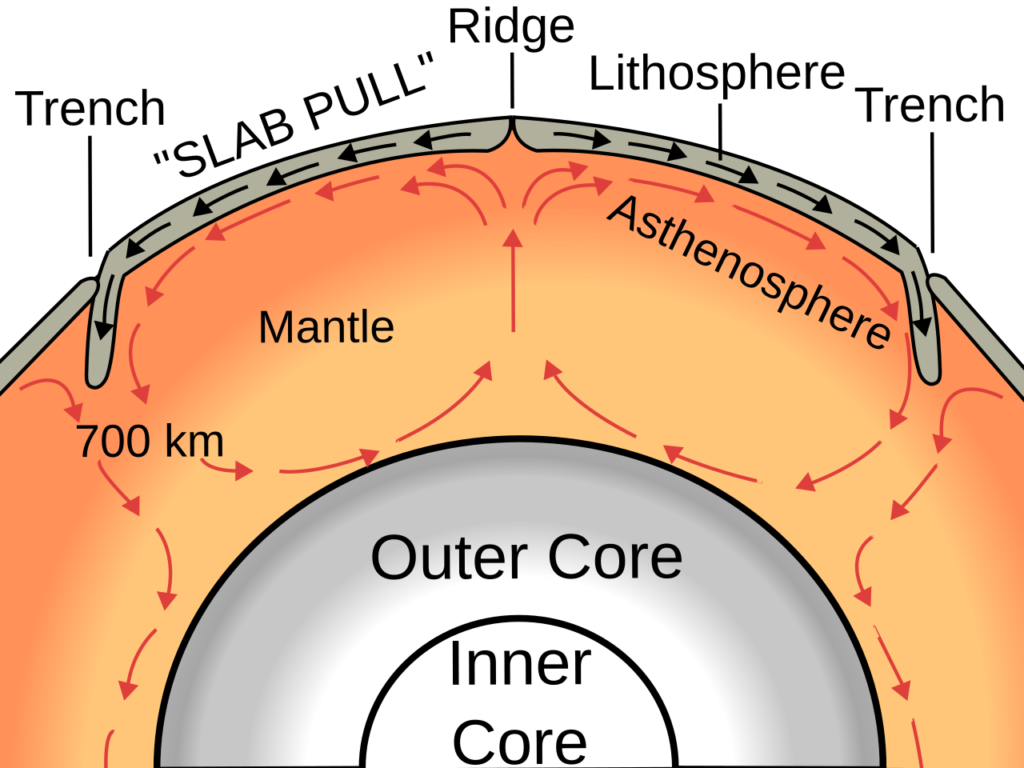
When you zoom out and look at all these hidden processes together – mantle convection, continent collisions, subduction zones, planet-scale eruptions, and the birth of oceans – you start to see Earth less as a static backdrop and more as a restless engine. You are standing on a thin, fragile shell that rides over vast, slow rivers of rock; you live in the brief, quiet pauses between mountain-building collisions and volcanic upheavals. The planet has reinvented its surface again and again, and yet somehow it has stayed stable enough, on average, for life like yours to appear and thrive.
The unseen world beneath your feet is not just a curiosity for scientists; it’s the ultimate context for everything you do, from where your cities sit to how your climate behaves. When you walk outside next time, you might notice the hills, the soil, and the distant ridges a little differently, knowing they’re the latest snapshot in a story billions of years in the making. It raises a simple but unsettling question: if deep Earth has shaped your world so profoundly in the past, how might it reshape it again in the far future – and what part will you be around to see?