
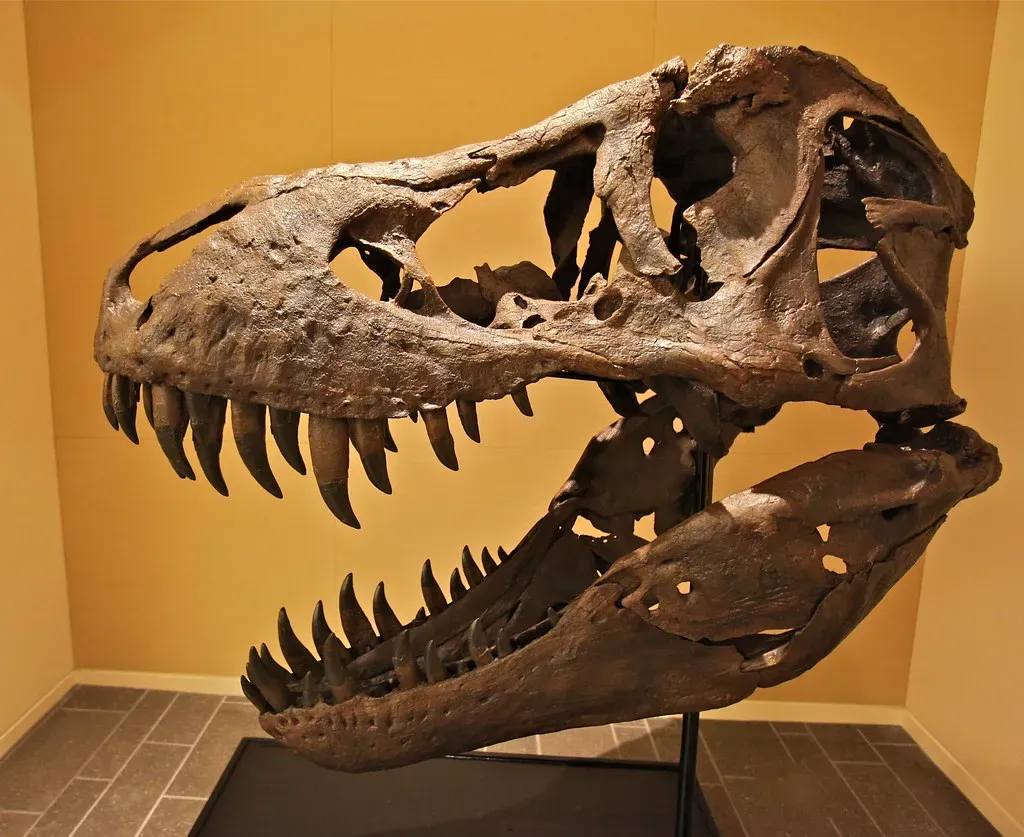
You usually picture dinosaurs as unstoppable tanks: armor-plated, sharp-toothed, basically invincible. But when you look closely at their bones under modern scanners and microscopes, you start to see a very different story. You see swollen joints, infected wounds, tumors, and even signs of respiratory disease that would feel eerily familiar if you have ever limped around with a bad knee or nursed a nasty chest infection.
What fossil evidence is quietly shouting at you is this: dinosaurs did not escape the aches, infections, and chronic problems that affect living animals today. In many ways, their skeletons read like medical charts frozen in stone. When you follow those clues, you realize you are not just learning about dinosaurs; you are also getting a long, deep-time perspective on the diseases you still deal with in the twenty‑first century.
How Paleopathology Lets You Diagnose a Dinosaur
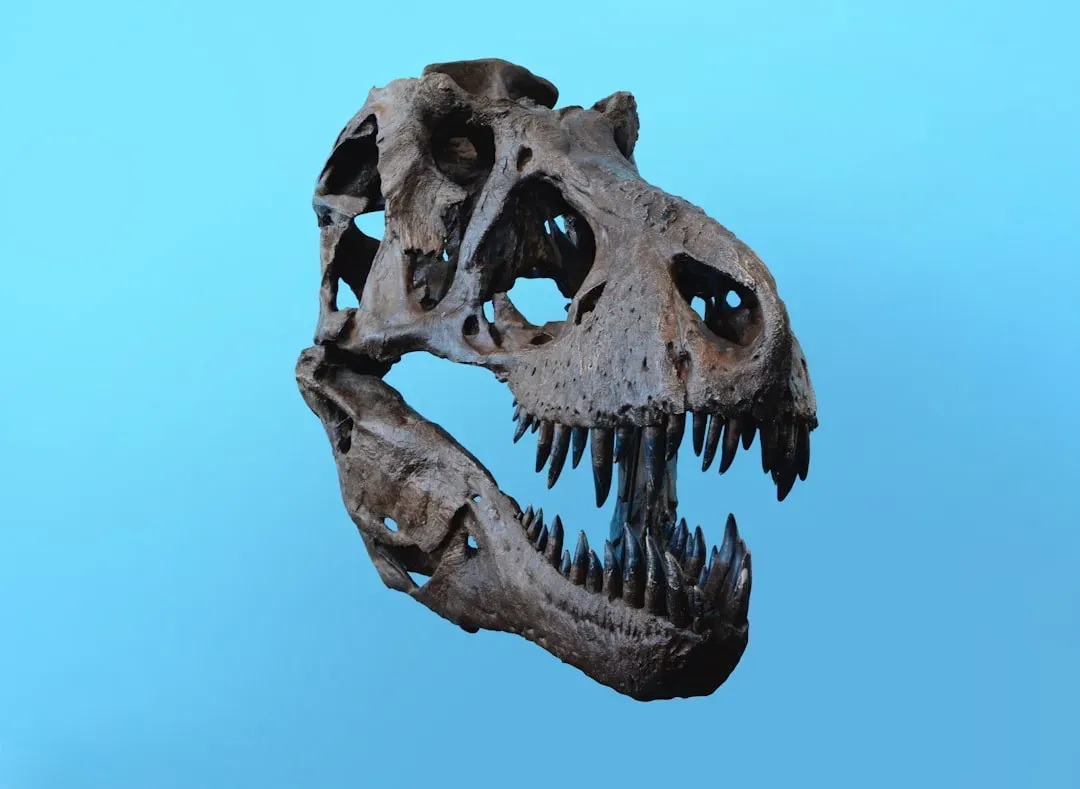
If you have ever broken a bone or seen an X‑ray, you already understand the basic trick paleopathologists use. You are looking for changes in bone shape, density, and texture that do not match a healthy skeleton. In dinosaurs, these show up as rough, cauliflower‑like growths, pitted surfaces, fused joints, strange curves, or holes that clearly do not belong there. With careful comparison to healthy bones and to living animals, you can begin to separate normal variation from genuine disease.
Modern imaging tools give you an almost unfair advantage. CT scans, micro‑CT, and high‑resolution 3D modeling let you peer inside fossil bones without damaging them, so you can see internal cavities, healed fractures, and hidden infections. You then lean on what is called a “phylogenetic bracket”: because dinosaurs sit between modern birds and crocodiles on the evolutionary tree, you draw on what those animals suffer today to interpret ancient damage. It is a little like being a doctor with only the skeleton and a thousand living cousins to guide your diagnosis.
Arthritis, Gout, and the Pain of Ancient Joints
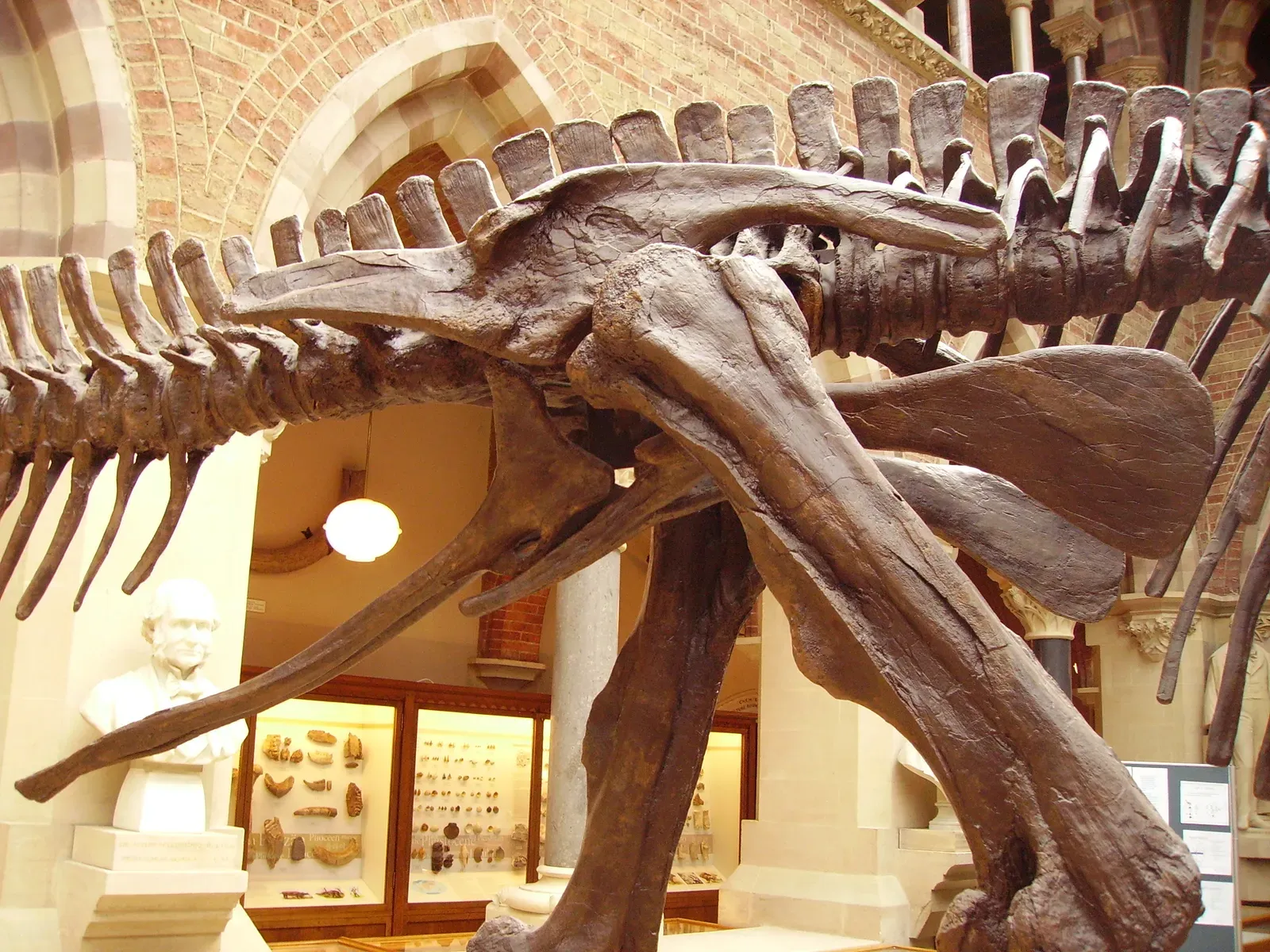
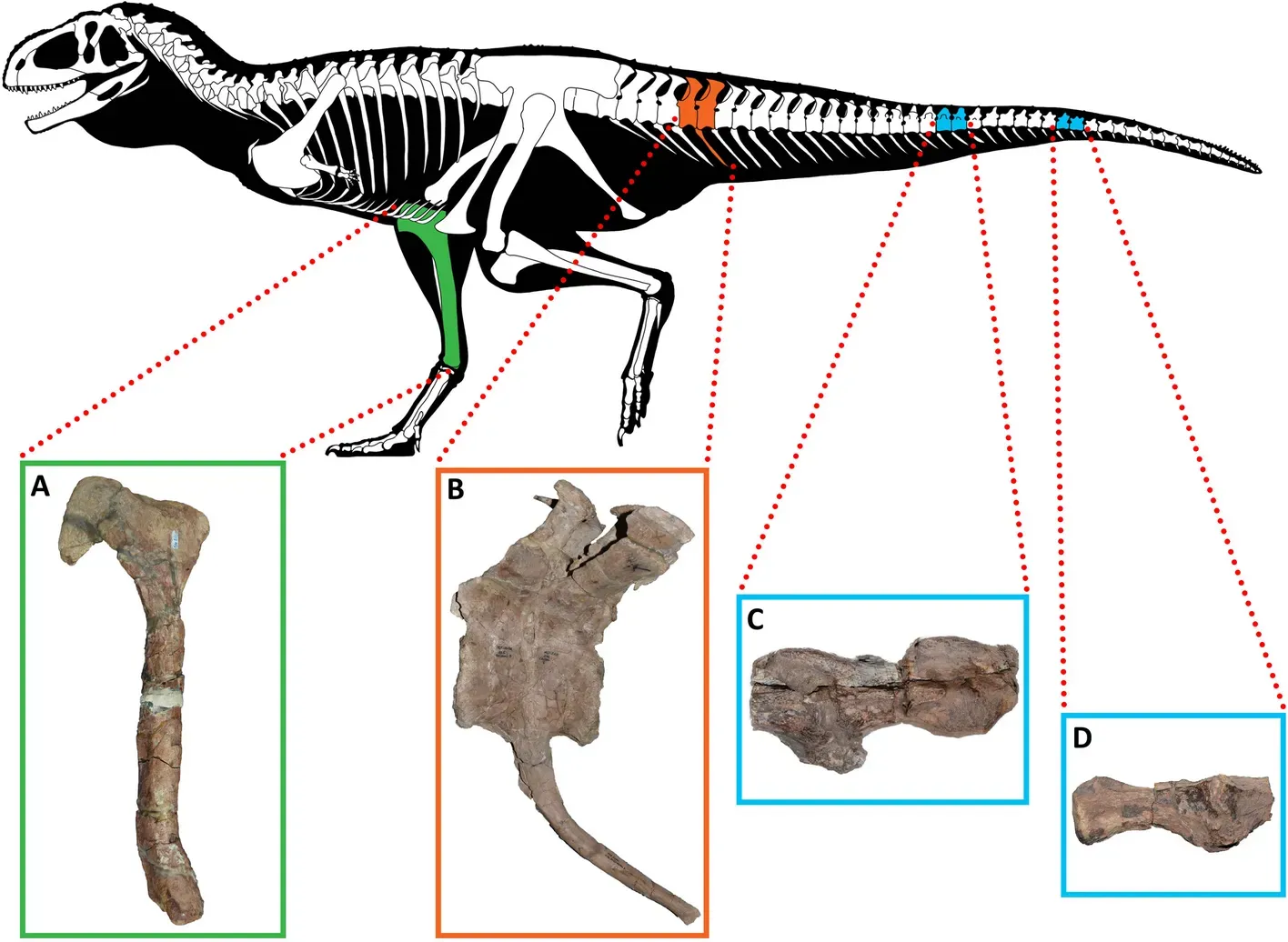
You might not expect an apex predator like Tyrannosaurus rex to share something with a modern human office worker, but evidence says it did: cranky, inflamed joints. Some theropod fossils show bony overgrowths and joint damage that match what you see in arthritis today, including degenerative changes where cartilage once cushioned bone. In at least one hadrosaur, researchers identified septic arthritis in the elbow, meaning an infection had invaded the joint space and caused serious, painful damage before the animal died. You can almost imagine the limited range of motion and chronic discomfort that would have followed every step or swing of a limb.
Even more surprising, there is convincing fossil evidence that some tyrannosaurids suffered from gout. You know gout as a disease where uric acid crystals build up in joints, creating lytic lesions and sometimes prompting new, irregular bone growth. That same pattern appears in certain T. rex bones, closely matching what you see in living reptiles and birds. When you realize that a massive predator may have hobbled around with burning, swollen joints, it shifts your image of dinosaurs from perfect killing machines to real animals wrestling with the slow grind of chronic disease.
Bone Infections and the Harsh Reality of Dinosaur Injuries
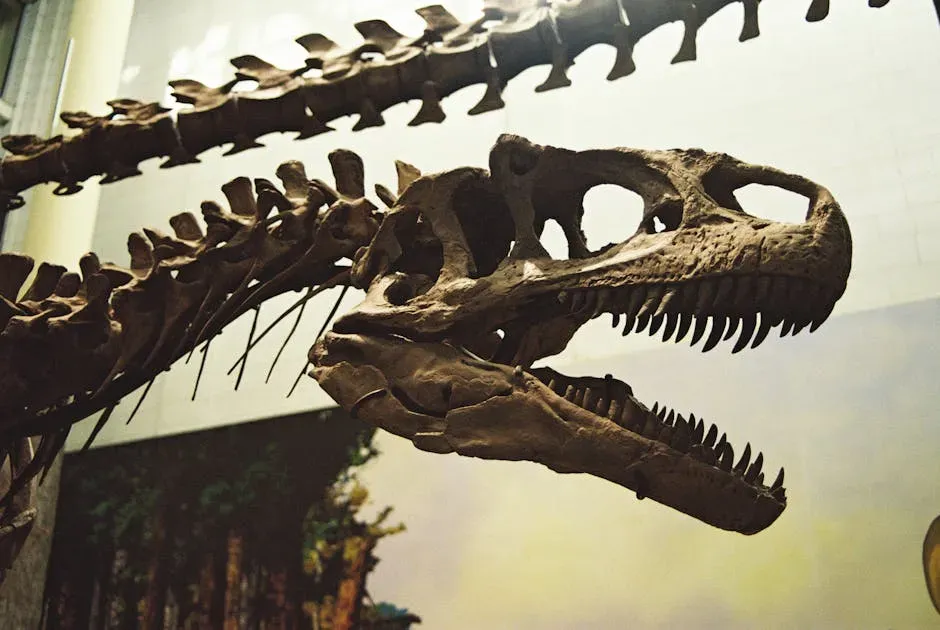
Any time you tear flesh or fracture bone, you invite microbes to the party, and dinosaurs were no exception. Many fossils show clear signs of osteomyelitis, a bone infection that can arise from wounds, bites, or deep fractures. Infected areas often take on a distinctive, spongy or “moth‑eaten” appearance, sometimes flaring outward into knobbly, cauliflower‑like growths. In some theropod groups, infections like these show up in a noticeable fraction of known specimens, hinting that living in a world of toothy neighbors came with a constant risk of serious, lingering infections.
One particularly striking line of evidence comes from sauropods and hadrosaurs with heavily altered limb bones and vertebrae, where fractures have healed but are wrapped in layers of infected tissue. You can see that some individuals survived long enough for bone to remodel, meaning their immune systems fought the infection while they kept moving, feeding, and avoiding predators. At the same time, severe lesions on weight‑bearing bones would have made an animal slower, clumsier, and easier to catch. In that sense, you can view bone infections as a hidden player in ancient ecosystems, quietly helping to decide who became dinner.
Parasites and Respiratory Illness Hidden in Dinosaur Bones
When you think of parasites, you probably picture soft tissues – worms in guts or protozoa in blood – things that almost never fossilize. Yet in at least one titanosaur from Brazil, researchers found evidence of blood parasites preserved inside the vascular channels of its bones, alongside signs of osteomyelitis. Tiny structures interpreted as parasites cluster where blood once flowed, giving you a rare, almost shocking look at microscopic attackers from deep time. It suggests that dinosaurs not only carried parasites, but sometimes suffered intense, systemic infections that left signatures in their skeletons.
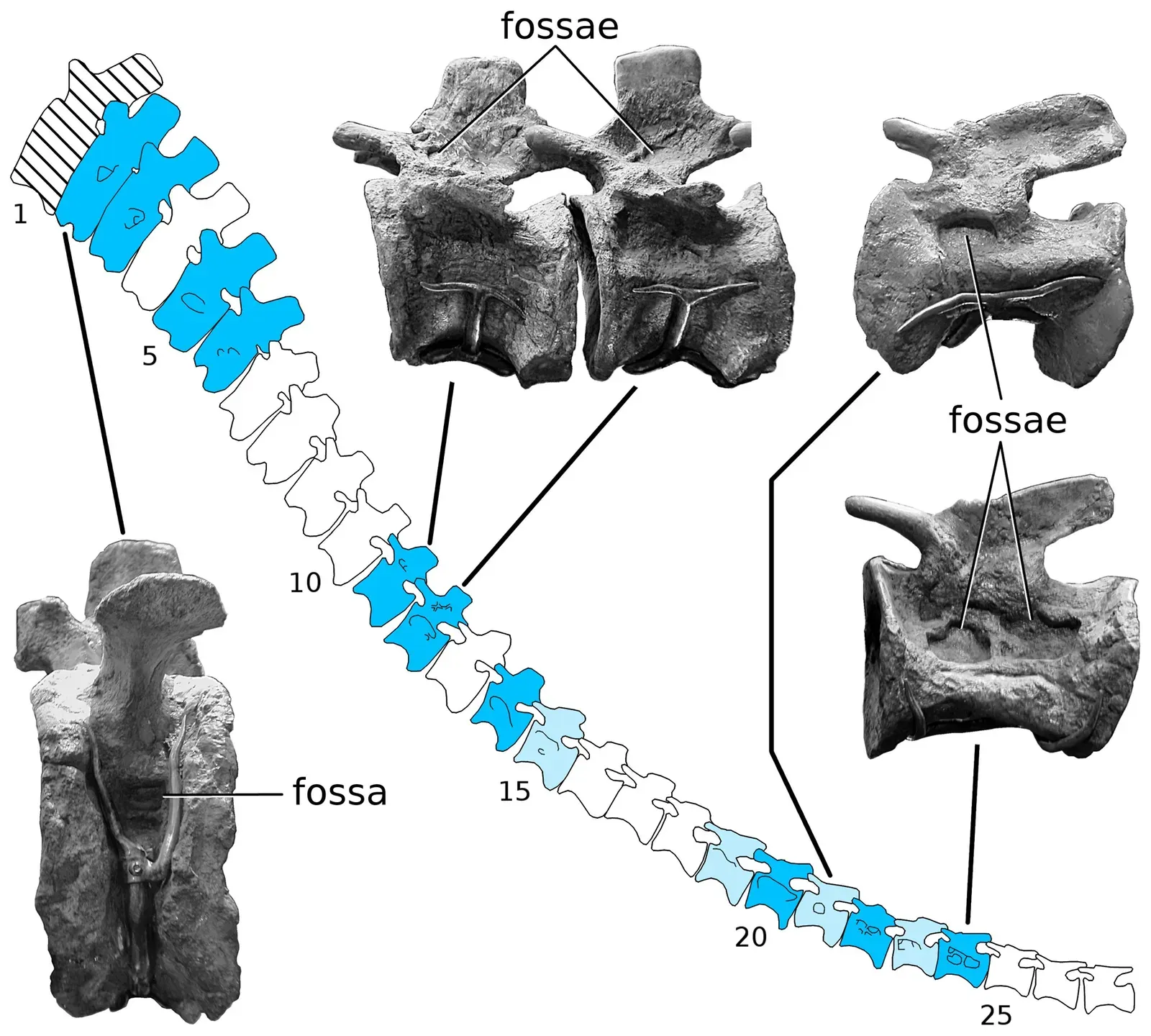
Breathing was not always easy for dinosaurs either. A small, long‑necked sauropod nicknamed “Dolly” shows lesions on neck vertebrae that fit what you see in certain respiratory infections in modern birds. Because many dinosaurs had bird‑like, air‑sac based respiratory systems, they were likely vulnerable to similar pathogens that inflame air sacs and lungs. When air‑filled spaces in bone become infected, you get abnormal bone deposits and roughened surfaces. For you, this means that a dinosaur with its graceful neck held high might have been coughing, wheezing, and fighting for breath in a way that would feel tragically familiar if you have ever had a severe respiratory bug.
Tumors and Cancer in the Age of Dinosaurs
It is easy to assume cancer is a modern plague tied to pollution and long lifespans, but fossils keep reminding you that tumors go way back. Researchers have documented benign and malignant bone tumors in several dinosaur groups, including duck‑billed hadrosaurs and horned dinosaurs. In one case, a bone growth in a Centrosaurus hip has been interpreted as an osteosarcoma, a form of bone cancer also seen in humans today. The diagnosis relies on looking at growth patterns, internal structure, and how the tumor invades surrounding bone, then comparing that with documented cases in living animals.
Interestingly, cancer still seems relatively rare in the dinosaur fossil record, at least in the kinds of tissues that can fossilize. That could be because many cancers affect soft organs that do not preserve, or because shorter lifespans and different metabolisms limited the time for tumors to develop. Some researchers have even drawn on ideas like Peto’s paradox, which notes that large animals do not get cancer as often as you might expect, suggesting they evolved extra layers of protection. When you weigh the data, you see that dinosaurs did get cancer, but not in a way that currently suggests it was a major driver of their extinction.
What Dinosaur Ailments Reveal About Evolution and Modern Disease
Once you accept that dinosaurs suffered from arthritis, infections, parasites, and tumors, a huge idea clicks into place: many of the diseases you face are ancient, conserved threads in the tapestry of life. The same basic joint inflammation that locks up a human knee has analogs in the elbows and hips of hadrosaurs. The same kind of bone infection that can follow a deep wound today carved ragged patterns into theropod limbs roughly about seventy million years ago. You are not just seeing coincidence; you are seeing deep evolutionary continuity in how vertebrate bodies respond to damage and invasion.
This perspective can subtly reshape how you think about health. Instead of treating every illness as something uniquely modern, you can frame many conditions as long‑running negotiations between bodies, pathogens, and environments. Paleopathology gives you case studies that played out over vast timescales, showing which kinds of damage are common, which are survivable, and which carry a heavy cost. In that sense, every diseased dinosaur bone is not only a snapshot of one unlucky animal; it is also a data point in the long experiment of vertebrate biology that still includes you.
Why Dinosaur Diseases Did Not Wipe Them Out
When you first learn that dinosaurs had infections, parasites, and cancer, you might be tempted to link disease directly to their final extinction. After all, pandemics are a powerful narrative. But when you follow the evidence, you see a different story. Pathologies show up throughout the Mesozoic, not clumped at the end, and you find plenty of individuals that clearly survived serious injuries and chronic conditions. Healed fractures, remodeled infections, and long‑standing arthritis all tell you that many dinosaurs lived with disease rather than dying quickly from it.
Most researchers today view diseases as background pressures rather than the main trigger behind the end‑Cretaceous extinction. Asteroid impact, volcanic activity, and climate shifts remain the leading suspects for the sudden global disruption that finished off non‑avian dinosaurs. Illness would certainly have shaped who was strongest, fastest, or most vulnerable within populations, but the available fossil evidence does not point to a sweeping, species‑wide plague. For you, that is a useful reminder: in deep time as now, disease is powerful, but it usually works as one thread in a larger web of environmental and evolutionary forces.
When you put everything together, dinosaur fossils stop being just dramatic skeletons and become something more intimate: medical records from a vanished world. You see gout in tyrannosaurs, septic arthritis in hadrosaurs, respiratory infections in sauropods, bone infections across predators and prey, and tumors scattered like dark lottery tickets through various lineages. You realize that pain, disability, and chronic illness are not exclusively human experiences; they are baked into the history of complex life itself.
So the next time you walk past a dinosaur mount in a museum, try imagining not just how it hunted or moved, but how it felt on a bad day – limping, sore, out of breath, maybe fighting off an infection while still struggling to survive. In that moment, the gulf of millions of years shrinks, and you are simply looking at another vertebrate body carrying its share of flaws. Does it change how you see your own aches and ailments to know that even the giants of prehistory were never truly invincible?