
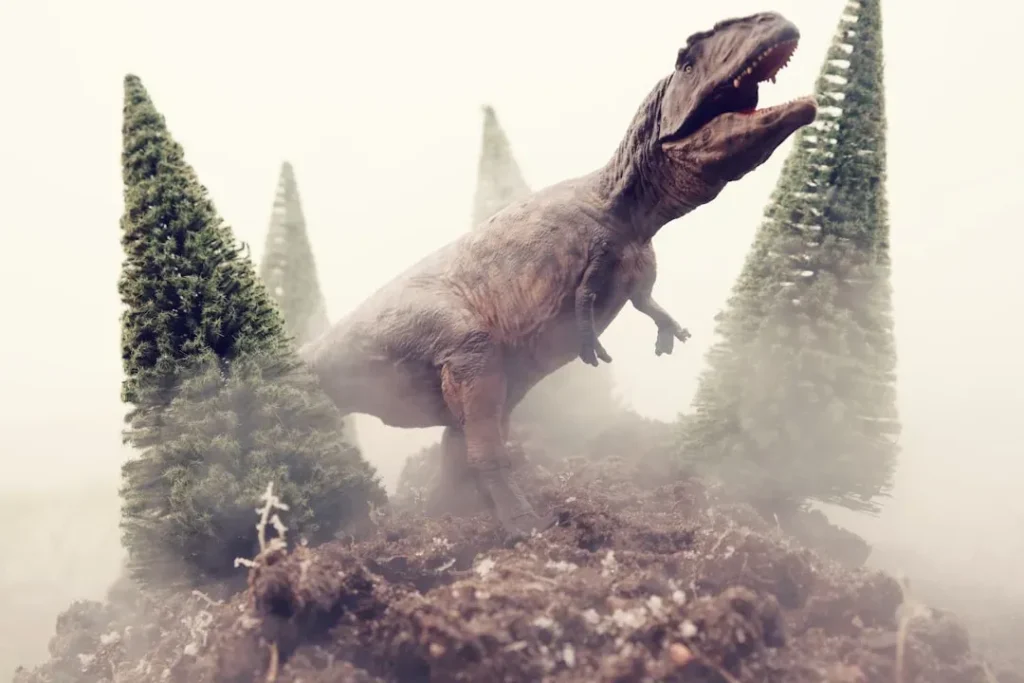
If you picture dinosaurs, you might automatically imagine a steamy jungle with giant ferns and roaring predators. That scene did exist in some places, but it’s only a tiny slice of the real story. Dinosaurs were far more adaptable than most movies ever show you, spreading across almost every type of landscape you can think of and surviving through dramatic shifts in climate and geography over tens of millions of years.
When you look closely at the fossils and the rocks they’re buried in, you see a world where dinosaurs learned to live in searing deserts, lush rainforests, windswept coastal plains, and even polar regions that spent much of the year in darkness. As you walk through these different ancient habitats in your mind, you start to see dinosaurs less as mythical monsters and more as tough, versatile animals that treated the whole planet as their playground.
Dry, Harsh Deserts: Surviving on Almost Nothing
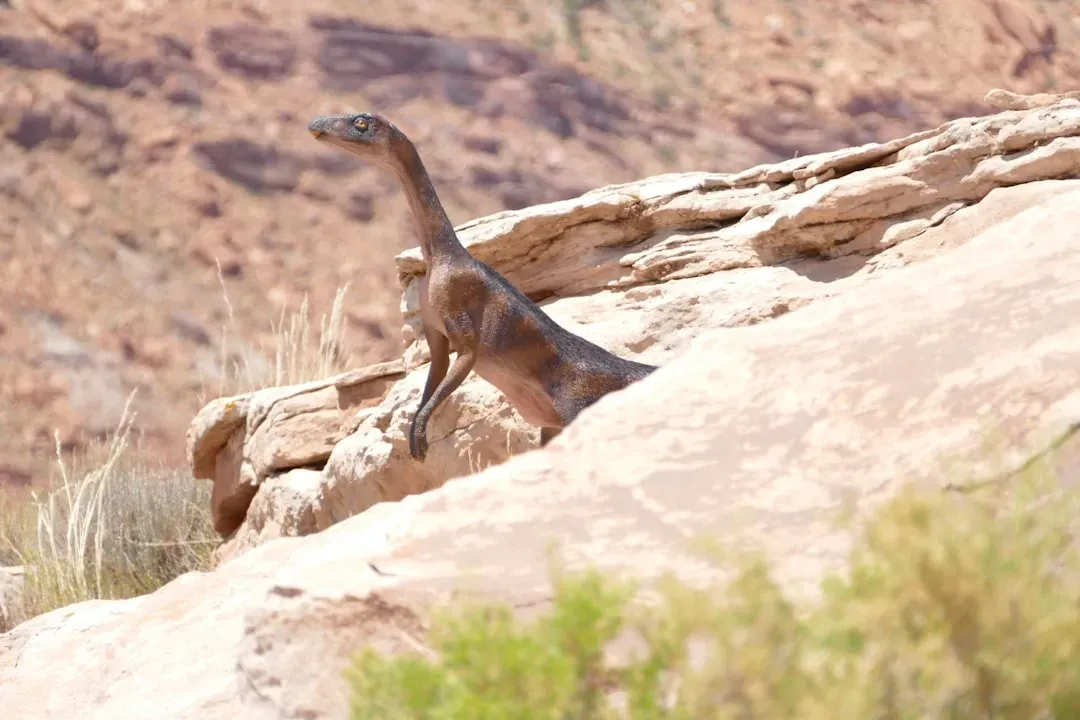
It might surprise you to learn that some dinosaurs lived in environments that would remind you more of the Sahara than a jungle. In certain parts of what is now Africa, North America, and Asia, you find dinosaur fossils preserved in ancient dune systems and desert floodplains, where sandstorms and long dry spells were part of everyday life. Here, you would have walked across cracked mud, scattered plants, and temporary rivers that only flowed after rare storms.
In these dry habitats, you’d see dinosaurs adapted to water scarcity and tough vegetation, much like how modern desert animals and plants push every drop of moisture to its limit. Some herbivorous dinosaurs likely followed seasonal rivers and oases, while predators tracked those herds across the open, exposed ground. Instead of a constant green backdrop, your dinosaur world here would feel raw and exposed, with survival depending on timing, migration, and the ability to tolerate long stretches of heat and drought.
Lush Jungles and Rainforests: The Classic Dinosaur Dreamscape
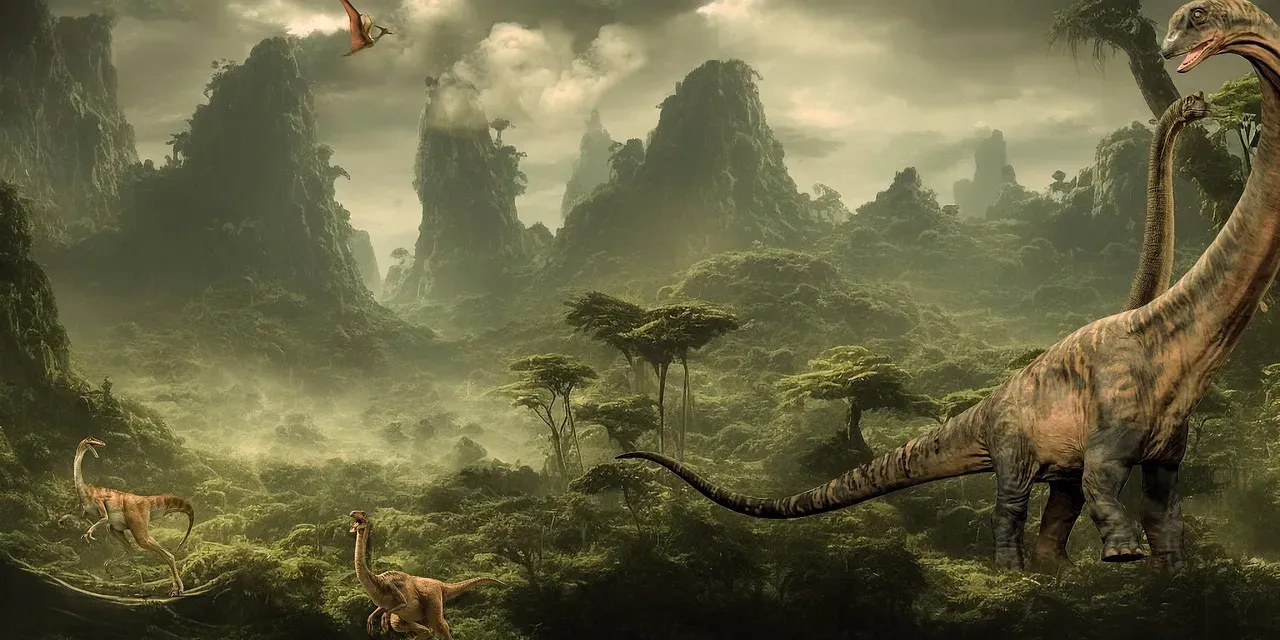
If you prefer that classic dinosaur scene in your head, then tropical forests of the Mesozoic would feel strangely familiar. In regions that were closer to the equator, you’d step into dense vegetation, tangled roots, and humid air, with towering conifers, early flowering plants, and giant ferns creating a thick, layered canopy. Light would filter down in patches, and the ground would be soft with leaf litter and mud, perfect for preserving tracks and footprints.
In a setting like this, you’d probably hear more than you could see: rustling branches, splashes in shallow streams, and distant calls echoing through the green. Herbivorous dinosaurs had an all-you-can-eat buffet of leaves and fronds, while smaller species could weave through the undergrowth to avoid larger predators. In these ecosystems, you’d watch complex food webs play out, with insects, early birds, small reptiles, and dinosaurs all competing, cooperating, and carving out their own little niches in the crowded, noisy forest.
Coastal Plains and River Deltas: Life on the Edge of Land and Sea
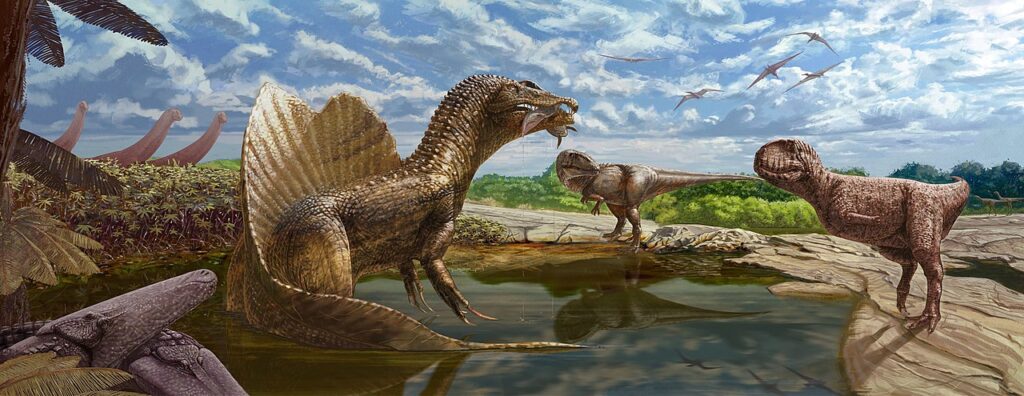
Now imagine you’re standing where land slowly gives way to the ocean: wide, muddy flats, tidal channels, and river deltas that flood and drain like a slow, steady breath. Fossils from these zones show you that dinosaurs were no strangers to coastal life, often walking along shorelines, crossing estuaries, and hunting or foraging near water. You’d see tracks preserved in layers of mud that once sat at the edge of ancient seas, frozen in time by the next layer of sediment.
In these coastal plains, you would have watched dinosaurs share space with early crocodile relatives, turtles, and fish-rich waterways, a bit like a prehistoric version of modern river deltas and mangrove zones. For you as an observer, this would feel like a constantly changing stage, where storms reshaped banks, rivers shifted course, and new feeding opportunities opened up with every change in water level. Dinosaurs here were not just landlocked creatures; they were part of a dynamic boundary between continents and oceans.
Floodplains and Seasonal Wetlands: Where Change Was the Only Constant
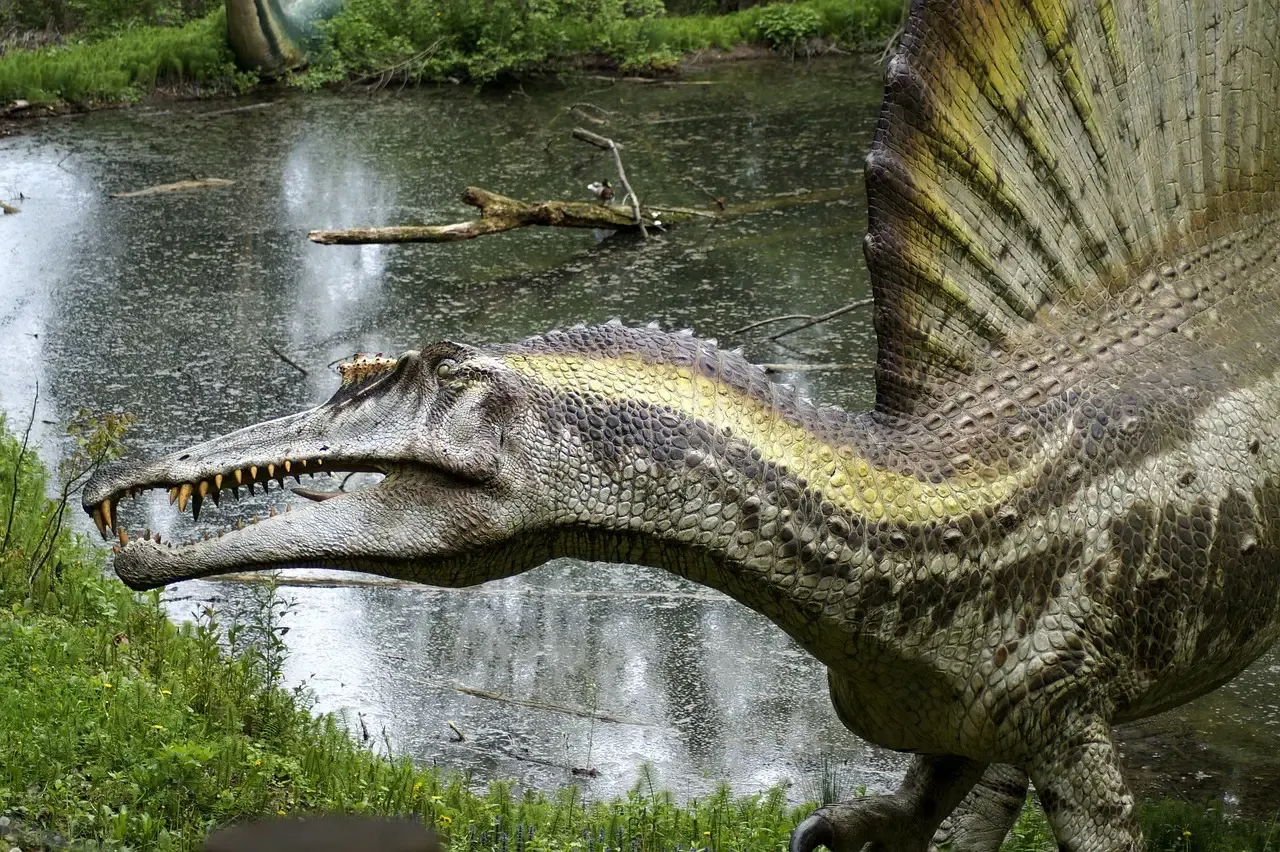
Some of the richest dinosaur fossil sites come from broad floodplains and seasonal wetlands, the kind of places where rivers overflowed and then shrank back, year after year. If you walked through one of these ancient landscapes, you’d be moving across a patchwork of shallow lakes, muddy channels, and grassy or fern-covered higher ground. Every season would have felt different: sometimes lush and full of life, other times dusty and dry, with cracked ground waiting for the next rains.
Here, you’d watch large herds of herbivores move across the land to find fresh growth after floods, followed closely by predators that relied on those migrations. Carcasses, footprints, nests, and even bones would pile up in certain low spots, giving you the dense fossil beds that scientists dig into today. These shifting wetlands acted like a conveyor belt for life and death, constantly burying remains in fine sediment and preserving a surprisingly detailed snapshot of how dinosaurs actually lived, moved, and died in their everyday world.
Forests of Conifers and Ferns: Ancient Woodlands Before Modern Trees
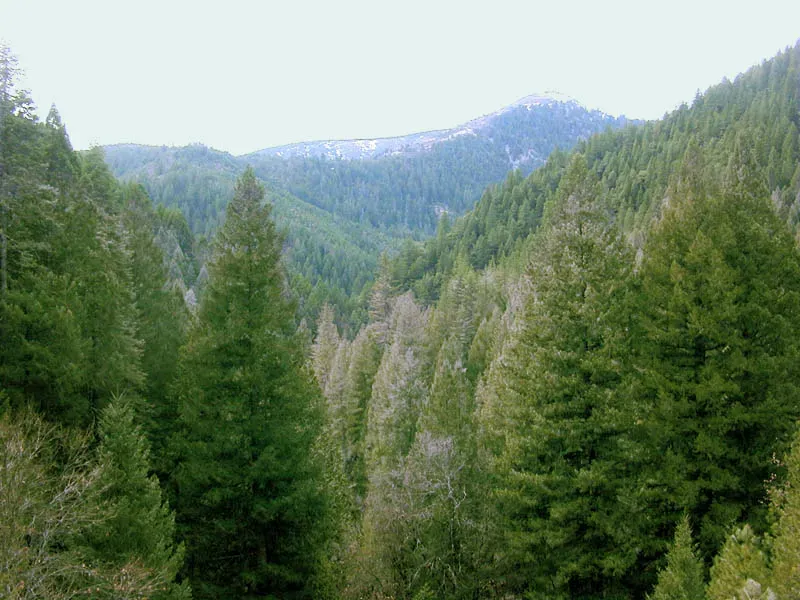
Before modern broadleaf forests took over much of the world, many dinosaur habitats were dominated by conifers, cycads, ginkgoes, and towering tree ferns. If you stepped into one of these forests, it would feel both familiar and strangely alien, like walking through a movie set where someone swapped out all the usual trees for older, more primitive relatives. The canopy could be quite tall, with long, straight trunks and feathery foliage above, while the ground layer was packed with low ferns and shrubs.
In these woodlands, you would see dinosaurs using the forest in different ways, just as modern animals do. Some species likely specialized in stripping needles and fronds from specific plants, while others may have preferred the open clearings where new growth sprouted after storms or fires. Smaller dinosaurs could use the understory for cover, darting between trunks, while larger ones had to navigate tree spacing and slopes. These forests gave you a layered environment where height, shade, and plant diversity shaped who lived where and how they survived.
High Latitudes and Polar Regions: Dinosaurs in the Land of Long Nights
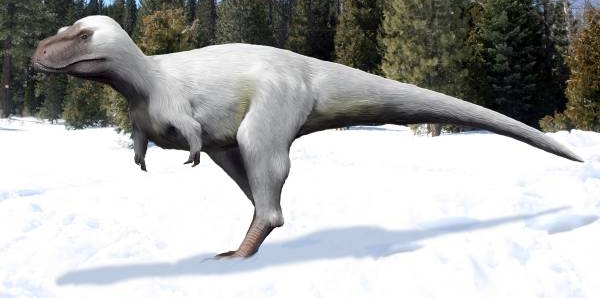
One of the most surprising stories you uncover is that dinosaurs also lived at high latitudes, in regions that would have experienced long, dark winters and months of low-angle sunlight. While the climate during much of the dinosaur era was warmer than today, these polar and near-polar areas still faced dramatic seasonal changes in light and temperature. If you visited these places, you would have seen forests adapted to the dark, with hardy plants and soils that might freeze or at least chill deeply during part of the year.
In such environments, you’d watch dinosaurs cope with months of limited daylight, and possibly cooler conditions, without the modern trick of migrating thousands of miles by flight. Some species may have grown slowly and steadily through the year, while others could have had strong seasonal growth spurts, reflected in their bones a bit like growth rings in trees. For you, it would challenge the old idea that dinosaurs were only tropical or subtropical creatures and show you they could handle far more extreme seasonal rhythms than most people ever imagine.
Mountainous Regions and Uplands: Life in the Thin Air
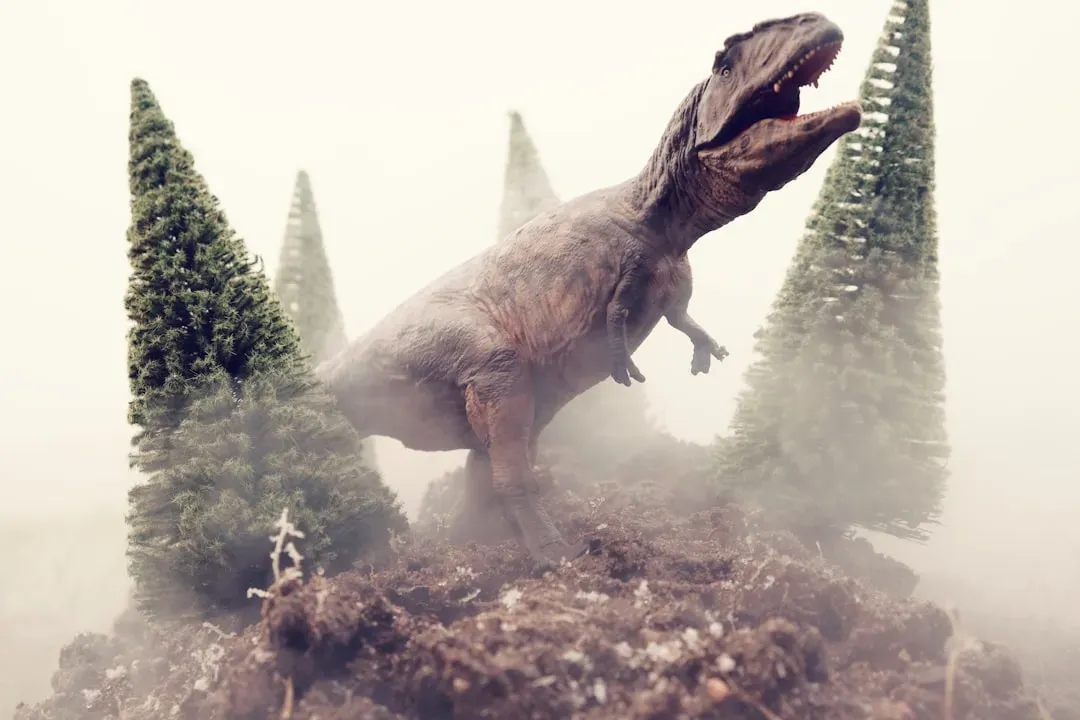
Although fossils are harder to preserve and find in high, rugged terrain, evidence suggests that dinosaurs did not avoid uplands or mountainous areas. If you followed them upslope, you’d feel cooler temperatures, thinner air, and more varied topography, with valleys, ridges, and cliffs shaping how animals moved. Plants here would differ from lowland jungles, possibly forming patchier forests, shrublands, and open slopes where only tougher vegetation could take root.
In this kind of landscape, you’d watch dinosaurs deal with steep climbs, limited flat ground, and potentially more rapid weather changes, a bit like modern mountain goats and deer adjusting to life on uneven terrain. Some species could have used higher ground to escape predators or to access unique food sources, while others might have crossed uplands as corridors between richer lowland basins. For you personally, this breaks the mental picture of dinosaurs always striding across broad, flat plains and reminds you that they were just as capable of conquering hills and heights as many of today’s large animals.
Island Worlds and Isolated Habitats: Evolution in Miniature and Magnified
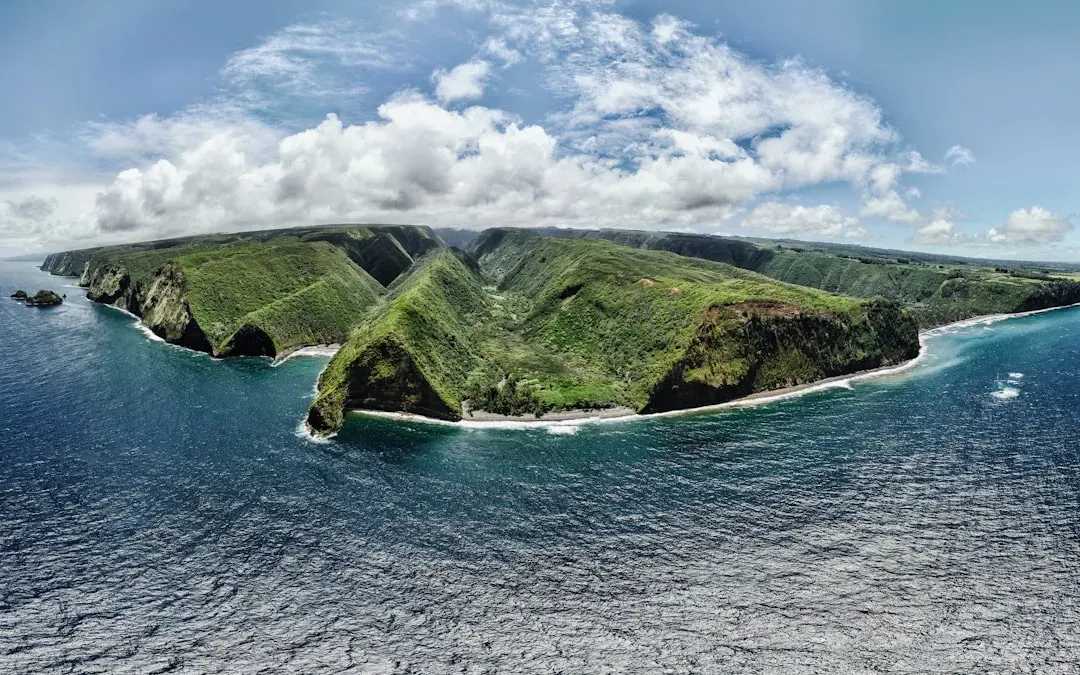
Finally, when you look at ancient island systems and isolated basins, you see dinosaurs experimenting with evolution in fast-forward. On islands and in cut-off regions, species sometimes shrank or grew to unusual sizes, a pattern you also see in many modern animals. If you visited one of these ancient islands, you might find smaller versions of large dinosaurs or unique local species that evolved because they were cut off from their mainland relatives.
In these isolated worlds, you’d witness ecosystems that felt self-contained, with fewer species but more dramatic specialization, a bit like watching a tiny, self-written play unfold far from the main stage. Predators and prey could be highly tuned to each other, and small changes in climate or sea level might have big consequences for every living thing there. For you, these island and isolated habitats highlight just how flexible dinosaur evolution really was, constantly responding to geography, isolation, and chance in creative ways.
When you step back and look across deserts, jungles, coastlines, wetlands, forests, polar regions, mountains, and islands, you start to see dinosaurs not as creatures locked into one kind of environment, but as champions of adaptation. They treated the planet like an enormous patchwork of opportunities, moving into new habitats, evolving new body shapes and behaviors, and enduring through massive environmental changes until that final, catastrophic end. As you imagine walking through those vanished landscapes, you’re really asking yourself a deeper question: if dinosaurs could thrive almost everywhere on Earth, what does that tell you about how life today might respond to the changes still coming?