You usually hear about climate change through graphs, satellites, and computer models. But the most powerful witnesses of Earth’s wildest climate swings are not digital – they’re silent, stony records buried in rocks and seafloor mud. If you know how to read them, fossils will walk you through billions of years of heat waves, ice ages, poison skies, and ocean upheavals that make today’s changes feel both terrifying and suddenly very real.
In this article, you’re going to travel from the almost alien early Earth to the end of the last ice age, guided by eight different kinds of fossils and fossil sites. Each one cracked open a specific climate mystery: how the planet warmed under a faint young Sun, how oxygen rewired the atmosphere, how oceans turned sour, and how life itself adapted – or did not. As you move through them, try to imagine you’re the scientist holding that rock or core sample in your hand, seeing the past sharpen into focus layer by layer.
1. Stromatolites: Microbial Cities Under a Faint Young Sun
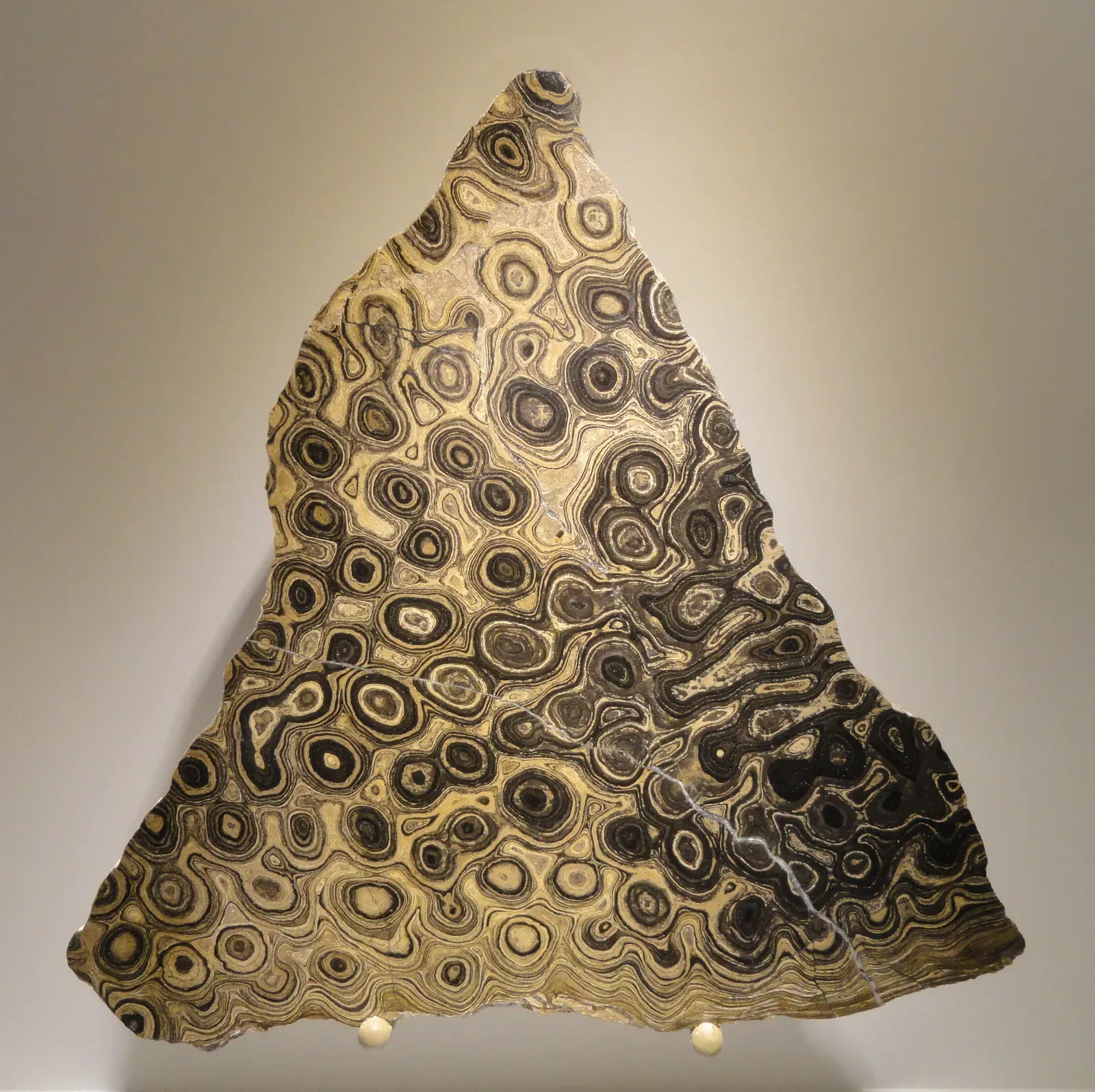
Imagine standing on a shoreline more than three and a half billion years ago, when the Sun was dimmer and the air lacked breathable oxygen. The fossils that pull you into that world are stromatolites – layered, dome-like structures built by microbial communities that trapped and glued sediment together over time. Some of the oldest known stromatolite-like structures, such as those in the Isua Greenstone Belt in Greenland and the Pilbara region of Western Australia, date back over three and a half billion years and show that microbial life was already thriving astonishingly early in Earth’s history.
What makes stromatolites such powerful climate clues for you is not just that they prove life existed; it’s that many of the microbes that built them used photosynthesis. As they pulled carbon dioxide from the atmosphere and released oxygen, they began to alter the climate system from the ground up. You can think of each stromatolite layer as a slow pulse in a planetary-scale experiment: high greenhouse gases, dim Sun, and a biosphere inching toward an atmosphere that could eventually cool the planet and support more complex life.
2. Banded Iron Formations: Rusty Archives of Rising Oxygen
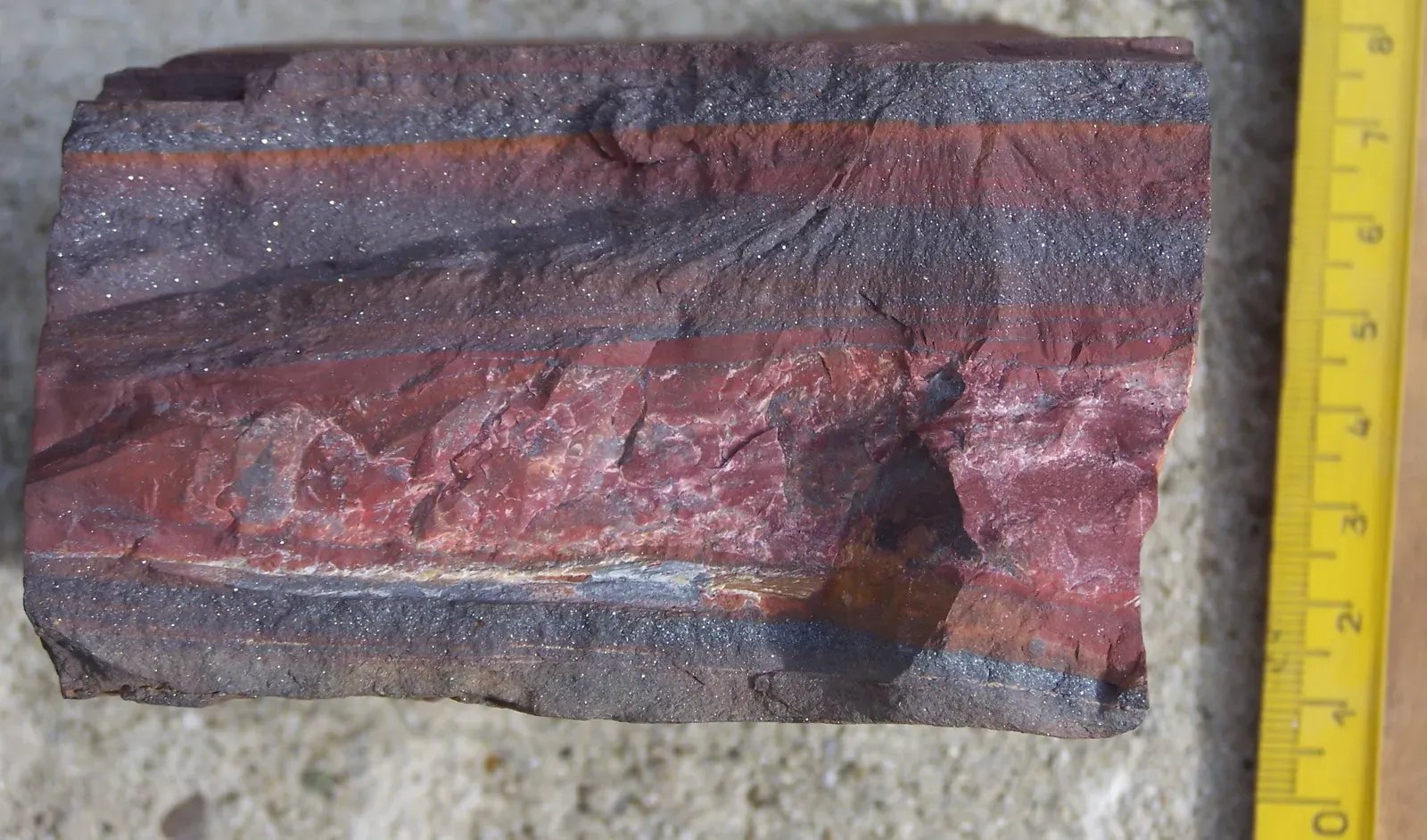
When you see banded iron formations – those striking rocks with alternating dark and rusty-red layers – you’re looking at the chemical echo of a climate revolution. In the oceans of early Earth, dissolved iron was abundant and the atmosphere was nearly oxygen-free. As photosynthetic microbes pumped out more and more oxygen, that oxygen reacted with the iron in seawater, forming solid iron minerals that sank to the seafloor and built up in bands over millions of years. These formations, many of them older than two billion years, tell you that oxygen was no longer just a local curiosity; it was changing the entire surface environment.
This oxygen surge, often called the Great Oxygenation Event, did far more than just give future animals something to breathe. When you add oxygen to the air, you alter greenhouse gas chemistry, change how methane behaves, and likely shuffle the balance between warming and cooling. Some lines of evidence suggest that as oxygen rose and methane fell, the planet may have tipped into extreme glaciations – possible “Snowball Earth” episodes when ice advanced toward the equator. Those rusty rock layers are your early warning that biology had seized control of parts of the climate machine, and it was not going to let go.
3. “Snowball Earth” Glacial Deposits: Rocks from a Frozen Planet
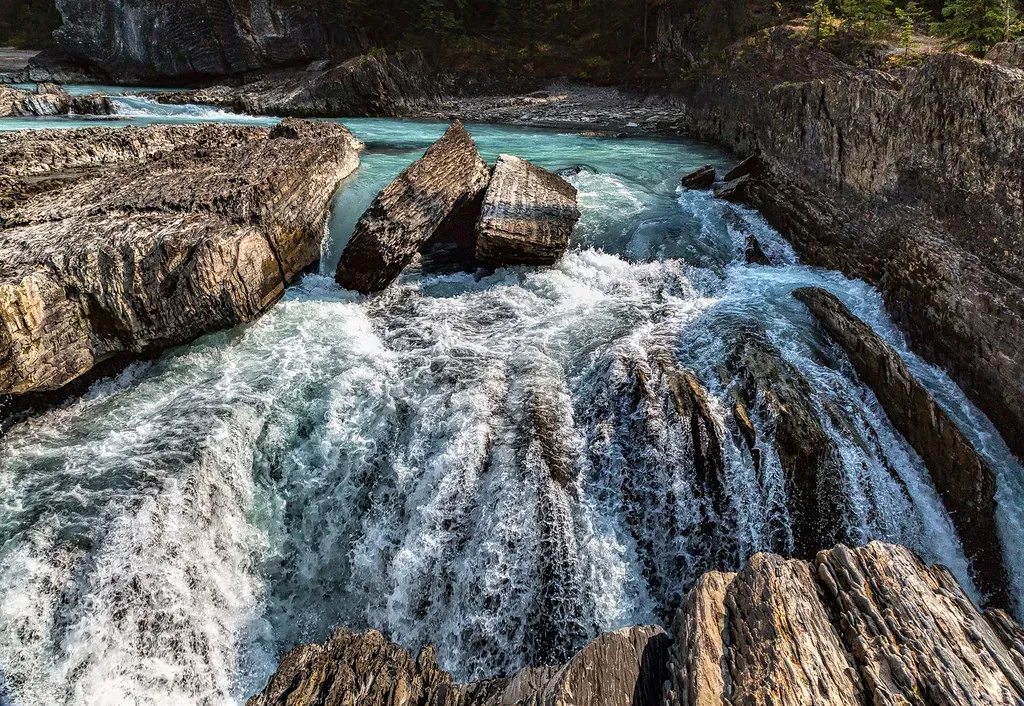
Fast-forward to roughly between two and a half and half a billion years ago, and you run into something almost unbelievable: geological signs that ice once reached into tropical regions. You see this in glacial deposits – rocks dropped by ancient glaciers – preserved in what were once low-latitude environments, along with polished bedrock and scratch marks that glaciers grind into the landscape. When you pair these textures with paleomagnetic data that tell you where the rocks sat on the globe when they formed, you’re forced to accept an almost global-scale glaciation.
These Snowball Earth episodes show you how far the climate system can swing when feedbacks go wild. Bright ice reflects sunlight, reinforcing cooling; volcanoes keep belching carbon dioxide into an atmosphere where weathering is slowed by ice. Over millions of years, greenhouse gases may have climbed to extreme levels under that frozen shell, eventually triggering a catastrophic melt and supercharged greenhouse world. When you hold one of these glacially dropped stones in your hand, you’re literally touching a momento from a time when the climate pendulum swung from near-total freeze to powerful hothouse, with life somehow hanging on through it all.
4. Dinosaur-Age Leaf Fossils: Carbon Dioxide Written in Plant Pores
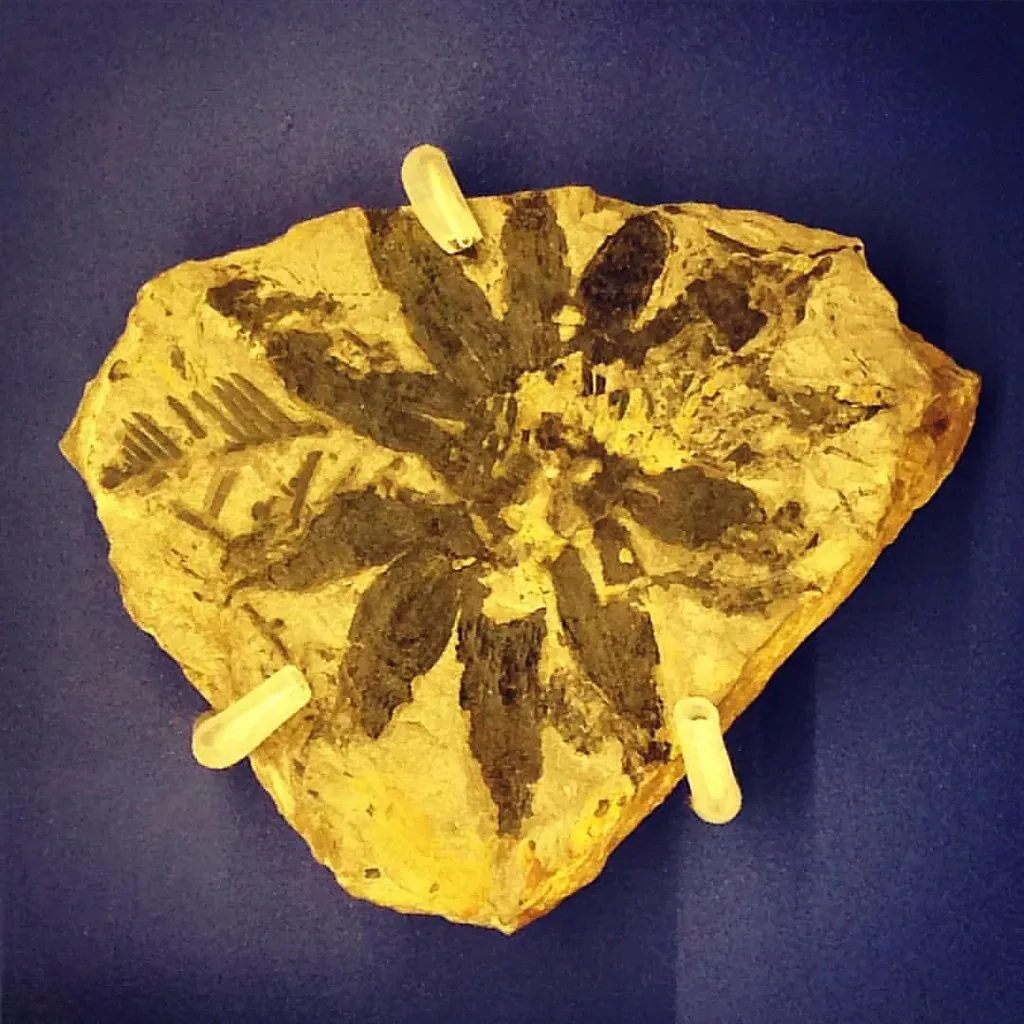
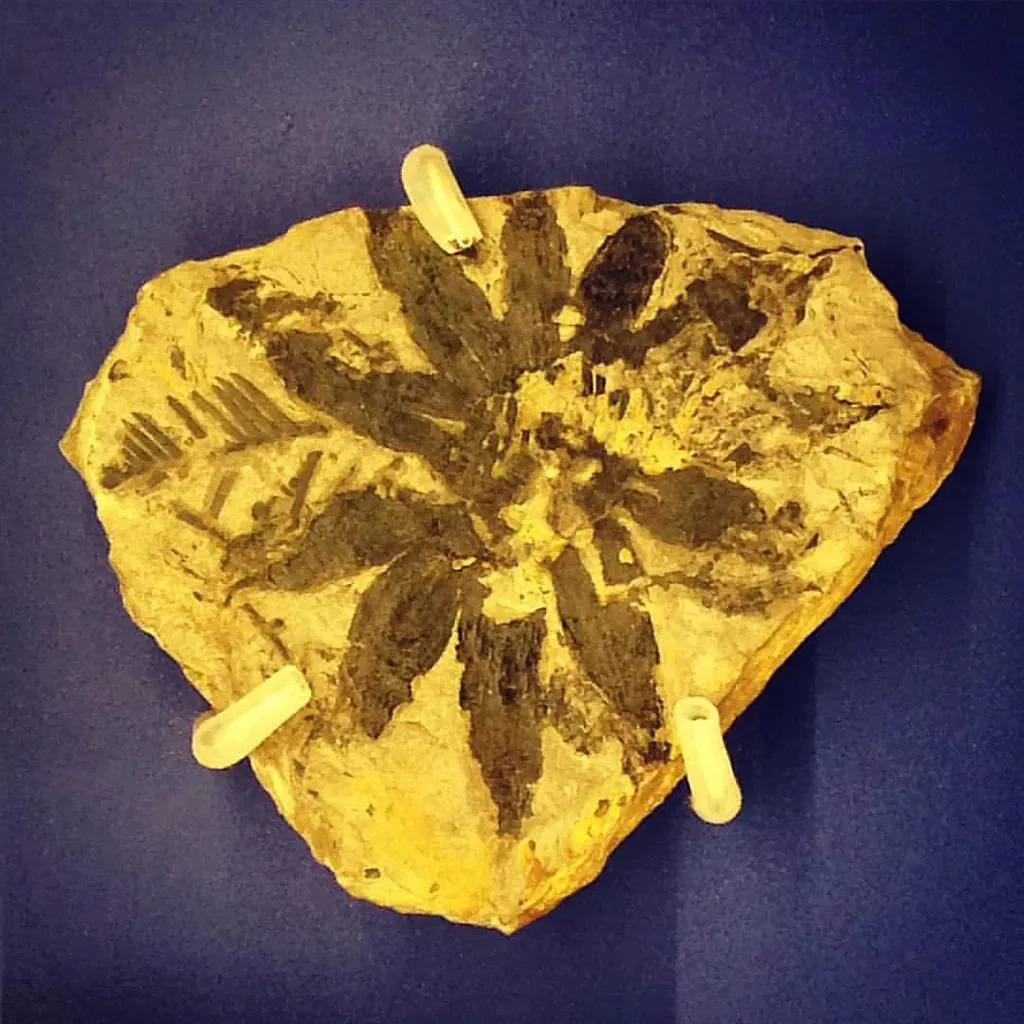
Jump ahead to the age of dinosaurs, and plants start telling you detailed climate stories through a surprisingly humble feature: stomata, the tiny pores on leaves used for gas exchange. Fossil leaves from the Jurassic and Cretaceous periods preserve stomatal density and shape. When you compare these fossil patterns with modern plants grown under known carbon dioxide levels, you can use them as a kind of biological gauge for ancient atmospheric CO₂. In general, higher carbon dioxide means plants can afford fewer stomata, while lower carbon dioxide pushes them to pack more pores onto each leaf.
By reading these fossil leaves, you get evidence that many parts of the dinosaur world were warm, with higher carbon dioxide than today, yet still diverse and forested. Combined with other data, like the distribution of fossilized tropical plants and the lack of large ice sheets, these leaves help you see how a high-CO₂, ice-free planet actually operated. You start to realize that Earth has spent long stretches in states that would feel almost unrecognizable to you now: lush polar forests, elevated sea levels, and climate zones shifted far from where they sit today.
5. Foraminifera Shells: Microscopic Thermometers of Ancient Seas
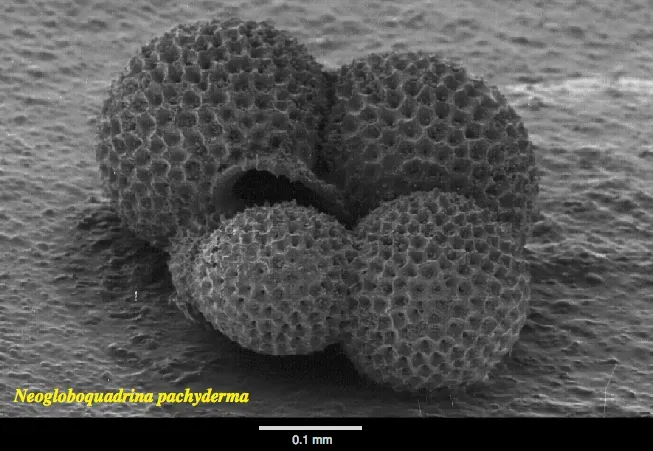
When you scoop up a handful of deep-sea sediment and look closely under a microscope, you’ll find tiny shells that look like intricate beads and spirals. These are foraminifera, single-celled protists that build calcium carbonate shells and have lived in the oceans for tens of millions of years. As they form their shells, they incorporate oxygen in isotopic ratios that depend on the temperature and composition of the surrounding seawater. By measuring those isotope ratios – especially the balance between heavier and lighter oxygen – you can reconstruct past ocean temperatures and even infer changes in global ice volume.
Because foraminifera are so widespread and fossilize so well, they give you a near-continuous climate log stretching through major warmings and coolings. You can trace the end of the last ice age, step by step, through changes in their chemistry and species composition. You also see how sensitive these organisms are to today’s warming and acidification, with recent studies showing shifts in their abundance, shell thickness, and distribution. In other words, the very creatures that let you decode ancient oceans are quietly recording the fingerprints of your current emissions right now.
6. PETM Sediment Cores: A Deep-Time Preview of Rapid Warming
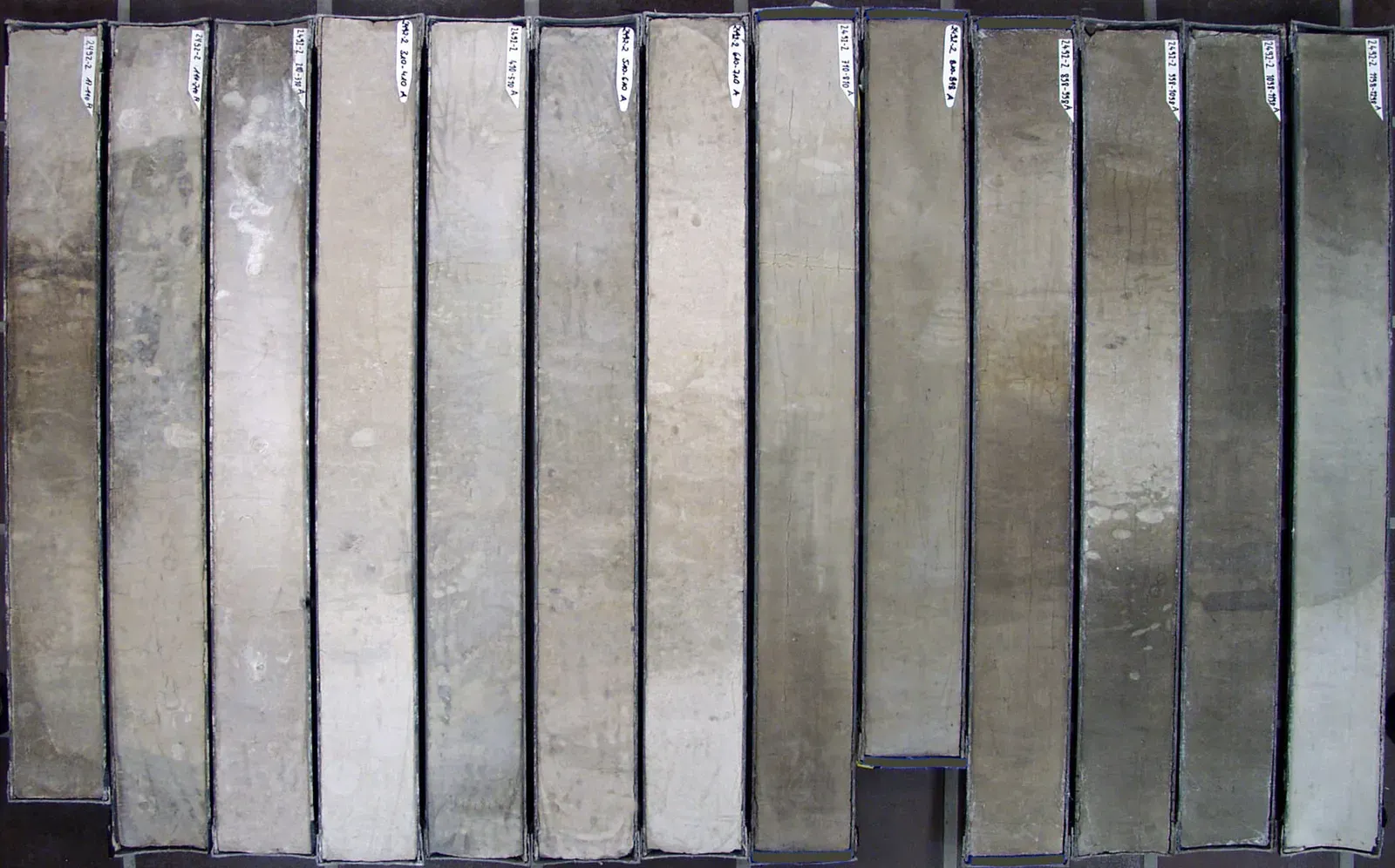
One of the most dramatic climate jolts in the last hundred million years is the Paleocene–Eocene Thermal Maximum, or PETM, roughly fifty-six million years ago. You meet it in sediment cores pulled from the seafloor, where a thin, often reddish layer stands out like a scar. That layer is packed with chemical clues: a sharp shift in carbon isotopes signaling a massive injection of carbon into the atmosphere–ocean system, changes in foraminifera communities, and signs of ocean acidification that dissolved some of the seafloor carbonate. When you piece these together, you see global temperatures jumping by several degrees over a geologically short interval.
What makes the PETM especially sobering for you is how closely some of its patterns echo what you’re doing to the planet now. During that event, deep-sea organisms suffered significant extinctions, ecosystems reorganized, and mammals on land shrank and migrated as heat and changing habitats reshaped their world. The best estimates suggest the total carbon released then was enormous, but it likely dripped out more slowly than your current fossil-fuel burst. Those cores are effectively telling you: this is what happens when you dump a huge amount of carbon into the system – and you might be running the same experiment at an even faster speed.
7. Coral Reefs Through Time: Skeletons Recording Heat and Acidification
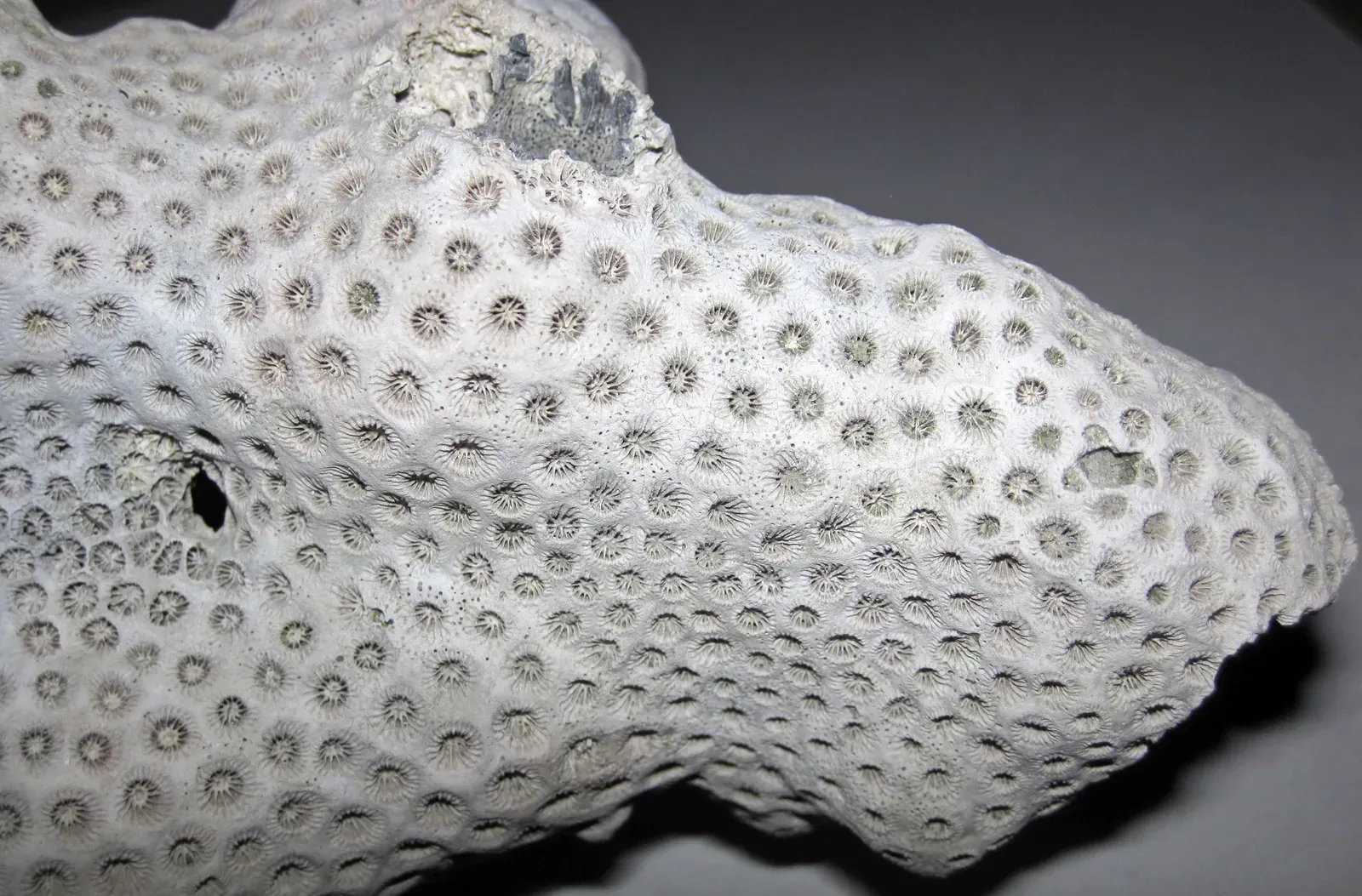
Corals build vast skeletons of calcium carbonate, and those skeletons pile up to form reefs that can persist for millions of years. When you slice through fossil reef rock or drill cores through modern reefs, you’re reading a layered diary of sea-surface temperature, water chemistry, and sea-level change. The growth bands in coral skeletons, a bit like tree rings, can be analyzed for trace elements and isotopes that reflect how warm and how acidic the surrounding seawater was when each layer formed. Ancient reef systems, from the Devonian to the modern tropics, show you that corals tend to thrive within a fairly narrow climate window.
Over geological time, you see reefs flourish during stable warm intervals and then falter or disappear during rapid warming, cooling, or episodes of ocean acidification. Some mass extinctions in the fossil record include catastrophic reef collapses, with coral diversity taking millions of years to recover. When you compare that to today’s bleaching events and declining reef health, the message is uncomfortably direct: coral fossils are showing you how sensitive these ecosystems have always been to relatively quick climate shocks. They also remind you that reef loss is not just about pretty snorkeling spots; it reshapes coastlines, fisheries, and entire marine food webs.
8. Ice Age Pollen and Megafauna Bones: Landscapes on the Move
As you arrive in the most recent slice of Earth history – the ice ages of the last couple million years – fossils start looking more familiar. Lake sediments preserve layers filled with pollen grains from plants that once ringed the water’s edge and covered nearby hills. By counting and identifying these grains in each layer, you can reconstruct which plant communities lived where, and how they migrated as glaciers advanced and retreated. When you see cold-loving species’ pollen moving south and then retreating north again, you’re literally watching climate zones slide across continents.
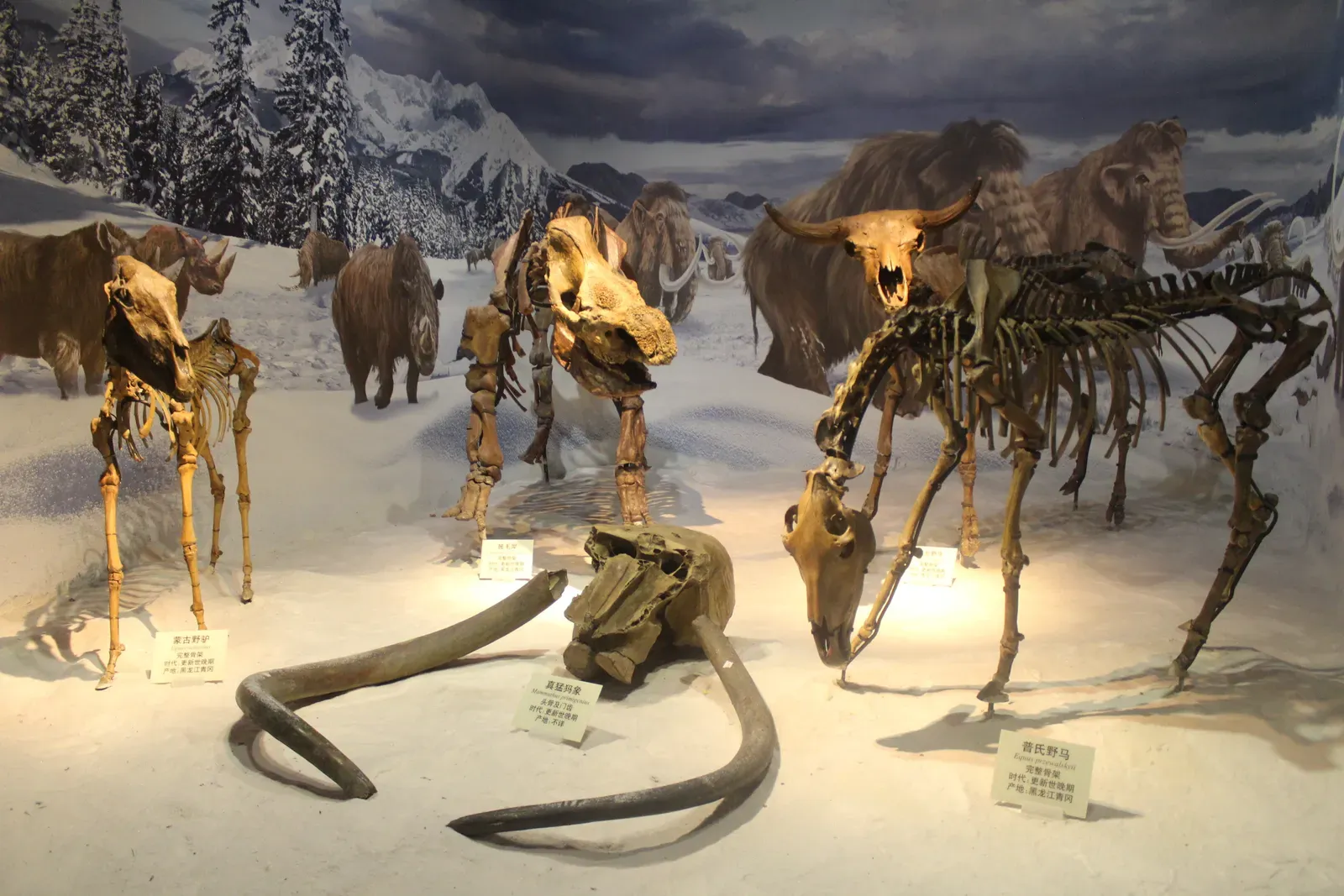
Alongside this botanical evidence, you find bones of megafauna: mammoths, giant ground sloths, woolly rhinos, and other large mammals that roamed these shifting landscapes. Their distributions over time show you how animals tracked changing habitats, and how some could not keep pace with the combination of warming, shrinking ice, and growing human pressures. Together, pollen and bones give you a fine-grained picture of a climate that swung dramatically, but still generally more slowly than what you’re forcing now. They prove that ecosystems can reorganize on large scales – but they also show that the cost often comes as extinctions and permanent loss.
Conclusion: Listening to Stones Before They Speak for You
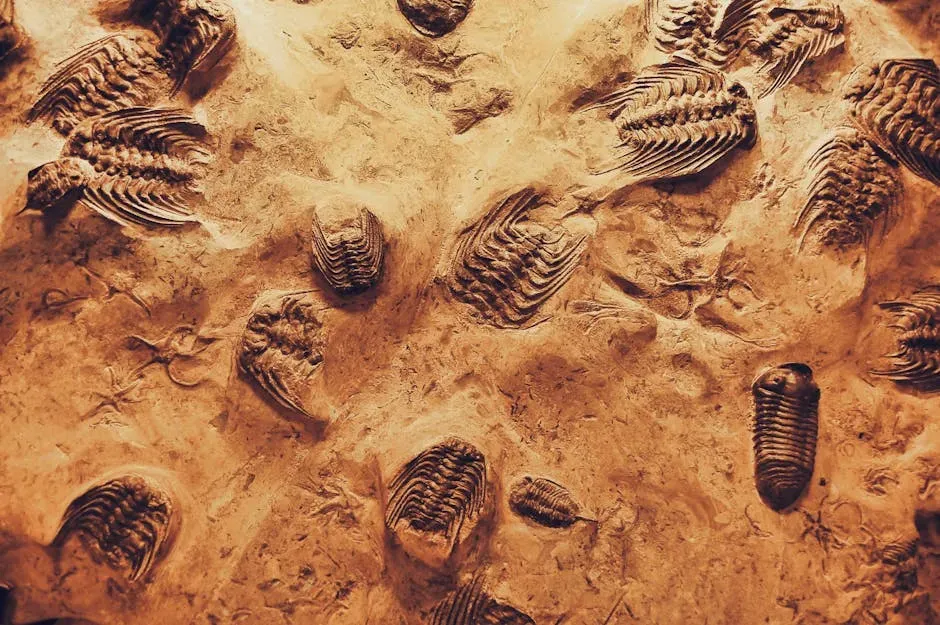
When you step back from these eight fossil stories, a pattern hits you: Earth’s climate has never been static, but the biggest, fastest swings usually come when something kicks the carbon cycle or planetary reflectivity out of balance. Microbes oxygenated the sky, ice swallowed continents, carbon bursts overheated oceans, and life repeatedly scrambled to adapt. Each fossil type – from stromatolite mounds to microscopic shells and coral skeletons – is a different kind of recording device, letting you eavesdrop on how those experiments played out over billions of years.
The unsettling part is how familiar some of these ancient signals now look. Rapid carbon injections, ocean acidification, reef stress, shifting species ranges – you can see modern versions of all of them unfolding in real time, only compressed into centuries instead of tens of thousands of years. If you treat fossils as distant curiosities, they’re just pretty rocks; if you treat them as hard-won lessons from previous climate upheavals, they become warnings you can still act on. Knowing what you know now, how do you want the rock record of your own century to read when someone studies it millions of years from today?